Inspiration
Self-learners today are overwhelmed by "information overload." Whether it’s programming or UX design, the hardest part isn't finding information—it's knowing where to start and how to stay on track. We wanted to build a tool that acts as both a personal architect and a private tutor, turning a vague goal into a clear, actionable path to mastery.
What it does
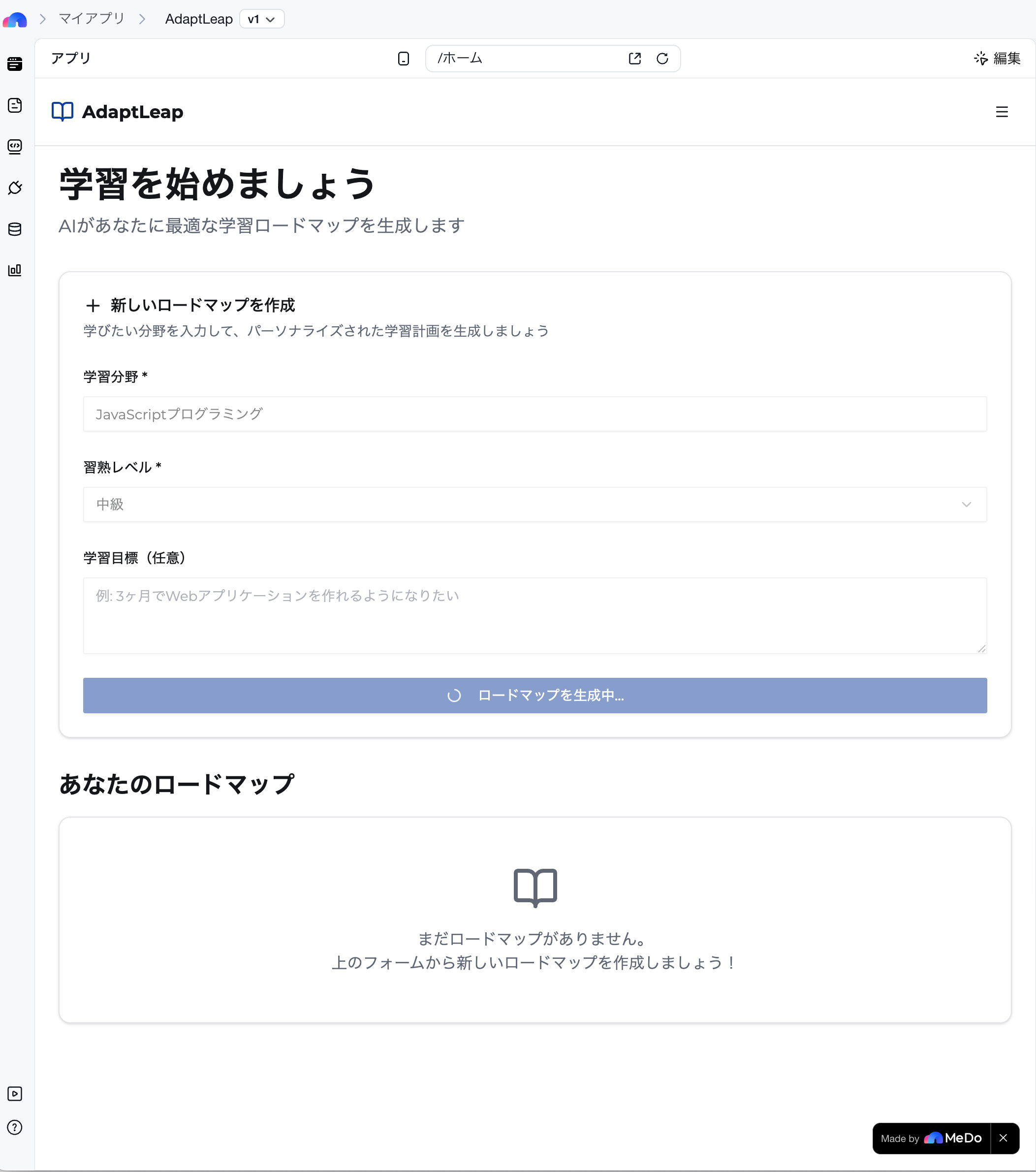
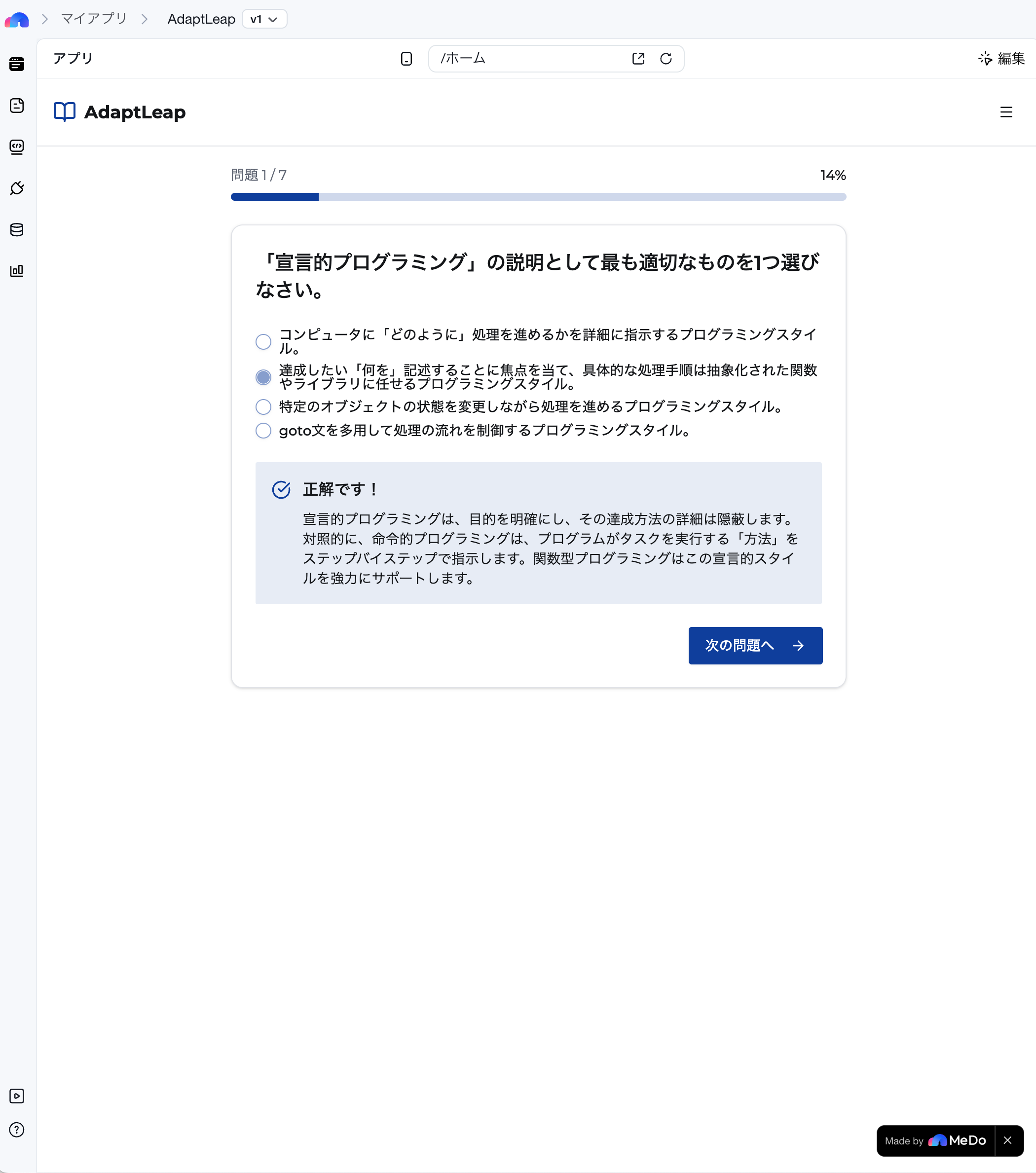
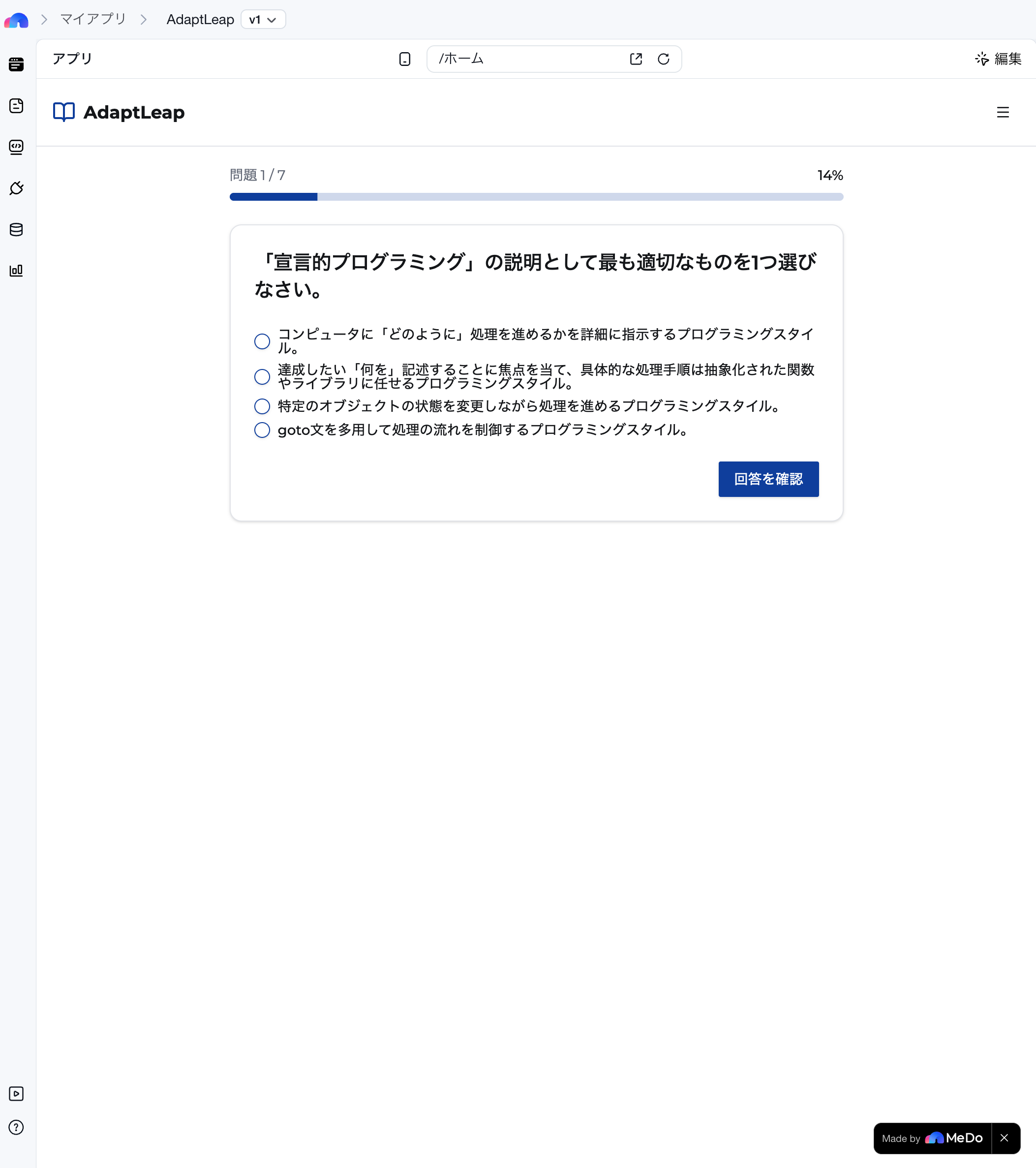
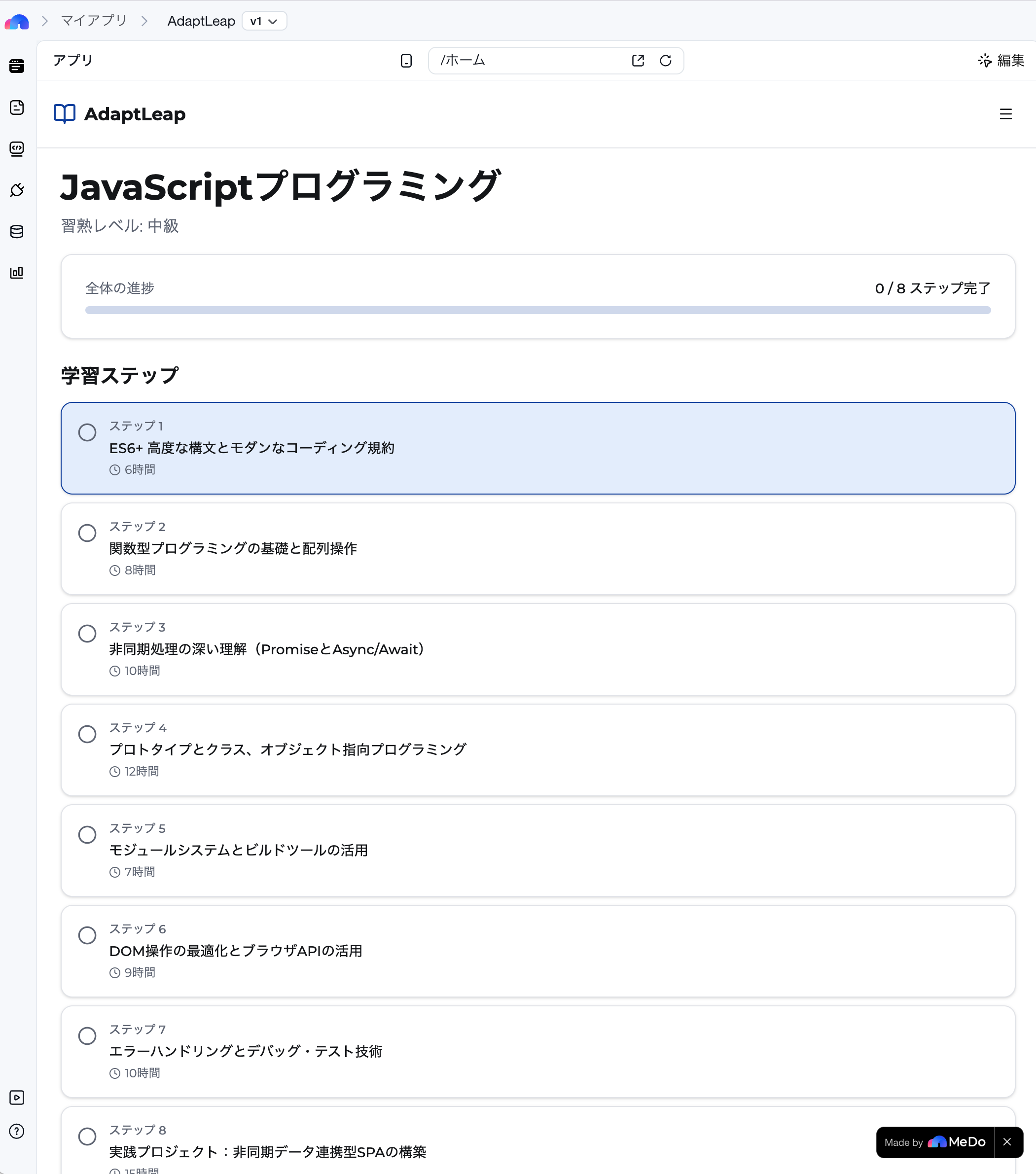
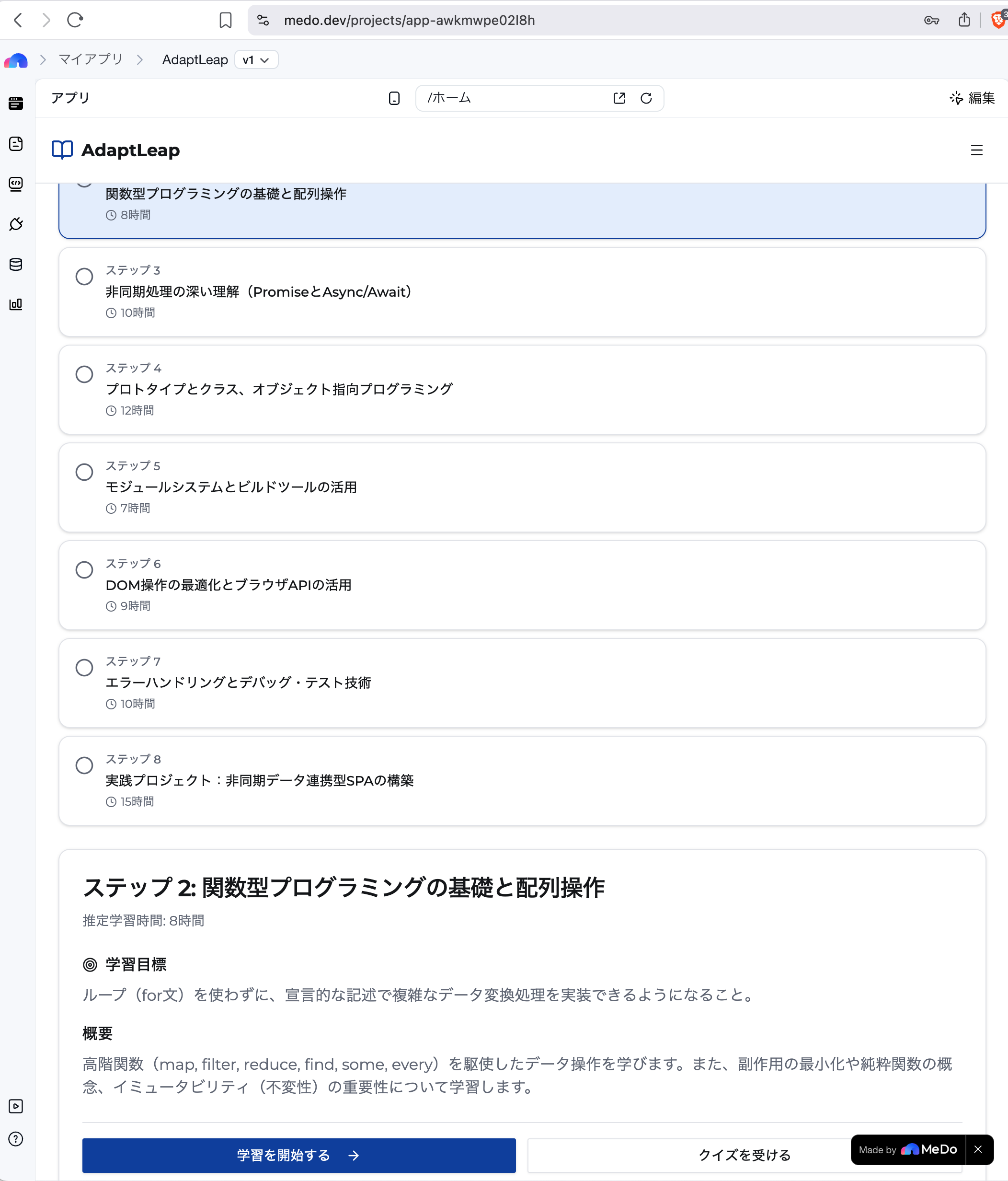
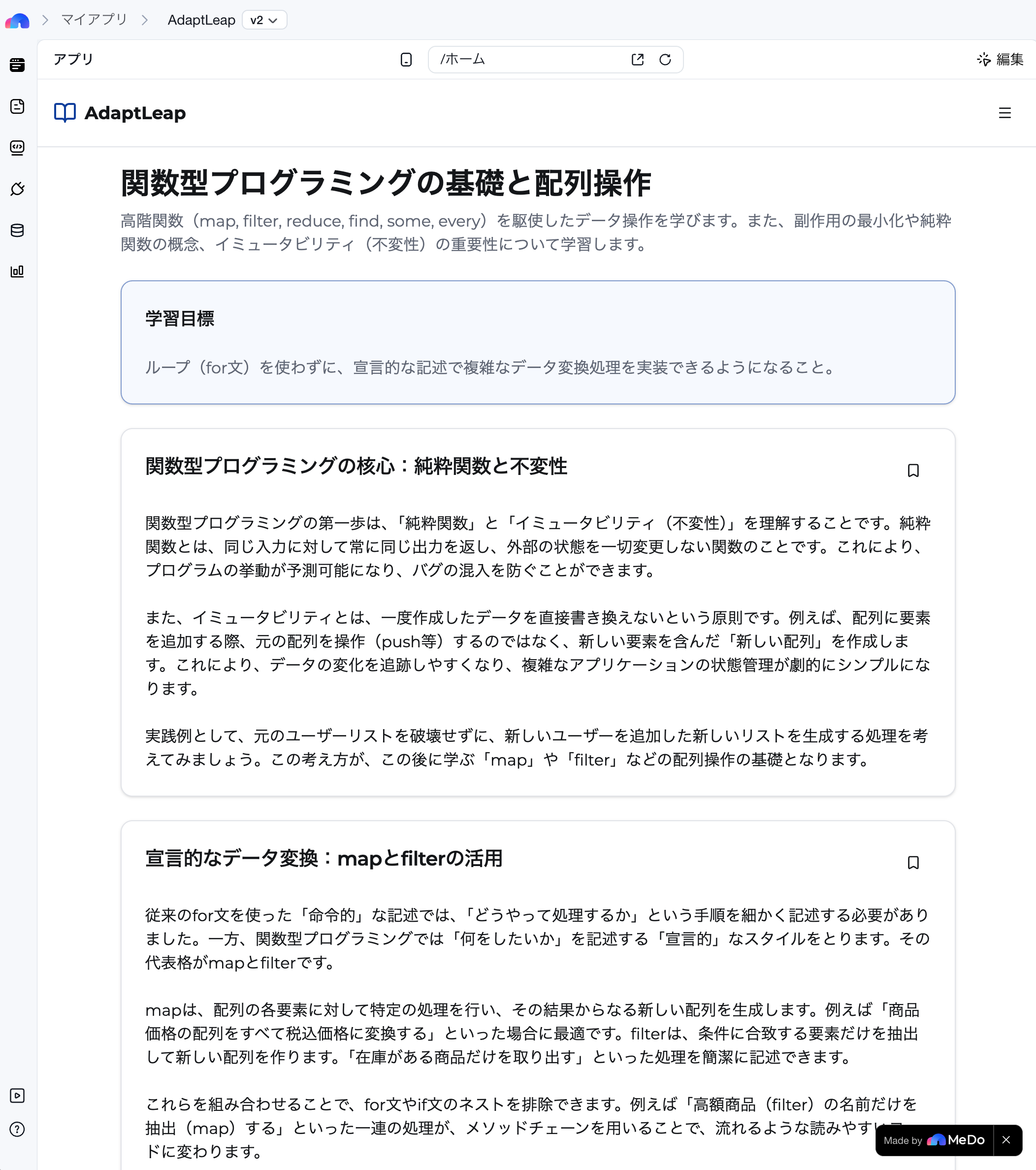
AdaptLeap is an AI-driven learning platform that generates personalized, multi-step roadmaps based on a user's chosen field and skill level. It doesn't just provide a list of topics; it integrates interactive quizzes at every step. By analyzing quiz performance, the system identifies specific "weakness zones" and automatically triggers a "Weakness Focus Review Mode" to provide supplementary materials and targeted practice where the user needs it most.
How we built it
The core engine utilizes advanced Large Language Models (LLMs) to analyze learning domains and generate structured, 5-to-15-step roadmaps. The backend manages complex user progress tracking and quiz scoring, while the frontend offers a gamified dashboard with progress bars and achievement badges. We integrated OSS Google Authentication for secure, seamless access and implemented an adaptive logic layer that evaluates test scores to dynamically suggest review content.
Challenges we ran into
One of the biggest hurdles was ensuring the AI-generated roadmaps remained logically consistent and high-quality across diverse subjects. We also had to refine the "Weakness Analysis Logic" to ensure that the system didn't just label a user as "failing," but instead provided constructive, helpful alternatives for improvement without discouraging the learner.
Accomplishments that we're proud of
We are particularly proud of the Weakness Focus Review Mode. It transforms the traditional "pass/fail" educational model into a continuous feedback loop. Seeing the system successfully identify a specific knowledge gap and immediately offer a "bridge" to close that gap feels like the future of personalized education.
What we learned
Building AdaptLeap taught us the importance of structured prompt engineering for generating consistent educational data. We also gained deep insights into user experience design for data visualization—learning how to display progress and "weaknesses" in a way that is motivating rather than overwhelming.
What's next for AdaptLeap
The next leap for AdaptLeap involves building a community ecosystem where learners can engage in discussion forums and seek expert Q&A sessions. We also plan to integrate with external learning resources like video courses and technical documentation, and eventually expand the platform to support multiple languages to empower learners worldwide.
Built With
- medo

Log in or sign up for Devpost to join the conversation.