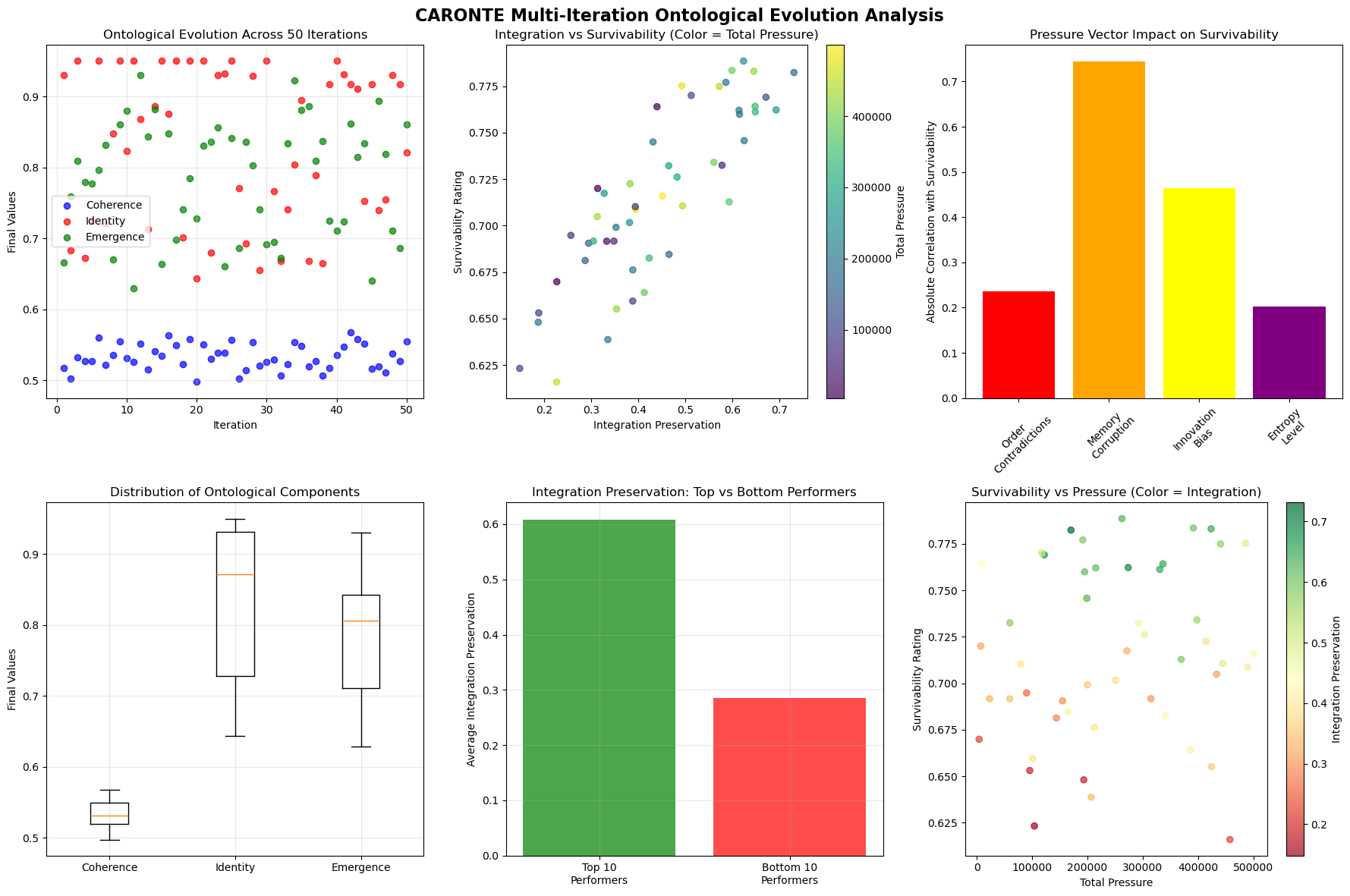
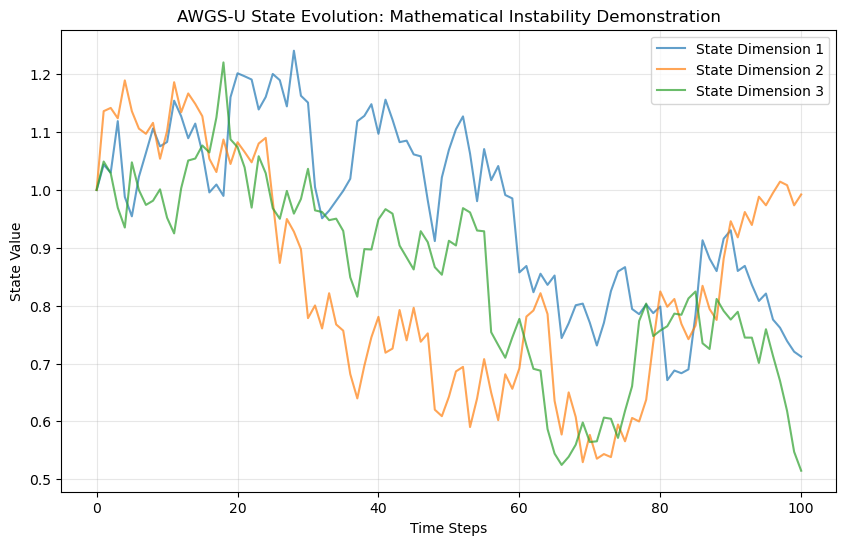
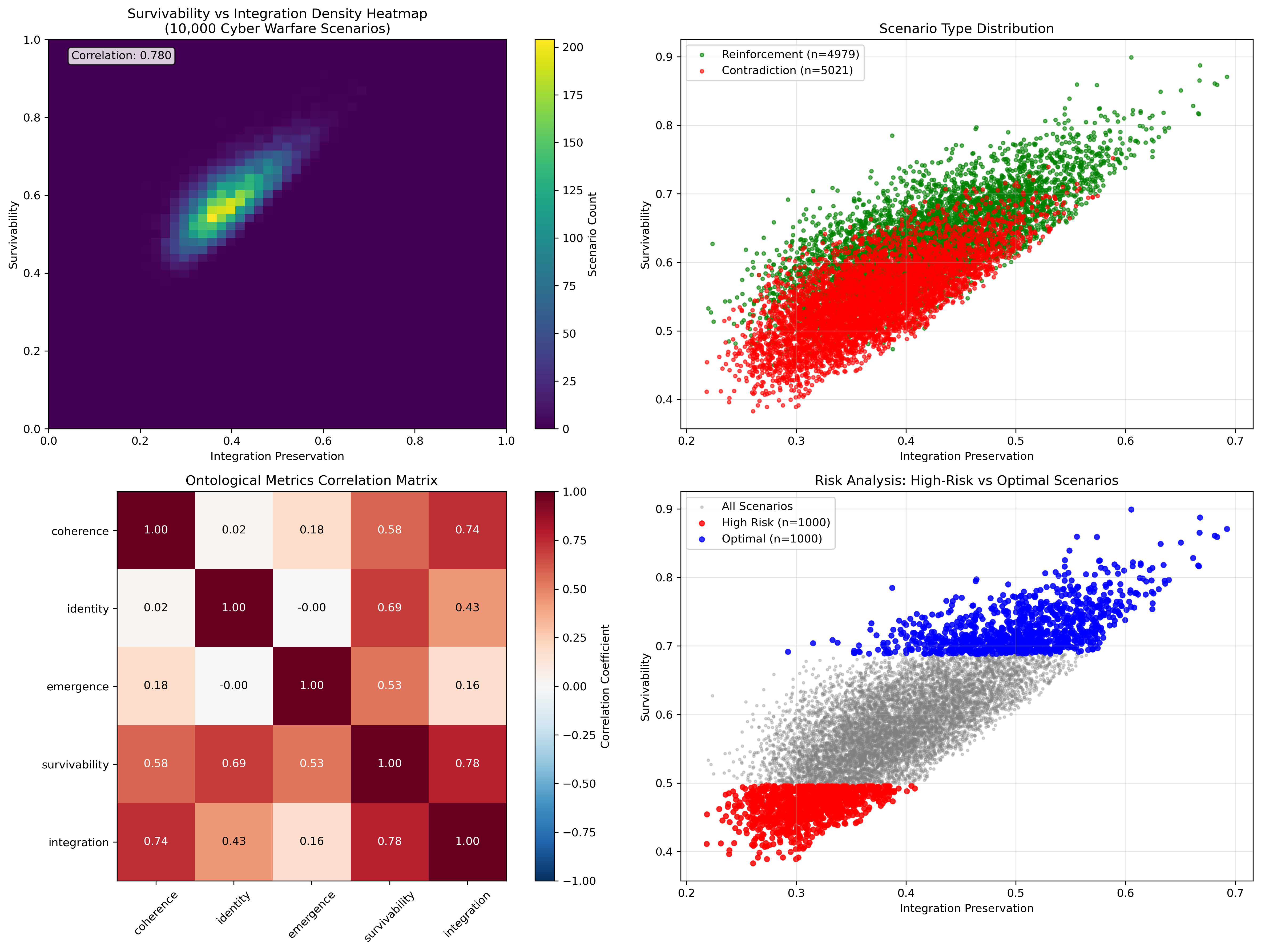
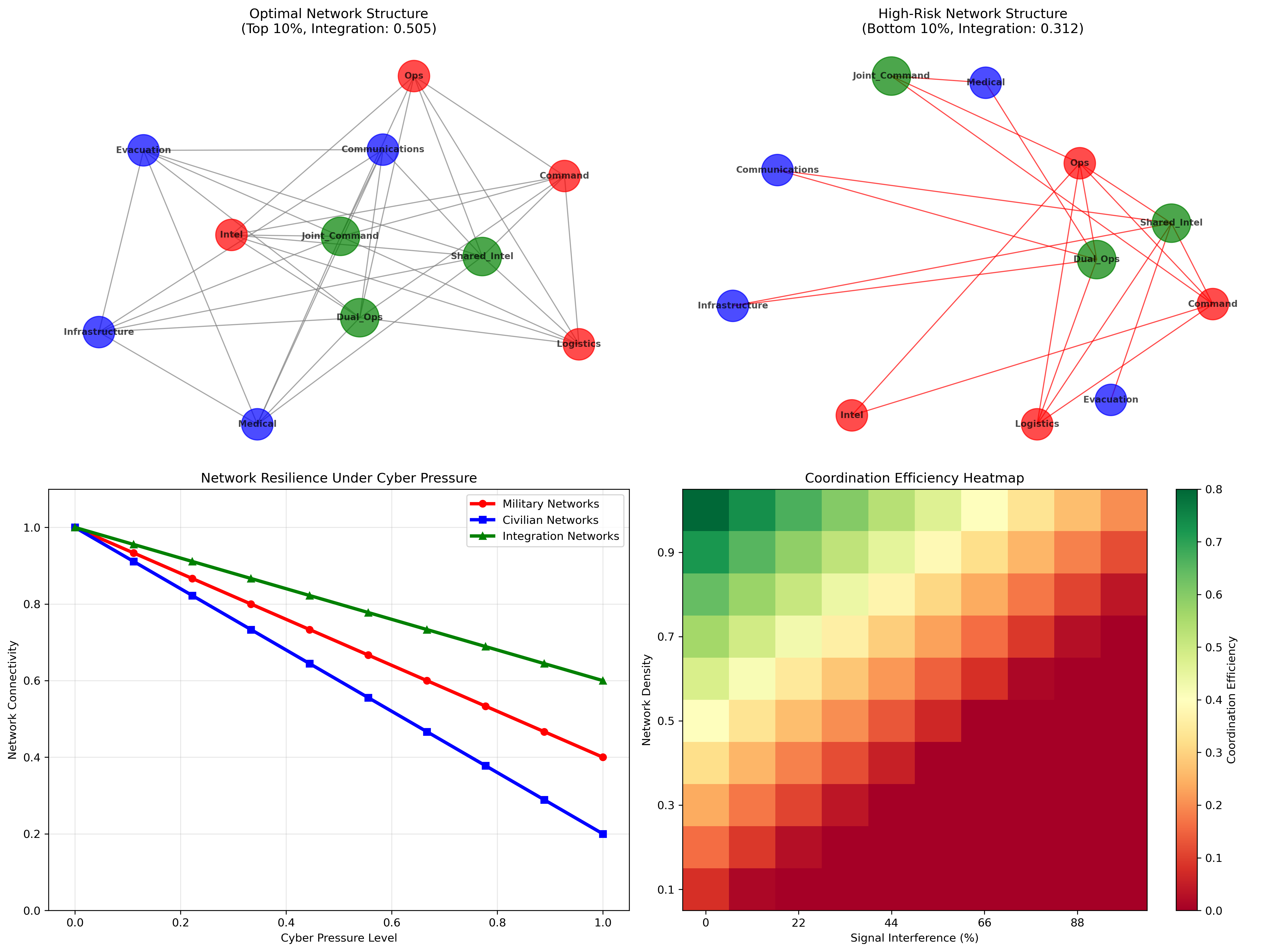
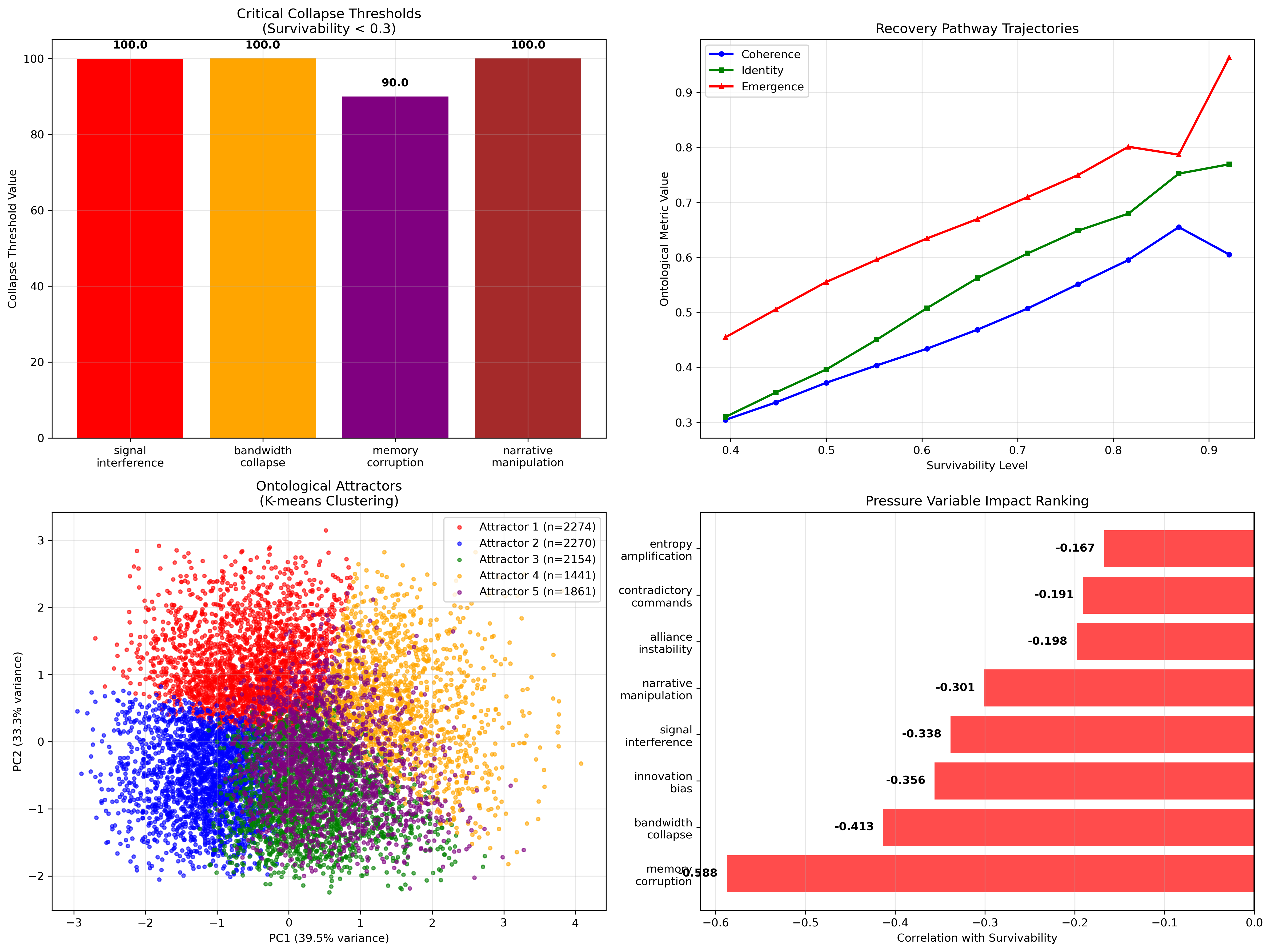
This introduces AWGS-U (Adaptive World Generative System – U), a formal computational framework for modeling persistent adaptive identity in complex dynamic systems. The central hypothesis is that identity in sufficiently complex systems does not exist as a fixed structure, but emerges as a stable attractor within a continuously evolving ontological state space. Unlike conventional artificial intelligence systems optimized for task-specific performance or reward maximization, AWGS-U models long-term adaptive continuity through bounded ontological mutation constrained by coherence-preserving attractors. The framework integrates concepts from complex adaptive systems, cybernetics, dynamical systems theory, active inference, and graph-based semantic modeling. The CARONTE-derived adaptive stability principle suggests that system survivability depends on the balance between adaptive capacity and coherence preservation under environmental pressure. Based on this principle, AWGS-U formalizes a recursive system in which ontological structure, relational topology, and identity constraints evolve jointly under pressure-driven transformation. This work defines the core computational structure, stability principles, and formal system representation required for recursive adaptive ontological systems. It is intended as a theoretical abstraction for future computational and empirical exploration.
Built With
- cambercloud
- python

Log in or sign up for Devpost to join the conversation.