Inspiration
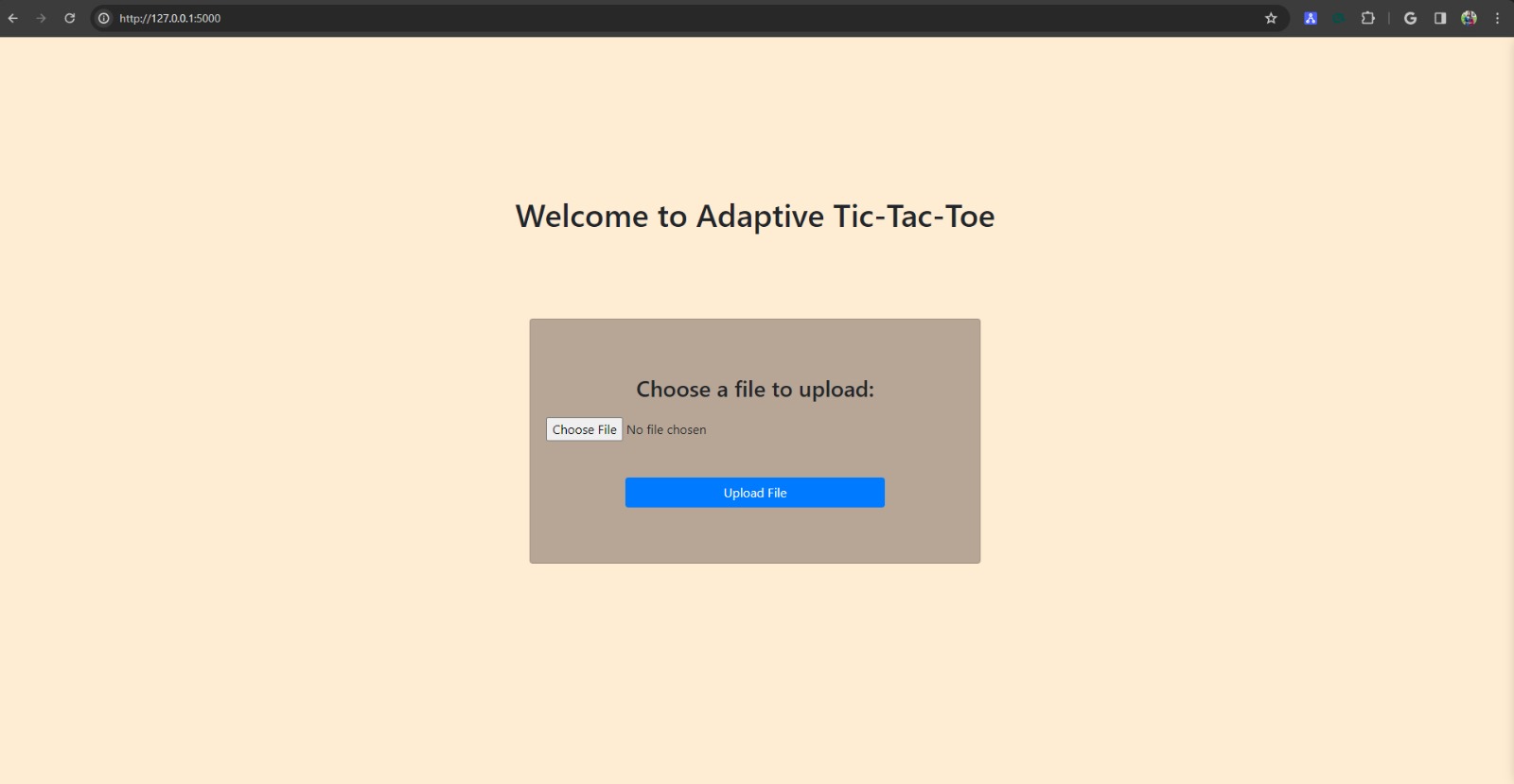
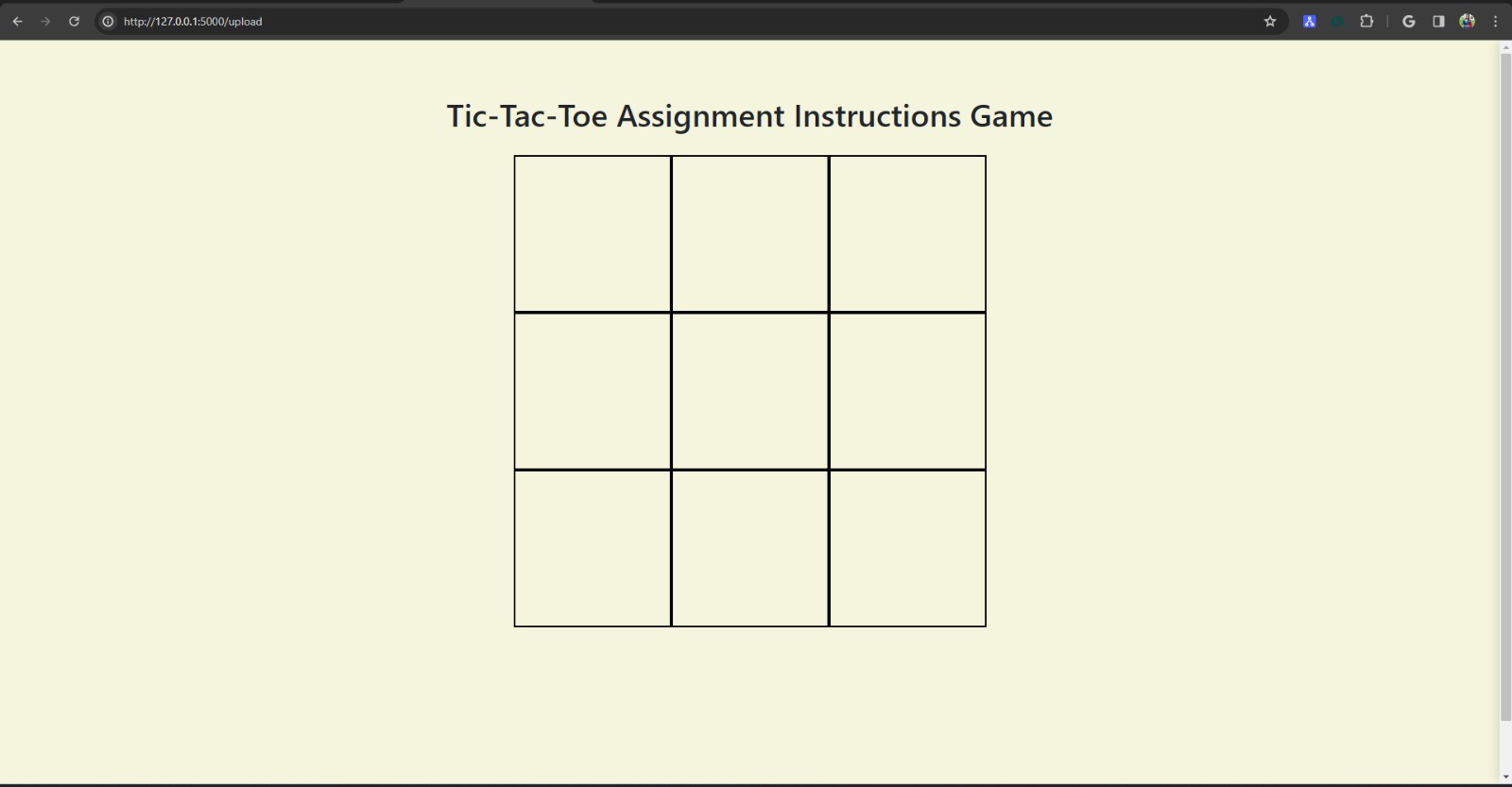
The inspiration for "Adaptive Tic-Tac-Toe" stemmed from the desire to make learning more engaging and interactive, especially for students who may find traditional study methods monotonous or boring. We recognized the potential of combining educational content with the familiarity and excitement of a classic game like tic-tac-toe.
What we Learned
Throughout the development process, we gained invaluable experience in various areas. Firstly, we delved into natural language processing (NLP) and machine learning techniques to enable the AI system to parse and comprehend PDF study materials effectively. This involved exploring text extraction, preprocessing, and question generation algorithms.
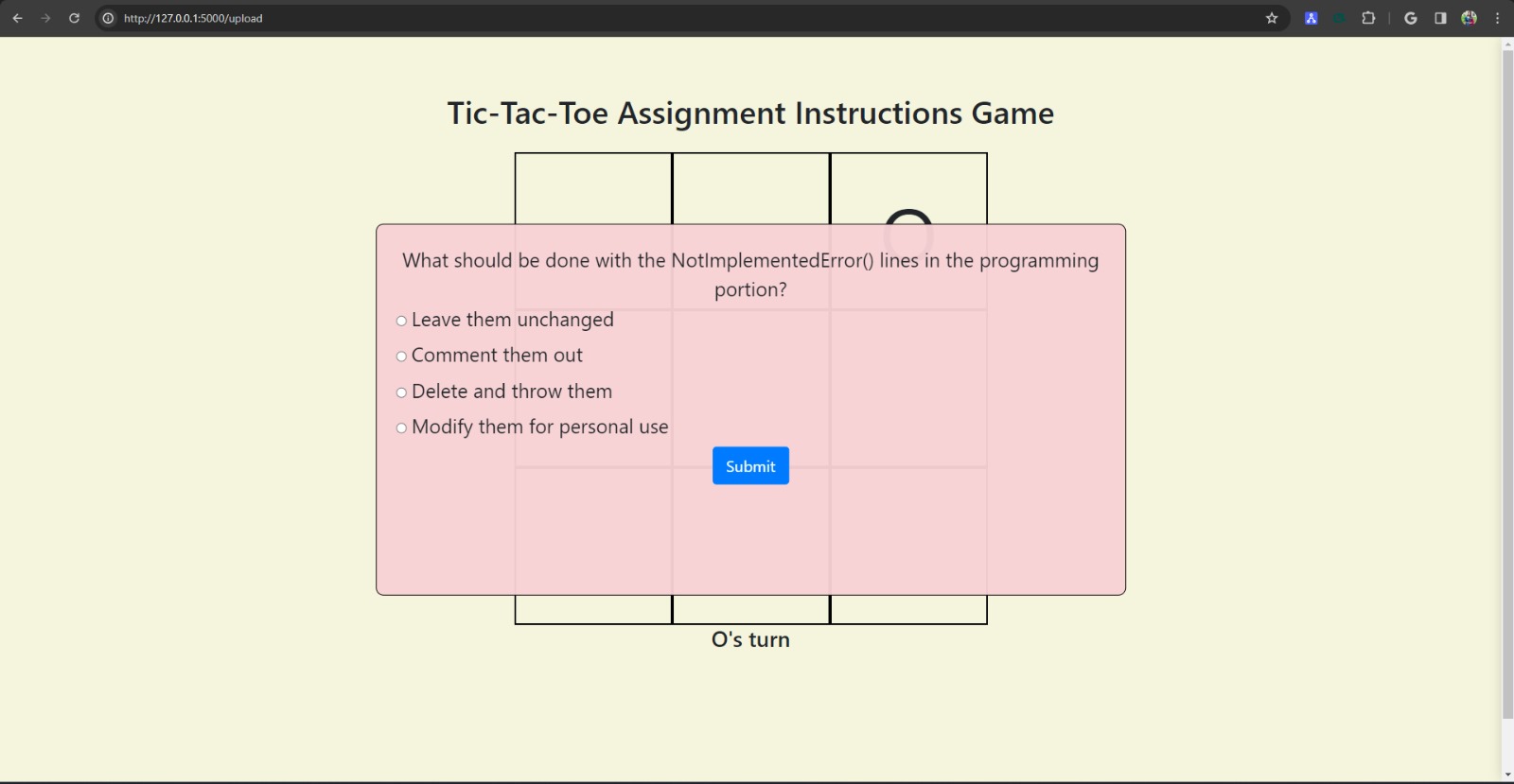
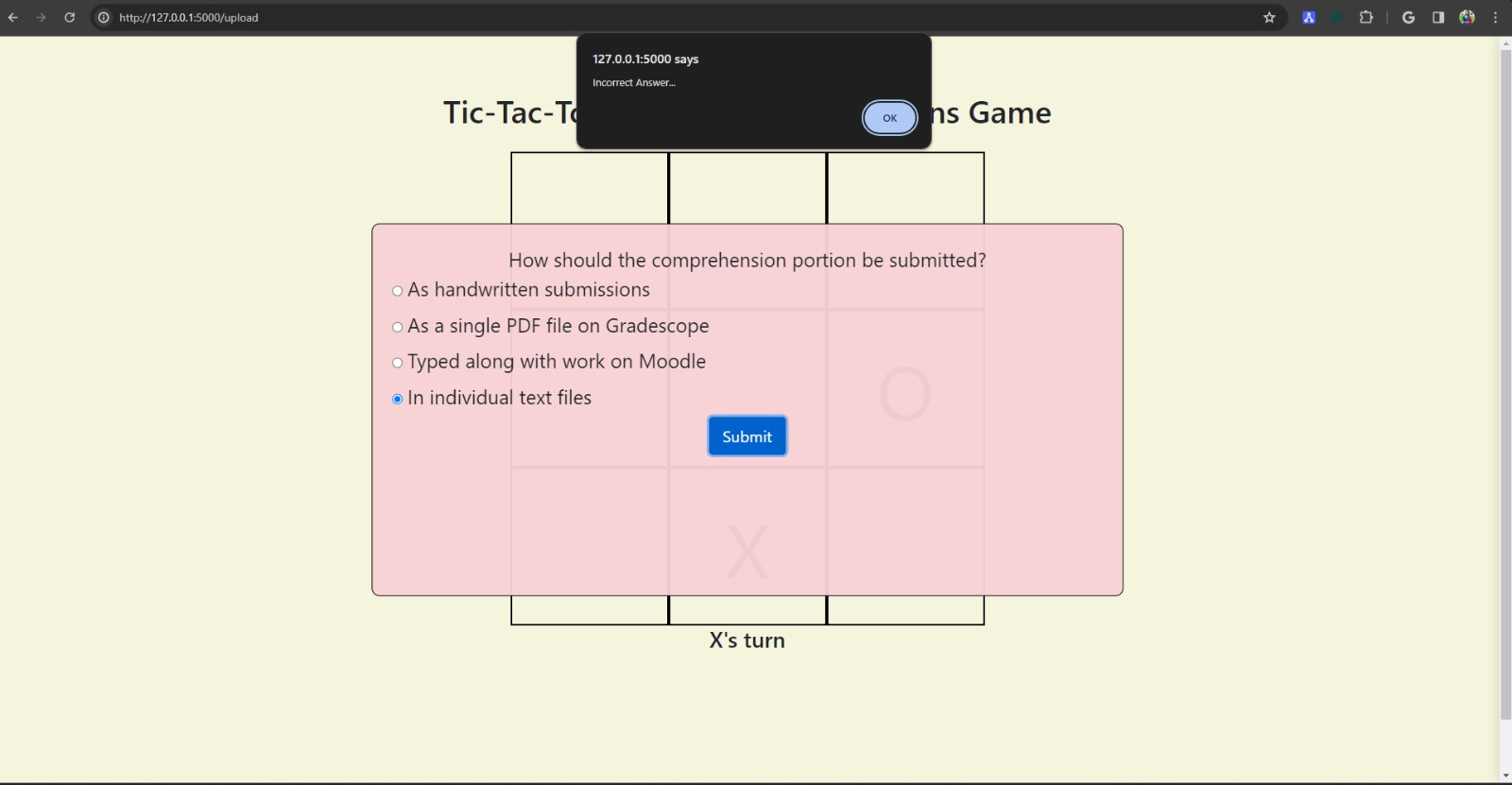
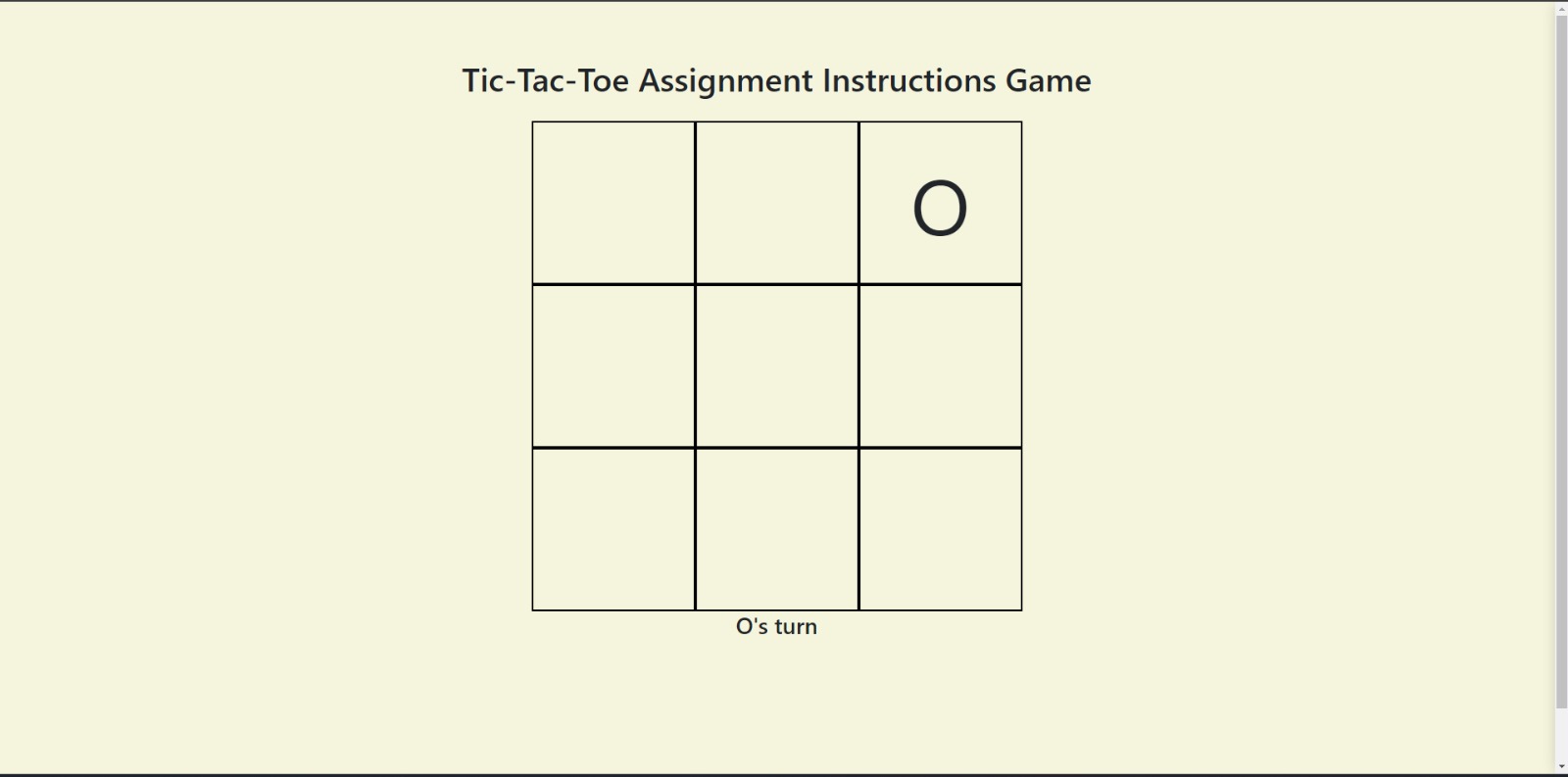
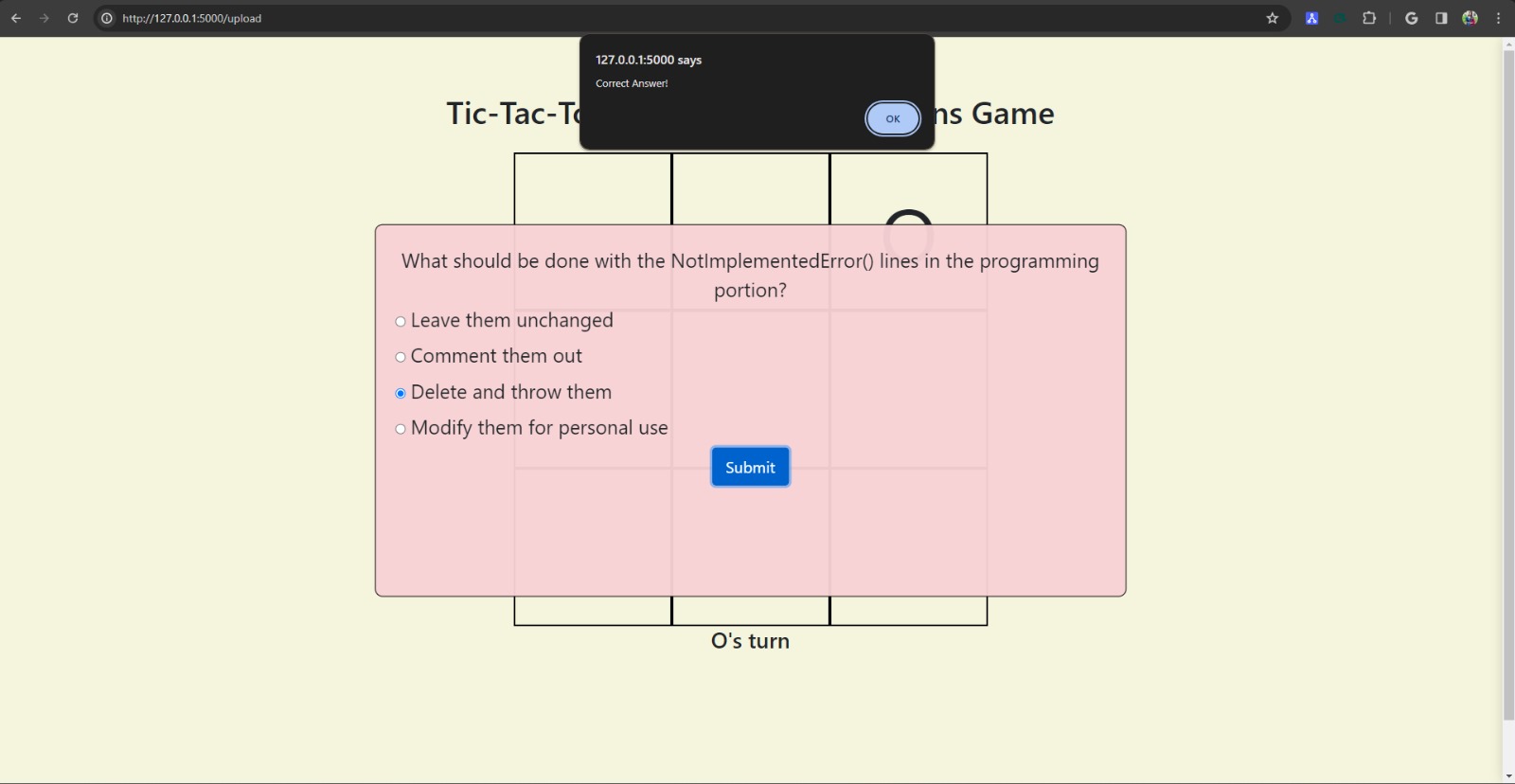
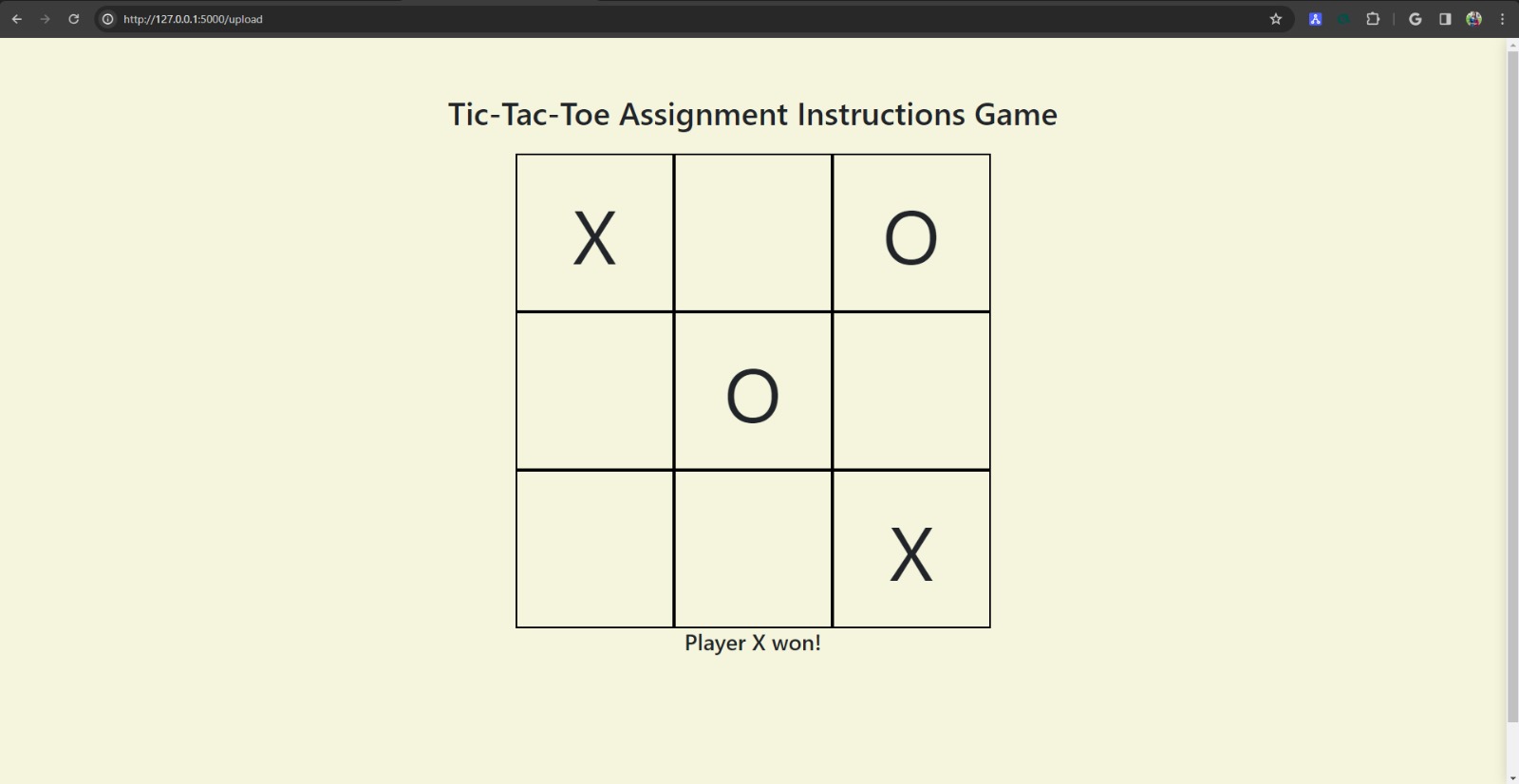
Additionally, we learned about game development principles and strategies to create an interactive and visually appealing tic-tac-toe interface. Integrating the AI-generated questions seamlessly into the game grid posed an interesting challenge, requiring me to understand user experience (UX) design principles.
How I Built It
To build "Adaptive Tic-Tac-Toe," we followed a modular approach, separating the different components into distinct modules. The first module focused on the PDF parsing and question generation functionality, leveraging NLP libraries and machine learning models for text understanding and question formulation. We parsed the PDF and converted the output into HTML format, which facilitated easier manipulation and integration with the game interface.
The second module handled the game logic and user interface, implementing the tic-tac-toe game mechanics and integrating the AI-generated questions into the grid tiles. We utilized game development frameworks and libraries to create an engaging and responsive user experience.
Challenges Faced
We faced rate limit errors with the ChatGPT API key, which caused delays and interruptions during the question generation process. Implementing rate limiting and caching mechanisms helped mitigate this issue.
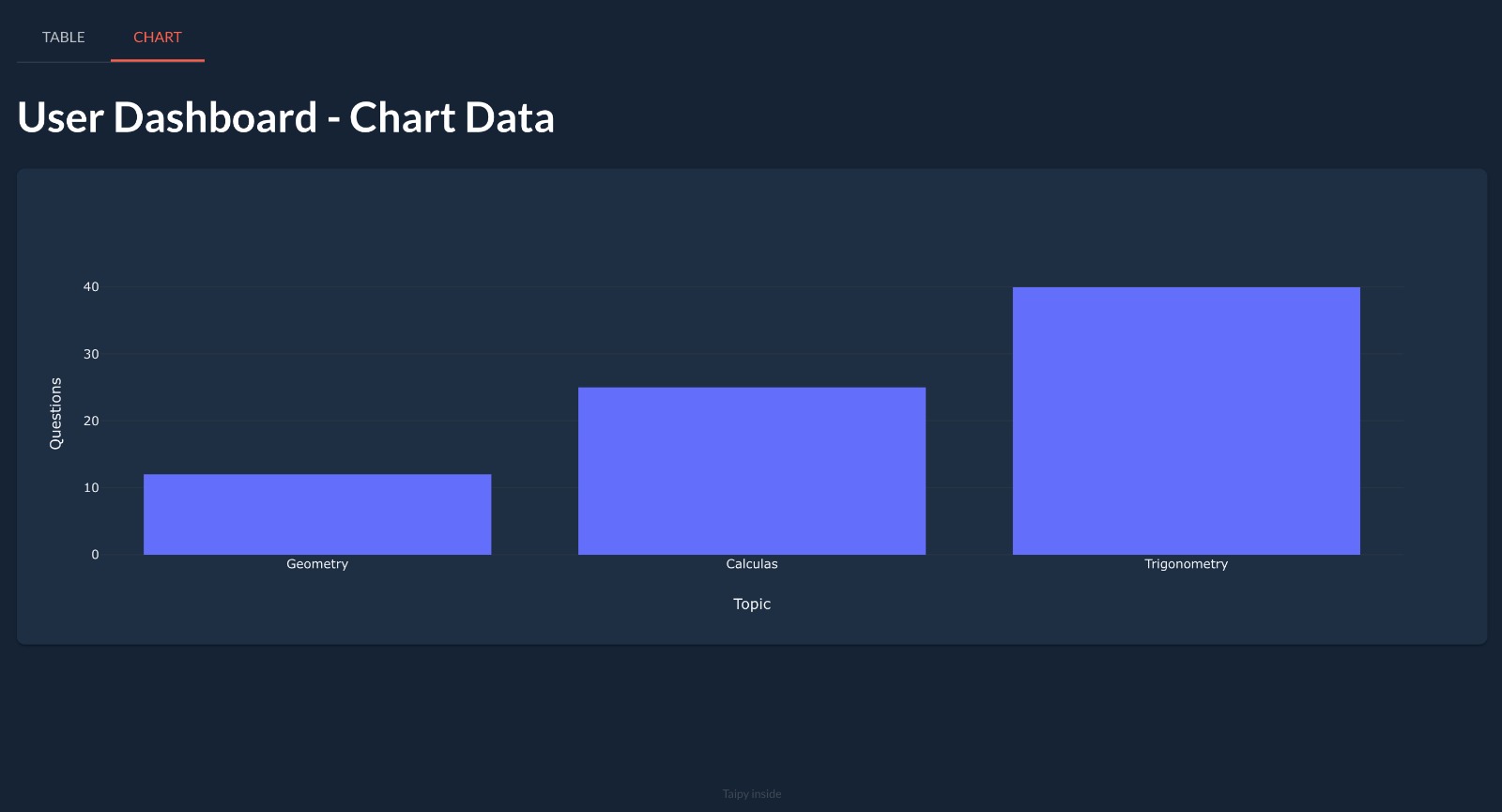
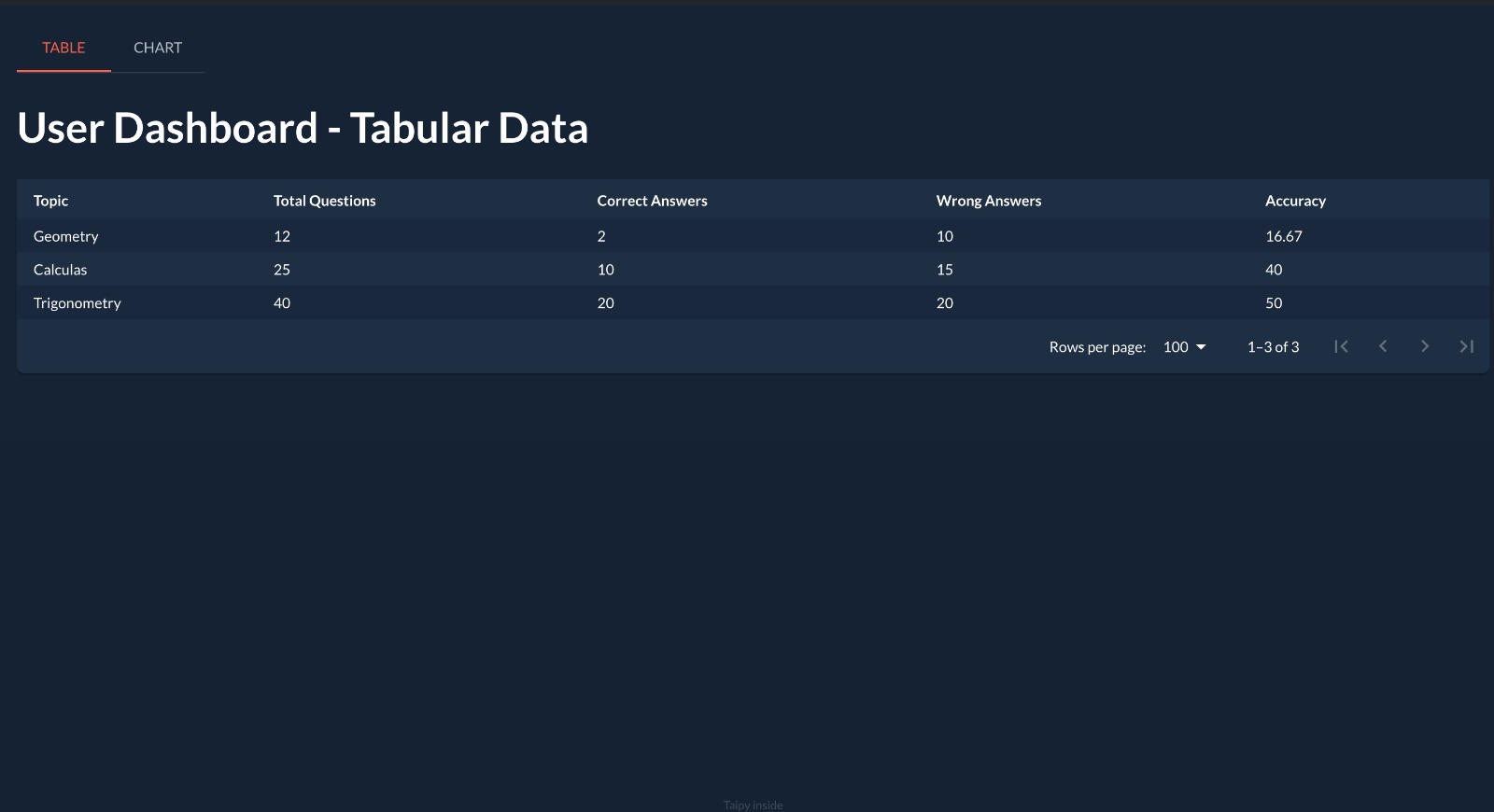
Additionally, we encountered challenges when attempting to integrate Taipy with the game. Since Taipy used a Flask backend, we were unable to run both the game and Taipy simultaneously, as they would conflict with each other. We had to explore alternative solutions or make architectural changes to accommodate both components.
Accomplishments that we're proud of
Despite these challenges, the process of building "Adaptive Tic-Tac-Toe" was incredibly rewarding. It allowed me to combine my passion for gaming with my interest in AI and machine learning, ultimately creating a unique and engaging learning experience for students.
What's next for Adaptive Tic-Tac-Toe
We can enable different kinds of questions in the tiles, improve the parsing and quality of questions generated from the PDF materials. This will enhance the educational value and variety of the game, keeping students engaged and challenged.

Log in or sign up for Devpost to join the conversation.