-
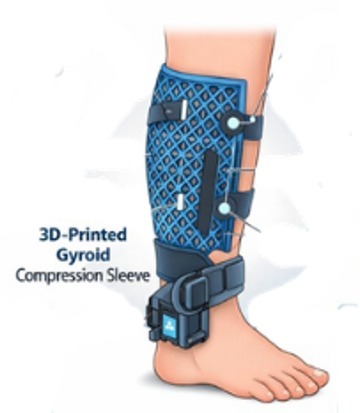
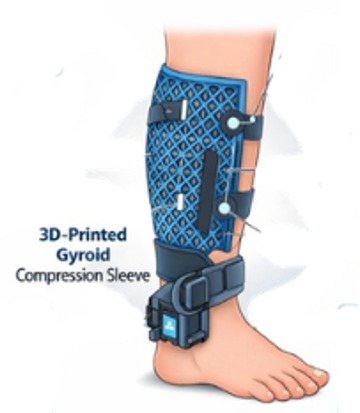
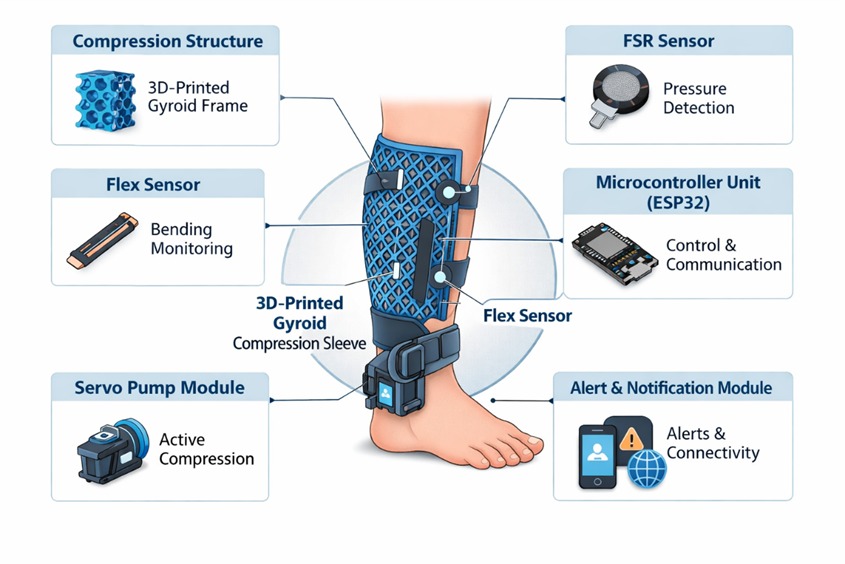
3D‑Printed Gyroid Compression Sleeve
-
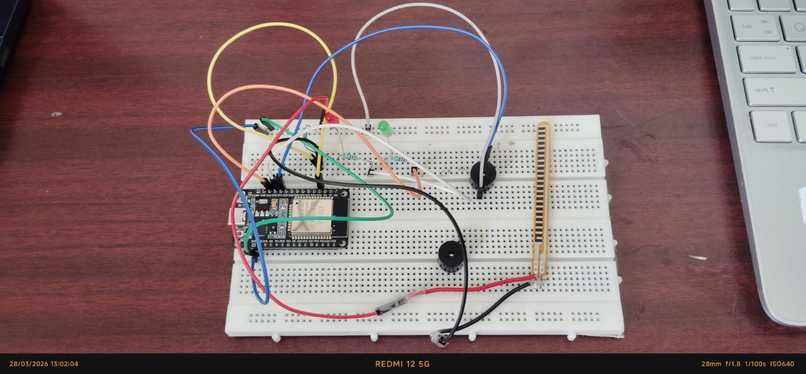
IOT LEVEL PRESSURE MONITORING
-
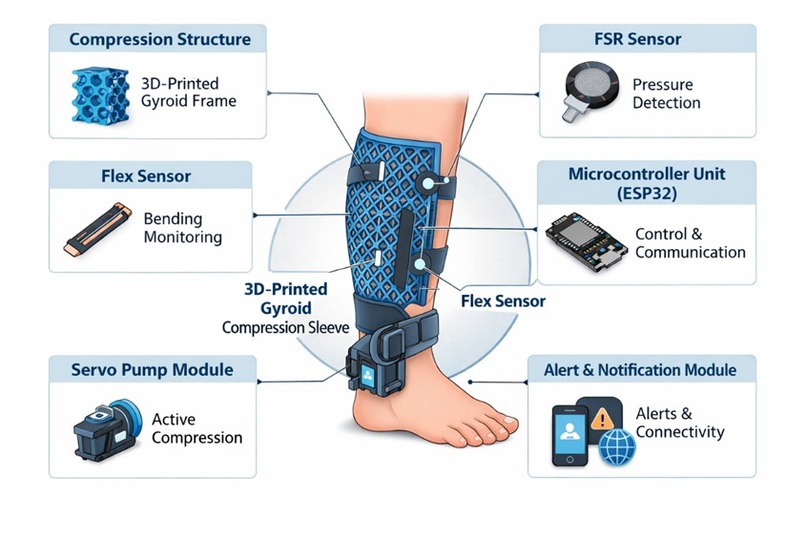
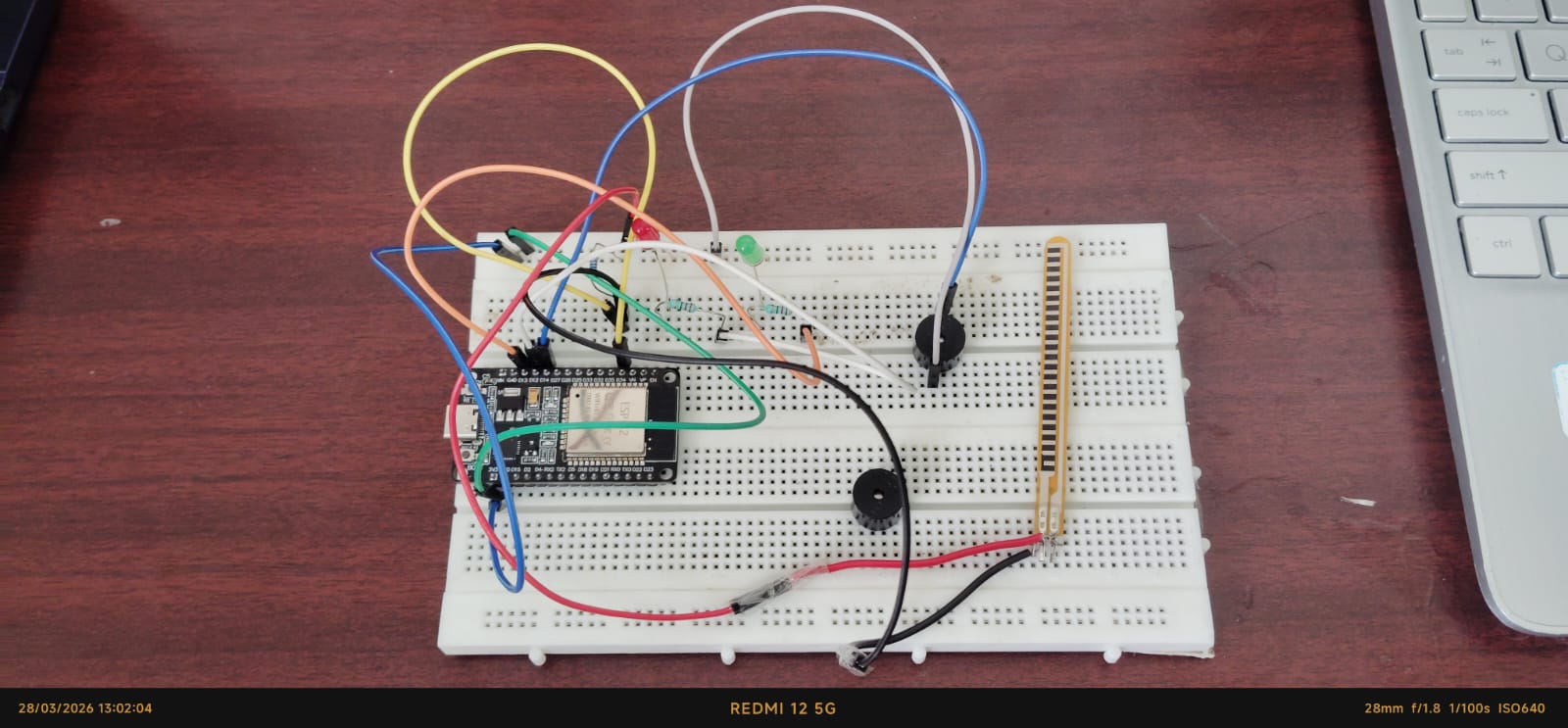
INTEGRATION OF THE SENSORS
Inspiration
Seeing patients struggle with lower‑limb fluid retention inspired us to design a solution that is comfortable, adaptive, and affordable. Traditional compression systems are often rigid and inconvenient, motivating us to innovate with 3D printing.
What it does
The system provides passive, pressure‑guided compression to the lower limb. It adapts to the patient’s needs without electronics, helping reduce fluid retention while improving comfort, mobility, and recovery.
How we built it
Designed gyroid‑based 3D structures using SOLIDWORKS.
Applied principles of biomechanics and pressure distribution.
Prototyped with 3D printing for flexibility and adaptability.
Tested material durability and compression efficiency.
Challenges we ran into
Balancing compression strength with patient comfort.
Selecting biocompatible yet cost‑effective materials.
Translating theoretical models into practical prototypes.
Ensuring scalability for healthcare use.
Accomplishments that we're proud of
Developed a novel passive compression system using 3D printing.
Achieved adaptive pressure regulation without electronics.
Created a design that is both affordable and clinically relevant.
What we learned
Importance of user‑centric design in medical devices.
How biomechanics and material science intersect in healthcare innovation.
Iterative prototyping and testing are crucial for real‑world application.
What's next for Adaptive 3D Compression Systems for Leg Fluid Retention Care
Clinical trials to validate effectiveness.
Refinement of design for mass production.
Integration with hospital workflows and patient care systems.
Exploring ISO/NABH accreditation pathways for medical device approval.


Log in or sign up for Devpost to join the conversation.