-
-
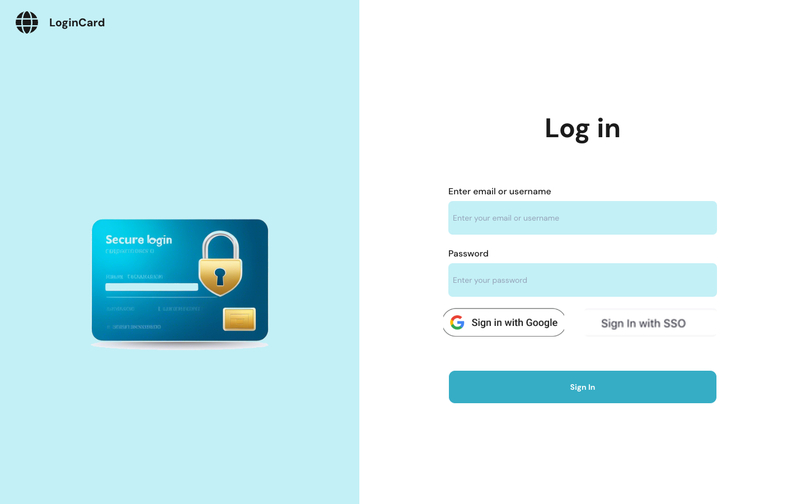
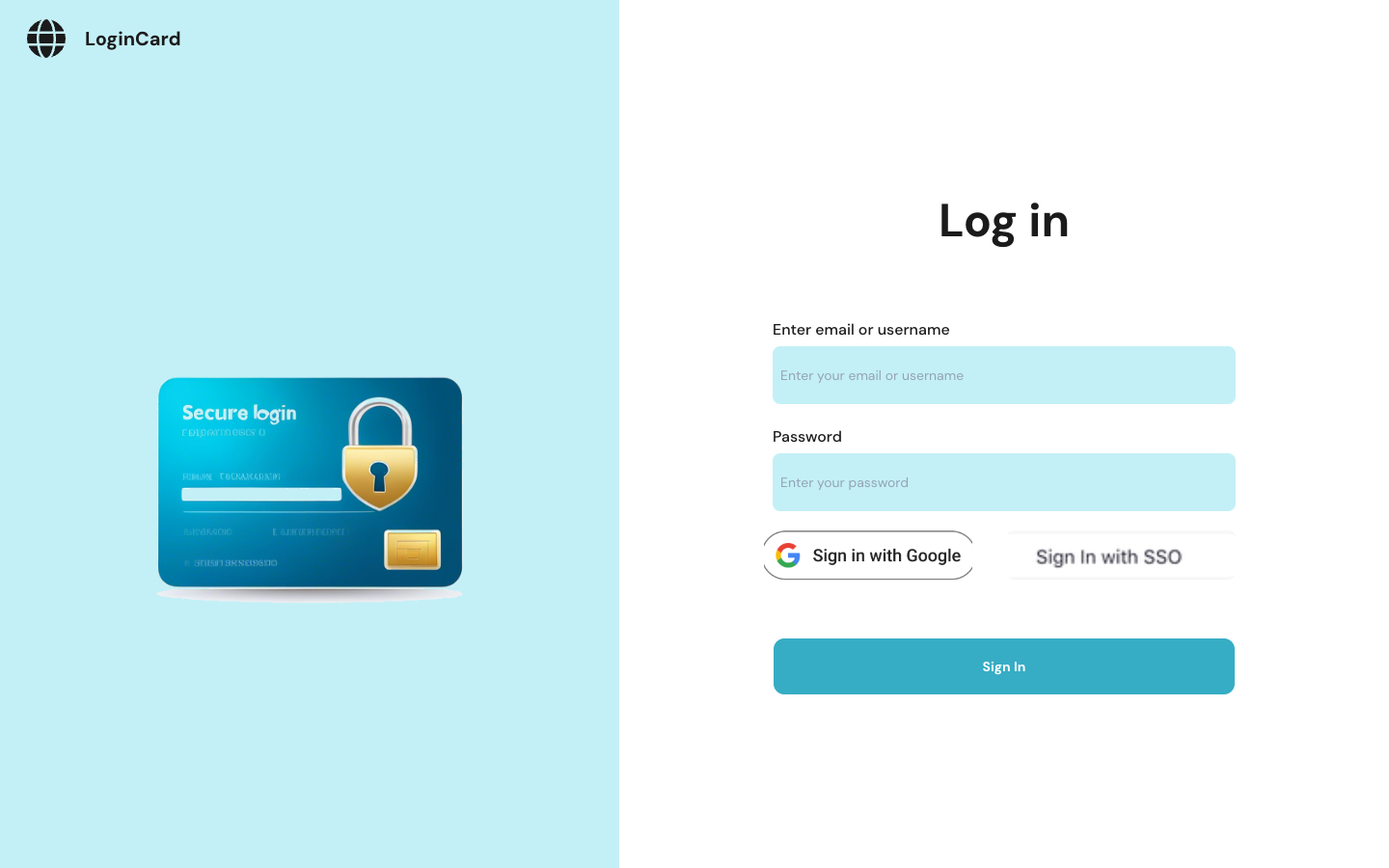
The Login page for our AI
Inspiration
We were inspired by the daily struggles executives face managing multiple communication channels, scheduling platforms, and SaaS tools like emails, Slack, Teams, Outlook, Asana, and DocuSign. We noticed that existing AI solutions often rely on cloud-based systems, raising data privacy concerns, or lack deep integrations across tools. We wanted to create a secure, local-first AI assistant, Adam, to help executives work smarter while ensuring enterprise security.
What it does
Adam is a Retrieval-Augmented Generation (RAG) AI assistant that runs locally or on a secure on-premise/cloud environment. It learns from company emails, documents, Slack/Teams messages, calendar events, and task managers to autonomously draft and send emails, schedule meetings, track deadlines, access and fill forms (e.g., DocuSign), and summarize important communications. It provides a chat-based interface, prioritizes action items, and searches enterprise knowledge securely.
How we built it
We developed Adam using a robust tech stack: FastAPI for the backend, React.js for a chat UI, ChromaDB for a vector database, and local LLMs like Llama.cpp or GPT4All. We integrated enterprise APIs (Microsoft Graph, Slack, Google Calendar, etc.) with OAuth for security. We used LangChain for RAG and workflow automation, deploying the system on Docker for portability. Our process included three phases: setting up core AI and integrations, adding advanced SaaS features, and enabling autonomy and multi-user support.
Challenges we ran into
We faced several hurdles: optimizing local LLMs for performance on standard hardware, navigating API rate limits and security (e.g., OAuth, RBAC), building contextual understanding for company-specific data, and balancing real-time responsiveness with scalability for larger datasets.
Accomplishments that we're proud of
We’re proud of creating a functional MVP in 30 hours that reads and summarizes emails and Slack messages, drafts and sends emails, and schedules meetings—all while running locally with zero data leakage. We successfully integrated multiple enterprise tools securely and built a foundation for a transformative AI assistant that executives can trust.
What we learned
We gained deep expertise in RAG, local LLM deployment, enterprise API integrations, workflow automation with LangChain, and security practices like RBAC and encrypted storage. We learned to optimize for on-premise infrastructure, handle API complexities, and design intuitive, context-aware AI for real-world use.
What's next for Adam
We plan to expand Adam’s capabilities with voice-activated commands, smart time blocking across multiple calendars, automated follow-ups for overdue tasks, and deeper integrations with tools like DocuSign, Asana, and CRM systems. We’ll also enhance scalability, refine contextual understanding, and explore team-wide AI assistance for broader adoption.

Log in or sign up for Devpost to join the conversation.