-
-
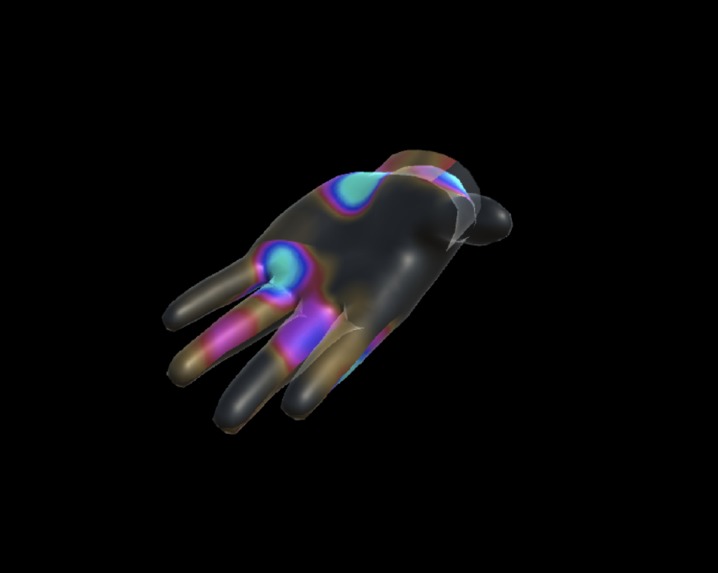
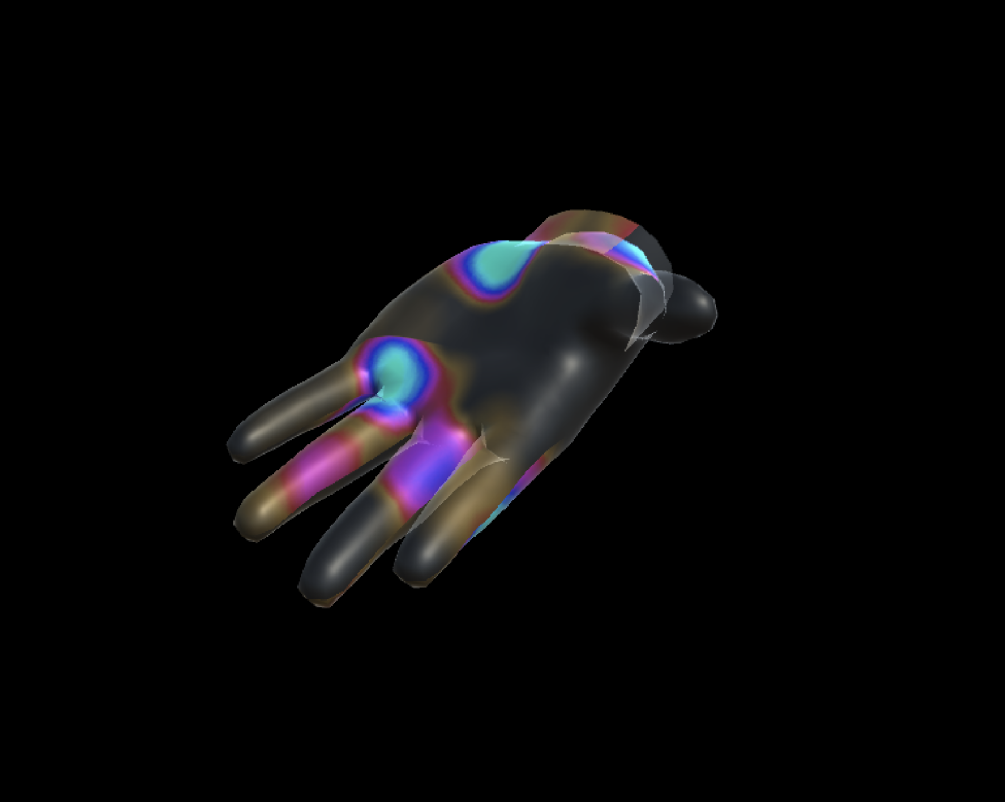
Acupressure heatmap (future visions)
-
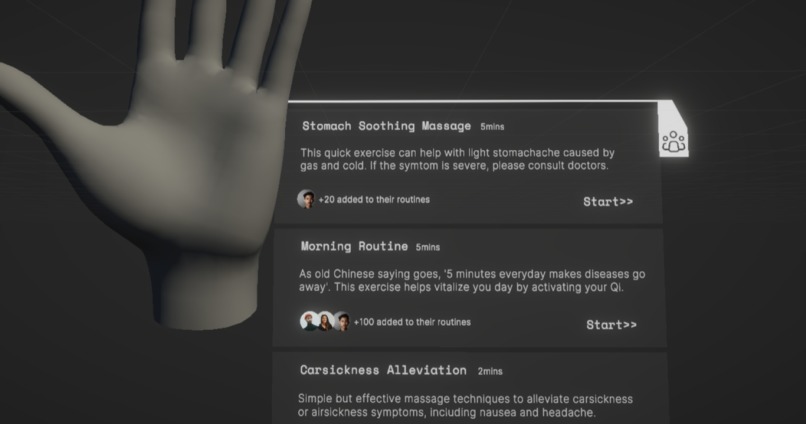
Community Interests (future visions)
-
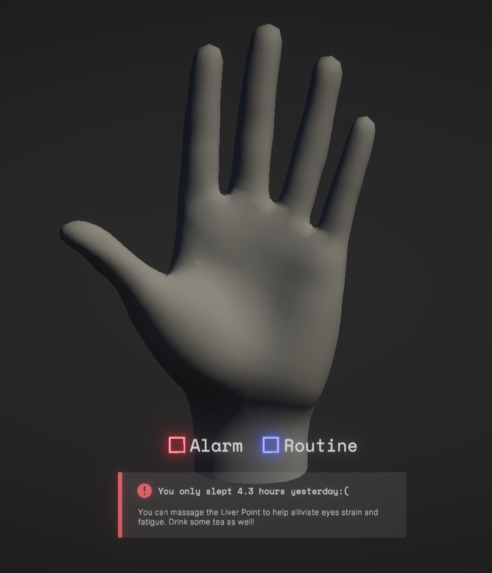
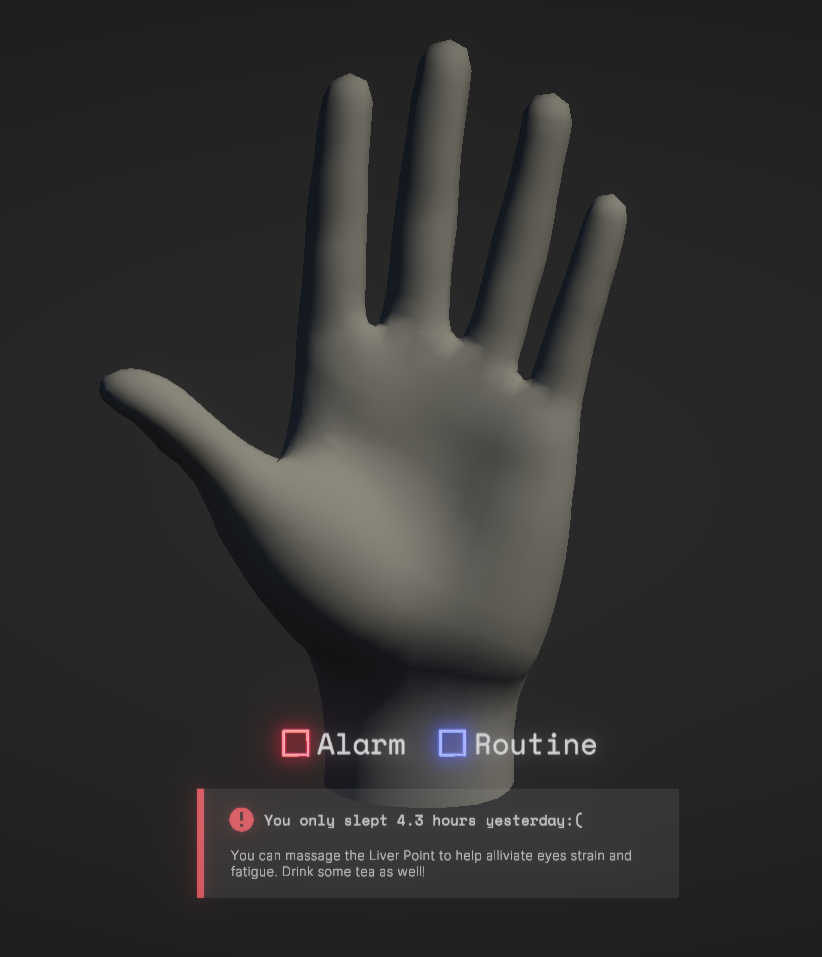
Key and reminder UI
-
-
-
-
-
-
-
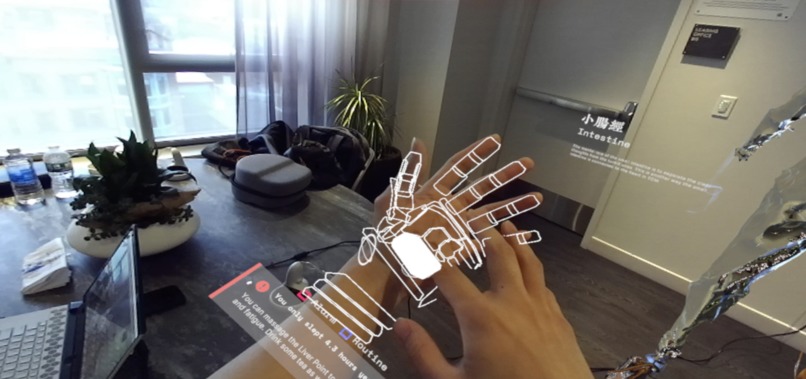
Select Area to Start
-
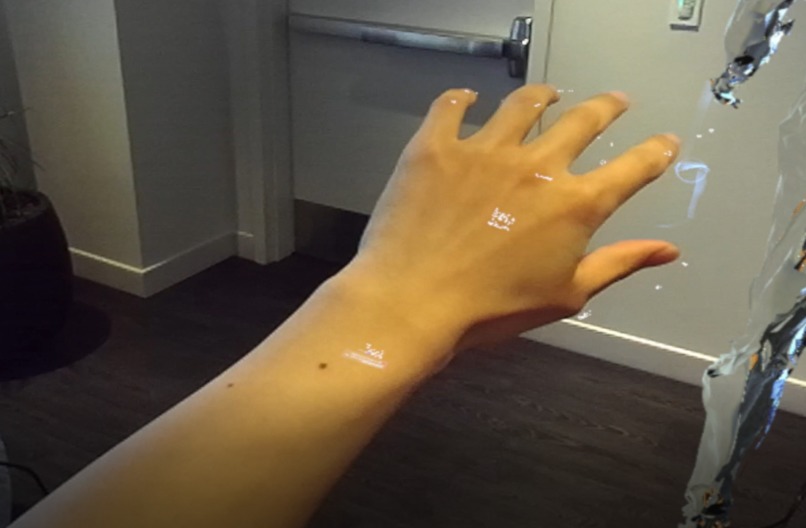
Flip to Hide
-
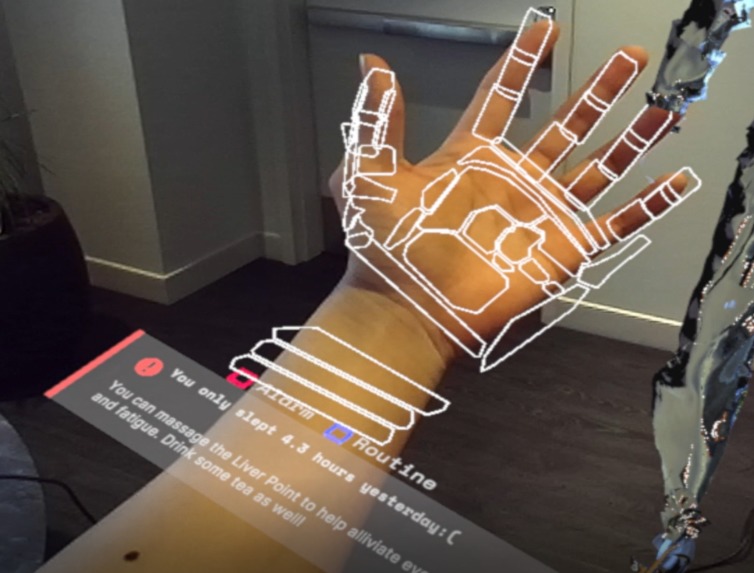
Hand UI Dashboard
-
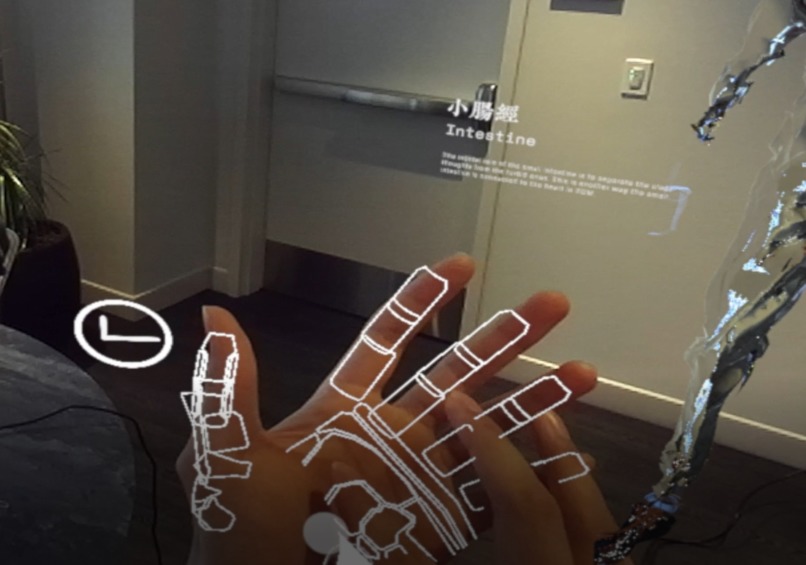
Complete
-
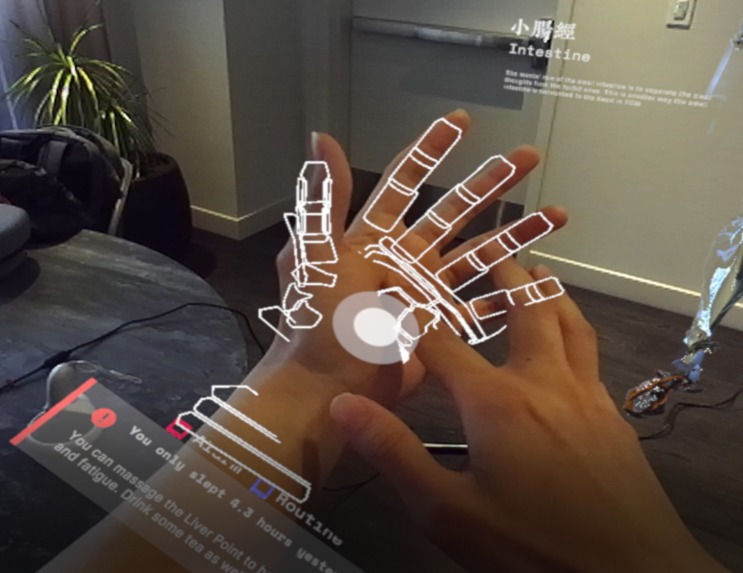
Action Guide
-
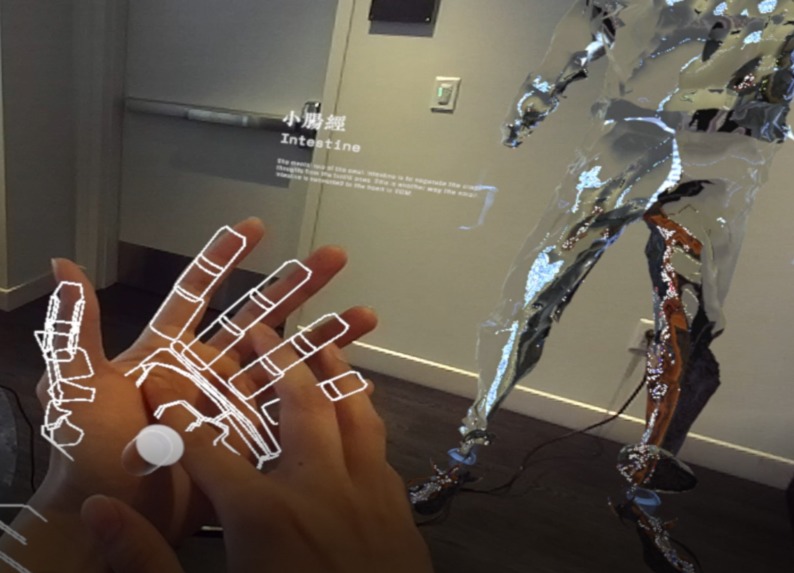
Massage
-
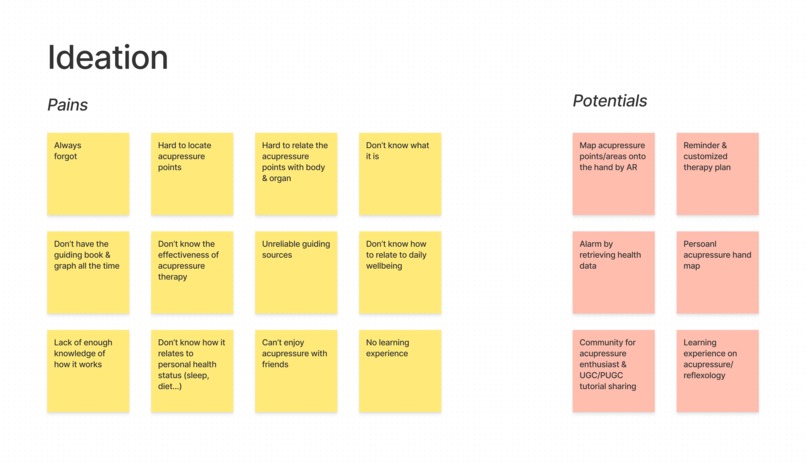
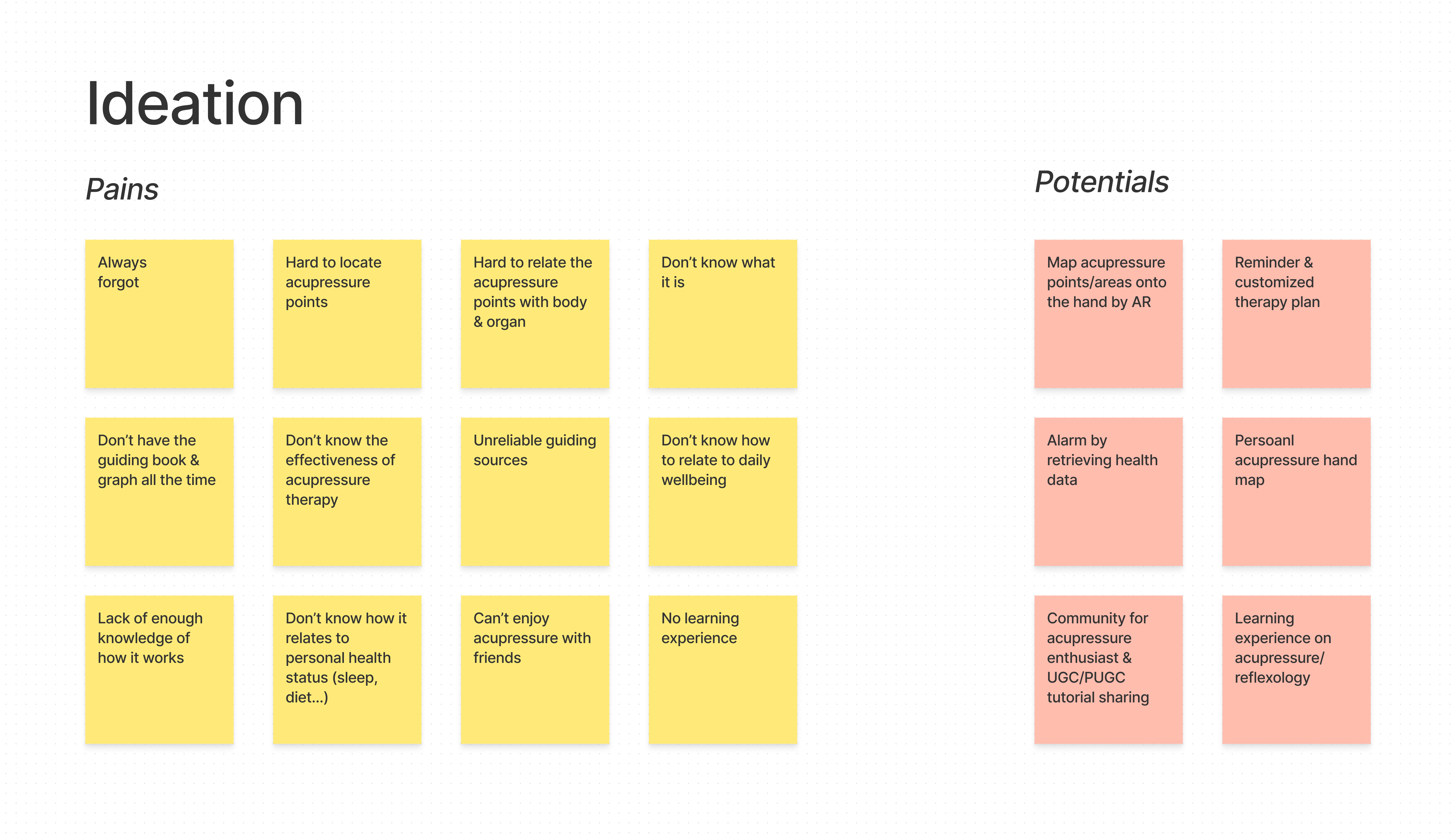
Ideation


Inspiration
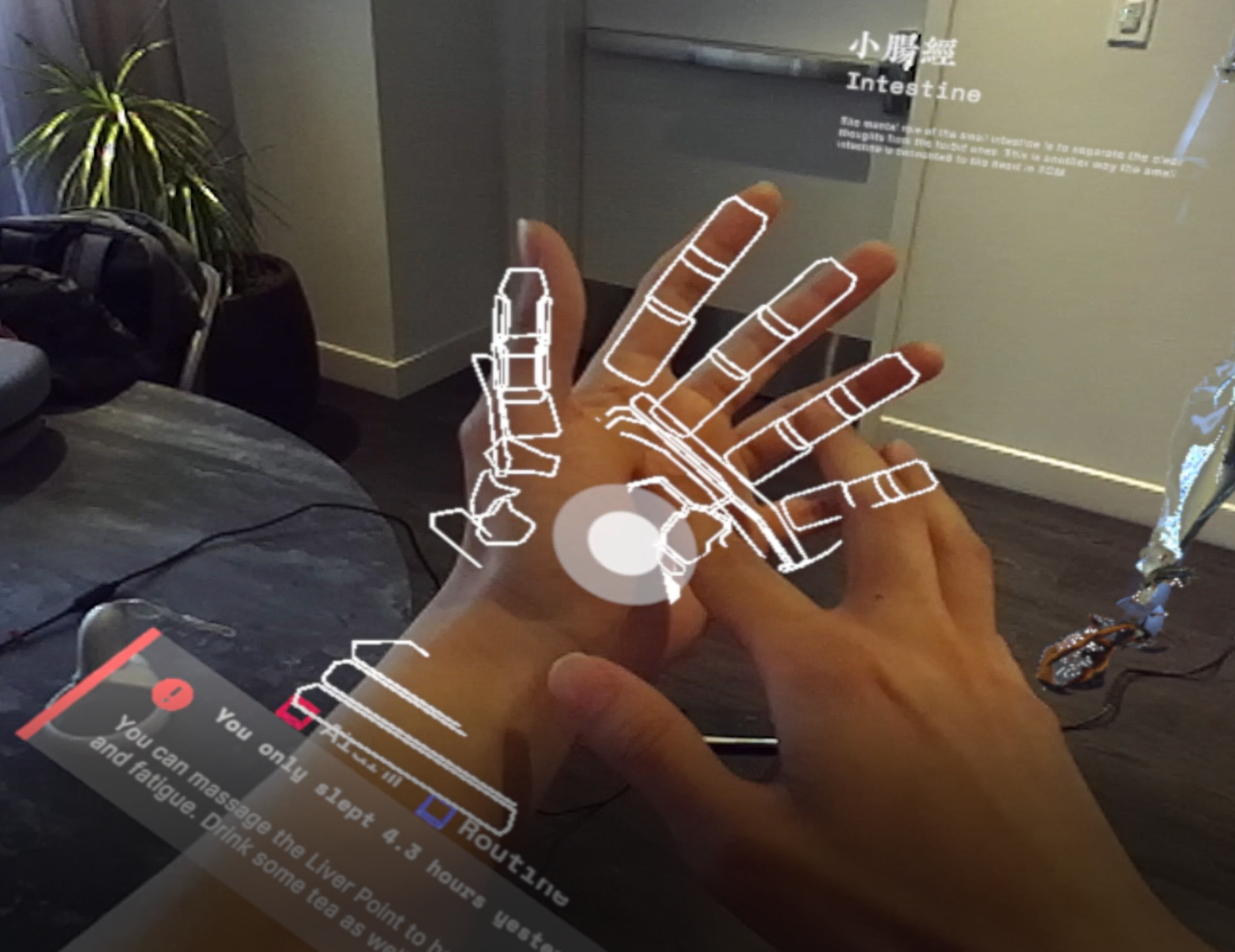
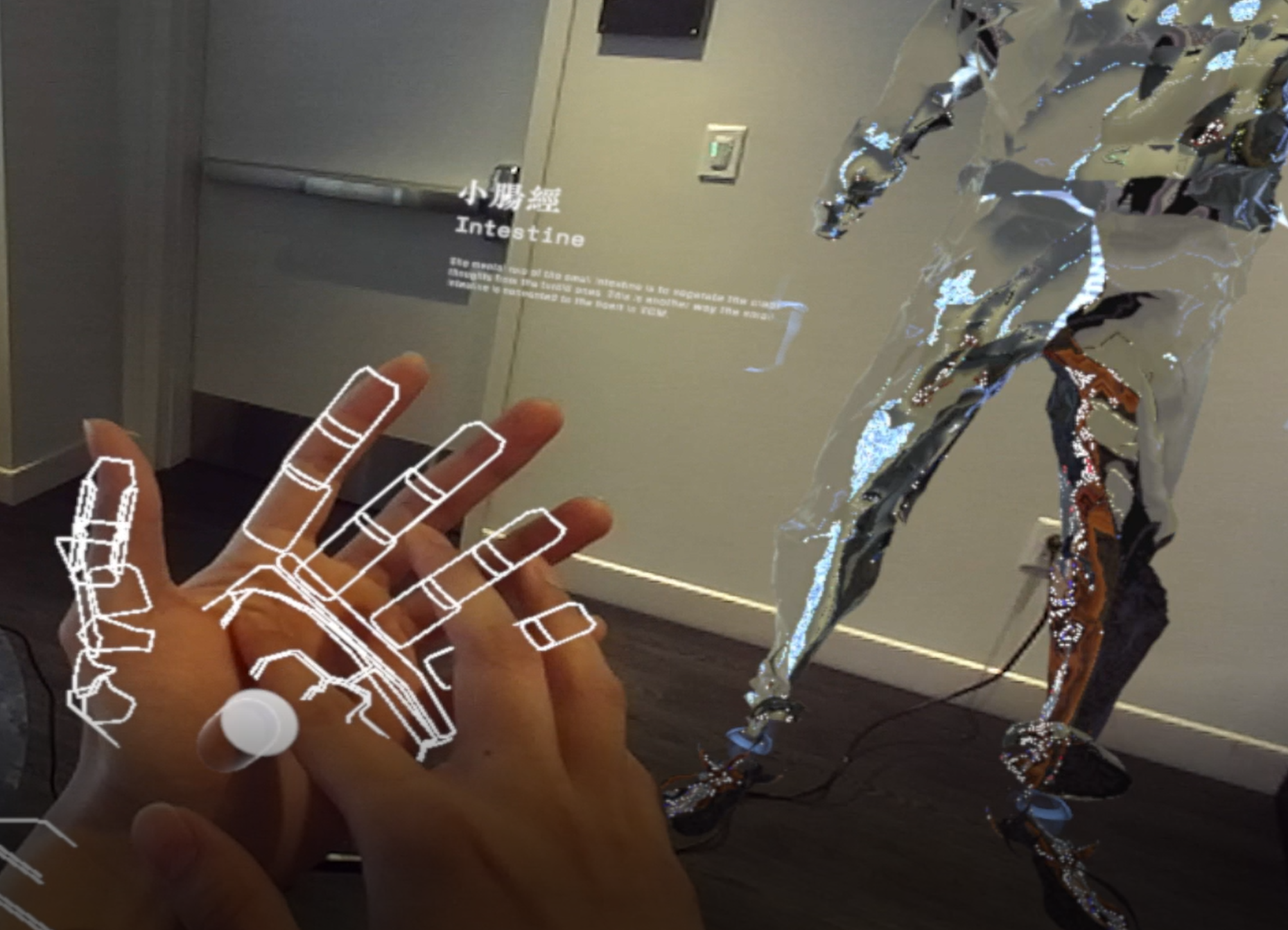
Acupressure is an ancient healing art based on the traditional Chinese medicine practice of acupuncture. Acupoints on your hands reflect different parts of your body. Massaging these points regularly can help release muscle tension, alleviate diseases symptoms and promote holistic wellbeing. We aim to educate users to locate acupoints, connect symptoms with acupoints, as well as promote daily practice for a healthier lifestyle.


What it does
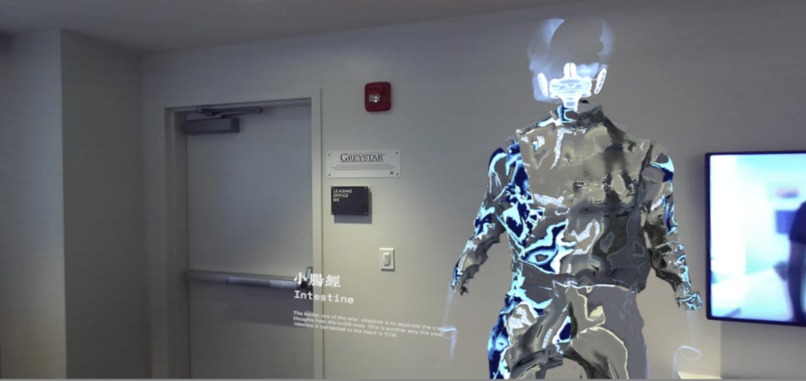
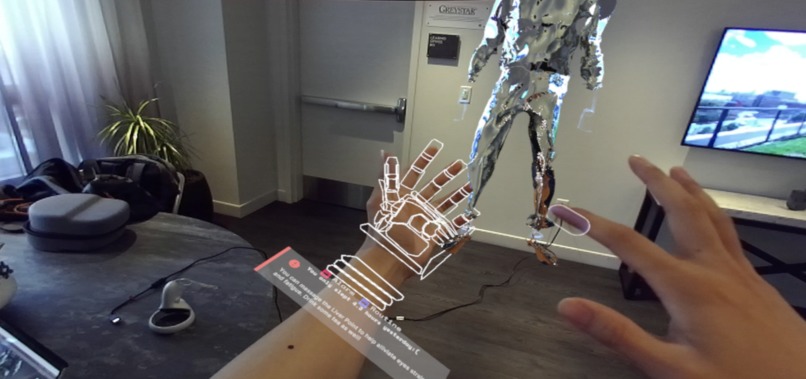
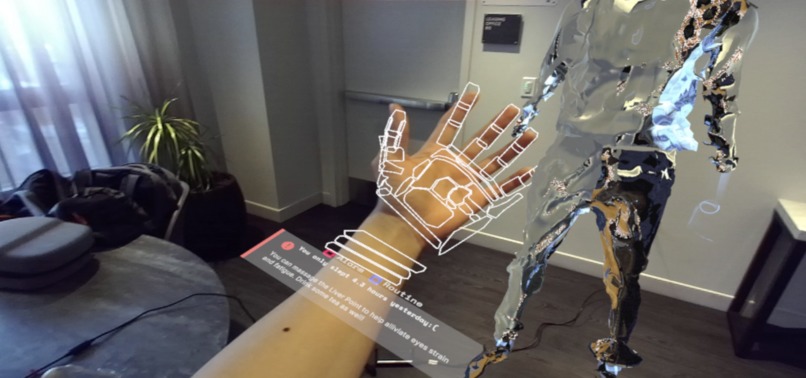
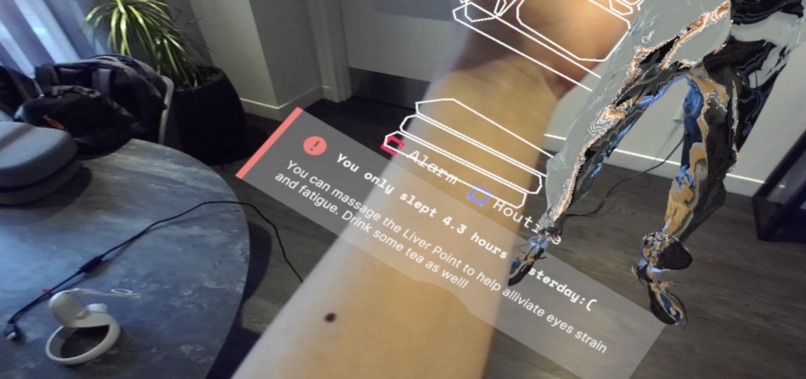
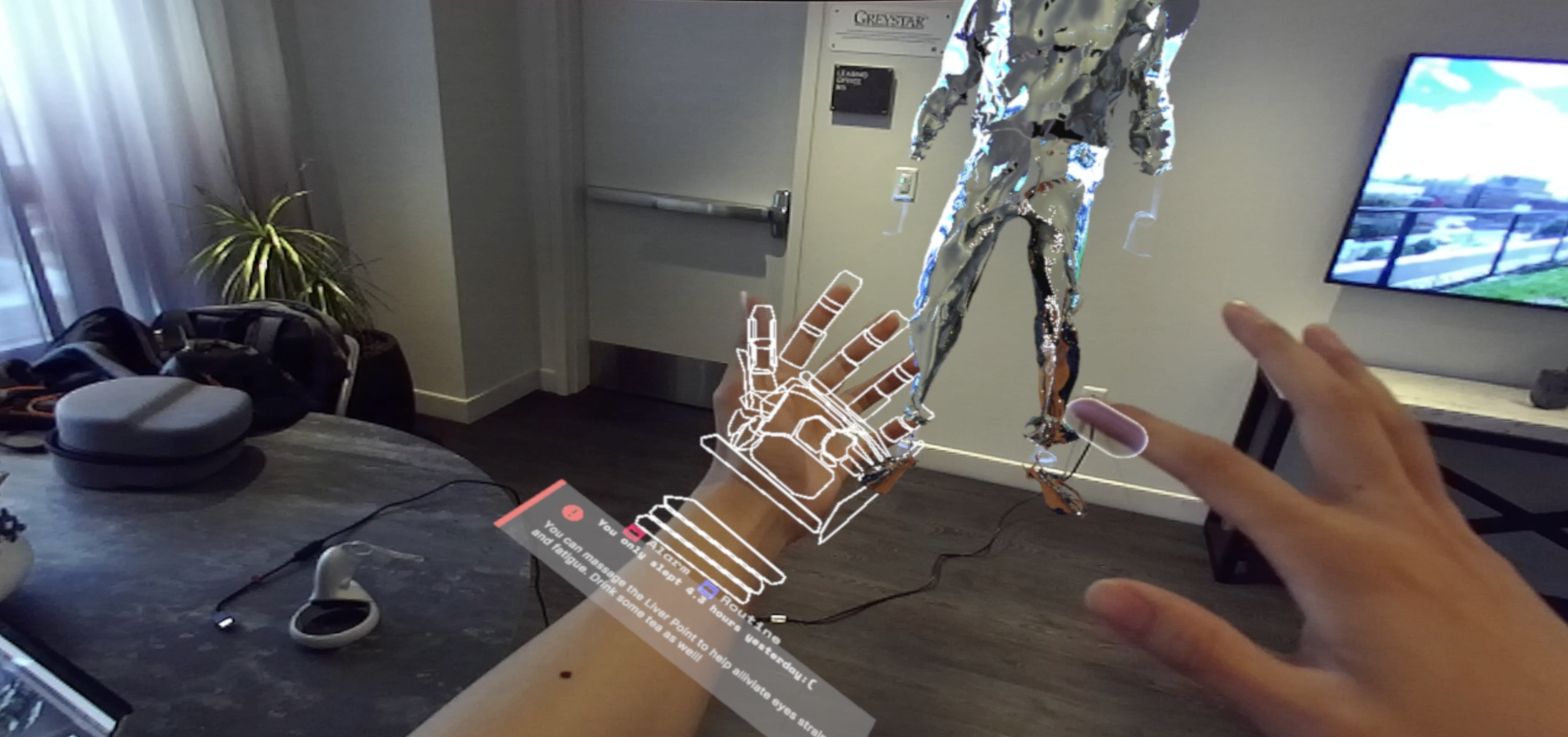
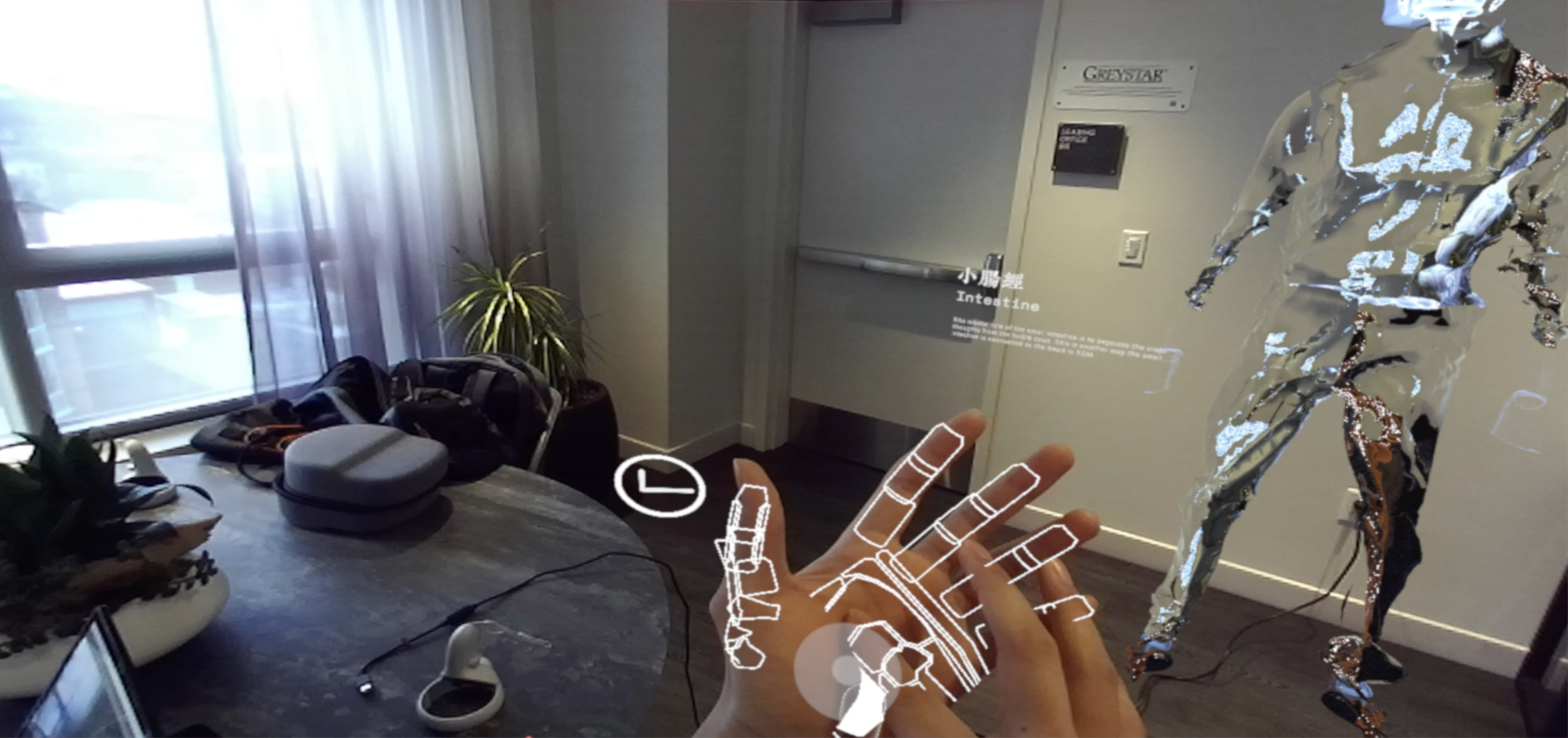
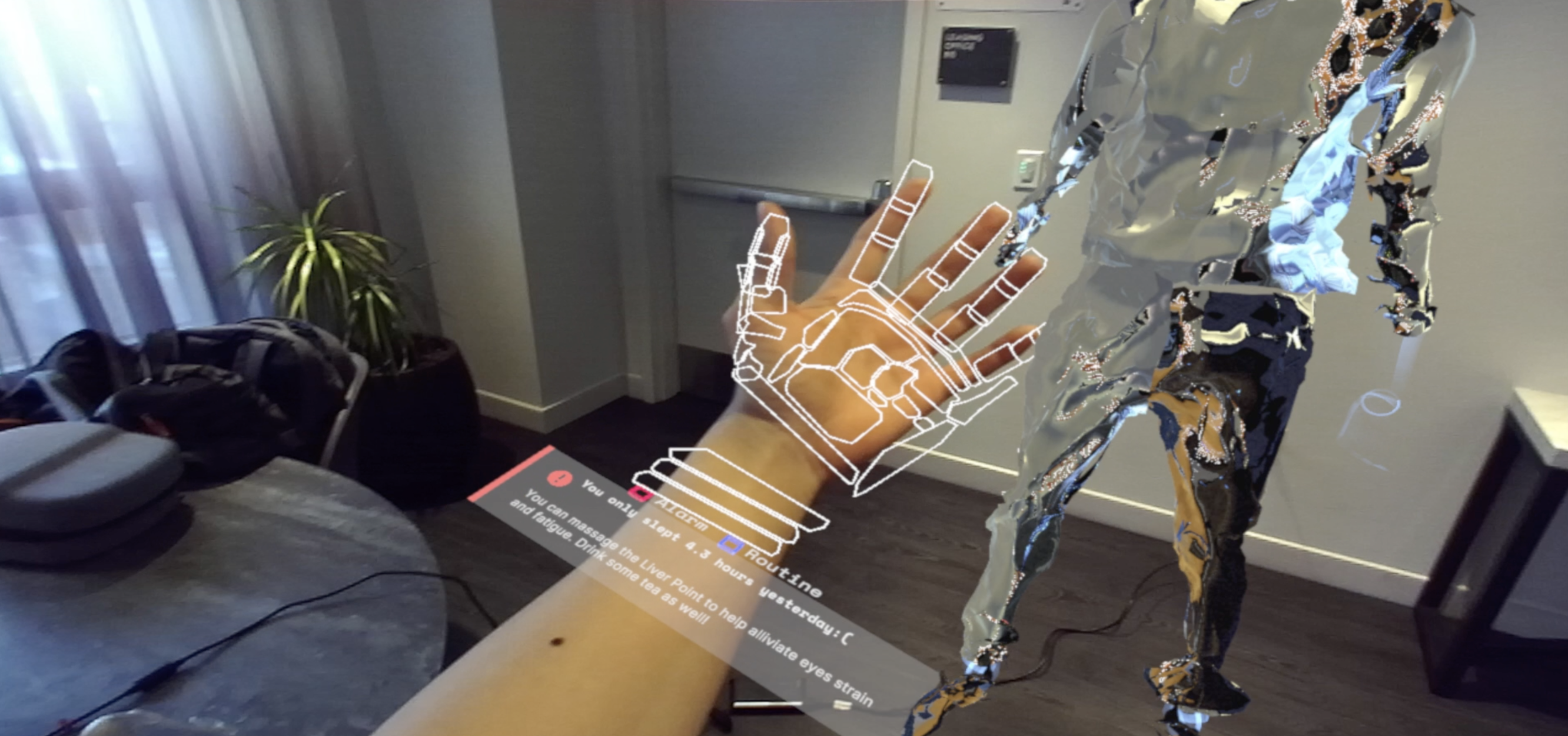
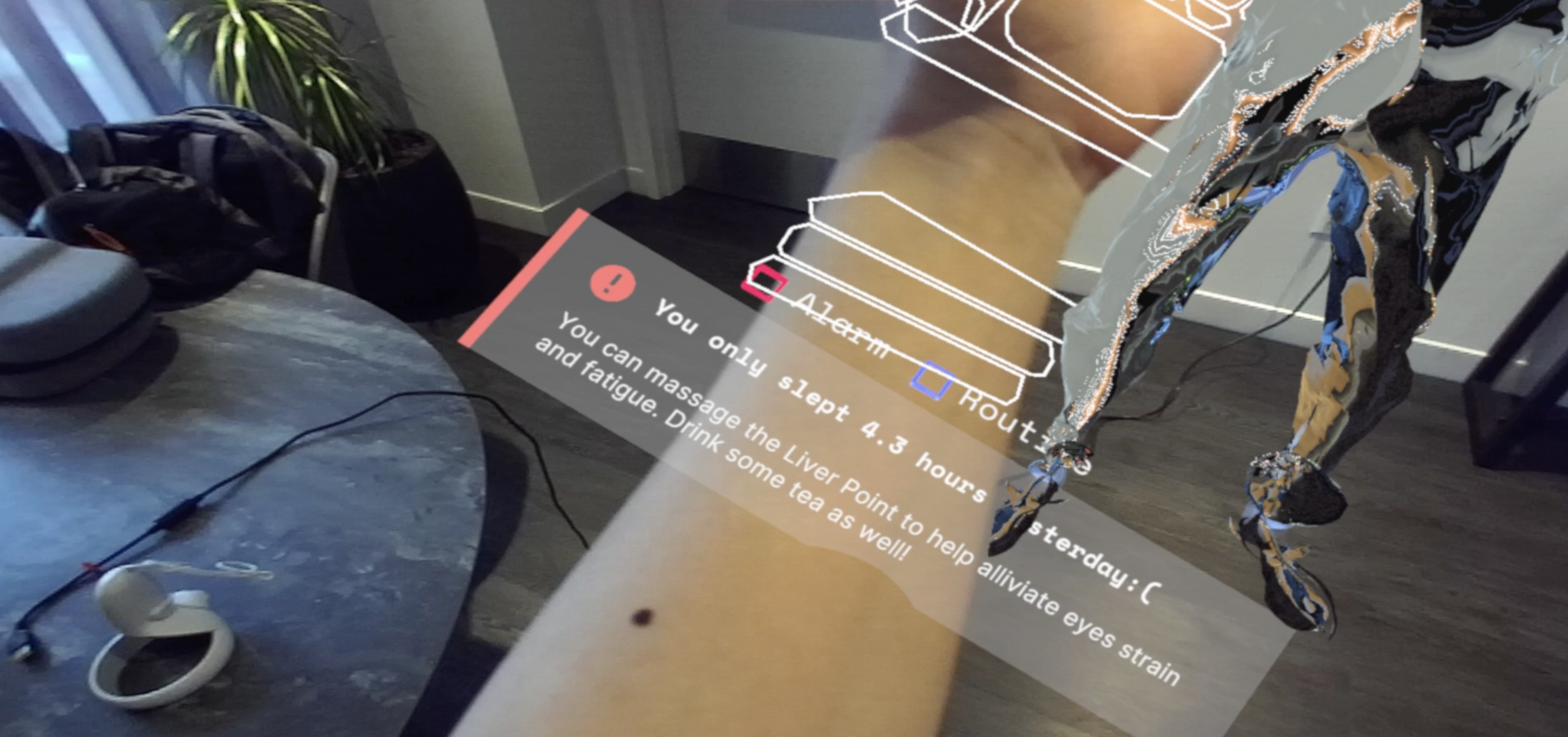
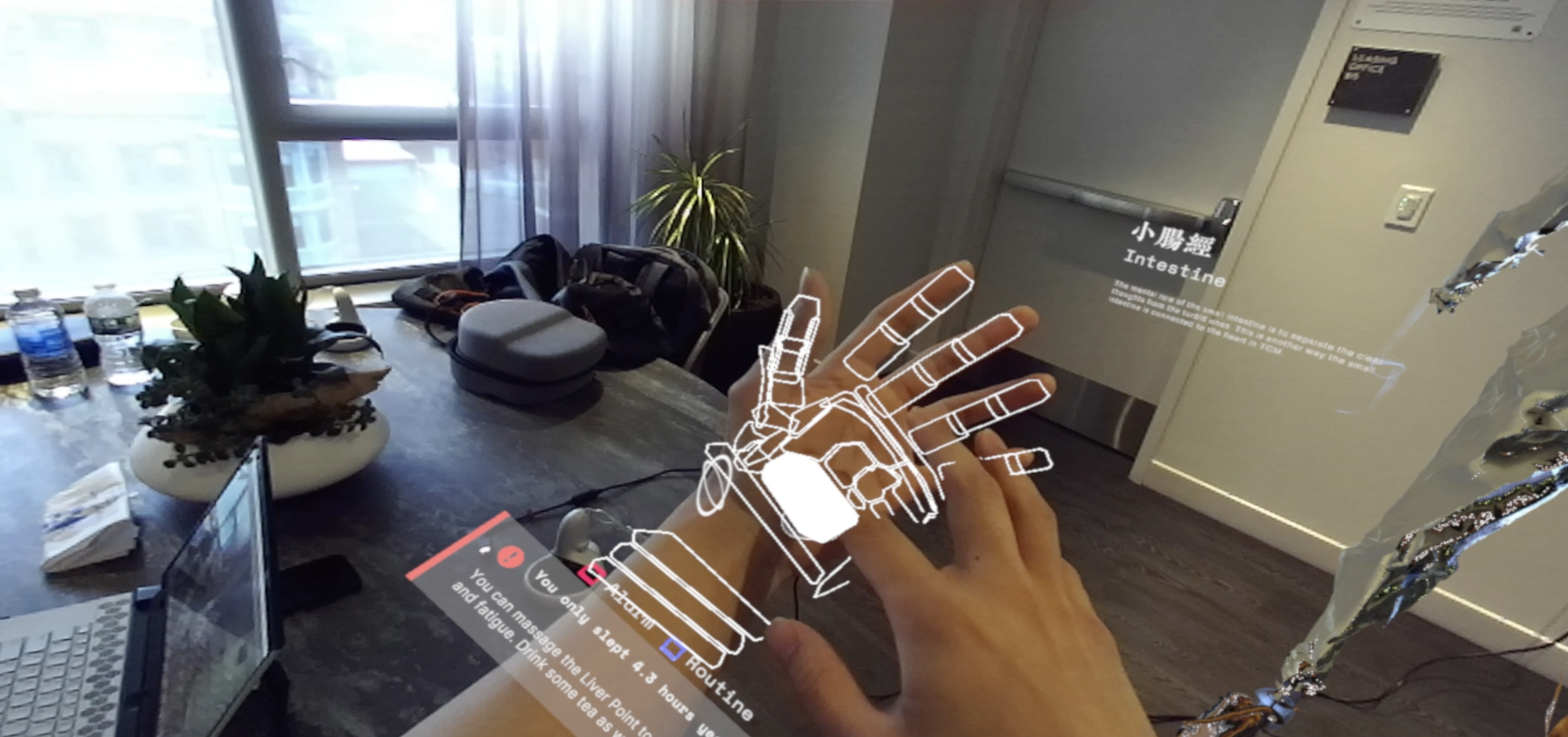
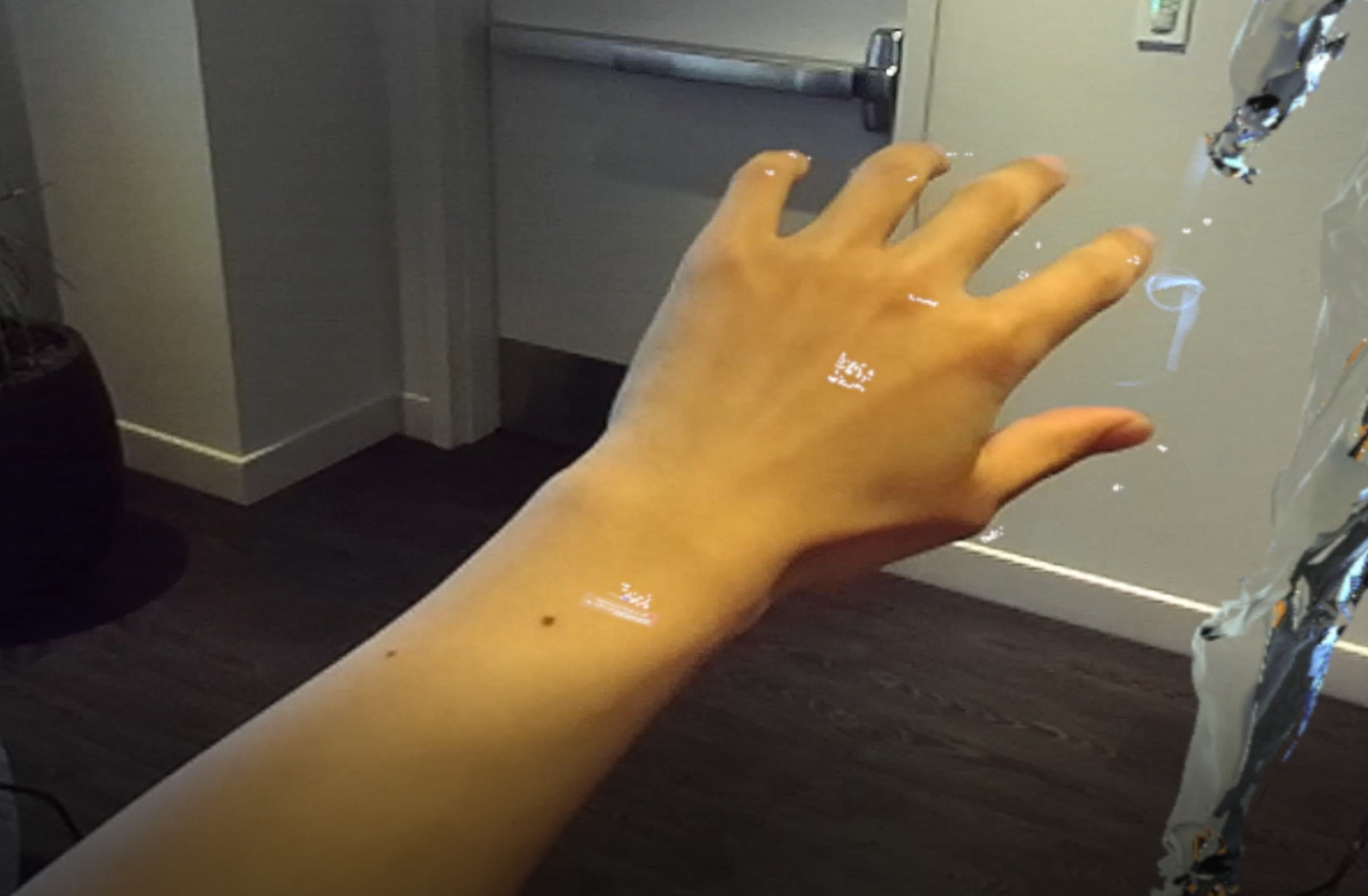
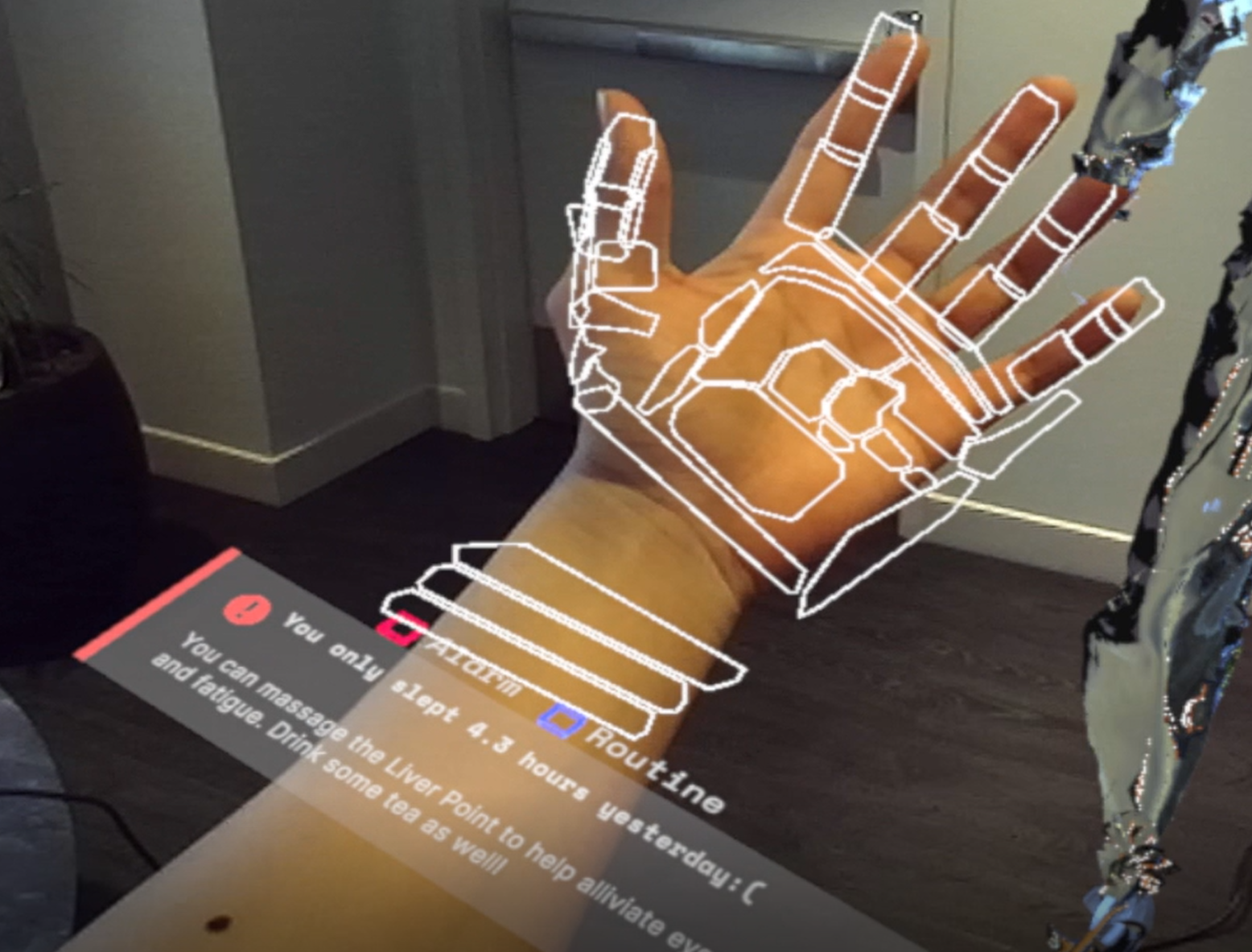
Our product provides hand-based acupoints AR visualization and rich interactive guidance to make the acupressure process easy and informative. It also reminds users of practicing acupressure according to their daily health status. For example, notification would pop up when the device detects poor sleep quality to remind the user to massage the point that reflects liver to alleviate dizziness.


User Flow
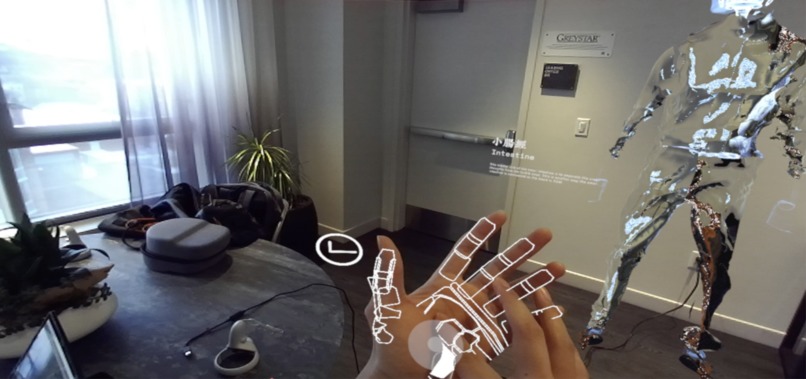
HandUI Dashboard

Flip to Hide Dashboard

Select Area to Lock/Start Massage
Description Popup

Massage Action Guide - Press Palm

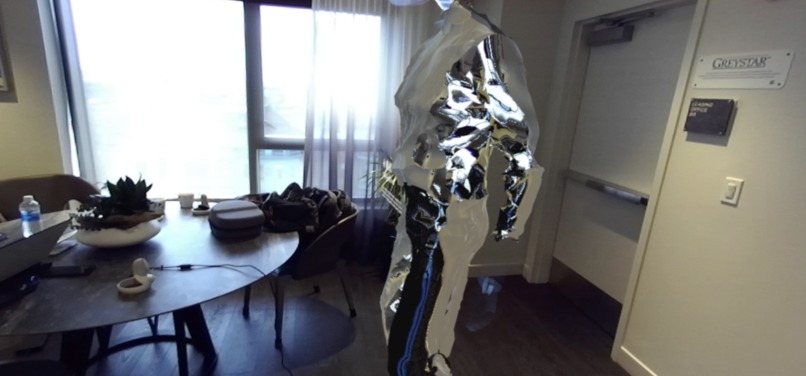
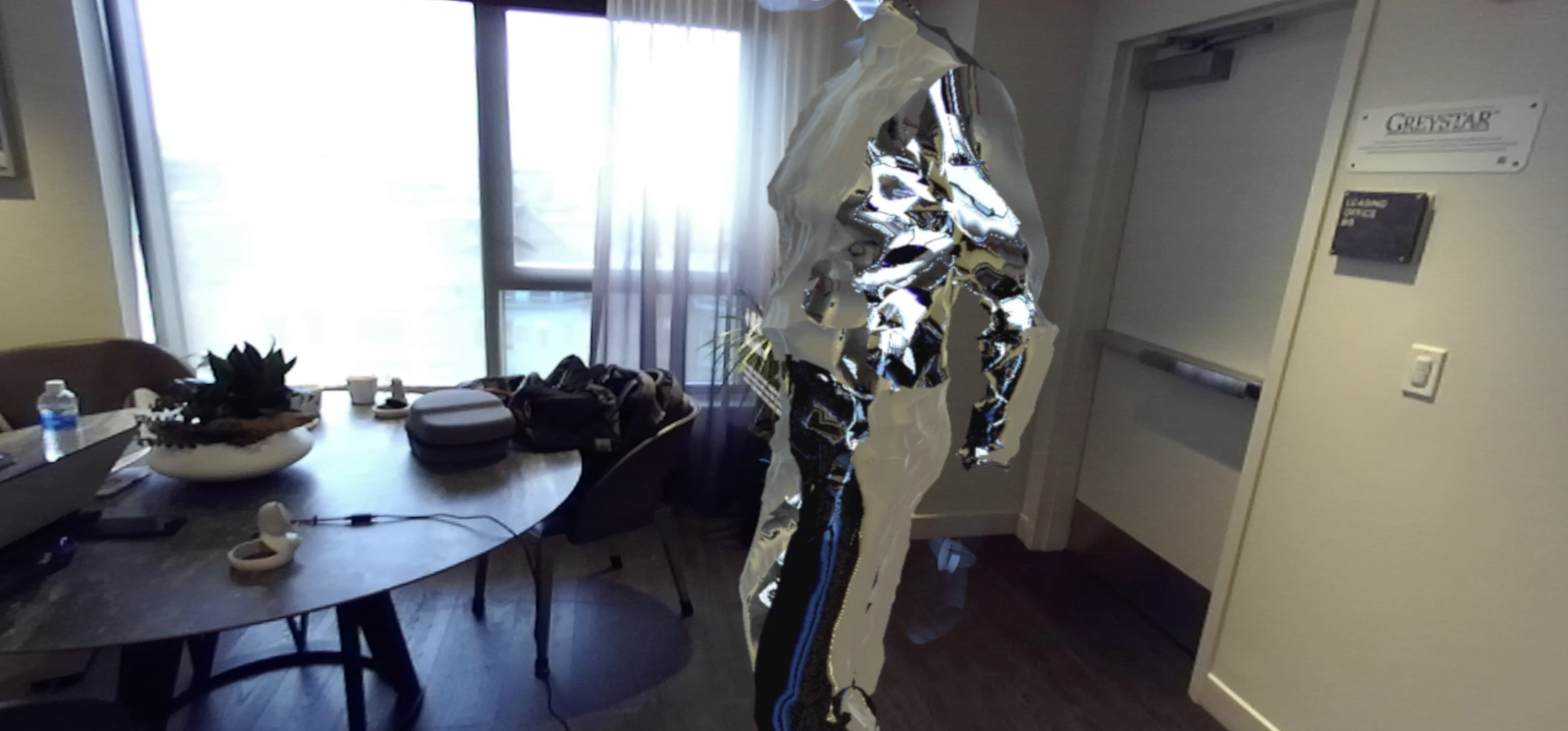
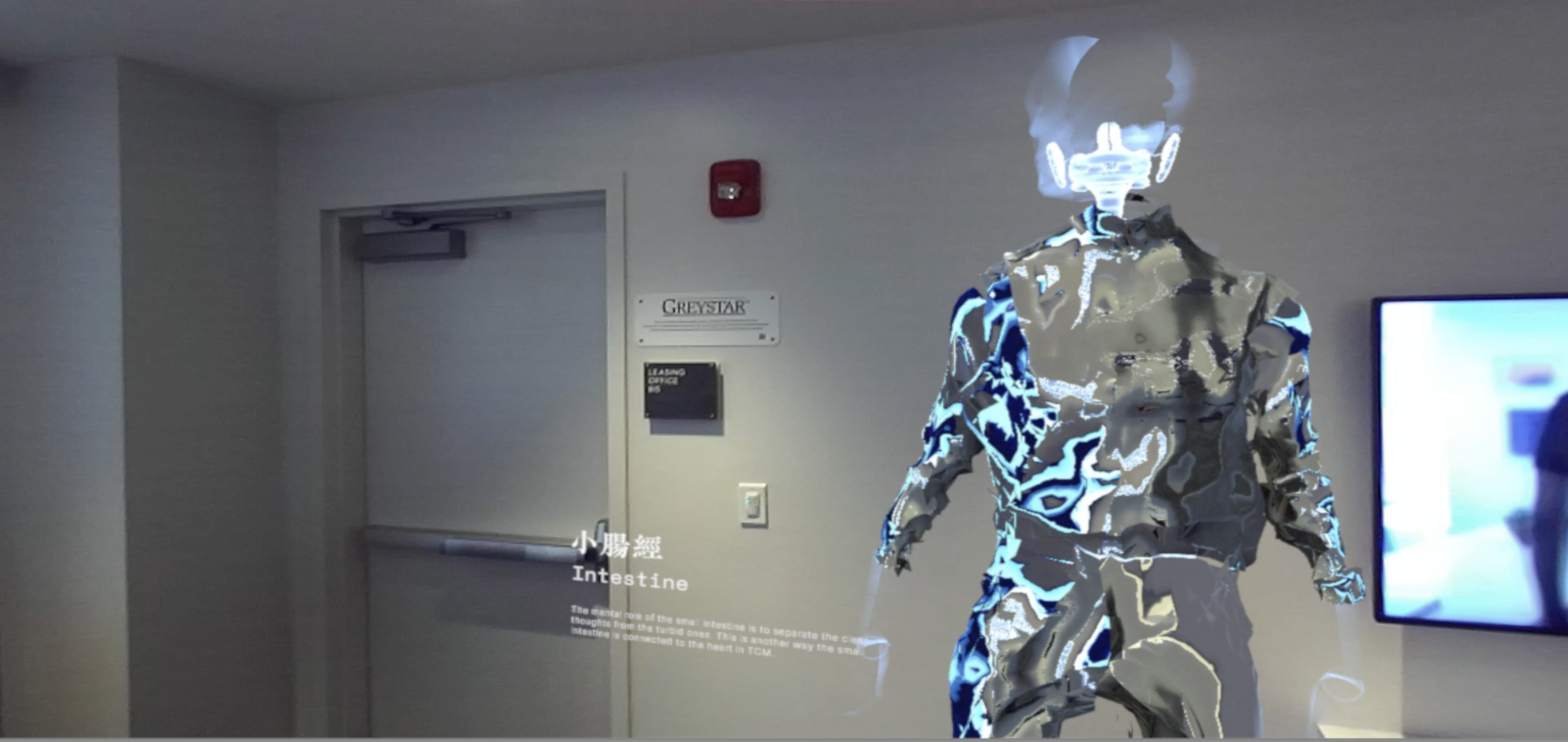
View 3D Human Body Avatar of Reflexology

Complete Massage Session - Check Icon

How we built it
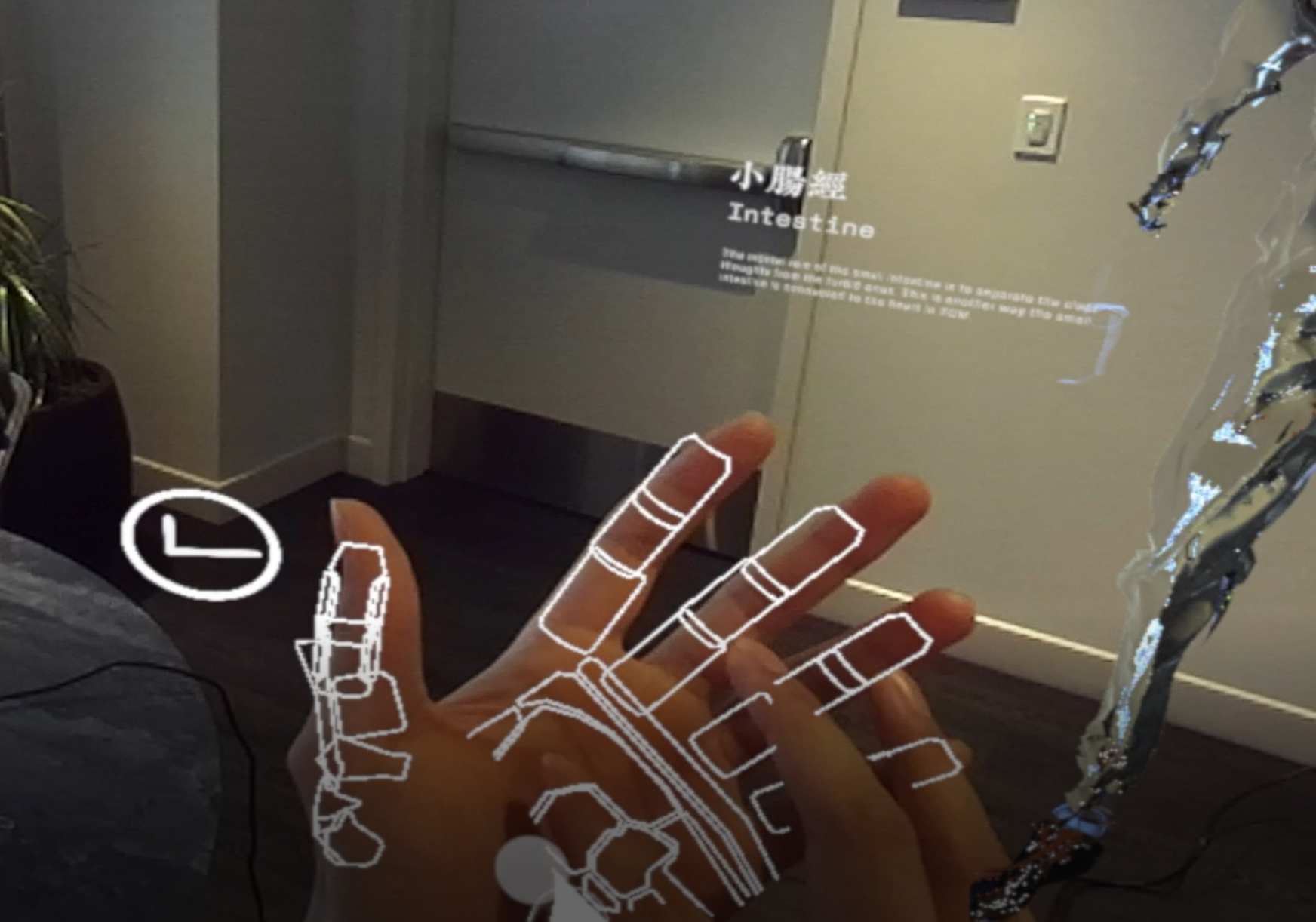
We used Oculus Quest 2, Zed Mini, and Leap Motion to develop the interaction system. Zed Mini is a depth camera that includes stereo-IMU, inside-out tracking and spatial awareness. Leap Motion is an in-air controller that can track the hand gesture of the user. The software was implemented in Unity3D. With the accurate bone mapping from leap motion’s hand-tracking features, we mapped the acupoints AR visualization and user interface on the left hand. Davide led the technical prototyping, Yubo, Aria and Meijie created the user experience and visual design.
Challenges we ran into
In the initial technical pipeline, we used Hololens2 and MRTK for acupoints visualization. Firstly, there were many technical difficulties in simulating projects from Unity play mode to Hololens device. Secondly, to assign our visual assets onto hand rigs in MRTK is much a bottom-layer process, which required a lot of time and effort.
Accomplishments that we're proud of
- Hacking hardware together
After we encountered development issues with Hololens2 and MRTK, we decided to switch gears and hack an AR device ourselves with Oculus Quest, Leap Motion and Zed Mini. We were able to figure out the new pipeline quickly and realize the product in a very limited timeframe.
- Expand our project beyond technical prototyping
Using our background in design we are not only satisfied with making a viable product. We pushed our concept further to imagine how it can make meaningful impacts in everyday scenarios and solve actual user problems.
- Maintain a high visual quality
We created all customized materials and UI assets to make sure the visual design is tailored to the specific interactions we prototyped. We added artistic interpretation to the user interface design rather than just achieving the basic functionality.
What we learned
- Effective Collaboration
Given the constrained timeline, we learned to collaborate effectively and each person work on different tasks to speed up the working process. We borrowed PM toolkits such as product requirement documents (PRD) to help strategize the workload and task assignments.
- Switch gear decisively
We were initially hesitant about switching to different hardware when we faced a lot of issues using Hololens 2 since we had already devoted a great amount of time to development. We are glad that we decided to switch the hardware which saved us time to struggle and familiarize ourselves with the new platform.
- Balance between fast prototyping and product quality
From a tech development perspective, we aim for an MVP to demonstrate the basic functionalities without over-fussing about the code quality; from a design perspective, we try to consider every visual detail to make sure we can tell a compelling story to the users.
What's next for AcupressureAR
Acupressure AR is more than just an acupressure visualization tool. Just like any other fitness and well-being product, it can become a more personalized experience tailored to each different person’s health condition. We propose two future features to further customize the acupressure experience.
1. Track your acupressure history to personalize experience
We intend to add a heatmap to better inform users about their acupressure history so that users have a better understanding of their health status. Through heatmap visualization, we also provide detailed health analysis and customized recommendations for more daily acupressure routines and well-being suggestions.
2. Build a community around acupressure routine
Based on community interests, we create multiple massage routines and exercises. Users can subscribe to the routines they are interested in and encourage each other to continue to engage in healthy exercises.
Built With
- leap-motion
- oculus
- unity
- zedmini


Log in or sign up for Devpost to join the conversation.