-
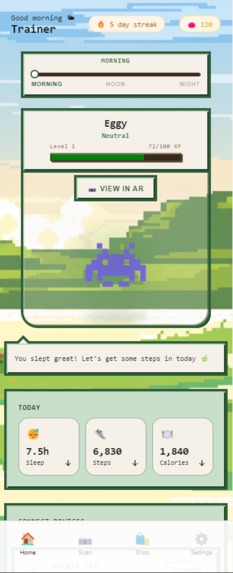
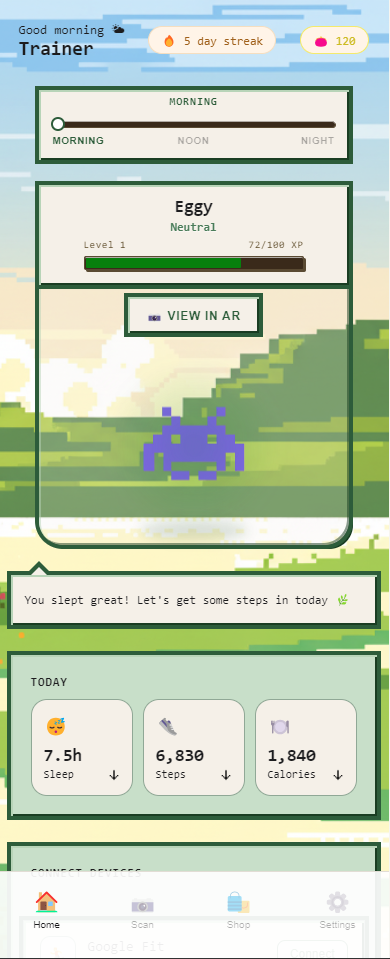
Dashboard page
-
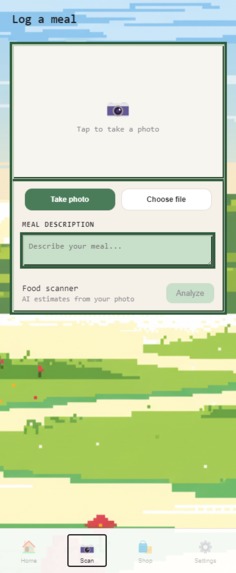
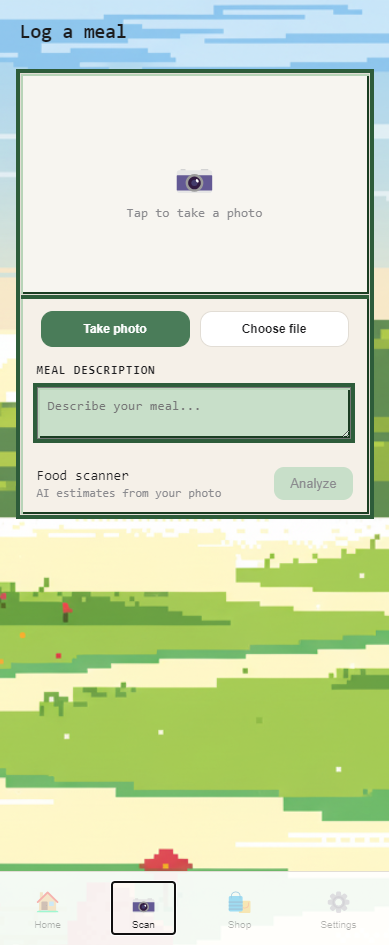
Vision page
-
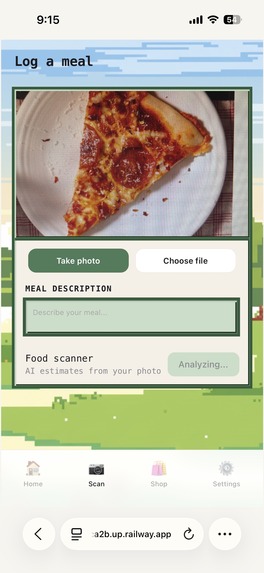
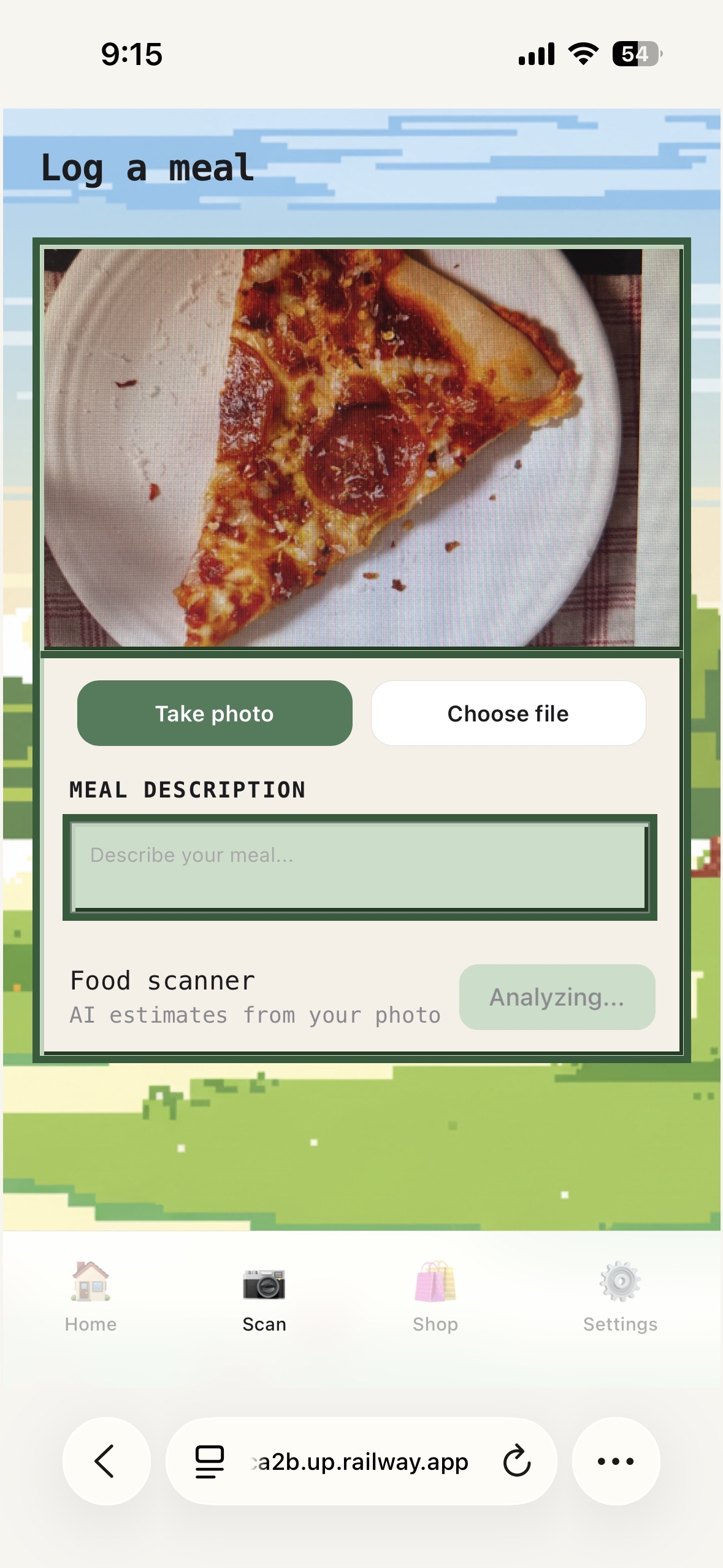
Vision page while analyzing
-
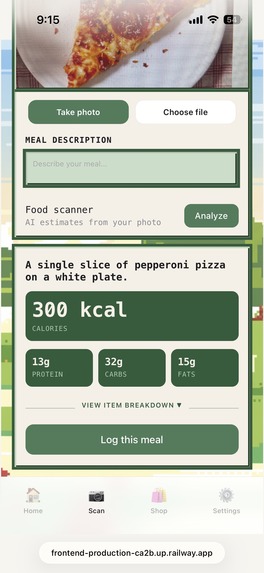
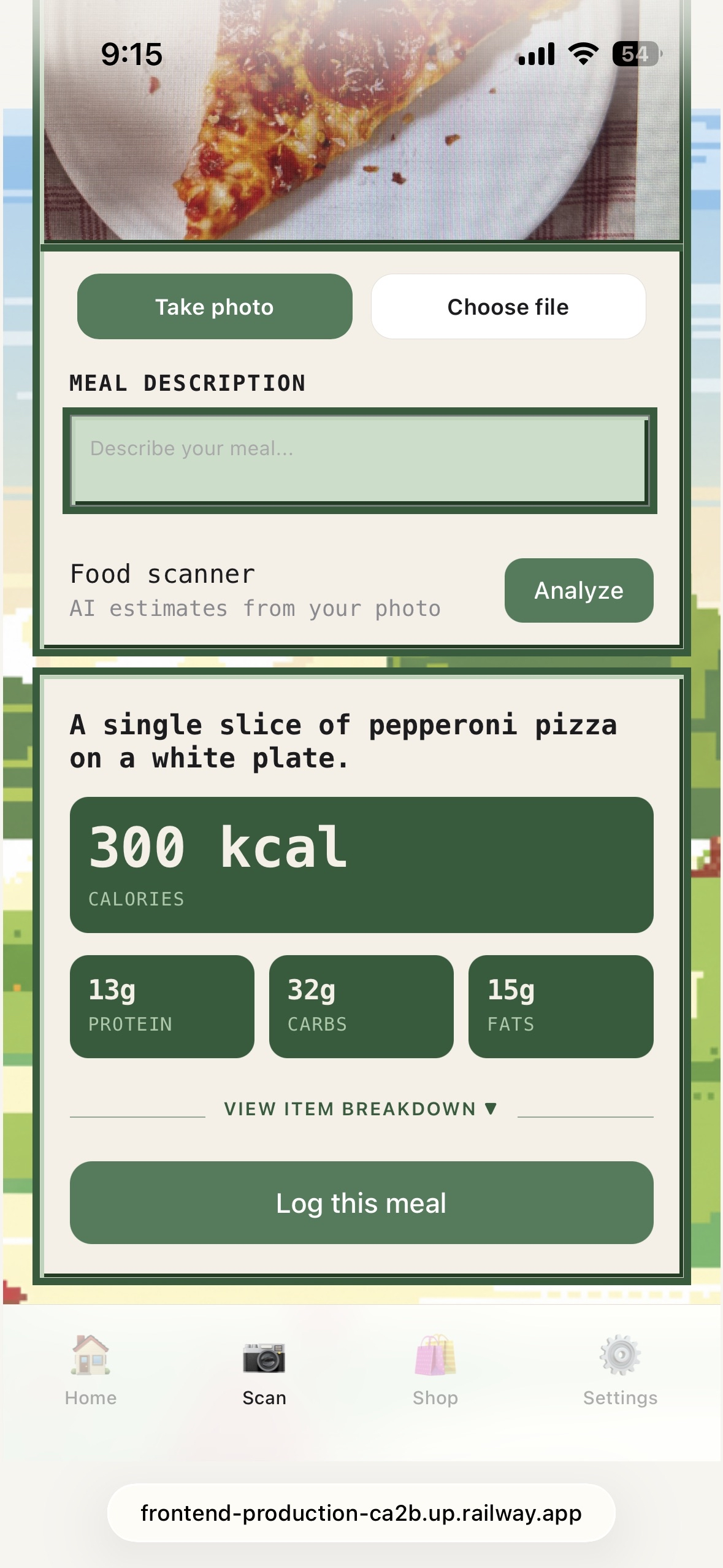
Vision page with result
-
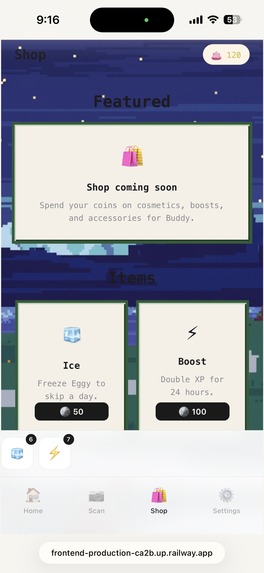
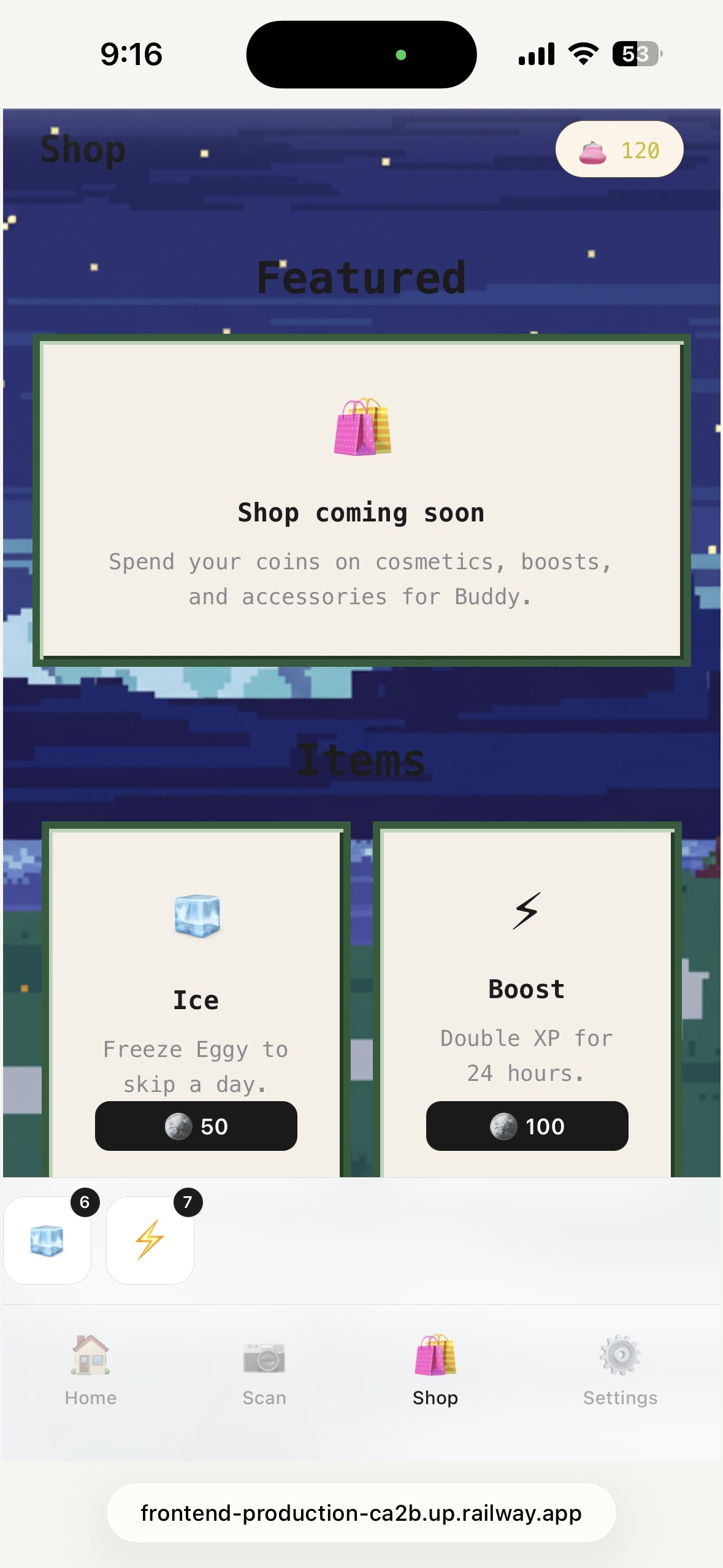
Shop page
-
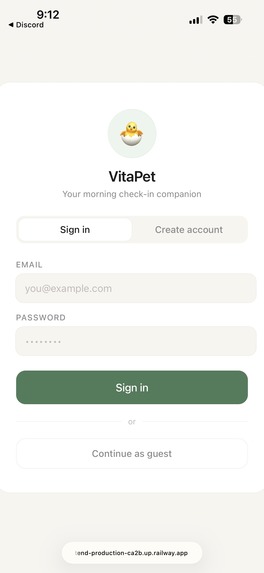
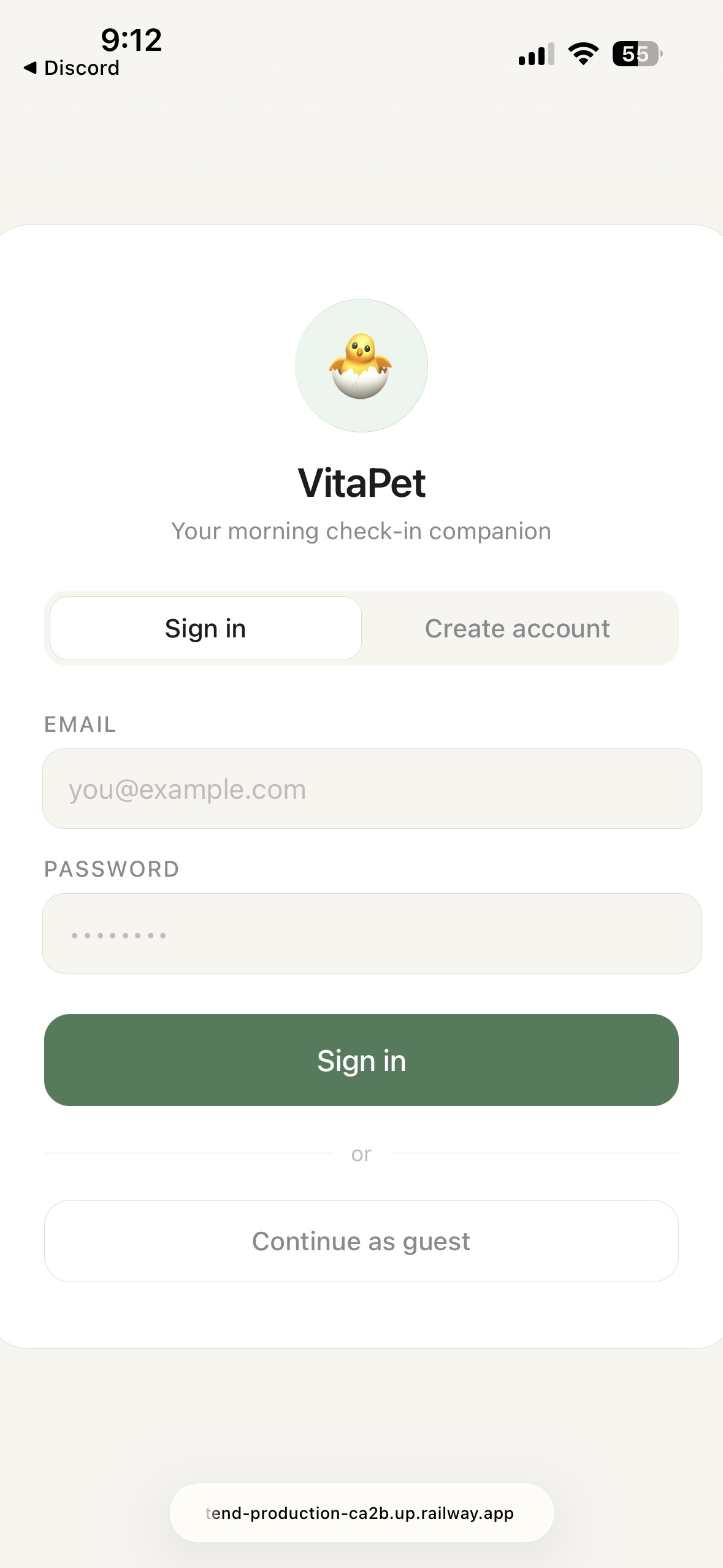
Login Page
Inspiration
Most of us check our phones within minutes of waking up, but nothing we open actually makes us feel better. Existing health apps are either overwhelming with data or too boring to stick with. The Tamagotchi kept millions emotionally invested in a tiny digital creature — we asked: what if that same emotional loop drove personal health?
What it does
VitaPet gamifies your health through a virtual pet that genuinely reacts to your day. The day is broken into six checkpoints — wake, gym, breakfast, lunch, dinner, sleep — and your pet's mood shifts in real time based on how you're keeping up. Snap a photo of any meal and Gemini Vision estimates calories and macros instantly. Open AR mode and your pet appears in the real world. Build a streak and it has something special to say.
How we built it
React + Vite frontend, FastAPI backend, Supabase for auth and Postgres, all deployed on Railway. The pet is a 3D Spline model with distinct emotional states driven by overdue checkpoints. Food analysis chains Gemini Vision for identification and macro estimation. AI pet messages are generated by Gemini 2.5 Flash, personalized to your actual stats and fitness goal.
Challenges we ran into
The hardest part was making personalization feel real under time pressure. We implemented Welford's online algorithm to learn each user's personal checkpoint timing — so the pet reacts based on your habits, not a generic schedule. Getting Gemini Vision to return clean, consistent macro estimates required careful prompt engineering. On the frontend, layering the AR camera overlay with the 3D Spline pet took more iteration than expected (we aren't artist unfortunately).
Accomplishments we're proud of
The ML personalization actually works — the pet learns your rhythm and knows when you're falling behind relative to your own baseline, not some generic clock. The food photo pipeline genuinely impresses people. And the emotional connection surprised us: seeing your pet exhausted because your day fell apart creates a real motivation to do better.
What we learned
Emotional design matters as much as features. The pet isn't a gimmick — it's why the check-in feels meaningful instead of like a chore. We also learned how much you can accomplish by chaining foundation models intelligently rather than building from scratch.
What's next
Replacing the weighted health score with a PyTorch model that learns your personal baselines over time. Adding Apple Health and Google Fit integration (the database and algorithms are already built — we just need the license). Expanding AR mode and adding a social layer so friends can see each other's pets.

Log in or sign up for Devpost to join the conversation.