-
-
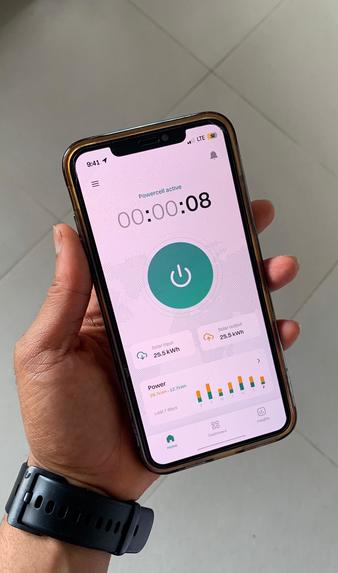
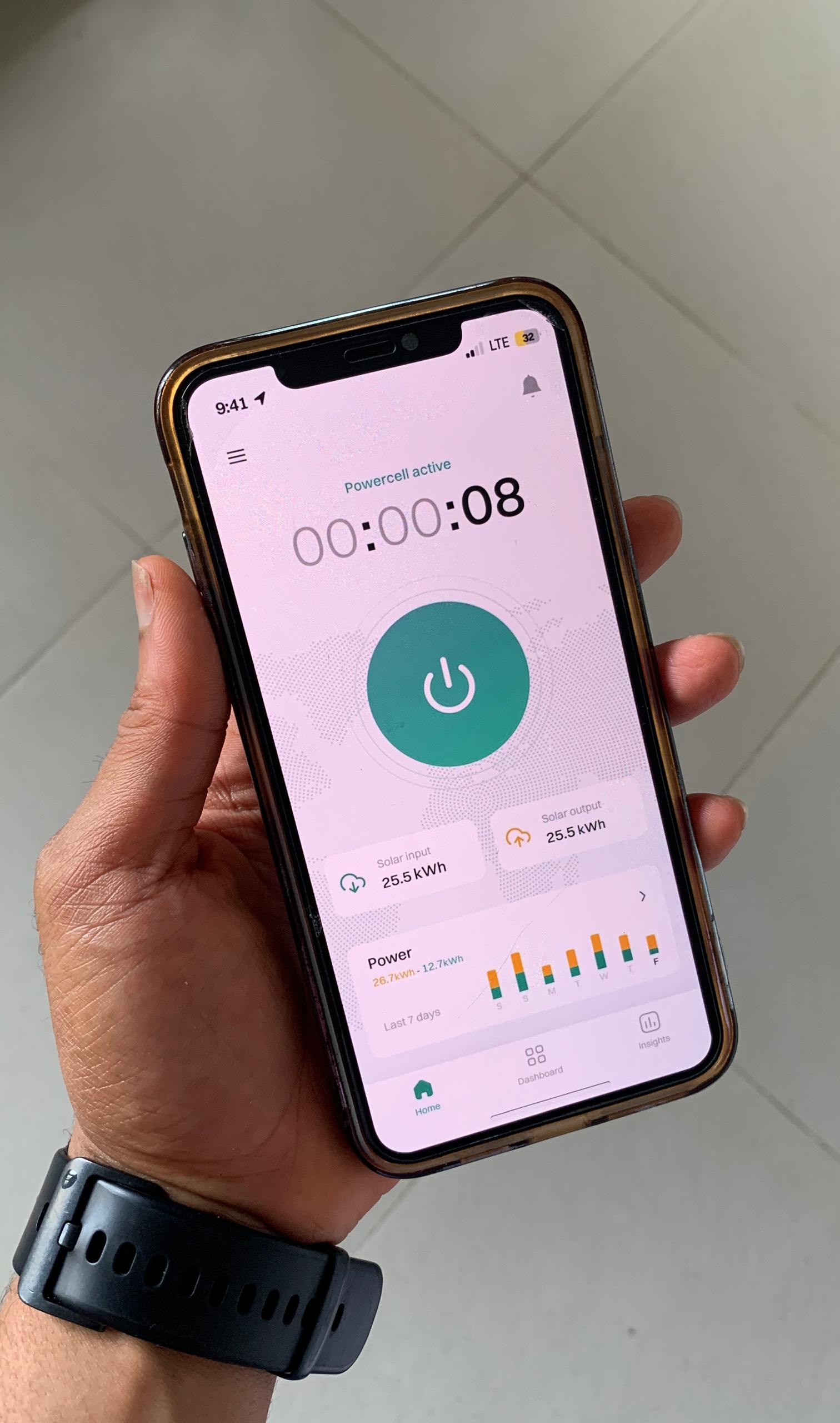
Powercore App
-
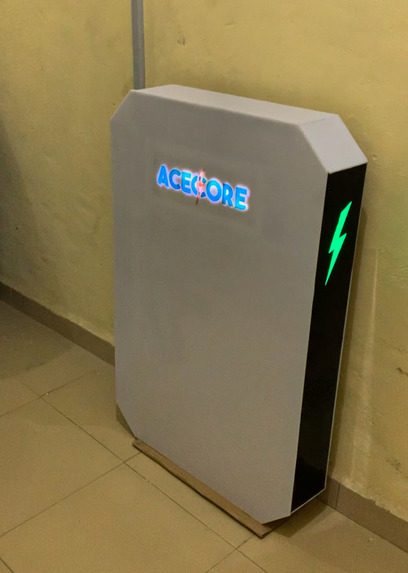
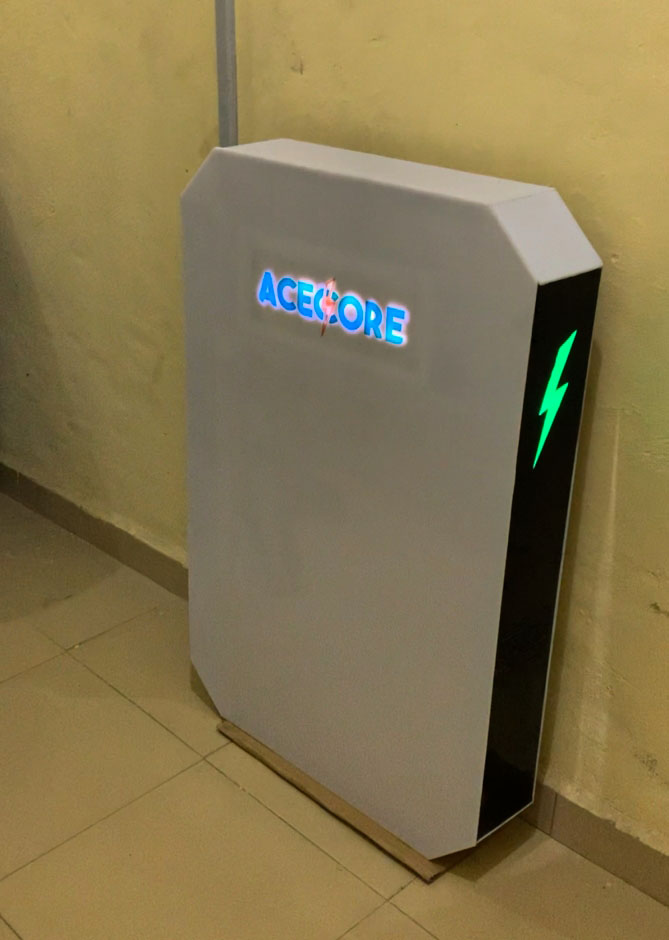
Powercell
Acecore PowerCell & PowerCore App: AI-Driven Energy Optimization for Resource-Constrained Environments
Inspiration
In Nigeria, over 92 million people lack access to reliable electricity. Like many Africans, we (the Acecore founding team) grew up in homes powered by candles, generators, and hope. But hope isn’t scalable.
This reality inspired us to build clean energy systems that work in the real world — environments with unstable power, low internet access, minimal compute resources, and constrained bandwidth. We wanted a system that wouldn’t just work in labs, but in remote villages, off-grid clinics, and urban slums.
Our mission is to democratize access to smart, locally-built, and efficient energy systems that adapt to Africa’s infrastructural limitations.
What it does
Acecore’s system consists of:
- PowerCell: A 5kVA, 10kWh all-in-one solar inverter + battery system
- PowerCore App: An AI-powered platform that runs on ESP32 (low-cost microcontroller), capable of:
- Monitoring real-time energy data
- Sending offline alerts via GSM or local mesh
- Predicting faults using edge-level anomaly detection
- Optimizing energy usage patterns (e.g., load scheduling)
This system enables users to:
- Understand their energy consumption
- Detect inefficiencies or potential hazards early
- Make smarter energy decisions without needing internet or cloud services
How we built it
Hardware:
- Microcontroller: ESP32 (low power, WiFi/Bluetooth support)
- Sensors: Voltage, current, temperature (INA219, DS18B20, ACS712)
- Lithium Iron Phosphate (LiFePO₄) battery stack
- Inverter: Pure sine wave, 48V DC to 220V AC
Firmware:
- Language: C++ using Arduino core
- Libraries: FreeRTOS, OTA updates, custom sensor drivers
- Optimizations: Power-saving modes, hardware interrupts
Software (PowerCore App):
- Stack: Python + Flask (backend), React Native (mobile)
- Offline-first database (SQLite + local sync)
- Edge AI: Lightweight anomaly detection model trained on $<10MB$ datasets
Cloud-Optional Features:
- Remote monitoring with optional WiFi/GSM integration
- Predictive maintenance and usage reports
Challenges we ran into
- Power constraints: Running continuous data collection and analysis on ESP32 without draining system power required deep optimization (e.g., deep sleep cycles, burst processing).
- Offline capability: Developing a fully functional system that works without internet meant rethinking common web/cloud dependencies and replacing them with local, resilient alternatives.
- User-friendly design: Simplifying complex energy data for non-technical users took iterative design and field feedback.
- Battery safety: Implementing robust thermal and overload protection in harsh environments required custom BMS tuning.
Accomplishments that we're proud of
- Built and deployed 35+ PowerCell units, now scaling to 100+ with $150K raise
- Secured $750K in LOIs/MOUs from distributors and real estate developers
- Featured on the Nasdaq Tower in Times Square
- Named to the SET100 2025 Global Climate Tech List
- Selected for the Brain 3.0 Bootcamp in Egypt
- Closed partnership talks with SunFi, A2 Energy, and Sterling Bank
- Achieved 3,900% production growth (from 8kWh to 320kWh/month)
What we learned
- Constraints are not limitations—they are opportunities for innovation.
- Building for Africa means designing resilient, efficient systems that thrive in the absence of ideal conditions.
- Hardware innovation must go hand-in-hand with deep user empathy and local context.
- You can do a lot with a little — ESP32, AI, and solid engineering can solve real problems.
What's next for Acecore Incorporation
- Deploy 100 more units to reach breakeven by Q1 2026
- Finalize strategic partnerships with SunFi, A2 Energy, and the US Consulate
- Launch PowerCore 2.0, with enhanced ML and multi-user load optimization
- Expand our technician training program to scale installations and support
- Begin exporting PowerCell units to Ghana and Kenya as part of our pan-African expansion
- Secure additional funding and deep-tech mentorship to reach $1.3M in revenue by end of 2025
We believe that Africa doesn’t need imported solutions — it needs resilient, local innovation. Acecore is not just a product — it’s a movement.
Built With
- and
- and-acs712
- and-deployed-lightweight-ai-models-(trained-with-scikit-learn-and-optimized-using-tensorflow-lite-for-microcontrollers)-directly-on-the-edge.-the-mobile-app-was-built-using-react-native-(frontend)-and-flask-with-python-(backend)
- and-mqtt
- cloud
- ds18b20
- firebase
- gsm-(sim800l)
- messaging
- mobile
- programmed-in-c++-with-the-arduino-core
- running-on-freertos-for-real-time-task-management.-we-integrated-sensors-like-ina219
- the-acecore-powercell-and-powercore-app-were-built-using-the-esp32-microcontroller
- using-an-sqlite-offline-first-local-database.-connectivity-is-enabled-via-wifi
- with-optional-integration-to-thingspeak-for-telemetry.-we-used-kicad-and-fusion-360-for-hardware-design-and-prototyping


Log in or sign up for Devpost to join the conversation.