-
-
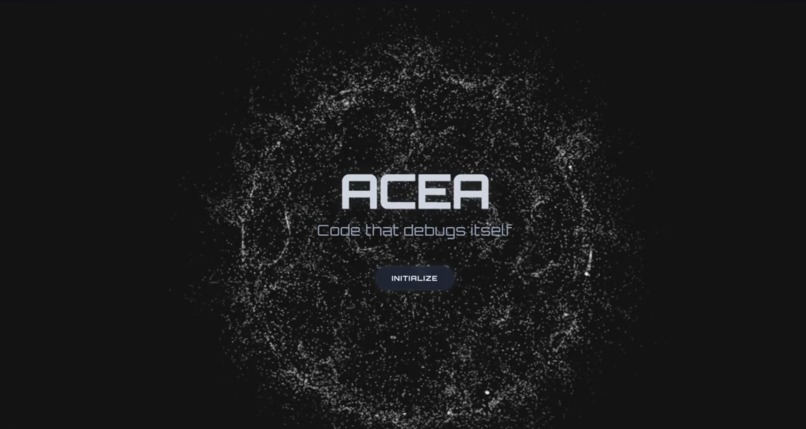
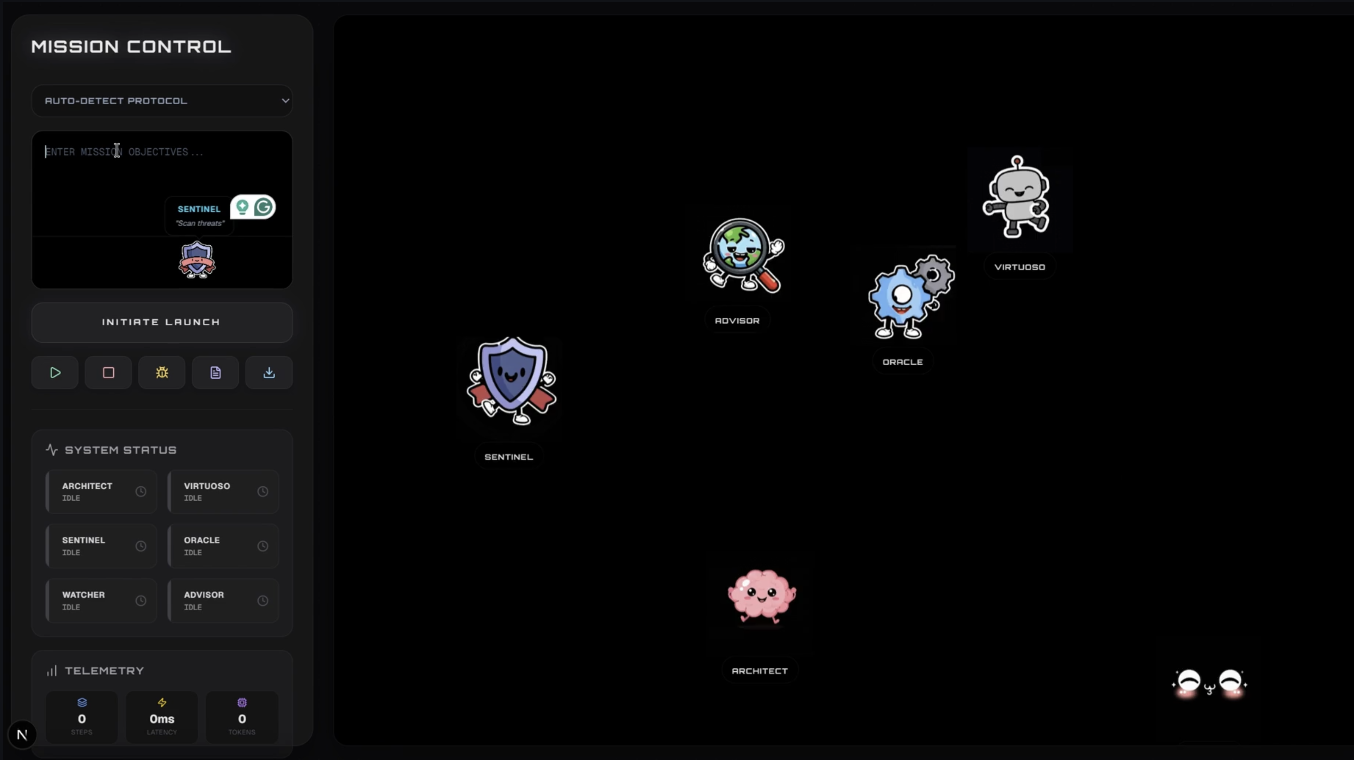
Main Page
-
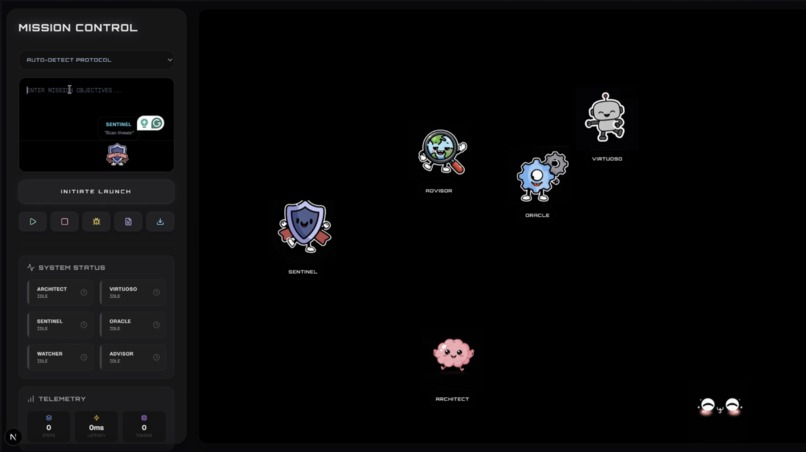
Entering Prompt
-
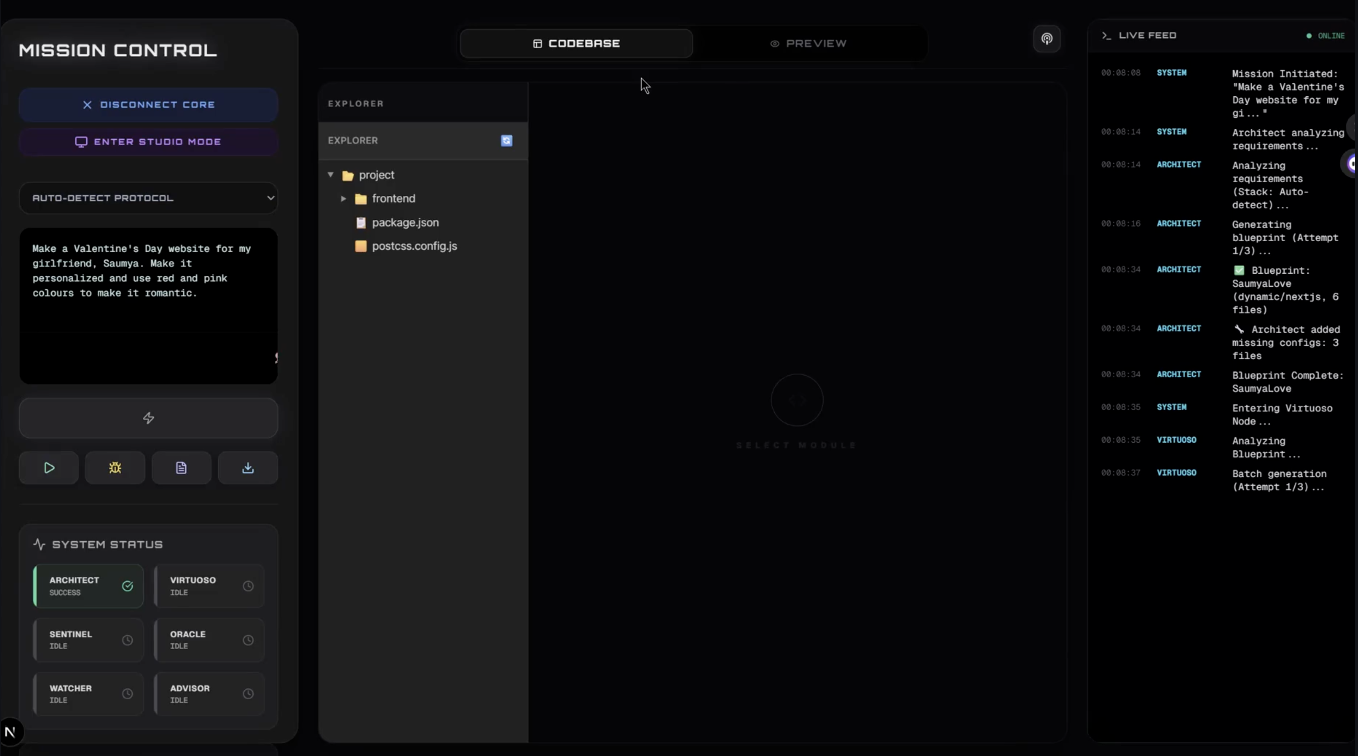
Agent Running
-
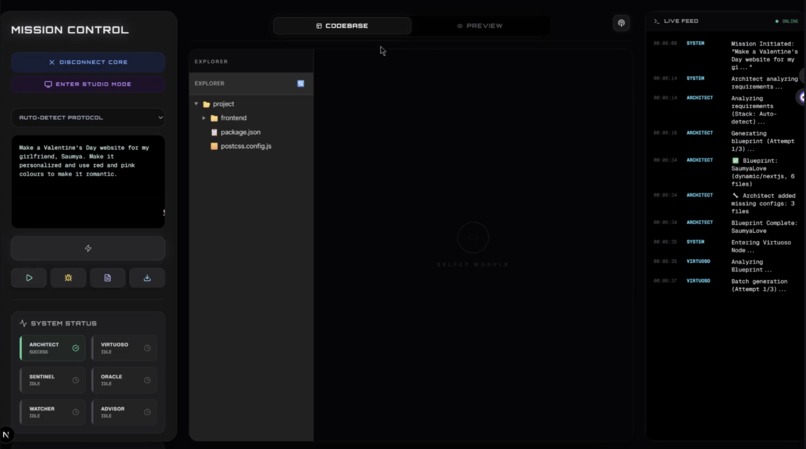
Project FIiles
-
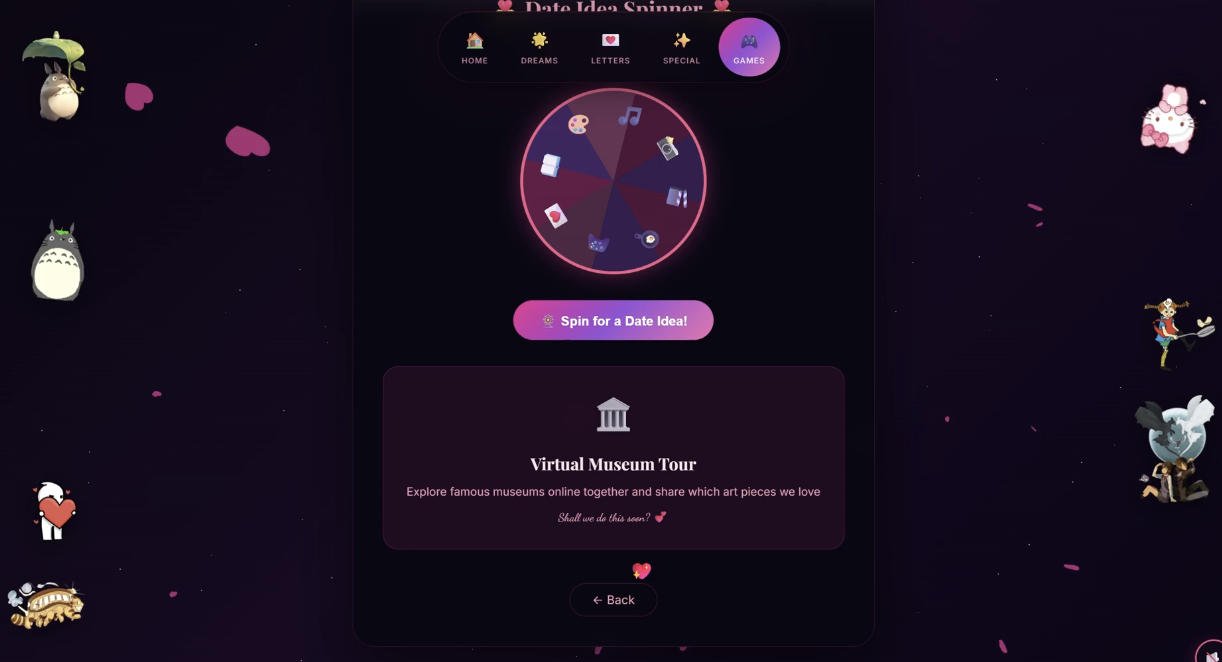
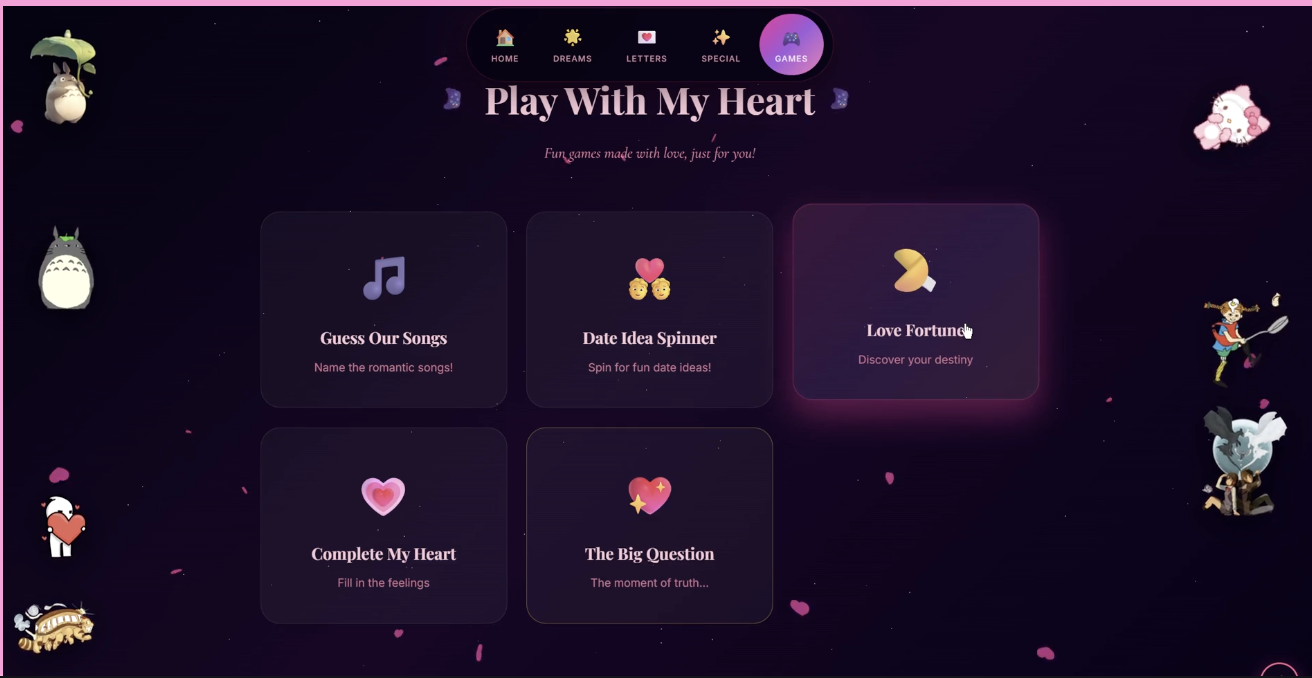
Output 1
-
Output 2
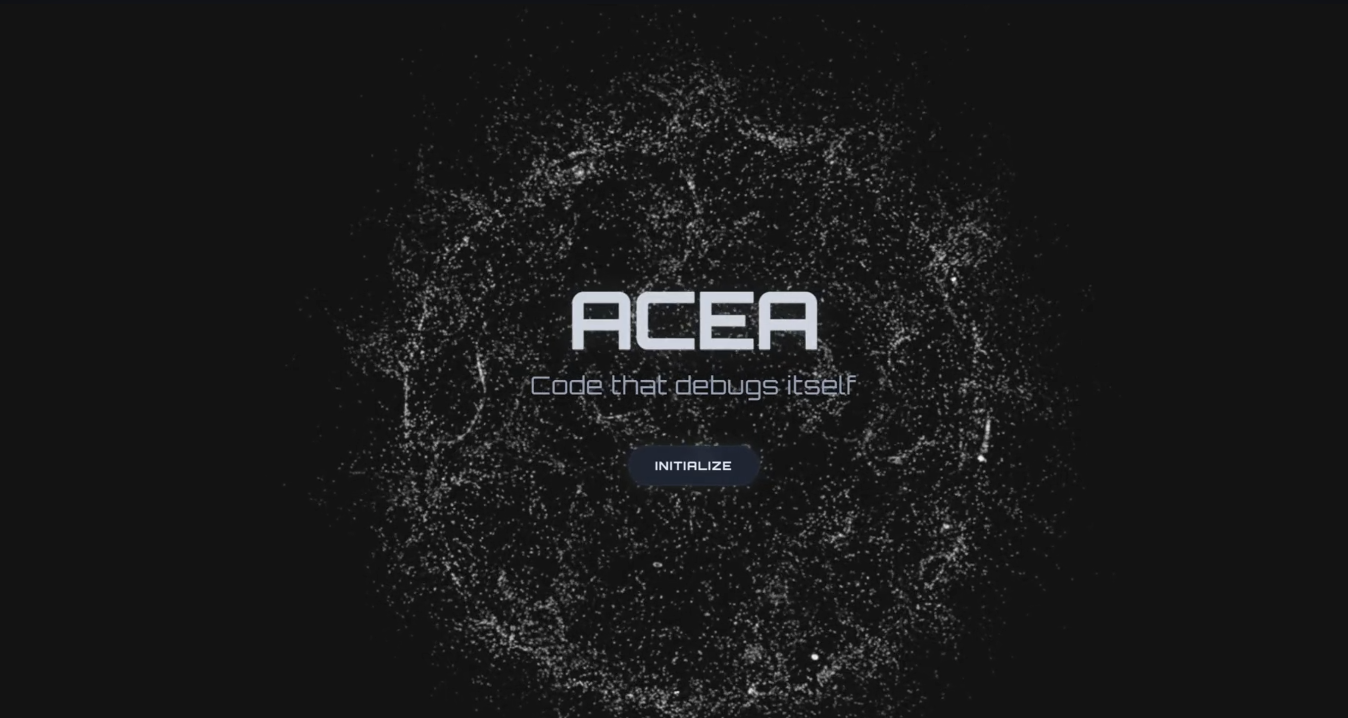
ACEA SENTINEL
Autonomous Codebase Enhancement Agent
Live Demo: https://acea-a-checkpointed-agentic-system.vercel.app/ (TRY IT YOURSELF!)
GitHub Repository: https://github.com/Srikant-03/Acea-Sentinel
Detailed Documentation: https://docs.google.com/document/d/11x3Q7MX6U8vkBI7GMDpPHrNBhcA3DDip/edit?usp=sharing&ouid=108875029069432587377&rtpof=true&sd=true
🚀 Executive Overview
Software development today is powerful, but deeply inefficient. Developers spend a significant portion of their time not building products, but debugging, testing, configuring environments, and fixing issues introduced by both humans and AI tools.
While modern AI systems can generate code quickly, they stop short of delivering usable, production-ready outcomes. The responsibility of validating, debugging, securing, and deploying still falls entirely on the developer.
ACEA Sentinel redefines this paradigm.
It is an autonomous, multi-agent software engineering system that takes a single natural-language prompt and transforms it into a fully functional, tested, secure, and deployment-ready application, without requiring human intervention during execution. :contentReference[oaicite:0]{index=0}
Rather than acting as a coding assistant, ACEA operates as a complete engineering pipeline, capable of planning, building, validating, repairing, and delivering software end-to-end.
⚠️ The Problem: AI Accelerates Code, Not Outcomes
Despite rapid advancements in AI-assisted development, a fundamental gap remains unresolved.
Developers still face:
- Continuous debugging cycles after code generation
- Incomplete or missing test coverage
- Security vulnerabilities slipping into production
- Fragmented workflows across multiple tools
- Lack of recovery mechanisms when automated systems fail
Even advanced tools generate code that often breaks at runtime or requires iterative manual fixes. The automation pipeline collapses precisely at the point where reliability matters most. :contentReference[oaicite:1]{index=1}
The core issue is not code generation, it is end-to-end execution.
ACEA Sentinel is designed to close this gap.
💡 The Solution: Autonomous Software Engineering
ACEA Sentinel introduces a new model: objective-driven software execution.
Instead of generating isolated code snippets, it accepts a high-level instruction and executes it as a complete engineering task. The system plans the architecture, generates the codebase, validates functionality, enforces security, and repairs failures autonomously.
The output is not partial work, it is a complete, working software artifact.
This is achieved through a coordinated system of specialized AI agents operating within a structured orchestration pipeline, supported by real tooling and intelligent recovery mechanisms.
🧠 System Architecture
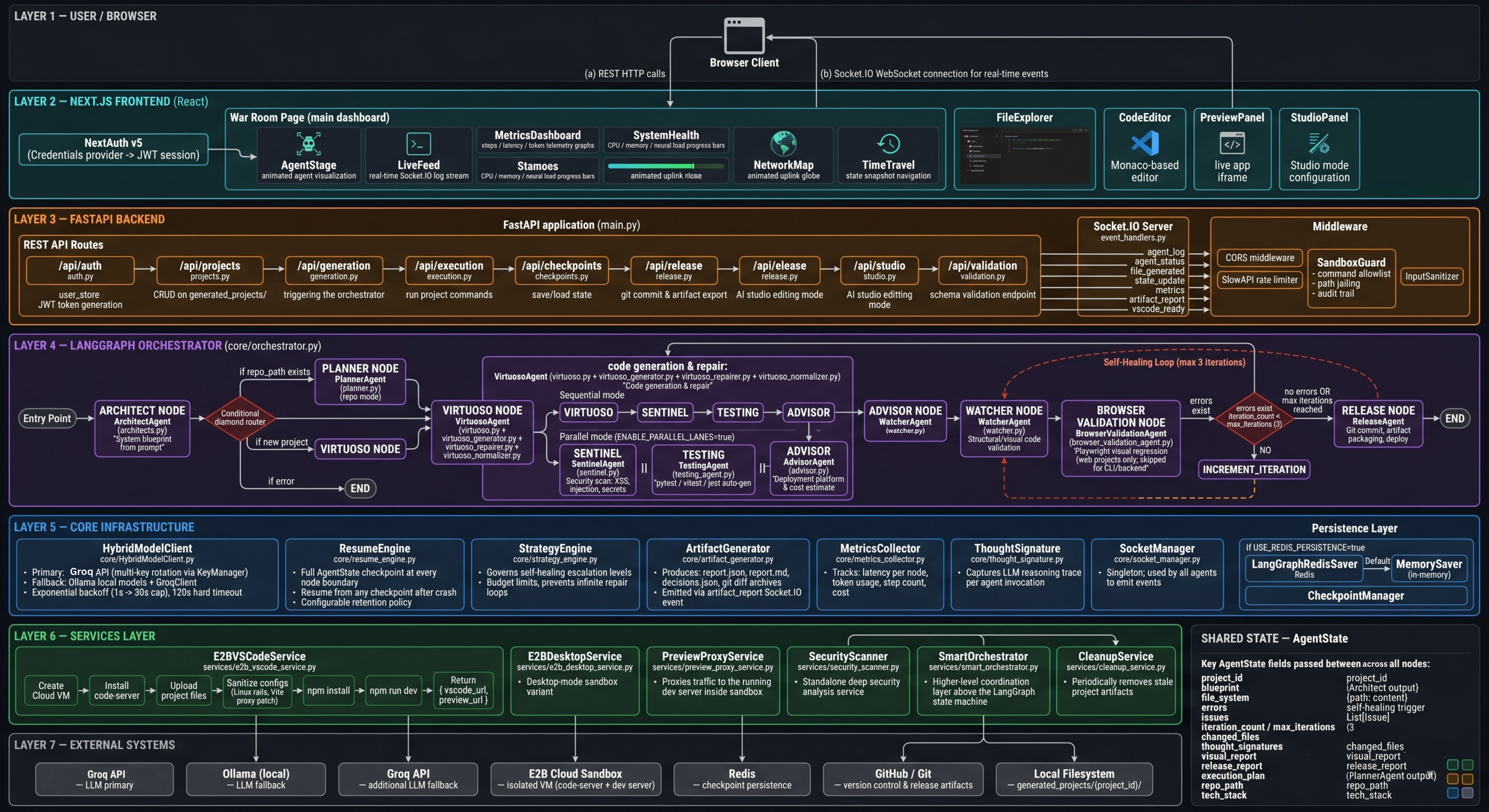
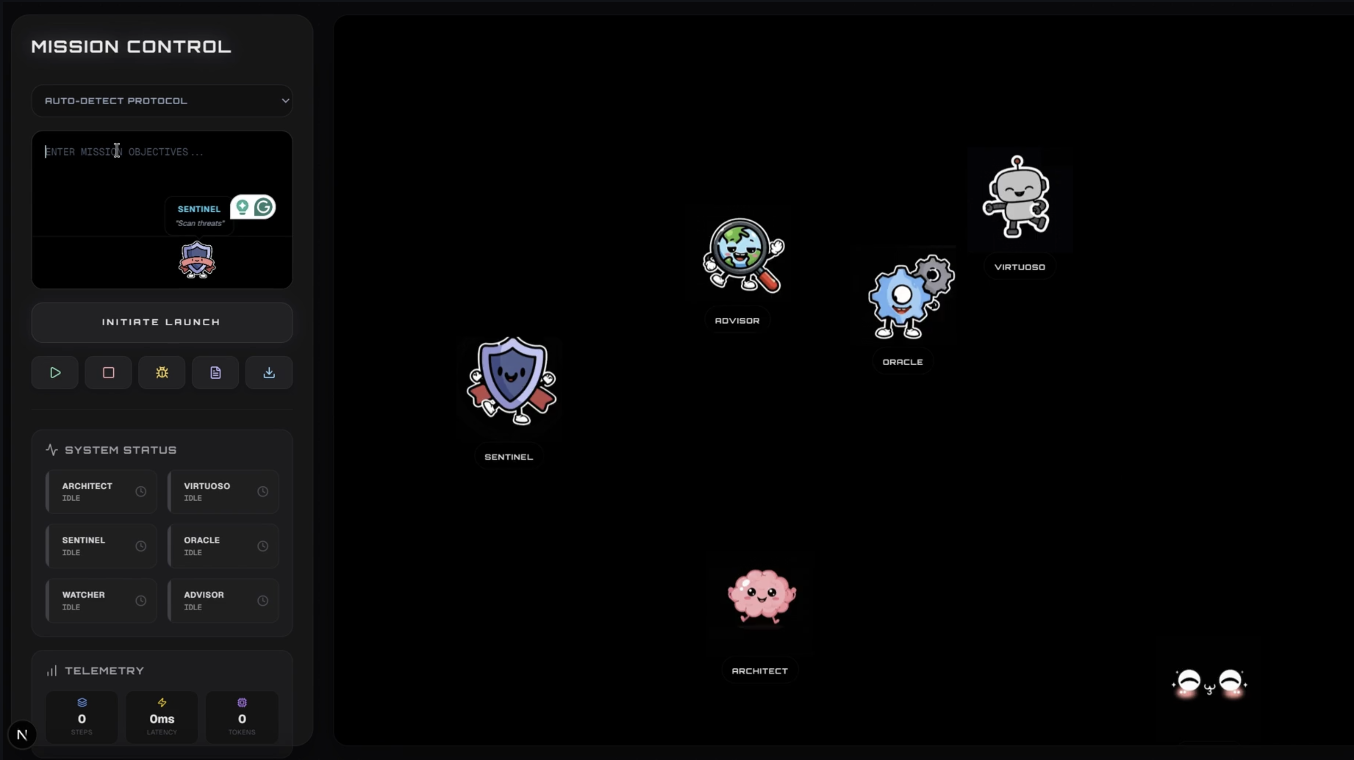
ACEA Sentinel follows a layered, multi-agent architecture designed for end-to-end autonomous software execution. The system begins at the user layer, where a browser client interacts with a Next.js-based War Room dashboard that provides real-time visibility into agent activity, logs, and system metrics. Requests are handled by a FastAPI backend exposing REST endpoints and Socket.IO channels for live communication. At the core lies a LangGraph-based orchestrator that manages a deterministic pipeline of specialized agents, including planning, code generation, security analysis, testing, validation, and release. A self-healing loop, powered by a Diagnostician and Strategy Engine, enables intelligent error recovery with iterative refinement. Supporting this pipeline is a robust infrastructure layer featuring hybrid LLM routing, checkpoint persistence, artifact generation, and real-time telemetry. The services layer integrates sandboxed execution environments, browser automation, and security scanning tools, while external systems such as LLM APIs, Redis, and Git provide scalability and persistence. This modular, checkpointed design ensures reliability, observability, and fault tolerance across long-running autonomous workflows.
🔁 Self-Healing and Intelligent Recovery
One of ACEA’s most critical innovations is its stateful self-healing mechanism.
When failures occur, whether due to runtime errors, missing dependencies, or misconfigurations, the system does not rely on blind retries. Instead, it performs structured diagnosis and recovery:
- Errors are analyzed using a dedicated Diagnostician agent
- A Strategy Engine selects an appropriate repair approach
- Fixes are applied incrementally or escalated when needed
- Previously failed strategies are never repeated
This escalation-based recovery model ensures that ACEA behaves less like a script and more like an experienced engineer debugging a system.
The result is a system that not only builds software, but maintains and repairs it autonomously. :contentReference[oaicite:3]{index=3}
🤖 Multi-Agent System Design
ACEA operates through a network of specialized agents, each responsible for a critical part of the software lifecycle.
The Architect agent translates user intent into a structured blueprint, defining the system’s architecture and components.
The Virtuoso agent generates and modifies code, handling both initial creation and targeted repairs.
The Sentinel agent enforces security by scanning for vulnerabilities across the codebase, ensuring compliance with industry standards.
Testing agents generate and execute comprehensive test suites, validating correctness at each stage.
The Diagnostician and Strategy Engine together form the intelligence layer that enables self-healing.
The Watcher ensures structural integrity and completeness, while the Browser Validation agent performs real-world UI testing using a headless browser.
Finally, the Release agent packages the entire system into a deployable artifact, complete with reports and version control integration.
This modular architecture allows each component to evolve independently while maintaining overall system stability.
🧪 Verification-First Engineering
A key principle behind ACEA is verification over assumption.
Instead of assuming correctness based on generated code, the system integrates real development tools to validate outputs:
- Functional testing through frameworks like Pytest
- Browser-level validation using Playwright
- Security scanning using static analysis tools
- Real execution environments for runtime verification
This ensures that outputs are not just syntactically correct, but operationally reliable.
By combining execution-based validation with automated repair, ACEA achieves a level of robustness that traditional AI tools cannot provide.
🖥️ The War Room: Real-Time Observability
ACEA includes a real-time dashboard known as the War Room, built using Next.js and Socket.IO.
This interface provides complete visibility into system execution:
- Live agent activity and logs
- Step-by-step execution tracking
- File generation and modifications
- Test results and security findings
- Checkpoint navigation and recovery
The War Room transforms the system from a black box into a transparent, observable pipeline, enabling trust in autonomous execution.
🧰 Technology Foundation
ACEA is built using a modern, scalable technology stack designed for real-time, distributed execution.
The backend is powered by FastAPI, enabling high-performance asynchronous operations. LangGraph orchestrates the agent workflow, while Socket.IO facilitates real-time communication between system components.
The frontend is implemented in Next.js, providing a responsive and interactive monitoring interface.
AI reasoning and execution are handled through a hybrid model routing system, combining cloud-based inference with local fallback mechanisms.
For verification, the system integrates tools like Playwright for browser automation and Pytest for functional testing, alongside security scanners such as Bandit and Semgrep.
Persistent state and checkpointing are managed using SQLite or Redis, ensuring reliability across long-running processes. :contentReference[oaicite:4]{index=4}
⚔️ What Makes ACEA Different
Most AI development tools assist developers. ACEA replaces entire segments of the workflow.
Unlike traditional tools:
- It does not stop at code generation
- It does not require manual debugging
- It does not lose progress on failure
- It does not rely on a single model or approach
Instead, ACEA delivers:
- End-to-end autonomous execution
- Stateful recovery with memory of past failures
- Built-in security enforcement
- Automated test generation and validation
- Browser-level correctness verification
- Fully packaged, deployment-ready outputs
This represents a shift from AI-assisted coding to AI-driven software engineering.
📈 Impact and Outcomes
ACEA Sentinel significantly improves development efficiency and reliability.
It reduces development time by automating repetitive tasks and eliminating manual debugging cycles. Automated testing and self-healing reduce the likelihood of bugs reaching production, while integrated security scanning ensures vulnerabilities are identified early.
Developers are freed from low-level operational tasks and can focus on higher-level problem-solving and system design.
The result is faster delivery, higher-quality software, and a more efficient engineering workflow. :contentReference[oaicite:5]{index=5}
👥 Team
| Name | Role | Contribution |
|---|---|---|
| Srikant Choubey | Backend Engineer & System Architect | Designed system architecture, backend services, and core orchestration |
| Devansh Sharma | Backend Engineer & AI Agent Developer | Built AI agents, self-healing logic, and backend intelligence systems |
| Saumya Upadhyay | Frontend Developer & Automation Engineer | Developed dashboard, automation workflows, and system integration |
| Om Makhija | Data Engineer & Integration Specialist | Managed data pipelines, integrations, and storage systems |
🔚 Conclusion
ACEA Sentinel demonstrates that autonomous software engineering is no longer theoretical, it is achievable today.
By combining multi-agent coordination, real-world verification, and intelligent self-healing, ACEA transforms software development into a fully automated, reliable process.
It moves beyond assisting developers to executing complete engineering workflows, delivering production-ready software from a single prompt.
This marks a fundamental shift in how software is built, and sets the foundation for the next generation of AI-driven development systems.

Log in or sign up for Devpost to join the conversation.