-
-
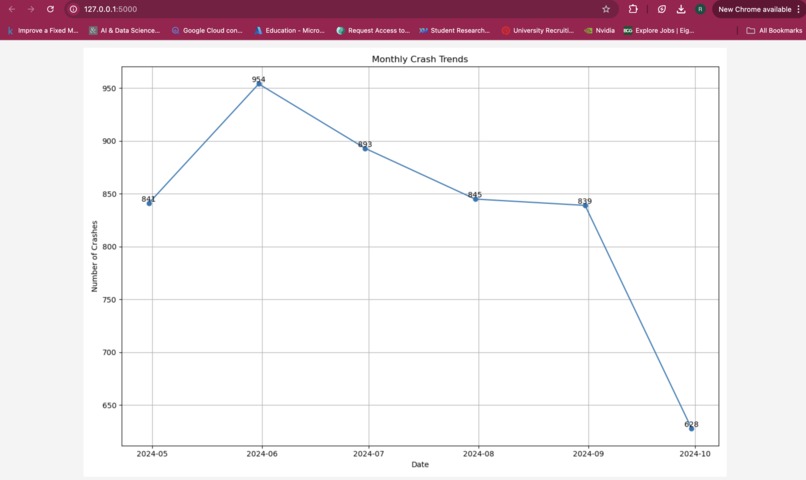
Visualisation sample 2
-
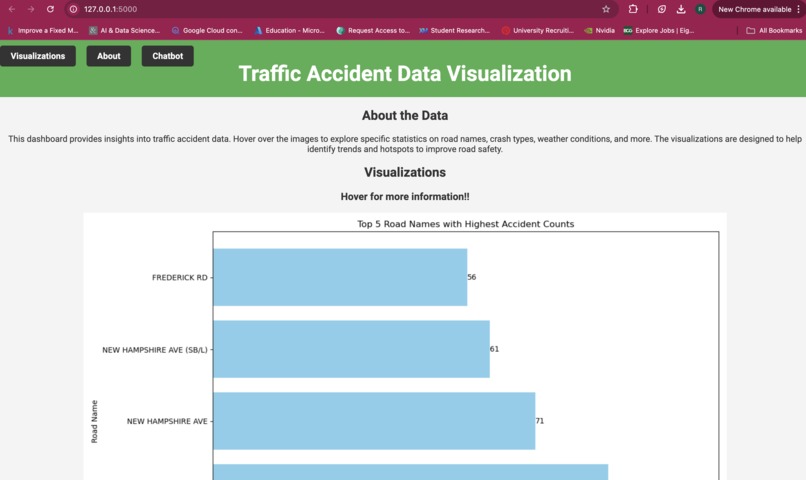
Visualisation sample 1
-
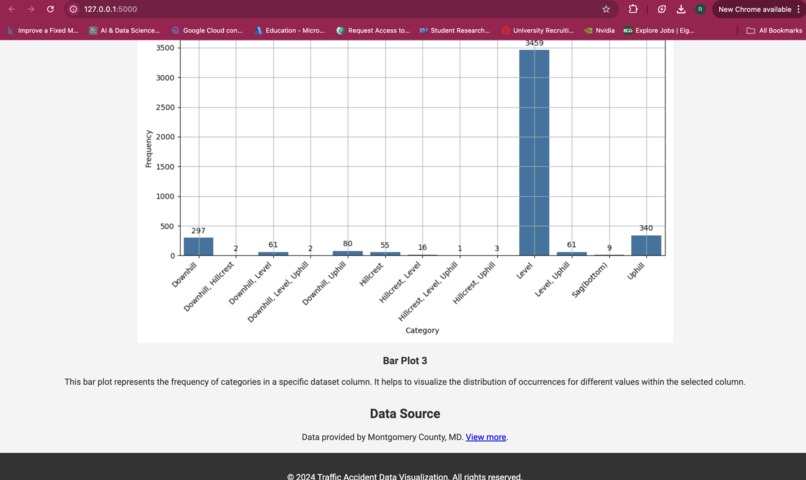
Visualisation sample 4
-
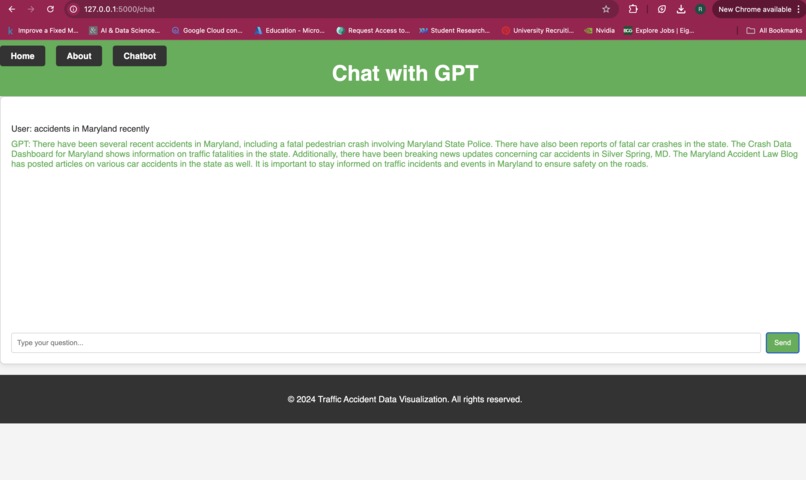
Chat Bot Sample
-
Visualisation sample 3
-
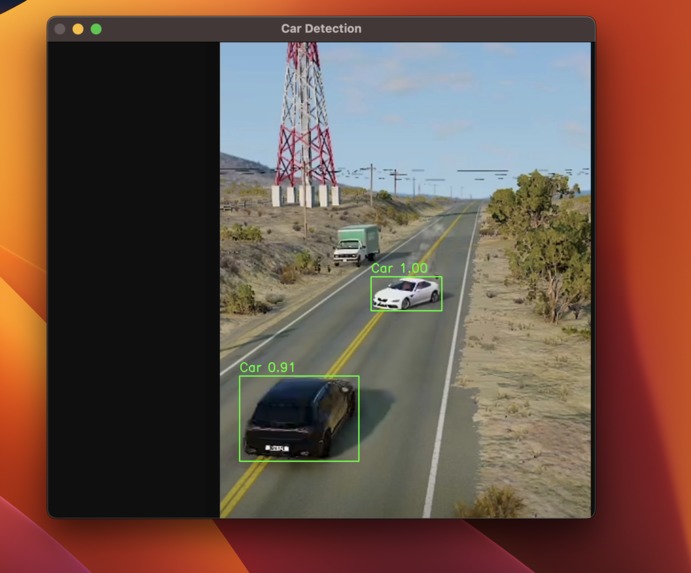
Accident Detection Camera
Inspiration
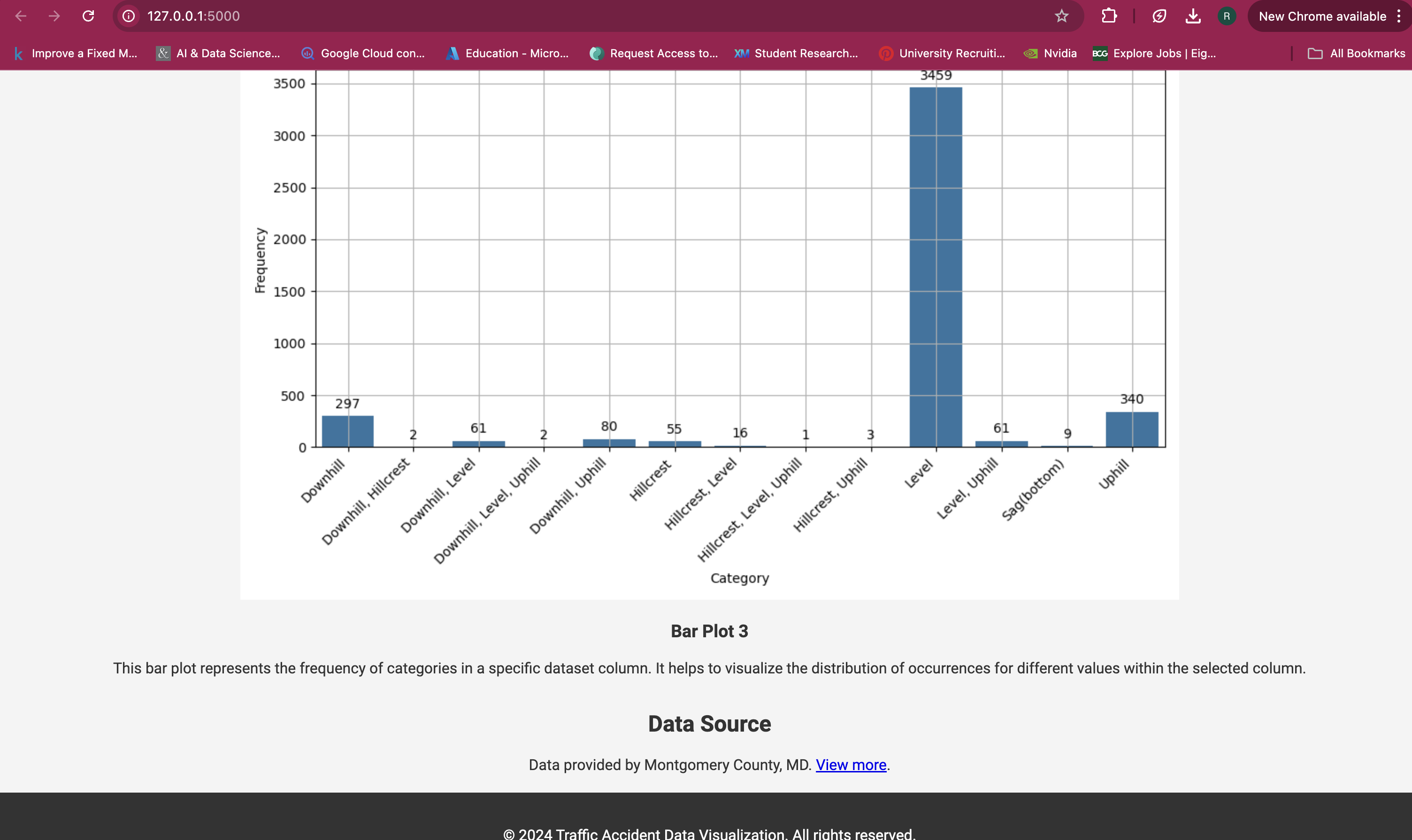
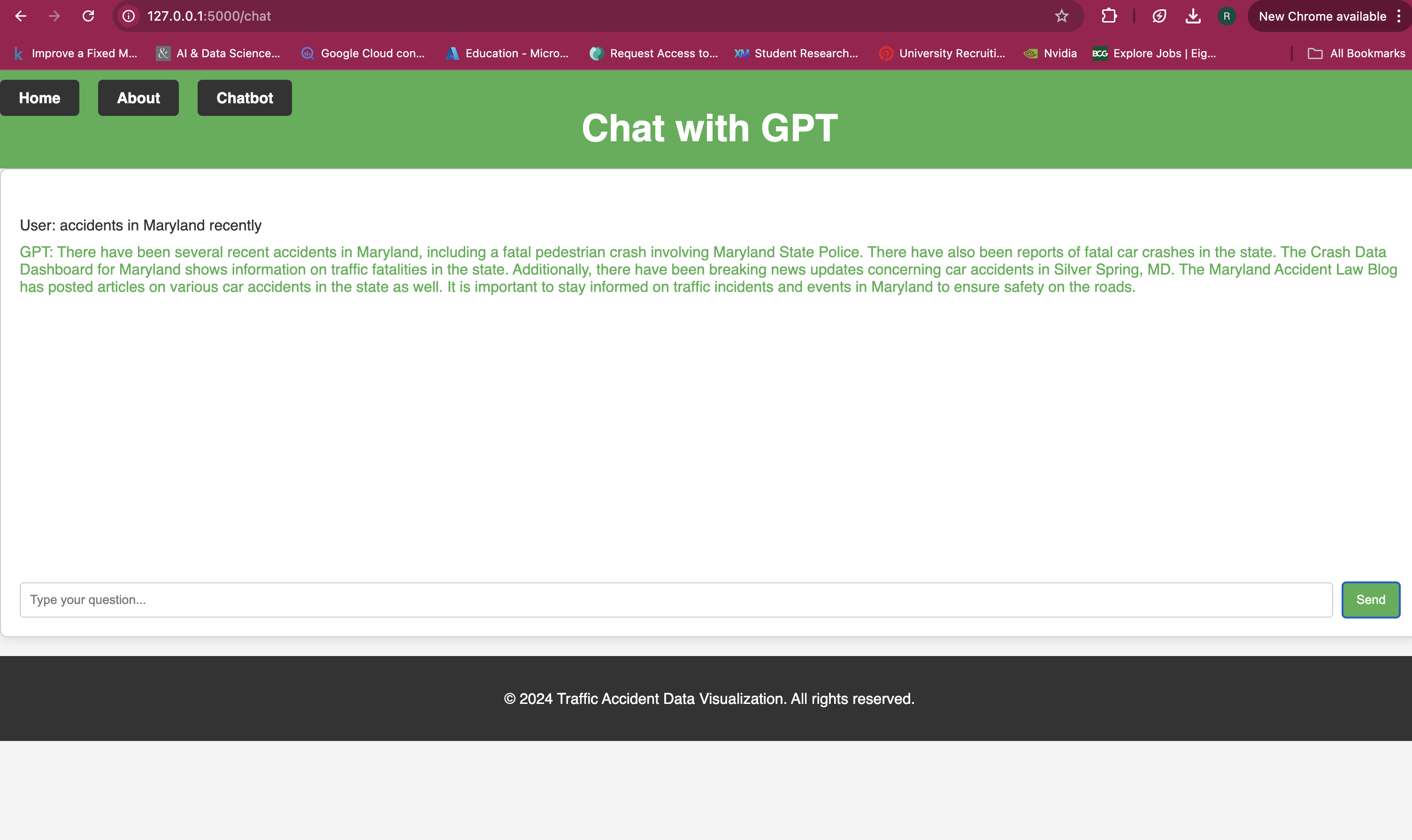
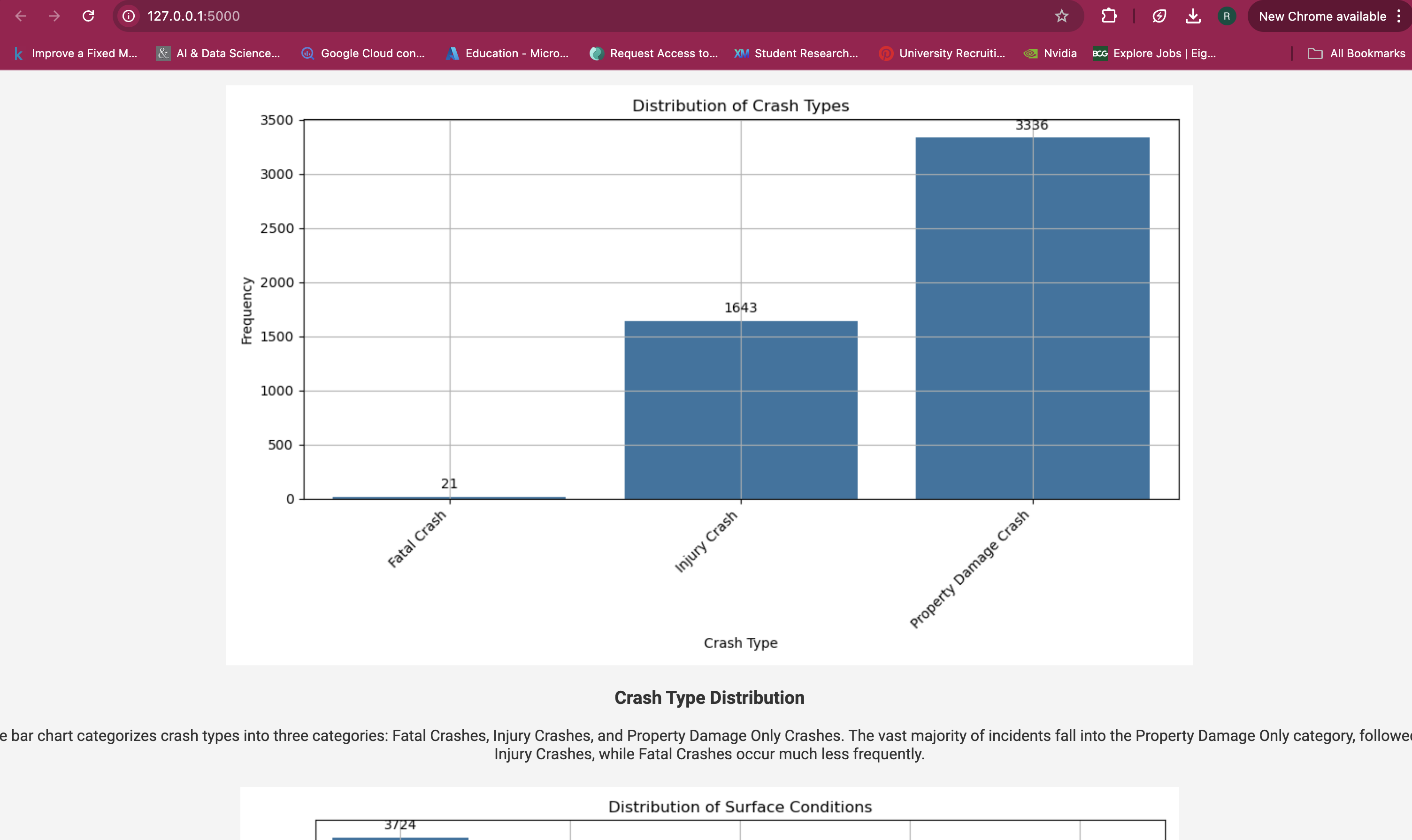
The rising number of road accidents is a major concern globally. Despite advancements in technology, there is still a delay in reporting accidents and providing timely assistance, leading to preventable fatalities and serious injuries. The idea behind AccidentAware stemmed from the desire to leverage modern technologies such as real-time data processing, machine learning, and AI to reduce this response time and provide crucial support in the moments that matter most. Plus we wanted to create a platform where we would be a able to provide real time visualisations and we did for Maryland so far and also a chat bot which could provide real time answers to the general public for any traffic related questions
What it does
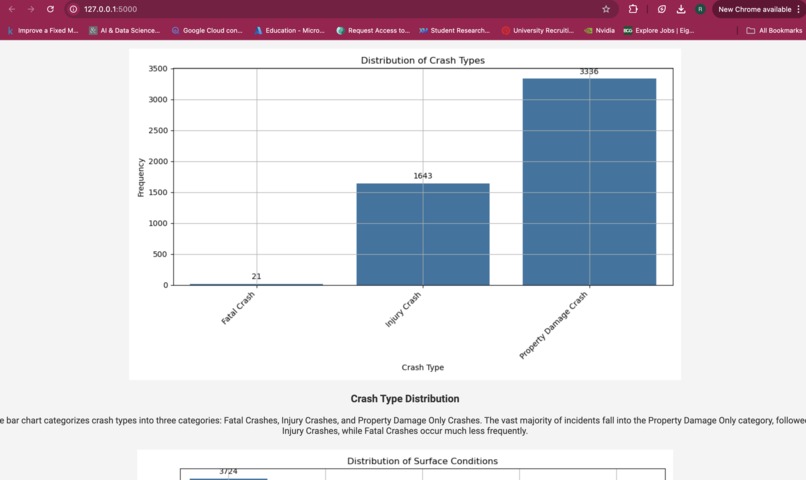
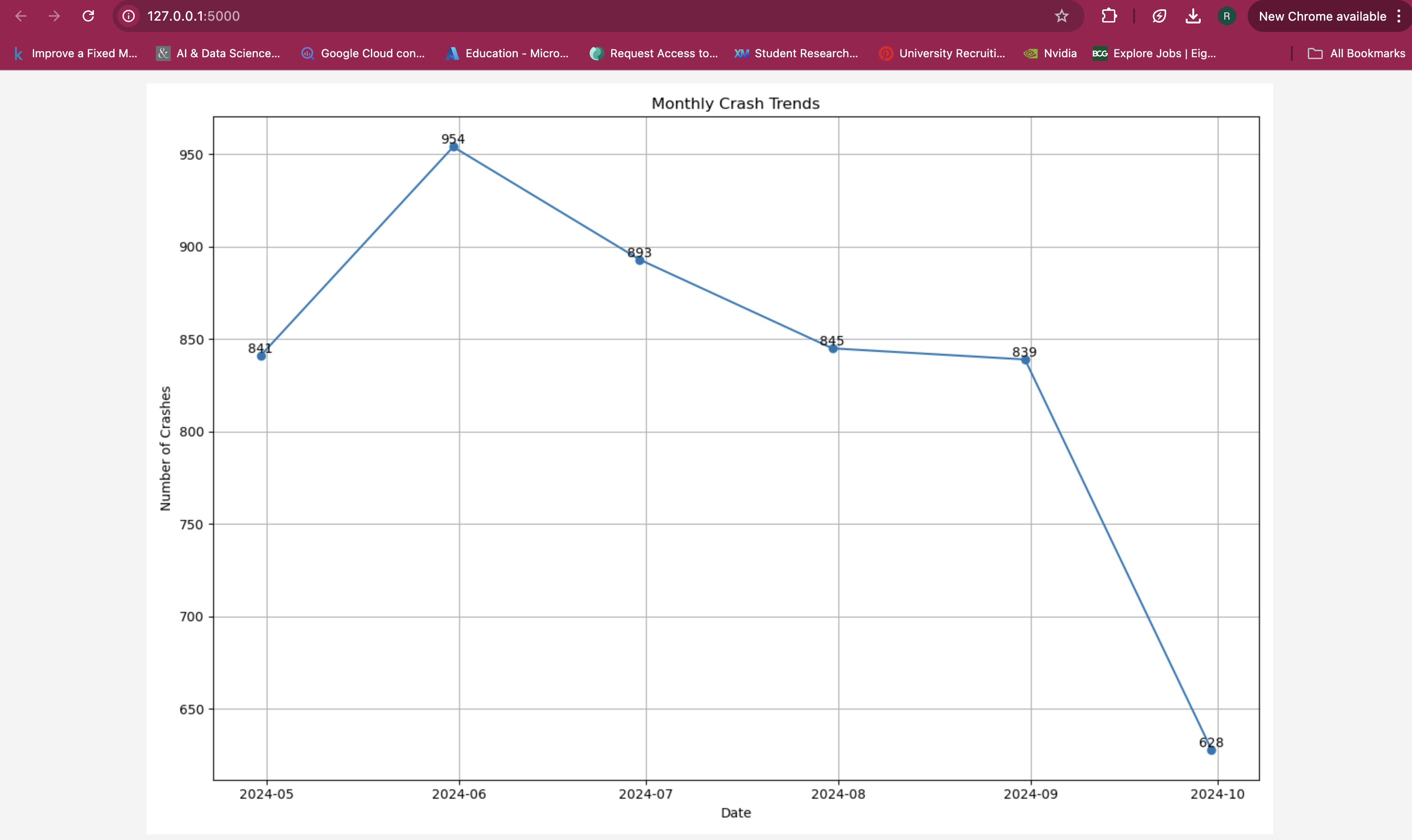
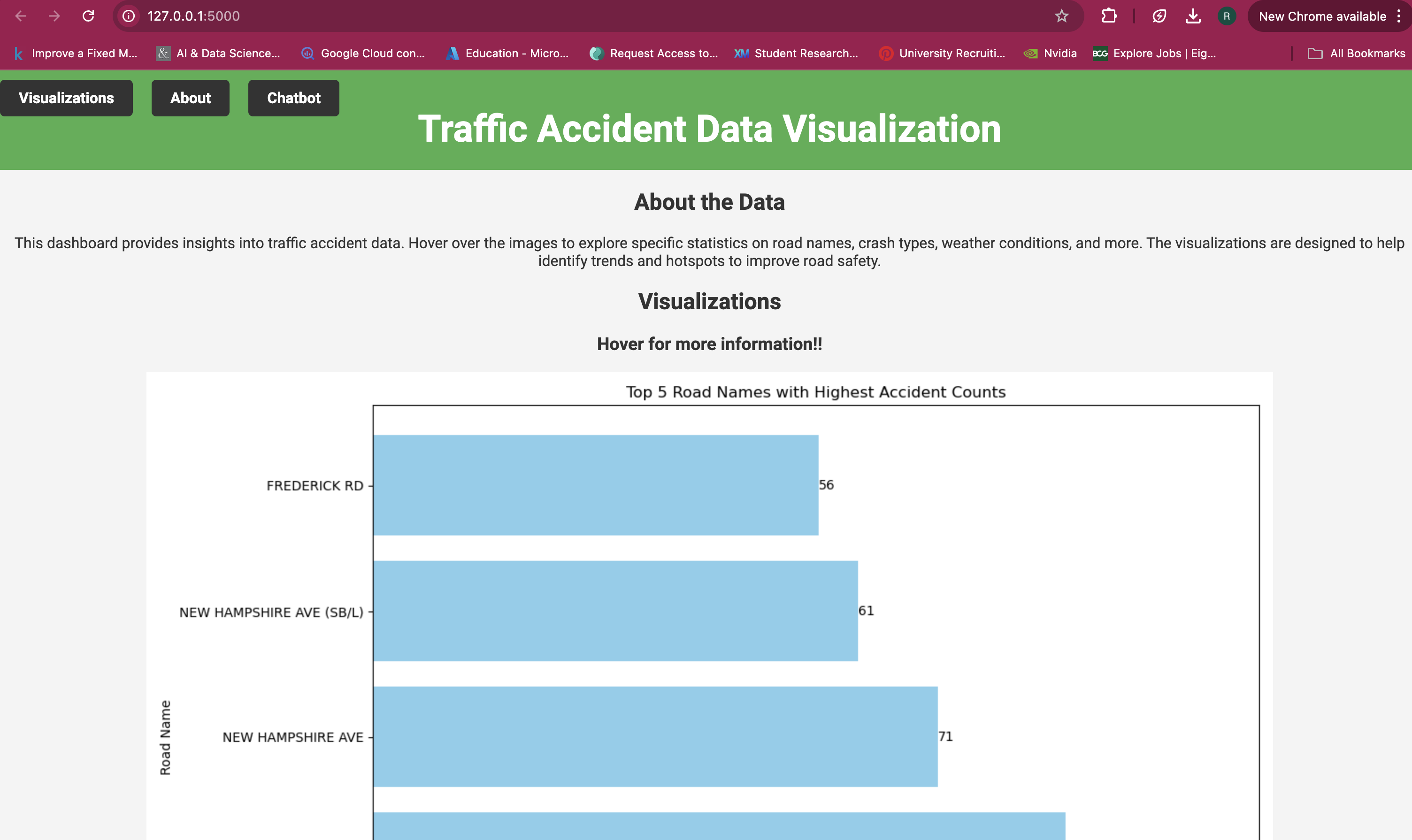
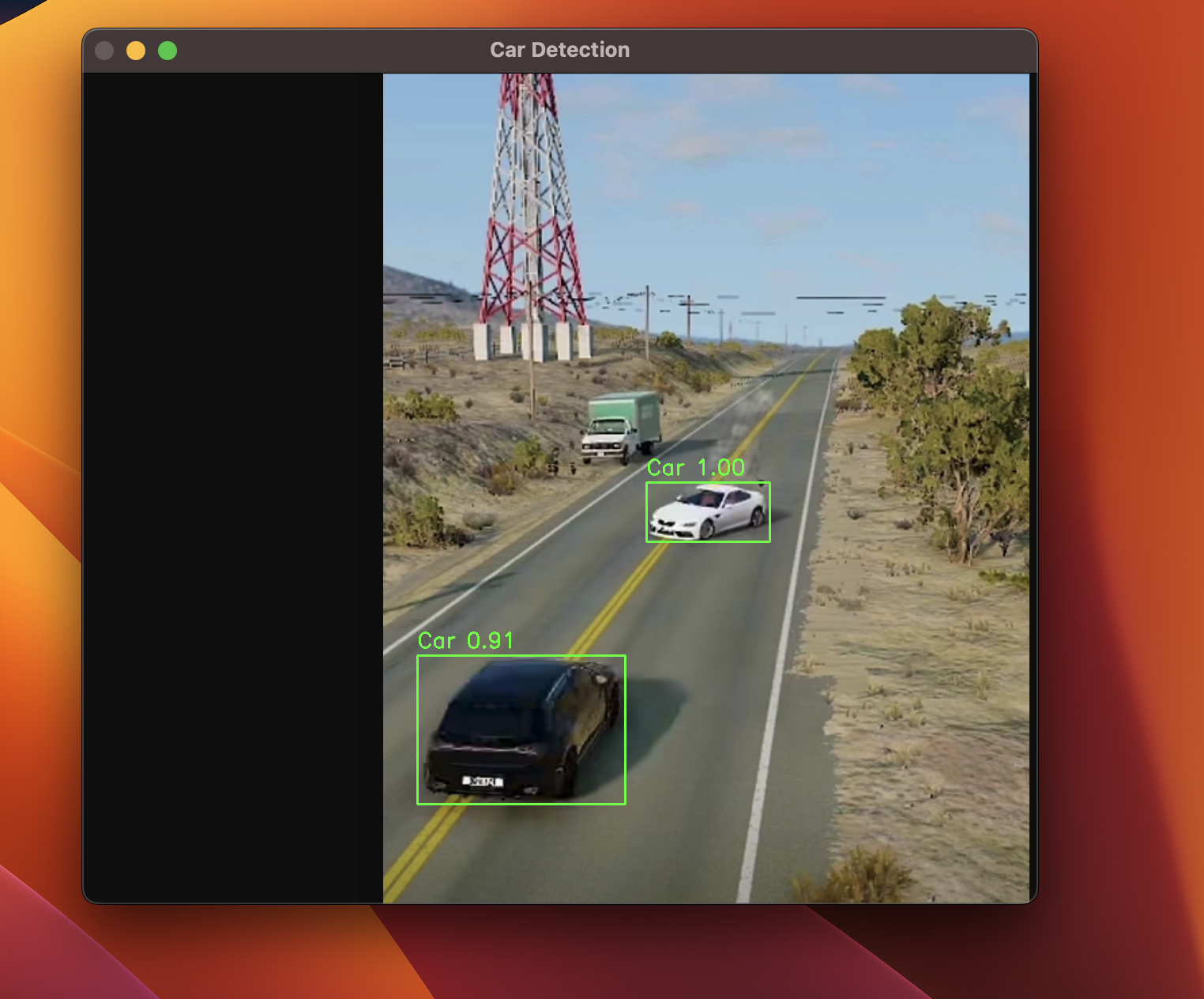
AccidentAware is an accident detection and response system that operates in real-time. It utilizes smart algorithms to detect accidents as soon as they occur and we wish to integrate it in CCTVs in accident prone zone so we can instantly alert the nearest police station and hospital, ensuring rapid assistance. The system also features an interactive data visualization dashboard that maps and analyzes accident trends, particularly in Maryland. Additionally, it integrates a OpenAI-powered chatbot to provide instant answers to user queries related to accident data and trends.
How we built it
We developed AccidentAware using a combination of cutting-edge technologies: Real-Time Accident Detection Algorithm: We have used fasterrcnn_resnet50_fpn to create bounding boxes near cars and used the concept of Intersection Over Union to detect if there is any accident detected. We tried different Object detection model using AI Workbench and selected fasterrcnn which performed best as desired. Visualization Dashboard: Leveraging Python and data visualization libraries such as Matplotlib and Seaborn, we visualized key accident trends in Maryland. We took the data from a public API provided by Montgomery County, MD on dataMontgomery Flask Framework: A Flask-based web application serves as the front-end, displaying visualizations and allowing users to interact with the chatbot. OpenAI Integration: We integrated OpenAI’s GPT model to enable the chatbot feature for answering questions about accident patterns and trends.
Challenges we ran into
One of the biggest challenges was ensuring the real-time detection with minimal latency and we would need a high power computer to process the video feed and handle the algorithm. The main challenge is that we would need to adjust the threshold for the intersection over union (IOU) for different angles of camera to properly detect the accident and there might be close calls as well, so to avoid false data we need to adjust it according to camera.
Accomplishments that we're proud of
We were able to create visualisations of Maryland and able to get the places of high accidents and that would help us in detecting places where the accident detection algorithm is needed the most and we would be proud if this algorithm is implemented in real time and is able to save lives. We are proud of the algorithm that we created as it is working perfectly fine given we adjust the threshold for IOU
What we learned
We learnt the concept of Intersection Over Union (IOU), fasterRCNN, YOLO (We were considering You Only Look Once Algorithm as well but it was not producing the desired result), Open AI integration.
What's next for AccidentAware
We wish to create visualisations of all the places statewise in US and identify accident prone zones and implement the algorithm with proper threshold to save lives in the CCTV, we would need to make adjustments for nightvision camera I believe and attach each CCTV to 1 hospital and 1 police station that's nearest to the CCTV. For now, it is just detecting accidents occurring among cars so we need to expand the objects among which accidents can occur.

Log in or sign up for Devpost to join the conversation.