-
-
Problem Statement
-
Base Solution and DataFlow Diagram
-
NLP and Computer Vision Solution
-
GeminiAI Solution

AidConnect - AI-Powered Accident Response System
Inspiration
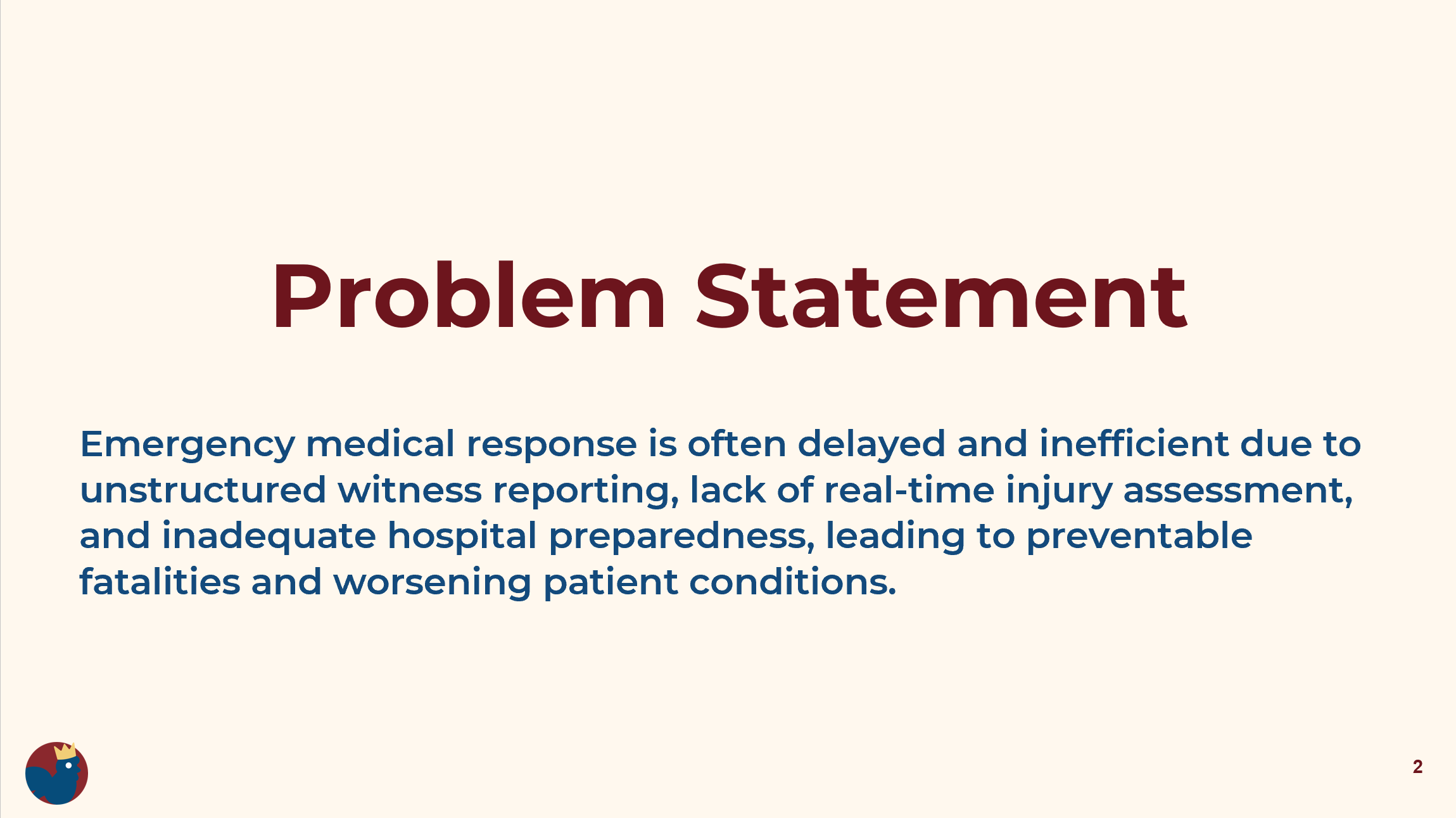
Emergency response is often delayed, leading to preventable fatalities and inefficient hospital triage. Our team wanted to bridge the gap between accident witnesses, first responders, and hospitals by leveraging AI, NLP, and Computer Vision to ensure faster, smarter emergency care.
Why is this important?
- 50% of trauma-related deaths occur within the first 60 minutes due to delays.
- 40% of witnesses hesitate or fail to report accidents effectively.
- 30% of ER visits result in misallocation of medical resources due to lack of pre-arrival triage.
AidConnect ensures structured emergency reporting and AI-driven hospital coordination to save lives!
What it does
AidConnect is an AI-powered accident response enhancement system that:
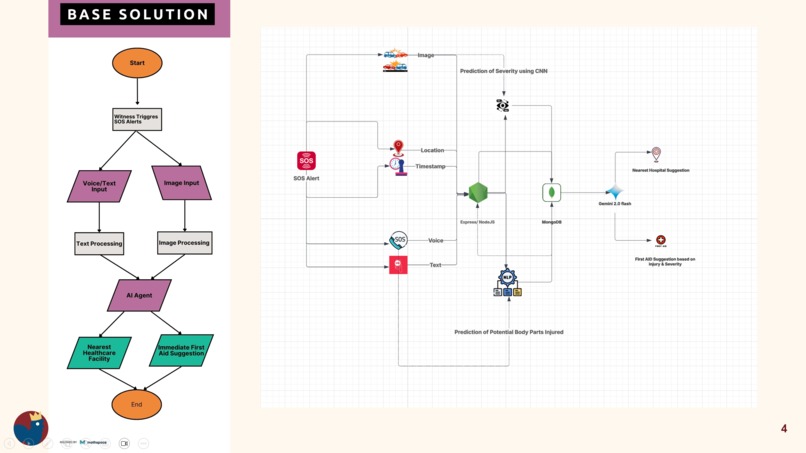
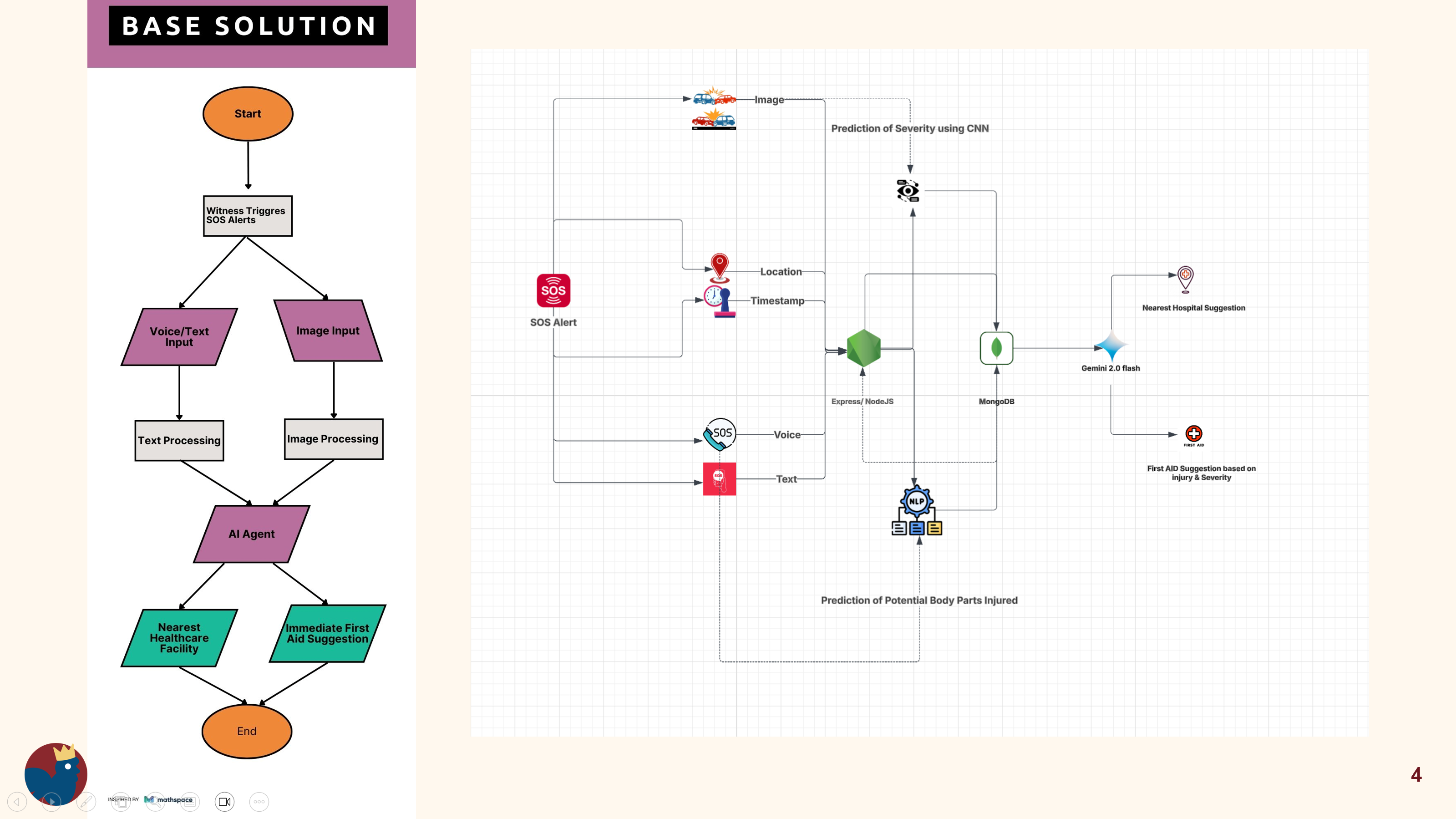
Allows witnesses to report accidents in real time via SOS alert, voice, text, or images.
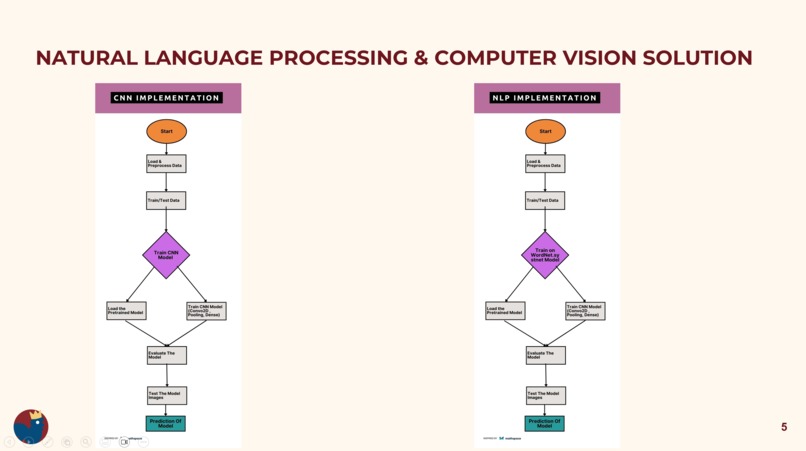
Uses NLP & Computer Vision to assess injury severity and predict affected body parts.
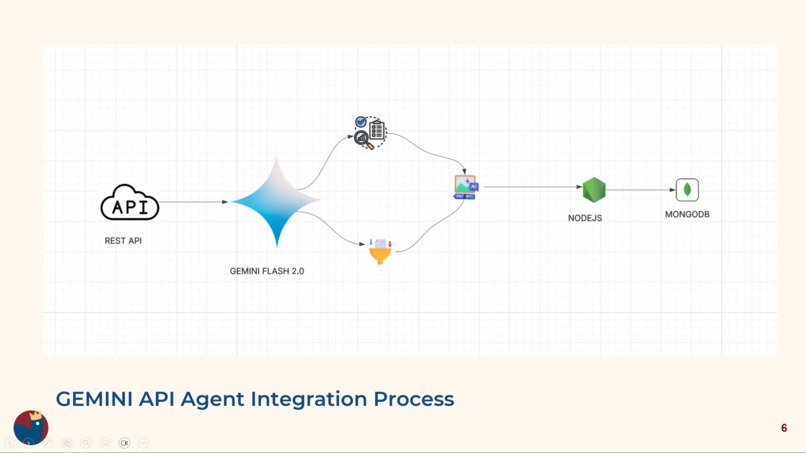
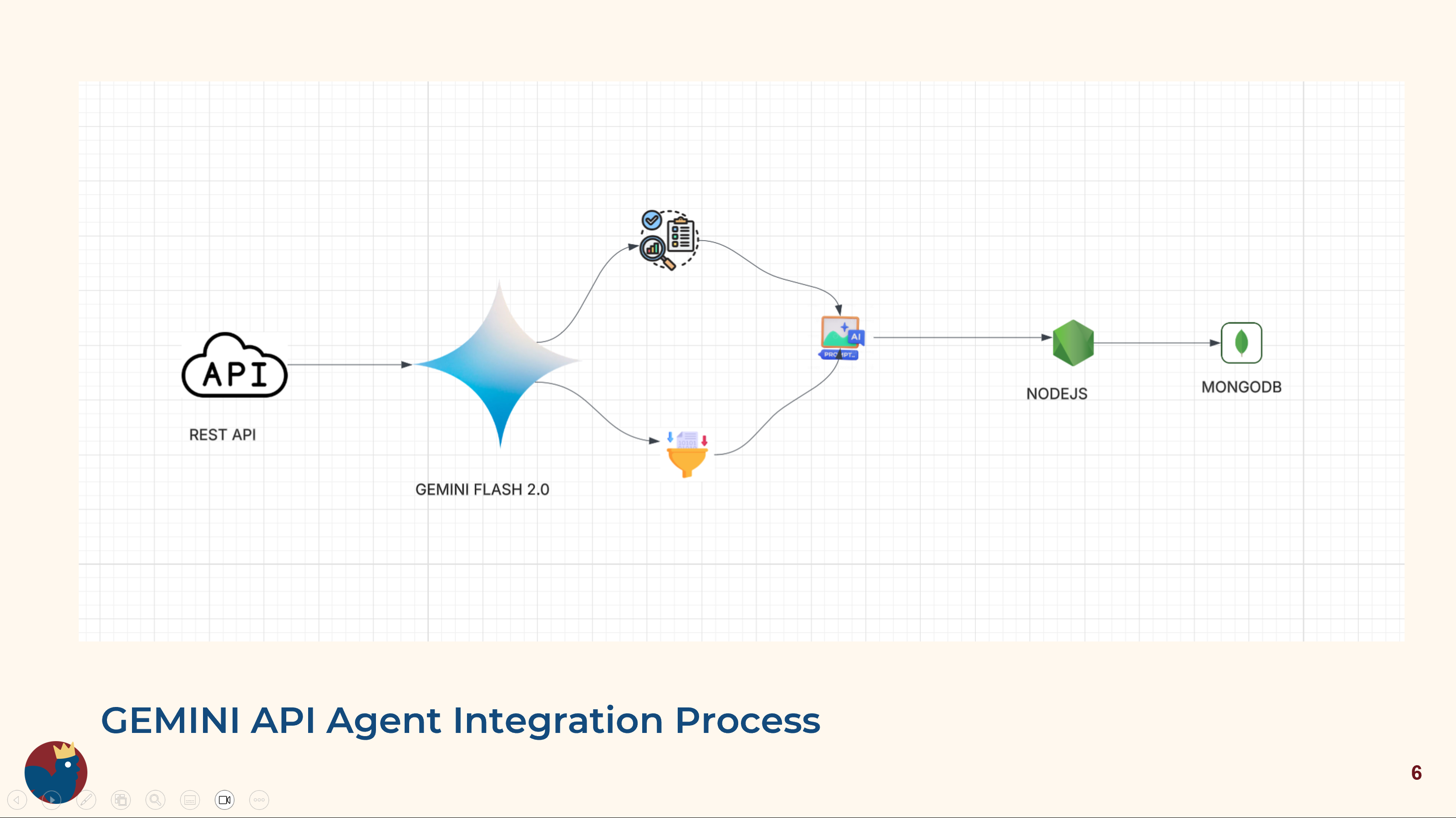
Integrates Google Gemini AI to recommend hospitals and provide first-aid instructions.
Notifies hospitals in advance with AI-driven triage details for faster patient care.
AI-enhanced decision-making for quicker emergency response and hospital coordination.
Key AI Features
- NLP extracts injured body parts from accident descriptions.
- Computer Vision models classify injury severity from uploaded images.
- Google Gemini AI suggests nearest hospitals & first aid instructions.
Tech Stack Integration
- Frontend: React.js + Tailwind CSS for an intuitive UI.
- Backend: Flask (AI processing) + Express.js (API management).
- AI: NLP, Computer Vision & Google Gemini AI.
- Deployment: Docker for containerization & cloud scalability
How we built it
| Component | Technology Used |
|---|---|
| Frontend | React.js, Tailwind CSS |
| Backend | Node.js, Express.js, Flask, Python |
| AI & ML | NLP, Computer Vision, Google Gemini AI |
| Infrastructure | Docker, GitHub, Cloud Deployment |
Challenges we ran into
Processing diverse witness reports (incomplete or incorrect details).
Training accurate AI models for injury detection & severity classification.
Latency issues in integrating Google Gemini AI for real-time hospital recommendations.
Ensuring real-time scalability of emergency reports in high-traffic situations.
**Lack of Time to create an interative UI , even as we have one , but we aren't effective enough with frontend and has scope to work upon
Accomplishments that we're proud of
Developing an end-to-end AI-driven emergency response system.
Successfully integrating NLP & Computer Vision to assist first responders.
Seamless integration of Google Gemini AI for real-time hospital & first-aid recommendations.
Achieved high accuracy in accident severity prediction using AI-powered triage.
Built a scalable & cloud-deployable system using Docker & microservices.
Impact: AidConnect ensures faster emergency response, optimized hospital resource allocation, and real-time injury assessment!
What we learned
The importance of structured accident reporting in emergency response.
AI’s role in transforming emergency medical care.
Scalability challenges when processing real-time accident data.
How Google Gemini AI can optimize real-time hospital recommendations.
The impact of NLP and Computer Vision in real-world accident scenarios.
What's next for Accident-Response-Enhancement-System
This experience showed us how AI can be leveraged to save lives in critical situations!
What's next for AidConnect?
Future Enhancements
- Real-Time Video Analysis: Extend computer vision models to analyze live accident footage.
- Multi-Language Support: Expand NLP models for global accessibility.
- IoT Integration: Connect with wearables & vehicle sensors for automated accident detection.
- Blockchain for Secure Data Handling: Ensure tamper-proof emergency records.
- Predictive AI for Accident Hotspots: Use historical data & AI models to predict high-risk zones for preventive measures.
Scalability & Deployment
- Cloud-Based AI Deployment: Use AWS, Azure, or GCP for scalable processing.
- Real-Time Data Streaming: Implement Kafka & ELK Stack for monitoring live data.
- Containerized Microservices: Deploy using Docker & Kubernetes for better fault tolerance.
- Edge AI: Deploy low-latency AI models for instant accident analysis.
Final Vision: AidConnect as a global AI-driven emergency response system that empowers witnesses, hospitals, and responders with real-time, AI-assisted decision-making
GitHub Repository: [AidConnect Project] https://github.com/Aravindpanchanathan2799/Accident-Response-Enhancement-System


Log in or sign up for Devpost to join the conversation.