inspiration
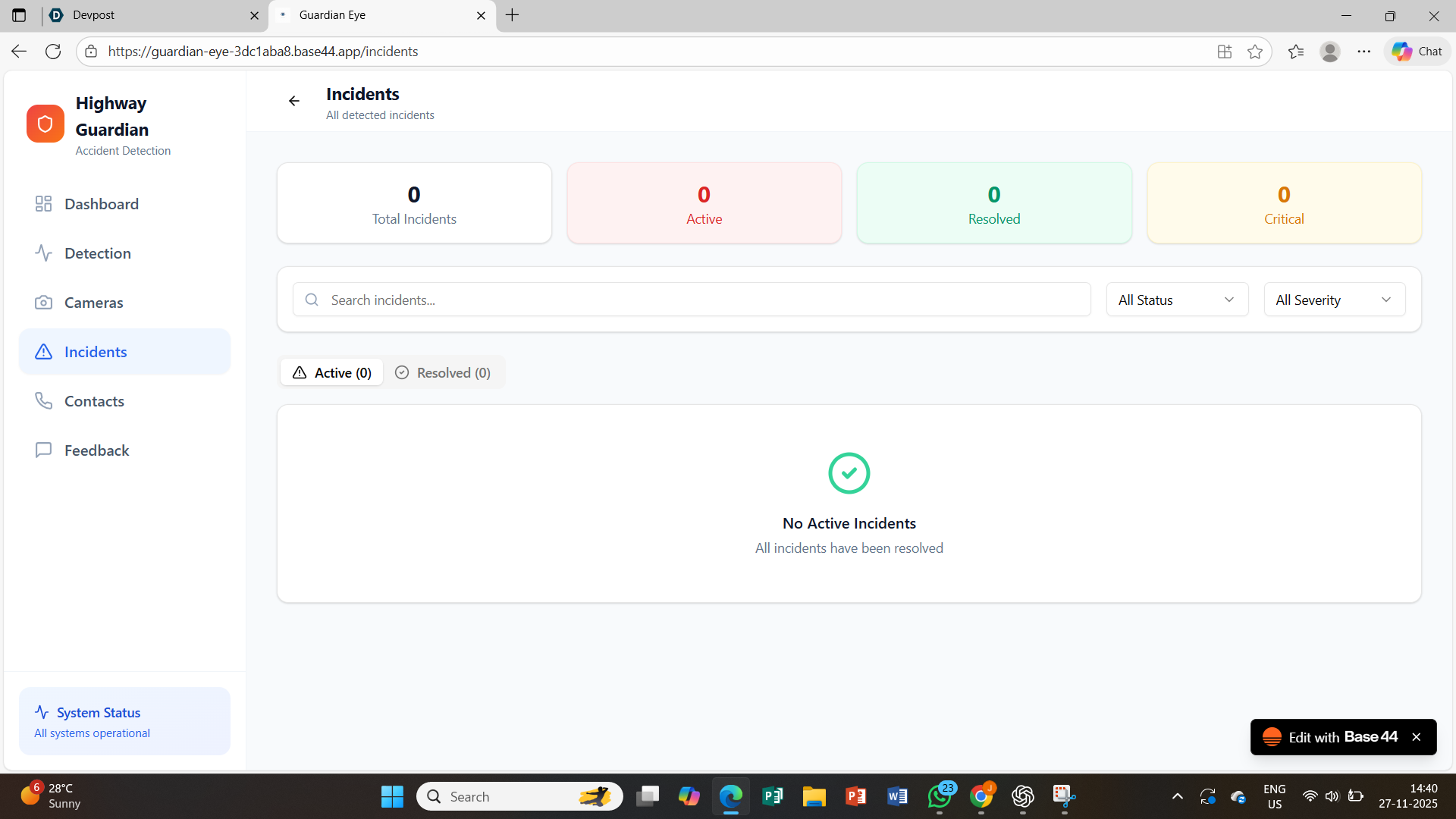
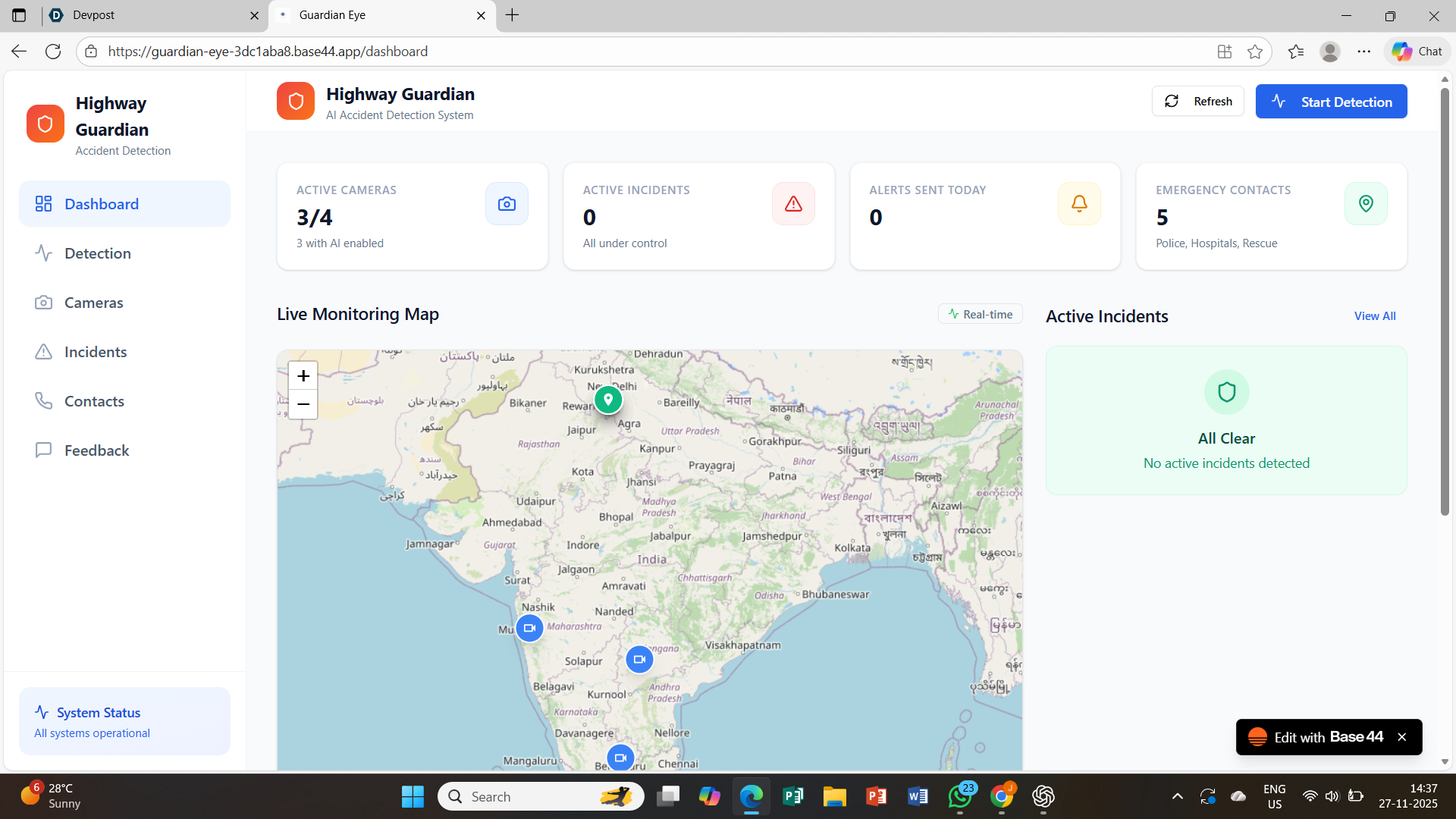
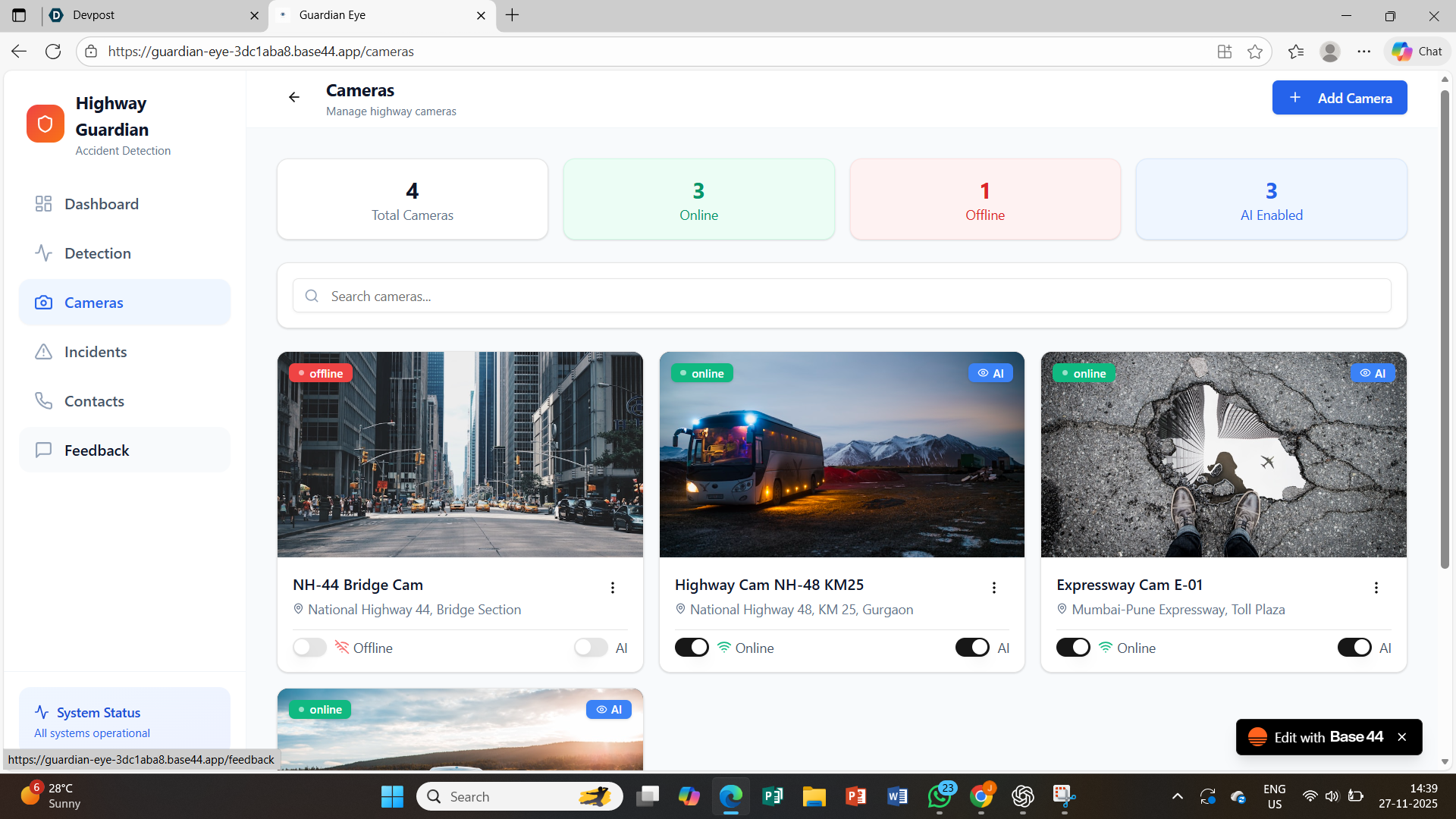
Road accidents often cause serious harm not because help is unavailable, but because help arrives too late. We were inspired by the idea of reducing emergency response time using technology. Our goal was to build a system that can automatically detect a crash and instantly send an alert with the victim’s location, increasing the chances of timely assistance and saving lives.
What it does
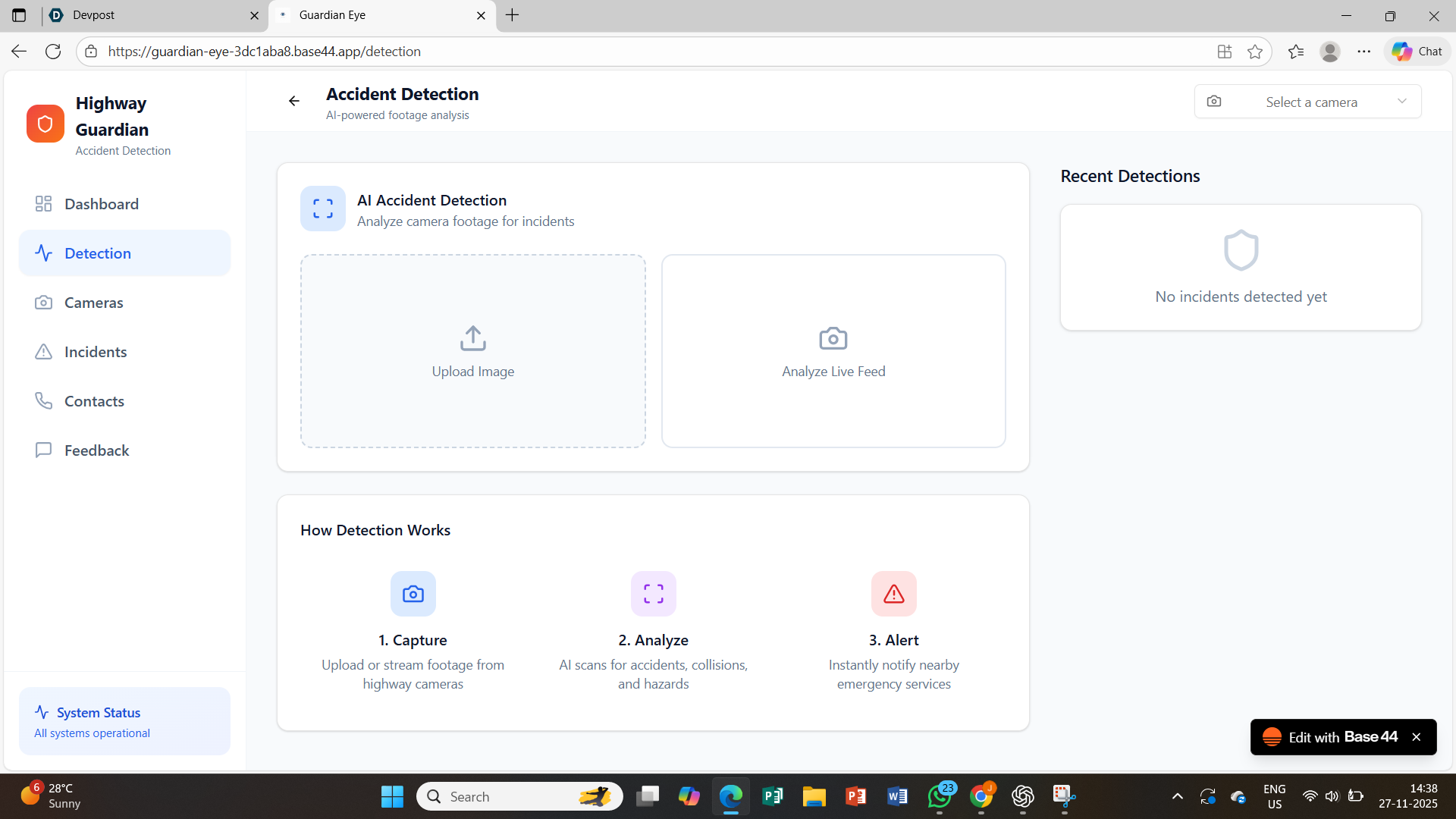
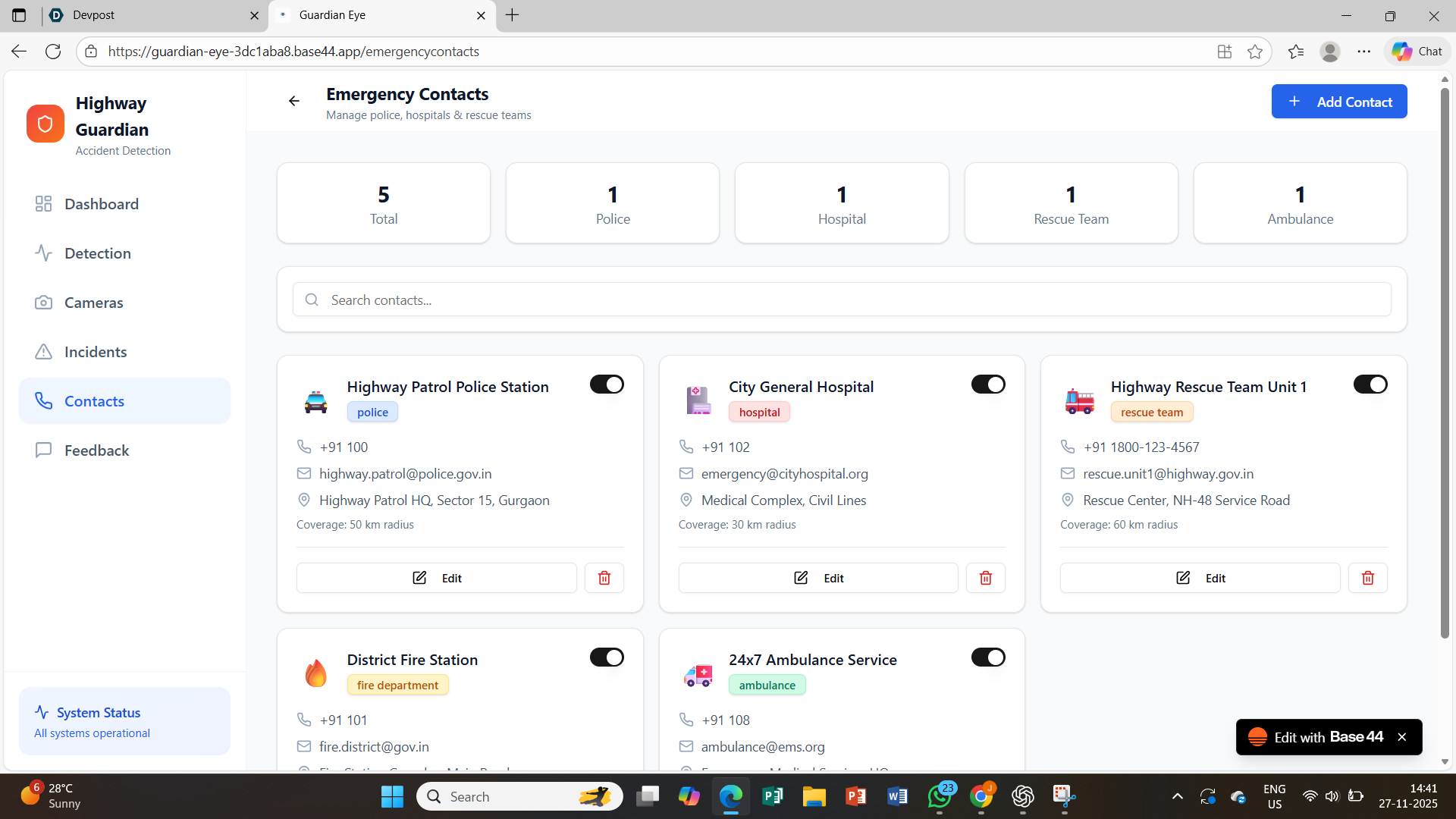
The system detects sudden impact or abnormal motion using sensors and identifies if an accident has occurred. If a crash is detected, the device starts a short timer to avoid false alarms. If the user doesn’t cancel the alert, it automatically sends an emergency notification along with the live GPS location to predefined contacts or a server for help.
How we built it
We started by connecting the motion sensor to our controller to read real-time acceleration and gyroscope data. After testing different sensitivity levels, we implemented a threshold-based algorithm to identify sudden impact patterns. Next, we integrated a GPS module to capture live location and connected it with a communication system to send alerts when an accident is detected. Finally, we added a confirmation timer to reduce false alerts and tested the system under different motion conditions to refine accuracy and response behavior.
challenges we ran into
One of the biggest challenges was tuning the sensor sensitivity so that normal bumps or movement wouldn’t trigger false alarms. We also faced difficulties with noisy sensor data, GPS accuracy, and delays in sending alerts during testing. Integrating hardware components and ensuring stable communication took time and troubleshooting. Balancing reliability, speed, and accuracy required multiple iterations and adjustments to the code and hardware setup.
Accomplishments that we're proud of
We’re proud that we were able to successfully detect impact events and send real-time alert messages with accurate GPS location. Seeing the system work end-to-end—from sensing a crash to notifying emergency contacts—was a big milestone for us. We also feel accomplished for overcoming hardware integration issues, reducing false detections, and improving the overall reliability of the system in a short amount of time.
What we learned
Throughout this project, we learned how to work with real-time sensor data, filter noise, and set reliable thresholds for accident detection. We gained experience integrating hardware components like the accelerometer, GPS module, and communication system. We also learned how important testing and calibration are when building a safety-focused system. Beyond the technical skills, we learned how to troubleshoot under pressure, iterate quickly, and collaborate effectively as a team.
What's next for Accident detection sensor
Next, we plan to improve the accuracy of detection using machine learning to differentiate between normal movement and real accidents. We also want to integrate additional features like heartbeat monitoring, automatic emergency service integration, app-based control, and cloud data storage. In the future, we hope to develop a compact, low-power version suitable for real vehicles and work toward making it a reliable safety solution for everyday use.
Built With
- base44


Log in or sign up for Devpost to join the conversation.