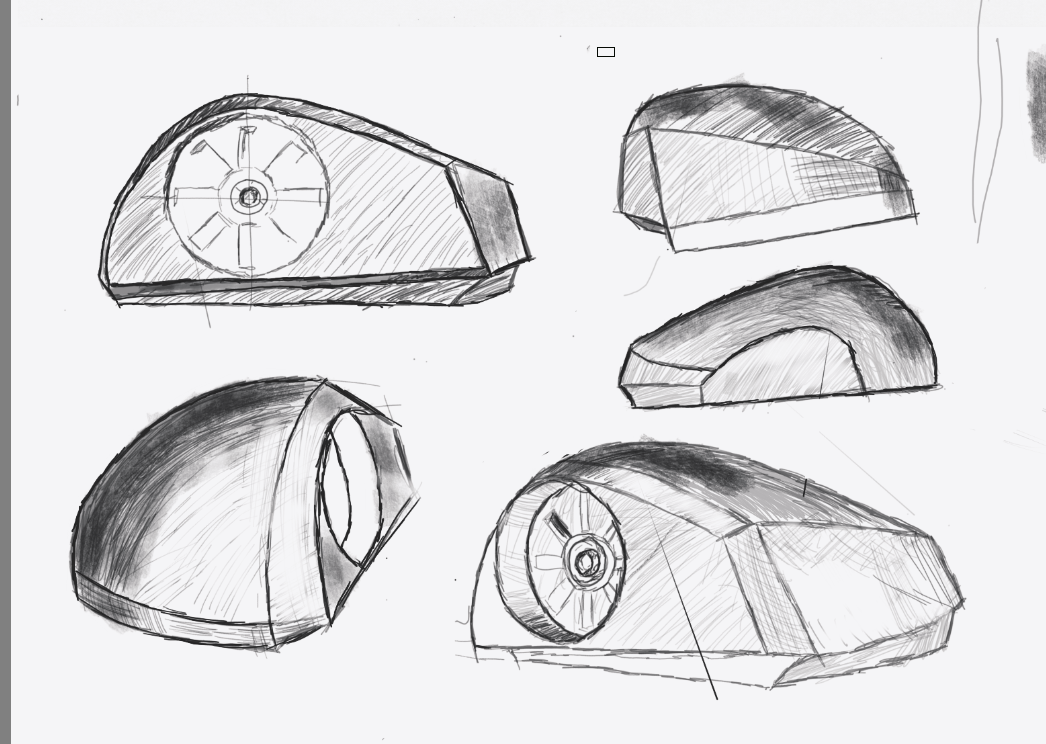
Inspiration
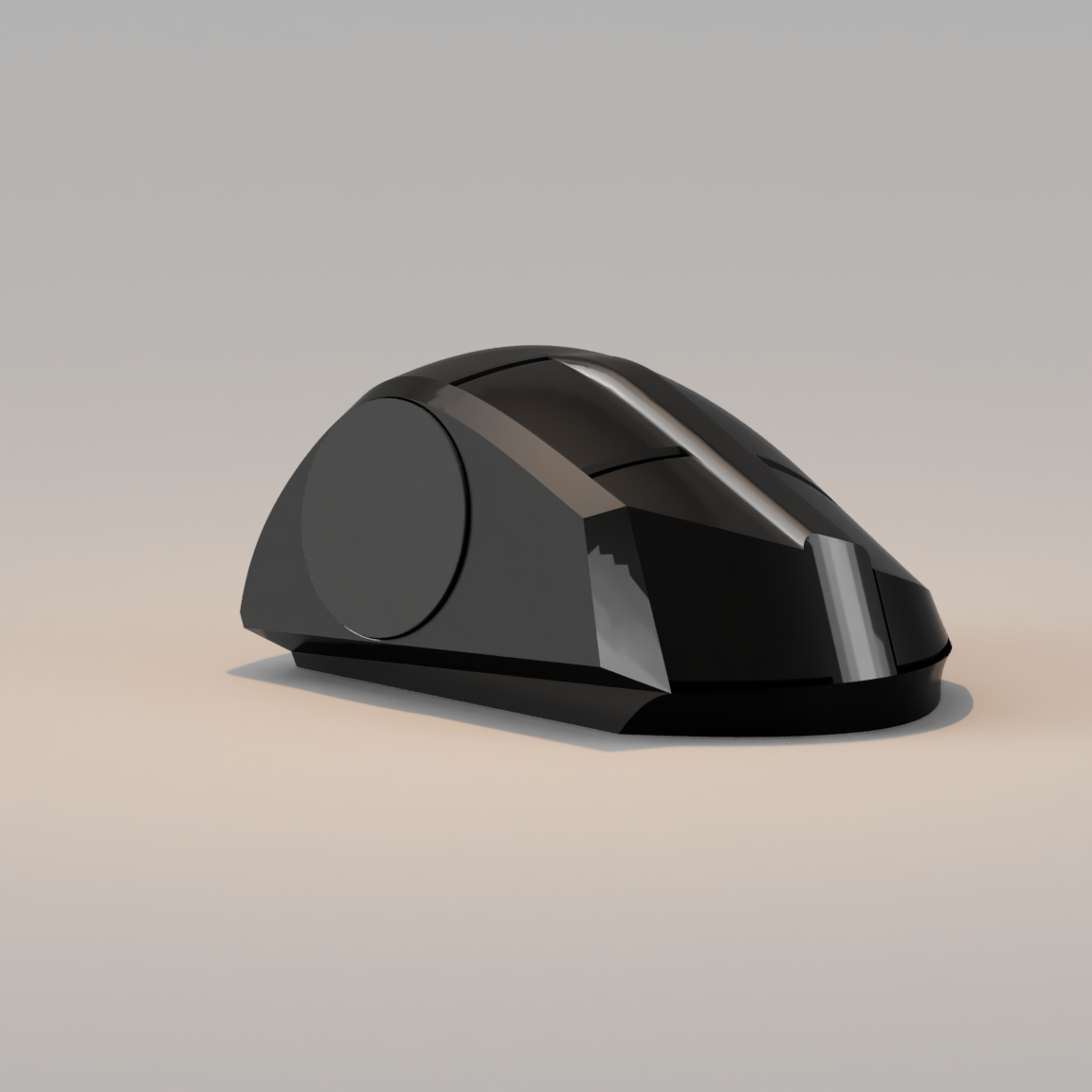
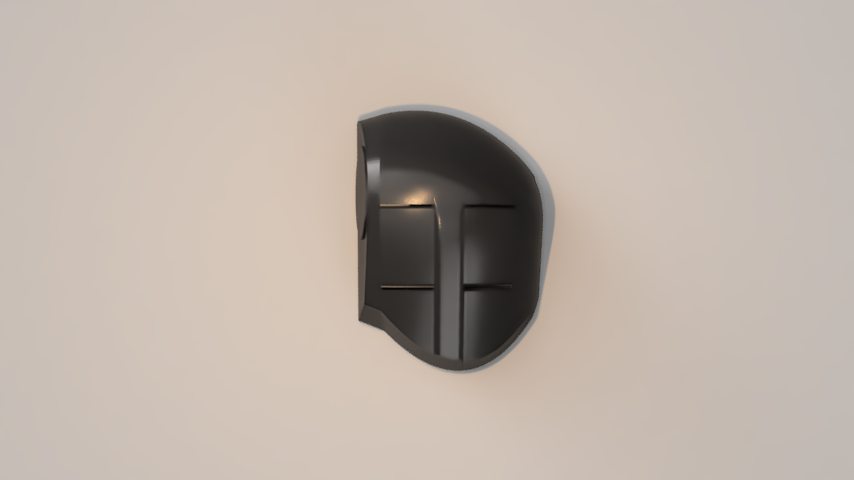
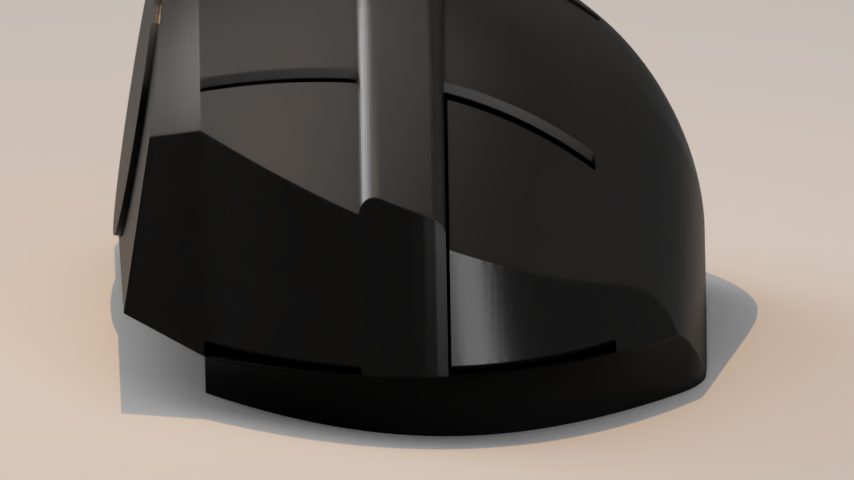
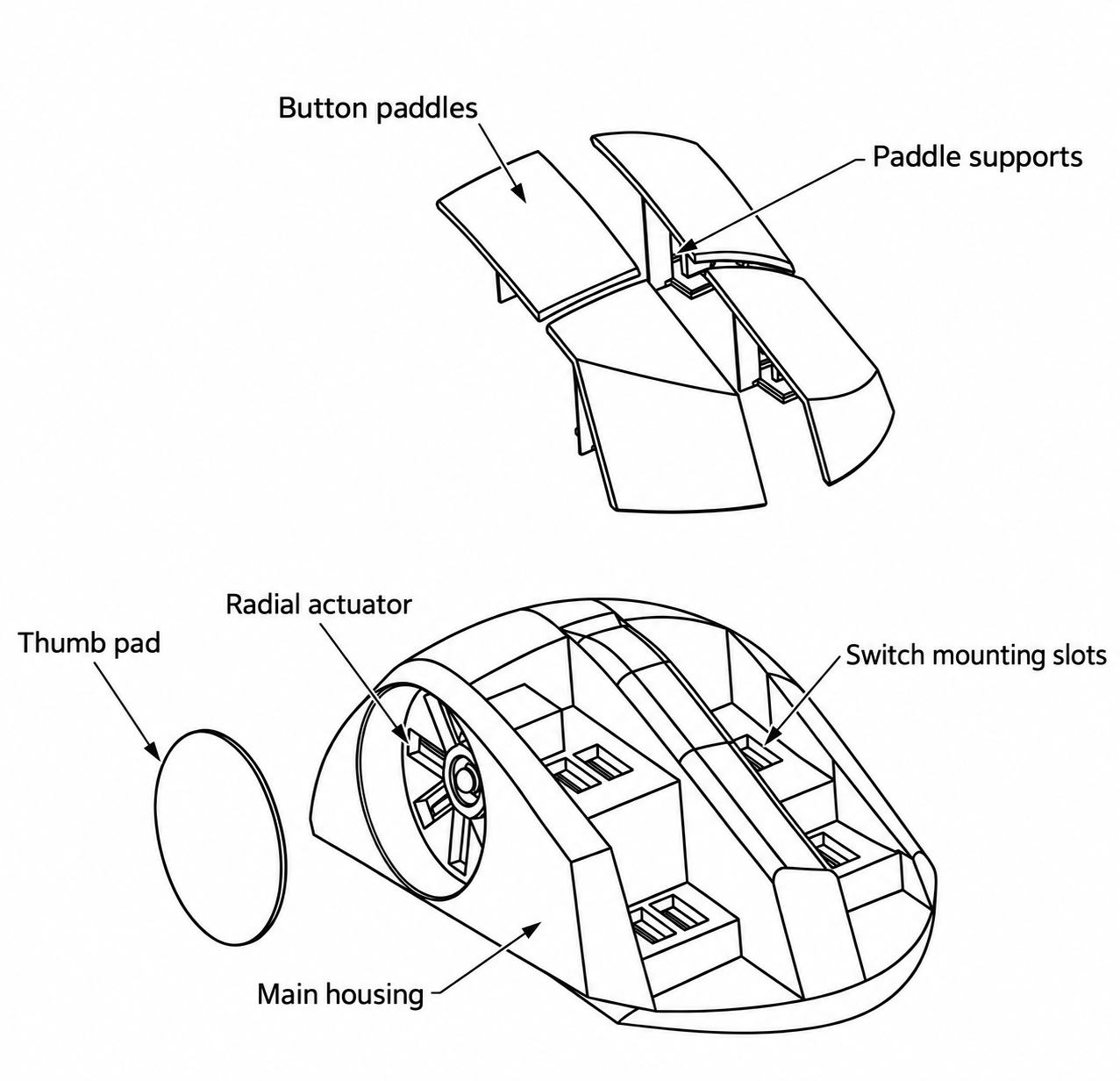
The idea came out of a simple observation: a lot of what makes the internet useful (school, work, community, just messing around) still assumes you have two functioning hands to drive a standard mouse and keyboard. For people with limb differences, hemiparesis, reduced coordination, or limited use of one hand after an injury or stroke, that assumption becomes a daily barrier. We wanted to design something that didn't just shrink a keyboard down, but actually rethought how someone using one hand would want to reach, hold, and press controls.
What we learned
We learned that "fewer buttons" and "more accessible" aren't the same thing. Early on we assumed a compact cluster of keys would automatically be easier to use one-handed, but the more we looked at existing adaptive devices (palm supports, one-handed key layouts, programmable switches, macro buttons) the clearer it became that reachability and finger isolation matter more than raw button count. That reframed the whole project for us: instead of optimizing for the number of inputs, we optimized for how many of those inputs stay reachable without lifting the palm off its support.

Log in or sign up for Devpost to join the conversation.