-
-
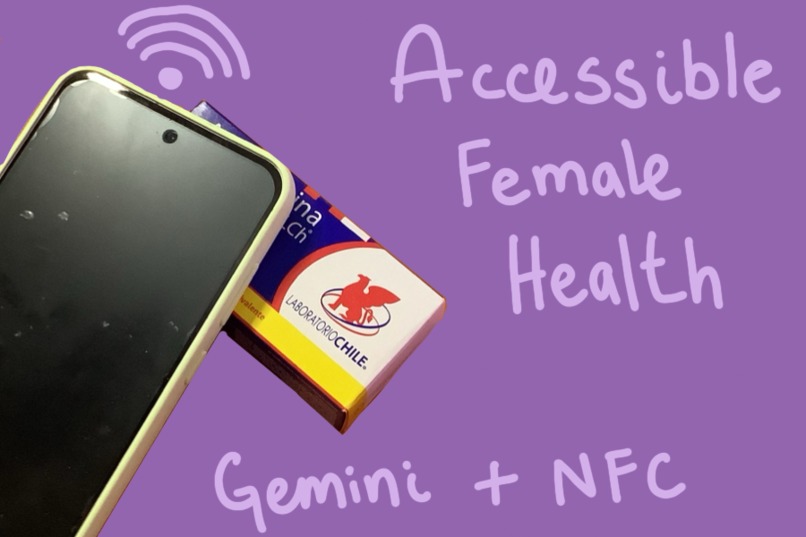
banner
-
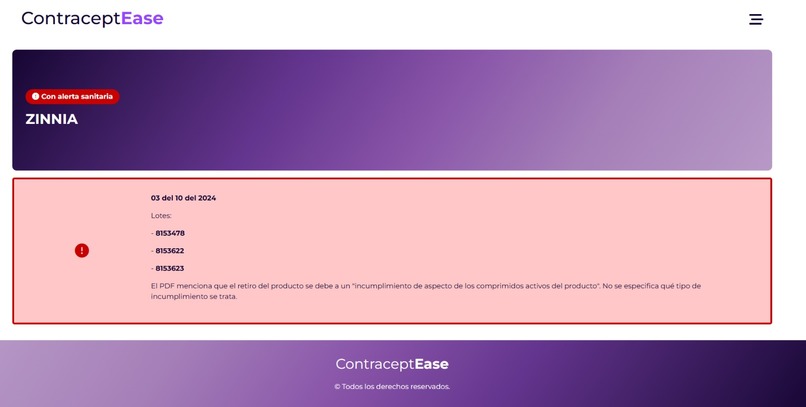
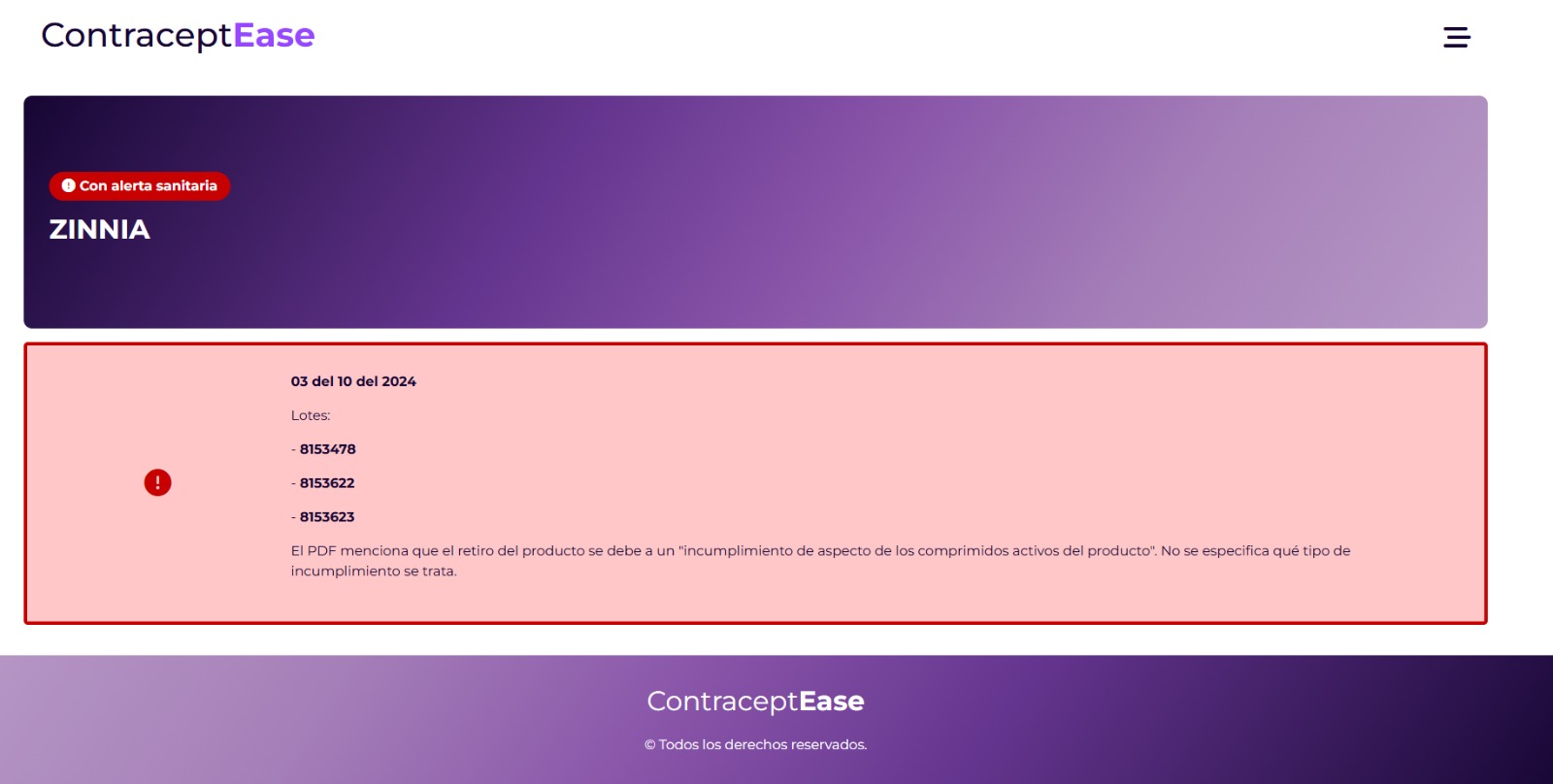
the alert issued by the ISPCH was processed by AI
-
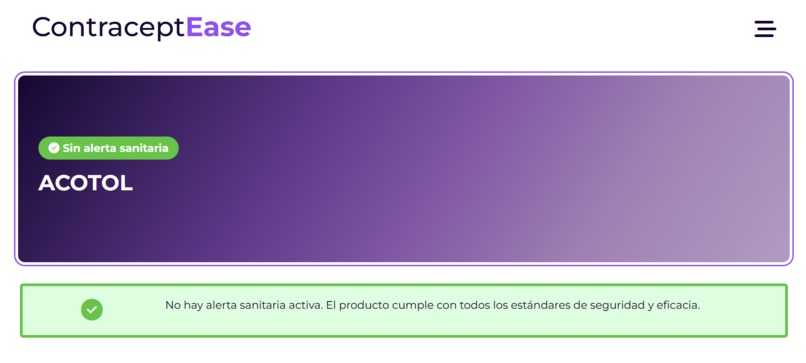
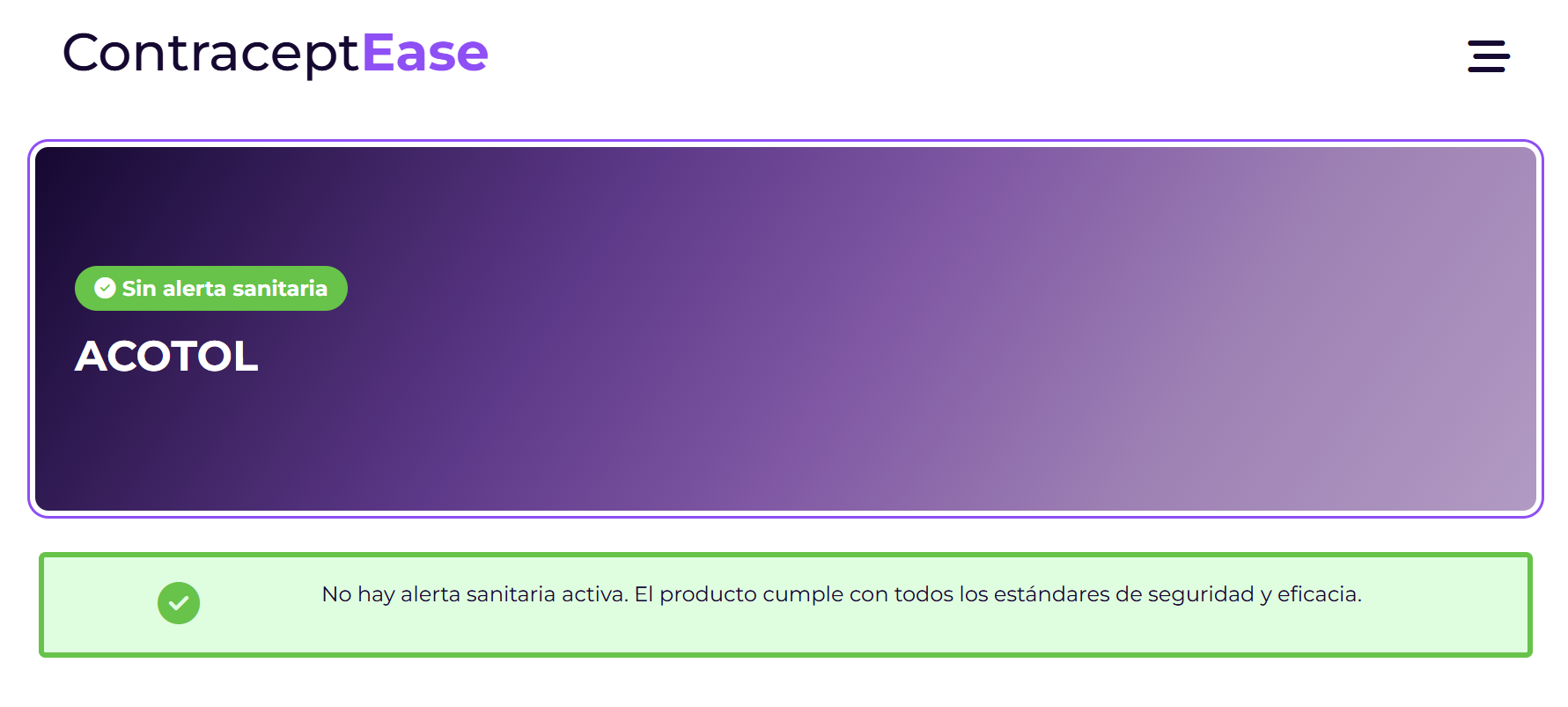
Contraceptive with no alerts issued
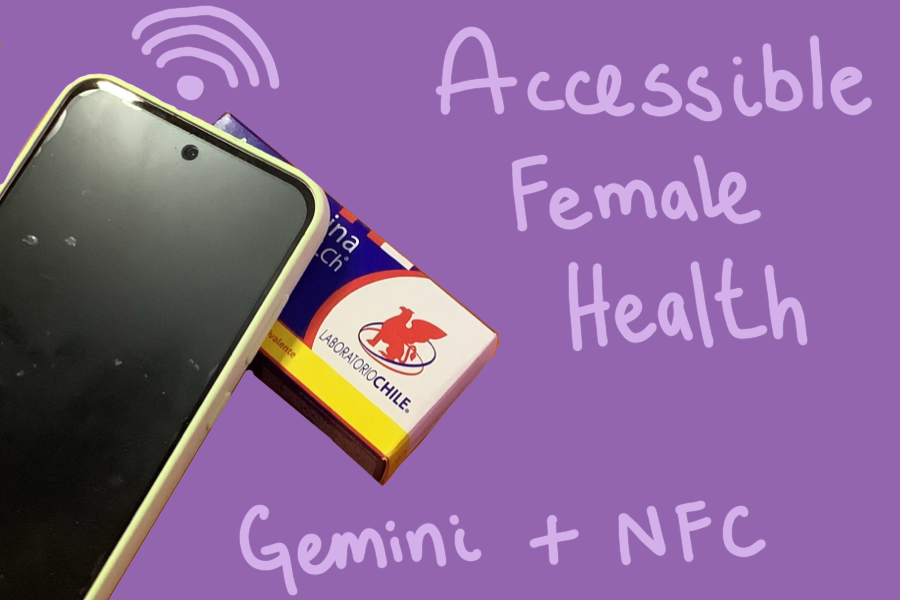
Historical inspiration
During the second semester of 2020, the ISPCH (Public Health Institution of Chile) issued a public alert and commanded the withdrawal of some lot groups of the farmaceutical product Anulette CD (ISPCH, 2020), used until then as a hormonal contraceptive and was distributed across Chile, through public health institutions. ISPCHs actions were insufficient to take control of the situation, and more than 200 women were accidentally pregnant while using this contraceptive. This, sadly, was not an isolated case; in the last 4 years, around 5 faulty contraceptives were found defective, and the public was alerted (Paul, 2023). The contraceptive Zinnia was the most recent case, on September 2024 (ISPCH, 2024).
It is also worth noting that in Chile, abortion is penalized by law, except under the following three criteria:
- Mother vital risk.
- Fetus life incompatibility.
- Pregnancy product of rape.
This situation has produced an enormous violation of the sexual and reproductive rights of women. But what about women with low resources or women living with a disability? How do they check if their contraceptive is being alerted?
About the project
We started by considering a mobile app, with log-in using fire-base storage. Still, after attending Google Developers Group Santiago, Chile, and meeting speakers on AI and accessibility, we changed our perspective as a team: "Our project must be accessible to all women." Using NFC technology and following accessible web guidelines, we made our product accessible to anyone.
Our product will scrap the ISPCH website to find if the contraceptive indicated in the URL given through NFC technology or manually is under any alerts; this information is processed by Gemini AI, which later provides the lot numbers of the alerts, the latest date of the alert as well as the reasons behind it.
Our project will change the lives of all Chilean women, including women living with any kind of visual impairment, allowing them to take control of the contraceptives they use.
How to use our product
We propose to install NFC tags on the packaging of the contraceptives that are distributed through the public system; these tags will contain our URL access and the name of the contraceptive, all in lowercase. After that, if the client reaches to the contraceptive box with their phone, it will automatically suggest opening the website containing information about the contraceptive alert.
Accomplishments
Along with the creation and development of the project, we faced many challenges around accessibility, technology, and overall reception of the app. Our most significant accomplishments were:
- It was the back-end developer (Lía Da Silva) first time using AI technology and we are very proud of how it turned out.
- The ISPCH website was hard to scrap, but we did it by implementing PDF Screenshots of the page.
- The project had a great reception when presented to other women; they were aware of the problem but found no solution until they discovered our web app.
What's Next for our project
We want to make this application available for women everywhere; through access to other healthcare institutions, we can help people around the globe.
On the other hand, we want to provide even more information through our website, such as ingredients, contraindications, and the pamphlet that comes inside every medicine package.
References
Instituto de Salud Pública de Chile (ISPCH), 2020. ISP suspende registro sanitario al producto farmacéutico Anulette CD Comprimidos Recubiertos. Retrieved From: https://www.ispch.gob.cl/noticia/isp-suspende-registro-sanitario-al-producto-farmaceutico-anulette-cd-comprimidos-recubiertos/
Paul, F., 2023. “Me obligaron a ser mamá”: las cientos de mujeres que hoy son madres en Chile tras utilizar anticonceptivos defectuosos. BBC News Mundo. Retrieved From: https://www.bbc.com/mundo/articles/ckvy0ggle8yo
ISPCH, 2024. Nota informativa asociada a alerta de retiro del mercado N° 26/2024 de un lote del producto farmacéutico ZINNIA P COMPRIMIDOS RECUBIERTOS. Retrieved From: https://www.ispch.cl/wp-content/uploads/2024/09/nota-alerta-numero-26.pdf
Biblioteca del Congreso Nacional de Chile, 2018. Despenalización de la interrupción voluntaria del embarazo en tres causales. Retrieved From: https://www.bcn.cl/portal/leyfacil/recurso/despenalizacion-de-la-interrupcion-voluntaria-del-embarazo-en-tres-causales
Pérez D’Gregorio, R., 2014. Derechos sexuales y reproductivos. Retrieved From: https://ve.scielo.org/pdf/og/v74n2/art01.pdf
Centro de Derechos Reproductivos, 2010. Hoja Informativa: Planificación Familiar. Retrieved From: https://reproductiverights.org/sites/default/files/documents/BRB-Planificacion.pdf
Rodríguez, L., 2021. Derechos sexuales y reproductivos en el marco de los derechos humanos. Retrieved From: https://redinterquorum.org/dsr/wp-content/uploads/sites/2/2021/03/2-Derechos-sexuales-y-reproductivos-en-el-marco-de-los-derechos-humanos.pdf
Asociación de Investigación de Mercado y Opinión Pública, 2022. Estudio Global: 95,2% de la población usa un teléfono inteligente con regularidad. Retrieved From:https://aimchile.cl/estudio-global-952-de-la-poblacion-usa-un-telefono-inteligente-con-regularidad/
Martinez, B., 2013. Pobreza, discapacidad y derechos humanos. Retrieved From: http://riberdis.cedid.es/handle/11181/3895


Log in or sign up for Devpost to join the conversation.