Inspiration
ACCELERITY started out as a passion project by George Perkins, who is a huge fan of the anti-gravity racing genre (F-Zero, WipEout, and the like). About two years ago, while we were in college, George started messing around in Godot just to get better at the engine. Eventually there was a prototype that worked well enough to actually race on. That's when he decided to commit to a full game, and asked Colin and Pierce to help build ACCELERITY as a team.
What it is
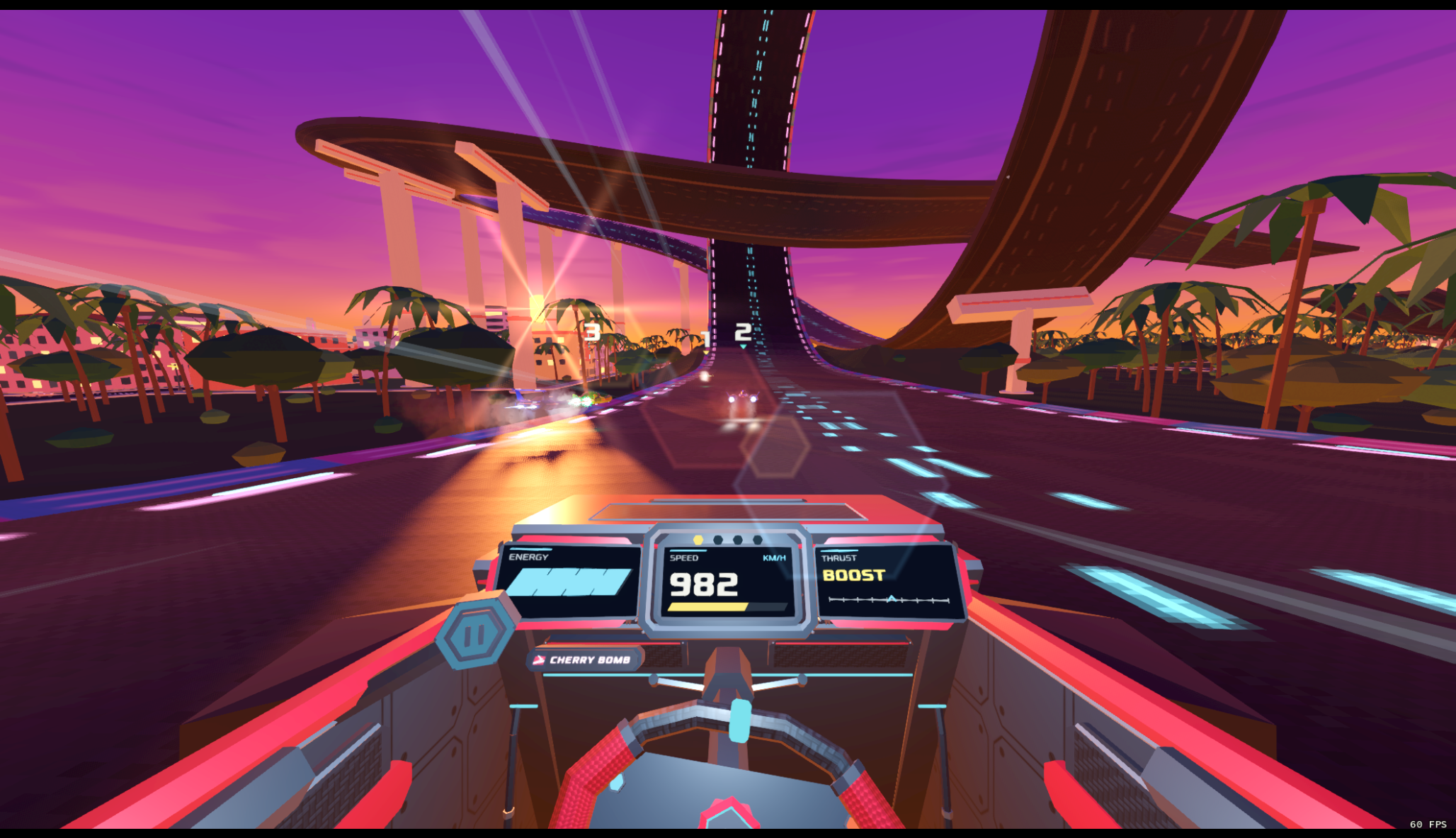
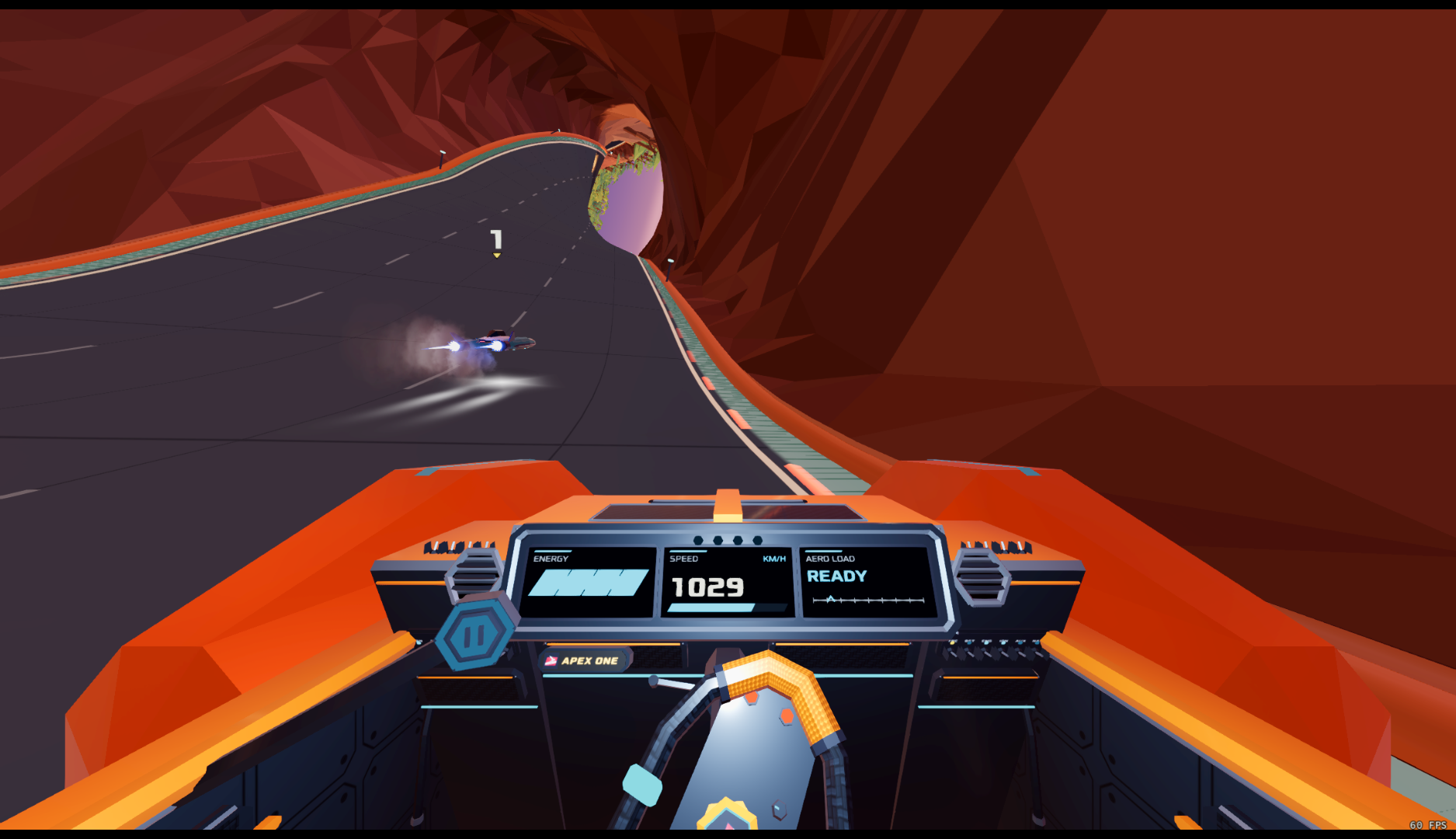
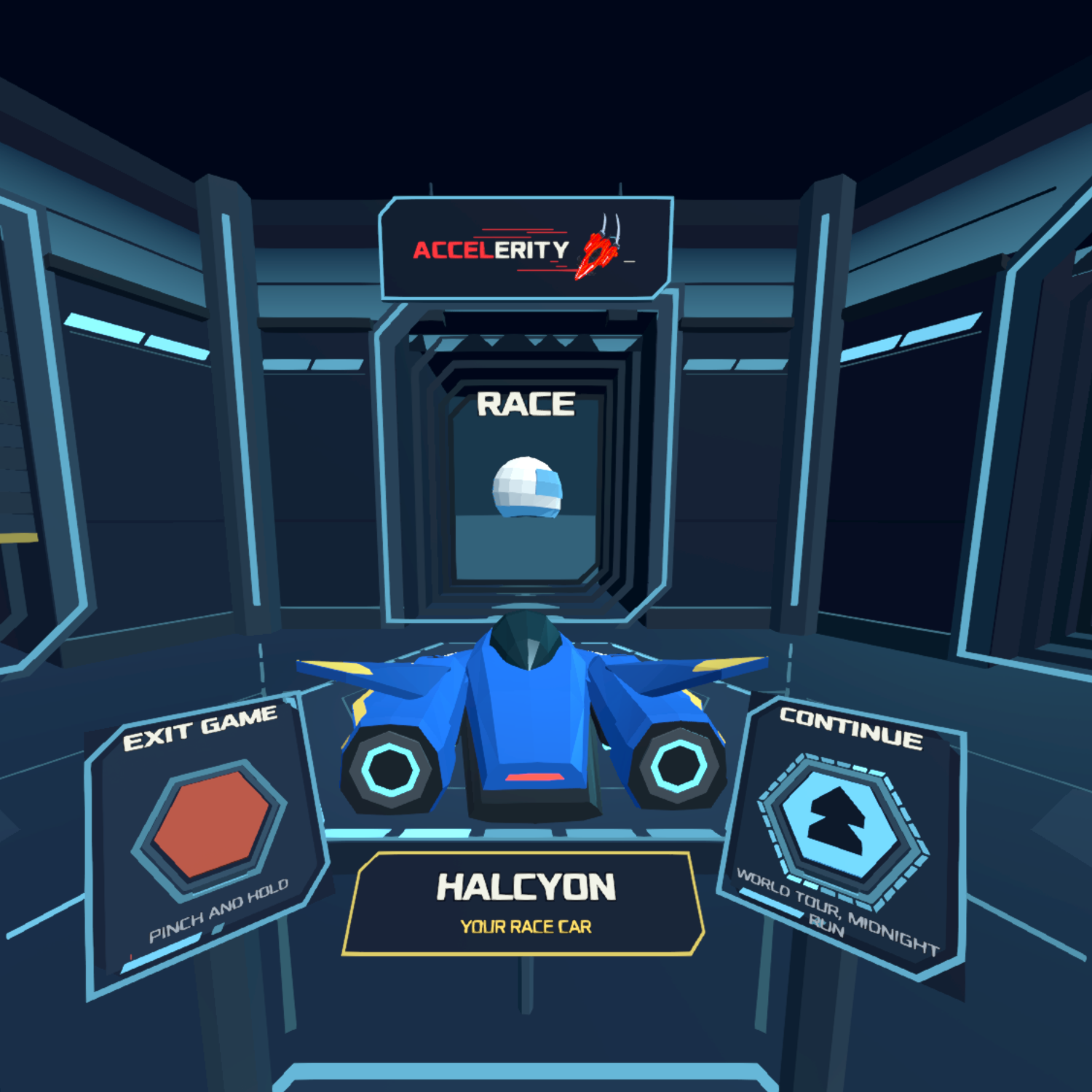
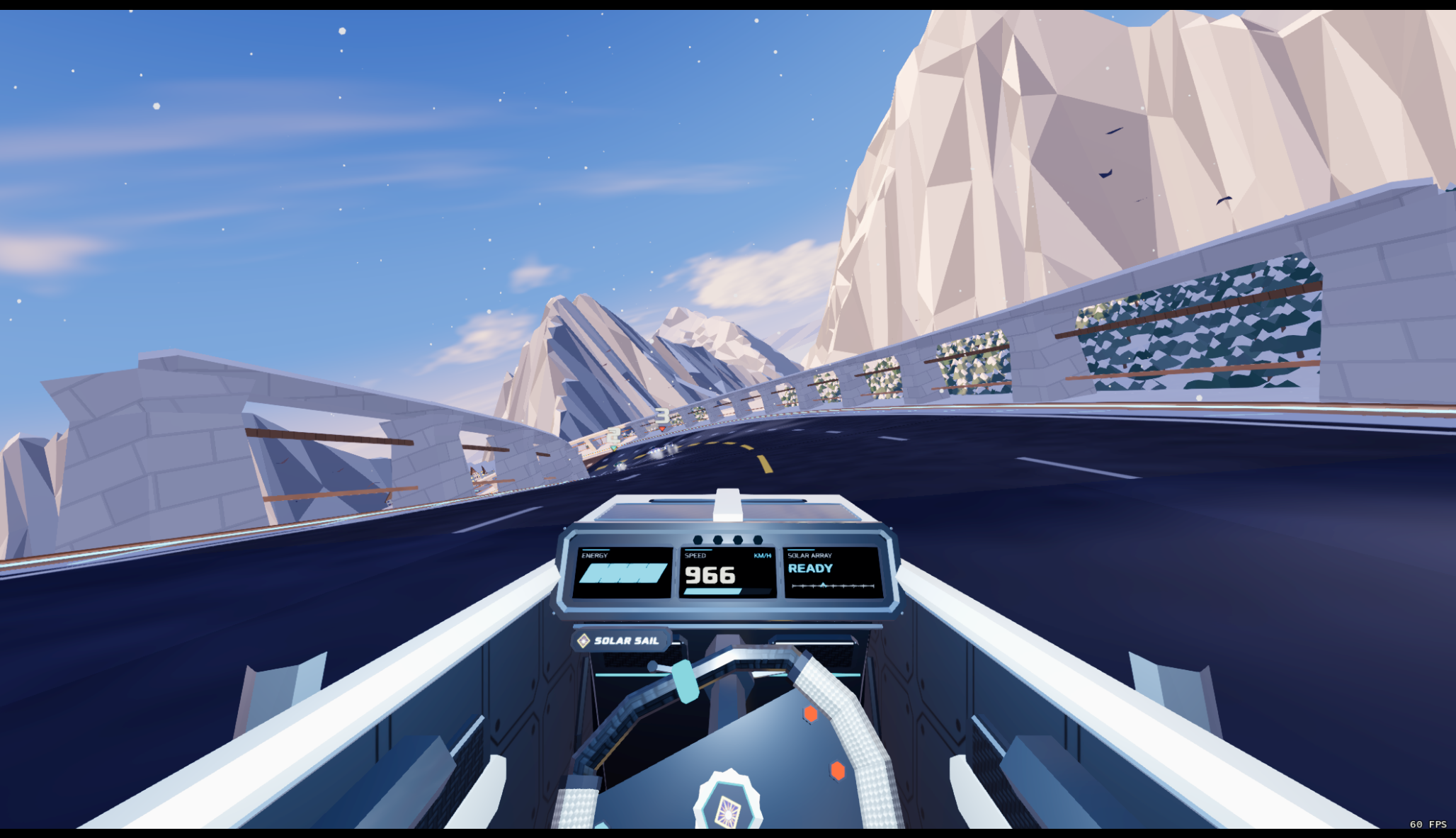
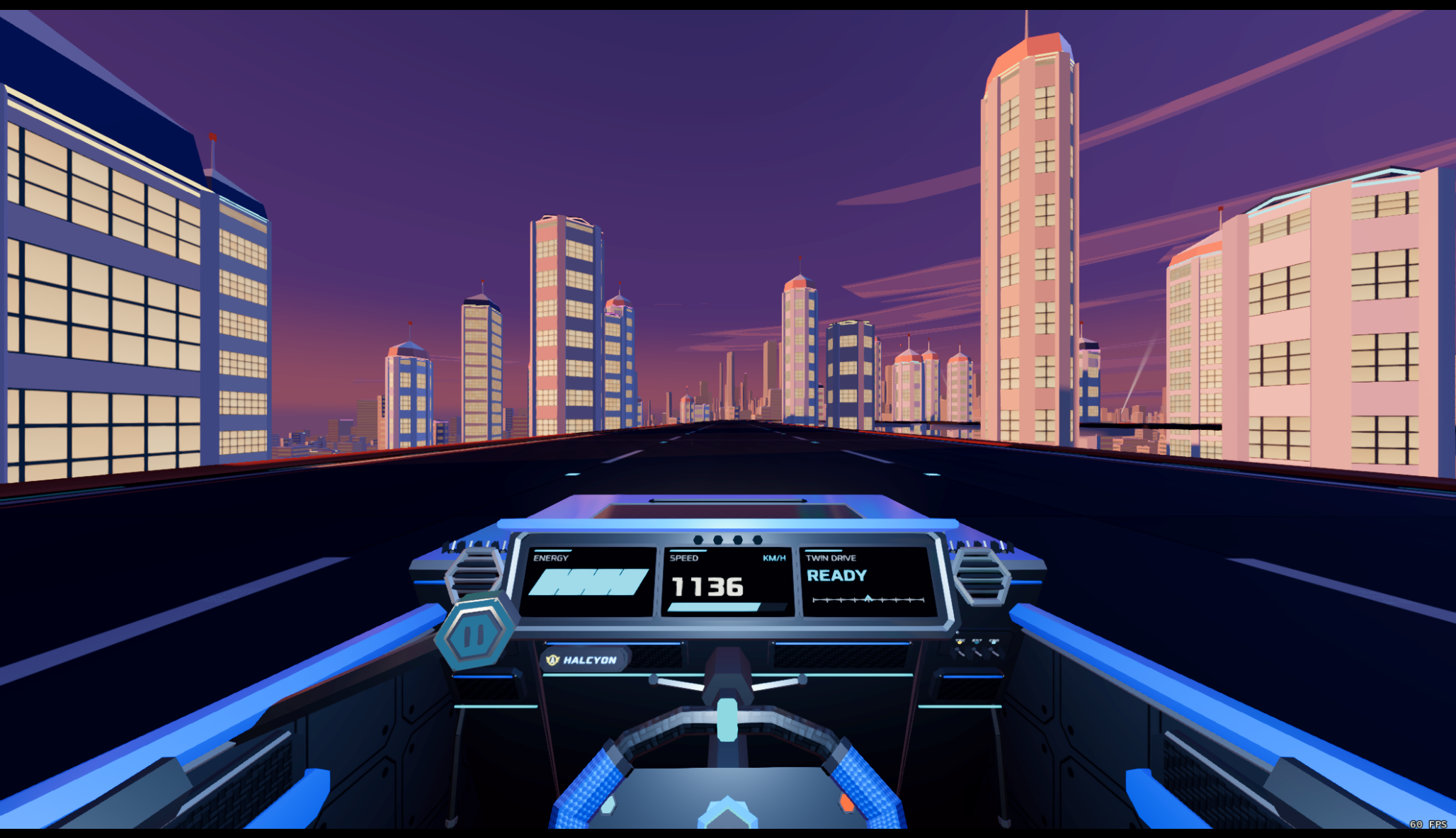
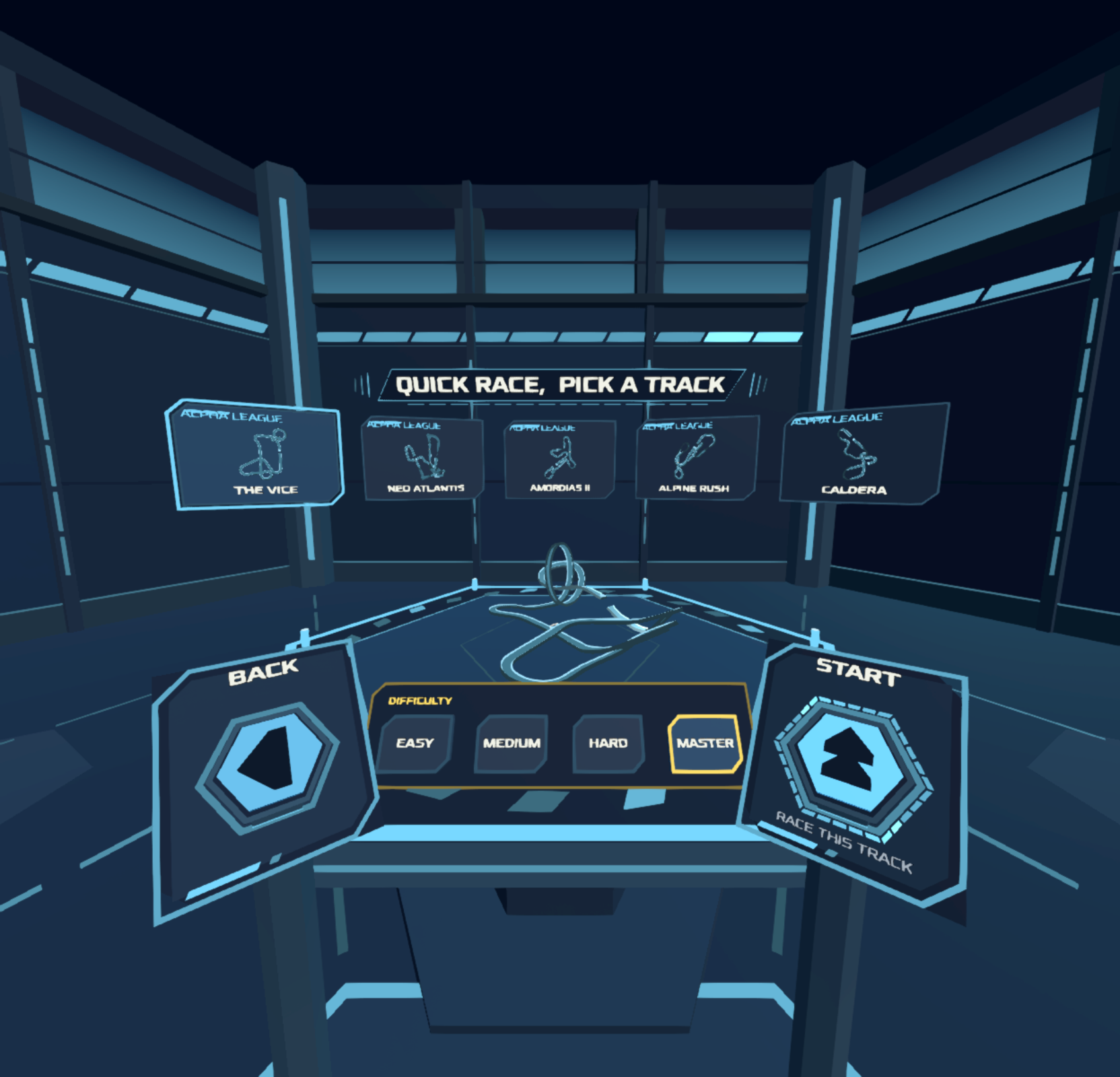
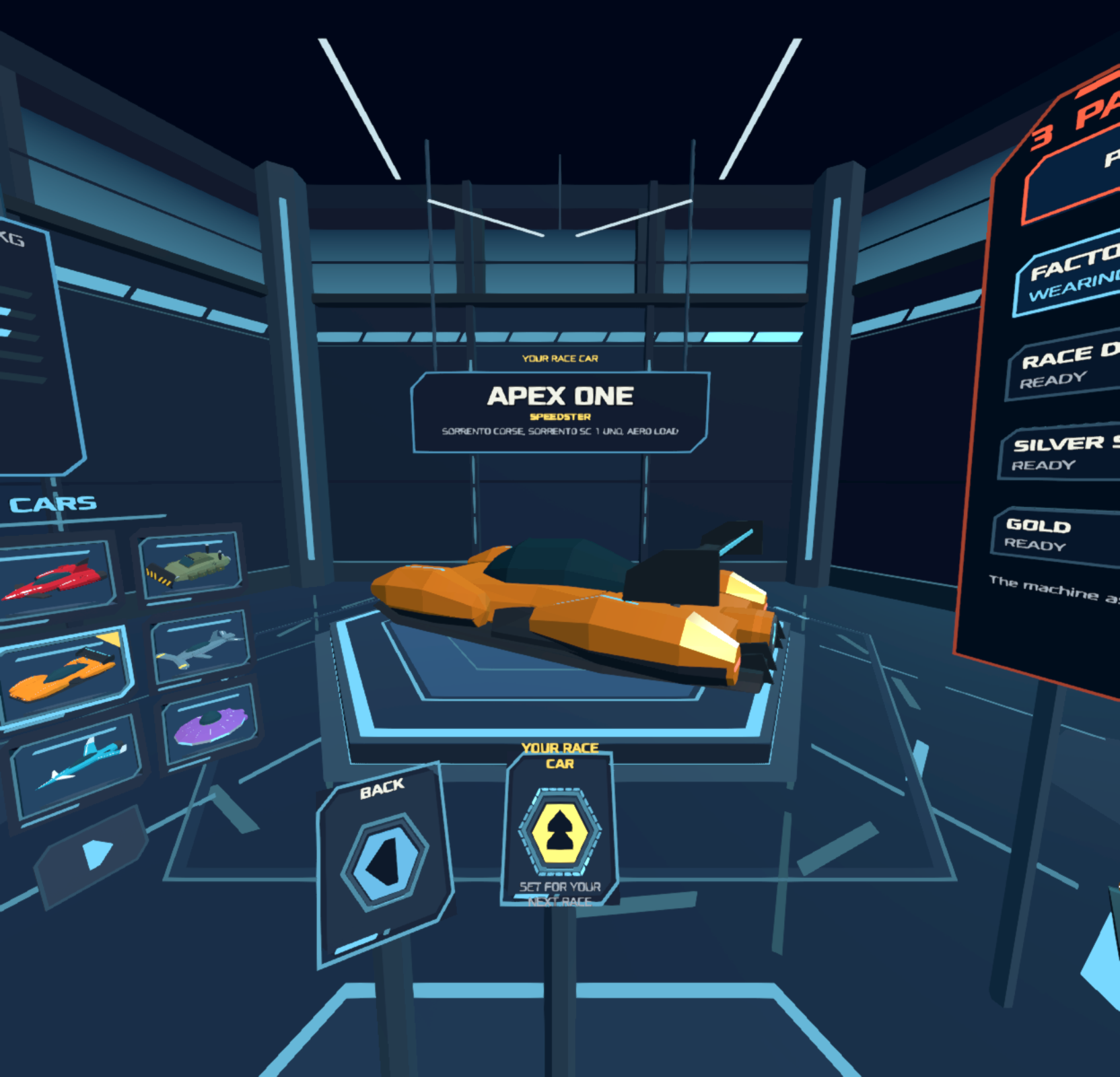
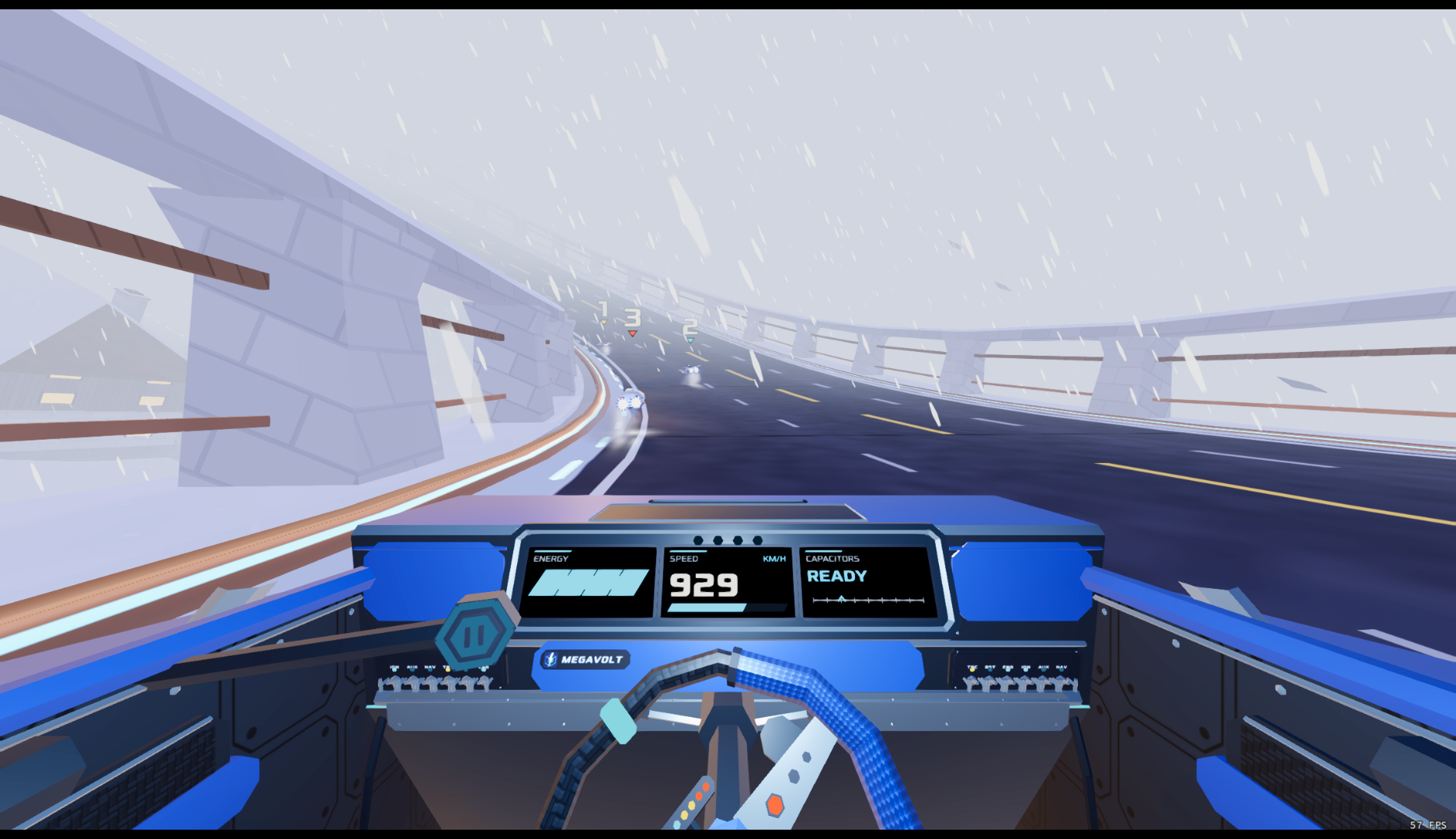
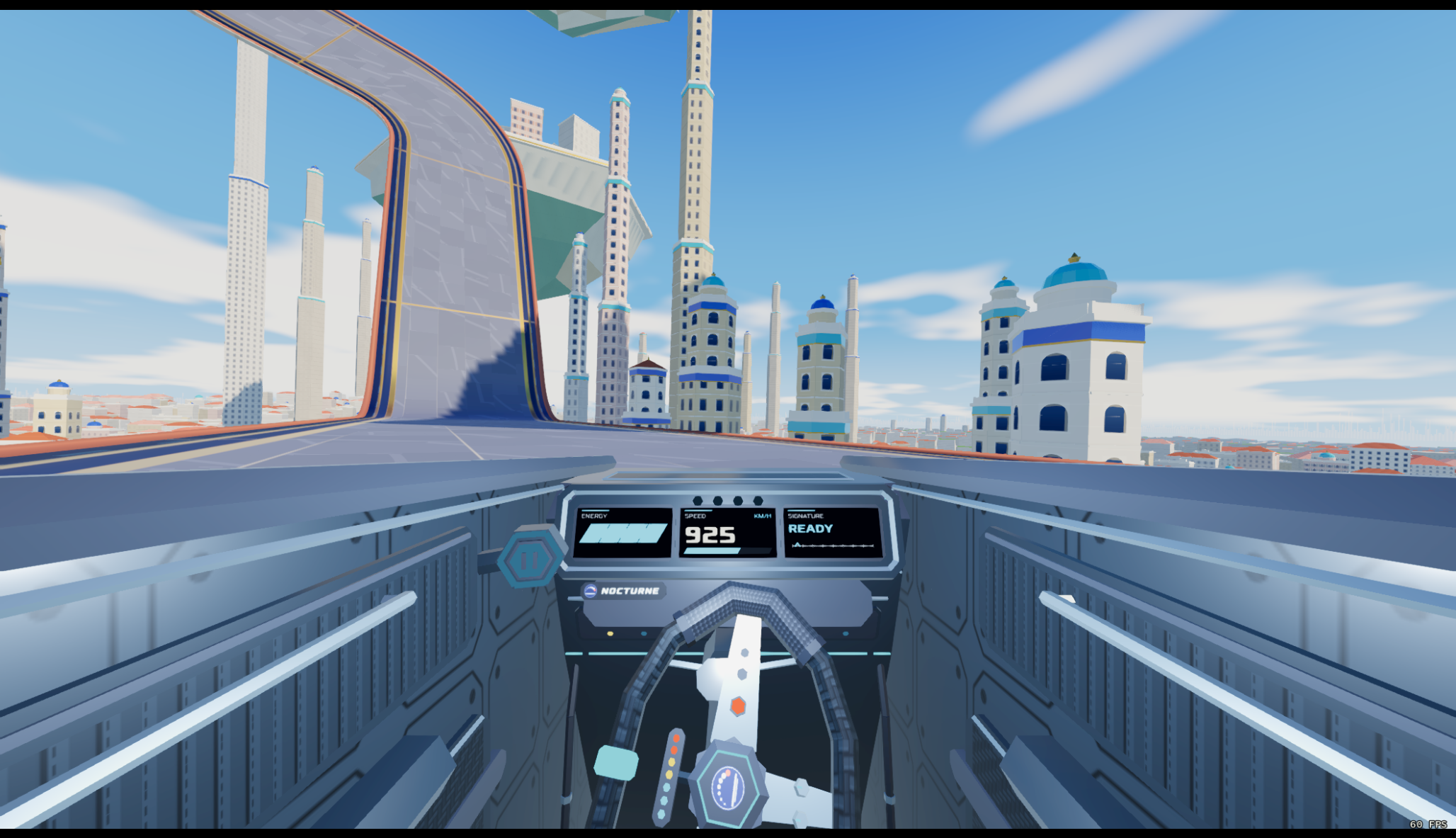
ACCELERITY VR is an anti-gravity racer for Meta Quest 3, played from inside the cockpit. You steer by grabbing the wheel with your bare hands: push it to boost, pull it to brake, shove it sideways to side-attack, and lean your body to strafe. Controllers work too. The VR version has 5 circuits (Vice Reimagined, Neo Atlantis II, Amordias Orchard, Alpine Rush, and Caldera Sunset), all part of one Grand Prix, the Alpha League. It also has 15 machines, each with its own cockpit, and a tutorial, First Flight, where you drop out of a carrier jet into a city.
How we built it
We built ACCELERITY in Godot. The game logic is in GDScript, and the physics are in C# for performance. Early on we realized that placing every collision and AI spline by hand wouldn't scale. So we spent weeks building a custom track editor in Blender that lets us design tracks freely and import them straight into the game, with collision and AI pathing handled automatically.
We split the work by strength: Colin led the VR port: controls, hand interaction, and the physical wheel. George handled backgrounds, shader work, and LOD generation. Pierce drove playtesting, planning, and kept the project on track.
What we learned
Game design and planning: how much up-front planning matters on a project this size. Building your own tools: the track editor taught us that custom tools are essential to making a game, not a side project.
- Working as a team: how to work on different parts of the game at different times while sharing one vision and executing it well.
Challenges
Porting to Quest 3. ACCELERITY started as a PC game with 15 tracks. We always planned to support VR, but getting it to run standalone on Quest 3 took far more work than we were ready for. We picked 5 tracks and rebuilt them for VR. The goal was to keep the huge draw distances and the art style while running at full resolution, with no dynamic resolution or upscaling. Here's what made it work: LODs everywhere. We weren't going to hit our targets without them. Distant scenery on Alpine Rush dropped from 1.1M to 261k triangles, and on Vice from 849k to 215k. Merged scenery cells and chunked meshes, so off-screen geometry isn't drawn. Draw calls on Vice fell from 736 to 316 at the busiest spot, and on Caldera from 431 to 214. Baked lighting and simplified VR shaders, with lighting calculated per vertex instead of per pixel. Shader precompilation before each race. On Caldera this cut mid-race shader compiles from 100+ to 27, which removed most of the hitching.
The result: races run at the Quest 3's 72 Hz, with median frame rates of 67–71 fps across all five tracks. Neo Atlantis II went from 56 to 68 fps, and the First Flight tutorial went from 35 to 62. We also wanted foveated rendering, but Godot doesn't really support it yet, so we've saved it for a future update.
Motion sickness. An anti-gravity racer at 1,000+ km/h is about the worst case for VR comfort. We built a set of options to handle it:
- A comfort vignette that narrows your view on hard turns, crests, landings, and hits, then opens back up.
- Tunnel-vision options and helmet visors.
- A stable-horizon setting (Off / On / Locked) to smooth out the horizon.
- Comfort presets on first launch, so new players start in a good spot.
- A cockpit that stays a fixed frame of reference around you, which grounds you at high speed.
What's next
We're planning to release ACCELERITY on PC and VR in early 2027. After launch, we want to add multiplayer to the VR version and connect its leaderboards to the PC version, along with foveated rendering once Godot supports it.


