-
-
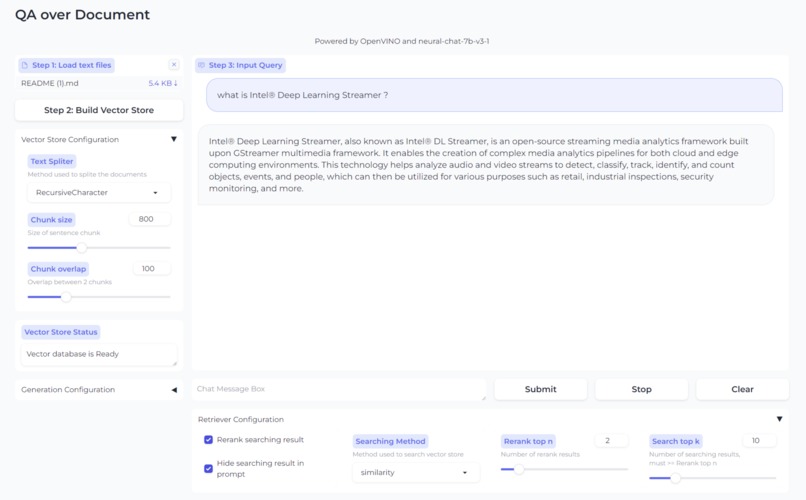
testing
-
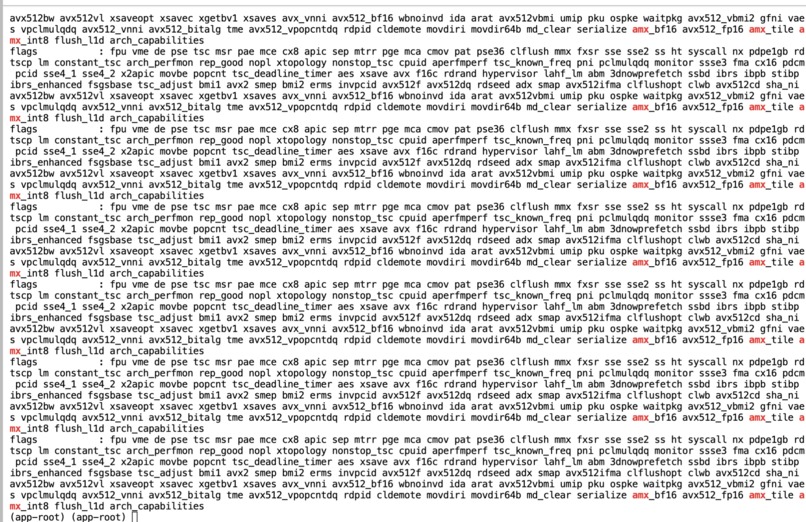
amx
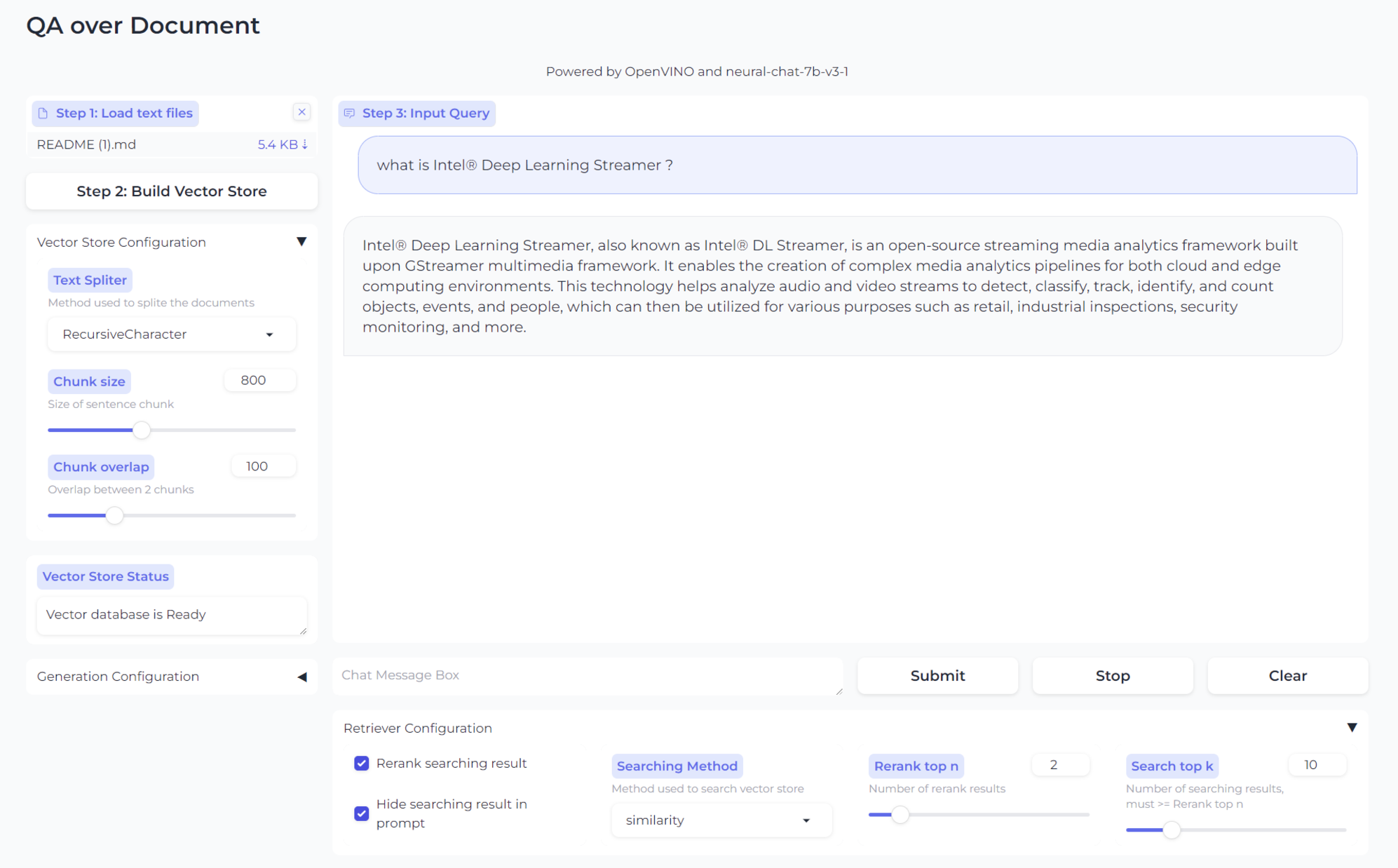
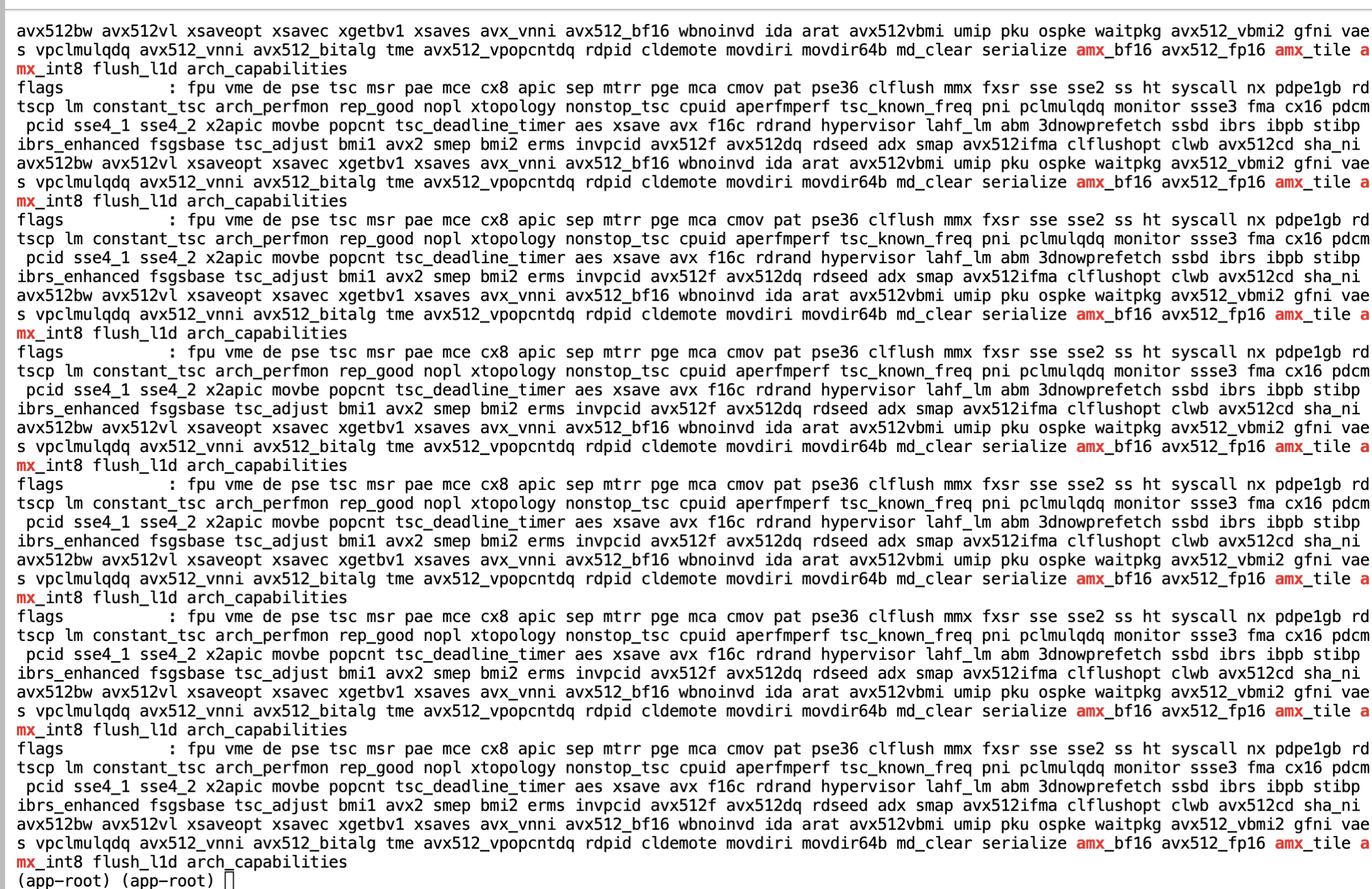
Inspiration
In the rapidly evolving field of academic research, the ability to efficiently comprehend and analyse research papers remains a significant challenge for researchers and companies. The exponential growth in published research has created an urgent need for tools that can facilitate deeper understanding and interaction with academic content. Academix is an innovative solution to address this challenge, using Red Hat OpenShift AI environment with Intel’s Xeon Processor AMX to transform how users engage with research papers.
Problem Statement
The academic community faces several persistent challenges in research paper comprehension, especially for individuals who are new to the field or do not have extensive experience in research.
- Time-intensive process of extracting key insights from lengthy papers
- Difficulty in understanding complex technical concepts and methodologies
- Limited accessibility of research content for readers with varying expertise levels
- Inefficient navigation through extensive academic documents
- Challenge in connecting different concepts within a research paper
Solution Design
Academix provides a platform that supports in-depth engagement with complex academic materials. Data Ingestion and Preprocessing:
Document Parsing: Academix accepts a variety of document formats, including PDFs, DOCX, and HTML. Using NLP models, the platform parses and structures the document to distinguish sections like abstracts, methodologies, results, and conclusions.
Text Chunking and Vectorization: Large sections of the paper are broken down into manageable "chunks" with overlapping text for context retention. Each chunk is transformed into vector embeddings using a model fine-tuned for academic text, ensuring semantically meaningful representations. Semantic Search and Contextual Understanding:
Vector Database: Academix employs a vector store to store embeddings of document chunks. This allows users to query the document at a high level of specificity and obtain semantically relevant sections without scanning the entire paper.
Contextual Re-ranking: When a user queries Academix, the system retrieves the most relevant chunks based on similarity and reranks them based on context, ensuring that responses are coherent and informative. The reranking process leverages Intel’s Xeon Processor AMX to achieve real-time response speeds.
Interactive QA and Summarization:
Question-Answering (QA) Module: Users can type questions related to the paper’s content and receive precise, context-aware answers. This module uses advanced models that can retrieve relevant information from within specific sections or even across multiple papers if integrated.
Future Scope and Impact
Academix shows potential for transforming how academic research is consumed and understood across the global research community. In future, the platform could be expanded to include multimodal AI capabilities for processing complex academic content including images and equations, while supporting multiple languages to reach a broader international audience. The impact of this is potentially reducing research paper comprehension time by 40% and democratising access to complex academic knowledge. The platform's ability to bridge the gap between complex research and practical understanding makes it a potential catalyst for accelerated scientific progress and innovation across various fields. In commercial applications, it could be used in educational technology, publishing, and various corporate research sectors.
Built With
- gradio
- intel
- llama
- redhat

Log in or sign up for Devpost to join the conversation.