-
-
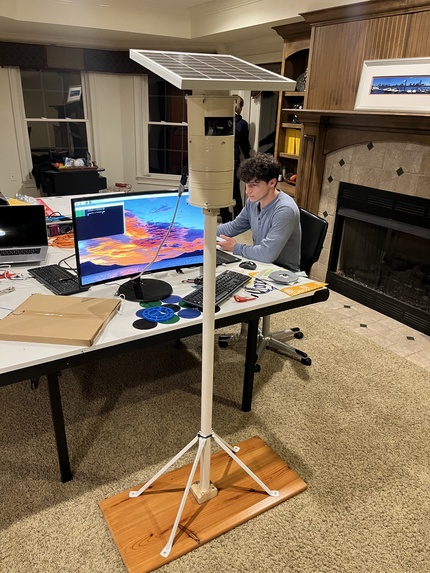
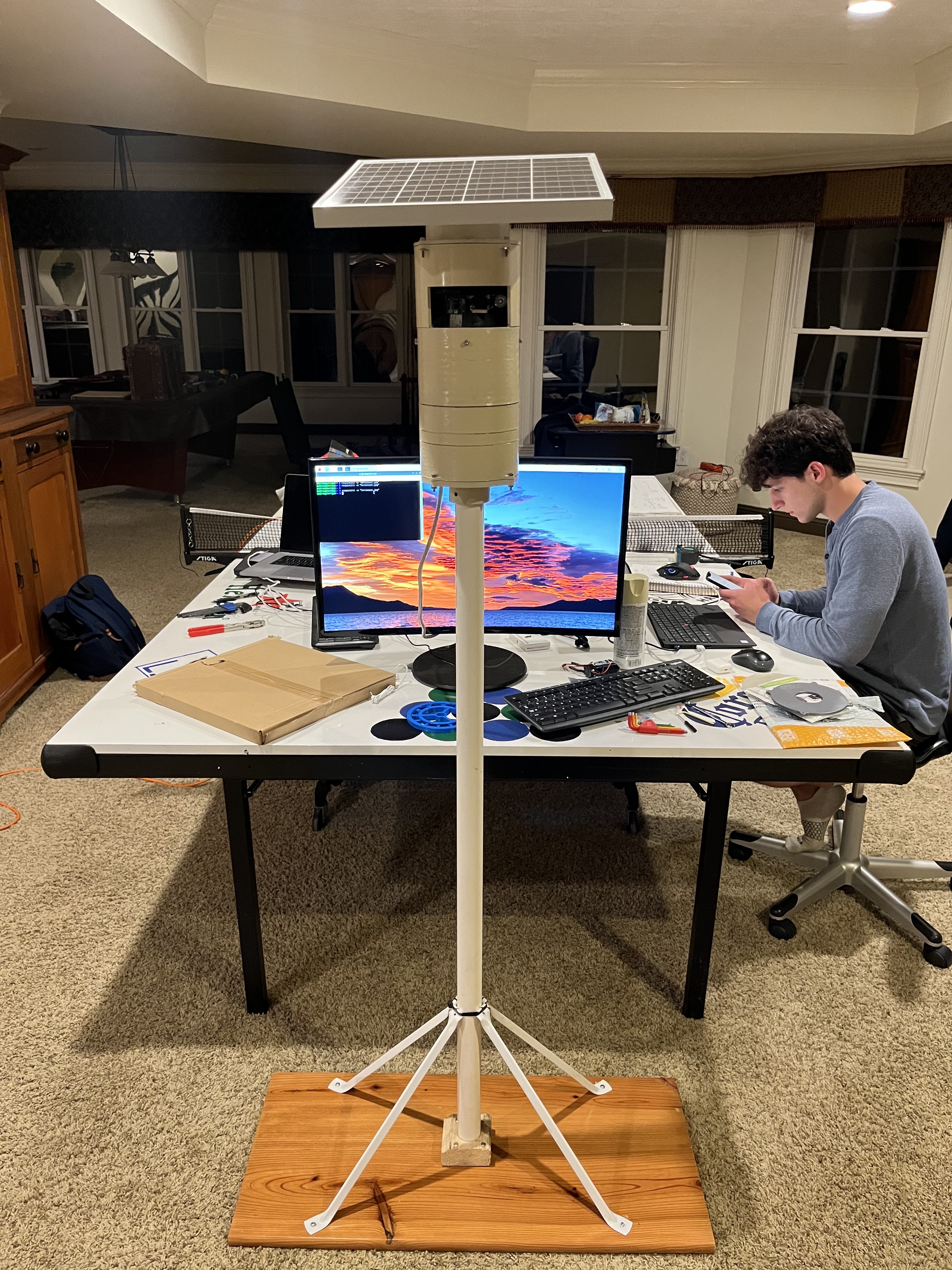
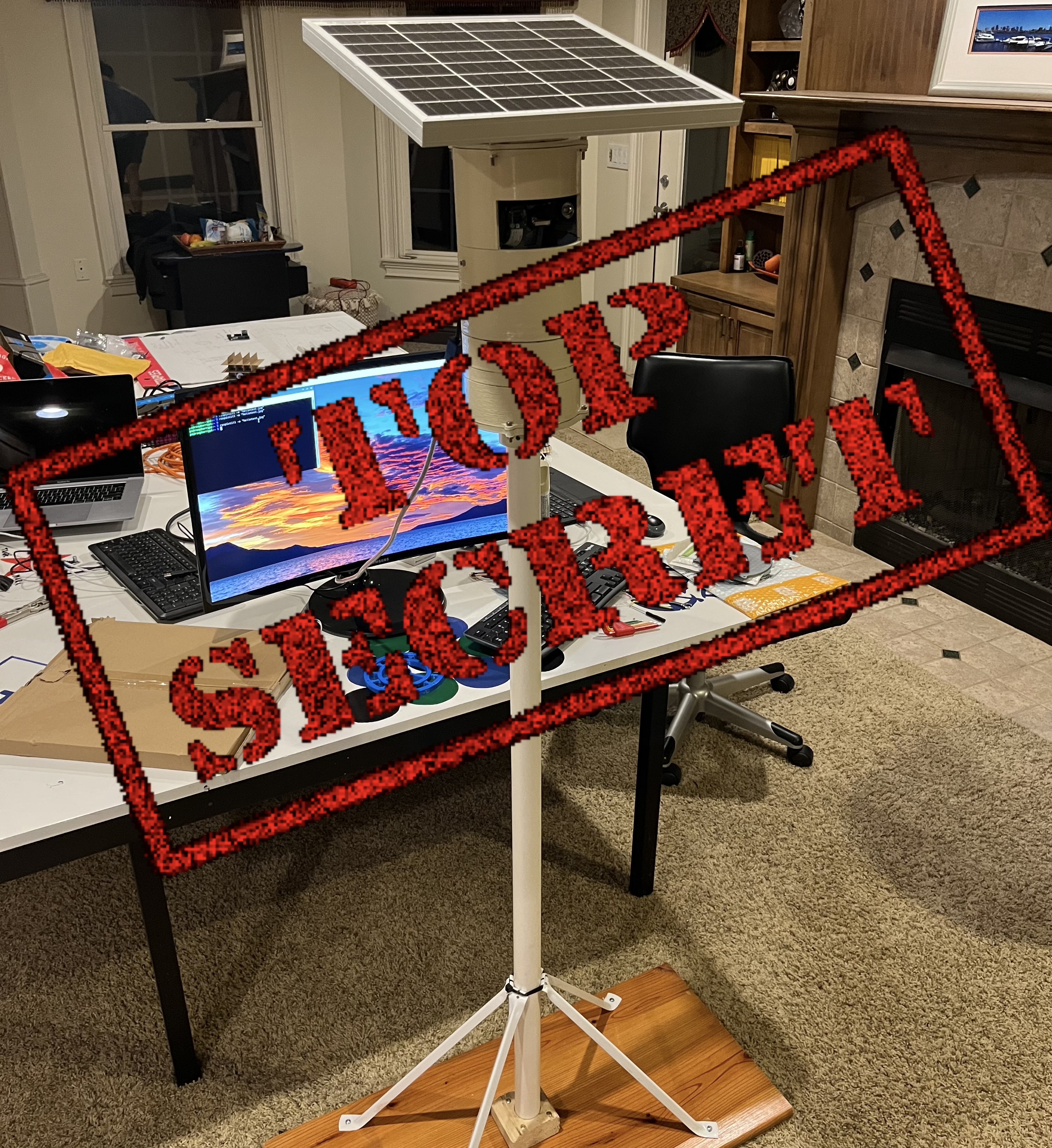
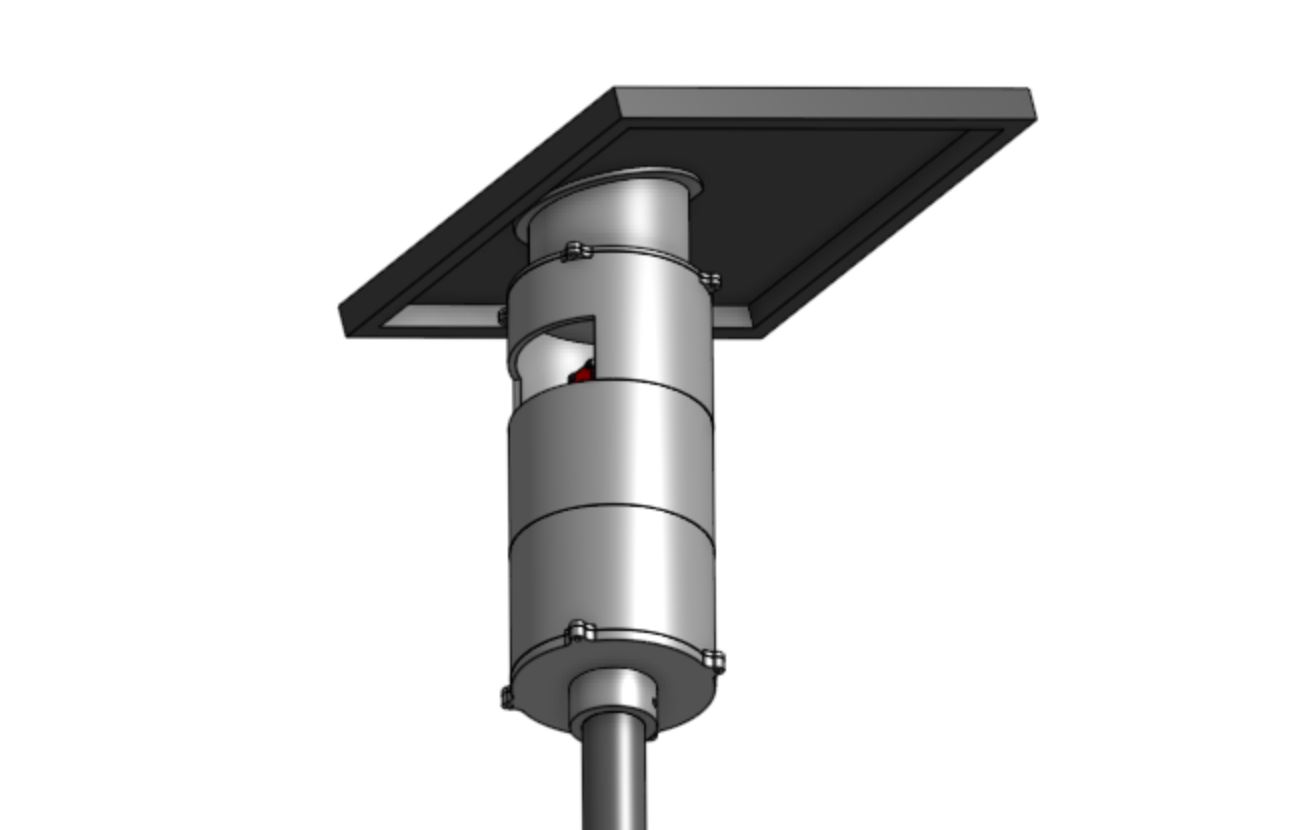
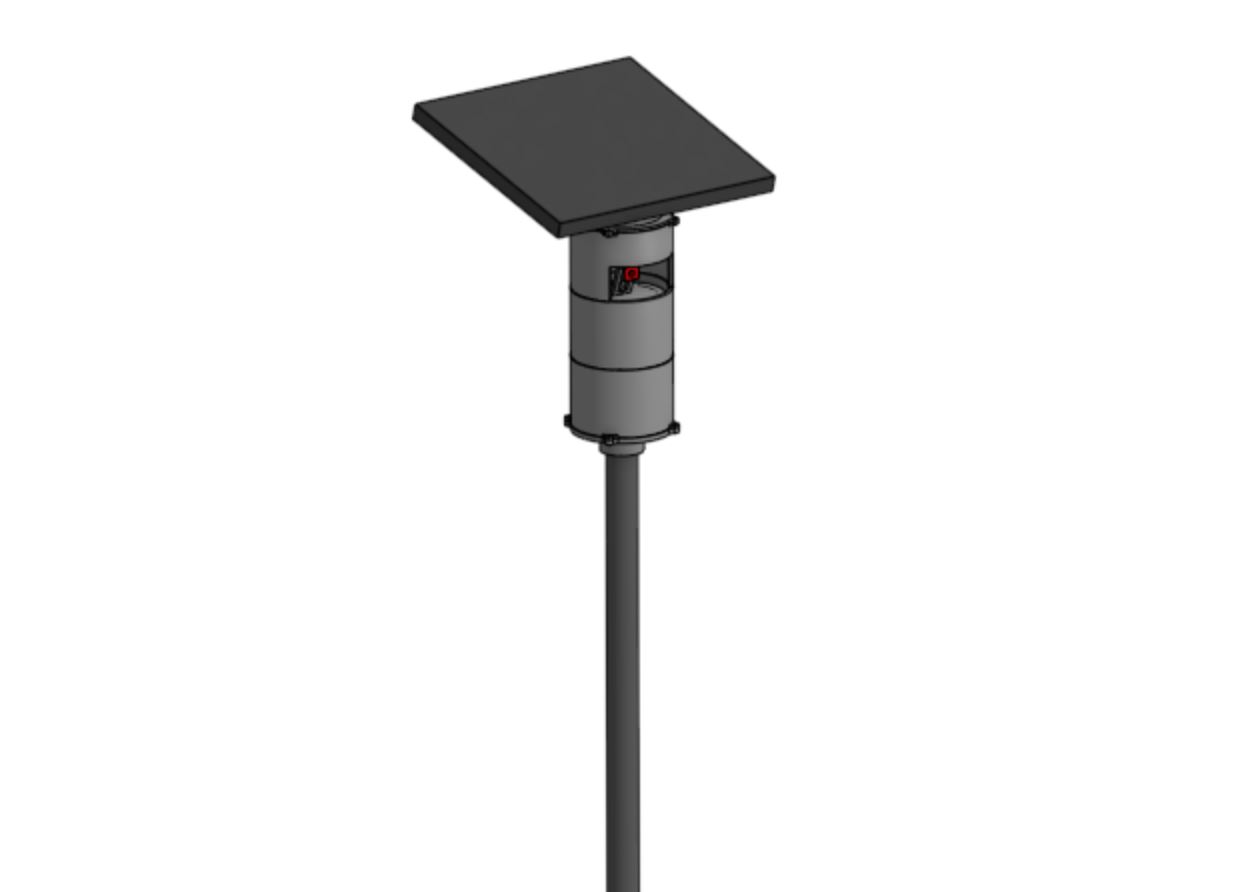
Isometric tower view
-
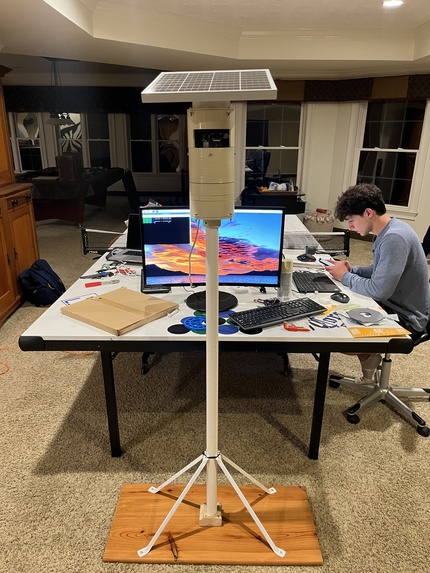
Front tower view
-
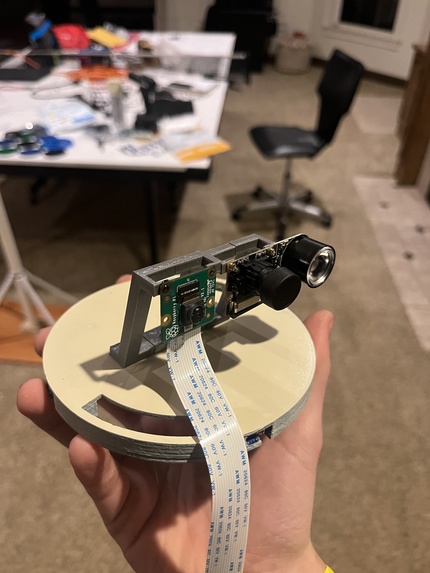
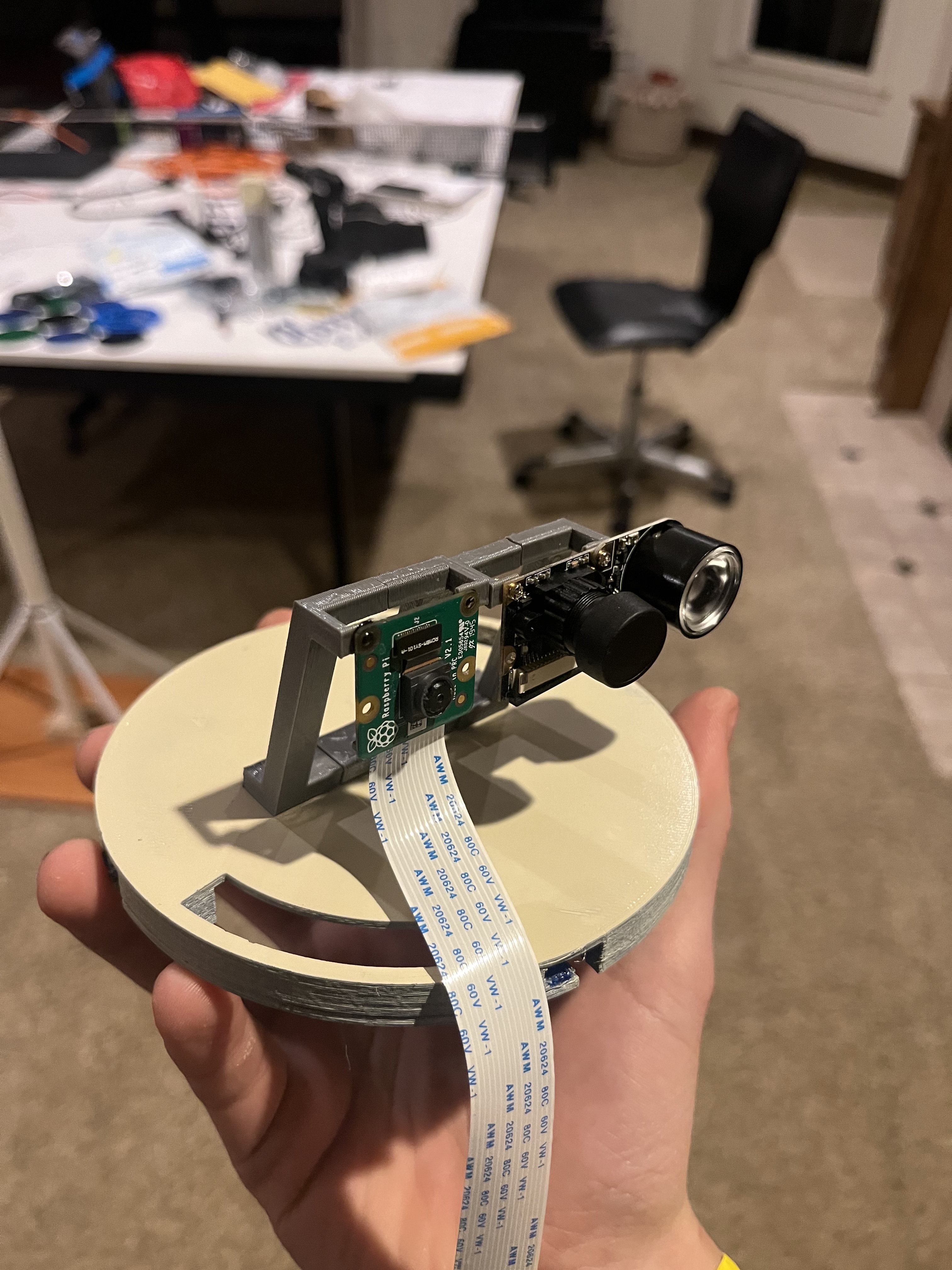
Sensor tray
-
Youtube thumbnail
-
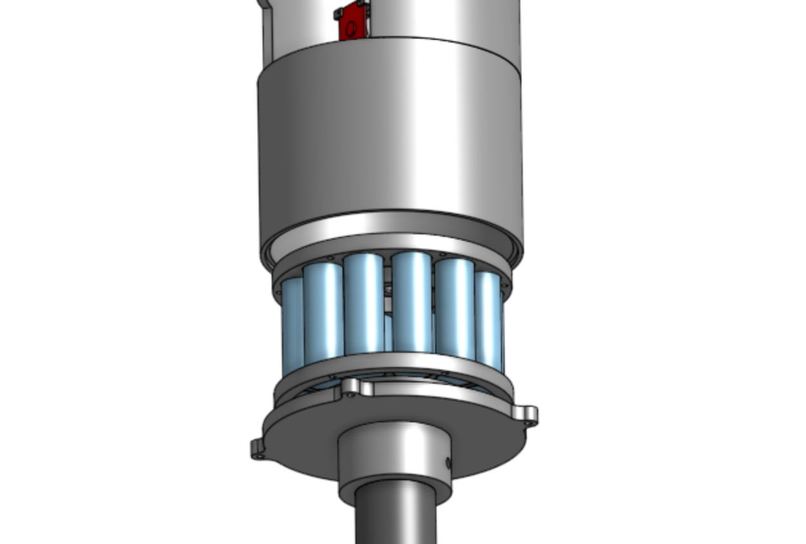
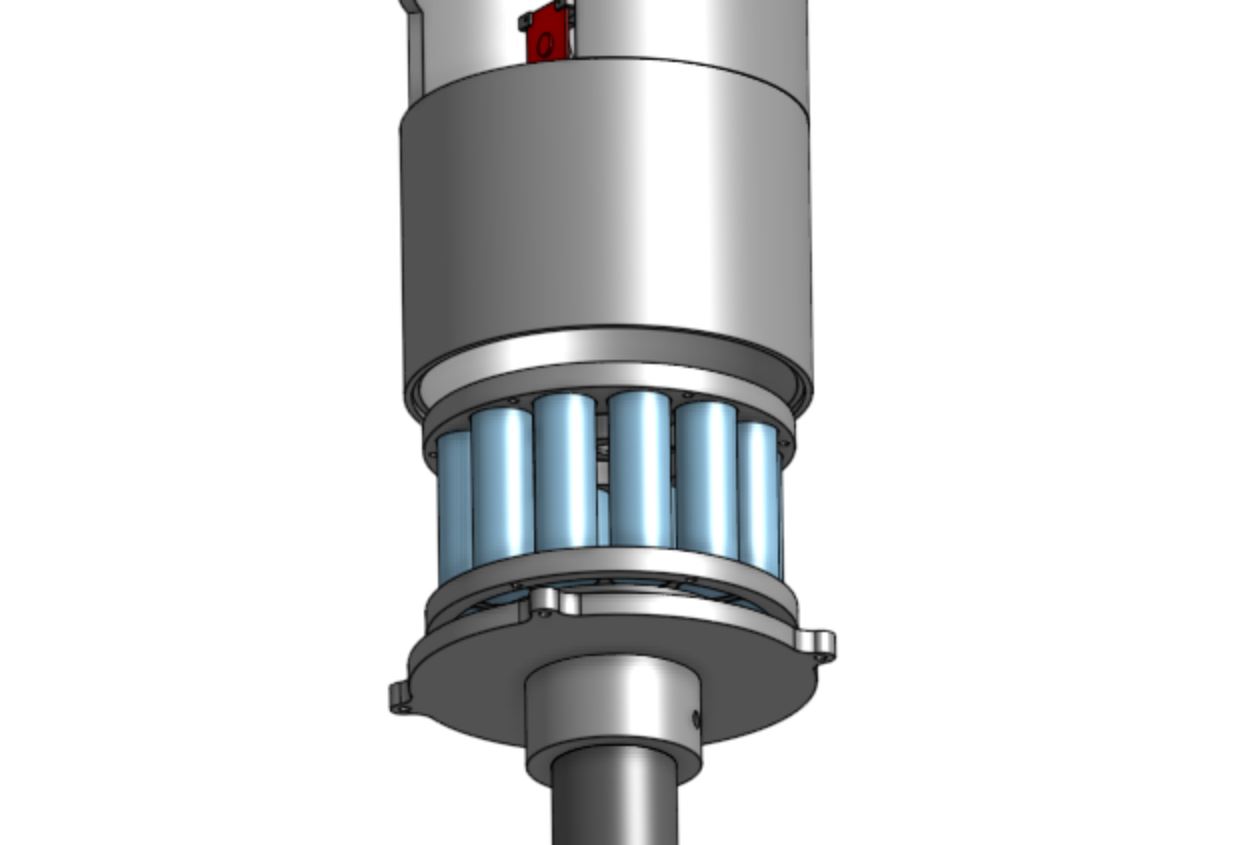
Battery Pack - CAD
-
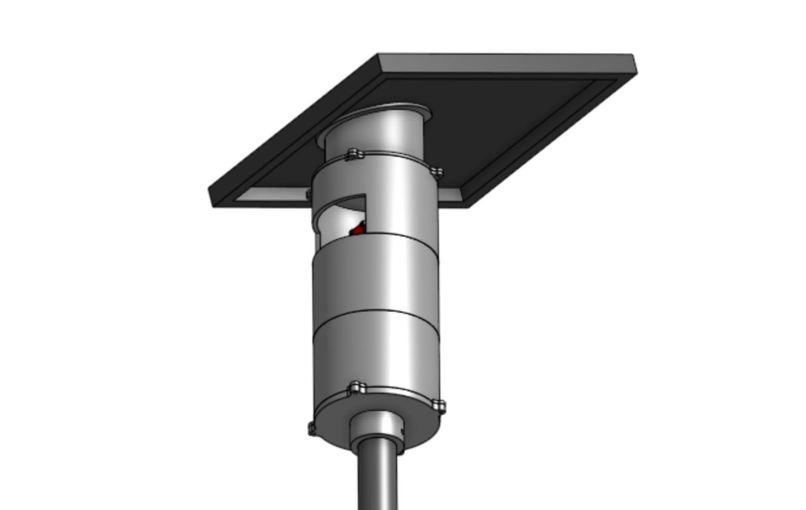
Closeup - CAD
-
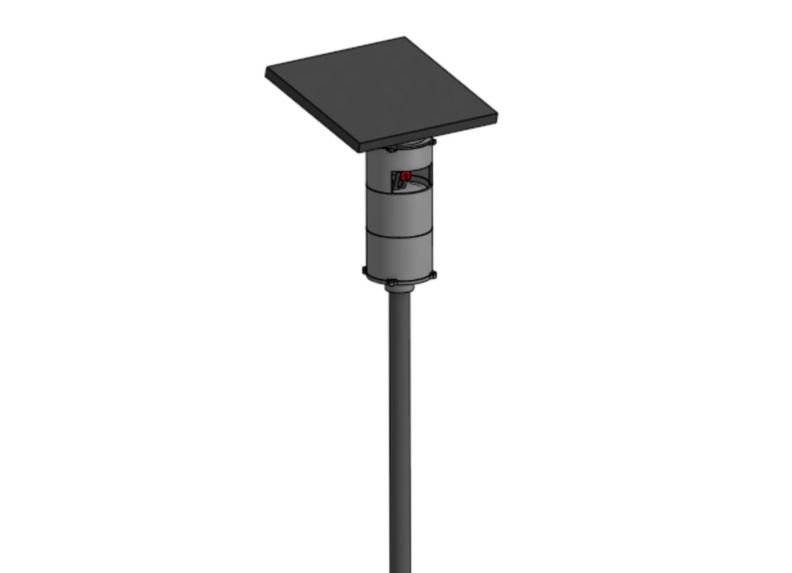
Overall, Perspective - CAD
-
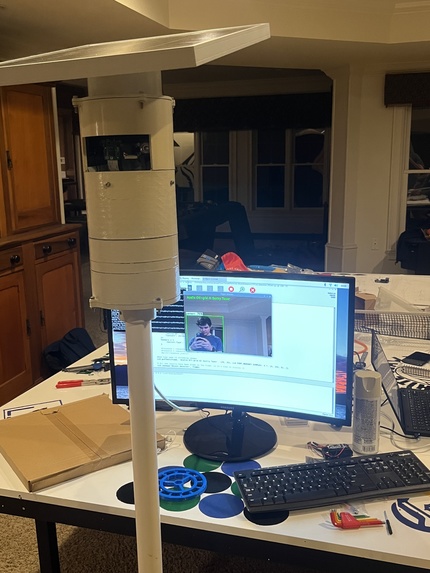
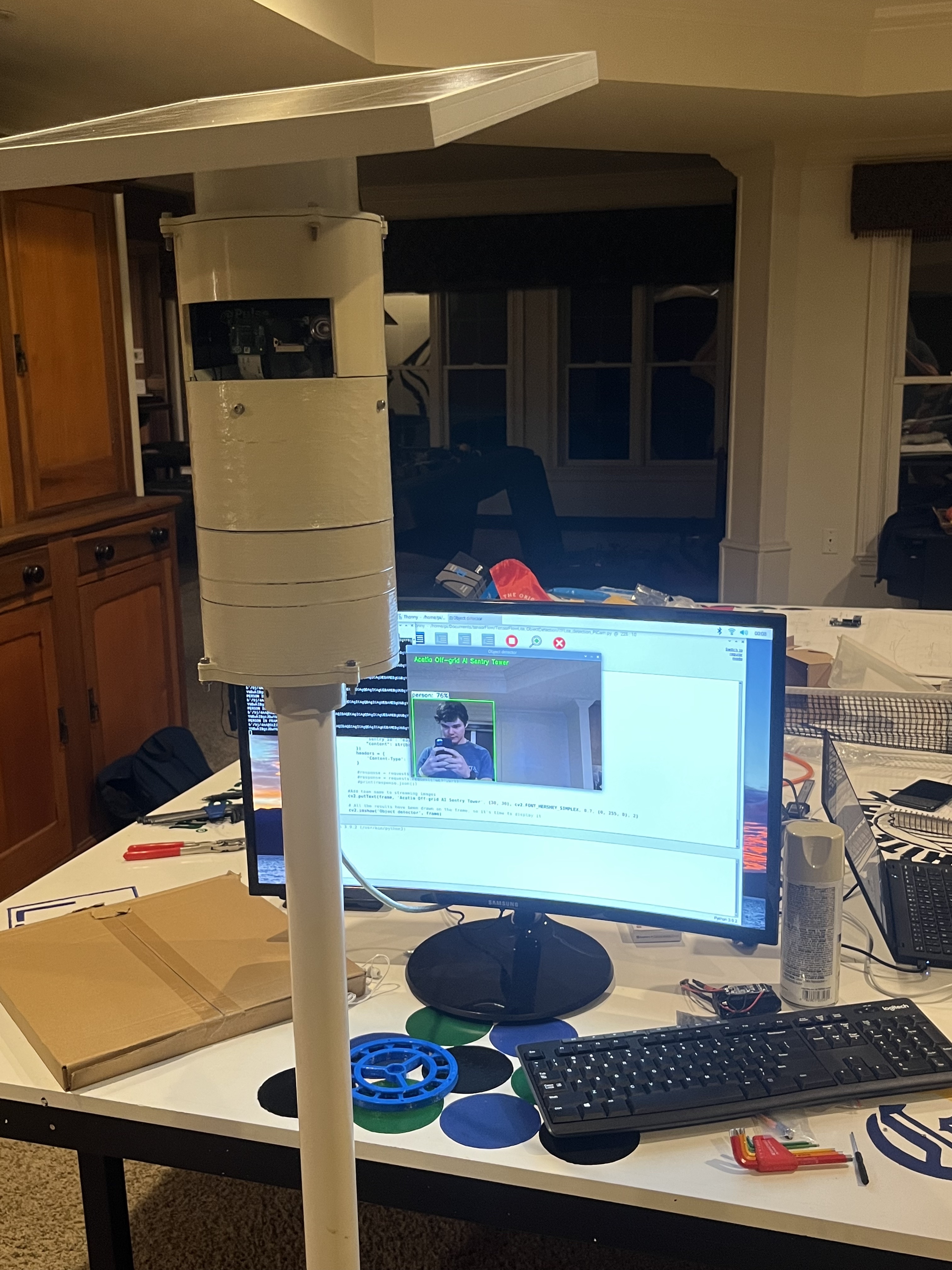
Tower and AI running
-
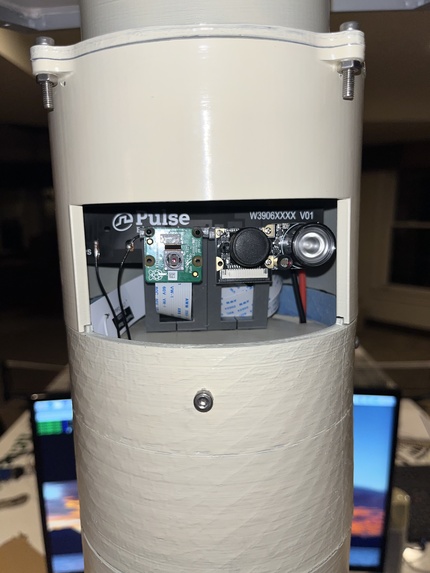
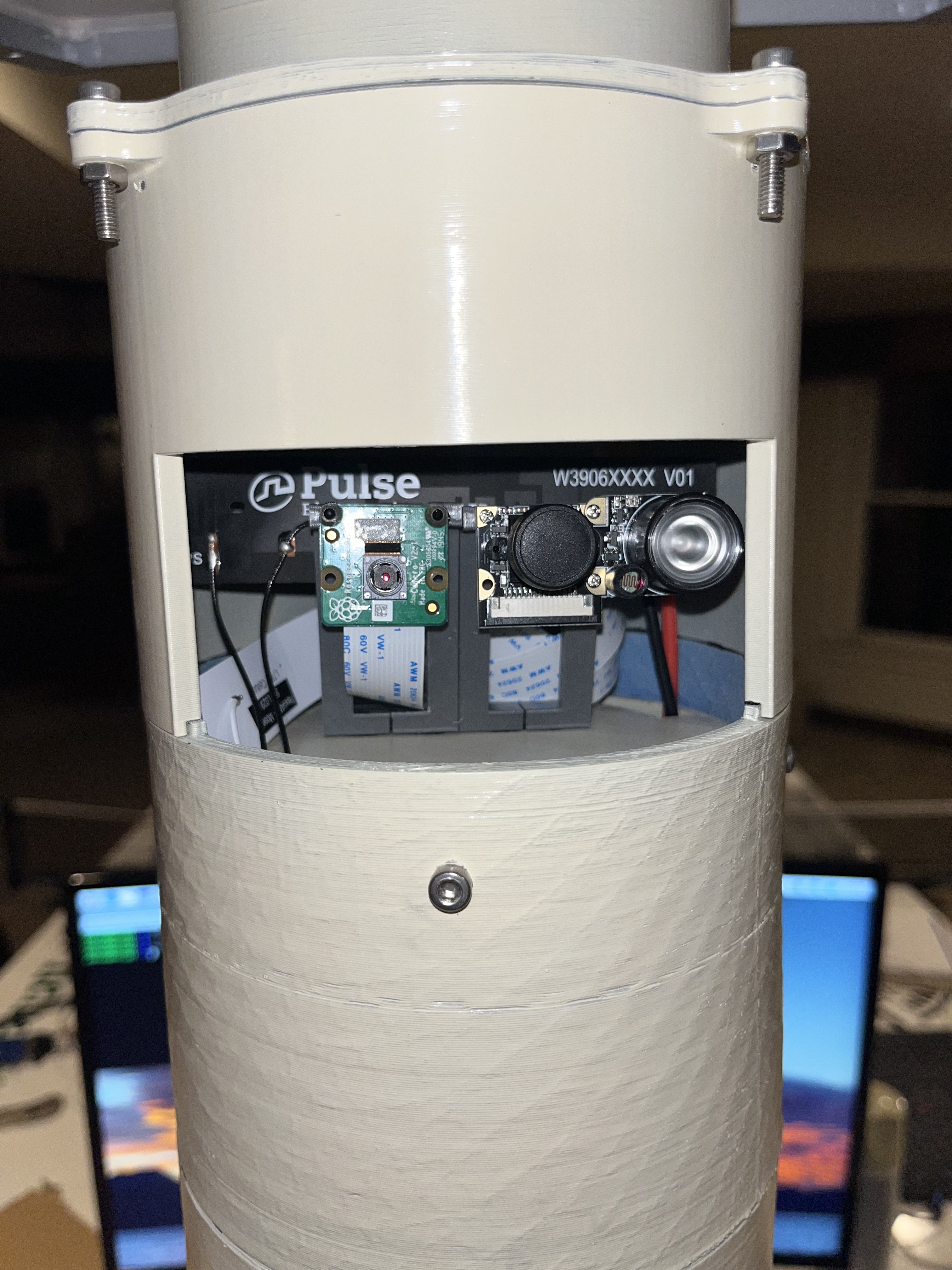
Sensors close up
-
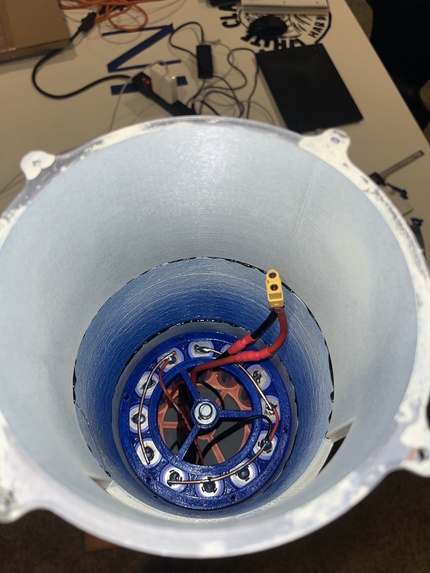
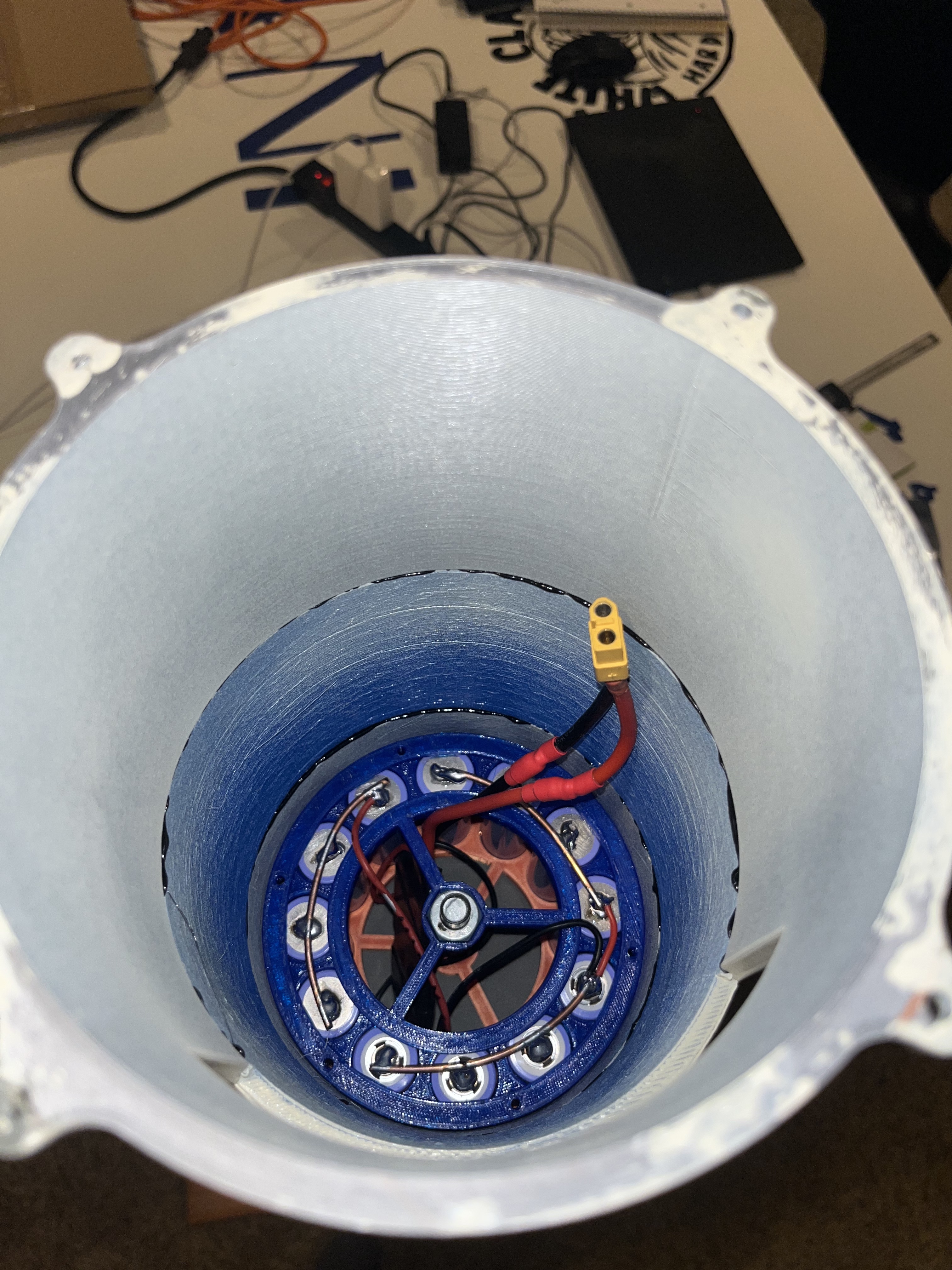
Internal Liion battery
-
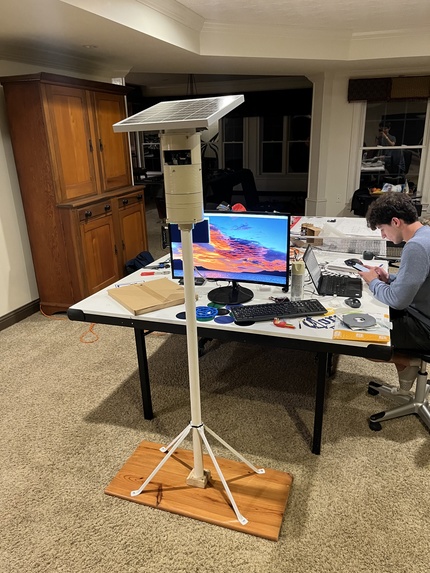
Isometric tower view
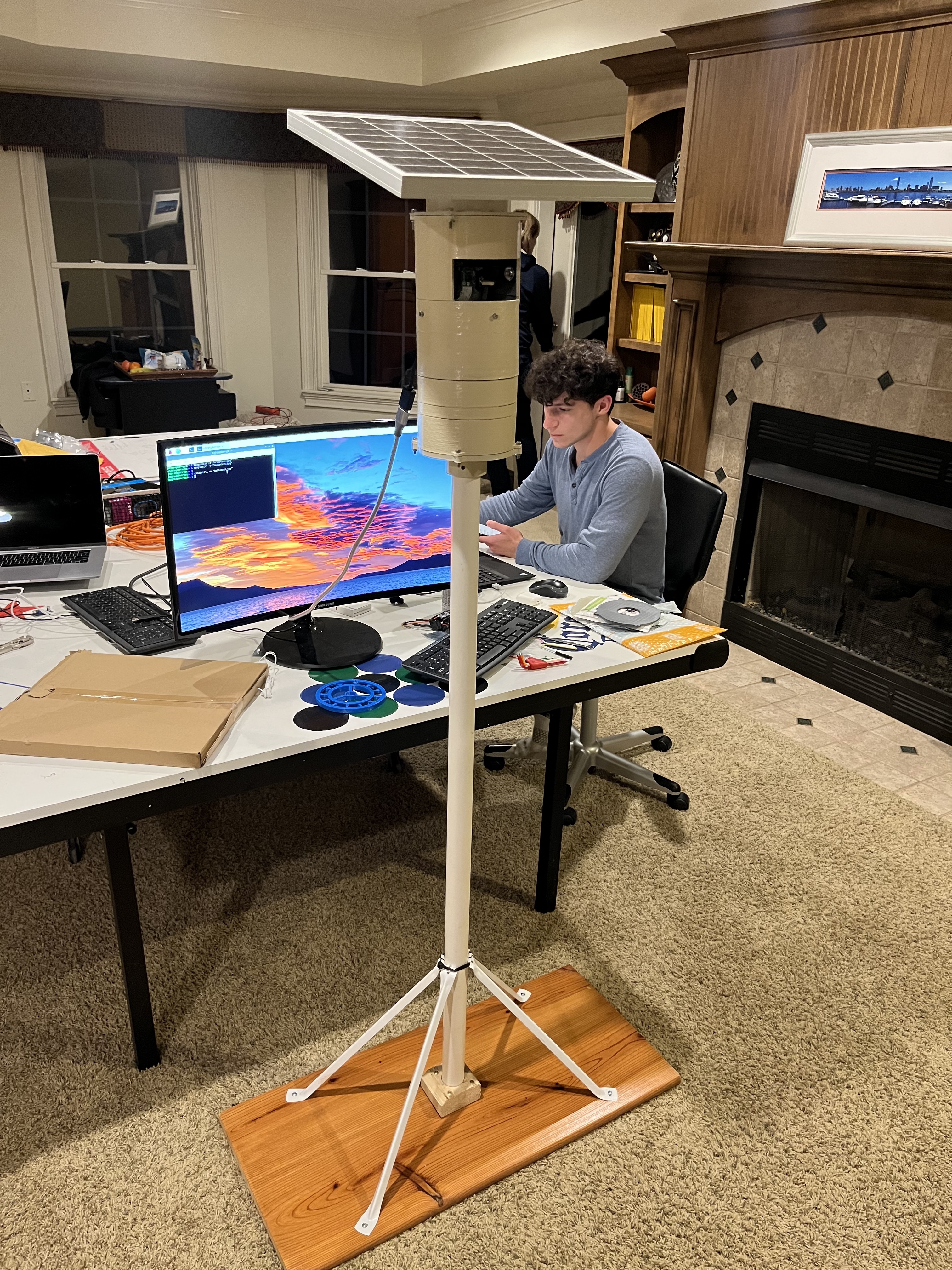

Inspiration
From poaching of endangered species in Africa to illegal logging in Latin America, criminal economies have the potential to greatly harm Earth's natural resources and precious qualities. Our team sought to find a solution and a way to protect Earth from humans. Introducing the Acacia Tower - an off-grid AI sentry tower.
What it does
The Acacia Tower is an organization's first line of defense when it comes to protecting resources and land. From solar power and sustainable Li-ion batteries, this device uses computer vision to detect and verify potential threats of interest, cache notable instances, and notify the user via text message.
How we built it
Structural Design
Taking advantage of additive manufacturing, the team created detailed CAD models and 3D printed major structural components, including the electronics canister, support trays, and solar panel risers.
Electronics
In sequence, the solar panel (mounted atop the canister) is wired directly to a MPPT solar charge controller. From 12 Li-ion batteries, three battery subpacks were wired in series, each with 4 batteries in parallel (4p3s 16Ah). The battery pack and charge controller are wired directly to a step down buck converter, which provides power to the Raspberry Pi. From this computer, a camera and a 4G module are incorporated, allowing the team to utilize the versatility of the Raspberry Pi.
Software
Our team utilized a React.js frontend with Material UI and Uber's DeckGL Mapping Library for displaying mapped sentry location points, as well as pulling all sentry-captured images for review. The application's backend utilizes Golang with GORM for the backend web-server and a PostgreSQL database instance, both of which are currently being live hosted using Google Cloud Platform.
https://github.com/k-lombard/Acacia
Challenges we ran into
One major challenge we encountered was the iterative delay for 3D printing and design. Waiting several hours for parts to finish can delay other parts of the process, so we had to learn to manage every second accordingly. In addition the aforementioned obstacle, remote communication between the Sentry Tower and our custom Google cloud back end server posed many interesting obstacles. That being said, hard work, dedication, grit, and our mission-focused attitude (two almost sleepless nights) allowed us to overcome these tumultuous obstacles.
Accomplishments that we're proud of
As a team, we are very proud of our progress. From conceiving an idea, to creating CAD models within the next hour and 3D printing through the night, to waking up an hour after we go to sleep in order to start another print - our team hustled. It's amazing and fulfilling to go from absolutely nothing to a fully developed prototype in less than 48 hours.
What we learned
One main thing that we learned was the criticality of time and time management. For example, we learned to utilize downtime (while all of our 3D printers were running) to work on other subsystems, such as electronics and software development. We spent a great amount of time testing those subsystems, which would not have been possible if we were inefficient in other areas. We also learned the importance of subsystem interactions - in other words, always know how one subsystem interacts with another and plan accordingly. Do not be thinking one step ahead, but rather, think two or three steps ahead. Small inconveniences can have a ripple effect if they are not addressed early on.
What's next for Acacia Tower
We have several plans for the Acacia Tower:
- Fully integrating IR/thermal imaging camera for low-light environments
- Exploring more sustainable (but weather-proof) materials for construction
- Marketing towards government/private/defense sector
- Optimizing energy usage and developing failsafe mechanisms -Futher exploring other low-power forms of communication for increased operational range -Further exploring and developing more advanced AI/machine vision algorithms with improved performance and reduced power consumption
Built With
- 3dprinting
- cad
- chakra
- deckgl
- golang
- google-cloud
- material-ui
- postgresql
- python
- raspberry-pi
- react.js
- tensorflow


Log in or sign up for Devpost to join the conversation.