Inspiration
I was inspired by the realization that with AI tools we can finally tell stories that would otherwise sit on a shelf forever due to the cost of traditional production. Bringing such stories to life with classic filmmaking is nearly impossible—unless you’re James Cameron (and if you ever read this, I love your work). I’ve often read wonderful scripts, and the script for this story was written several years ago—before AI became widespread in the audiovisual world—by my friend Oleh Yaremenko. When I became passionate about AI-driven storytelling, I remembered his script, and Oleh kindly agreed to let me bring it to life.
What It Does
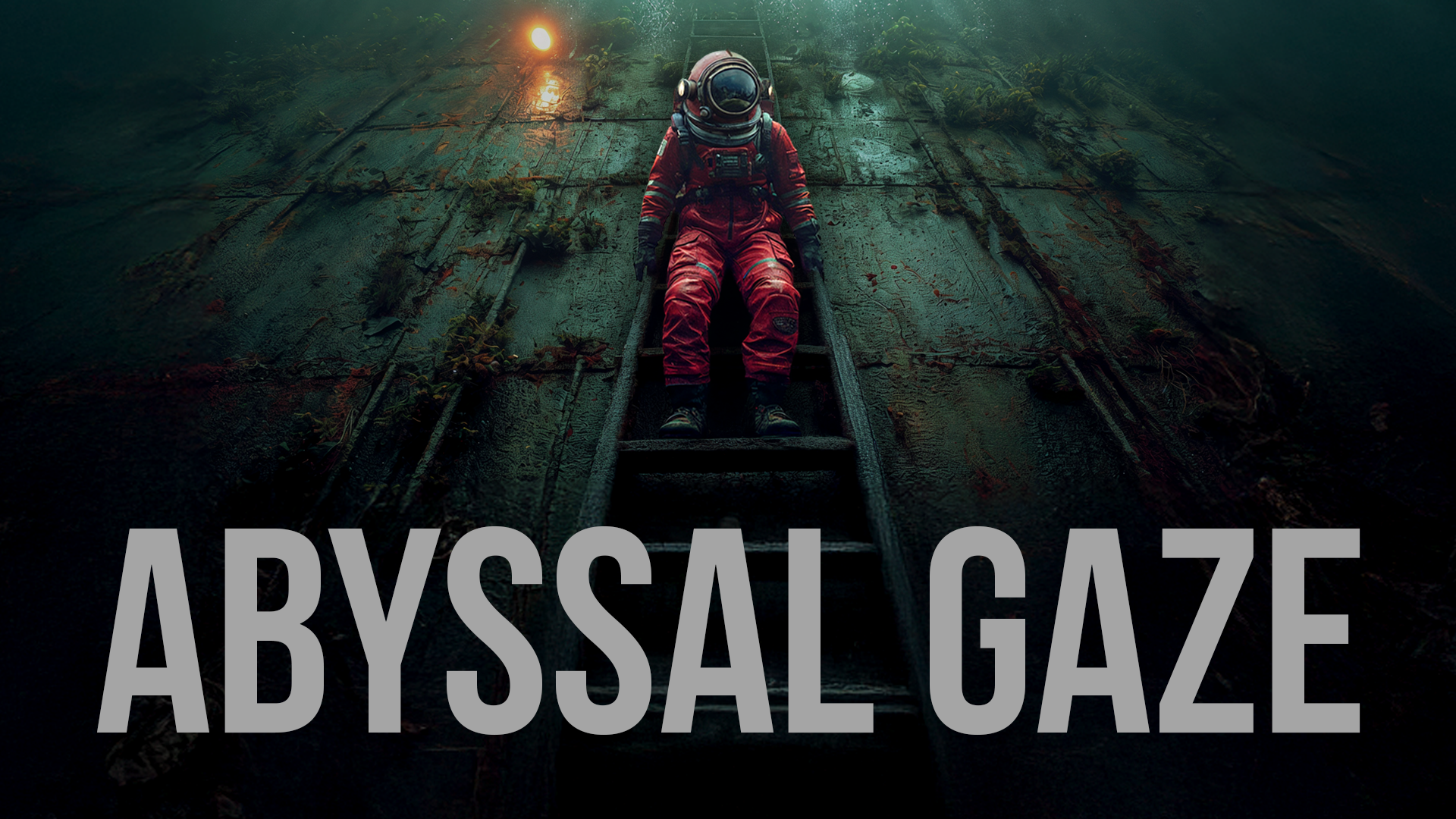
The film immerses the viewer in an alternative oil-punk reality where heavy industry collides with the oppressive silence of the ocean depths. It tells the story of the commander of a deep-sea diving team that maintains a large offshore oil platform. Haunted by memories of a past he cannot forgive himself for, the protagonist faces a new challenge that forces him to confront not only the abyss beneath his feet but the weight of his own conscience.
How We Built It
Tool stack
Image generation: Midjourney (primary), Imagen 4 (refinement), Photoshop (final polish), Runway Reference, Omni Reference, Nana Banana (links).
Video generation: Kling 2.1 & Kling Master (core), Runway, Seedance 1.0 Pro, Pixverse, Veo 3, Wan 2.2, Minimax Hailuo.
Audio: Pro Tools, Avid.
Post-production: DaVinci Resolve (editing, color, final delivery), Nuke (compositing).
Challenges We Faced
Because the topside storyline (above water) unfolds at a steady pace in one time and one location (excluding the flashback), it was crucial to preserve temporal continuity and spatial unity: every shot had to convey the context of the place. My background as a director-editor helped immensely. At times, I used the pars pro toto device—showing a part to imply the whole—to connect shots with sequences and establish the necessary narrative context.
Achievements We’re Proud Of
While making the film, I constantly listened to Zack Hemsey’s music. Then I thought: what stops me from writing to him and asking for a festival license? So I did—and Zack replied. We even exchanged a few messages about cinema and AI. Now the legendary track “See What I’ve Become” is featured in my film (I can provide the license upon request). What’s remarkable is how perfectly the title of his piece resonates with the internal tragedy of my protagonist. Thank you, Zack—you are a wonderful human being. Creativity truly has no borders. I am deeply touched; it means so much to me.
What We Learned
I realized that neural networks are direct co-authors in this process. When they stubbornly interpret a shot in a certain way, you don’t always have to force your own vision. It often makes sense to reinterpret their creativity within your context—and this frequently leads to unexpected discoveries. You shouldn’t try to be a dictatorial director for neural networks. It’s better to work in synthesis and remain flexible.
What’s Next for Abyssal Gaze
I hope this film reaches many wonderful artists and viewers—and I’ll do my best to make that happen. I’m considering a sequel, a spin-off, or another story set in the same alternative universe. In any case, it will depend on how the audience responds. However, next year I plan to let this concept rest for a while. I have many other worlds I want to share through AI.
Built With
- 11labs
- adobe
- adobe-photoshop-sound-design:-pro-tools
- davinci
- hailuo
- imagen
- imagen-4-video-generation:-kling-2.1
- kling-2.1
- kling-master
- midjourney-v7
- minimax-hailuo-post-production:-davinci-resolve-studio-20
- nuke
- pixverse
- pro-tools
- runway
- seedance-1.0-pro
- veo-3
- wan-2.2

Log in or sign up for Devpost to join the conversation.