Inspiration
When our family was searching for homes, financial help was a burden to access especially when eligibility rules, confusing paperwork, and competing expenses stand in the way. These barriers can specifically affect low-income households and underrepresented communities.
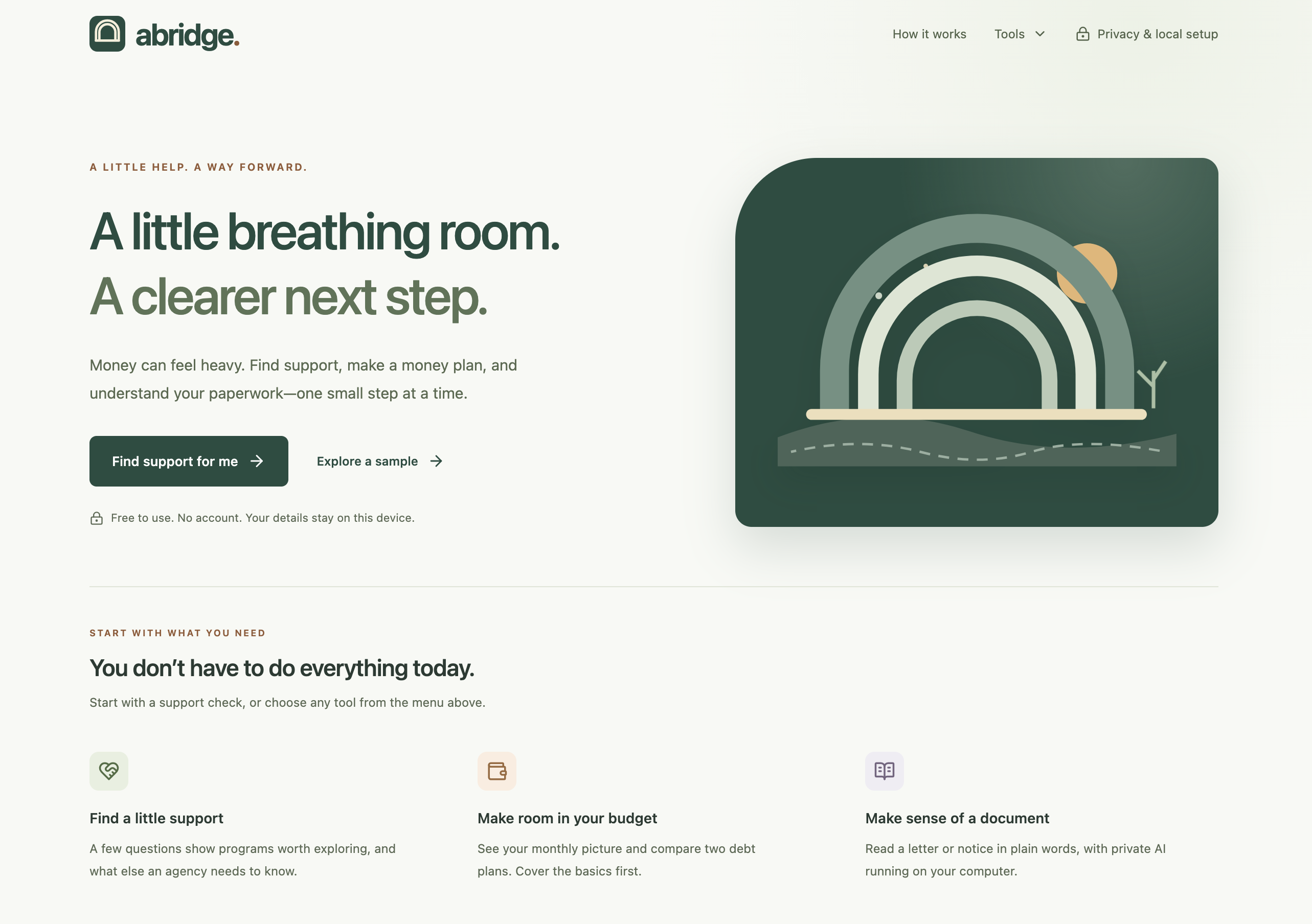
We built Abridge to make the next step easier to understand without requiring people to give up their privacy.
What it does
Abridge brings three tools together:
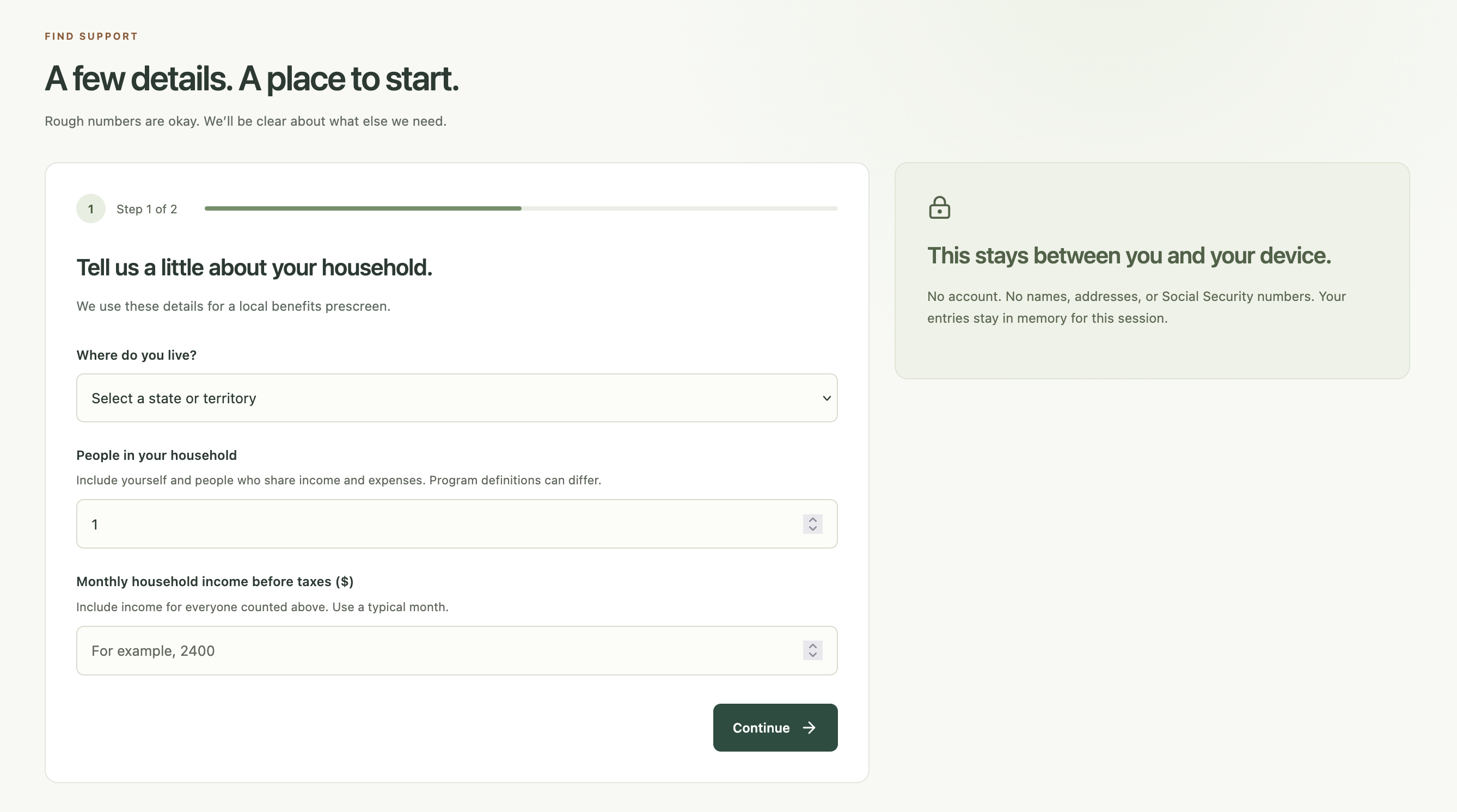
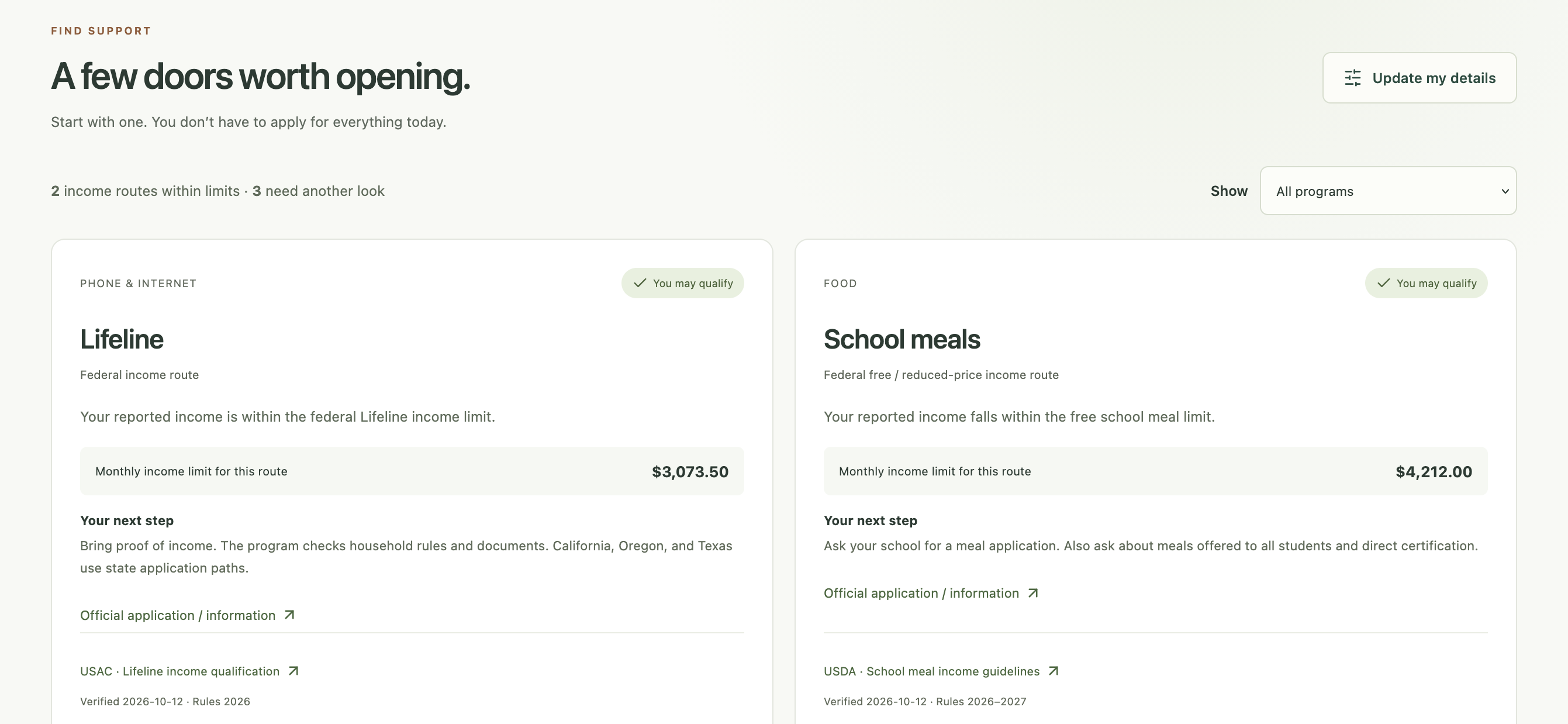
-Explore assistance: Check selected benefit income requirements and see where more information is needed.
-Understand documents: Turn pasted text or uploaded .txt notices into clearer language using AI, highlight requested actions, and compare the explanation with the original.
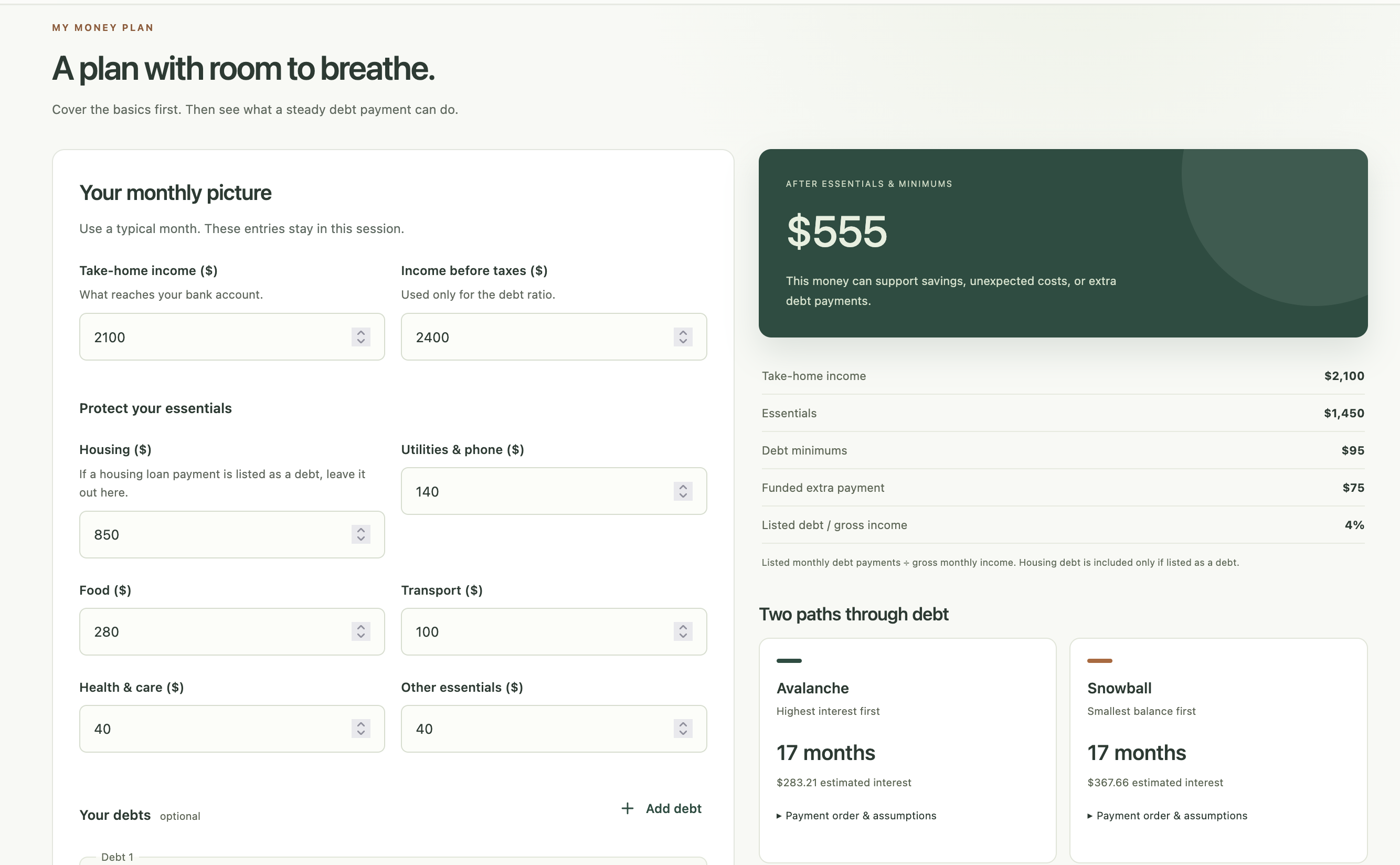
-Plan finances: Build a monthly budget and compare debt repayment strategies.
How we built it
We built the frontend with React, TypeScript, Vite, and Tailwind CSS, and the backend with Python, FastAPI, and Pydantic.
Document explanations run through Gemma 4 E2B, served locally with llama.cpp. Benefit income checks use deterministic calculations based on verified public rules, with PolicyEngine supporting an offline poverty calculation audit.
SQLite FTS5 stores searchable public reference material. Personal financial inputs and documents remain in session memory, and AI requests run locally instead of going to a cloud inference service.
Challenges we ran into
Balancing simpler language with factual accuracy was our biggest AI challenge. Early responses sometimes repeated the original wording. Other responses changed important details, such as whether documents had to be received or merely sent before a deadline.
We added validation for dates, amounts, and critical wording, plus a bounded local correction attempt. If an explanation fails validation, Abridge falls back to the original document.
We also reorganized a crowded interface into a focused welcome screen and separate tools, preserving functionality while reducing visual overload.
Accomplishments that we're proud of
We delivered an integrated application with working benefit checks, budgeting, debt comparisons, and local document explanations.
We verified important user flows through backend tests, browser tests, and real local-model checks. We also made privacy part of the architecture, with no account required and no persistent storage of personal inputs.
What we learned
Useful financial assistance requires clear boundaries between estimates, explanations, and official decisions.
We also learned that readable AI output needs more than a good prompt: validation, original-document comparison, and honest fallbacks matter. Thoughtful interface design can make powerful tools feel more approachable.
What's next for Abridge
We want to expand verified benefit coverage, add PDF text extraction and multilingual explanations, and test the experience with community organizations and people from underrepresented communities.
Their feedback will help us improve accessibility, clarity, and usefulness while preserving local processing and privacy.
Built With
- fastapi
- gemma
- llama.cpp
- playwright
- policyengine
- pydantic
- pytest
- python
- react
- sqlite
- tailwindcss
- typescript
- vite


Log in or sign up for Devpost to join the conversation.