
Problem we aim to solve
The entry barriers for promoting own content are very high for newcomers. It requires either a deep understanding of the market, vitamin B or you must be prominent. Despite the pressure on ones finances it's hard to get the required visibility and feedback that creators need to grow.
How we plan to solve it
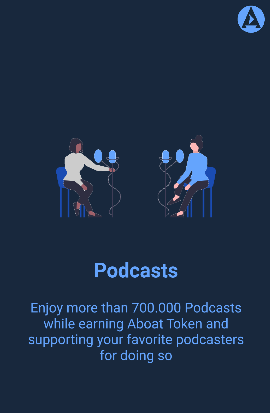
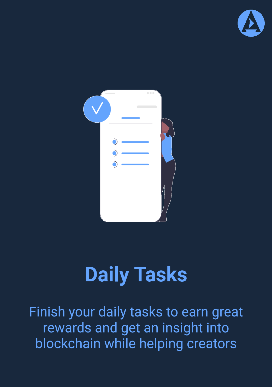
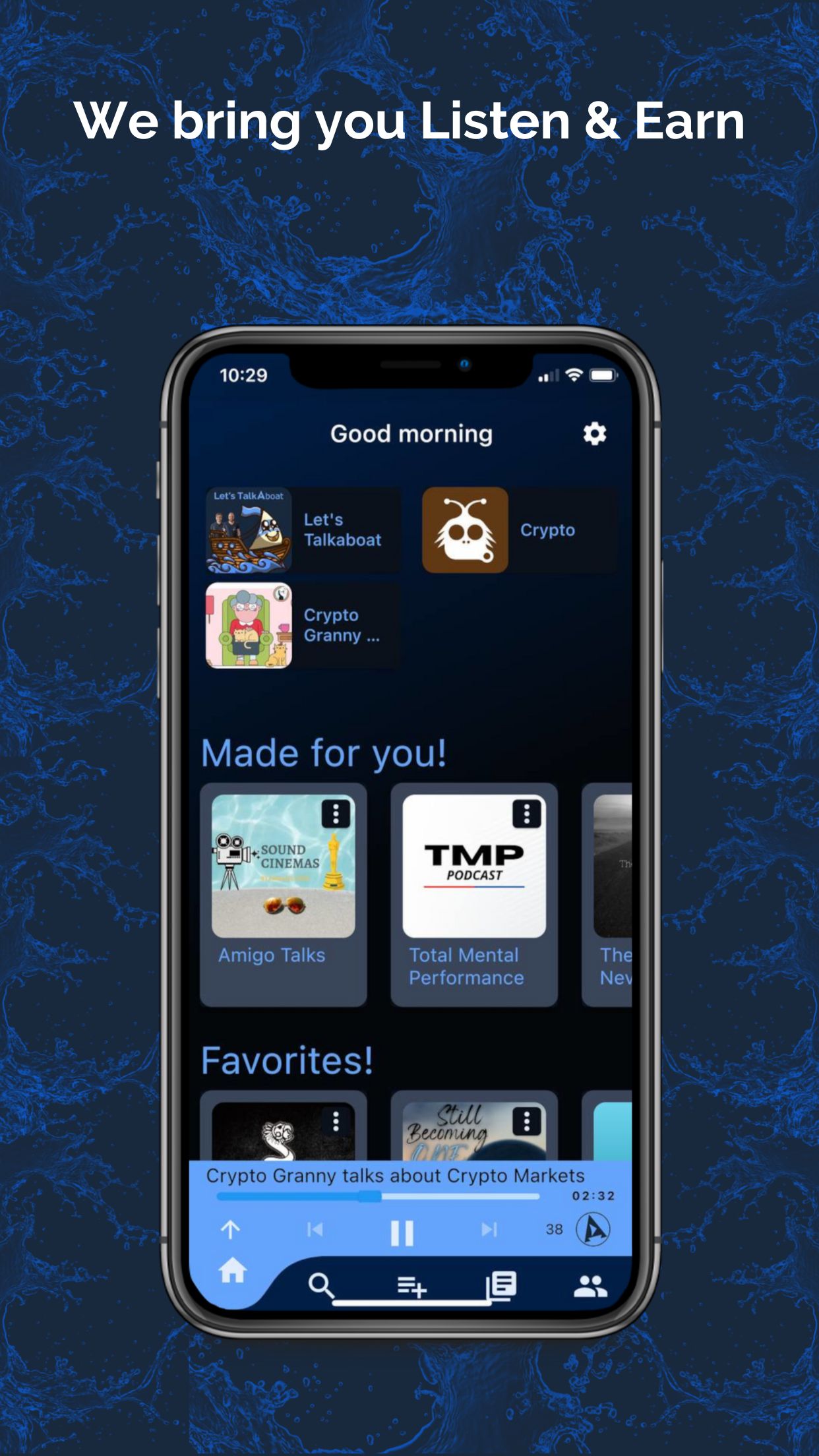
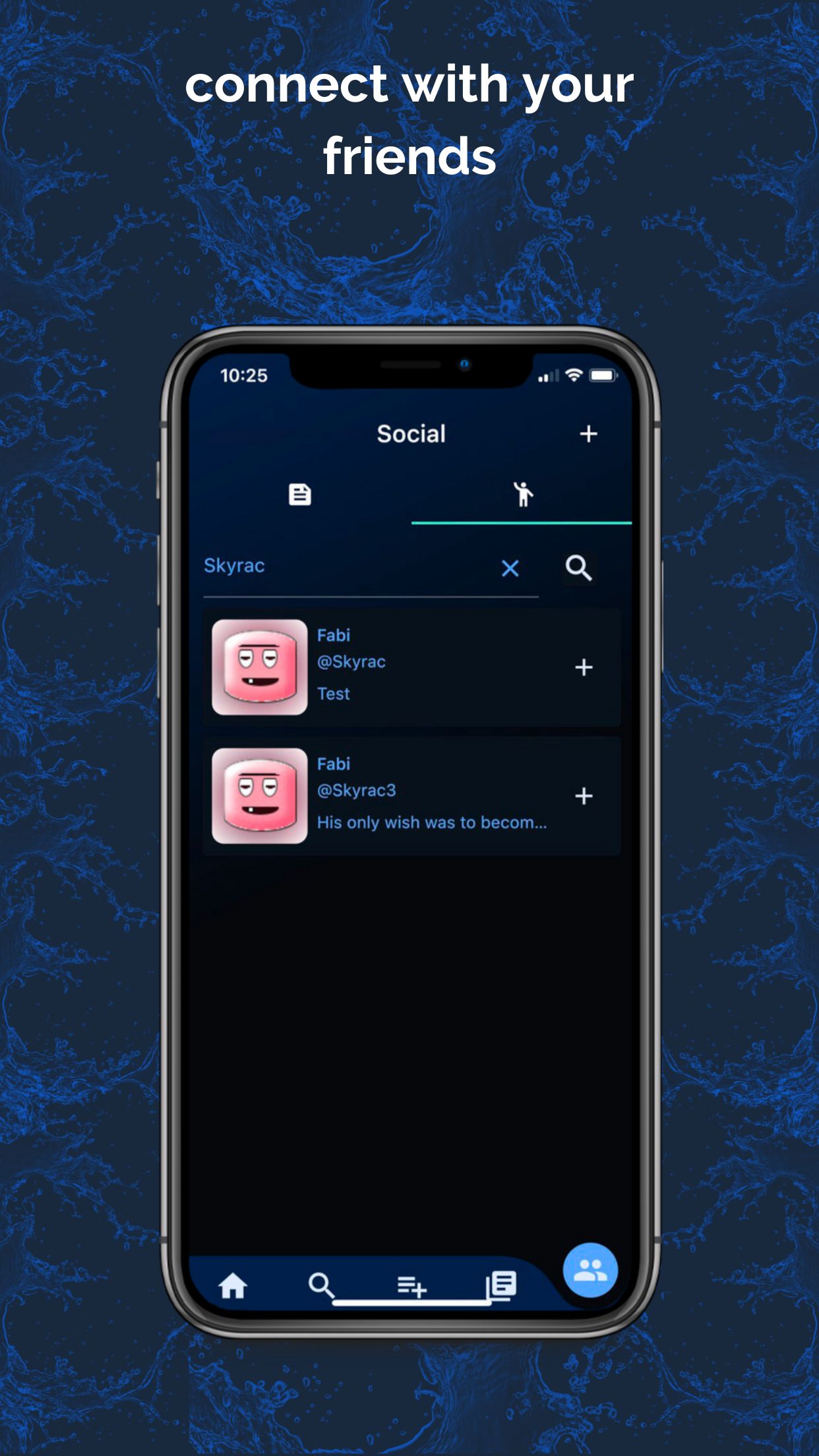
We build features with deeply integrated incentivisation and gamification like our task and ranking system to help new creators overcome the entry barrier and let new users explore, listen and write feedback.
Why our product is unique
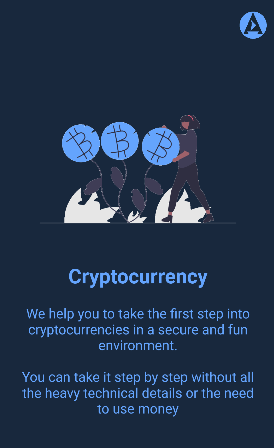
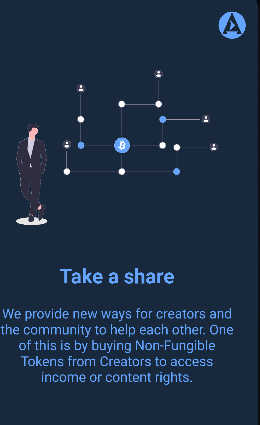
We are the first web3 based company to offer users to become a sort of publisher by buying different kind of content rights (like income rights) which is connected to our reward and monetization system by smart contracts. Also we are exploring ways to onboard new users to web3 in a fun and safe way with deeply integrated gamification features and a fiat-less onboarding to blockchain. The same way we use to create more visibility and feedback for new content creators to help them get over the entry barrier.
Technology Map
- Solidity
- Development of our smart contracts (Token, Farm, Vesting, Reward System).
- .net 6
- Web2 Web-API (Backend) and oracle system to reflect user rewards onchain.
- Angular
- Development of our websites.
- Flutter
- Development of our mobile apps (android & iOS).
- Azure
- Used for hosting servers as it has a smooth integration to .net 6. But we are looking into Web3 based hosting possibilities that can scale up the way we need without the need of long setup/maintenance.
- Firebase
- Used for website hosting, analytics and social logins on website and mobile apps.
Why we build on Polygon
Polygon assists our efforts for onboarding new users into web3 with very low transaction fees and an amazing onchain infrastructure. This helps us by giving more possibilities of exploring different web3 features for our users. Also Polygon is running on EVM which opens the door for multichain integration.
How we built it
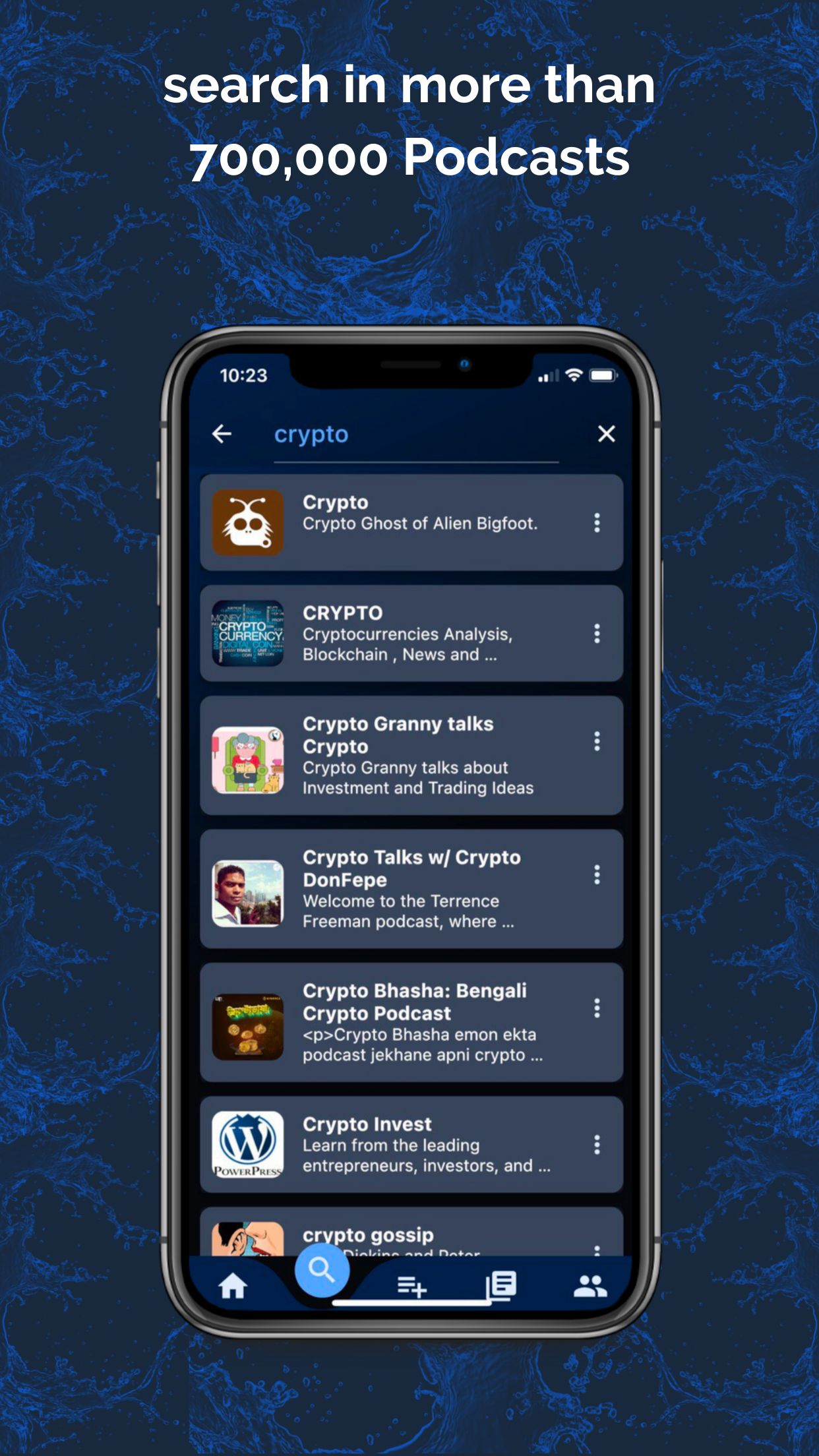
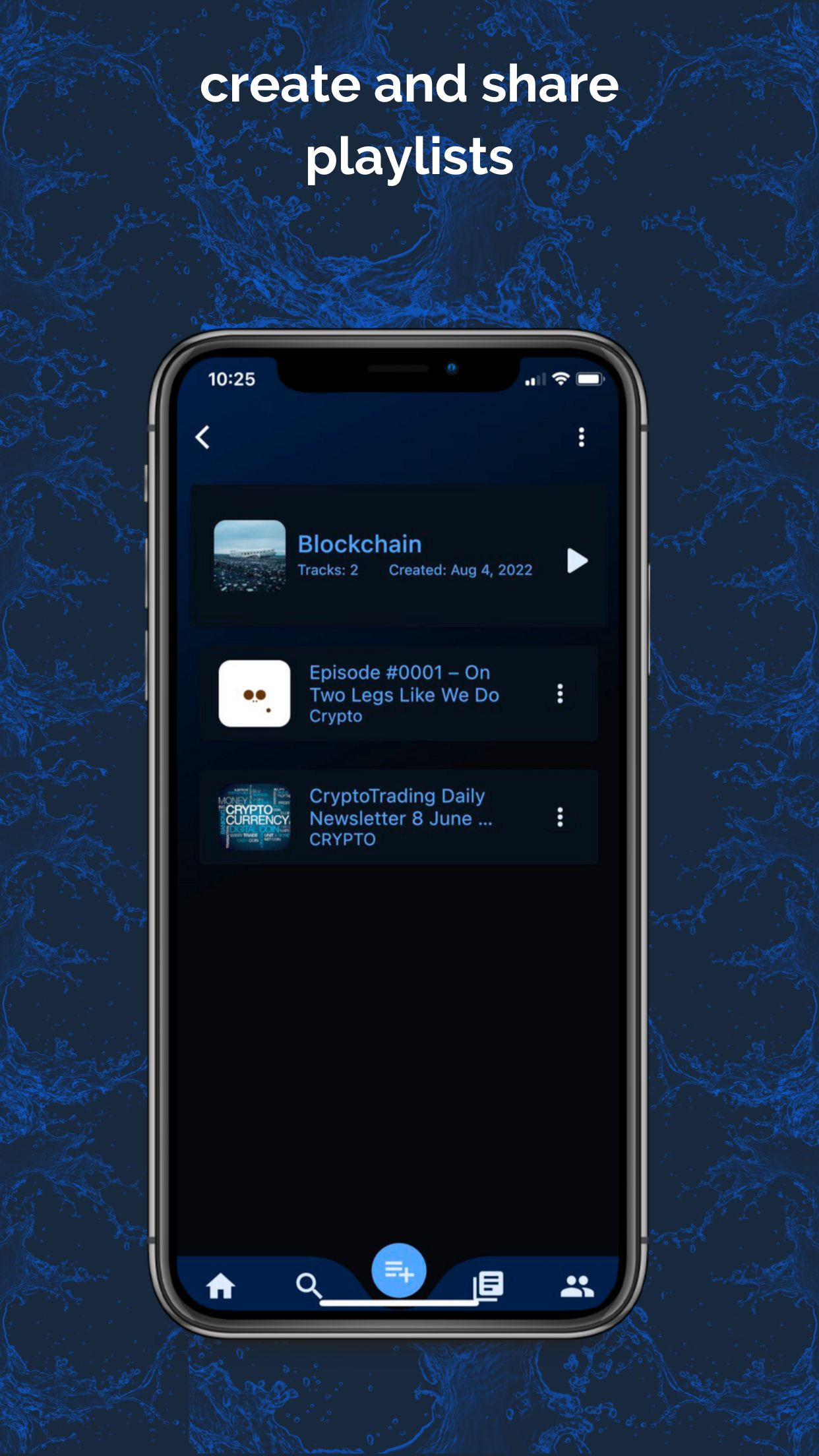
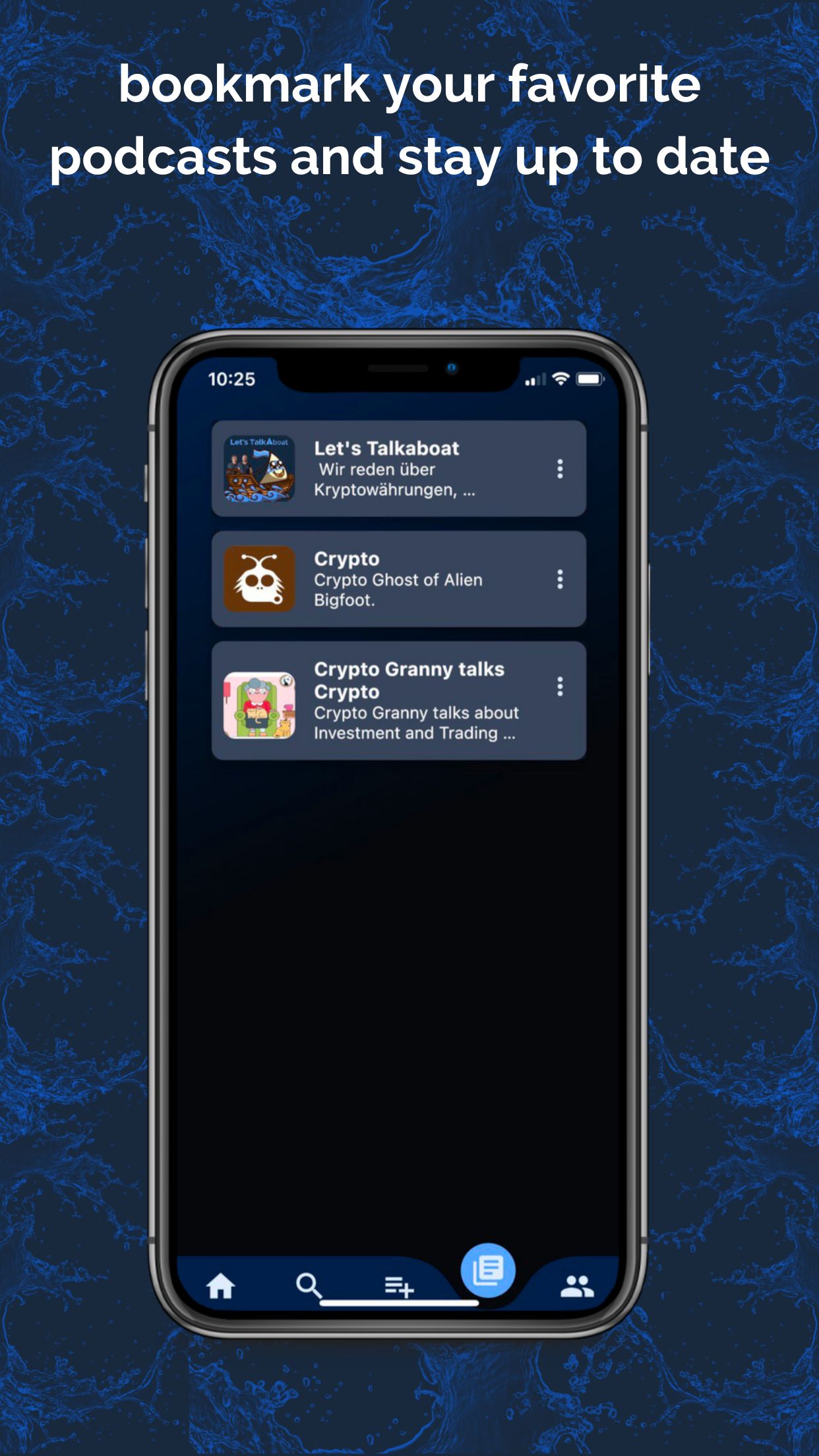
We started by developing a MVP to check whether we can successfully connect web2 with web3 through an self-developed oracle service. This was mandatory to ensure the incentivisation with quests and consuming is reflected to on-chain-data. After this we deployed some basic podcast features like searching and listening and integrated our reward system. Then we developed the subscription model and integrated it to the reward system. Little by little we added more features like a library, playlist, staking and the task system. First we had developed everything on the website only and once we had a running system with most of our MVP core features running, we took the next step and developed a mobile version.
Challenges we ran into
One problem we ran into was the connection between mobile and website. We wanted to make the registration and login as seemless as possible and decided to make it with personal sign web3 function. For mobile we weren't able to develop a fast way (despite private key claiming, which we didn't want to) to use wallet for login and decided to go with social logins (facebook, google, apple) and had to restructure our registration and login process. This was also a benefit because it further decreases the barrier for onboarding into blockchain space. Another difficulty is the synchronisation of data between blockchain and our backend. We built our own (small) oracle system to reflect user rewards onto blockchain. The benefit of this is that we can onboard new users into blockchain space by giving the possibility to receive their rewards as chain-native coin for a small fee which is subtracted when our oracle system processes the transaction. The users don't have to hold any coins or tokens in their wallets to do this.
Accomplishments that we're proud of
We're very happy to have our mobile app alpha out there on google play and apple app store. Also the migration of our system from single chain to multichain was a huge and important step.
What we learned
Code-wise it was a very very steep learning curve. Especially Flutter was completly new to us and it was a tough time to develop the app in given timeframe. It was also very interesting to get deeper insights in how blockchains work when developing in solidity, even though we probably lost some years of life getting crazy over some bugs :)
What's next for Aboat Entertainment | Talkaboat
We have a long road ahead and take it step by step. Currently we are building a bridge between our mobile app and the website as smooth as possible to enable users that come from either one to use the other side without problems. Also we are working on the NFT Marketplace and the legal difficulties that come with content/income rights, as many countries still don't see smart contracts as legal contracts.
Built With
- android-studio
- angular.js
- azure
- dart
- flutter
- remix
- solidity
- visual-studio
- vscode

Log in or sign up for Devpost to join the conversation.