-
Home Page
-
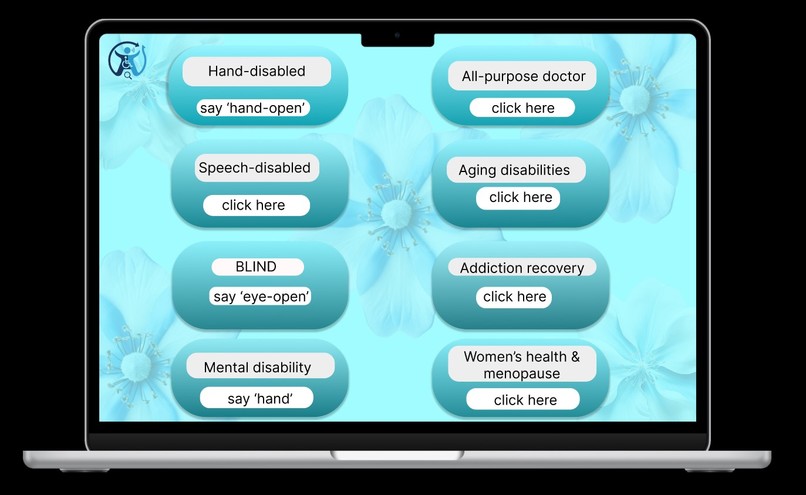
Disability choosing
-
-
-

Inspiration
India has over 500 million people living with physical, mental, or age-related challenges, and many still struggle to access affordable and accessible healthcare. We were inspired by the everyday barriers faced by people with disabilities and the elderly, especially in communication, mobility, and digital access. We wanted to build a solution that treats accessibility not as an add-on, but as the core of healthcare design.
What it does
AbleVerse is an inclusive, AI-powered healthcare platform that adapts to different abilities and needs.
It supports users through:
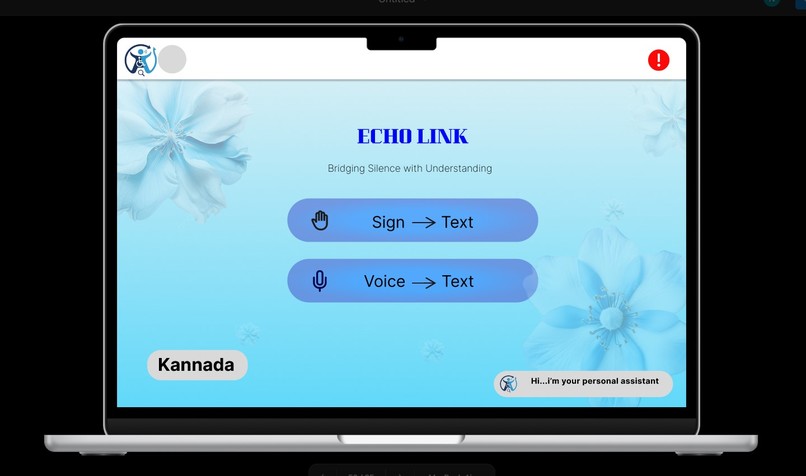
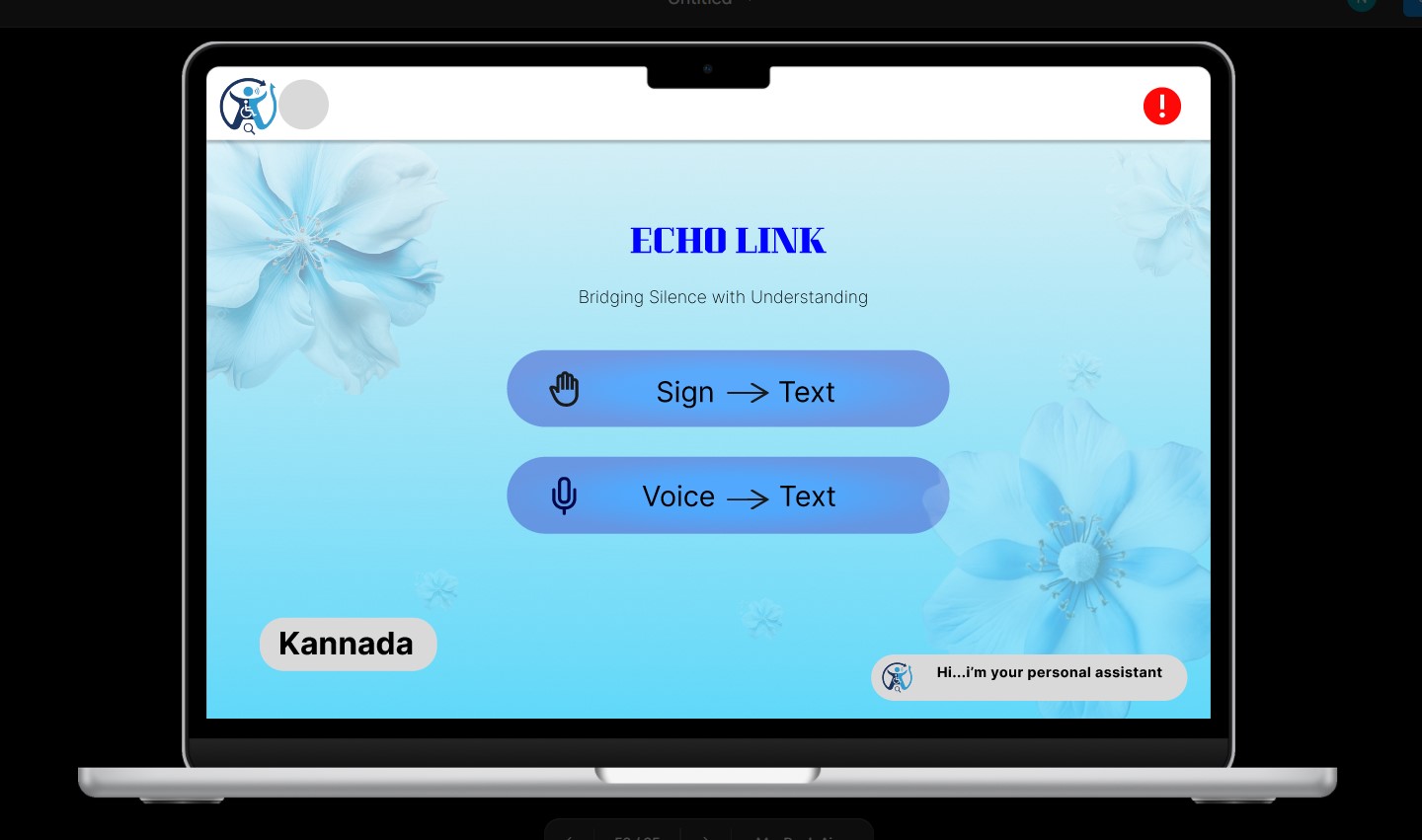
- Voice, text, gesture, and sign-based interaction
- AI-driven symptom analysis
- Instant doctor connectivity
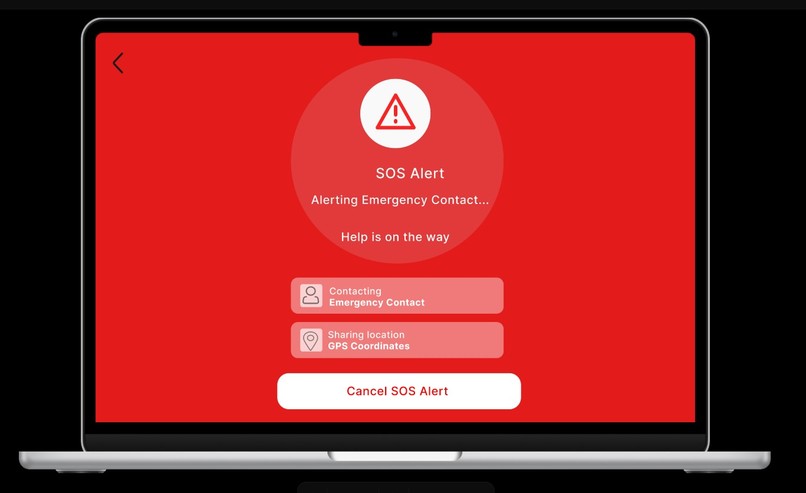
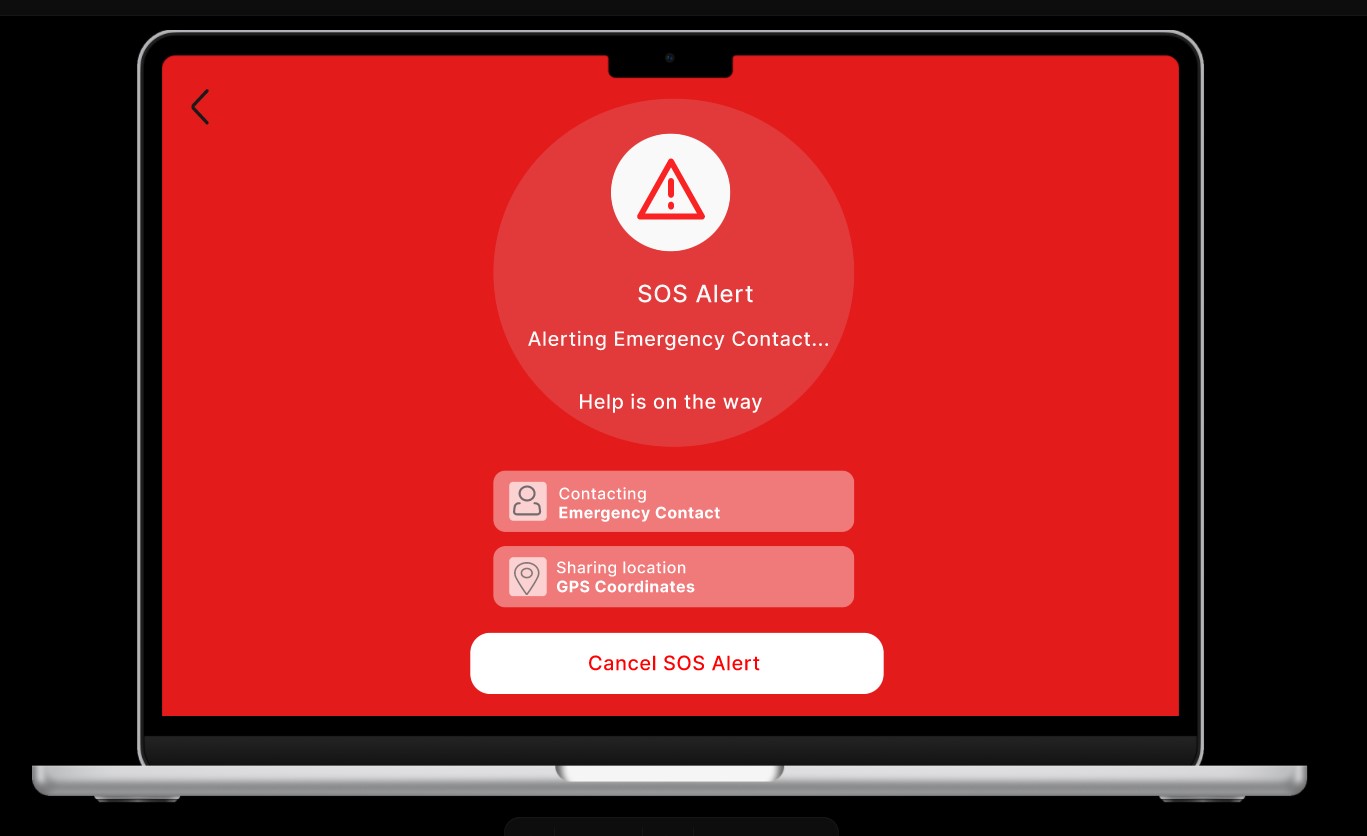
- SOS emergency alerts with live location sharing
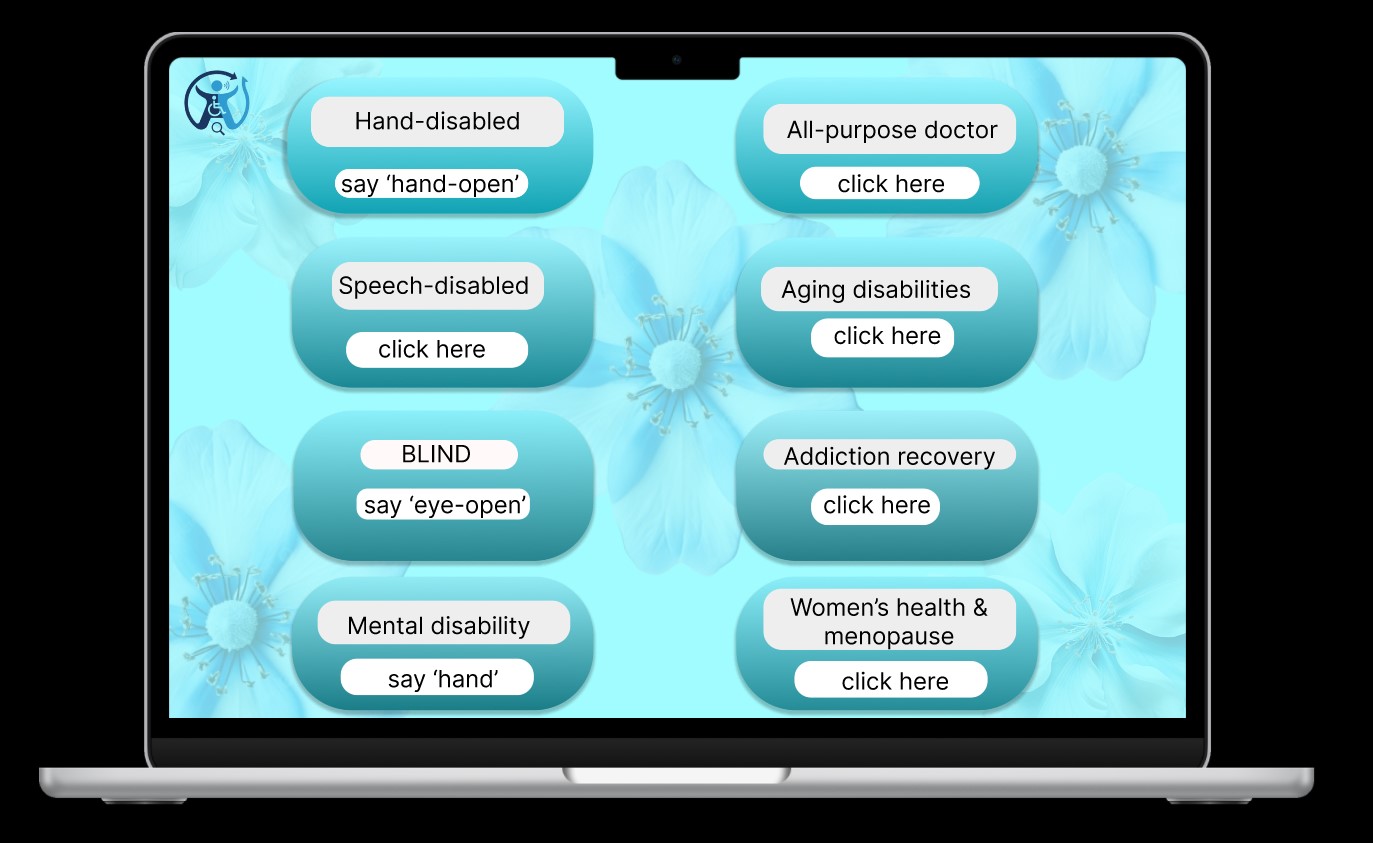
- Personalized accessibility modes for different disabilities
It focuses on 8 key domains:
- Hand Disability
- Mental Health
- Visual Impairment
- Speech Disability
- Deafness
- Aging Disability
- Addiction Recovery
- Menopause Support
How we built it
- Designed a complete UI/UX prototype in Figma
- Created accessibility-first layouts with large touch targets and high contrast
- Built modular flows for sign-to-text, voice-to-text, SOS, and doctor connectivity
- Followed design thinking methodology: research → ideation → wireframing → prototyping → testing
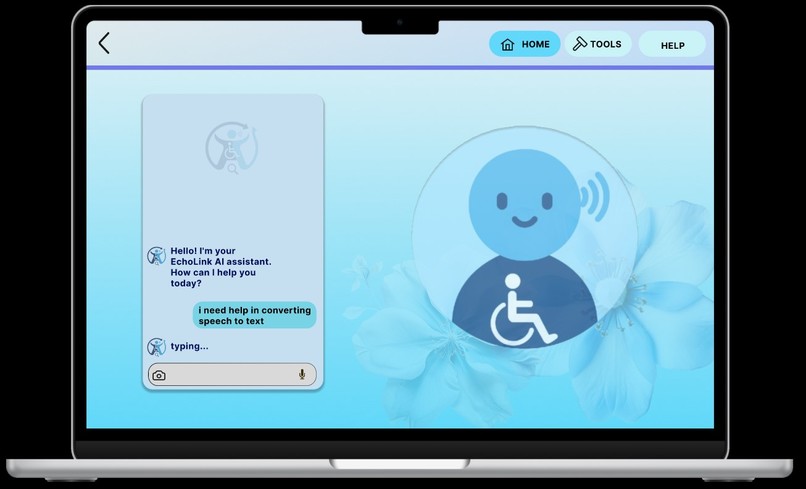
- Designed chatbot assistance and emergency handling interaction flows
Challenges we ran into
- Designing a single interface that works across multiple disabilities
- Balancing simplicity for elderly users with advanced AI features
- Representing complex healthcare processes clearly in a prototype
- Making emergency features fast, intuitive, and stress-free
- Maintaining accessibility without overloading the UI
Accomplishments that we're proud of
- Built a healthcare design that is accessibility-first and disability-inclusive
- Created a multi-modal interaction system (voice, sign, text, gesture)
- Designed a complete SOS and emergency response flow
What we learned
- Accessibility must be embedded from the beginning, not added later
- Empathy-driven design leads to meaningful solutions
- Collaboration and communication are as important as technical skills
- Small design choices can significantly impact user independence
- Inclusive technology has massive real-world impact and demand
What's next for AbleVerse
- Integrating real AI models for sign recognition and speech processing
- Adding emotion sensing and posture monitoring
- Connecting with IoT wearables for preventive healthcare
- Expanding offline functionality for rural and low-connectivity regions
- Partnering with healthcare institutions and NGOs
- Scaling AbleVerse into a complete accessible digital healthcare ecosystem
Built With
- figma


Log in or sign up for Devpost to join the conversation.