Inspiration-The idea for ABLE came from noticing how difficult it is for many people to use normal voice assistants and apps. Most systems don’t understand stuttering and depend heavily on screens. We saw that partially blind users and people who struggle with speech are often left out, even though they are capable and talented. This made us want to create something that truly listens and supports them in a respectful way.
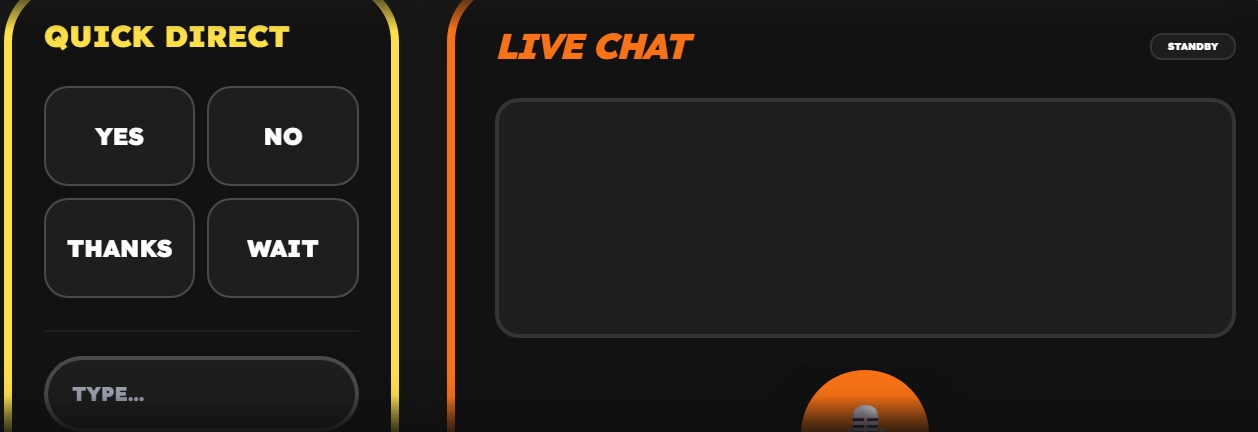
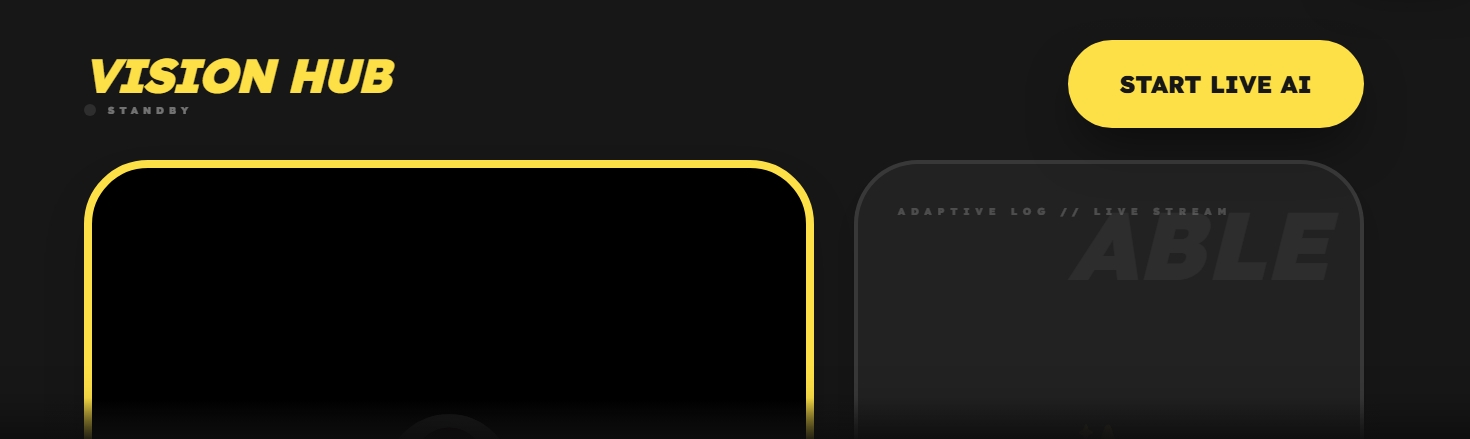
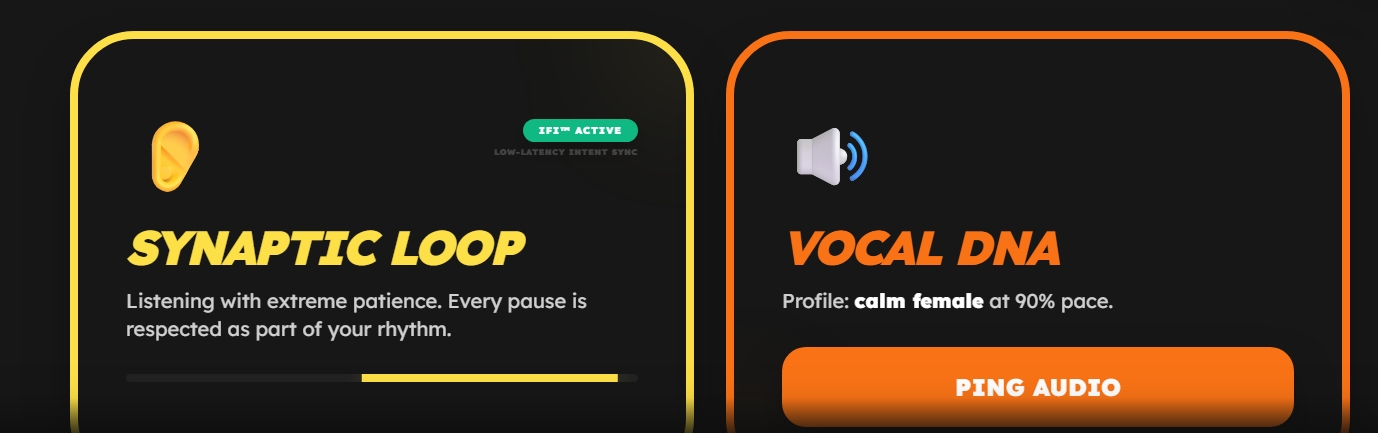
What it does-ABLE helps users in many daily situations. It listens patiently, even when someone speaks with pauses or repeats words. It uses a camera to read text, signs, and books, and explains what is around the user. It works mainly through voice, so users don’t have to depend on screens. It also has a “speak-for-me” feature that speaks clearly for users when they feel uncomfortable talking. Users can choose a calm male or female voice and use ABLE in different languages.
How we built it-We built ABLE around a system called Personal Accessibility DNA, which learns how each user prefers to interact. We worked on making speech recognition slow and patient instead of fast and strict. We connected camera-based AI for visual help and combined it with text-to-speech and speech-to-text systems. We also designed a humanoid-style robot concept to make ABLE feel more friendly and trustworthy.
Challenges we ran into-One of our biggest challenges was making the AI understand stuttering properly without cutting users off. Another challenge was designing the system in a way that feels supportive but not controlling. We also had to make sure the interface stayed simple while still offering powerful features.
Accomplishments that we're proud of-We are proud that we created a system that listens patiently and understands intent instead of judging speech. We are also proud of building a strong voice-first experience for partially blind users. Designing ABLE as a confidence-building companion instead of a medical tool is one of our biggest achievements.
What we learned-Through this project, we learned that accessibility should be part of the design from the beginning. We also learned that emotional comfort is just as important as technical accuracy. Most importantly, we learned that good technology should respect users and adapt to them.
What's next for ABLE-In the future, we want to build a working humanoid prototype of ABLE and test it with real users. We plan to improve its vision system, add more languages, and make voice interaction even more natural. We also hope to collaborate with schools and accessibility organizations to bring ABLE to more people.

Log in or sign up for Devpost to join the conversation.