-
-
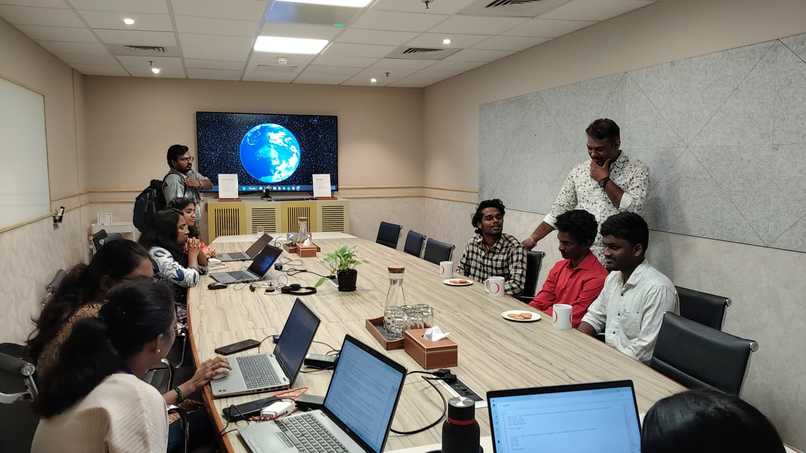
Cross-functional Ability Bazaar team collaborating with disability-led testers and creators.
-
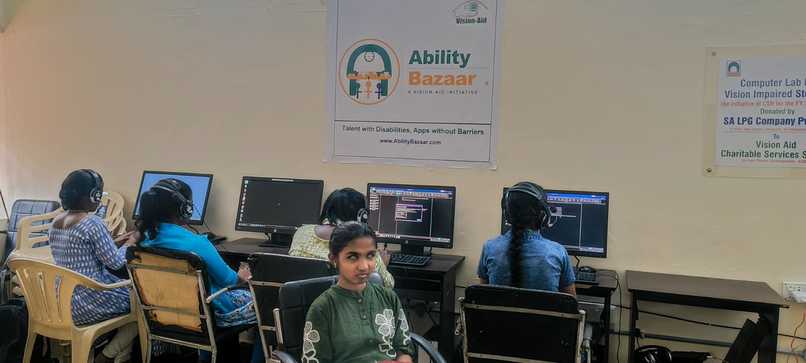
Vision-Aid learners build digital skills at an Ability Bazaar center in India.
-
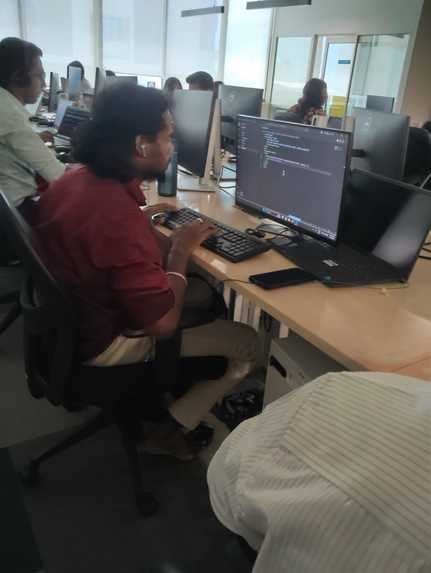
Visually impaired professionals working with code and assistive technology.
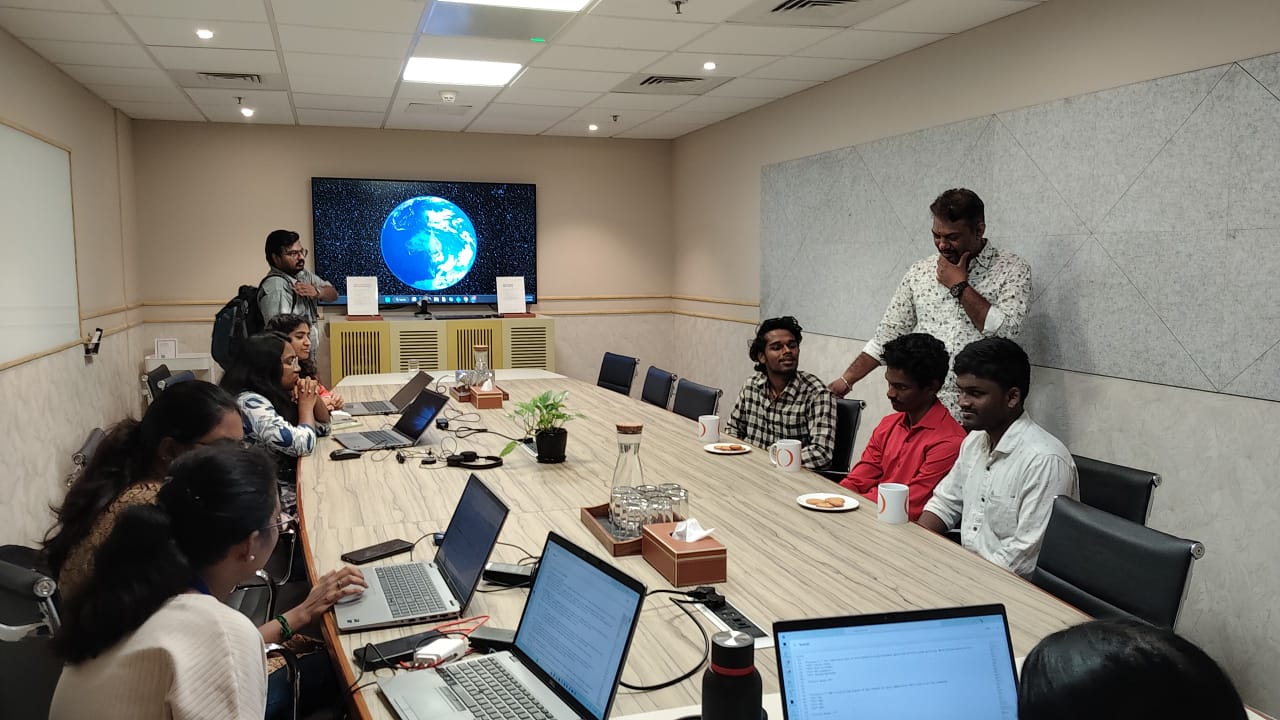
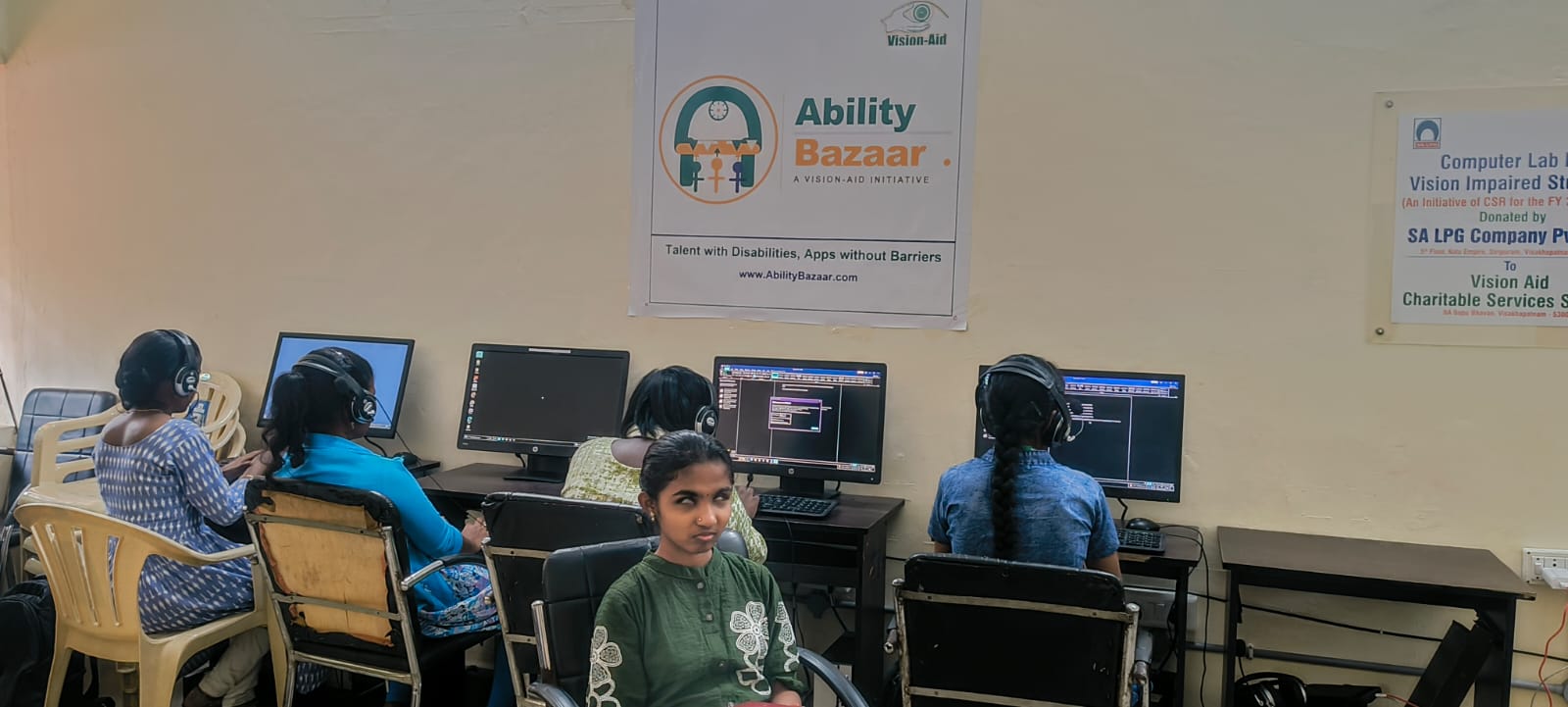
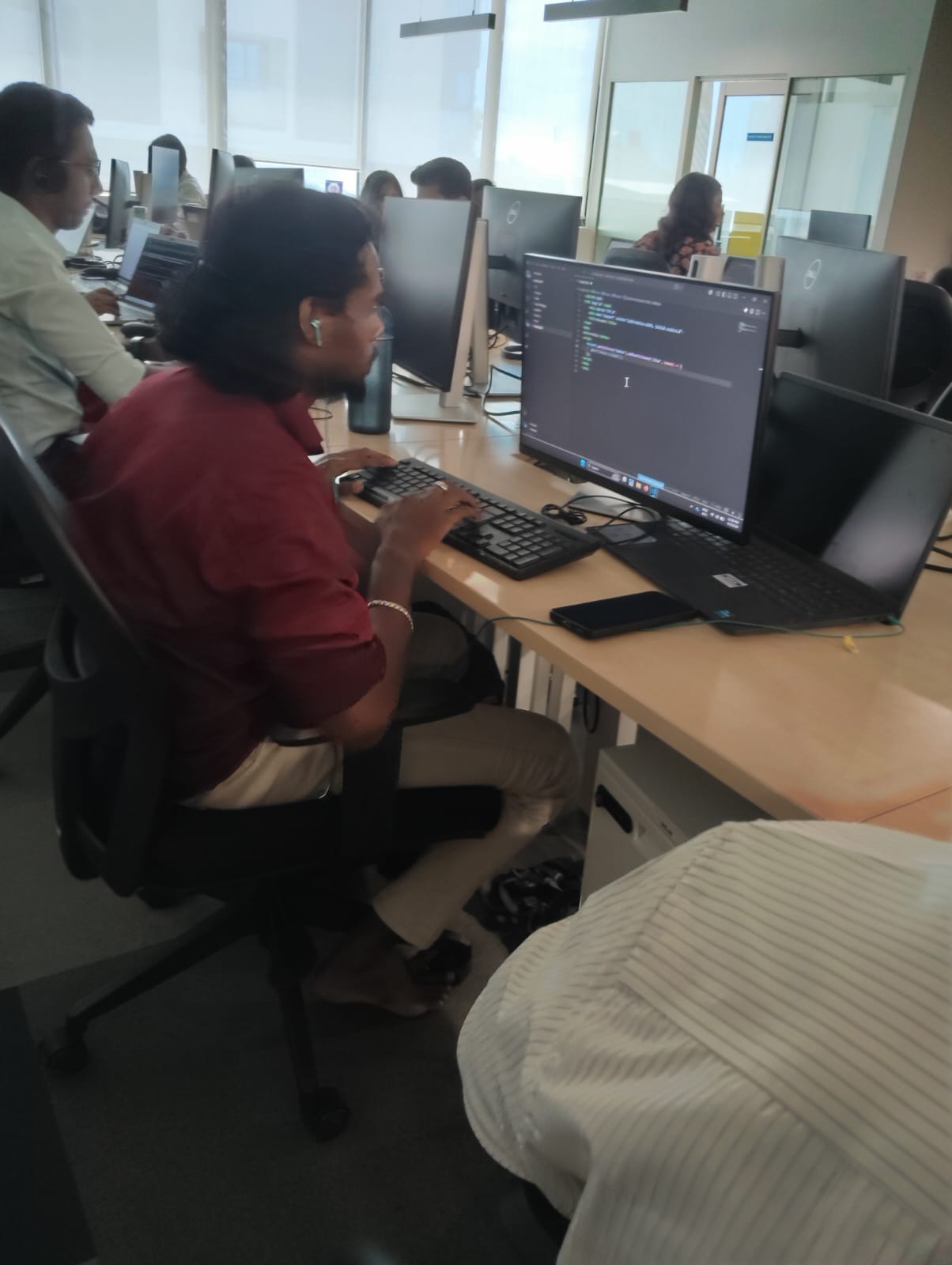
Ability Bazaar - Talent with Disabilities. Apps Without Barriers.
Inspiration
More than 1.3 billion people - about 16% of humanity - live with significant disability, according to the World Health Organization. Yet the WebAIM Million 2026 analysis found automatically detected WCAG failures on 95.9% of leading home pages. ILO research across lower- and middle-income countries has estimated that disability exclusion can cost economies 3% to 7% of GDP.
These are usually treated as two separate problems: inaccessible technology and limited economic opportunity. Ability Bazaar joins them into one market. Customer demand for accessible digital products becomes paid work, practical experience and entrepreneurial pathways for people with disabilities.
Vision-Aid has worked with people who are blind or have low vision for more than two decades. We created Ability Bazaar on June 3, 2026 and brought it online in July 2026, combining that trusted network with an AI-native operating platform that can scale beyond a traditional volunteer program.
What it does
Ability Bazaar is a live marketplace for:
- Accessibility audits: a $199 automated multi-page scan plus limited manual review by an accessibility expert with a disability; deeper human and assistive-technology reviews are quoted separately.
- Accessible websites: simple static sites from $500 and complex dynamic sites from $1,000.
- AI App Builder: creators describe an unmet need; Gemini structures the request, drafts an accessible mini-app and prepares it for lived-experience review. Nothing is released to the creator until a human reviewer approves it.
- Training sponsorships: customers fund defined student-training engagements that build the future creator and tester pipeline.
Customers can request quotes, pay by PayPal, credit card through PayPal, or check, receive reference numbers and confirmations, and move through a tracked fulfillment workflow.
Why Gemini is central
Gemini is not a chatbot added to a marketplace. It is the coordination layer.
Gemini agents classify needs, draft scopes and quote bands, create expert test plans, turn natural-language requirements into accessible app drafts, package validation material and summarize operational impact. Deterministic code remains authoritative for prices, payment capture and workflow state. People with disabilities provide the lived-experience judgment AI cannot: testing with screen readers, reviewing practical usability and approving customer-facing work.
This division removes repeat administrative handoffs and makes a small cross-functional team operate with the leverage of a larger one. It also preserves more of each engagement's economic value for disabled creators and testers instead of spending it on coordination overhead.
The production ledger currently contains 167 workflow events, including 50 completed Gemini model actions, 17 logged audit runs, 8 App Builder drafts and 4 creator registrations. Failed attempts remain visible in the log rather than being erased.
How we built it
The production service is a Python/Flask application on Google Cloud Run with Cloud Firestore for orders, inquiries, drafts, creator records and agent logs. Gemini powers the AI stages. axe-core and browser automation collect accessibility evidence. PayPal Orders API verifies online captures. Scheduled jobs run the impact monitor twice daily. Administrative and reviewer routes are protected, customer data is minimized, and payment authority never passes to an LLM.
The cross-functional all-volunteer team brings together Vision-Aid USA, Vision-Aid India, people with disabilities, accessibility specialists, software and AI volunteers, and students and faculty connected with Harvard University and Georgia Tech.
Real market evidence
The live ledger through August 12 records nine paid transactions totaling $7,596: $2,296 in accessibility and website services and $5,300 in two defined training-sponsorship engagements. The seven online transactions were matched to completed PayPal captures; the two check transactions are identified separately in our evidence. We report $0 related-party revenue based on the owner attestation and preserved correction records.
Customers include Market Data Group, Minuteman Senior Services, Creda Health, Keen Labs Operations, EnglishHelper and Pristine Infotech, plus an individual website customer and two training sponsors. Two additional qualified organizations are in the custom-audit pipeline. We exclude unpaid checkouts, test records and unconverted inquiries from revenue.
All acquisition to date has been organic: direct outreach through Vision-Aid's network, referrals and earned media in India New England News and Lokvani. This is early traction, not proof of a mature business - but it validates that real customers will pay for the first offers.
Business model and path to scale
Our paid funnel starts with a transparent $199 audit, expands into custom human testing and remediation, and can lead to accessible site or app builds. The next retention layer is recurring monitoring, regression testing and periodic lived-experience review. Training sponsorships expand delivery capacity while creators build portfolios and income.
The theory of change is direct: customer demand -> Gemini-coordinated work -> paid human validation and delivery -> better digital access, stronger portfolios and repeat demand. We will measure paid assignments to people with disabilities, earnings distributed, validated apps, customers served, barriers found and resolved, repeat purchases and delivery time.
Challenges and learning
The hardest part was not generating text; it was designing trustworthy boundaries. We learned to keep payment verification deterministic, require human approval before delivery, preserve corrections and failed model calls, and separate completed revenue from inquiries. We also learned that customers value a clear entry price but need an easy route to deeper expert review.
What's next
Over the next 90 days we will complete the current paid work, publish customer-approved outcomes, document paid assignments and earnings to disabled testers, recruit the first 5-10 disability-led creators, convert qualified custom-audit leads, and pilot recurring accessibility monitoring. India is the starting point because of Vision-Aid's reach and the scale of unmet need; both the services and platform are designed to expand globally.
Ability Bazaar does not ask customers to choose between business value and inclusion. Every order can make a digital product more accessible while creating a pathway to dignified, skilled work.


Log in or sign up for Devpost to join the conversation.