
Inspiration
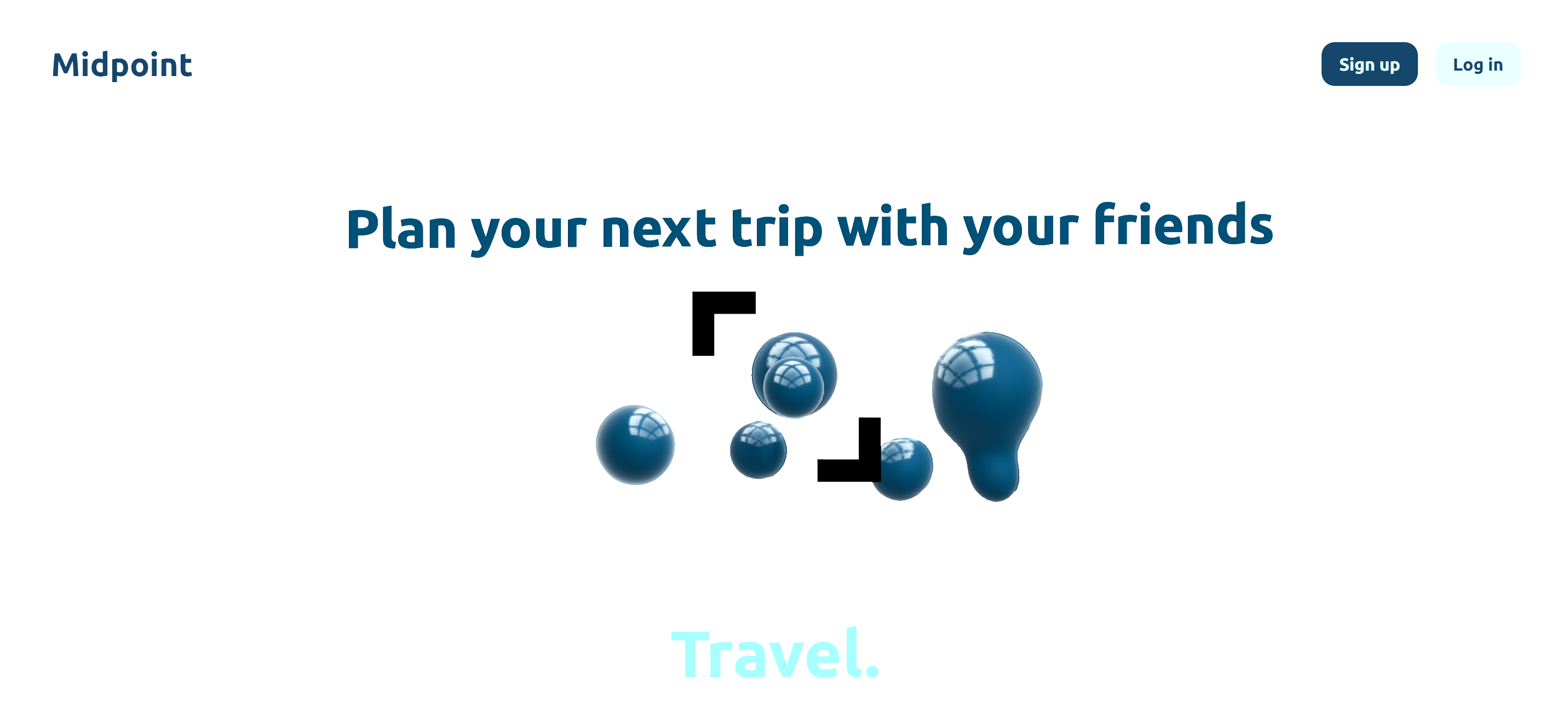
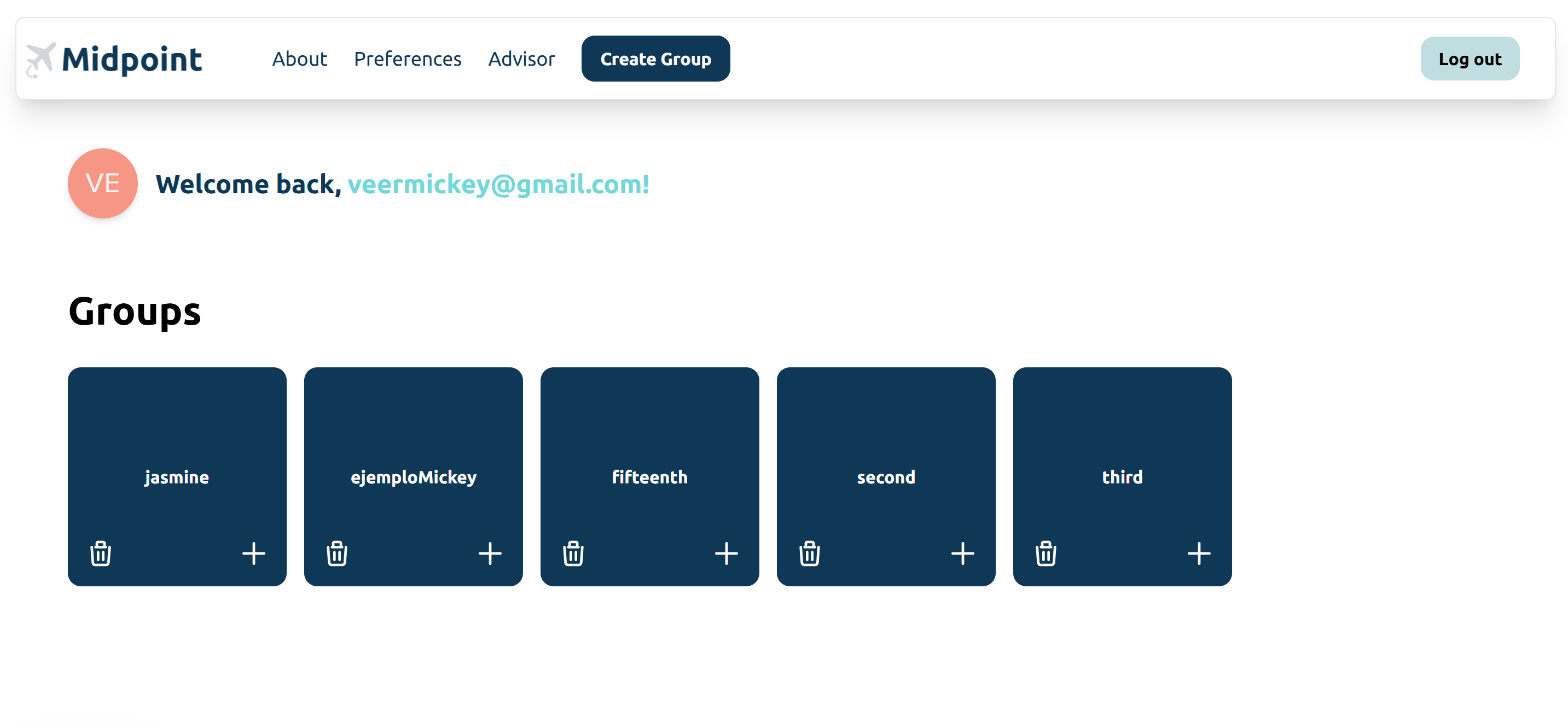
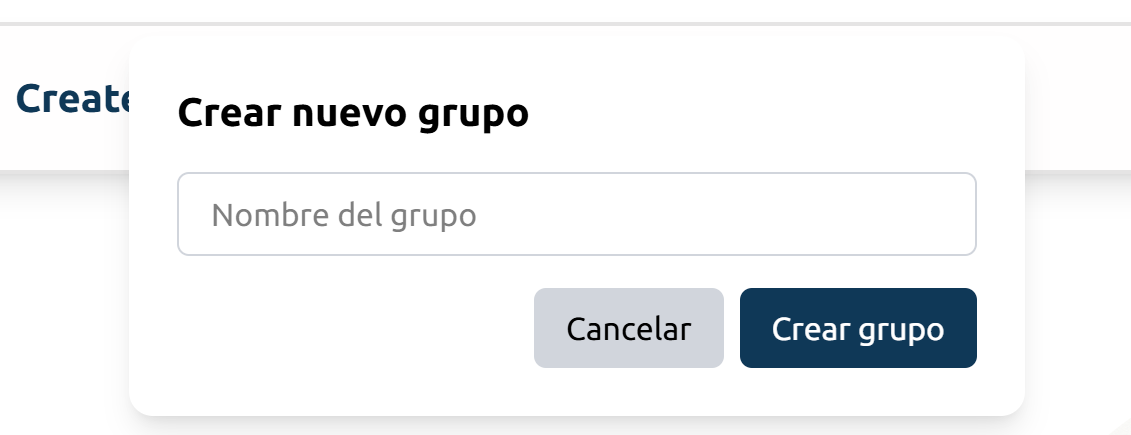
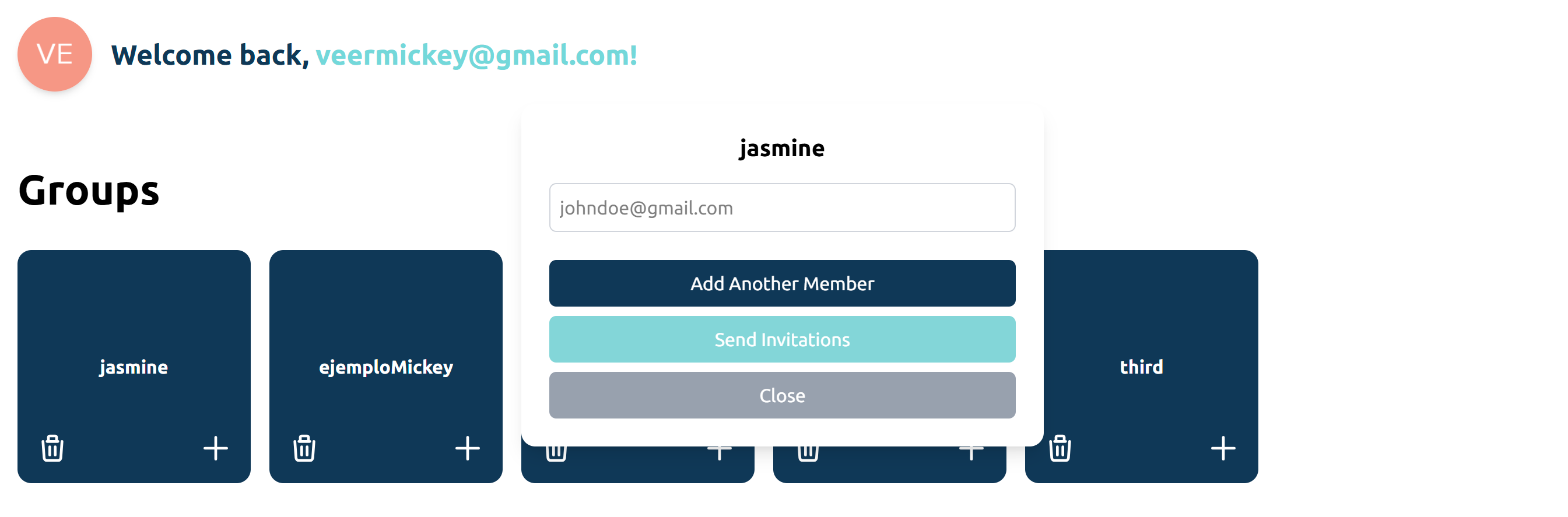
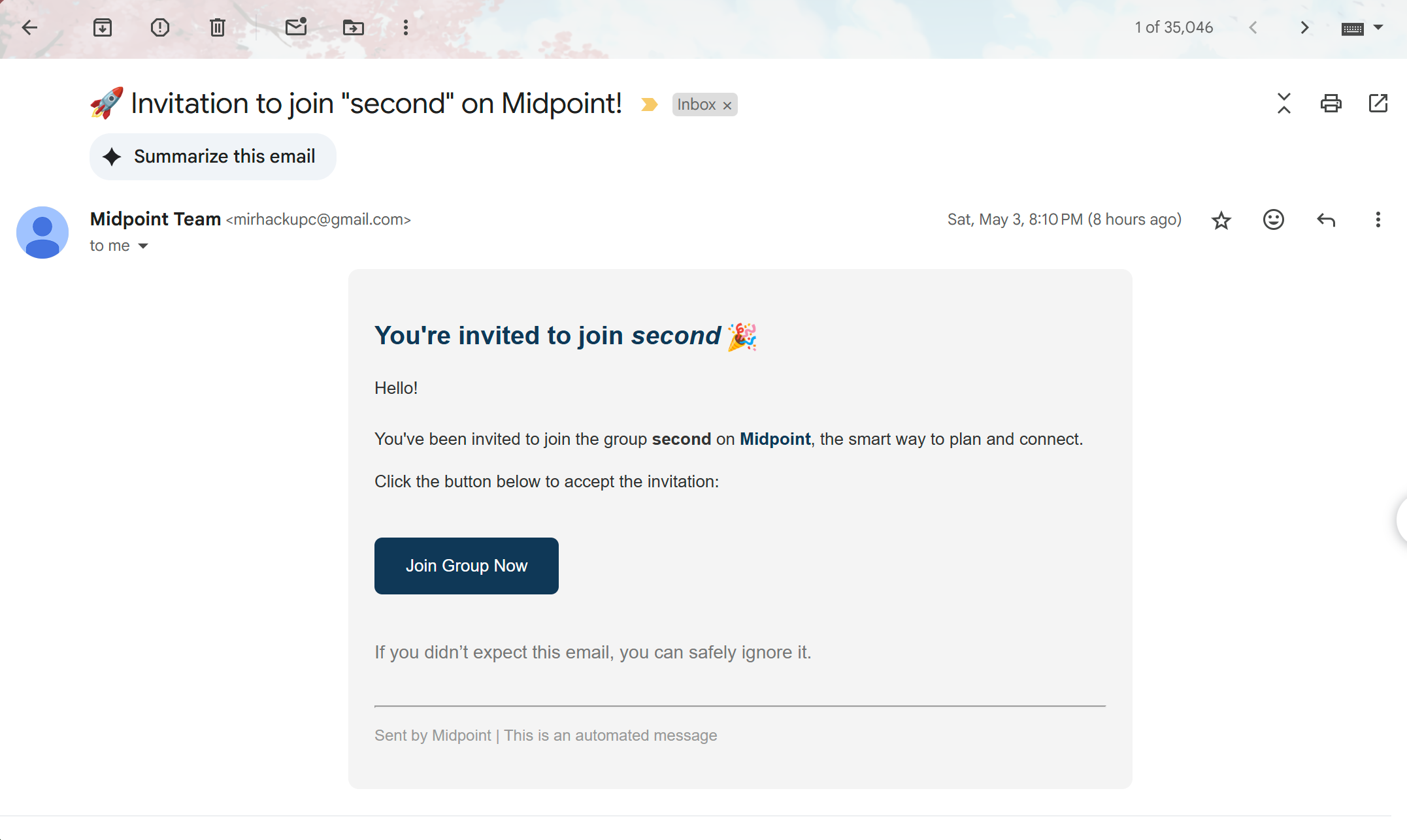
The inspiration for creating this app came from the need to make group travel planning easier and more fun. Friends often struggle to coordinate their preferences and keep track of shared expenses. This app helps bring everything together — interests, itineraries, activities — so everyone can enjoy the trip without the stress.
What it does
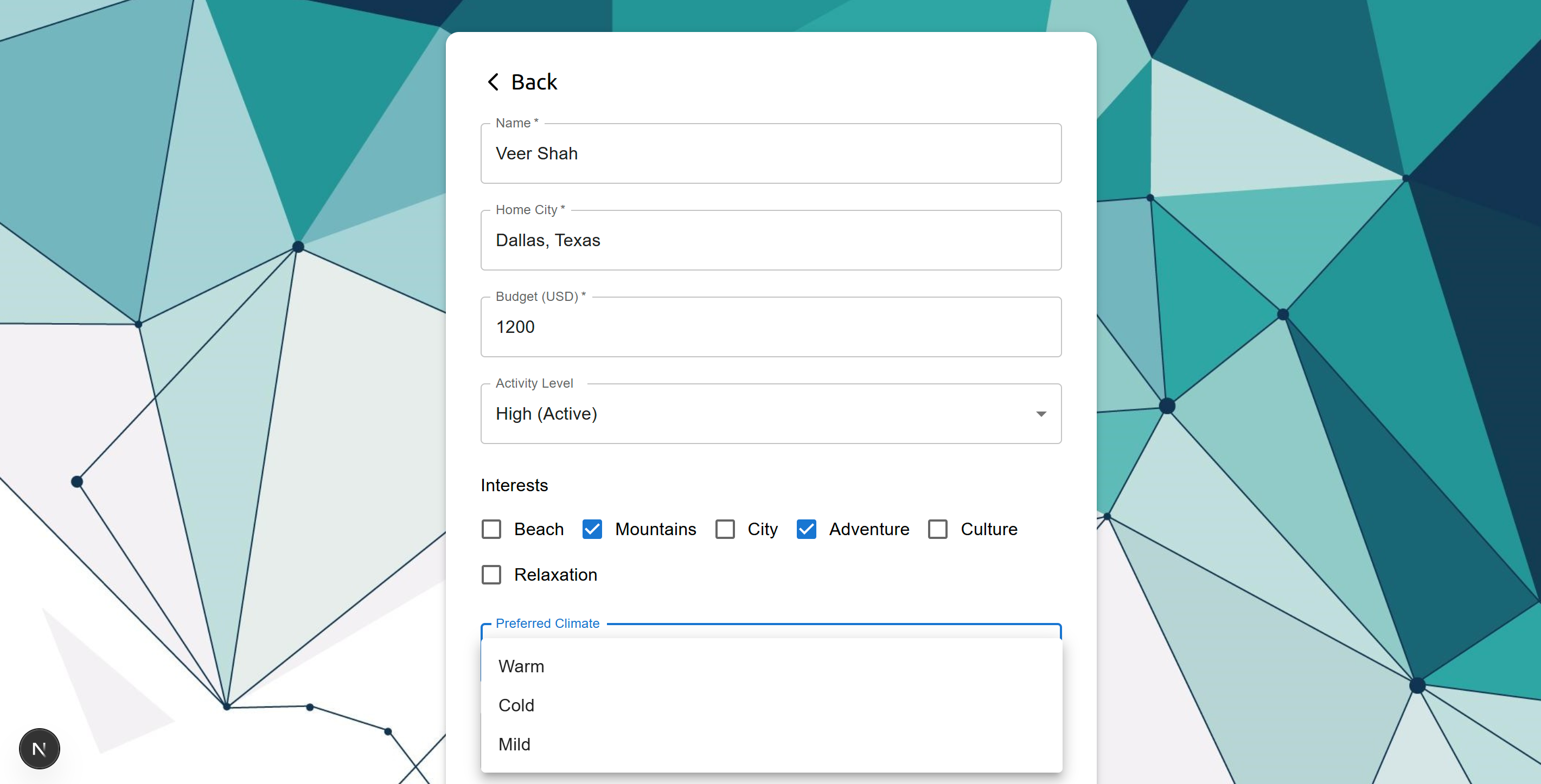
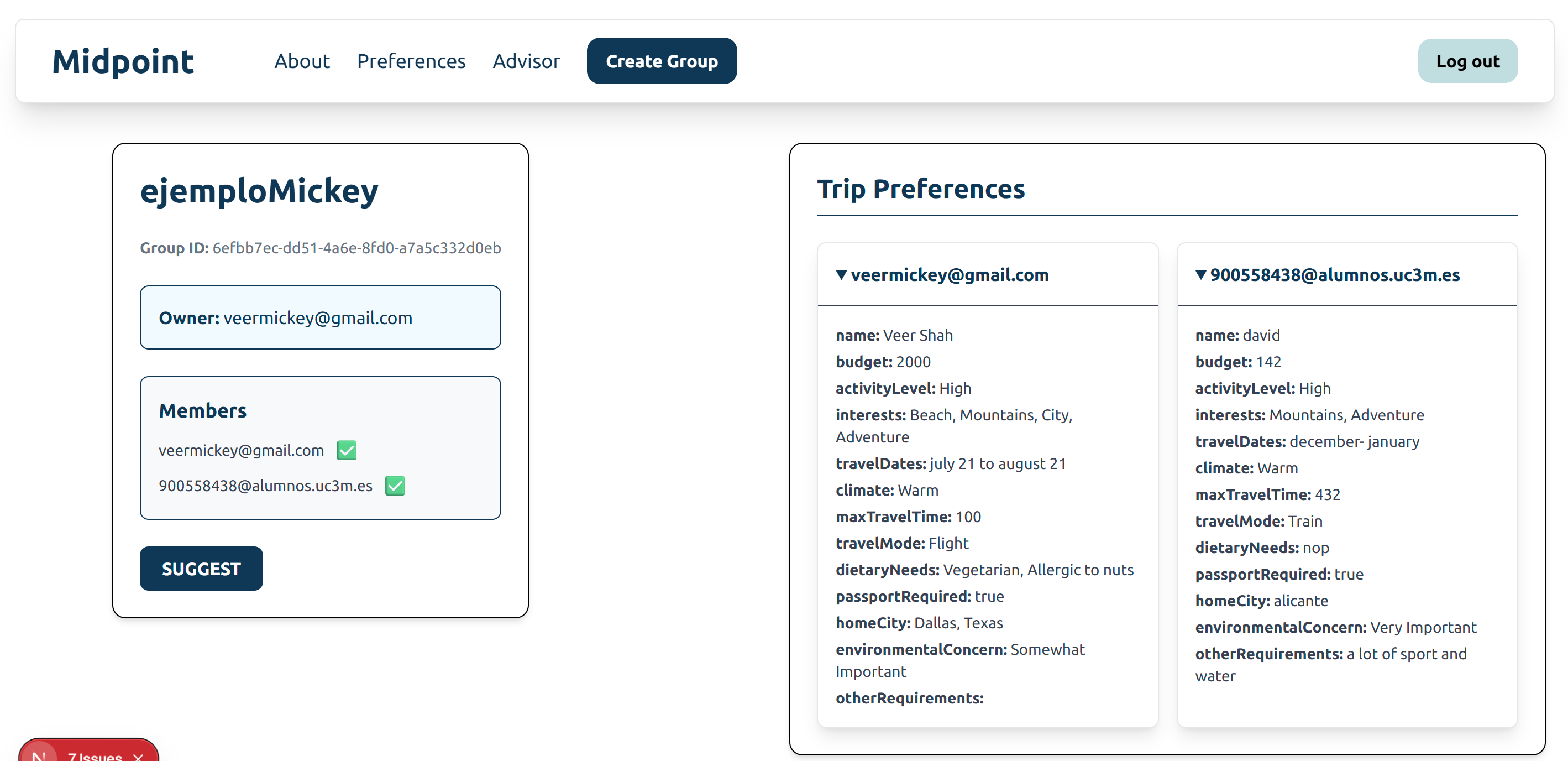
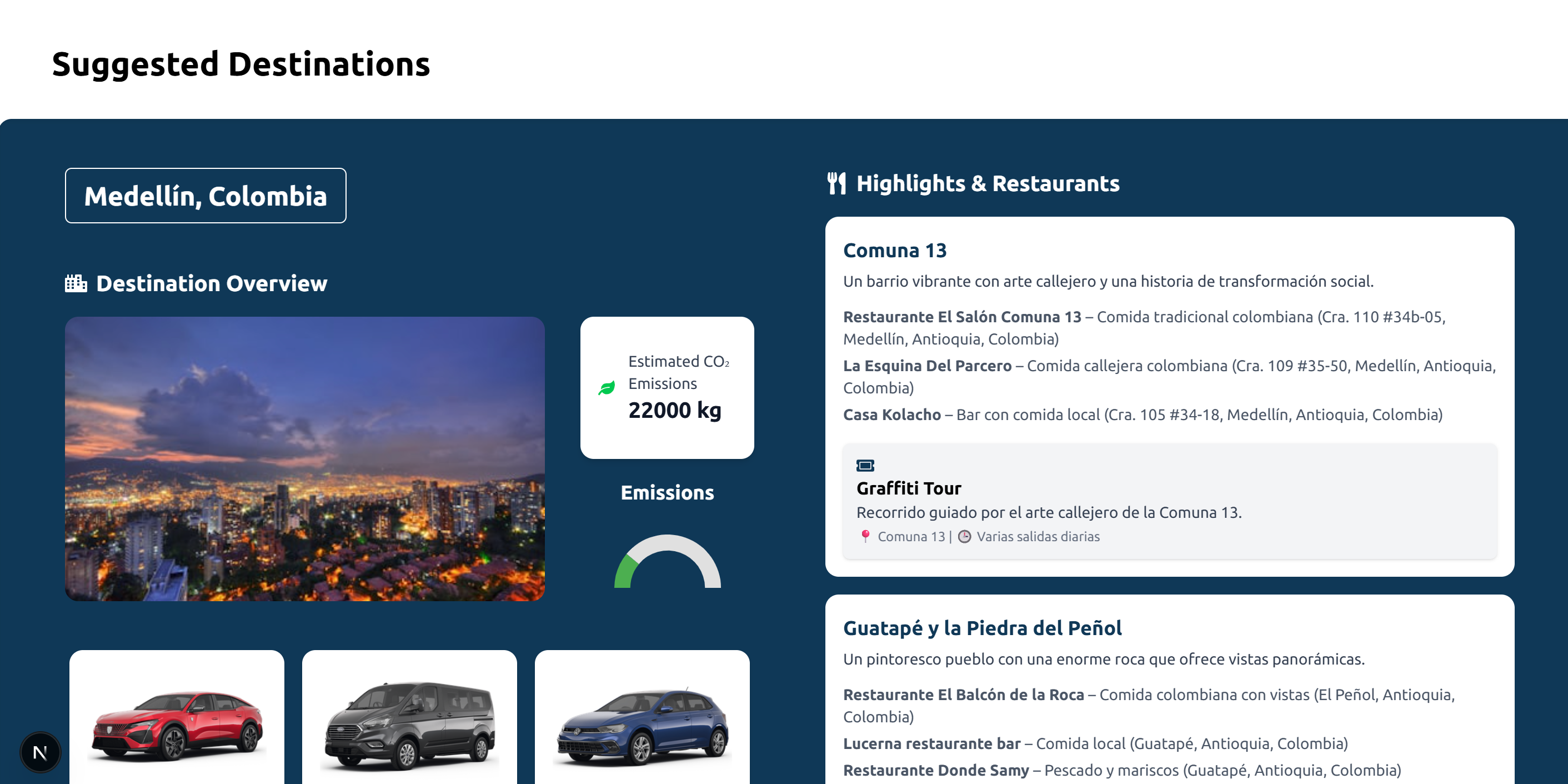
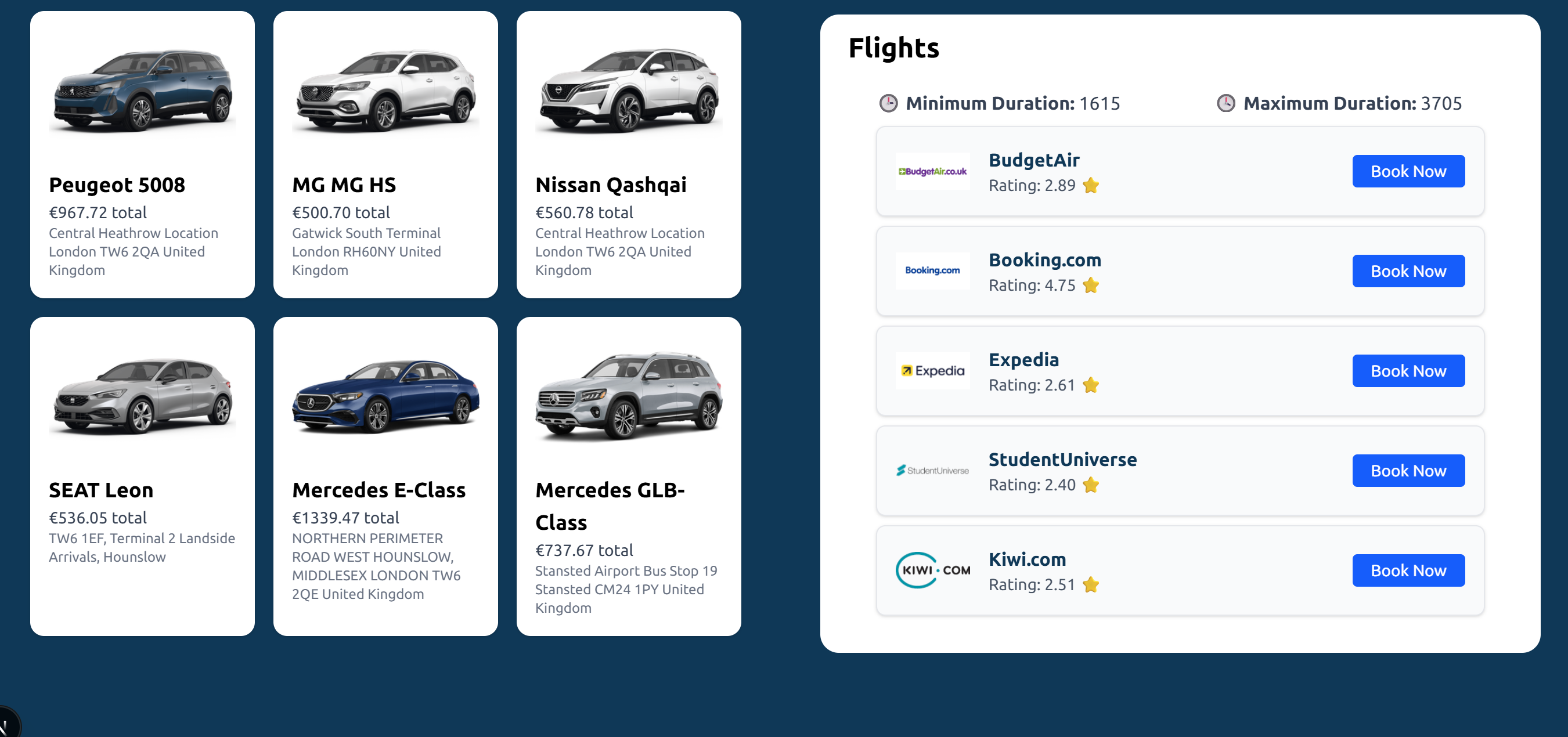
The app uses a smart form where each group member enters their travel preferences, budget, and available dates. An AI model then analyzes all the inputs to recommend the best travel options that fit everyone's interests—like destinations, activities, and timing. It also shows typical restaurants, events during travel time, and even CO2 emissions for each option, helping users choose based on gastronomy, leisure or sustainability.
How we built it
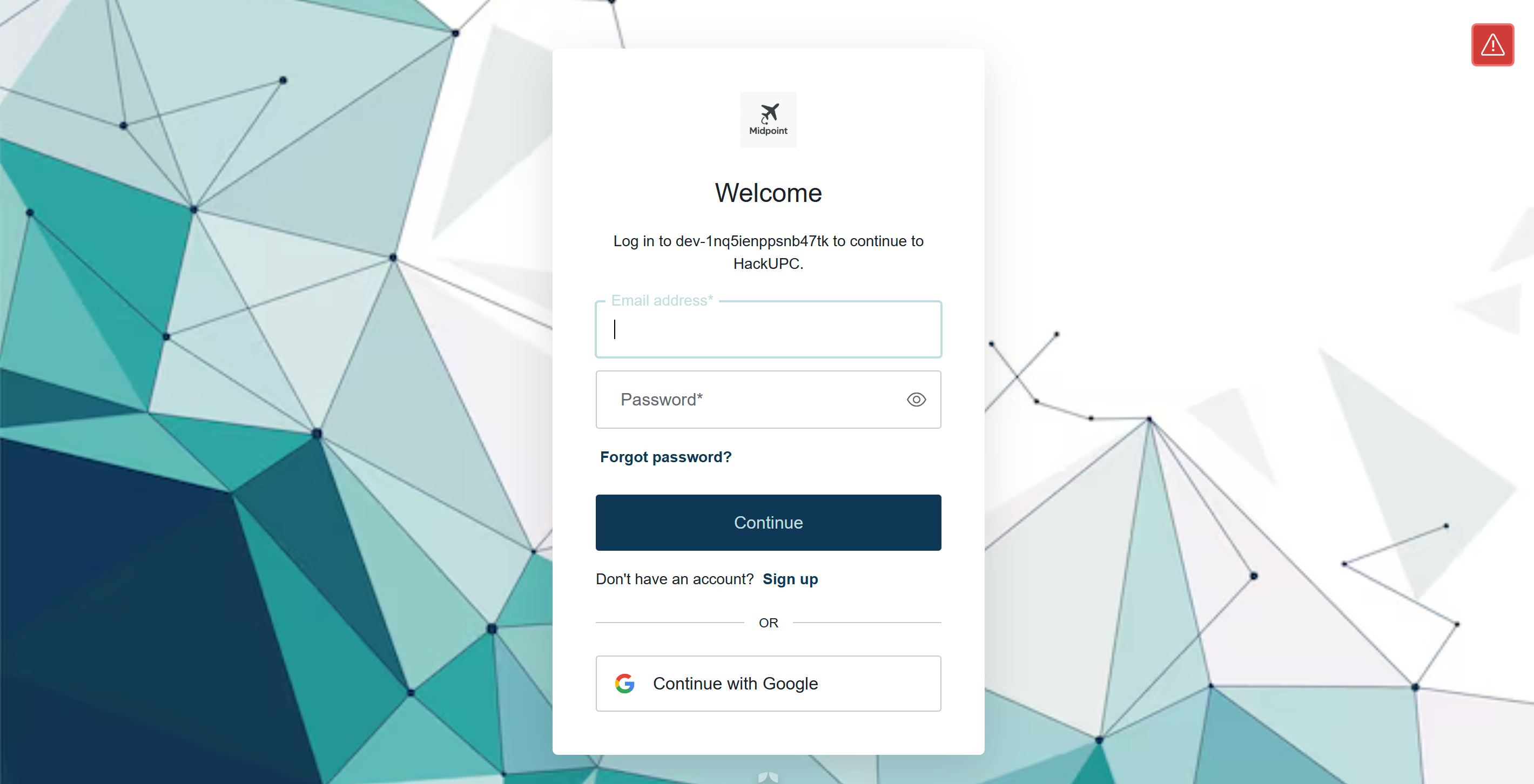
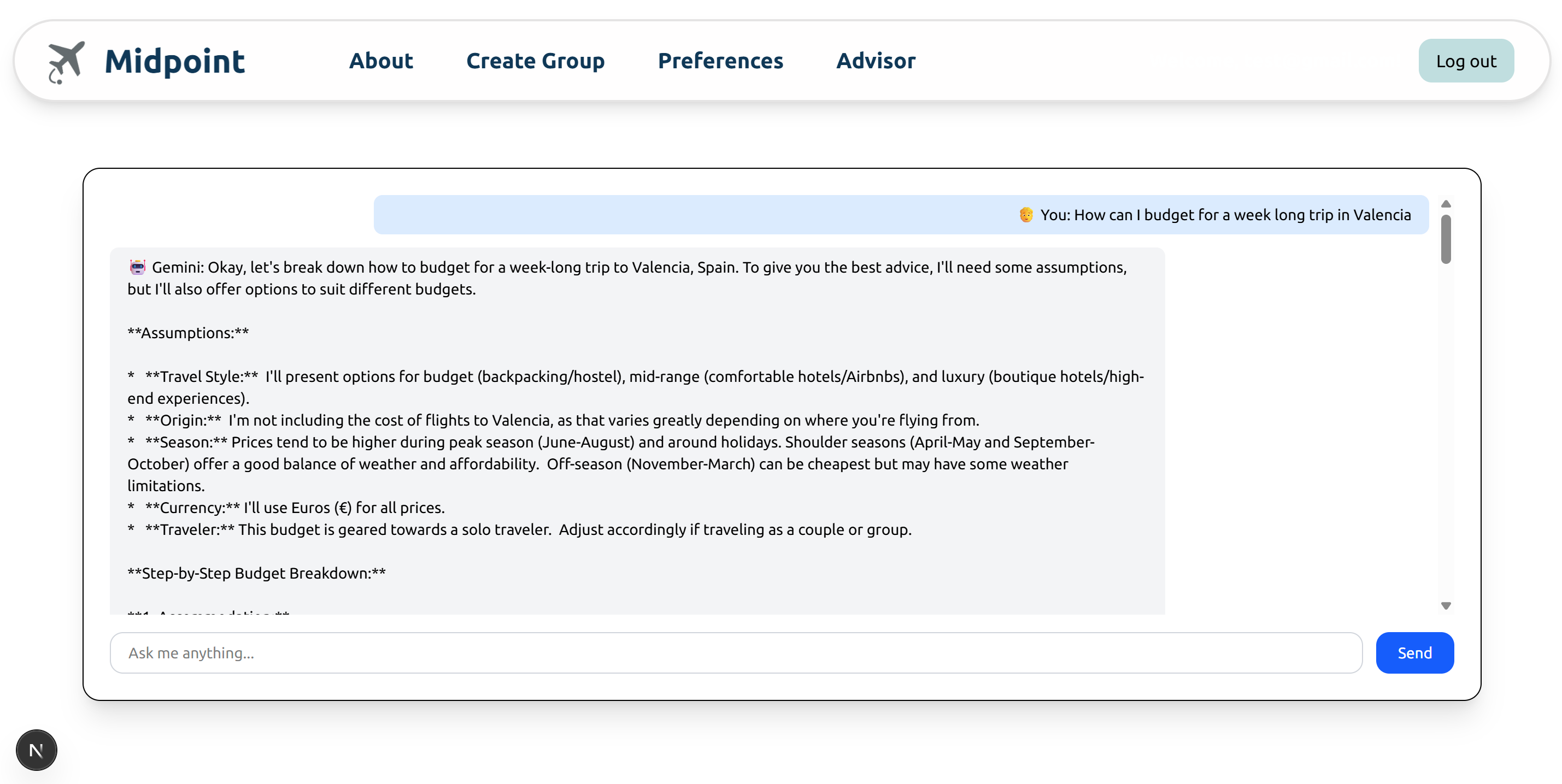
We built the app as a modern web application using Next.js and React for a fast and responsive frontend. We integrated Chart.js for interactive data visualization and Spline for rich, 3D UI elements to enhance the user experience. Authentication is handled through Auth0 for secure, user-friendly login. We connected the app to a MongoDB database to store user data and preferences. The core recommendation engine uses the Gemini API to analyze user input and suggest personalized travel options. We also used Postman to integrate and test APIs from various travel-related services to support functionalities like destination images, CO2 tracking, and destination info.
Challenges we ran into
Building this app came with several exciting but complex challenges. One of the main hurdles was integrating AI in a meaningful way — designing prompts that could turn user-submitted data into structured travel recommendations took careful testing and iteration. Ensuring that the AI output aligned with group preferences, budgets, and sustainability goals required both technical tuning and creative prompt engineering.
Another challenge was developing a new and interactive user experience. We aimed for a visually engaging and collaborative interface, which pushed us to explore advanced tools like Spline for 3D visuals.
On the technical side, implementing new tools like Auth0 and MongoDB for authentication and data management presented a learning curve, especially in syncing secure user flows with dynamic group data.
Finally, instead of solving a single company’s use case, we aimed to combine multiple real-world challenges into one cohesive experience:
- Like Skyscanner, we wanted to help friends in different locations co-plan travel.
- Looking for sustainability and decision-making transparency, pulling in inspiration from multiple industries to create a truly holistic travel planner.
Accomplishments that we're proud of
We’re proud to have built a fully functional and visually engaging web app that brings people together around shared travel experiences. One of our biggest accomplishments was successfully integrating AI to generate smart, personalized travel recommendations based on diverse inputs like interests, budgets, and schedules — something that adds real value to group planning.
We also created a unique and interactive user interface, combining technologies like Spline and React to make the planning experience intuitive and fun. Implementing secure authentication with Auth0 and managing complex group data through MongoDB were technical milestones that helped us create a robust and scalable backend.
Beyond the technical side, we’re proud that our app addresses multiple real-world challenges at once — from sustainability to social connection — inspired by Skyscanner platform. This holistic approach allowed us to create something that’s not only innovative, but also meaningful and useful in everyday life.
What we learned
Throughout the development of this project, we learned how powerful and challenging it can be to combine different technologies into a cohesive product. Working with AI taught us how important prompt design and structured data flow are to get useful, relevant results — especially when user input varies widely.
We also learned how to implement and integrate new tools like Auth0 for secure authentication and MongoDB for dynamic data management. These technologies helped us understand scalability and user management at a deeper level.
On the front-end side, we explored how to build more engaging, interactive experiences using libraries like Spline and Chart.js, which pushed us to think about usability and design more creatively.
Finally, we learned how to approach a complex, multi-faceted problem — not just focusing on one company’s needs, but creating a solution that touches multiple real-world challenges, from trip planning to personalized travel recommendations and sustainability. This helped us grow both as developers and as product thinkers.
What's next
We see huge potential to expand and refine this app. Our next steps include improving the AI model by incorporating real-time data — such as flight prices, local events, and weather — to make recommendations even smarter and more dynamic.
We also want to integrate more APIs from services like Airbnb, Google Maps, or TripAdvisor to offer in-app booking, map-based planning, and user-generated reviews.
On the financial side, we plan to add automated expense tracking with real-time currency conversion and possibly integrate with digital wallets or services like Revolut for direct cost splitting.
Another key focus is enhancing the social experience — with group chat, polls, and collaborative itinerary editing, so planning feels as fun as the trip itself.
Long term, we want this platform to become a go-to hub for group travel: smart, sustainable, and socially connected.
Built With
- auth0
- chartjs
- css3
- gemini
- html5
- mongodb
- mongoose
- nextjs
- node.js
- postman
- react
- react-icons
- skyscanner
- spline
- tailwindcss
- typescript
- unsplash


Log in or sign up for Devpost to join the conversation.