Inspiration
amazon echo and life alert
What it does
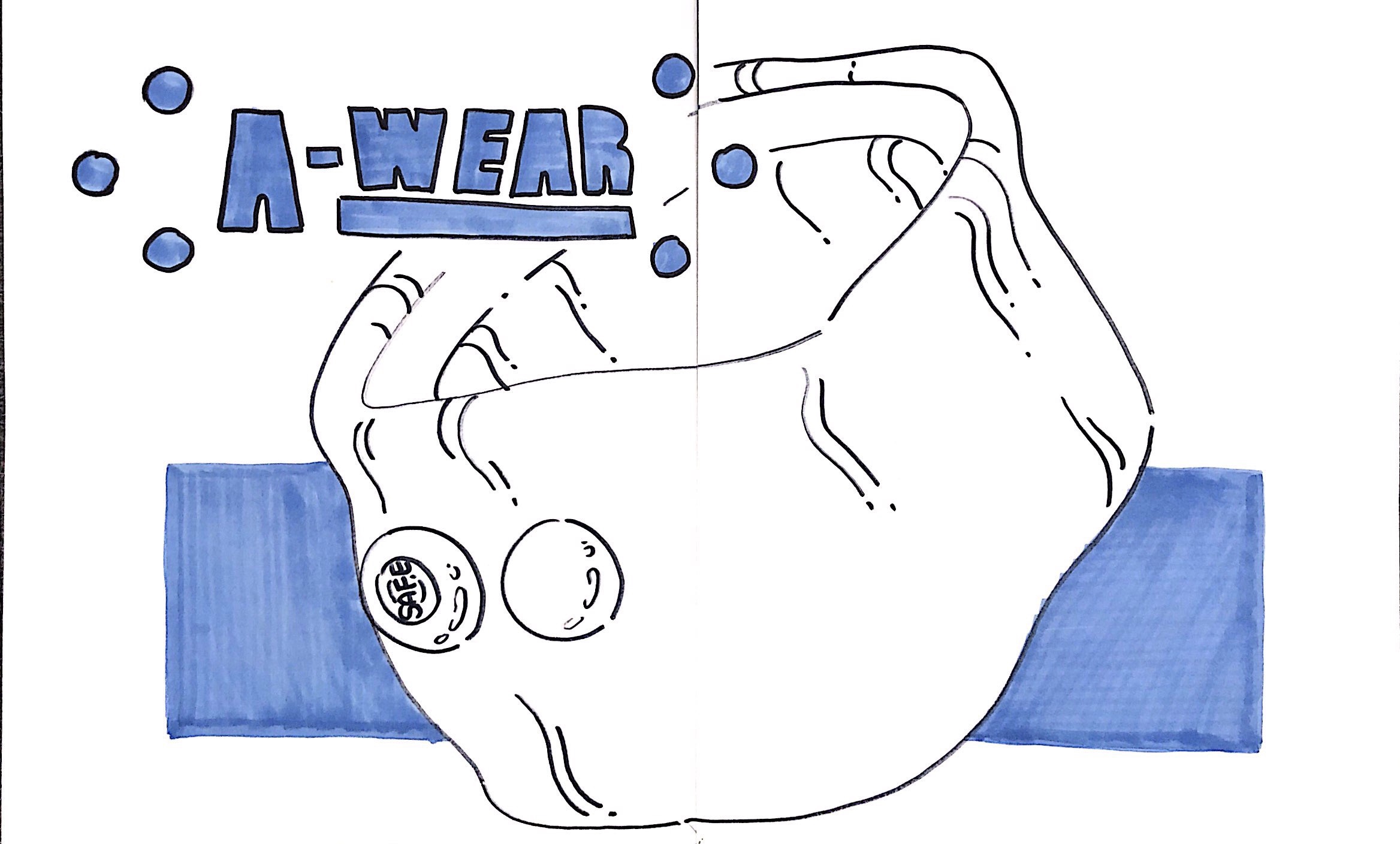
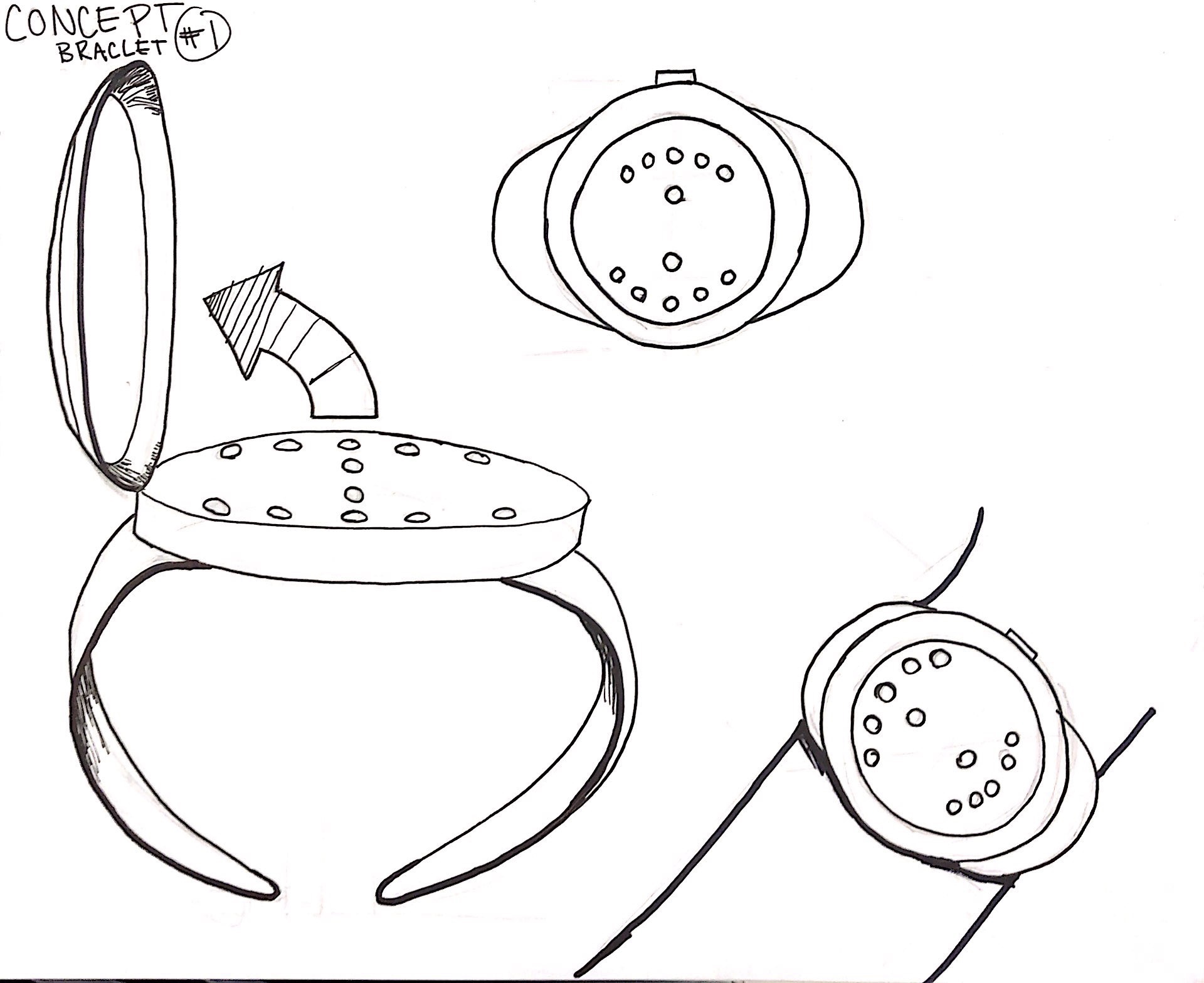
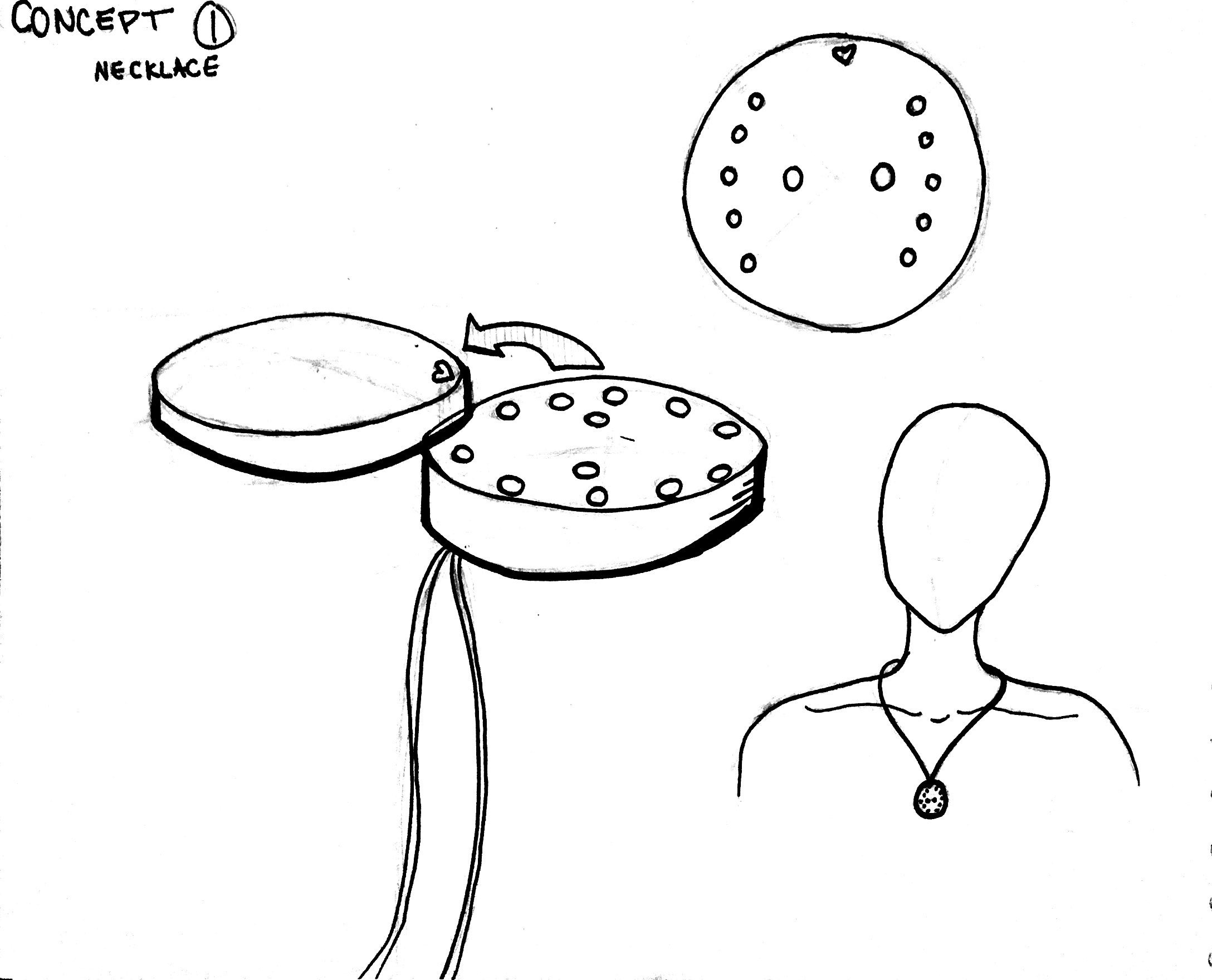
Alerts emergency contacts through smart home devices when there has been a fall, seizure, heart attack, extreme temperature change and more. The A-Wear bracelet also contains a panic button for when the wearer needs help in another situation and an optional proximity sensor for people with dementia. when the sensor goes off the device wirelessly connects to the home network and alerts others through Amazon Echo or Google Assistant speaker systems. If the wearer of the bracelet falls or otherwise activated the fall sensor, and does not wish to alert their network, there is a 4 second period between the sensor sensing their fall and when the alarm goes off. The bracelet also has an option to contact the police when the alarm goes off, but it is not automatic, as some users may not wish to call an ambulance for every alert they have (a good example being seizure victims)
How we built it
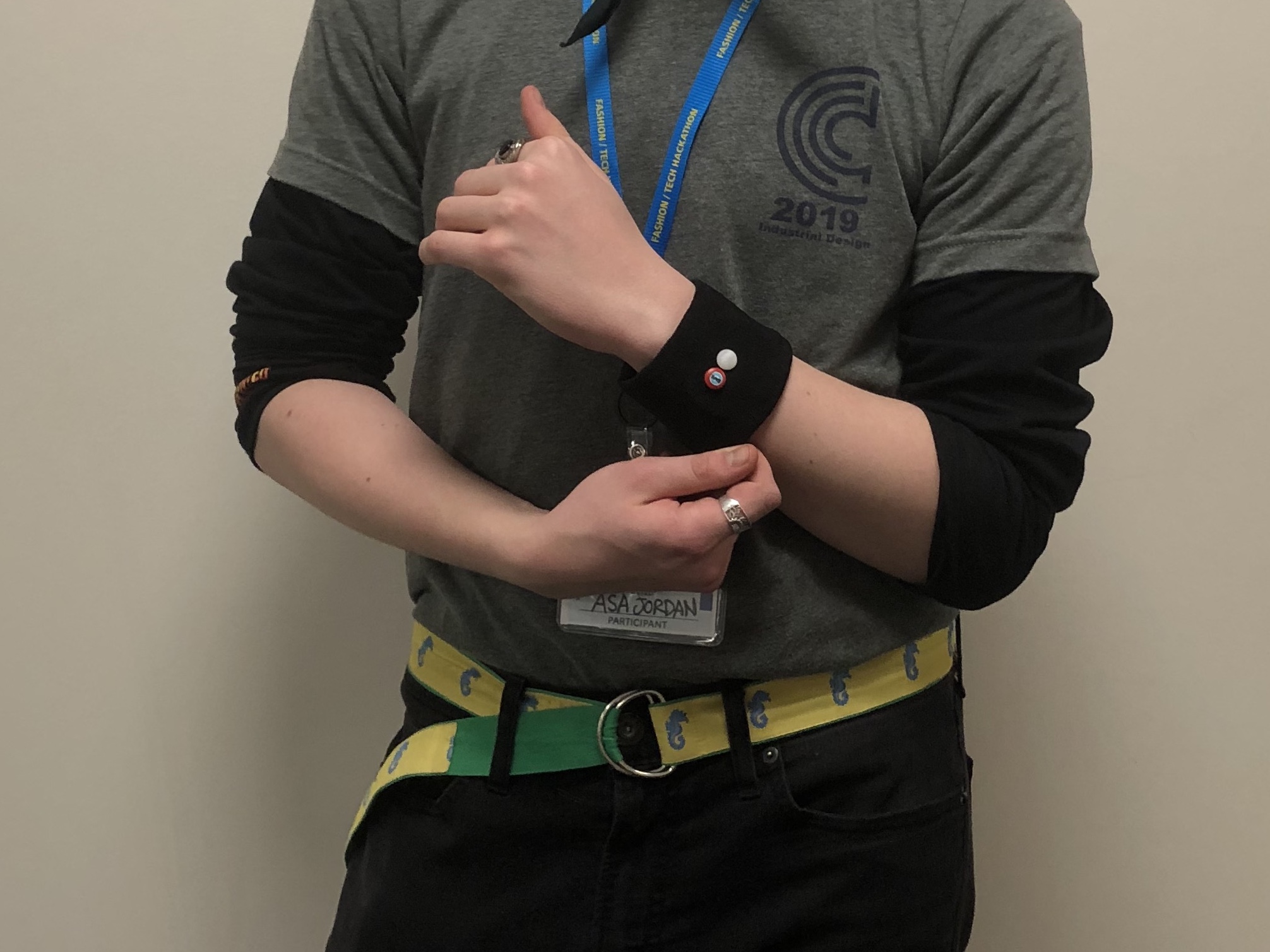
The Arduino we chose was a circuit playground express, which contains sensors such as the pulse sensor and the fall sensor. We connected it to a power source, and fit both of those pieces into a knitted fabric pocket in our bracelet. On the outside of our bracelet, there is a red button and a white button. The red button is used to deactivate the alert system if there is a fall but the wearer does not get injured. The white button is for resetting the device after the alarm goes off, so it will be ready to alert if there is another accident. The CPExpress Arduino also has a third programmable button, which can be programmed to send an alert using a double or triple click. This would be necessary during events where there is an emergency but no sensors go off to alert.
Challenges we ran into
We didn't have all the parts necessary to connect the bracelet to a smart home device, such as a Bluetooth module for the circuit playground express.
Accomplishments that we're proud of
We are proud that we were able to learn basic coding and use Arduino to create a working prototype.
What we learned
We learned some basic coding, we also learned about the knitting machine and how to create a seamless tube to make the bracelet.
What's next for A-Wear
The next big step for A-Wear would be to do some field-testing on the elderly and disabled. For any product, an important step is to let the intended audience to test the product for themselves and give feedback to improve the product.
Built With
- buttons
- circut-playground-express
- knitted-fabric
- lithium-ion-battery


Log in or sign up for Devpost to join the conversation.