-
-
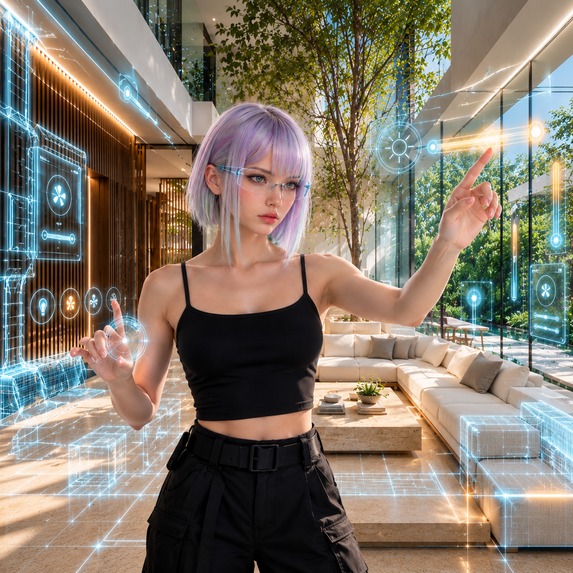
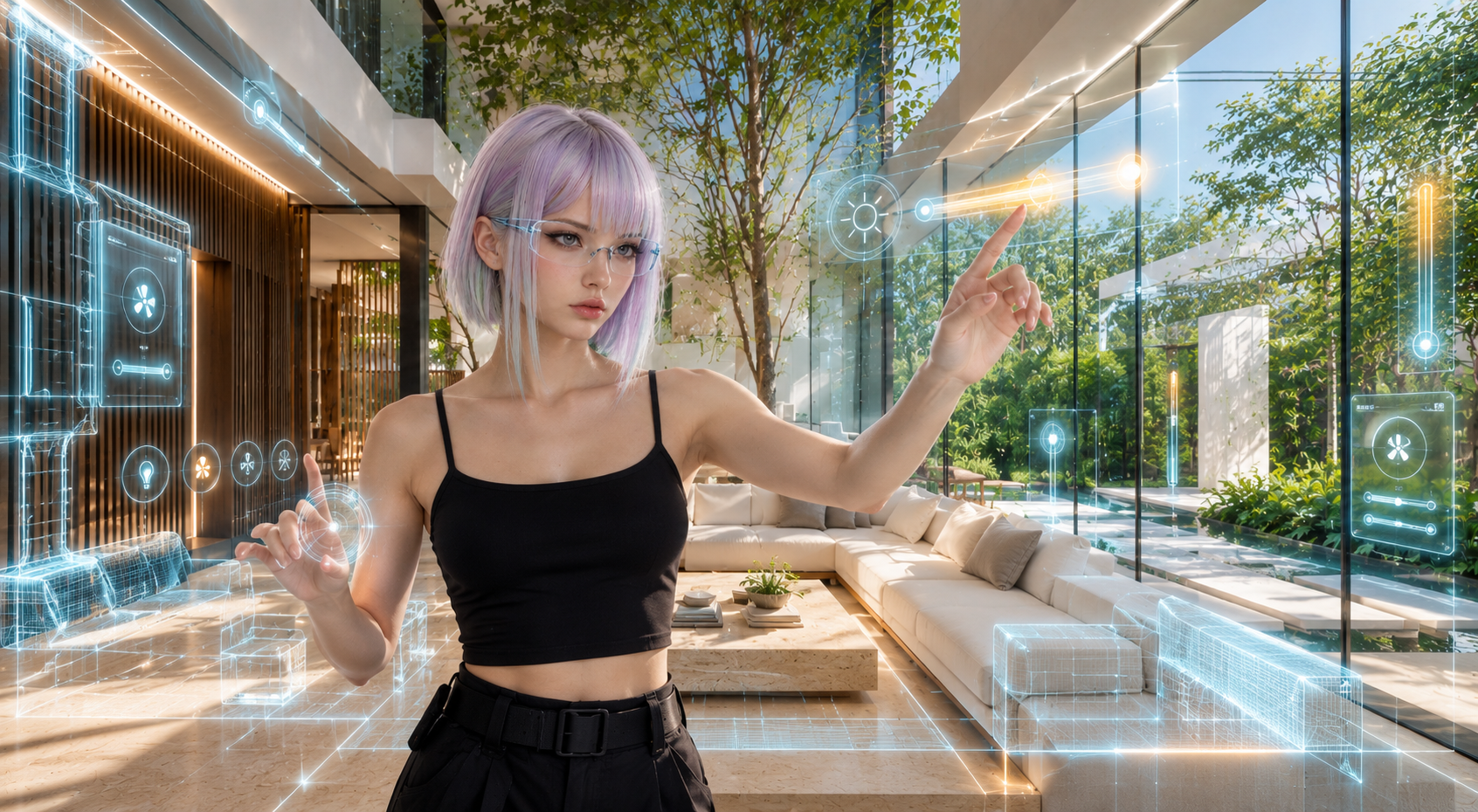
Hands-first ambient spatial control: eliminating controllers with intuitive micro-gestures and contextual volumetric triggers.
-
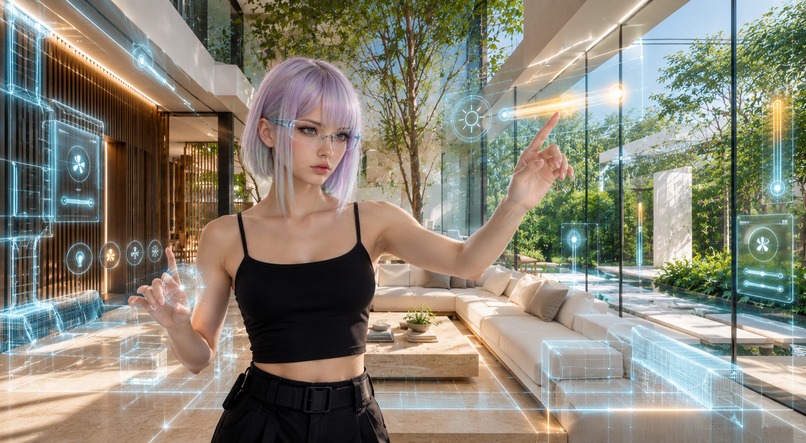
Persistent multi-layer HUD combining ambient contextual controls with on-demand spatial infrastructure inspection.
-
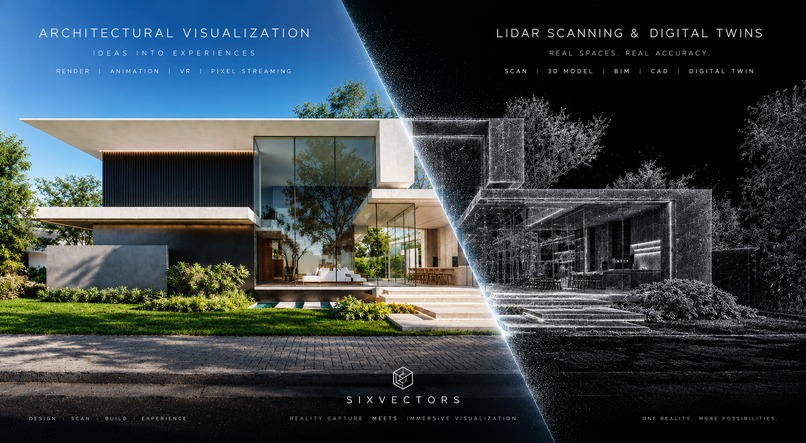
Precision spatial mapping bridging physical architecture with dynamic mixed reality overlays.
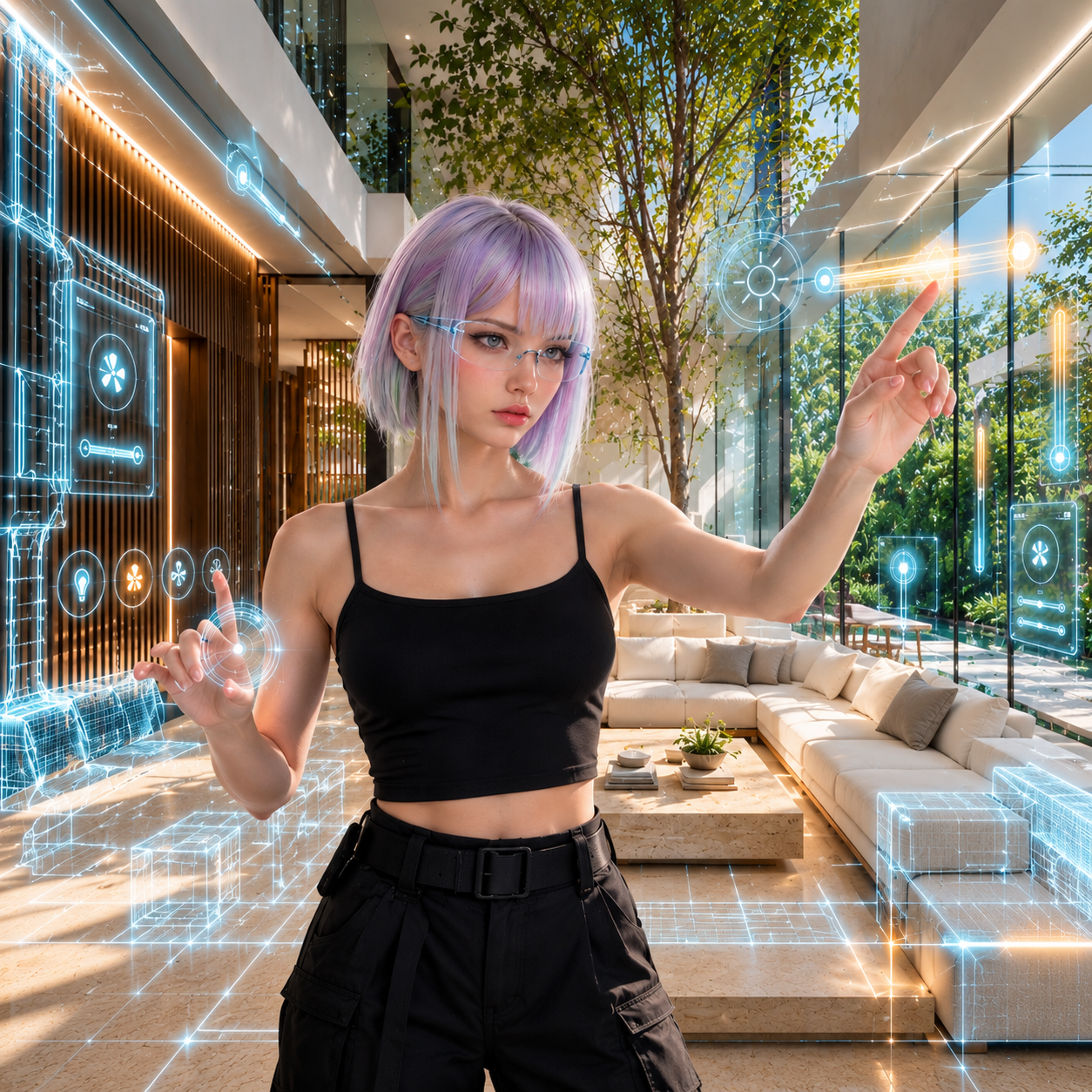
Inspiration
Welcome to the spatial design era. Traditional interfaces still trap ambient interaction behind 2D screens and cumbersome physical hardware. Zero-friction UX is our goal. With the emergence of lightweight hardware and high-clarity color passthrough on Meta Quest 3S, an immersive interactive experience should feel lightweight, inspiring, and engaging from the very first second. A.U.R.A. explores this frontier by transforming physical environments into responsive spaces with an interface that feels invisible and completely natural.
What it does
- Hands-First Spatial Interactions: Built entirely around natural hand tracking and intuitive gestures for ambient control, completely eliminating handheld controllers.
- Persistent Multi-Layer HUD System: Features an adaptable overlay tailored for you, by you—providing immediate ambient interactions alongside on-demand spatial layers locked to real-world points.
- Zero-Friction Immersion: Engineered to feel lightweight and responsive, seamlessly integrating controls with physical surroundings.
- Comfort & Ergonomics: Designed for relaxed, seated, and lean-back use without fatigue.
How we built it
- Developed using the Meta Spatial SDK targeting Horizon OS (Native Android build path).
- Leveraged native Horizon OS hand-tracking APIs and persistent spatial anchors combined with high-clarity color passthrough.
- Implemented an on-device local dispatch workflow focused on low latency, responsiveness, and user privacy.
Challenges we ran into
- Balancing high-level spatial immersion with low-effort micro-gestures to prevent physical fatigue during extended sessions.
- Achieving consistent spatial alignment across varied physical surroundings and lighting conditions.
Accomplishments that we're proud of
- Creating a truly hands-first, 100% controller-free experience with zero onboarding friction.
- Designing a persistent multi-layer HUD that balances clean aesthetics with rich spatial capability.
What we learned
- Hands-first interactions thrive on clear visual affordances that substitute naturally for physical tactile buttons.
- Lightweight native spatial frameworks provide the agility needed for fluid, instant-on spatial utilities.
What's next for A.U.R.A. — Ambient User Responsive Automation
- Expanding interface parity across next-generation wearable spatial display form factors.
- Exploring adaptive, context-aware routines and deeper ambient ecosystem integrations.
Built With
- android
- hand-tracking
- horizon-os
- kotlin
- meta-quest-3s
- meta-spatial-sdk
- mixed-reality
- passthrough
- spatial-anchors
- spatial-audio
- ux-design


Log in or sign up for Devpost to join the conversation.