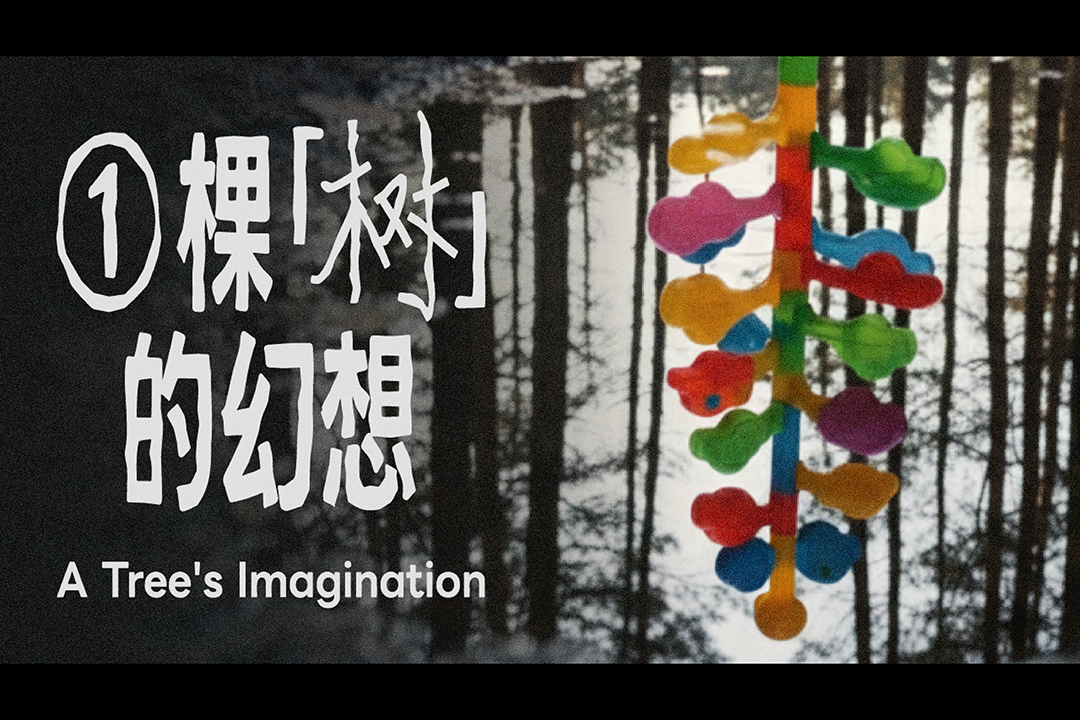
- Text Development: Using an essay written a year ago as the foundation, I meticulously restructured and refined the text to ensure the theme and emotional expression were clear and cohesive. This stage involved an in-depth shaping of the original material and served as the cornerstone for the entire visual creation process.
- Visual Generation and Storyboarding: Leveraging text-to-image AI (with LORA model combinations integrated within Liblib), I transformed the revised text into potential visuals. Through repeated trials, I generated materials that captured the intended mood. Guided by the narrative logic, I drafted an initial storyboard, outlining the sequence and methods of transitioning between images.
- Image Editing and Sequencing: Using editing software, I arranged the generated images according to the storyboard, adjusting the layout, rhythm, and transitions between frames to create a preliminary sequence of static visuals.
- Animation of Visuals: After sequencing the images, I used tools like Seedance and Veo3 to infuse dynamics into the still visuals, drawing from personal vision and specific project needs to make the scenes more vivid and expressive. For shots that required seamless head-to-tail transitions or special visual changes, I utilized the head-tail frame features in Jimeng and Keling for precise adjustments, ensuring every visual transition was natural, smooth, and accurate.
- 文本創作:以一年前創作的散文為核心內容,重新梳理和提煉文本,確保主題和情感表達清晰統一。這一階段是對原有文本的深化加工,也是整個視覺創作的根基。 2. 画面生成與分鏡規劃:借助文生圖AI(Liblib內叠加了LORA的模型組合),將文本轉化為可能的畫面,通過反覆嘗試,生成契合敘述氣氛的素材。結合內容邏輯,初步制定分鏡腳本,粗略規劃畫面的順序與轉換方式。 3. 圖片剪輯與串聯:利用剪輯軟體將生成的圖片按照分鏡腳本依次拼接,調整布局、節奏和畫面銜接,初步形成靜態的畫面序列。 4. 画面動態化:圖片串聯完成後,採用Seedance、Veo3等工具,根據個人的想象和需求,為靜態畫面賦予動態效果,使畫面更加生動且富有表現力。對於需實現首尾準確銜接或特殊變化的鏡頭,則運用即夢和可靈的首尾幀功能,細緻調整畫面前後過渡,確保視覺效果自然流暢且精準。
Built With
- qwen-image+lora
- seedance
- veo3
