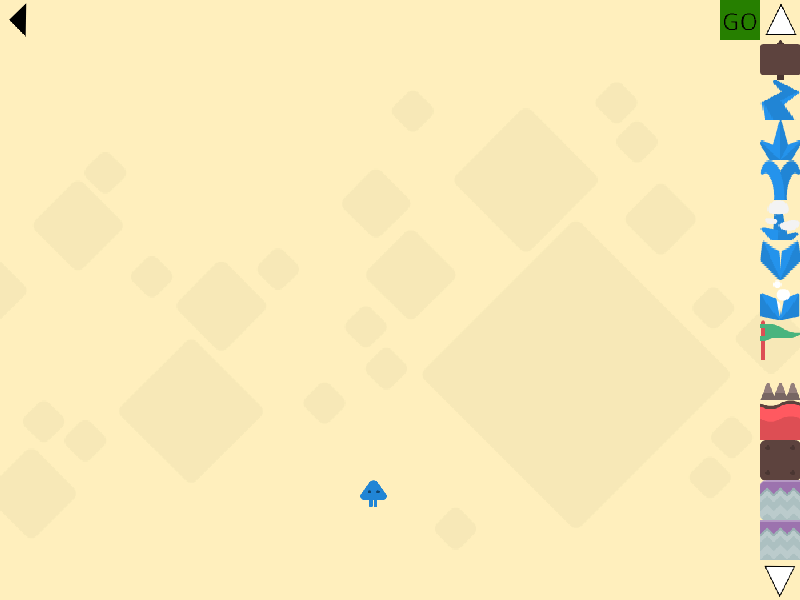
Note: A custom level editor was added after the video was taken, so is not in the video.
Inspiration
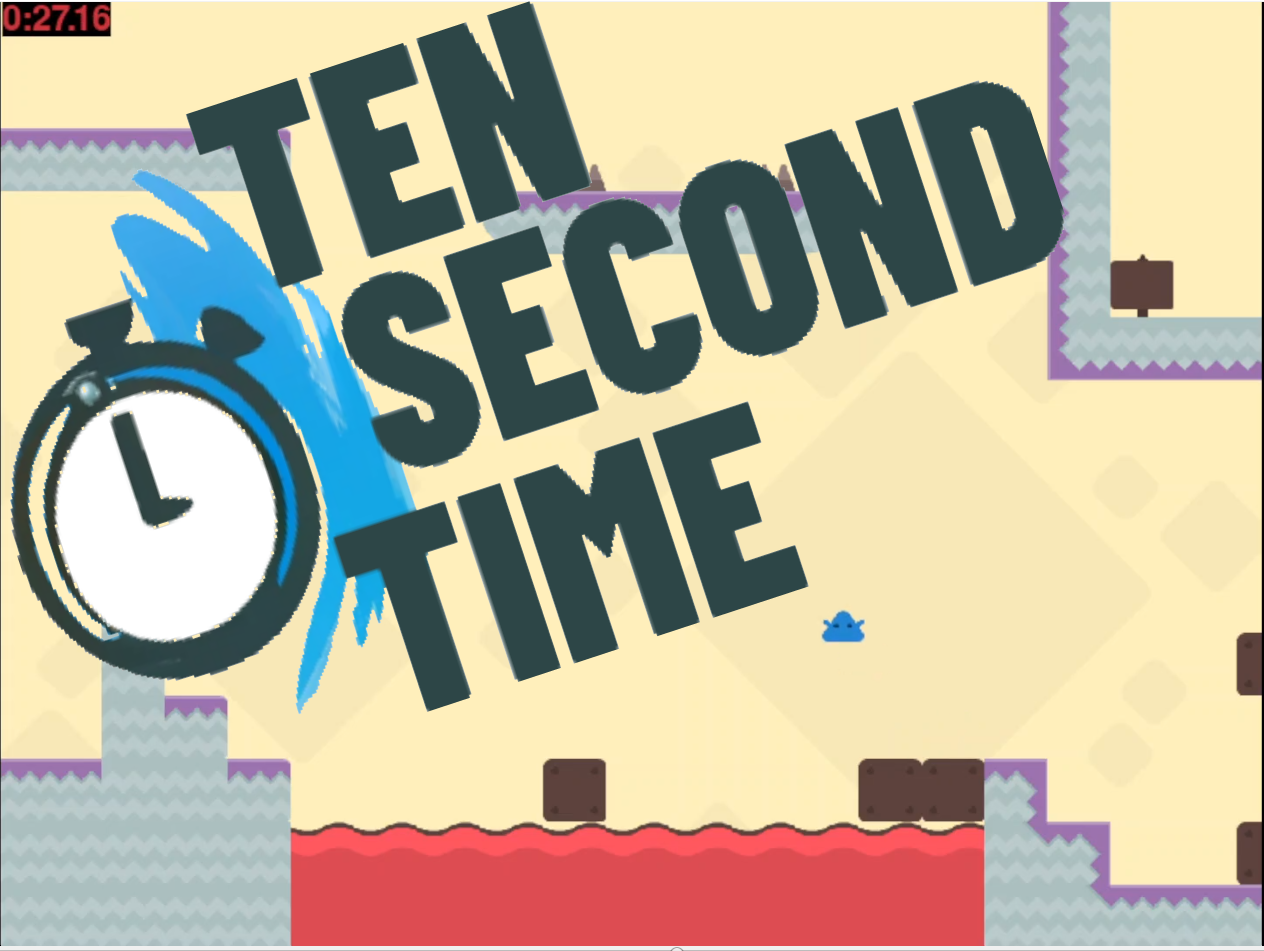
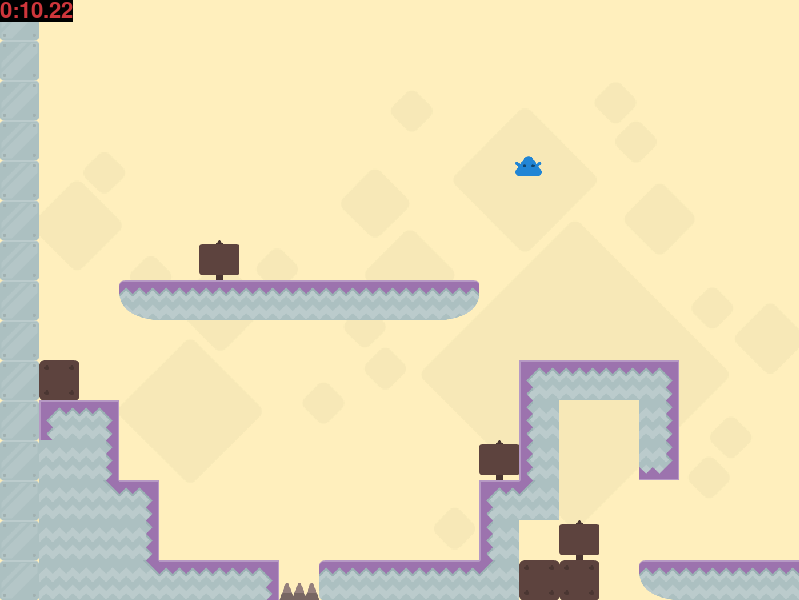
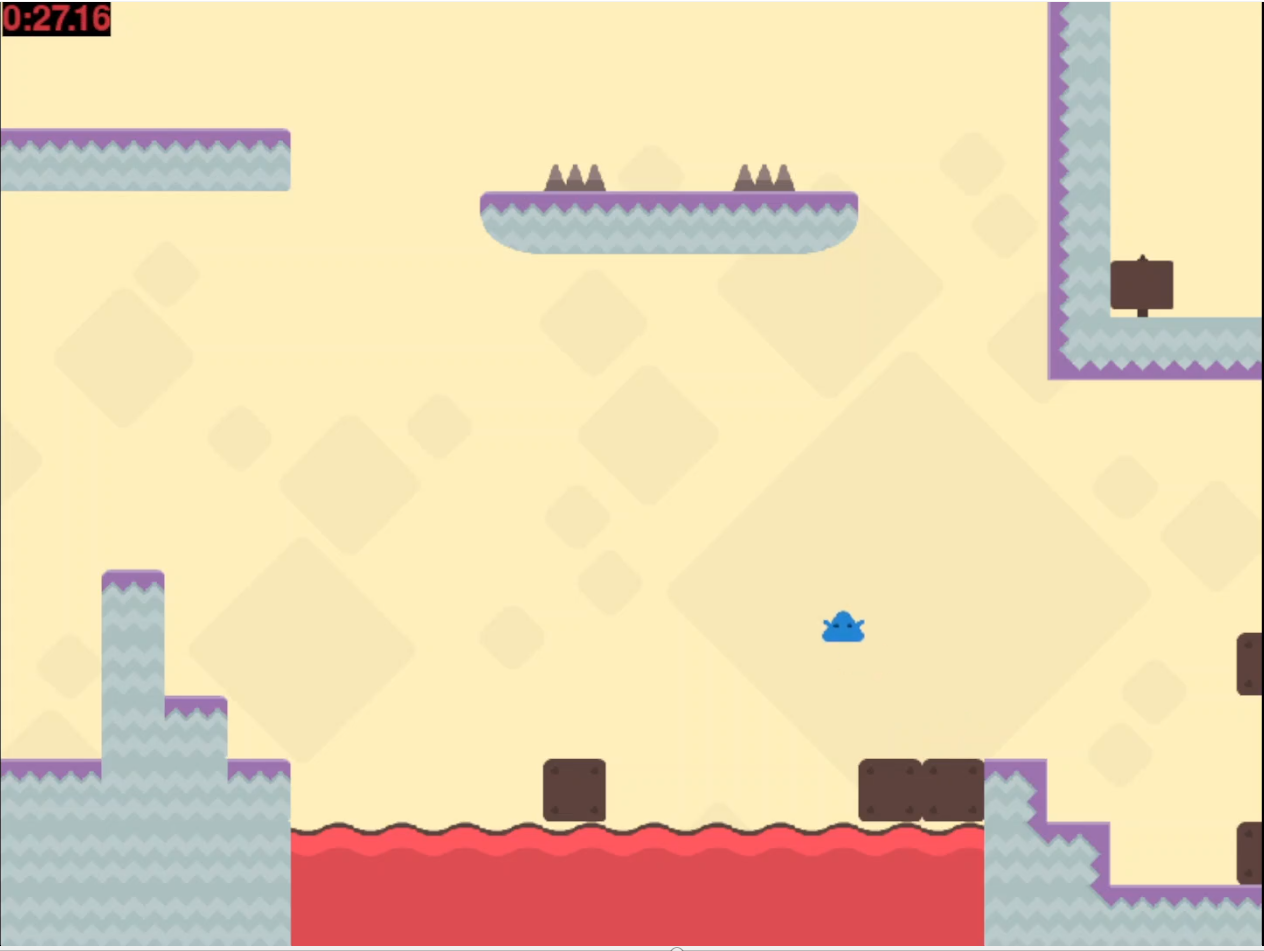
Welcome to Ten Second Time, a game that combines the elements of Roguelike, platformer, and speed running. This game is designed to be easy enough for anyone to complete, but challenging enough for even the most skilled players to enjoy.
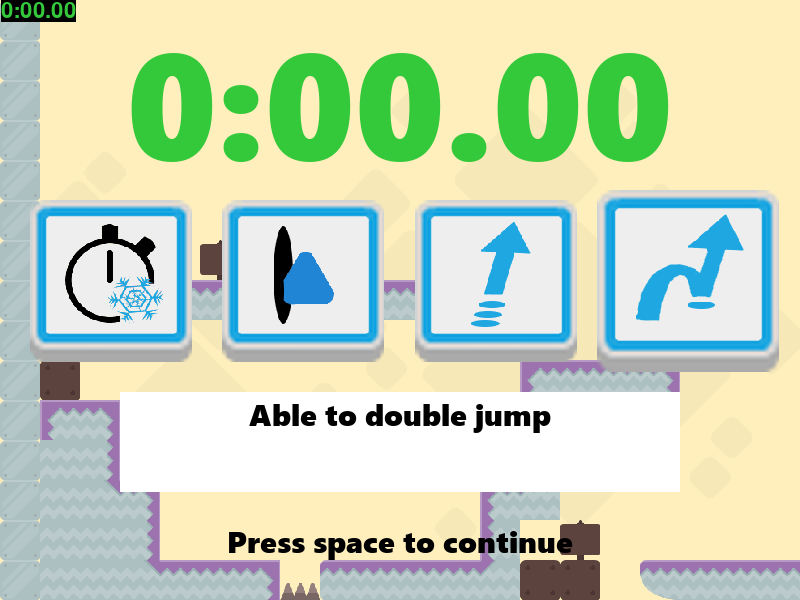
In Ten Second Time, your objective is simple: complete the level within ten seconds or less. However, if you fail to do so, don't worry! You'll be presented with a random upgrade that can help you in your next run. Unlocking things like dashing or double jumps can unlock entirely new - and faster - paths, giving you more options for completing each level.
What makes Ten Second Time unique is that, unlike almost all other games, progression makes the game easier to complete. This normally means the game becomes too easy, and less fun. But in Ten Second Time, each upgrade you earn opens up new possibilities for completing levels faster and more efficiently. Better players will adapt to their random upgrades, find new paths, and be able to complete it faster than ever before.
The addition of a custom level editor means that players can not only enjoy the game's pre-made level but also challenge themselves with levels created by other players or create their own unique challenges to share with the community.
So whether you're a beginner or an experienced player, Ten Second Time has something to offer for everyone. Can you beat the clock and complete each level in ten seconds or less? The challenge awaits!
How we built it
Building Ten Second Time was a fun and exciting project to develop. Here's how we did it:
Brainstorm
Before we began development, we spent some time brainstorming different ideas for the game. Being inexperienced with pygames, a platformer would be a good starting project, with easy concepts to create in a new library. However we also wanted to add some unique features that would make it stand out. After considering a few different options, we settled on a roguelike platformer. This would allow us to create a game that emphasized skill expression adaptability, and speed.
Platformer
Once we had settled on the concept, we began building the game. We started with a basic framework of a platformer, complete with smooth autoscrolling and a timer. We then added in some basic powerups and a selection screen to create an MVP (minimum viable product). After some playtesting, we were able to create a good level and tweak the speed of the game and player, maintaining the smoothness of the player's mobility.
Graphics/sounds
The last 10% of development is often said to be 50% of the game. We wanted to make sure that Ten Second Time felt great to play, and that meant paying attention to the graphics, sounds, and animations.
Level Editor
A custom level editor was very important, in both keeping the game fresh, and allowing players to push the boundaries of making really hard or easy levels. This allow potentially allows for sharing levels, and makes overall development easier. The first default level was made without this, and it was a lot of work.
Overall, building Ten Second Time was a challenging but rewarding experience. We're proud of what we've created, and we hope you enjoy playing the game as much as we enjoyed building it!
Challenges we ran into
While building Ten Second Time, we ran into several challenges that required us to be creative and resourceful. Here are some of the biggest challenges we faced:
Good Level Design
One of the most difficult things to do when creating a platformer is to design levels that are both challenging and fun to play. We faced several challenges in achieving this goal. One of the main difficulties was creating levels that could be completed without any powerups, while also allowing for new paths to unlock as different powerups were chosen. We also had to make sure that the game difficulty remained above a certain bar, even as more powerups were introduced.
Flow and Innovation
Another challenge we faced was making the game feel fun, with good flow. This meant creating both easier and difficult sections within each level, so that players could feel a sense of progression as they improved their skills. We also had to make sure that the game allowed for innovation and discovery. We wanted players to feel like they were able to discover new paths, new interactions, and try new things as they played. One of the easiest ways to maintain difficulty was to give the player increased speed and mobility. This raised the skill needed to complete the level at a fast pace. However, doing so too much often made the gameplay feel unnatural.
Balanced Powerups
Finally, we had to make sure that the powerups felt "balanced" no matter which randomized selection you got. This meant designing each powerup in such a way that it would be useful in different situations, while also not making the game too easy or too difficult.
What we learned
During the development of Ten Second Time, we learned a lot about game development principles and new technologies such as pygame. However, the most important lesson we learned was how time constraints can affect the development process in various ways.
Firstly, prioritization became a crucial factor. While we had many features we wanted to add to the game, we had to make tough choices about what to include and what to leave out due to time constraints. This required careful planning and decision-making throughout the development process.
Secondly, we had to make use of third-party, public domain sprites to save time, although this came at the cost of flexibility. While it allowed us to create the game much faster, it also meant that the general feel and theming of the game was limited to what we had available.
Finally, as the deadline approached, our focus shifted more towards completing the game rather than perfecting it. This meant that while the initial code and structure of the game were of high quality, some later features such as the tutorial included hardcoded values or workarounds.
What's next for A Ten Second Time
Playtesting and feedback would be the most valuable in determining next steps, and if there is any interest in this unique style of game. However some additions to add are below.
Additions for v2 and beyond:
- More levels at varying difficulties
- Enemies, moving platforms
- More variety in background, objects, and powerups
- Sandbox mode
- Pause screen
- Allow full screen

Log in or sign up for Devpost to join the conversation.