Providing Gashora, Rwanda with a sustainable, low cost water purification solution
Access to clean water is widely acknowledged as one of the necessities for living a healthy life. Despite all the non-profit organizations dedicated to bringing clean water to communities in need, there is still no sustainable and low cost solution available today. Our senior project team chose to design such a product and has created a low cost and simple, yet scalable solution that can is ready to be deployed in developing countries.
Abstract
For 1 in 9 people in the world, access to safe drinking water is a daily challenge. 2 in 3 of these people live in Africa, a continent which not only physically lacks freshwater (66% of Africa is semi-arid) but also lacks the economic resources to get freshwater to large parts of the population, especially those who live in remote areas.
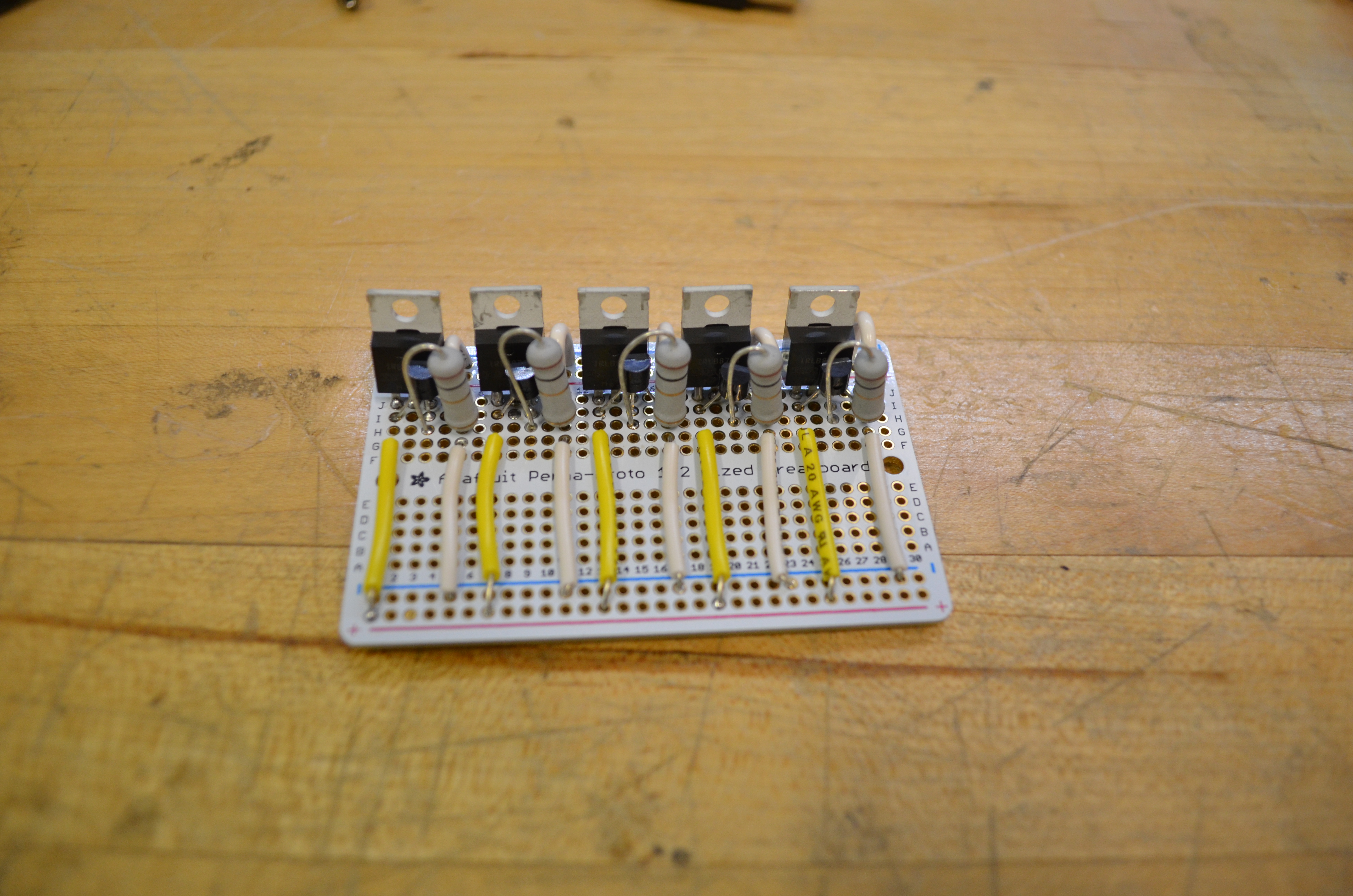
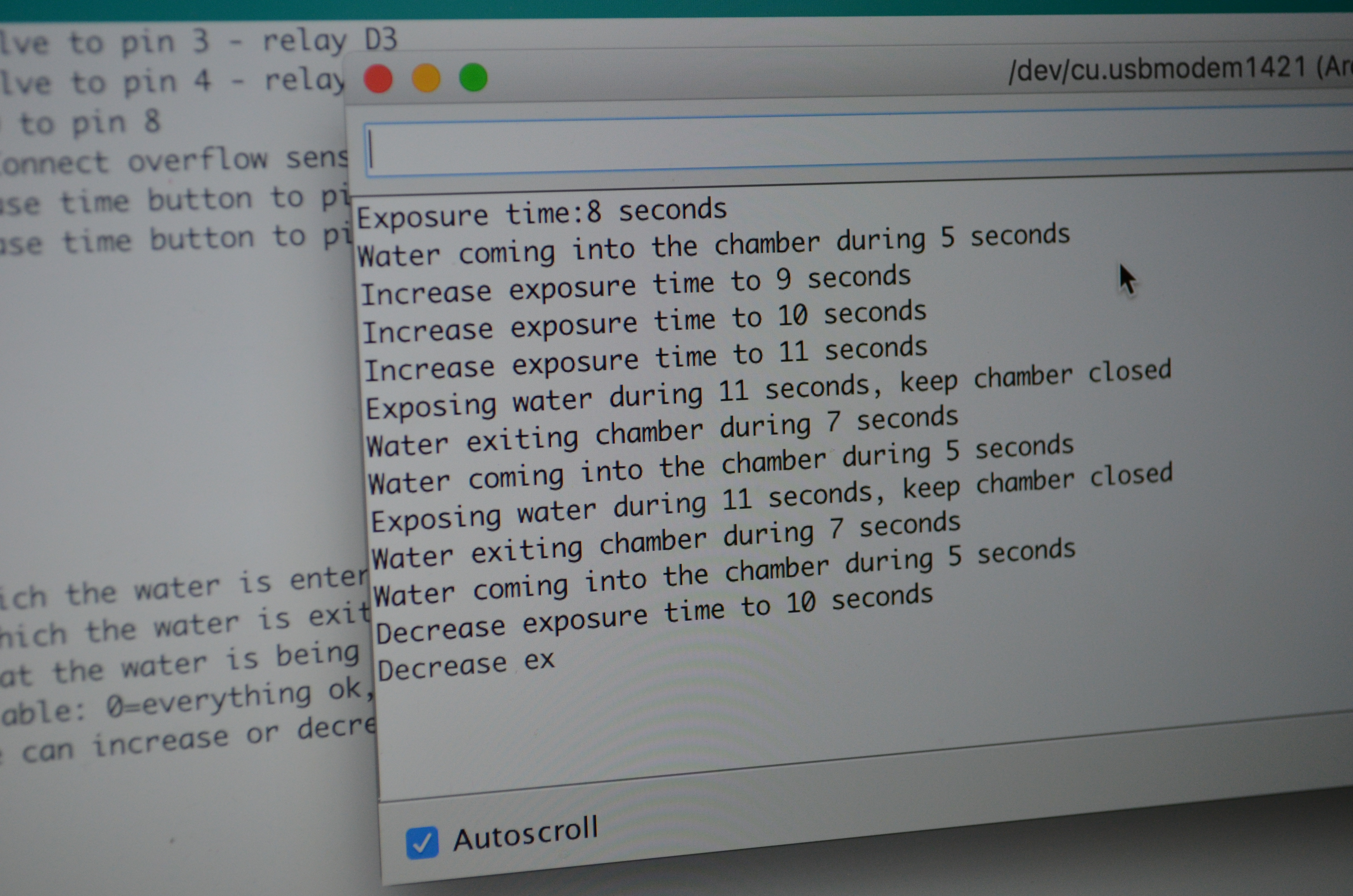
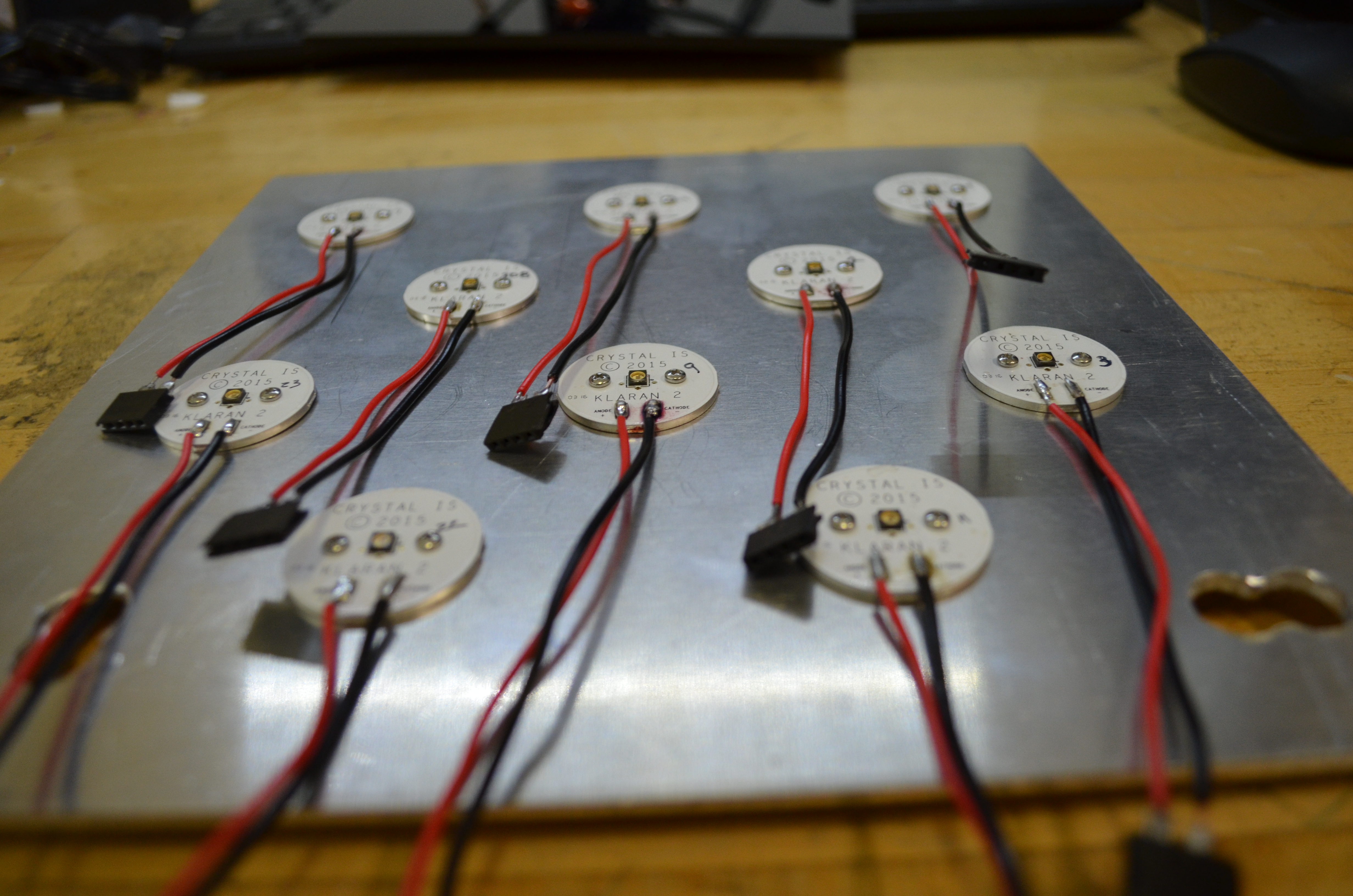
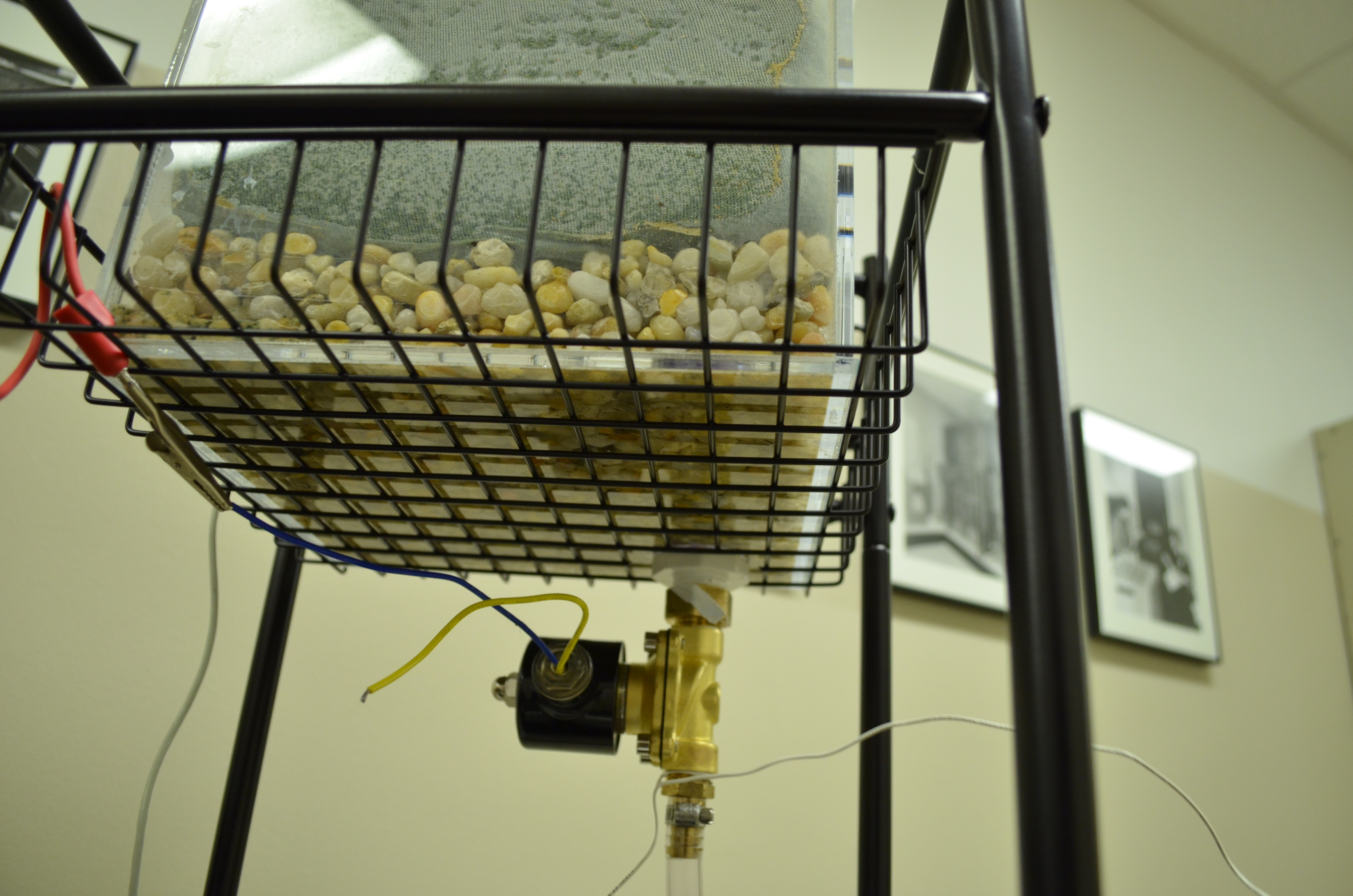
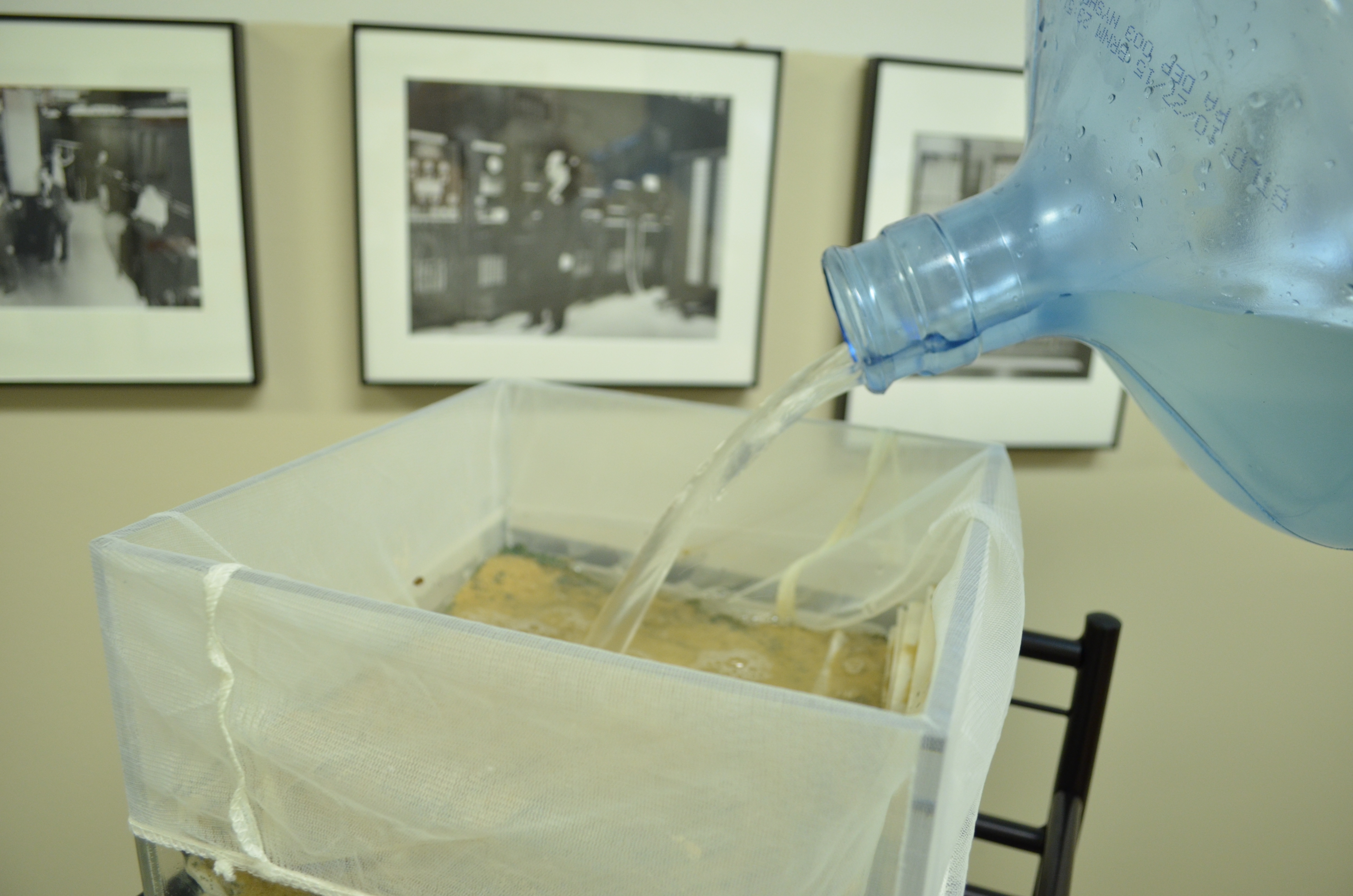
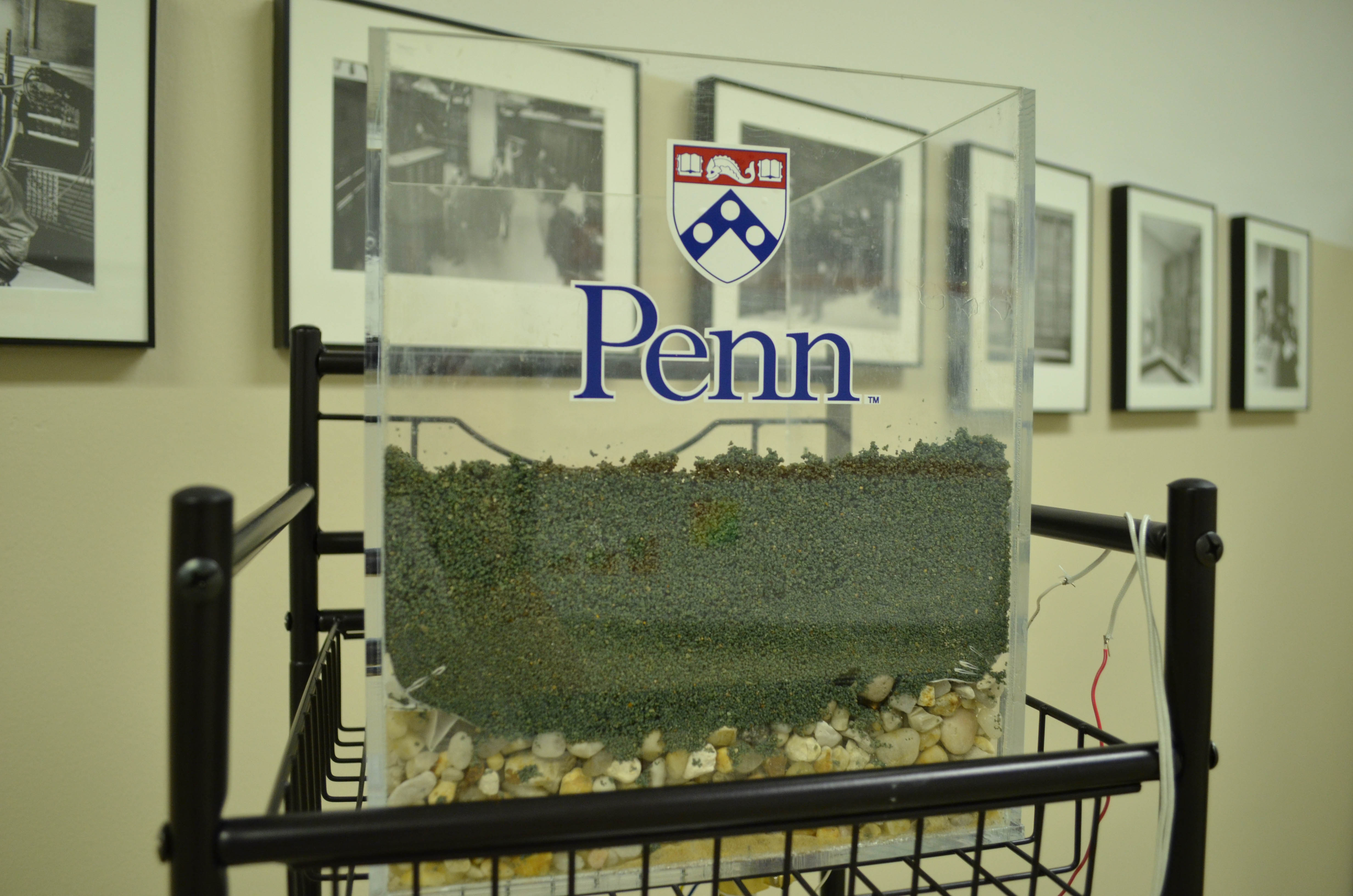
Our solution leverages lakes as a source of water, and the sun as a source of power to provide freshwater for villagers in Gashora, Rwanda. For our solution to be scalable and require minimal maintenance, we specifically designed the system to be simple and cheap to make, while also ensuring the parts were easily replaceable. The first of two steps is the physical filter, which filters most of the visible particles from the water. We chose to use a combination of gravel and ZeoSand, which is made of a natural material known as zeolites. It then pasts into the last step which is a UV light chamber that contains ten UV LEDs (light emitting diodes) to purify the water of much smaller bacteria and protozoa. The flow of the water through the system is controlled by an Arduino Uno microcontroller that controls solenoid valves, the UV lights that run using a custom PWM circuit we designed and monitors several sensors that detect water height.
We have collected water samples from a nearby lake which closely mirrors the lakes in Rwanda and tested the water quality before and after it passed through our system. Our system produces clear benefits in improving several aspects of water quality. It reduces the hardness from about 250 ppm to 100 ppm or less, and reduces nitrite, nitrate, copper and iron counts. More importantly, with less than one minute of exposure, our system is capable of removing E-coli from the water.
Team Members: Anthony DiIenno, Nicolas Griffiths, Jorge Martinez, Jeffrey Ng, James Park
Advisor: Professor Jorge Santiago
Files
Project Demo: View
Presentation w/ Demo Video: Download
Demo Day Presentation: Download
Demo Day Poster: Download
Final Project Files
Assembly Video: View
Operation Video: View
Zip file of instruction manual and other associated documents: Download

Log in or sign up for Devpost to join the conversation.