-
-
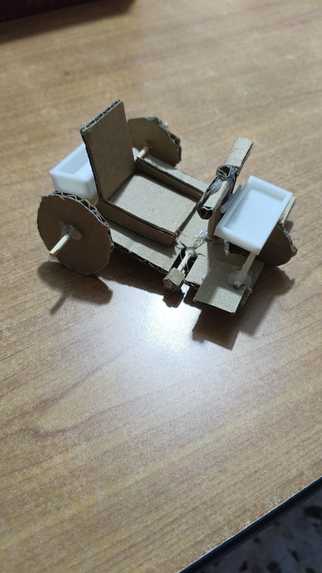
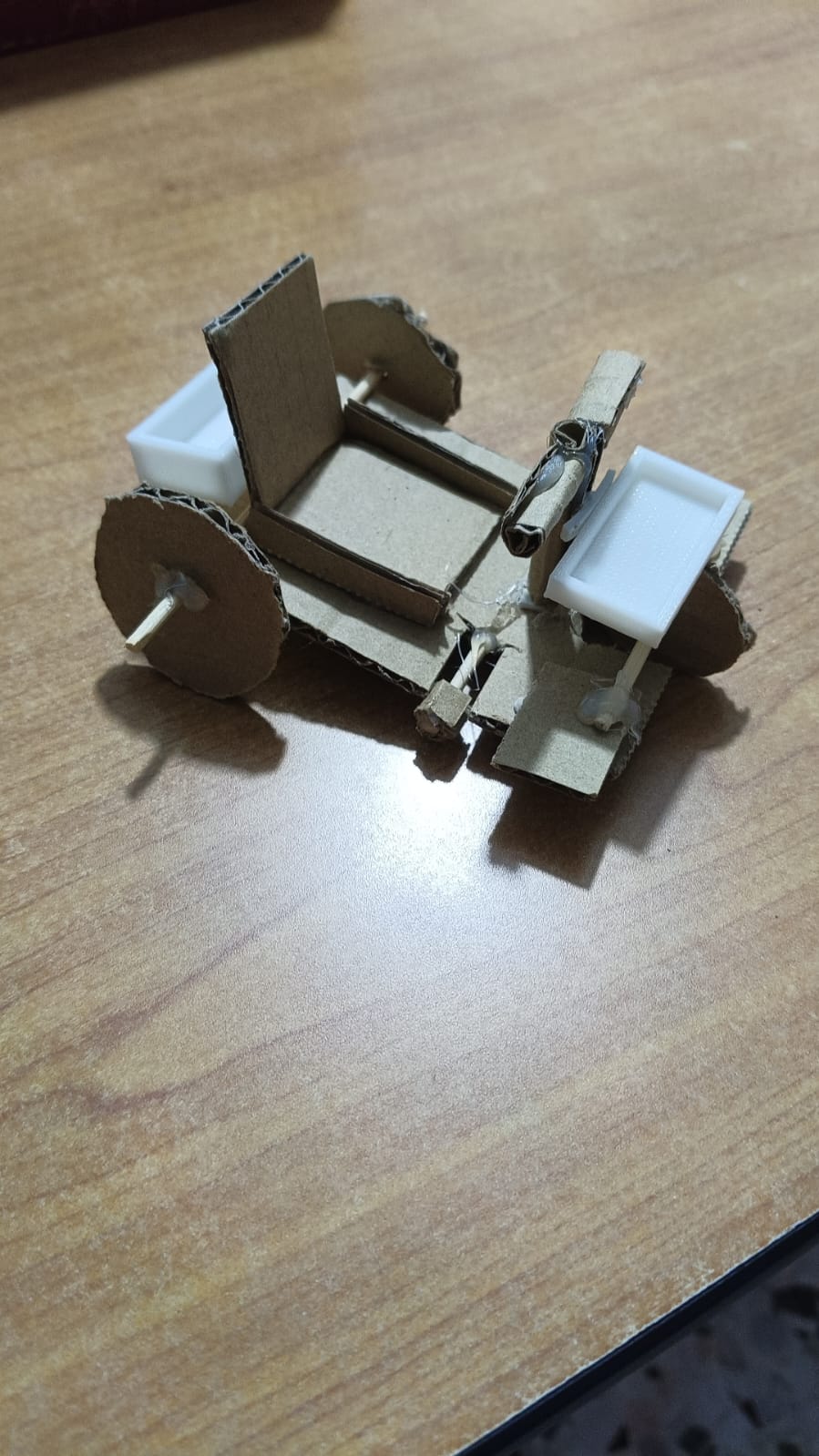
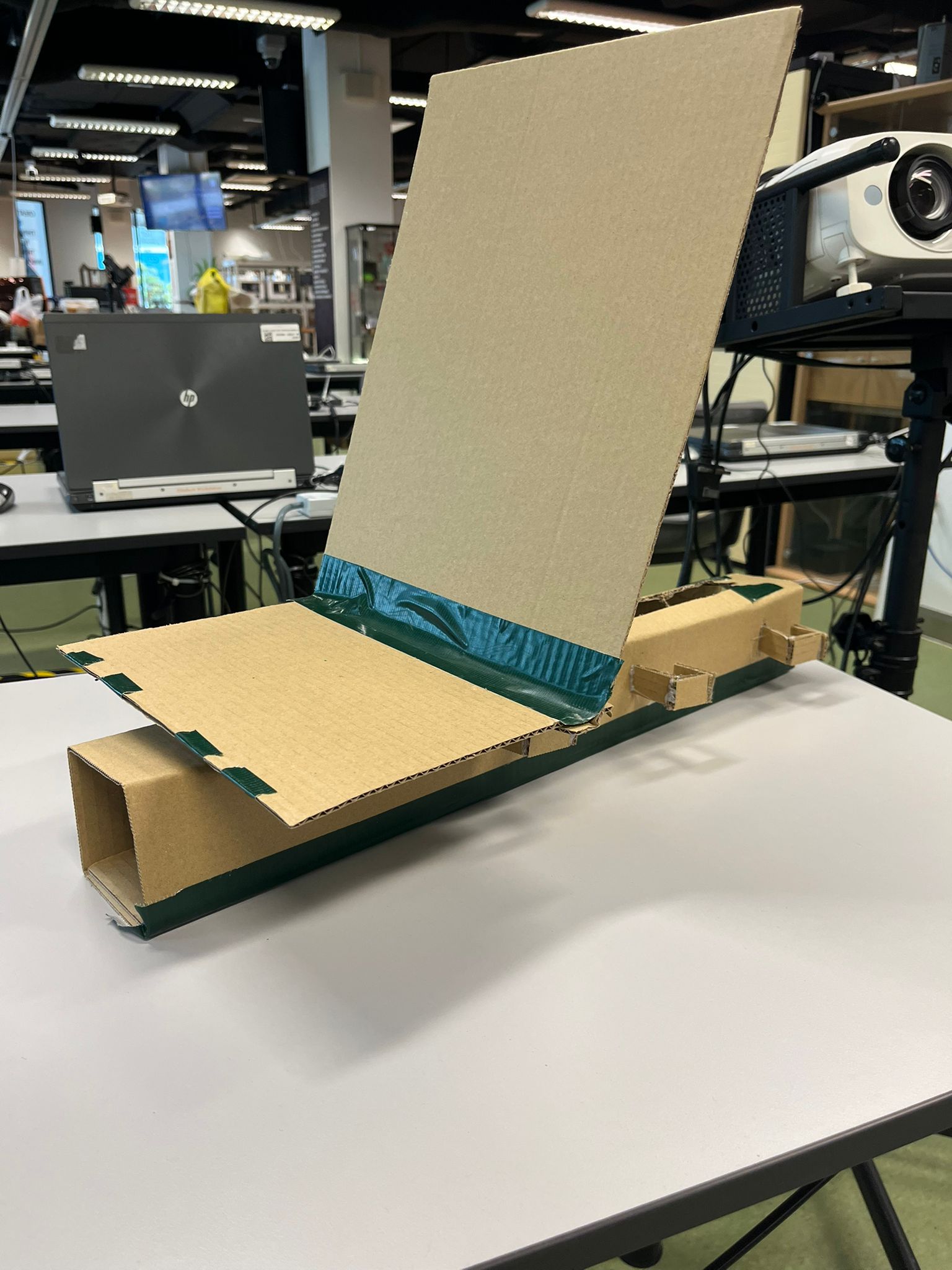
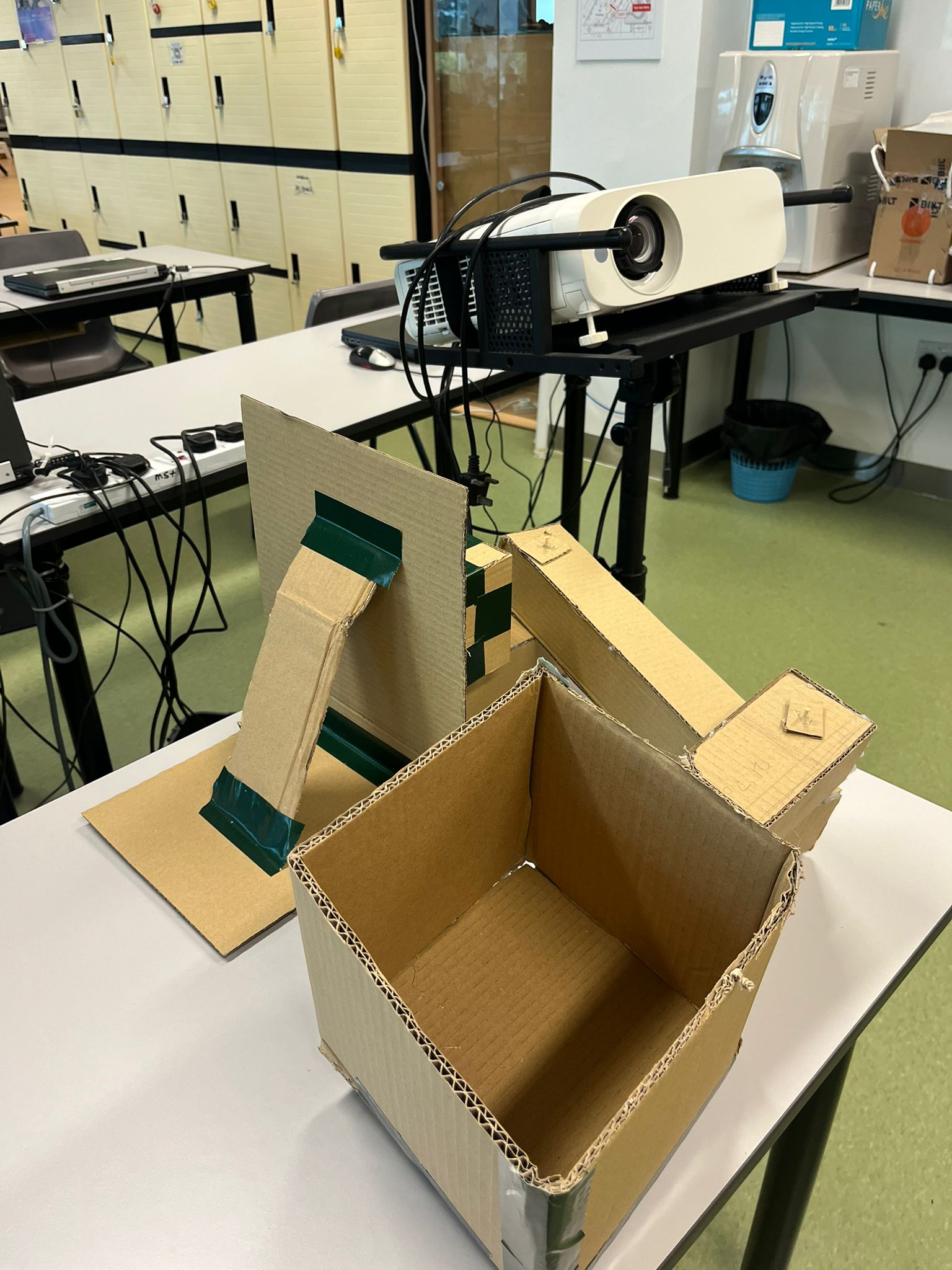
Mini version of original model of the adaptive bicycle we planned to remodel and retrofit
-
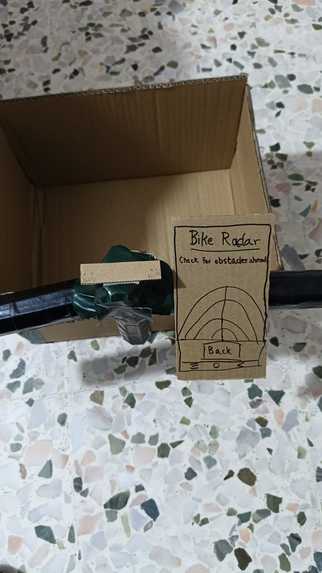
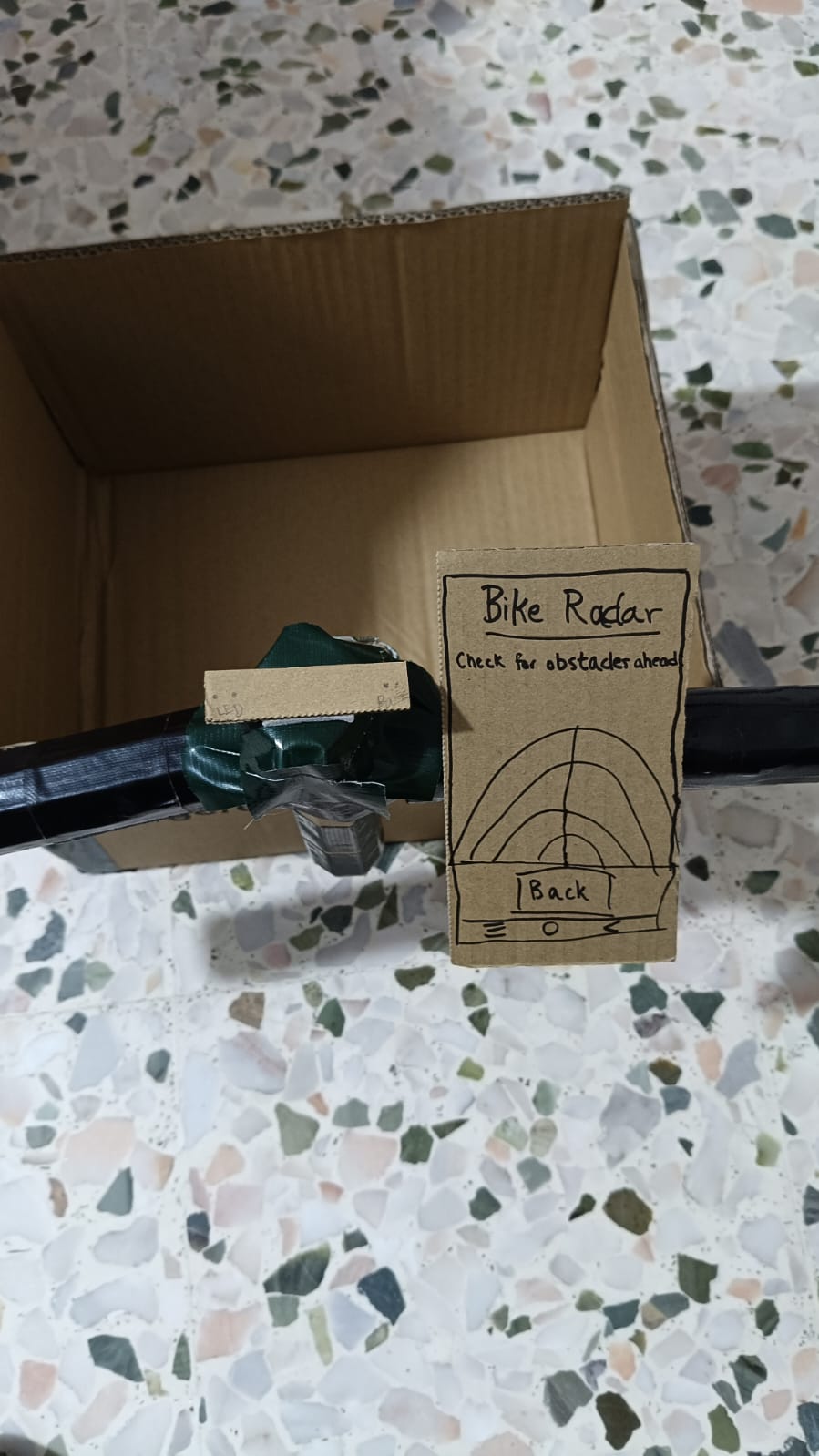
Bicycle handle and front cargo box, with handphone showing radar scanner and holds the electronics
-
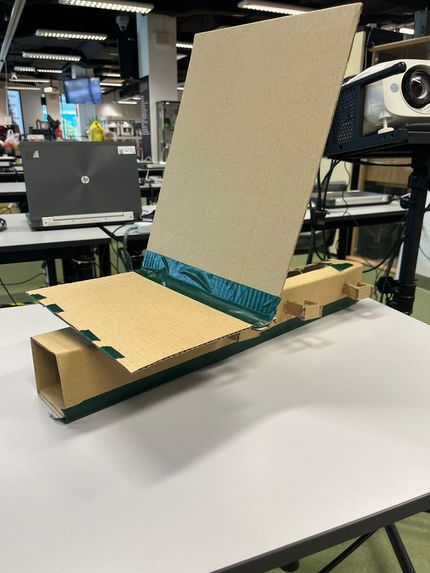
Adjustable seat (slide to adjust and lock in position)
-
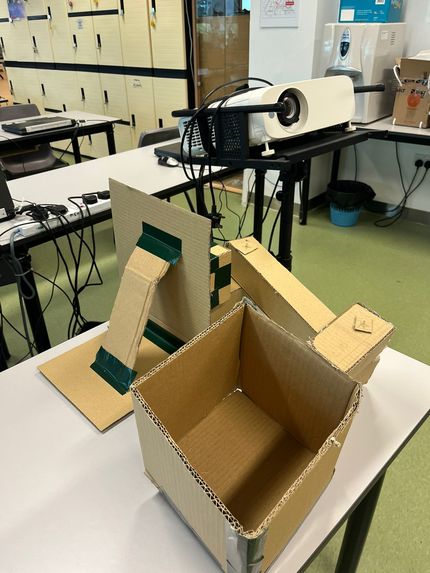
Rear cargo box with extendable arm, connecting the back of the seat and the cargo box
-
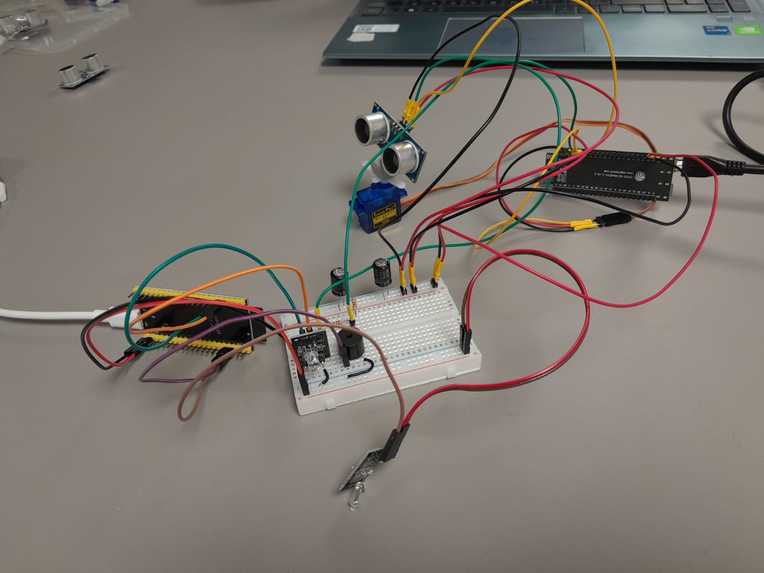
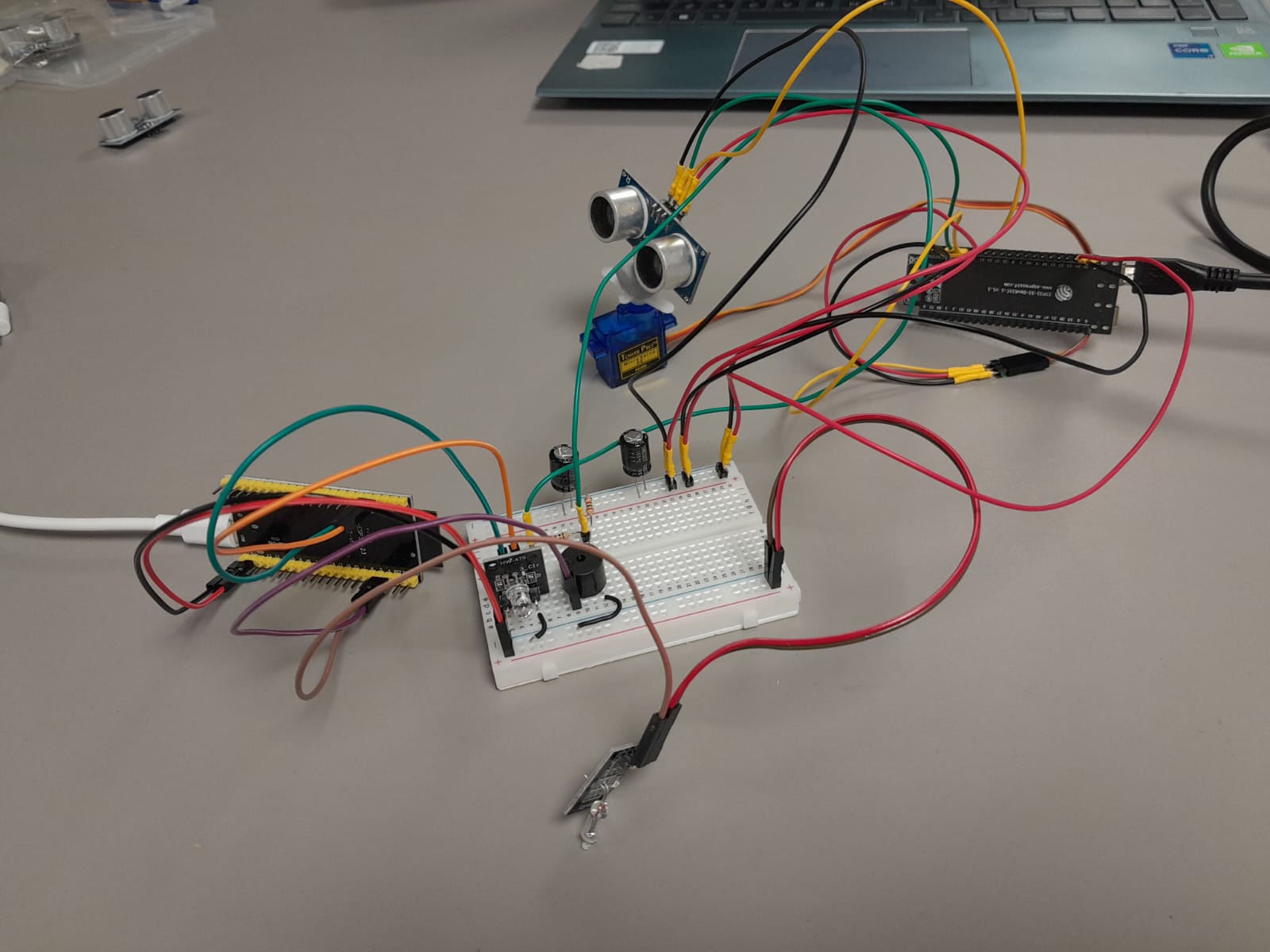
Electronics for the radar scanner and warning system
-
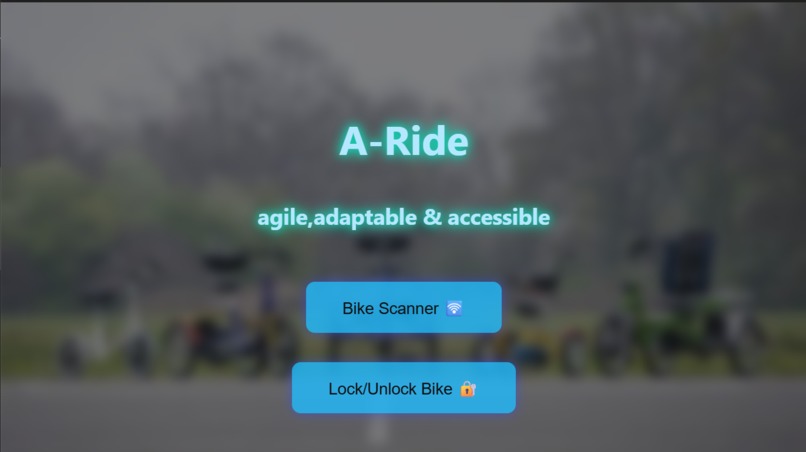
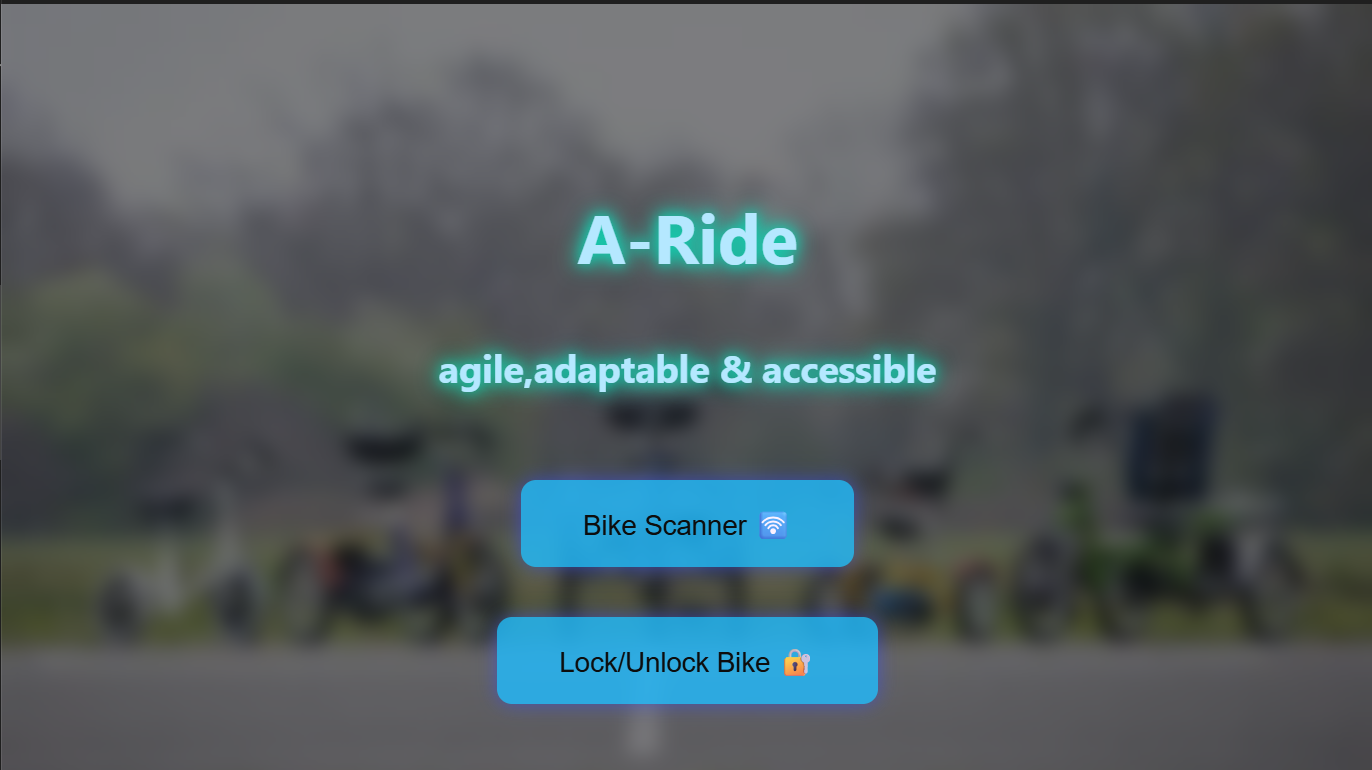
Website for the users to unlock/lock bike and access the radar scanner
Inspiration
Our prototype has three features hence we took inspiration from three things: First feature was inspired and thought of from submarine radars that can detected incoming objects around its perimeter and alarm the people in the submarine so that they will be more alert about the incoming objects. We decided that we can apply this radar mechanic to detect incoming objects that the cyclist might crash into and alert them when they are risk crashing into someone or something.
Second feature was inspired and thought of from adjustable car seats. For most car seats, there is always a lever or button for the driver or passengers to use to slide their seat back and forth to adjust the position of their seat for them to feel more comfortable, and for the driver, he will be able to comfortably and hence more efficiently drive the car. We took inspiration from this mechanic and applied the same concept to the adaptive bike seat so that they cyclist can feel more comfortable and be able to cycle more efficiently.
Third feature, we took inspiration from luxo lamps, which are lamps with extendable joints that allow the user to drag the lamp closer to him to shine at a certain spot more. We decided to use the same mechanic and just connect a cargo box of the bike to the extendable joints instead of a lamp. This allows the cyclist to be able to drag the cargo box such that he can access its contents right in front of him.
What it does
Our prototype is a redesigned adaptive bike that aims to improve the safety, comfort and accessibility for users. On the head tube of the bicycle, we implemented a radar system using an ultrasonic sensor and servo motor which helps to monitor for any blockages in front of the bicycle. The rider will be warned by the app we created, which will show a radar and indicate a red dot for any obstructions. We also redesigned the seat such that it is customisable for anybody. It can slide on the frame of the bike, allowing the user to adjust the distance of their body from the handlebars. Lastly, we created a cargo box with a flexible arm. It is placed behind the bicycle seat, but the rider can just drag the box from the back of the bike to the front in order to easily access the items.
How we built it
For the circuitry that is part of the first feature, we used HC-SR04 Ultrasonic Sensor attached to a SG90 Servo Motor connected to a power source. We also used 2 different ESP32-S3 models for different use, with one being for WiFi and the Servo Motor attached to the laptop responsible for running the code and website. On the other ESP32-S3, it is used for the tilt sensor and LED to detect tilting, powered by a DC Power source.
All three features are built by recyclable materials such as cardboard, glue and tape for display purposes. While not representative of the final material used, it is used for the quick prototyping and validation through some testing alongside component integration and whether the idea can be solid enough.
Challenges we ran into
We had issues uploading the code onto the different member's computer. We spent multiple sessions debugging and figuring out the issue, but we eventually found out that the drivers were the not compatible with the ESP32. Hence, each member had to update their driver in order to run the code.
Accomplishments that we're proud of
We were able to form a prototype that simultaneously involved real hardware, software, microcontrollers, web design and ui design and seamlessly integrate into an ecosystem of change within the span of 2 weeks. We were able to execute with what we had and within the time frame despite all the challenges and restraints we faced. We were able to produce tangible results that are the mark of our undeniable effort. In addition, the prototype was made of cardboard, yet was smooth and functioning well to demonstrate to others how it should be used.
What we learned
We learnt how to cooperate, brainstorm and build the prototype together through the system of the google sheet. We scheduled the days for meetups, online calls and WhatsApp for discussion. We also had to discuss the limitations and how we can further optimise the functions of bicycle. Lastly, we also learnt to make ourselves think outside of the box. For example, squeezing our brains to try customizing everything on the bicycle such as the seat, the basket and the bicycle handle
What's next for A-Ride
Our prototype is not perfect. We plan to make some improvements to it. For instance, instead of using a bike ID to unlock/lock the bike, we plan to implement a QR code system so that it is more convenient for users to lock and unlock their bike. In addition, to further improve the safety of adaptive bikes, we plan to make a brake system such that it will activate both brakes on the back wheels from just one handle brake. This will make it easier for people with weaker grip strength to press the brake on their bike.

Log in or sign up for Devpost to join the conversation.