-
-
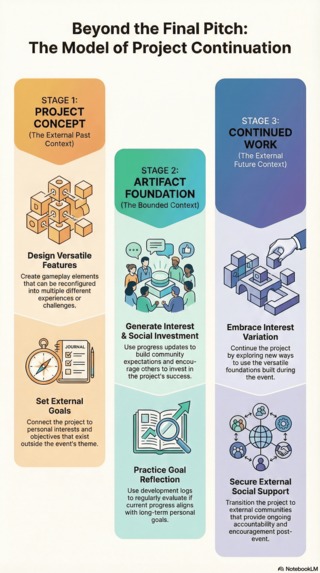
final model
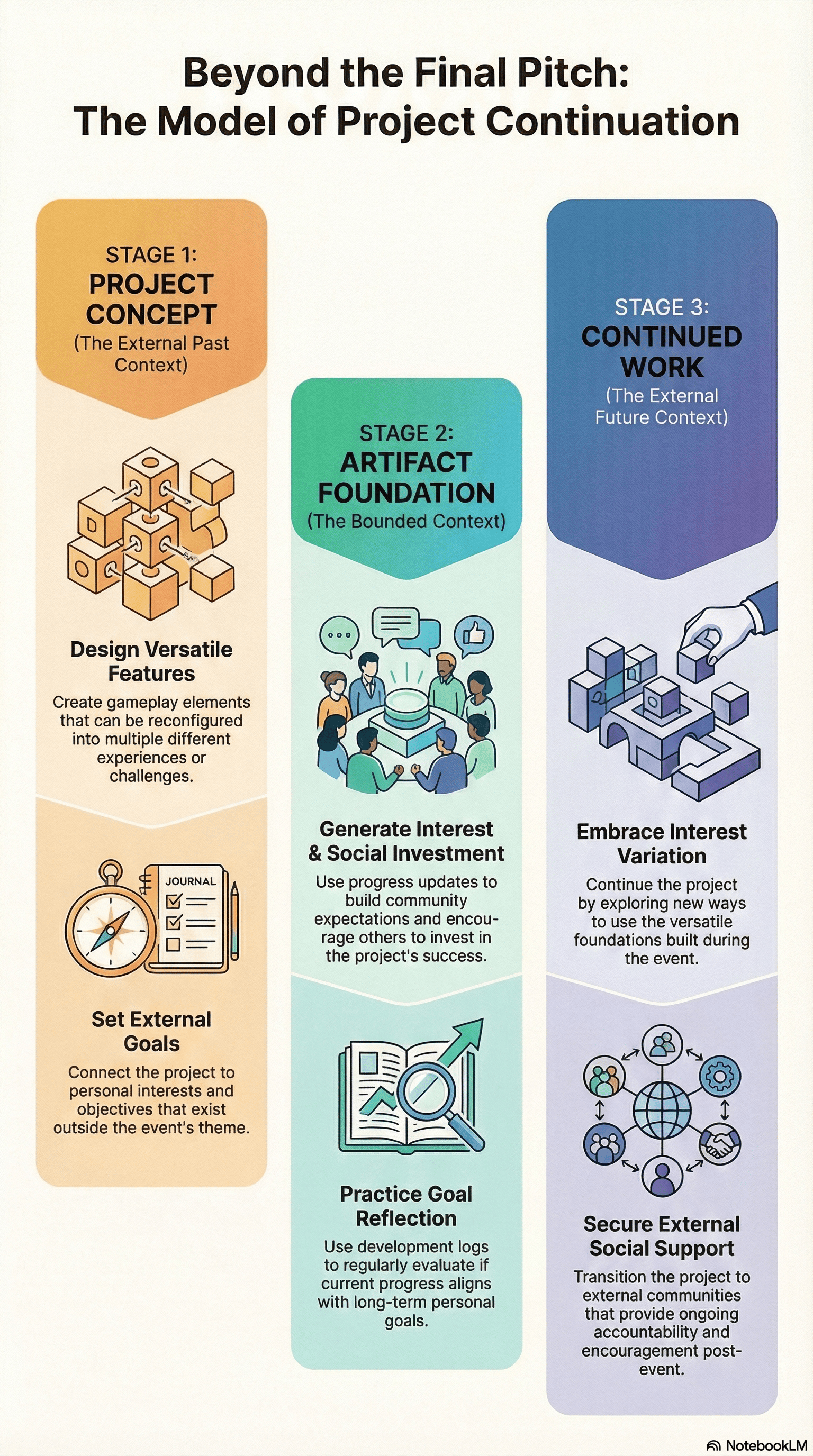
Inspiration
The primary motivation for this work is the lack of a comprehensive review regarding the ethics of AI as applied to video games . While values like transparency and responsibility are central to other domains, video games present unique challenges, such as the use of dark patterns, predatory monetization, and the "black-box" nature of game systems . The project was inspired by the need to create an appropriate framework to protect users and guide developers toward creating safer experiences .
What it does
This framework surveys the current state of the art in game AI and discusses ethical considerations through the holistic perspective of the affective loop . It examines the ethical boundaries of artificially induced emotions (elicitation), the tradeoff between privacy and safe spaces (sensing), and the challenges to transparency and ownership during in-game adaptation (detection) . Ultimately, it calls for an open dialogue and action to ensure the virtual spaces of the future are ethically aligned .
How we built it
The framework was constructed by structuring the discussion of AI ethics around the four stages of the affective game loop: elicitation, sensing, detection, and adaptation . We identified key AI virtues—including responsibility, transparency, auditability, incorruptibility, and predictability—to serve as the cornerstones for evaluation . The research involved analyzing academic literature alongside real-world industry examples, such as the use of predictive models for player "churn" and the implementation of battle pass systems .Challenges we ran into One of the most significant challenges is the inherent opacity of AI systems, which is often compounded by legal opacity that restricts access to training data and architectures . We also identified a transparency-efficiency tradeoff, where total transparency might actually decrease the efficacy of a system or diminish the player's experience of "flow" and uncertainty . Furthermore, algorithmic bias remains a major hurdle, as models often overfit to skewed populations or perpetuate historical biases related to race and gender .
Accomplishments that we're proud of
We are proud to have highlighted positive industry initiatives, such as Microsoft’s Xbox Transparency Reports and the practice of studios like EA, Nintendo, and Ubisoft sharing datasets with the academic community . The framework also proposes a "right to reasonable inferences," which would require developers to disclose why certain data forms a normatively acceptable basis for AI-driven decisions . Additionally, we explored the promising path of "machine unlearning" as a technical solution to mitigate privacy issues in small-scale AI architectures .
What we learned
We learned that affective data is often inferred rather than observed, making it uniquely delicate and difficult to protect under current legal frameworks . The industry currently has a troubled relationship with transparency, often treating datasets and AI models as strictly-kept trade secrets . We also discovered that even well-intentioned systems, like "AI Dungeon," can run into severe ethical controversies when they lack a clear chain of responsibility for generated content .
What's next for The Affective Loop: Ethical Frameworks for AI in Video Games
The next steps involve making ethics an integral part of AI and games research and innovation . We expect affective computing researchers to take a leading role in this effort, providing a shared language between sensor technology, AI, and applied psychology . Future work will also focus on advocating for regulatory responses and policies, such as the EU AI Act, to ensure that ethical awareness leads to tangible action for the mutual benefit of players and developers
Built With
- azure
- discord
- express.js
- ffmpeg
- itch.io
- javascript
- microsoft
- node.js
- sqlite
- unitygameengine


Log in or sign up for Devpost to join the conversation.