-
-
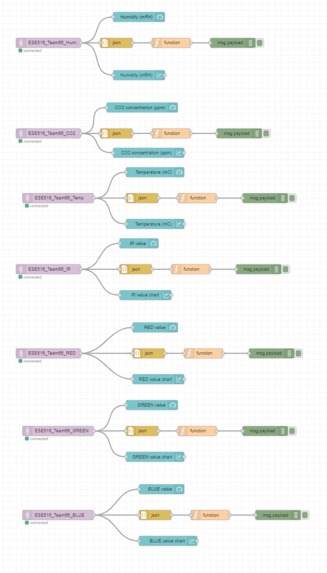
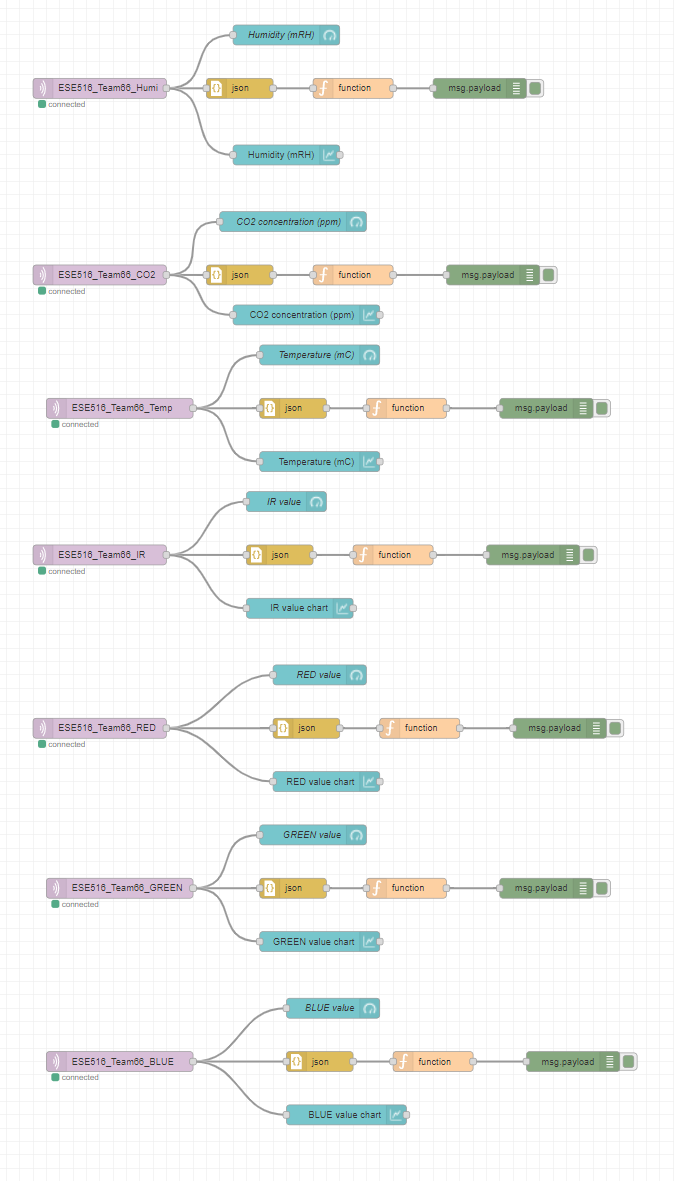
NodeRed backend
-
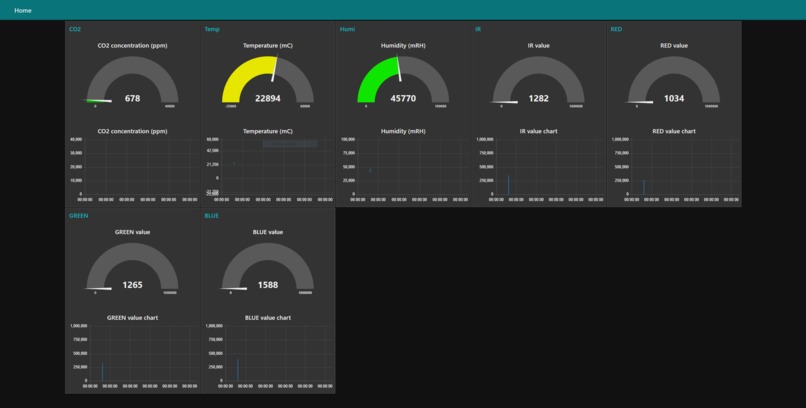
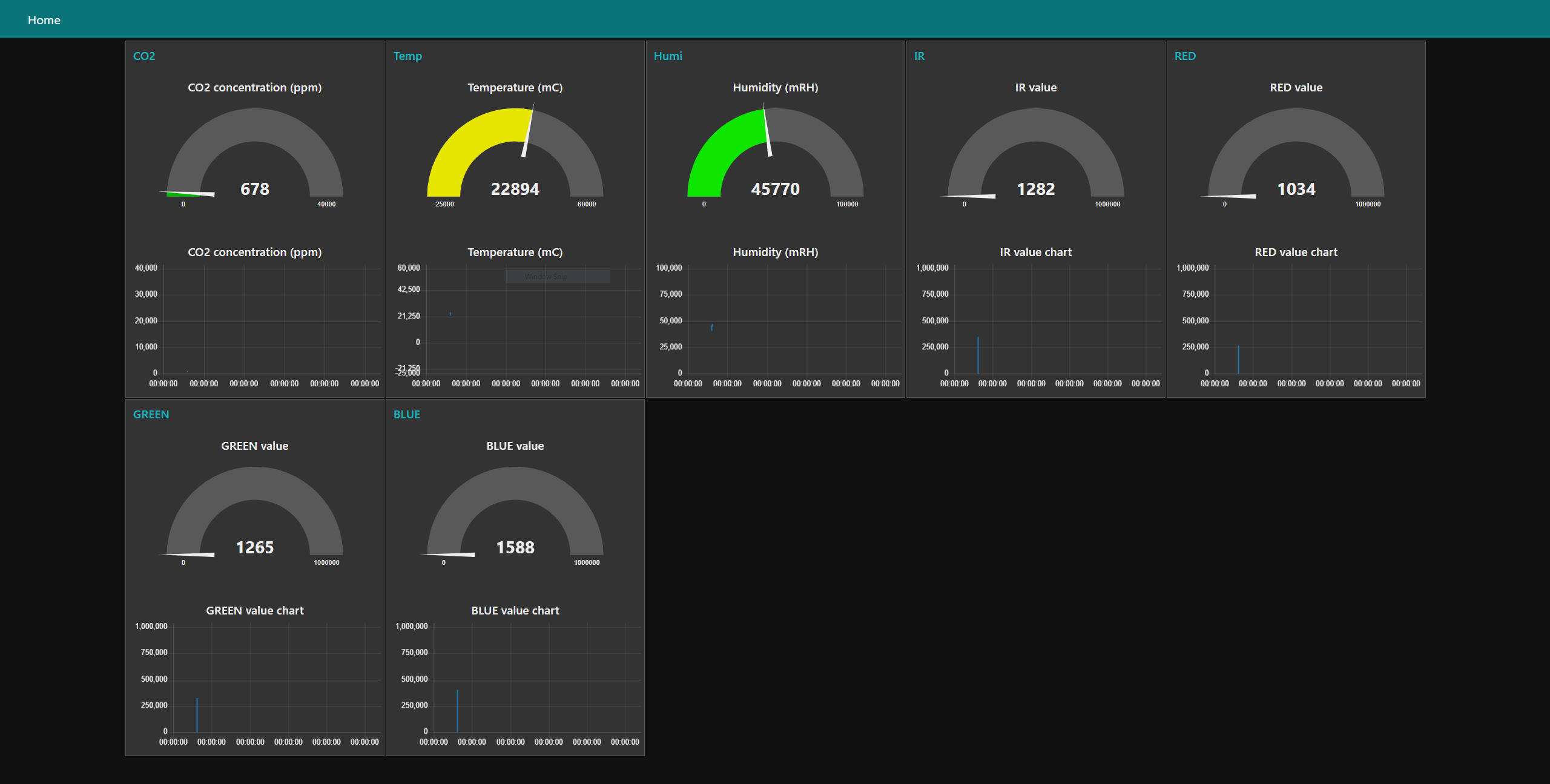
NodeRed dashboard
-
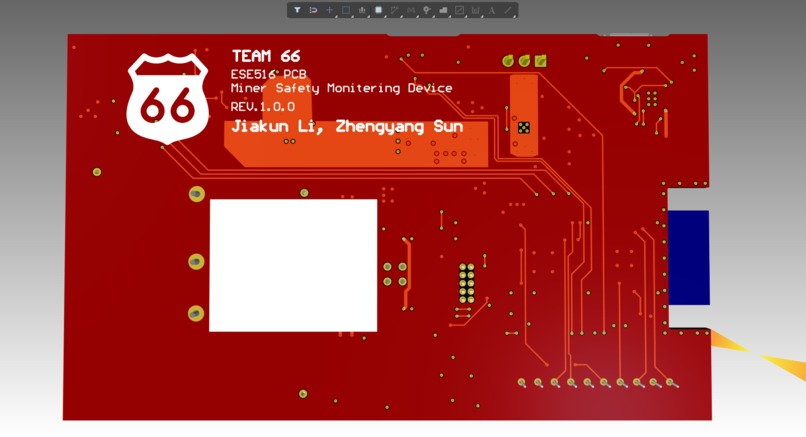
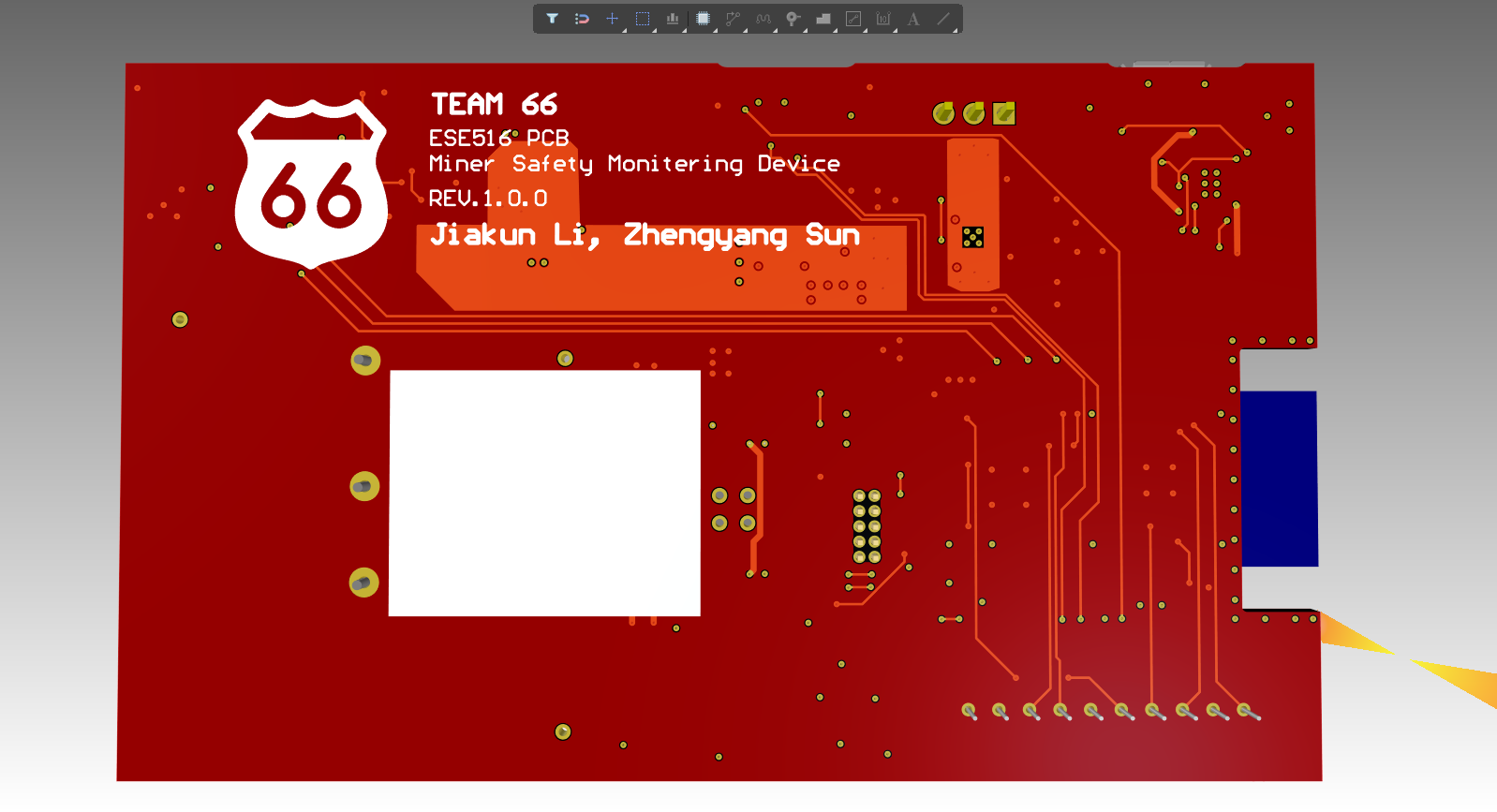
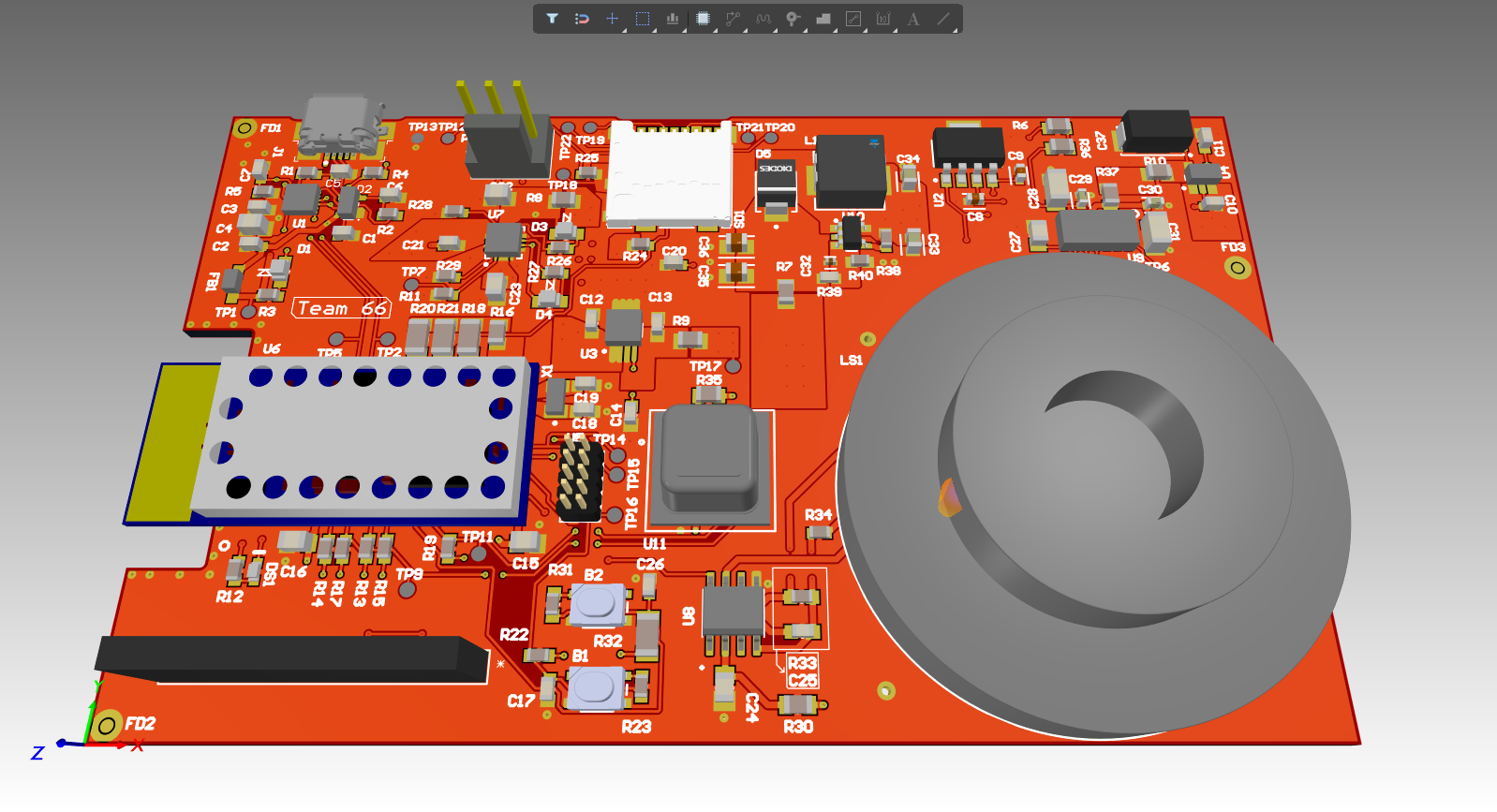
Altium Board 3D back
-
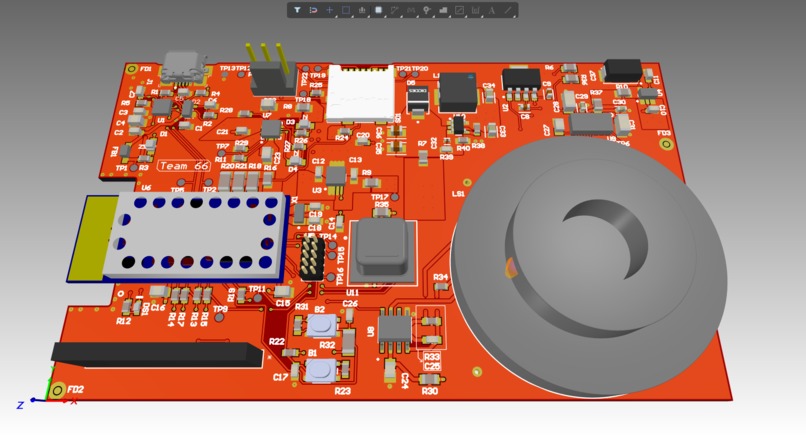
Altium Board 3D front
-
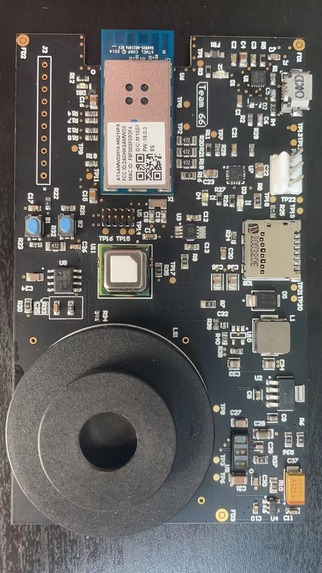
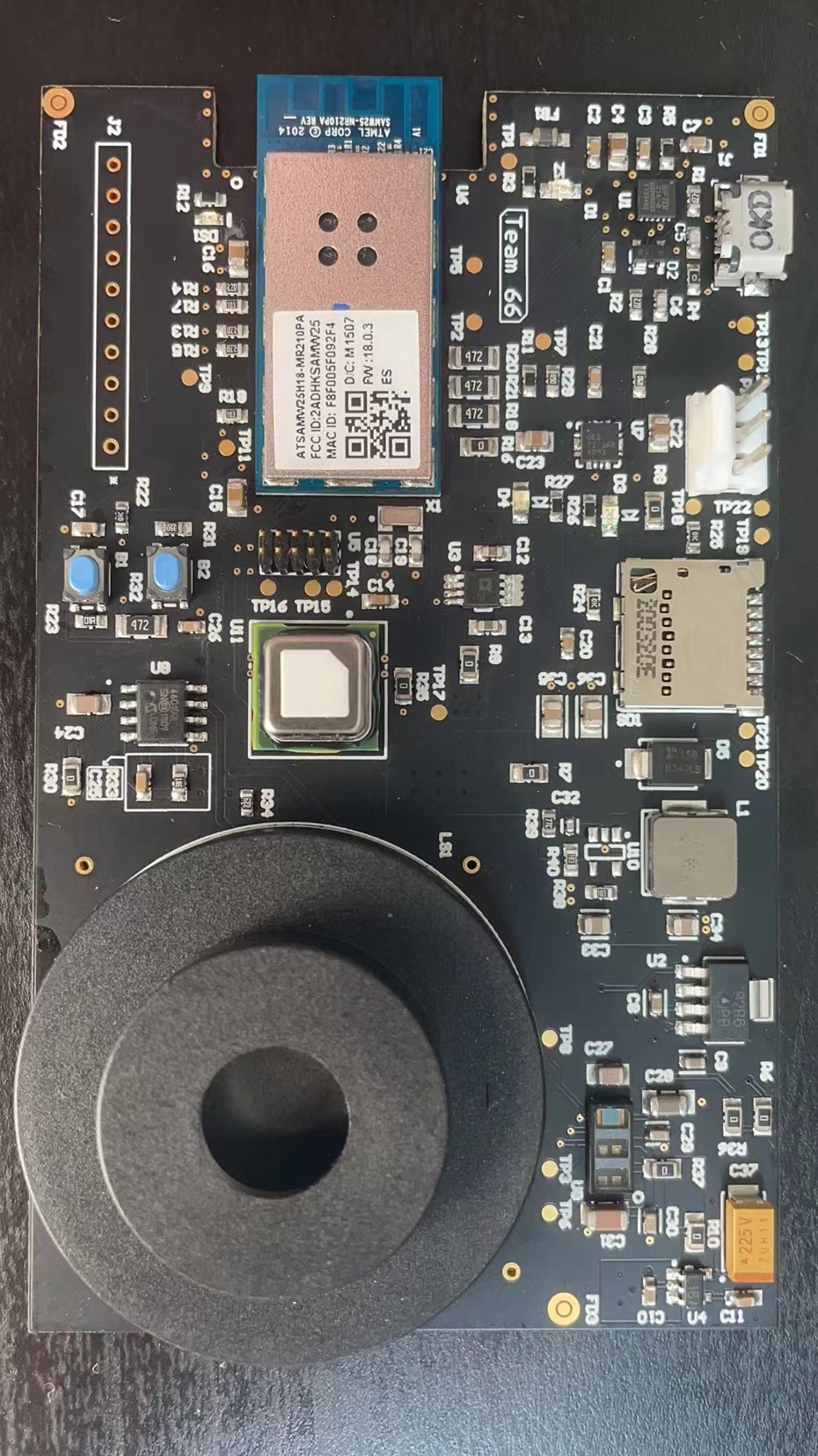
Board
Inspiration
This project is inspired by the widespread application of IoT devices in the field of telemedicine. Medicine includes the process of treatment, such as surgery, and the process of monitoring health. Using the portability and basic computing power of IoT edges, the health status of each monitored individual can be transmitted to the cloud in real time. The second inspiration of this project is that even with the high level of technological development nowadays, underground work still requires workers to go underground, so there are corresponding risks. Fortunately, the current network technology can achieve network coverage of underground construction sites, and IoT devices can also be applied underground. Using IoT devices to assist construction parties in monitoring the health of underground workers can effectively reduce personnel and property losses caused by accidents.
What it does
This device can monitor the wearer's heart rate and the carbon dioxide concentration of the surrounding environment in real-time to confirm the wearer's vital signs and the safety of the surrounding air, and transmit these data to the cloud in real time for other personnel to monitor. There is a button on the device to send a rescue signal through the cloud. When the wearer is in danger, the button can be pressed to send a distress signal. After the cloud receives the signal, it will send information to the designated mobile device to inform that workers are in danger and need rescue. At the same time, the buzzer on the device will emit a sound of 80 decibels to help rescuers locate workers underground.
How we built it
The MCU of this device is SAMW25. Since the WINC1500 WIFI module is integrated inside, it is very suitable for the development of IoT devices. The heartrate sensor is MAX86916, which has high precision and small size, and does not require too many external components. Wearing this sensor on the index finger of the worker will not affect its normal work in practical application. At the same time, this sensor can also detect the wearer's blood oxygen concentration, which can more effectively provide the wearer's information to ensure its safety. The CO2 sensor we chose is SCD41, which can provide carbon dioxide concentration, temperature, and humidity information. It not only ensures the safety of workers, but also allows workers to adjust other equipment according to the underground environment, reducing equipment damage caused by overheating or excessive humidity.
Challenges we ran into
The development of this device needs to solve the following problems. First of all, it is necessary to solve the problem of data transmission and reception between the sensor and the MCU. Secondly, the algorithm of converting the data obtained by the sensor into the required data needs to be figured out. In addition, the setting function of this device is to continuously transmit sensor data from the moment it is turned on. However, two different sensors need to share one I2C interface, so RTOS needs to be used to coordinate the working moments of different sensors. At the same time, the UI interface needs to be designed so that the monitoring personnel can clearly see the changes of different detection values.
Accomplishments that we're proud of
We achieved the communication between the MCU and the sensor through I2C protocol. In the working process of the CO2 sensor, the sensor needs to receive commands before sending data, so it is necessary to code the MCU to send specific commands to the sensor. The data contents need to be printed on the CLI and sent to the cloud after the data is received by the MCU from the sensor. At this point, the process of the MCU acquiring data from the sensor is completed. Secondly, this device is designed to work alternately between two sensors to obtain real-time monitoring data. Therefore, the work process of the two sensors needs to be written into two individual tasks, and the two tasks can be run alternately through FreeRTOS, so that the entire system looks like the two sensors are running at the same time.
What we learned
PCB Design. Drawing schematic and layout using Altium Designer. Coding CLI, FreeRTOS, I2C driver, bootloader. Designing UI on the cloud. Programming individual task.
What's next for A Miner Safety Monitoring Device
It is necessary to solve how to convert the data acquired by the sensor into the required data through a specific algorithm. In the process of measuring heart rate and blood oxygen concentration, the sensor emits infrared, red, green and blue wavelengths of light through four LEDs. The four types of light transmitted into the finger tissue and are reflected back to the photodiode inside the sensor. The direct data read out by the photodiode is the light intensity of four different wavelengths, and the heart rate and blood oxygen concentration need to be calculated by some algorithms through the four light intensities. By now we are still having trouble finding the appropriate algorithms. Another thing that needs to be done later is to program the cloud to send a SOS message to a specific mobile phone. Due to lack of time, we have not completed this feature at this time.
Built With
- c
- freertos
- nodered
- samw25

Log in or sign up for Devpost to join the conversation.