-
-
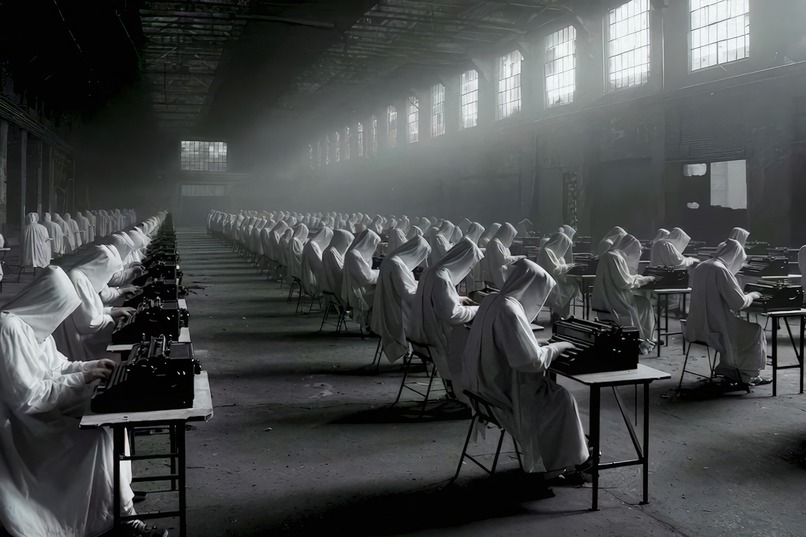
Unconscious Monks
-
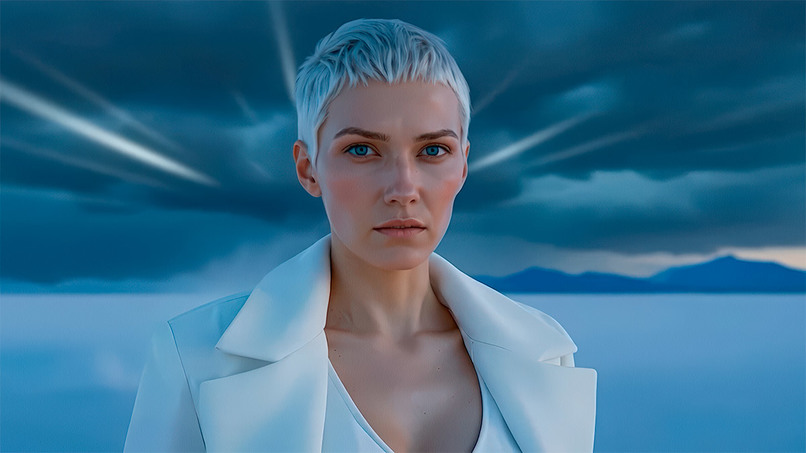
Promethea
-
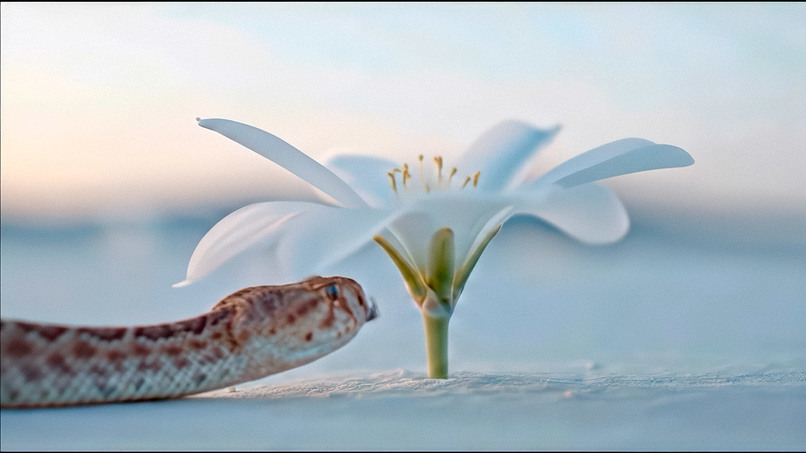
Insidious Dream
-
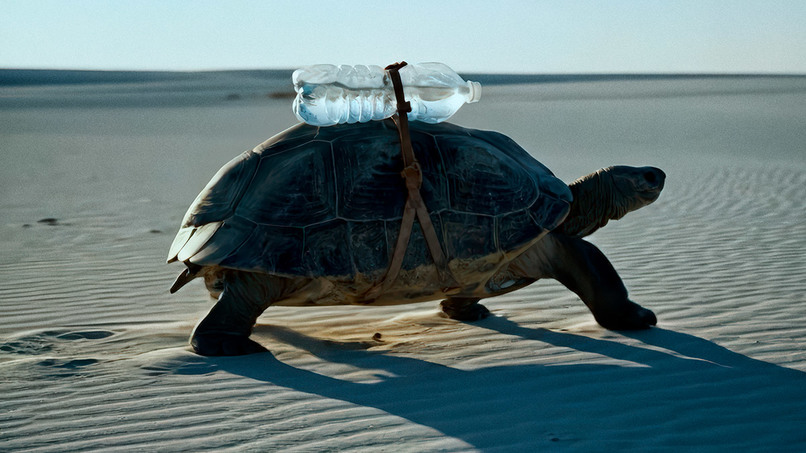
I remember the taste of water
-
After
Inspiration
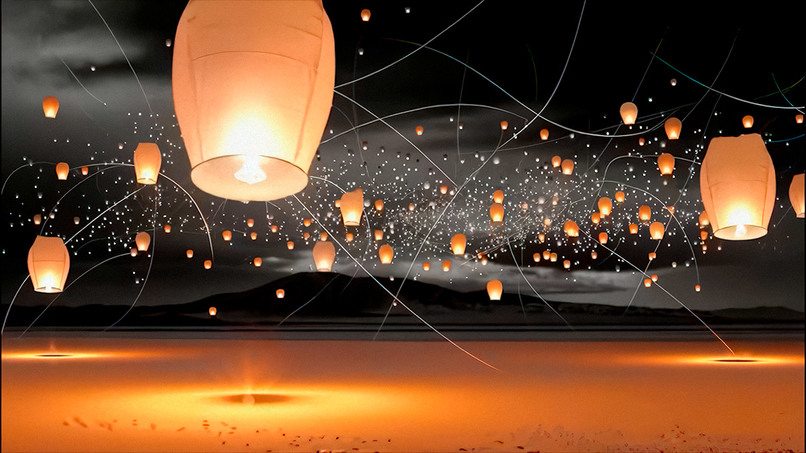
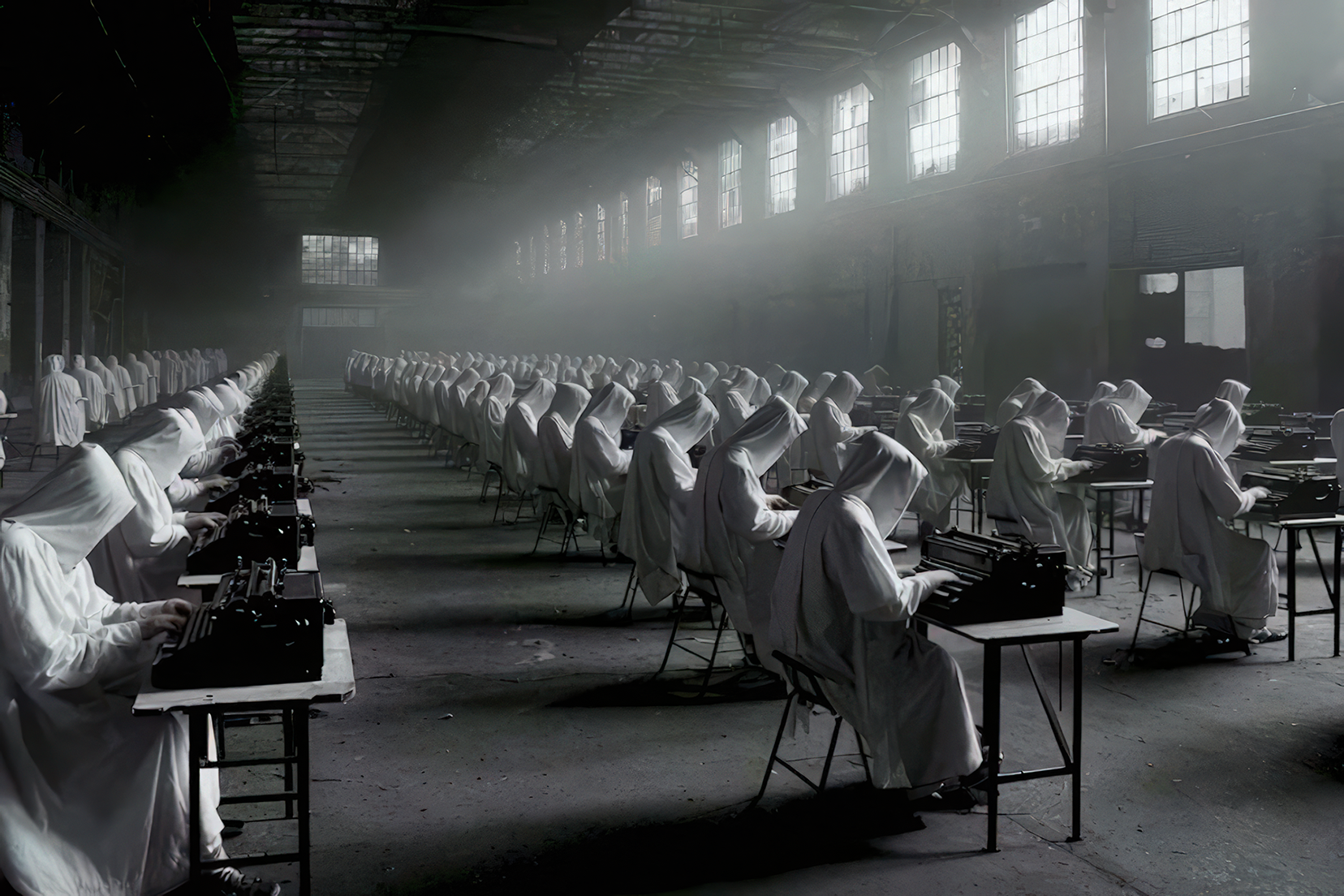
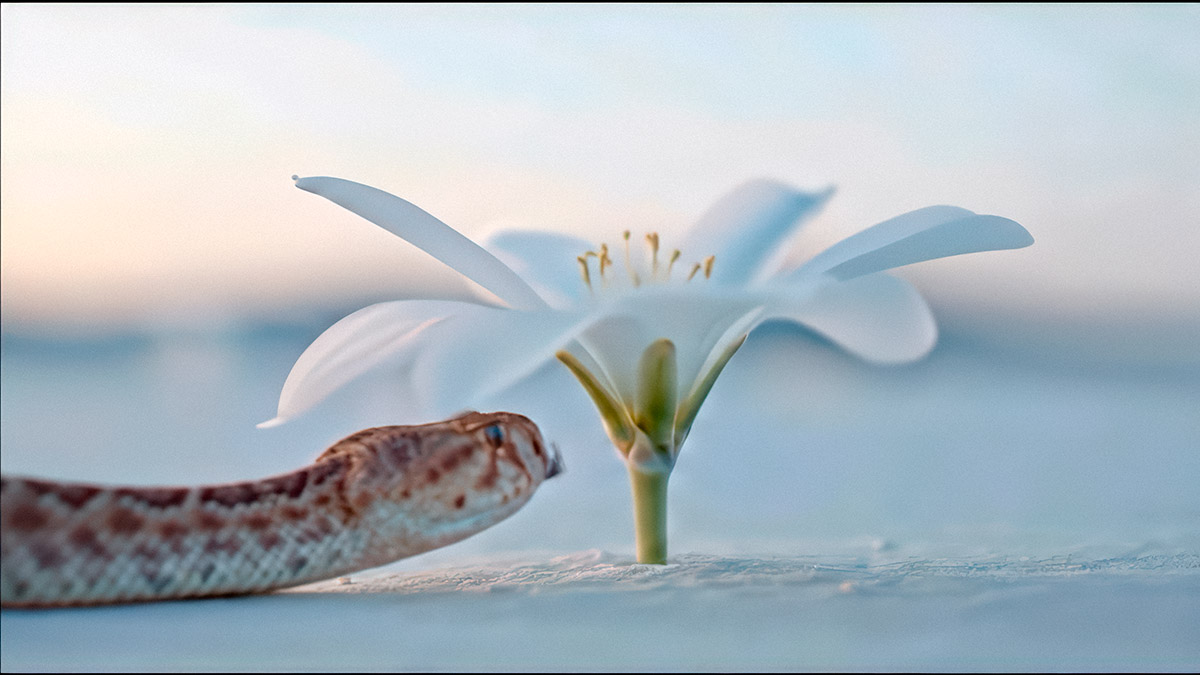
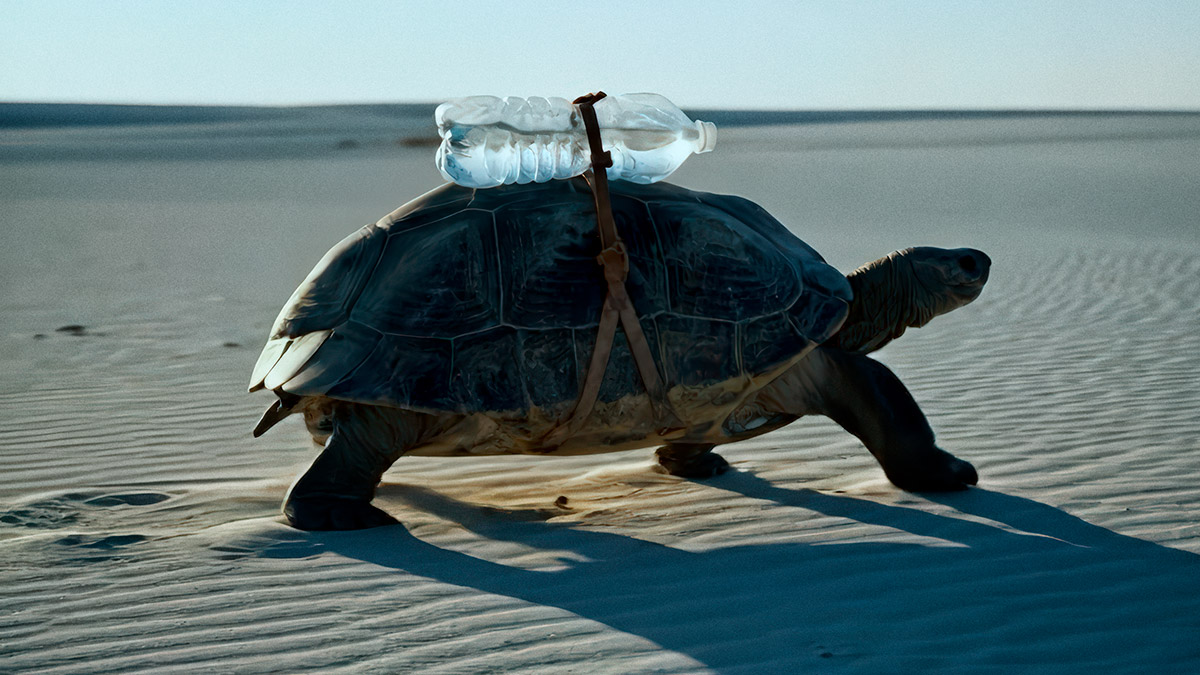
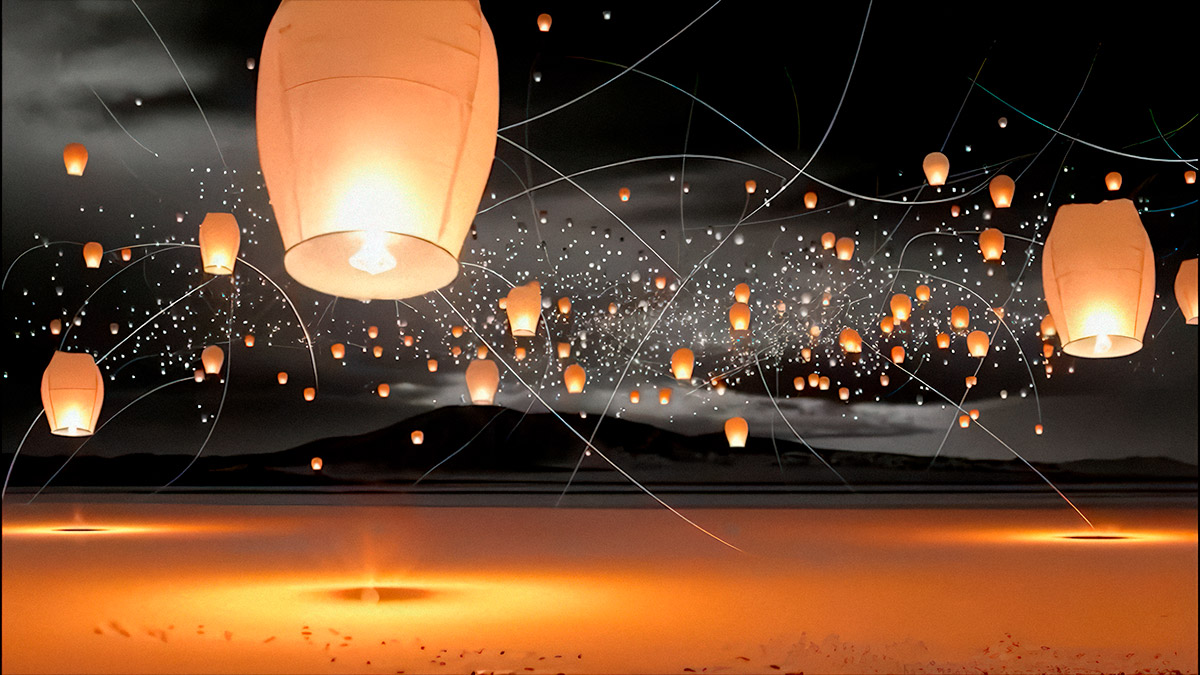
A Memory of Memories began with a question: “Can a machine dream of nature — and can that dream remind us of what we are losing?” The film explores layered realities and dreams as a metaphor for the planet’s struggle to survive. The patient flatlining in the operating room is not a person but the environment itself — a dying heartbeat echoed through dreamlike visions of time, memory, and consciousness. The project was inspired by filmmakers like Tarkovsky, Kubrick, and Jodorowsky, who used silence, duration, and ambiguity as tools of truth. Here, AI becomes both brush and lens — allowing emotion to emerge from synthetic precision.
What it does
The film turns generative AI into a storytelling instrument. Through tools such as VEO3, Seedance, and ElevenLabs, it constructs moving images and avatars inside a poetic framework — blending machine-made sequences with human editing, sound design, dialogue and symbolism. A Memory of Memories doesn’t present AI as technology but as metaphor: a reflection of how we remember, forget, and reshape nature through the digital mirror.
How we built it
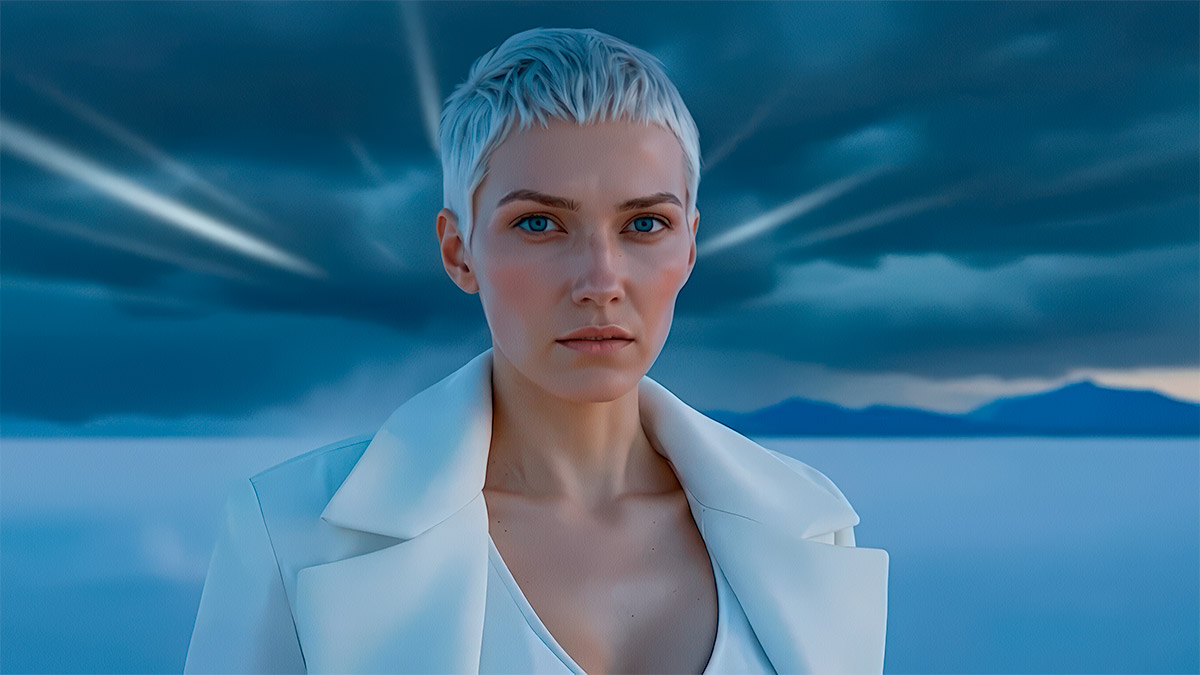
Video Google Flow / VEO3 (≈60%) – Most consistent overall; occasionally stubborn with subtle prompt changes. Seedance 1 Pro – Stronger prompt adherence; ideal for VFX and surreal sequences. Runway – Useful but inconsistent; frequent redundant regenerations. Luma AI Ray (Keyframe 3) – Used for one shot; powerful but credit-intensive. Video & Image Post Adobe Photoshop, Premiere, Audition – Generative Fill and scene-extension essential. Enhancor – Excellent for character texture correction and consistency. Topaz Labs – Key for upscaling, de-noise, and detail recovery while preserving a filmic tone. Image Generation Mid Journey and Nano Banana Sound & Dialogue DZINE – Best lip-sync tool. ElevenLabs – Best choice for cloned voices and sound FX Suno – Accurate but slightly commercial tone. Stable Audio – Excellent at reading complex musical prompts. Prompting & Avatars ChatGPT – For JSON scene generation and structure. Gemini Pro – For organizing script logic. Caimera.ai – Created Promethea’s avatar and stylized storyboard imagery.
Challenges we ran into
Maintaining visual and emotional continuity across AI platforms was the most complex challenge. Minor prompt changes often led to unpredictable results, forcing constant iteration. Lip-sync and performance consistency required extensive testing. The deeper challenge, however, was emotional — preserving the human pulse inside a system that has never felt. That paradox became the soul of the film.
Accomplishments that we're proud of
We achieved a complete short film made almost entirely with AI tools, yet emotionally grounded and visually coherent. The project demonstrates that generative cinema can move beyond novelty into storytelling with purpose.
What we learned
AI is not opposed to emotions; it mirrors them: imperfections — flickers, mismatches, or visual glitches — often became the most poetic moments. I learned to direct algorithms, guiding systems built for precision toward emotion and unpredictability.
What's next for A Memory of Memories
Working towards hybrid filmmaking. Bringing real actors avatars for our next project. Using AI more as an organic tool, a bridge between analog and digital...


Log in or sign up for Devpost to join the conversation.