-
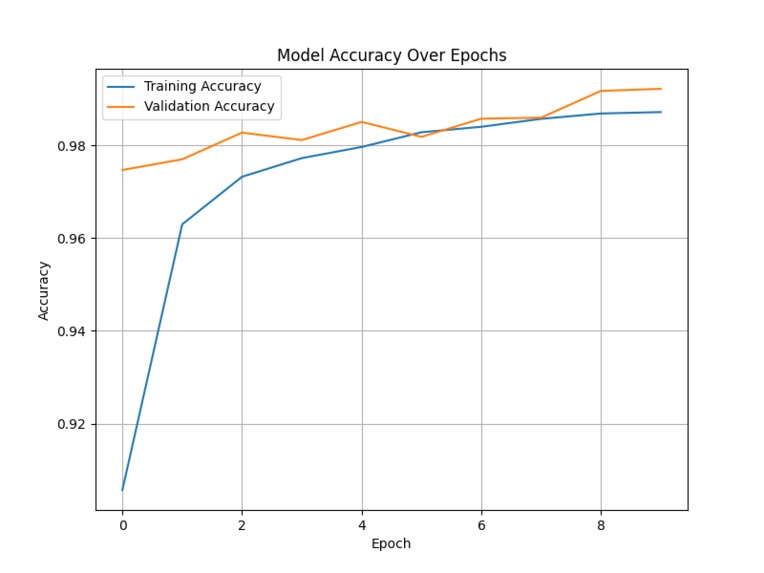
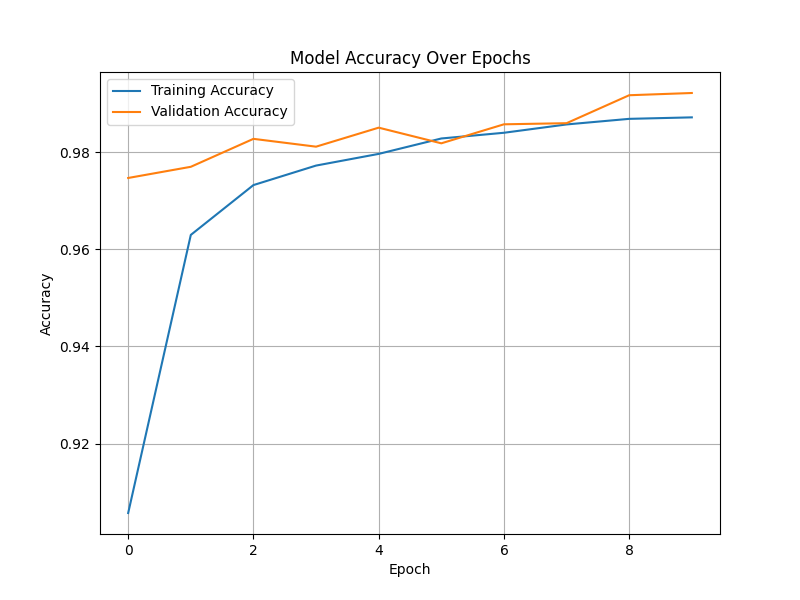
Soil Accuracy Chart
-
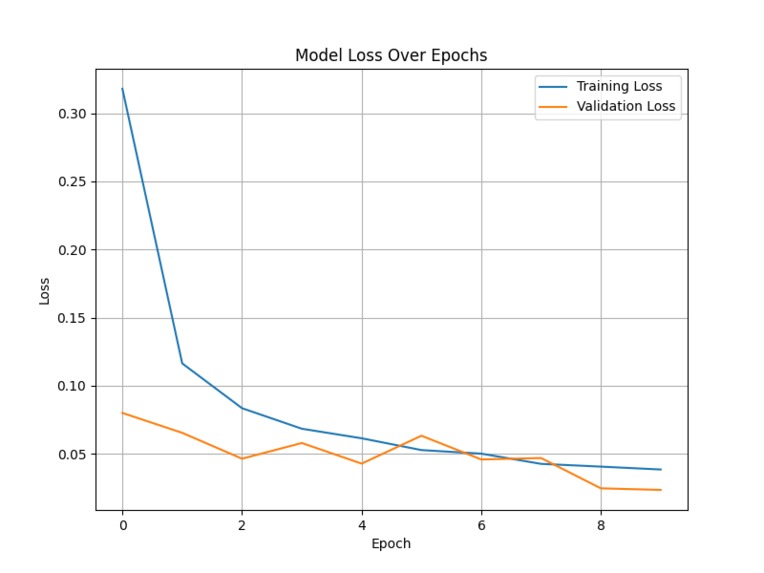
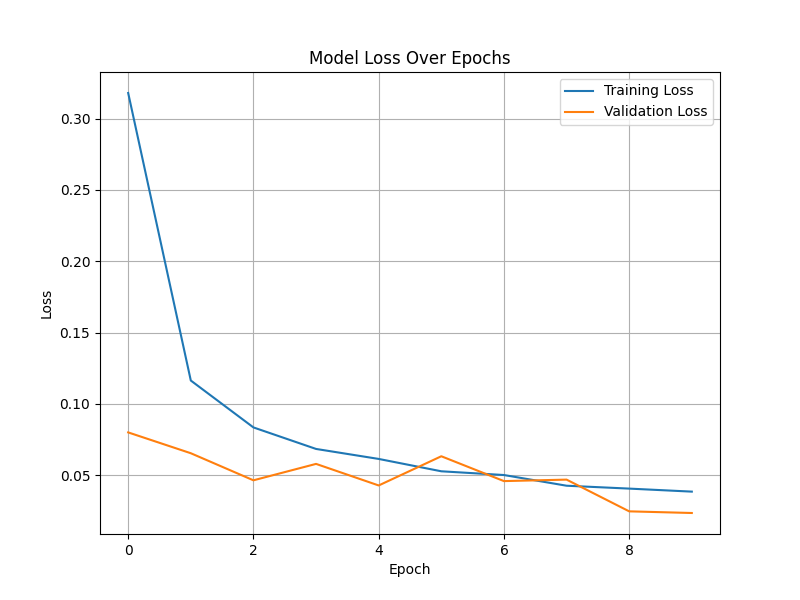
Soil Loss Chart
-
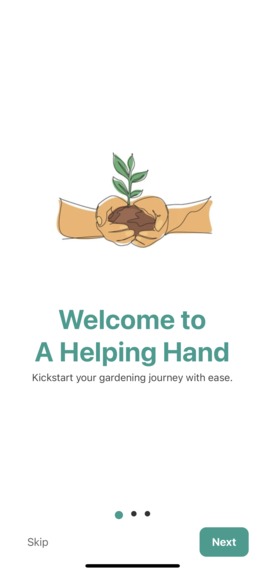
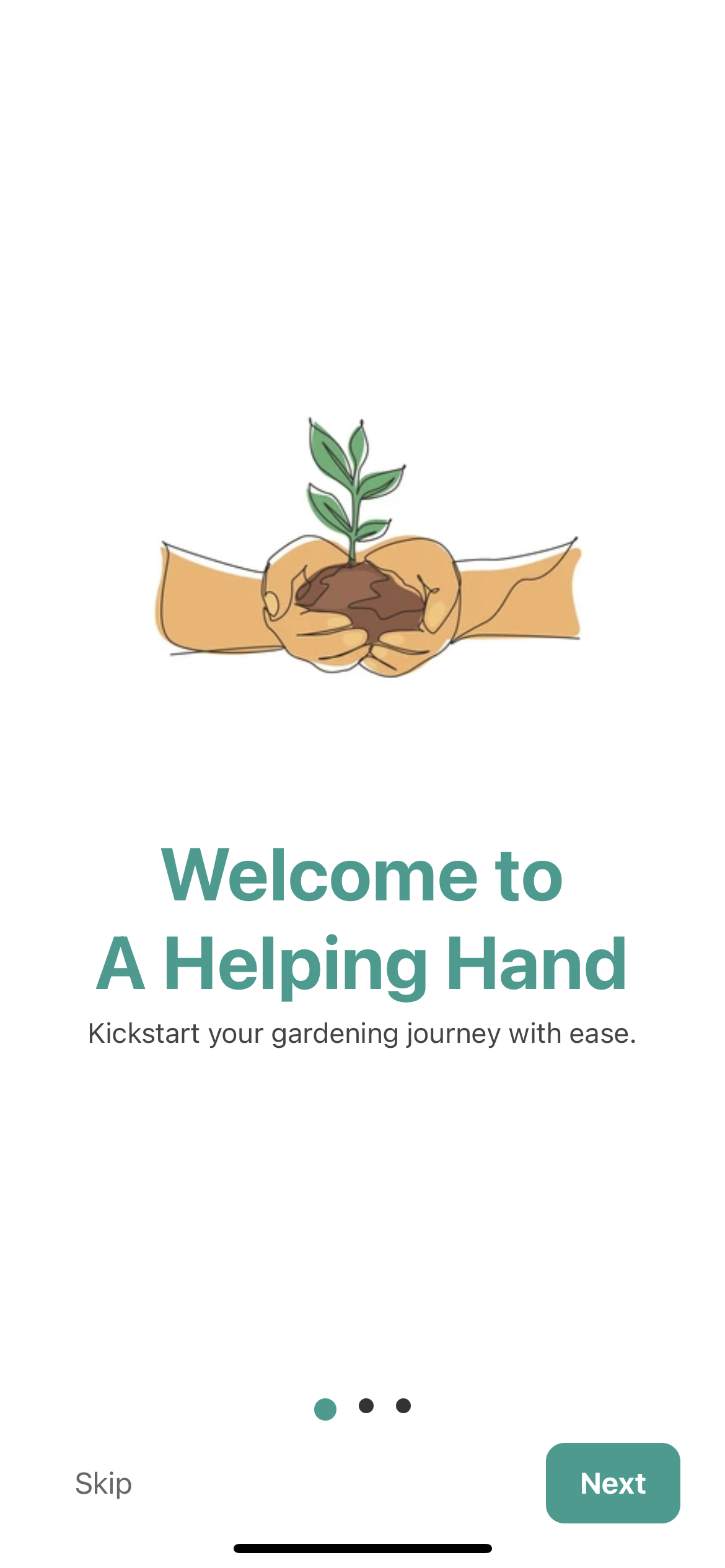
Welcome Screen
-
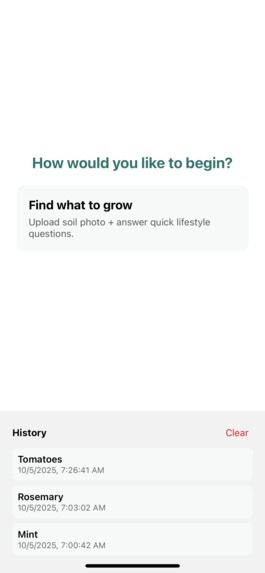
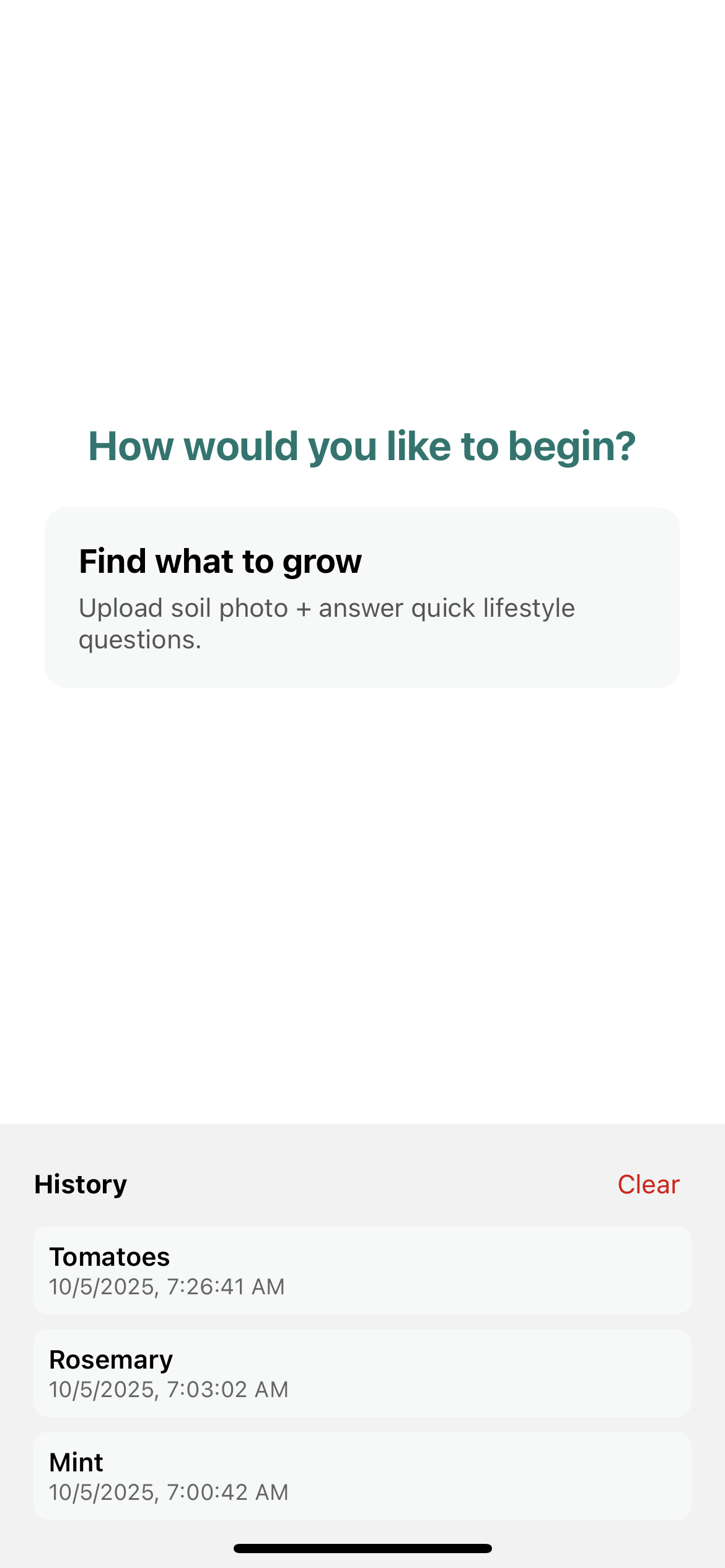
Landing Page
-
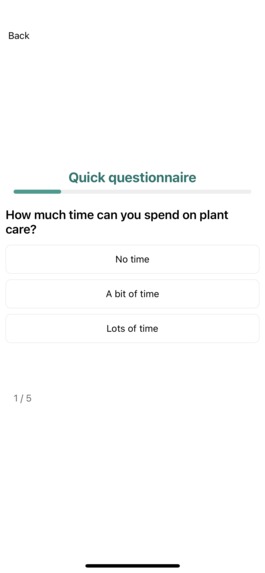
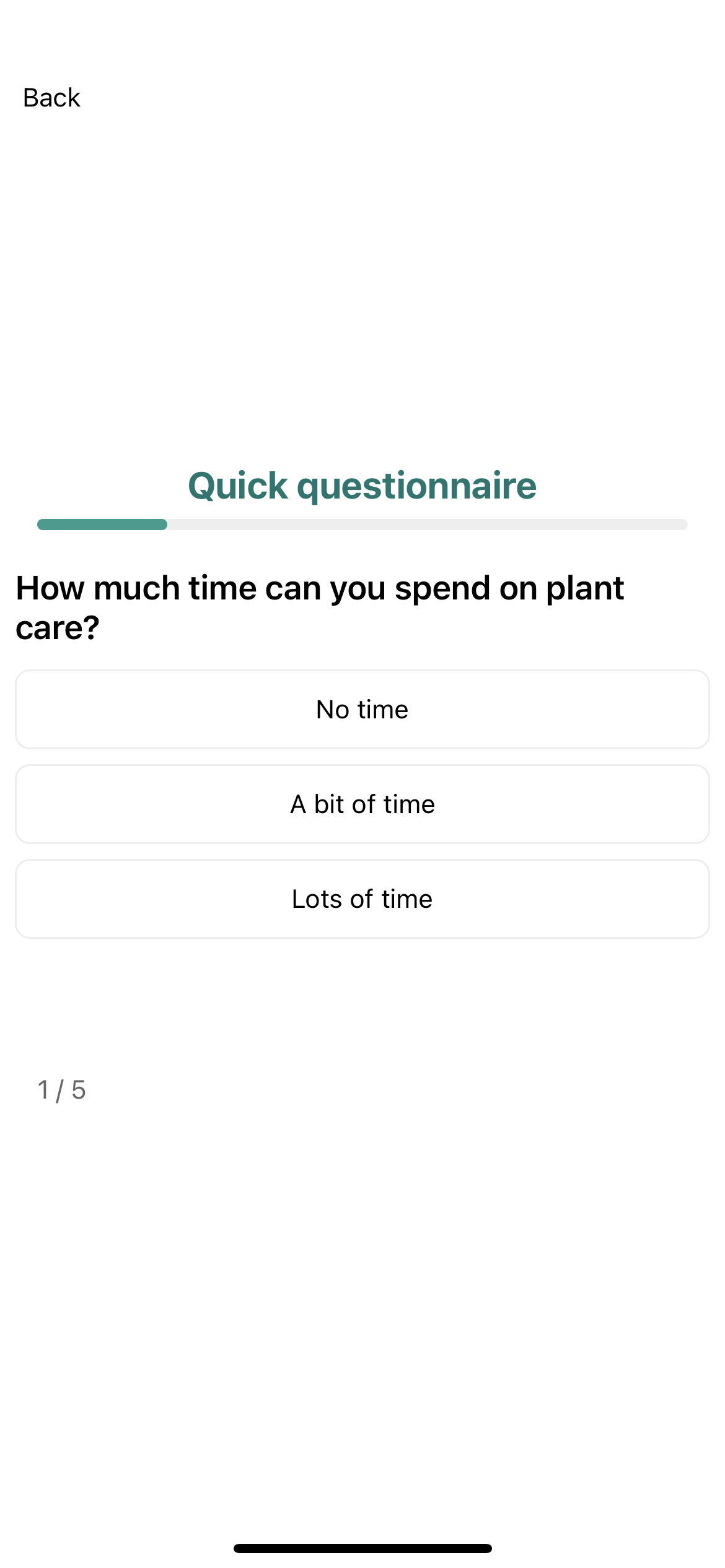
User Questionnaire
-
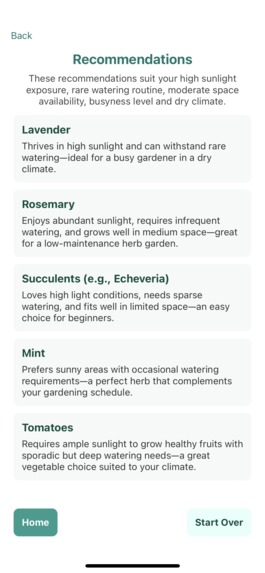
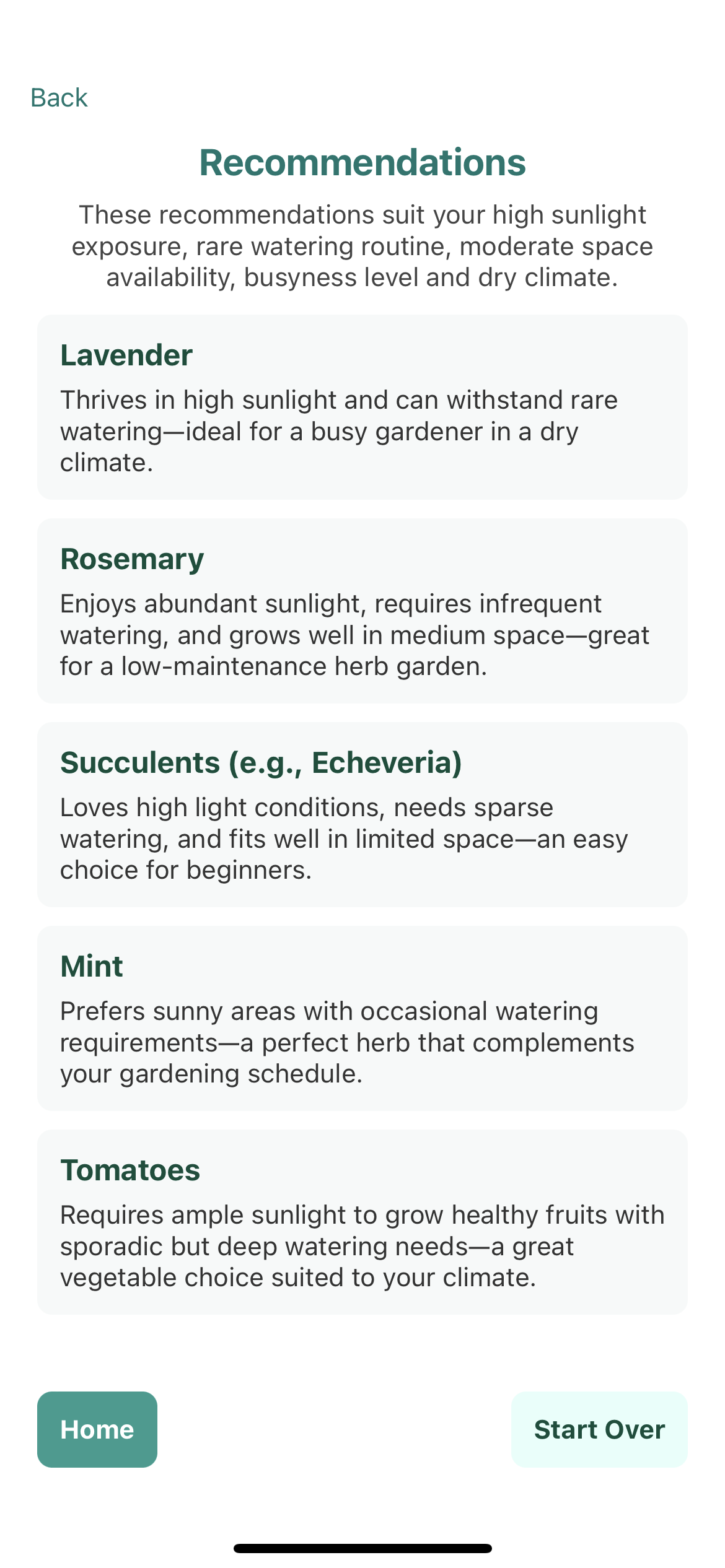
Recommendations Page
Inspiration
Eugene and I (Chris) both come from areas where agriculture are common: Alabama and Illinois. In our area, we've seen how many people want to start their own garden, but for example, might not realize that they are working with red clay soil, one of the hardest types of soil to grow in. When he was younger, Eugene even remembers how he wanted to grow an apple tree in his yard, but because he didn't know his apple tree wasn't able to grow in the hard red soil in his backyard, it felt like he was at fault for failing to keep his tree alive. However, if he had known that apricot trees do grow well in that type of soil, he could've been successful right away. Right now, with industrial agricultural practices stripping our land of all of its nutrients, its essential to start the fight for sustainability at home. Growing local food cuts down on transportation emissions, packaging waste, and builds local food security within the community. Gardening is such a powerful tool to start building sustainable habits, and we wanted to help encourage these sustainable practices in any way we could.
What it does
Our app requests users to either take a picture or upload a picture of the soil that they wish to grow their plants in. This is then transformed with a modified version of efficientnet, which classifies the soil into yellow soil, red soil, mountain soil, laterite soil, black soil, aerated soil, and alluvial soil. The user is simultaneously prompted for a few lifestyle questions, such as how much time they are willing to spend on their plants and what the climate in their area looks like. Then, with this information, our app uses OpenAI's Chat Completions API to determine a set of plants that the user would likely find success in planting. In addition, the user is provided with tailored guides, which when clicked upon is saved in the user's history.
How we built it
We split the workload into soil classification, user questionnaire and api handling, and mobile app development. The soil classification algorithm was worked on separately alongside our user questionnaire and api handling aspect, while we developed the mobile app near the end together.
Challenges we ran into
There weren't many datasets to train on. We used data augmentation to create more data to train on, preventing our model from running into any hyperfitting issues. We also ran into issues integrating our machine learning algorithm into our mobile app, finding it difficult to merge our work into a functioning application.
Accomplishments that we're proud of
Building an application that works and looks pretty nice in such a short span.
What we learned
Make sure to understand all of the technologies you plan to use very well.
What's next for A Helping Hand
We're thinking of adding more features that would allow plant to soil compatibility classification.
Built With
- expo.io
- javascript
- kaggle
- openai
- python
- react
- react-native
- tensorflow
- typescript


Log in or sign up for Devpost to join the conversation.