Inspiration
<<<< 🌠 Thanks for watching! What was your favorite moment? We read and reply to COMMENTS. 🌠 >>>>
LAST ECHO was inspired by a single idea: What if humanity’s final mistake wasn’t a weapon—but a scientific breakthrough that went out of control?
I wanted to explore the emotional gap between logic and fear, capturing the moment when brilliant minds realize they may have gone too far. The film became a fusion of disaster sci-fi, human tension, and modern AI filmmaking techniques.
What it does
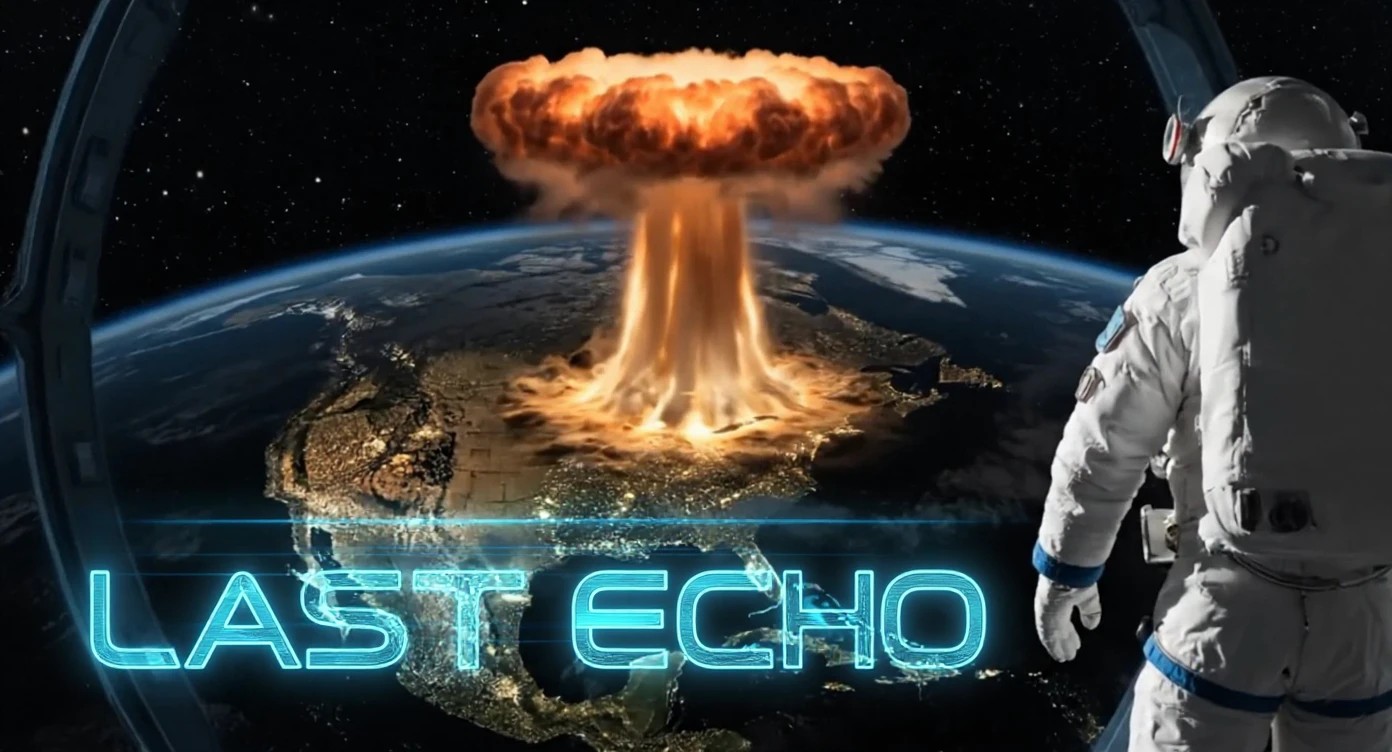
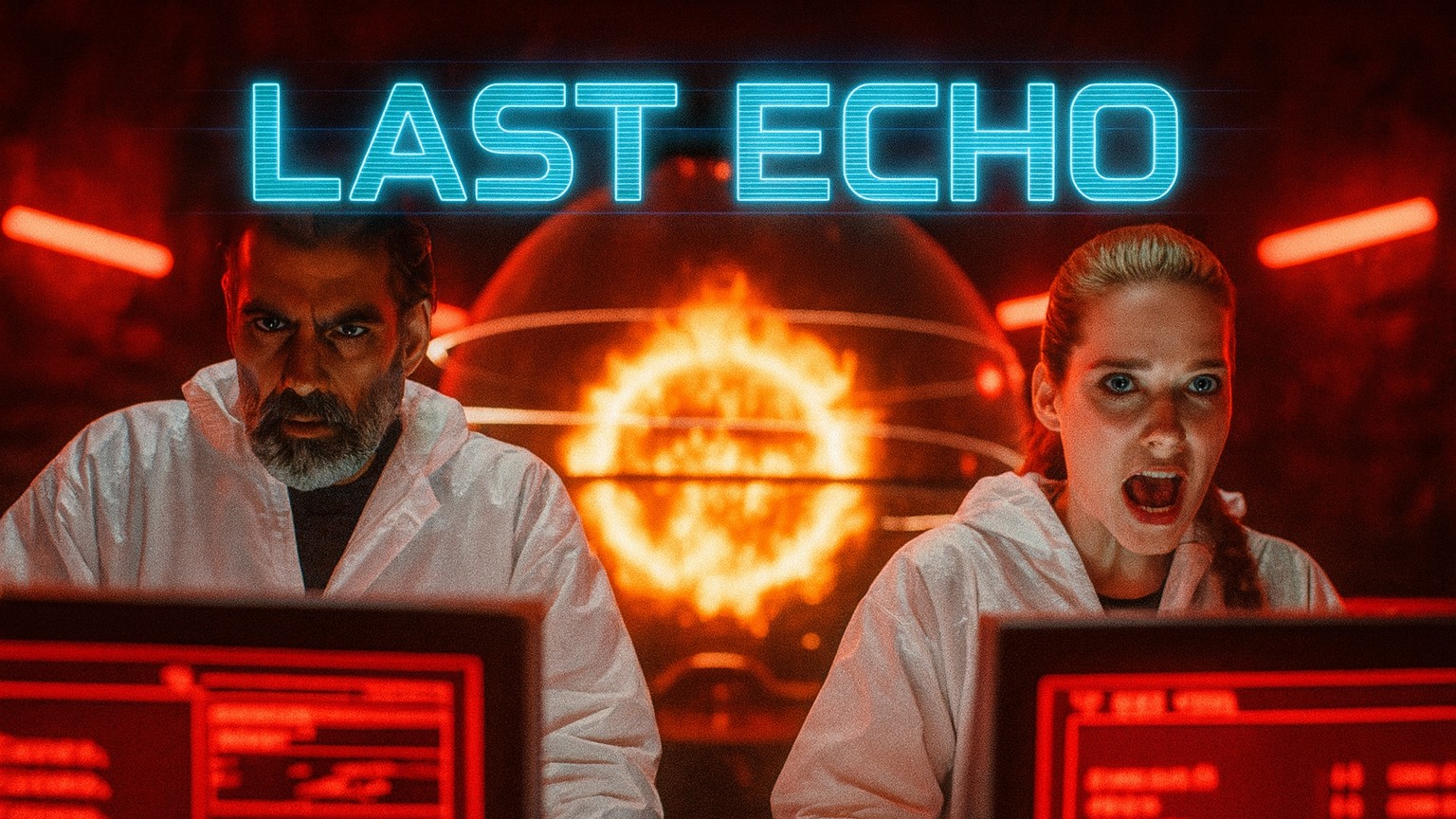
LAST ECHO is a fully AI-assisted sci-fi short film created with cinematic realism and dramatic pacing. It follows two scientists as a fusion experiment destabilizes, triggering a catastrophic energy surge that threatens the planet.
The movie blends:
- High-emotion performances
- Fusion-core spectacle
- Lab panic intensity
- A countdown-style narrative
…all assembled using generative AI to simulate a Hollywood-style look.
How we built it
The short was created using a professional-grade AI filmmaking workflow:
- Google VEO3 — primary generation engine for scenes and shots
- Flux Context — enhanced detail refinement and continuity passes
- NanoBanana (3I/ATLAS workflow) — environment, energy-core visuals, and consistency frames
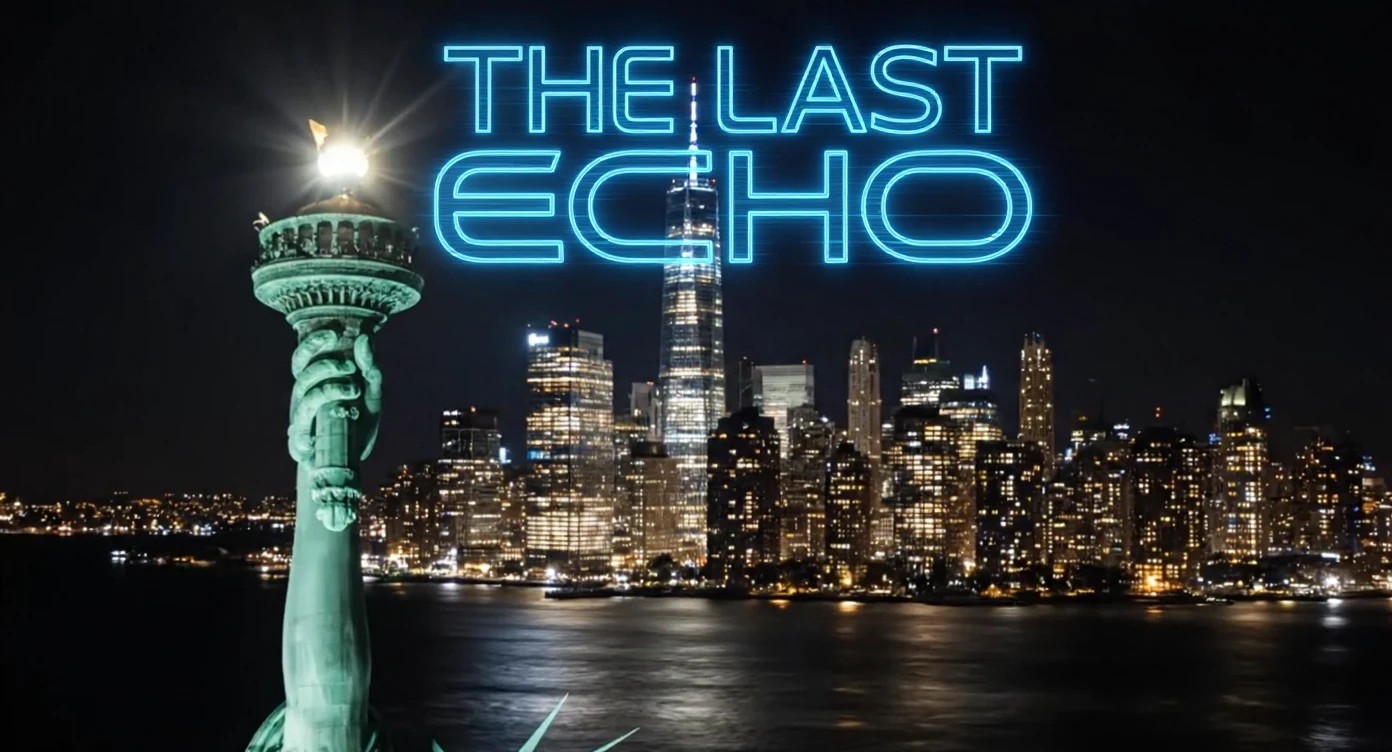
- DALL·E 3.5 — polished final thumbnail and title typography
- Topaz Video AI — 4K upscale and frame repair
- Crea / FaceTune — micro-detail cleanup and facial clarity
- CapCut / DaVinci Resolve — editing, grading, pacing, and audio timing
- Suno — music and tonal scoring
- 11Labs — supplemental audio elements and mixing
Every scene was crafted shot-by-shot, then stitched into a smooth narrative sequence with consistent lighting and mood.
Challenges we ran into
- Keeping character continuity across multiple AI engines
- Matching lighting between fusion-core interior shots
- Preventing AI hallucinations in lab equipment
- Achieving a cinematic color profile in 4K without artifacting
- Rendering a realistic plasma reaction with stable motion
- Ensuring emotional expressions felt human, not synthetic
Each challenge forced new prompt engineering, shot reconstruction, and multi-tool blending.
Accomplishments we’re proud of
- Achieving a Hollywood-style thumbnail that dramatically boosts viewer engagement
- Creating a cohesive sci-fi short using modern generative tools
- Maintaining narrative tension despite using fragmented shot generation
- Developing a reusable AI filmmaking pipeline scalable for future films
- Producing a complete, polished project under tight time pressure
What we learned
We learned that AI filmmaking thrives when tools are layered, not relied upon individually. The biggest breakthroughs came from:
- Multistage refinement (VEO → Flux → NanoBanana → Topaz)
- Creating “scene packets” for consistency
- Using visual anchors and physical lighting references
- Leveraging sound to emotionally stabilize AI-generated footage
AI can’t replace directing—but it can amplify creativity beyond traditional limits.
What’s next for LAST ECHO
We plan to expand LAST ECHO into a multi-chapter anthology exploring the consequences of runaway scientific ambition. Future versions may include:
- A Part II featuring orbital evacuation attempts
- A “director’s cut” using VEO3’s next-gen motion system
- A behind-the-scenes series on the AI filmmaking workflow
- Expanded color grading and sound design passes
- A companion video explaining the fictional fusion physics
LAST ECHO is not the end—it’s the spark.


Log in or sign up for Devpost to join the conversation.