Inspiration
We were inspired by the idea of helping Chicago students meet in real life again. The apps that claim to help us meet others, whether romantic or friendly, often leave us feeling frustrated and alone. Swiping on apps and comparing each other with superficial metrics only lets us all down. We wanted to solve this problem by giving students a chance to meet someone they can connect with on a deeper level, right away.
What it does
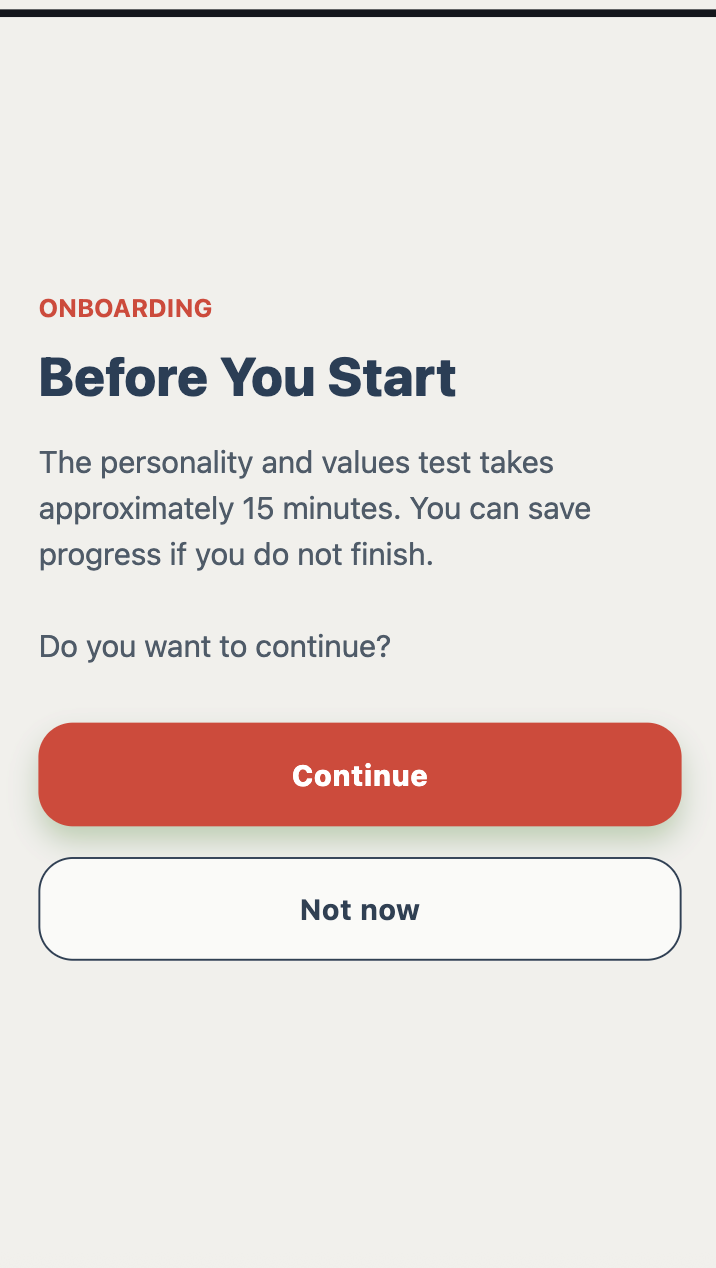
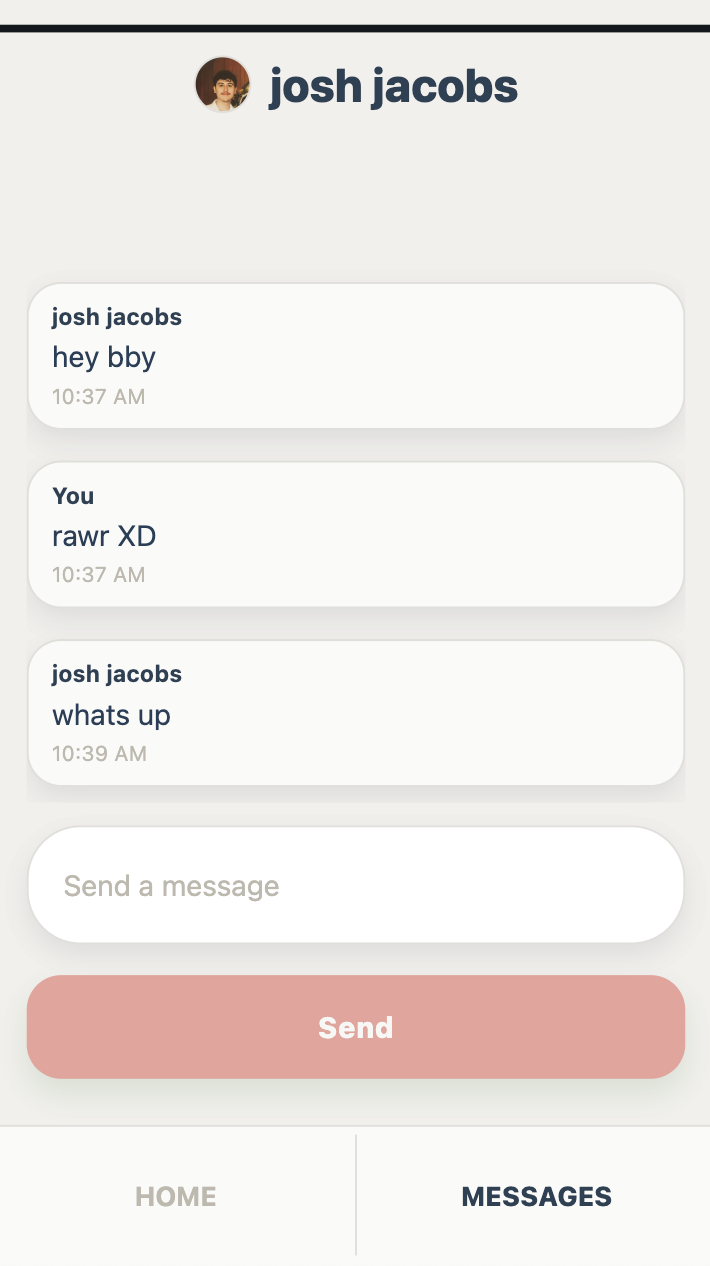
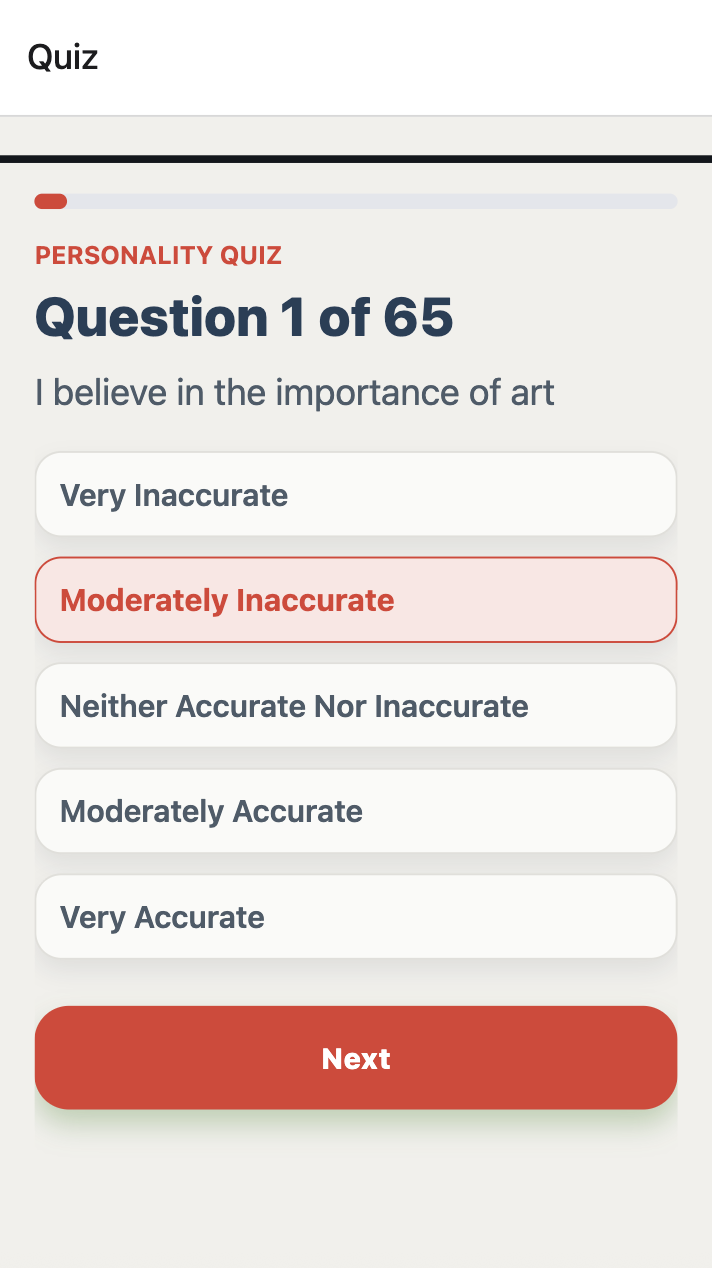
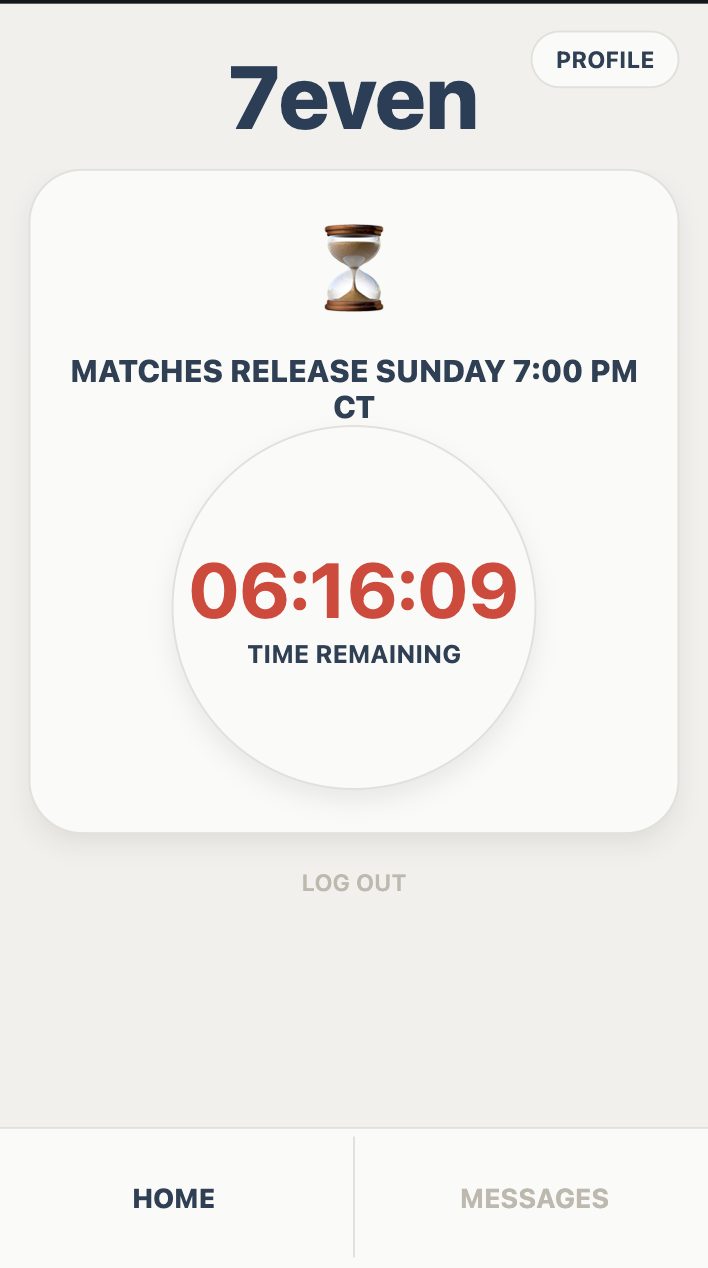
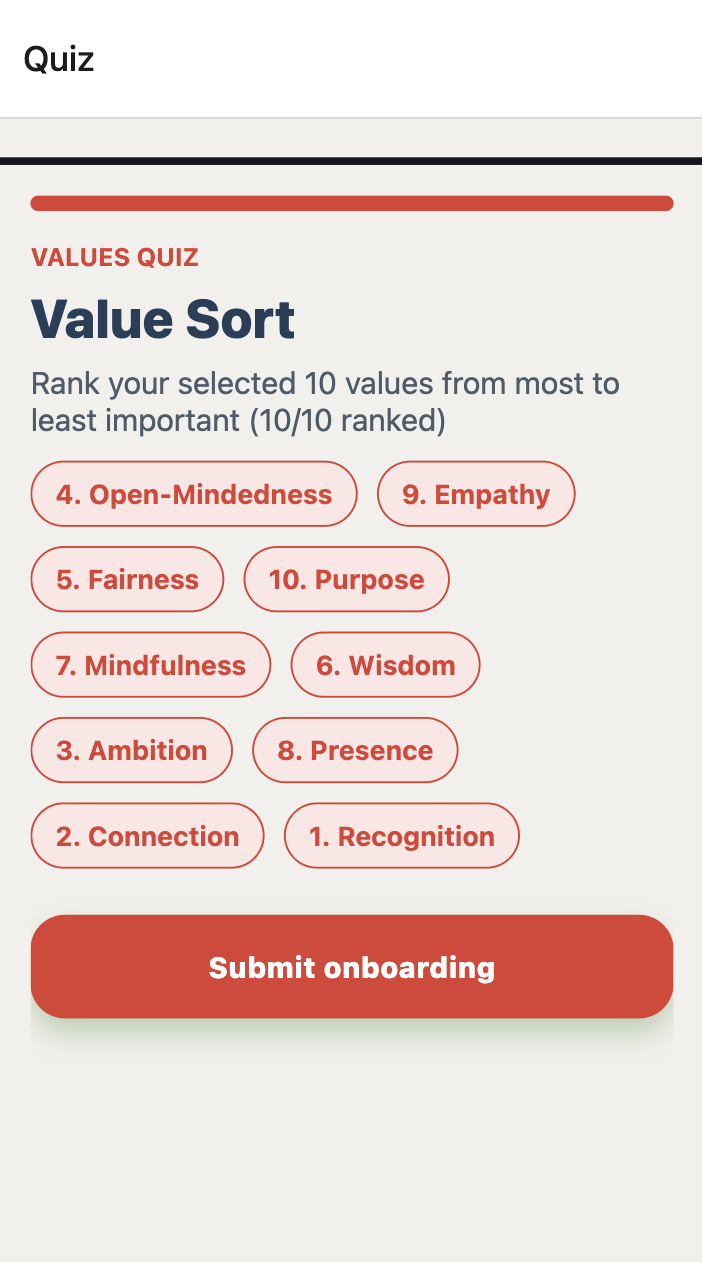
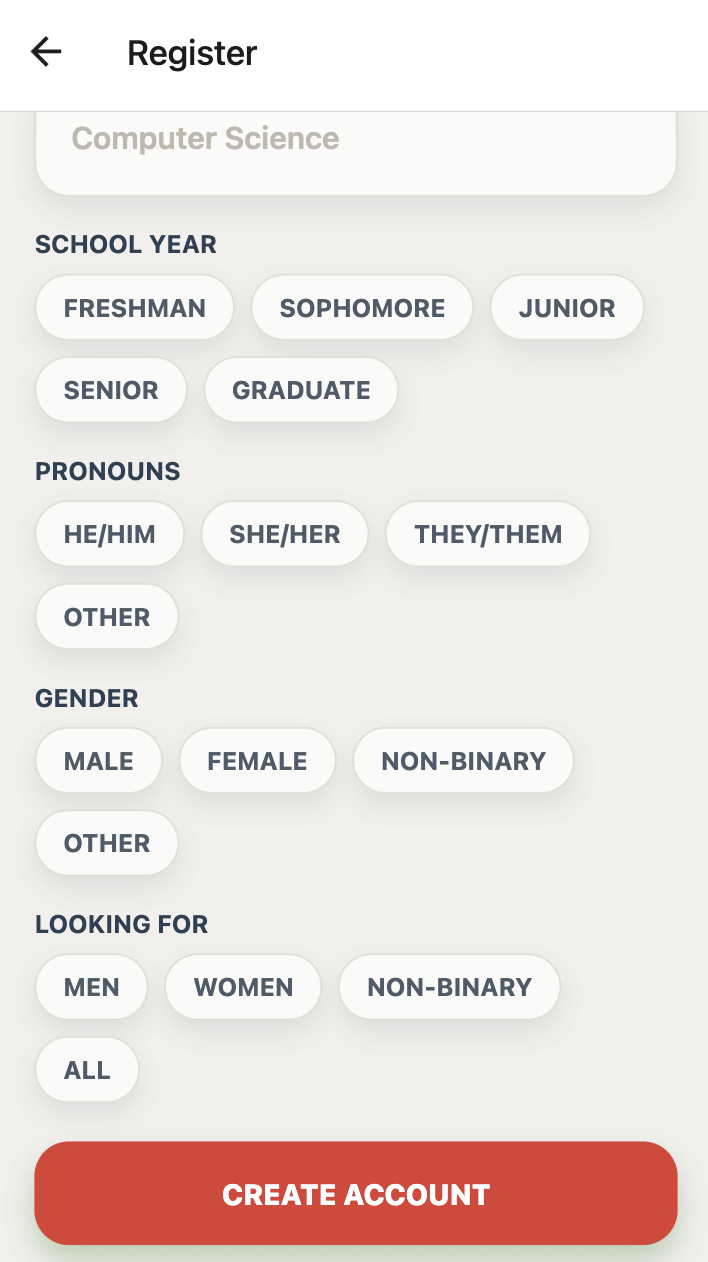
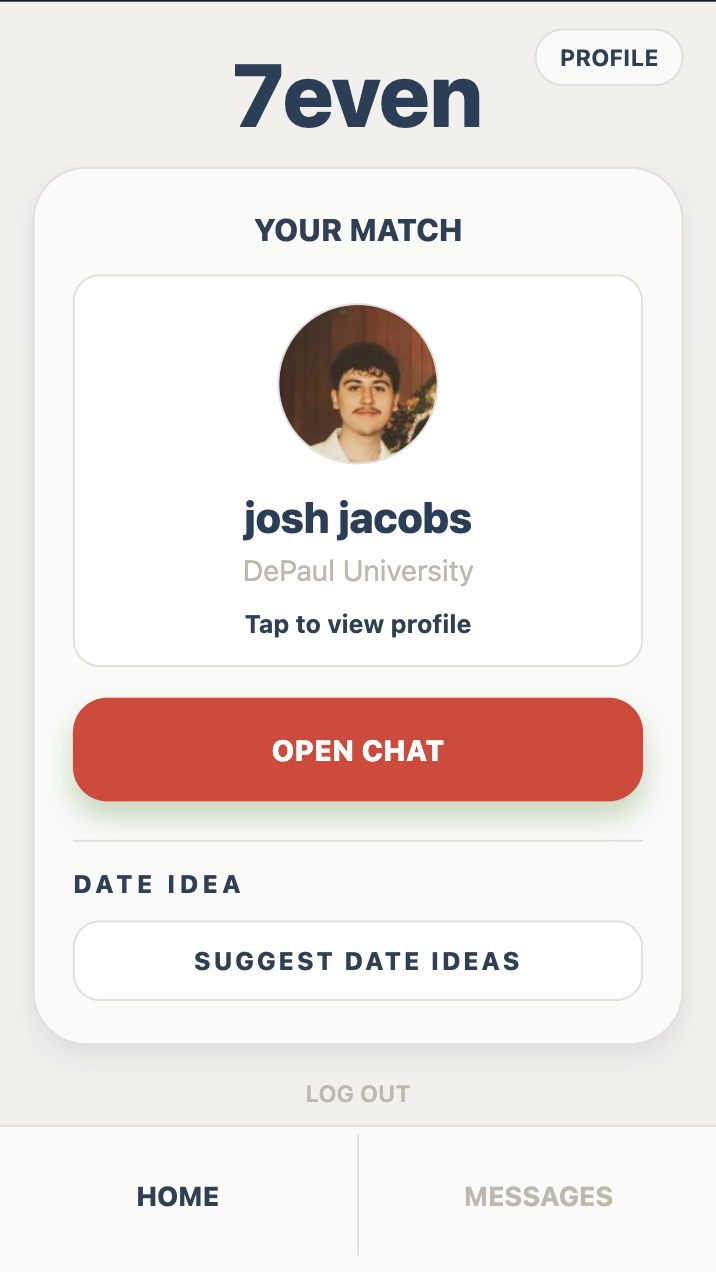
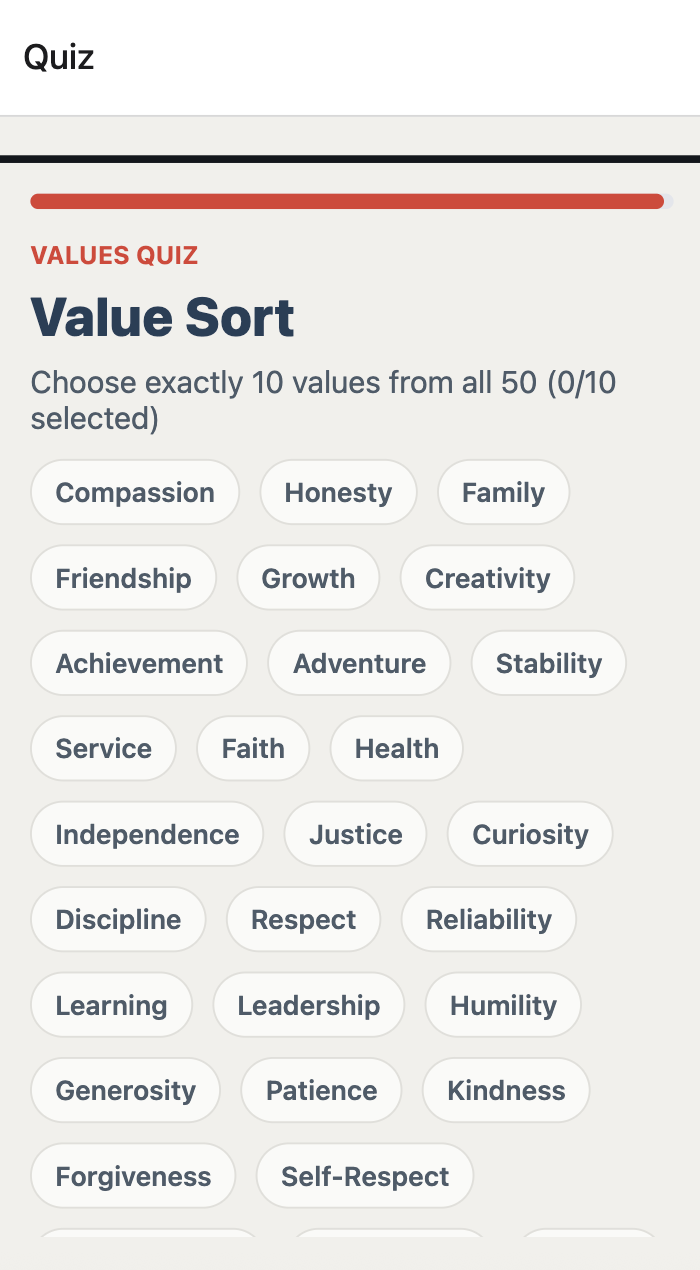
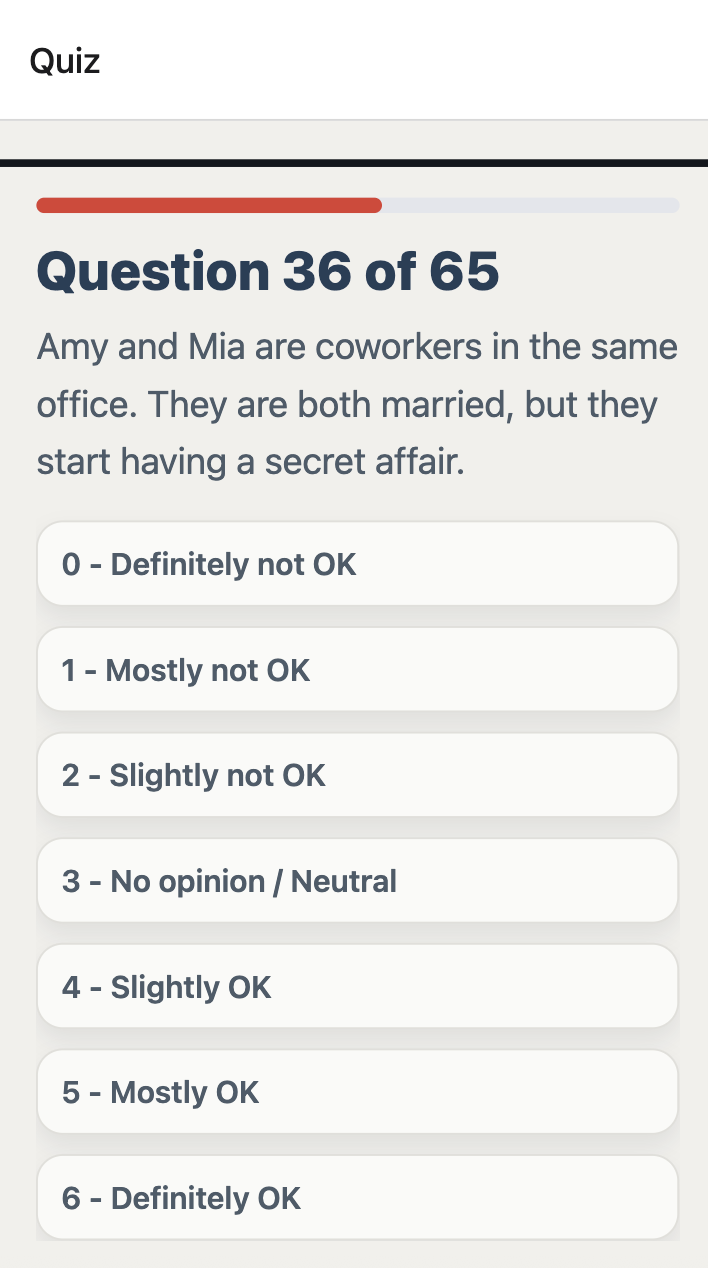
Our app gives Chicago students a personal quiz backed by psychological indicators to reveal their personality and moral traits. We use this to match students through an algorithm that is most likely to foster connection. Every Sunday, at 7 pm, your match drops, and you have until next Sunday to message this person and set up a date. The app also generates local Chicago loop life date ideas for the matches. This takes the guesswork out of making a match, and allows the two students to have a real chance to meet up and get to know each other beyond surface-level talk.
How we built it
Before building the app, we made sure to plan exactly how we wanted to build our app by using documentation and graphs to organize ourselves, so that we remain structured throughout the whole process. Afterwards, created a default template with the Expo framework. Following this, we developed the app from there, creating a backend, integrating it, and polishing the various ui elements until we got what we wanted.
Challenges we ran into
Initially, we wanted to go with Supabase as our backend foundation, but we ran into a lot of problems trying to connect it to the frontend. But after some research and testing, we decided to convert to MongoDB as it fixed a lot of our problems as well as simplified the process.
Accomplishments that we're proud of
The highest accomplishment we believe we achieved with the project is being able to connect two users together with an algorithm we had come up with. Since we had come up with an idea in great length, it was really satisfying seeing everything come together.
What we learned
We learned that with enough effort and time, ideas can be transformed into real, deployable products. And we are more efficient when we divide up the work amongst our strengths.

Log in or sign up for Devpost to join the conversation.