-
-
-
Team
-
Intro
-
Problem
-
Who is it for
-
Journey
-
Key Features
-
Process
-
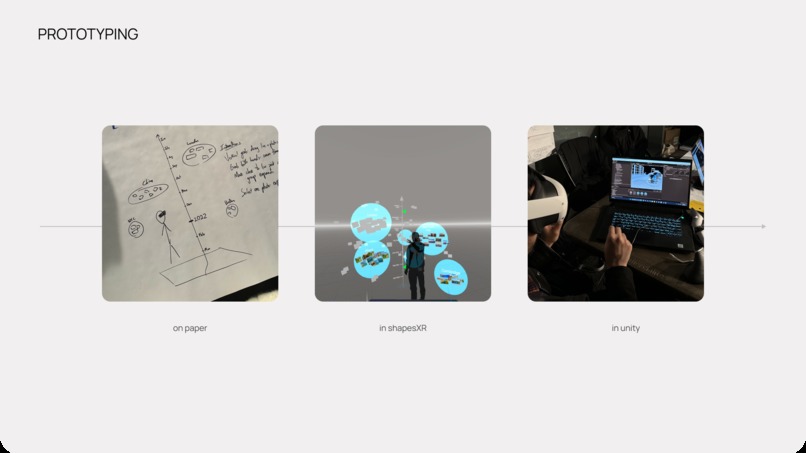
Prototyping
-
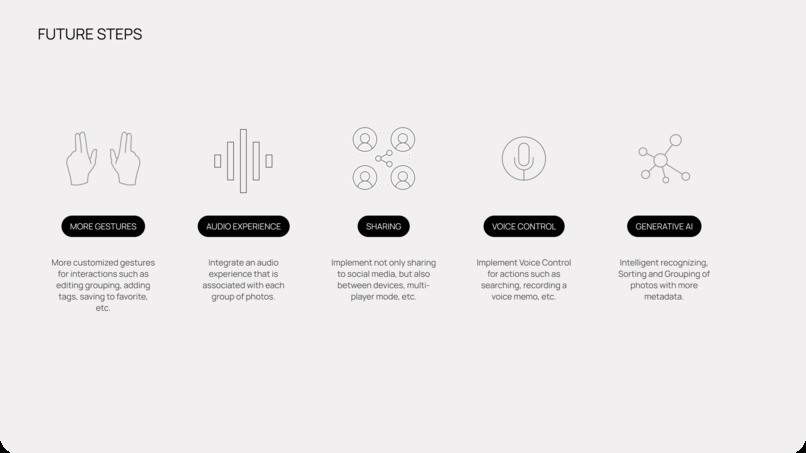
Wha't next
-

Inspiration
In the past, we cherished our important moments with loved ones by flipping through photo albums. However, with the emergence of the digital world and technology, despite the convenience of storing and sharing photos, we lost the chance to truly immerse ourselves in those special moments. It's as if we lost something precious along the way. Envision a world where XR technologies have become universal. We can break through limitations and connect our relationships with loved ones, experiencing time and space like never before.
What it does
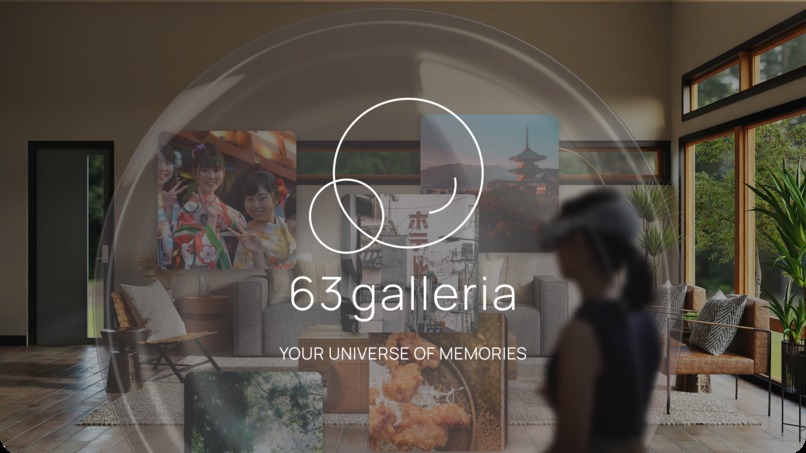
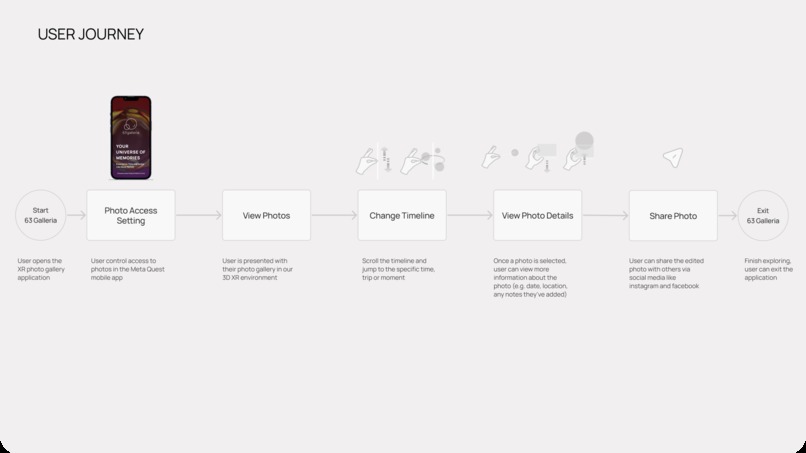
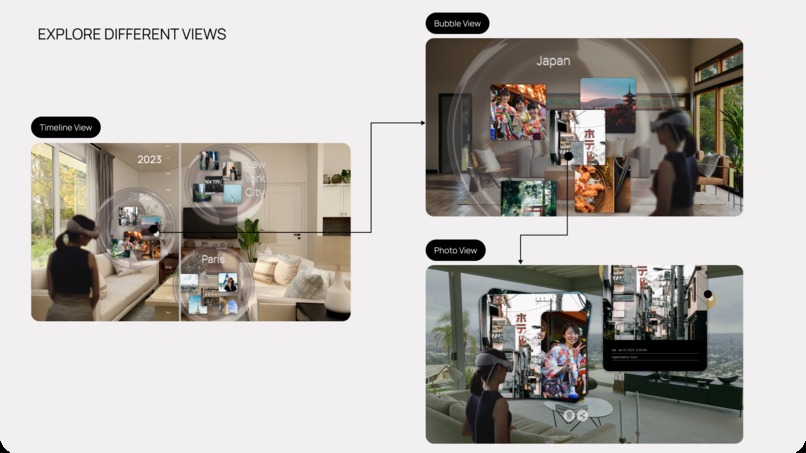
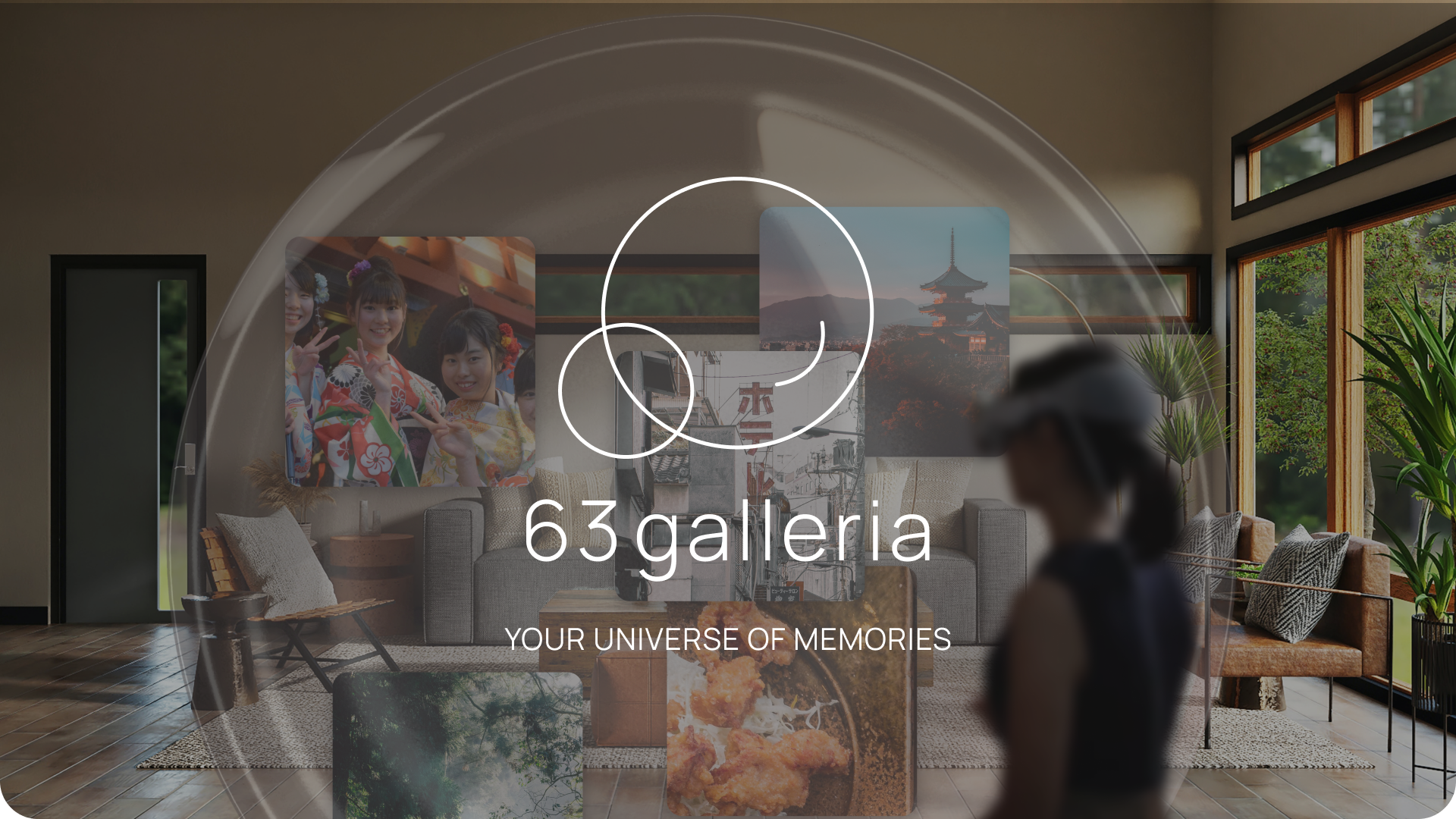
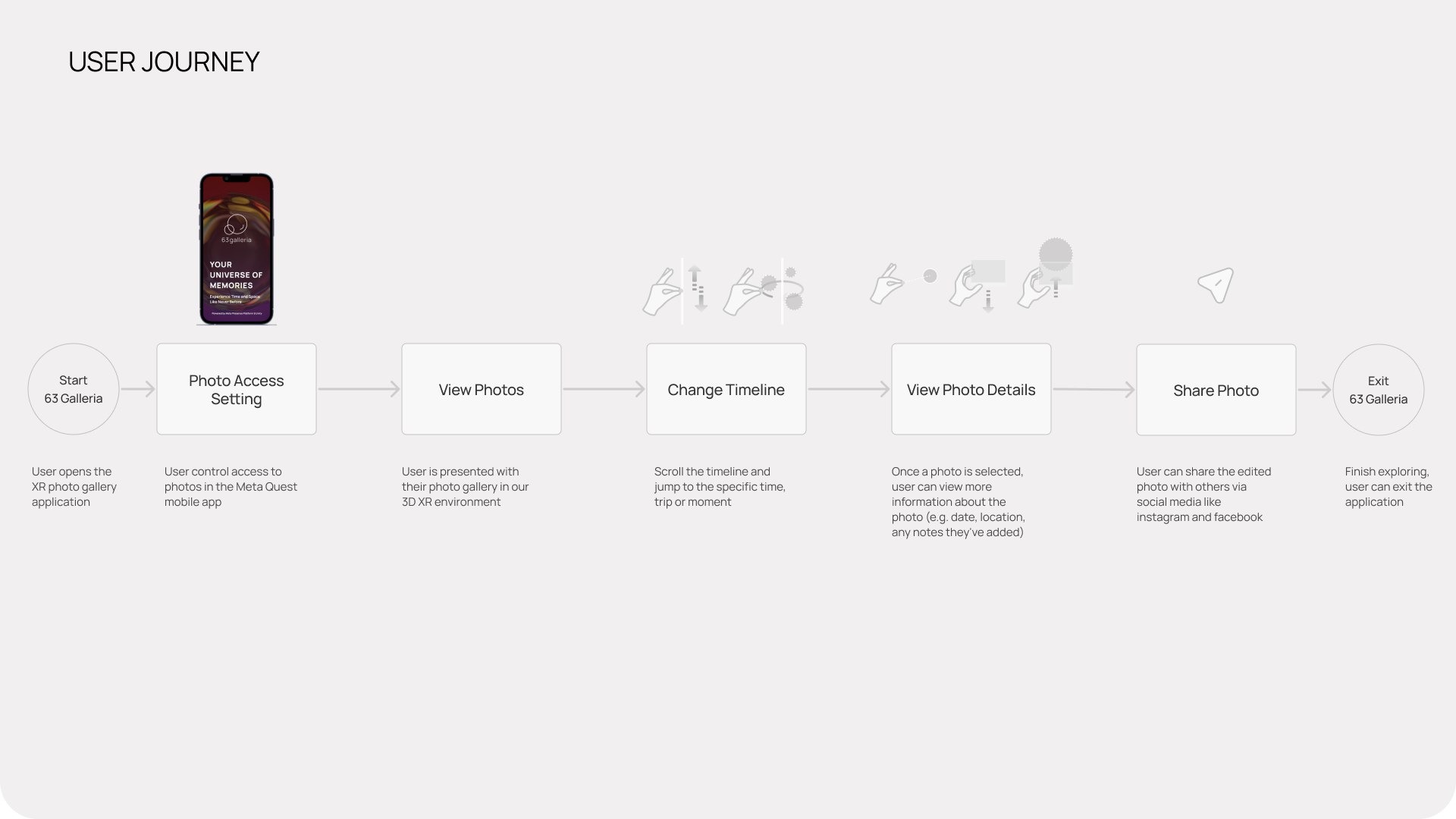
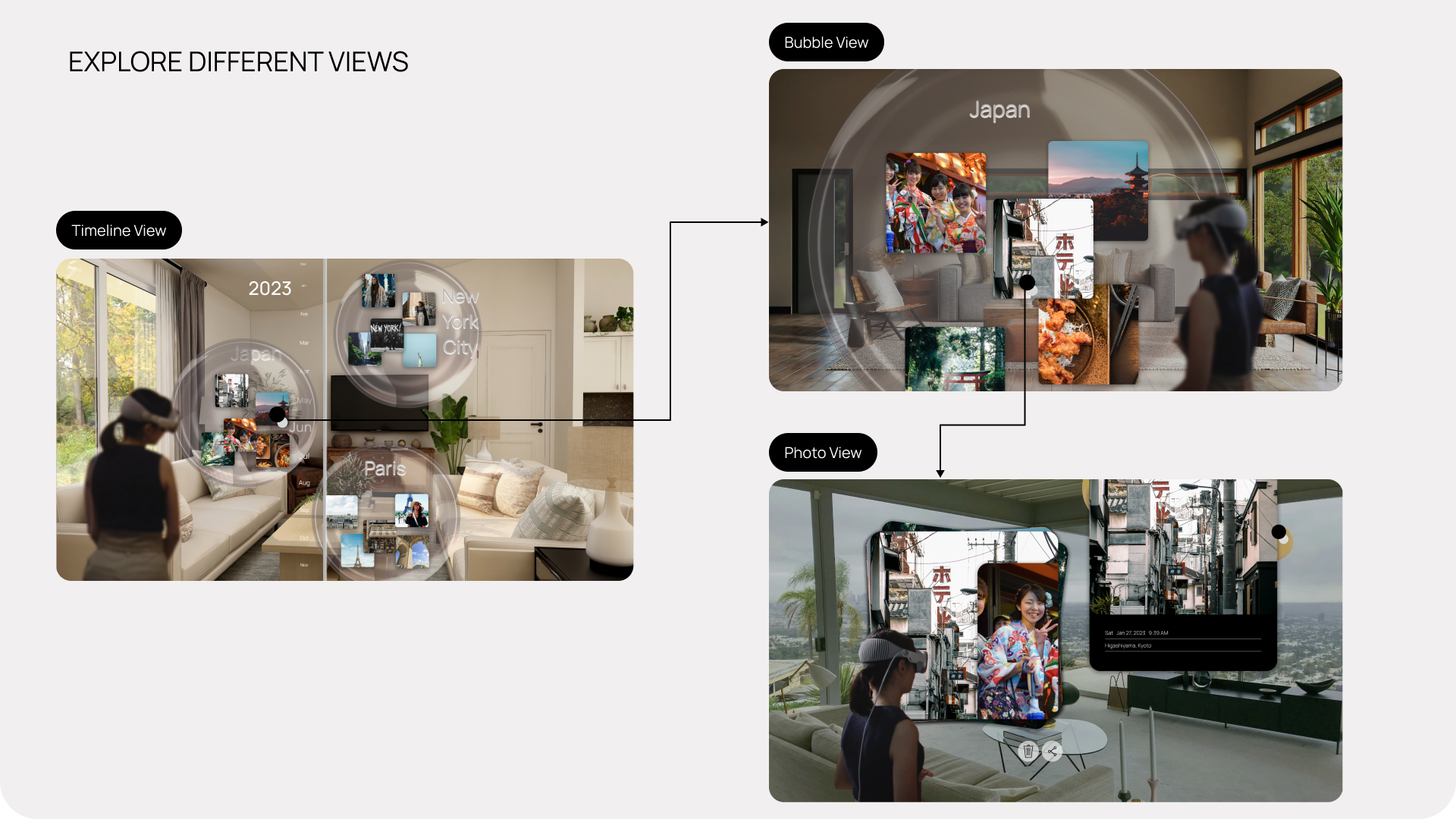
63 Galleria provides a spatial way to view your media, relive your memories, and share them with others. You can explore your photo gallery through a timeline, location, or a single photo, using intuitive gestures that mimic the way we naturally interact with photos.
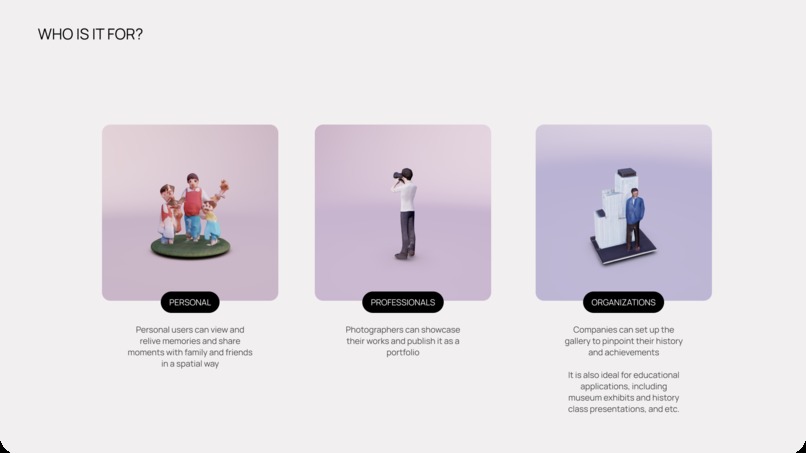
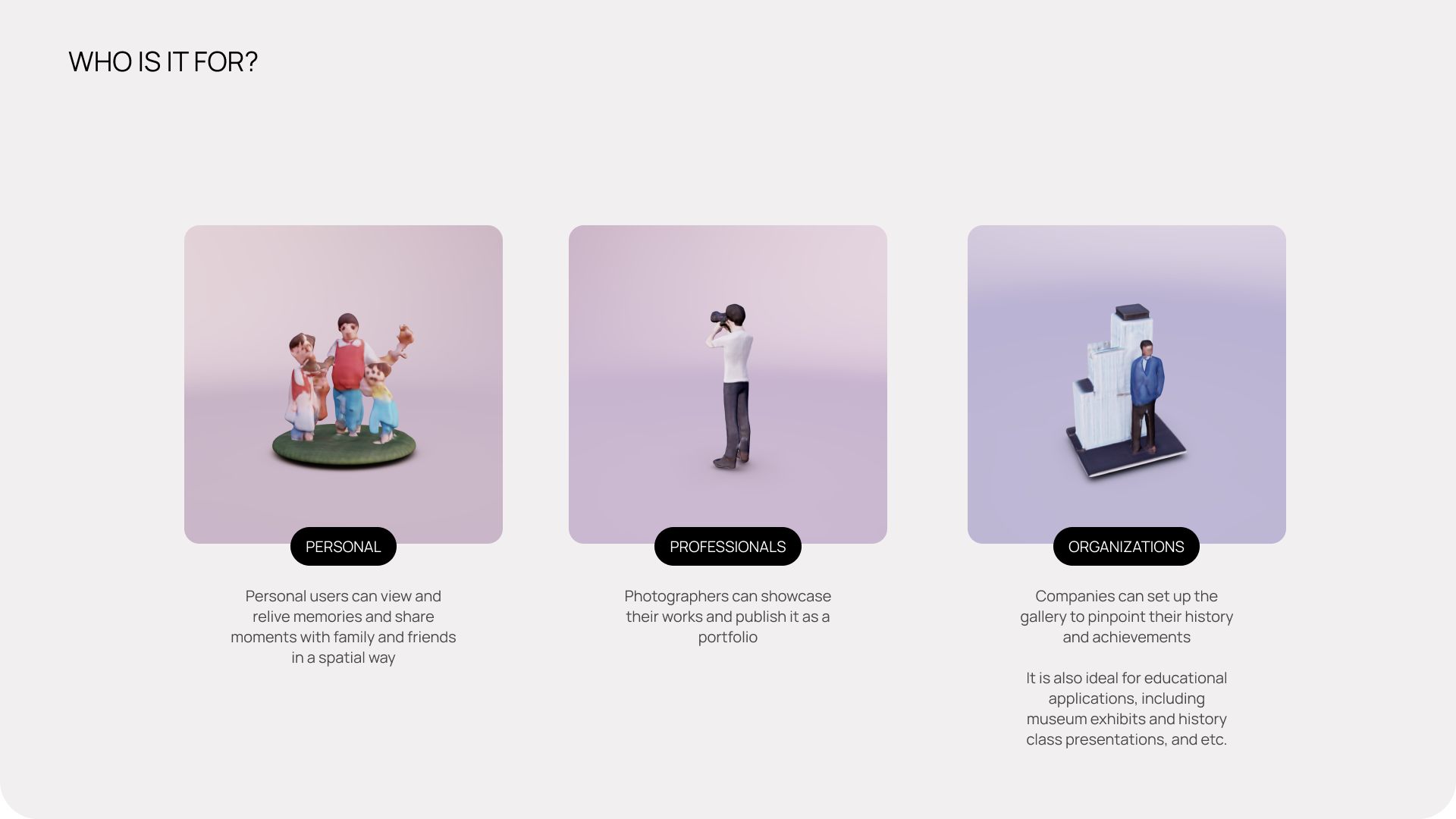
- For personal use, individuals can relive and share memories in a spatial way.
- For professionals like photographers, they can showcase their work sorted by time and location vividly.
- For organizations, companies can display their timeline, history, and important moments in an immersive way. Features include a beautiful interface for browsing your photo gallery with ease, using intuitive gestures. Recontextualization and visualization of past experiences with intelligent photo grouping by location, allowing you to explore your trips and memories. Seamless social media integration for hassle-free memory sharing.
How we built it
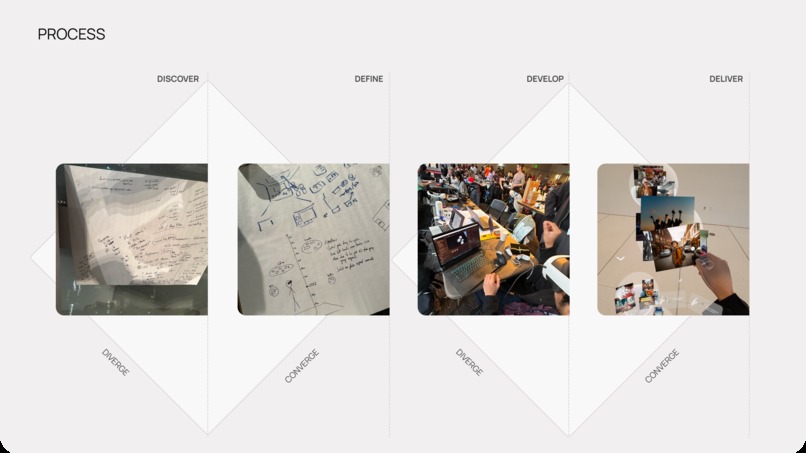
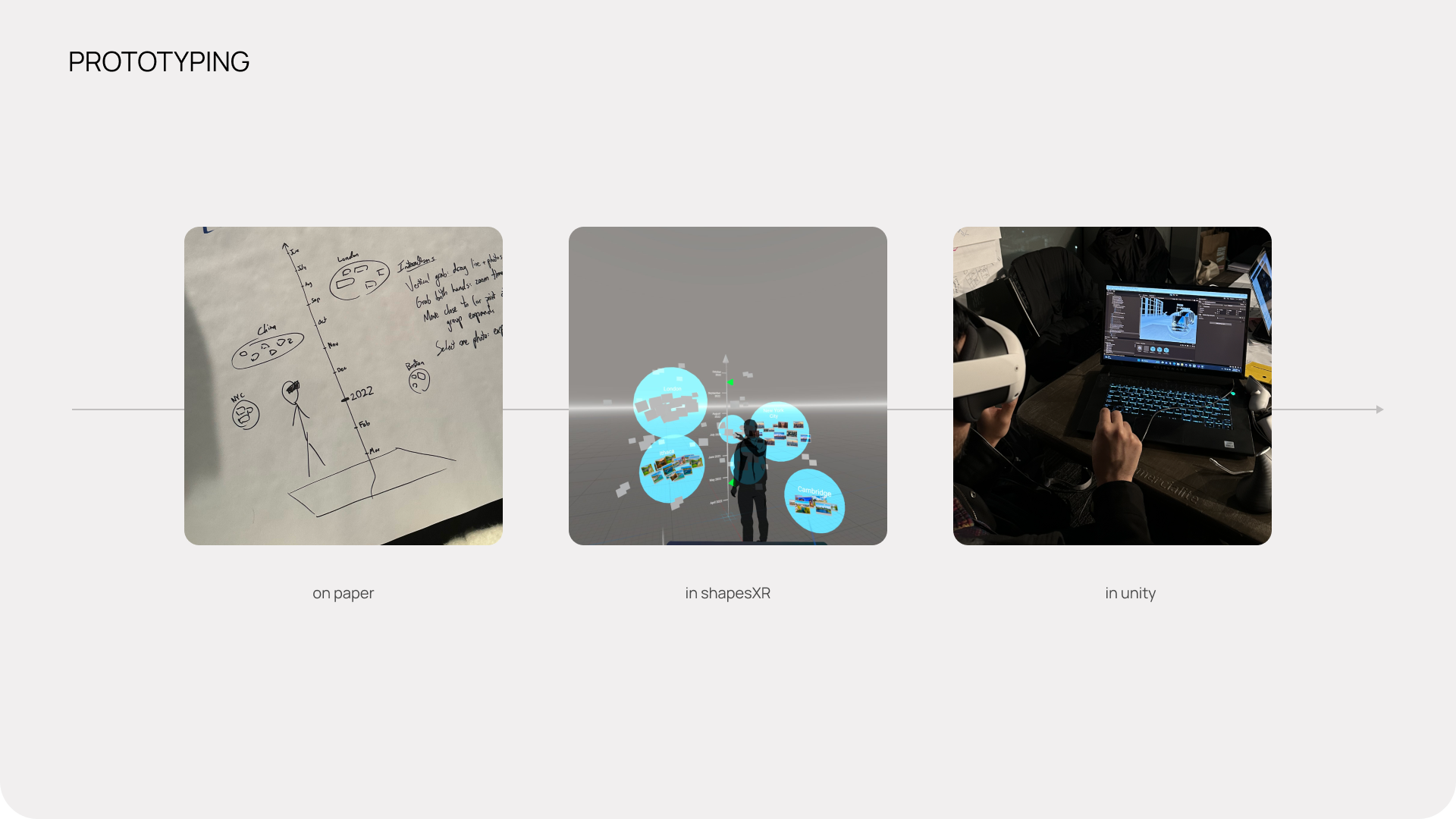
We decided to build a XR gallery since it best fits our concept. We wireframed the scenarios in ShapesXR, assembled the gallery and bubbles in Unity, and created the UI elements in Figma.
Challenges we ran into
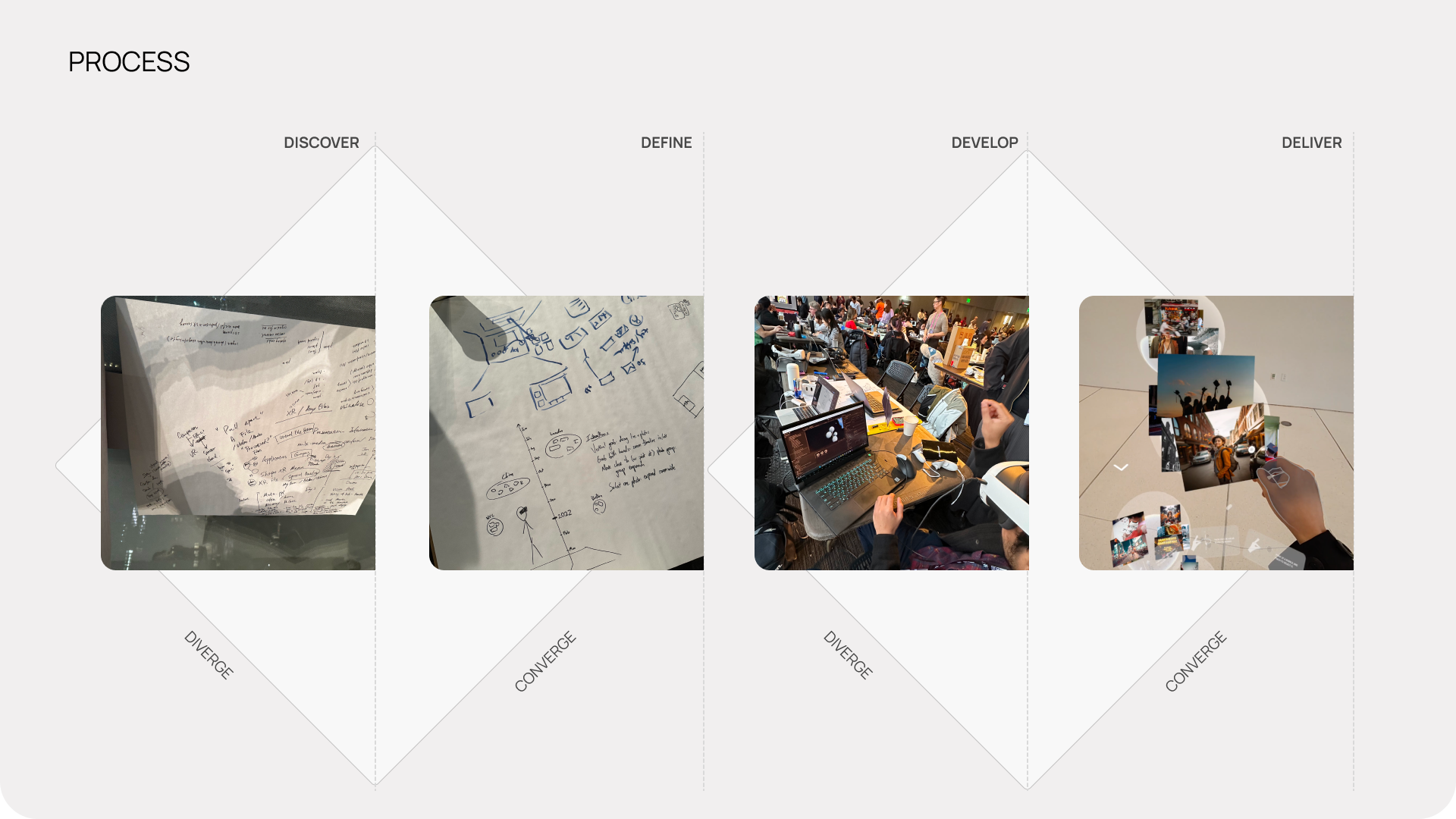
- Identifying the audience and the impact: In the beginning, we targeted solving the problem for 3D workers familiar with XR working environments. However, we encountered limitations and technical constraints in what we wanted to build. We drew the user flow for PMs, designers, and daily users to identify possible touch points to solve the problem.
- Establishing why XR is the best medium was a recurring question. While we initially envisioned building a file management system for XR interfaces, we realized that for tasks like file management or sorting information, it's often more efficient to use traditional 2D digital devices. This led us to continually question: "Why XR?"
Accomplishments that we're proud of
We extracted the "bubble cluster" concept from file management to categorize our photos and images. We achieved smooth interaction with gestures, making the experience enjoyable and engaging.
What we learned
The importance of iteration to find the best solution and interactive approach. Learning from the team's expertise and perspectives.
What's next for 63 Galleria
- More Gestures: Introducing more gesture controls to enhance user interaction.
- Sharing Features: Expanding sharing features beyond the MVP phase based on user feedback.
- Voice Control & Audio Experience: Implementing voice control for more intuitive communication and extending the audio experience, for instance, by collaborating with Spotify to enhance user engagement.
- AI Integration: Exploring image sorting to further enhance user experiences and functionalities.
Project Info
- Hackathon theme/category: Augmented Productivity Track
- Team Location: MIT Media Lab, 6th floor, Team 63, B312
- Target hardware: Built for Quest
Built With
- meta-presence-platform
- shapesxr
- unity


Log in or sign up for Devpost to join the conversation.