Inspiration
According to the State of Food and Agriculture (SOFA) report of 2019, the percentage of food lost after harvest on farm and at the transport, storage and processing stages stands at 13.8 per cent globally, amounting to at least 400 billion USD. The story of Pakistan is not much different according to a report by the Ministry of National Food Security & Research, Pakistan yearly wastes 26% of its food production yearly.
AgriLog addresses Pakistan's 19.6 million tons annual food loss amounting to almost $4 billion with smart solutions, targeting infrastructure and transportation issues. Empowering both farmers and consumers, it will enhance food distribution, minimize post-harvest losses, and will contribute to a more sustainable and responsible supply chain, tackling global and national concerns about food wastage.
Source: SDG Target 12.3 on Food Loss and Waste: 2023 Progress Report
What it does
AgriLog stands as a transformative soution in reducing food wastage in Pakistan by spearheading advancements in smart farming and intelligent logistics within the intricate web of the food supply chain. The proposed solution pivotal role revolves around leveraging cutting-edge technologies to enhance agricultural practices, optimizing resource utilization, and implementing data-driven decision-making. Through the seamless integration of smart technologies, AgriLog not only bolsters crop yields but also streamlines the entire logistical process, ensuring a swift and efficient journey from farm to table. By fostering a synergy between innovative farming techniques and intelligent supply chain management, AgriLog emerges as a beacon of sustainability, contributing significantly to the reduction of food wastage and carbon foot print in the nation. This holistic approach marks AgriLog as a visionary entity, committed to reshaping Pakistan's agricultural landscape and fostering a more sustainable and resilient future for its food industry.
1. Smart Farming
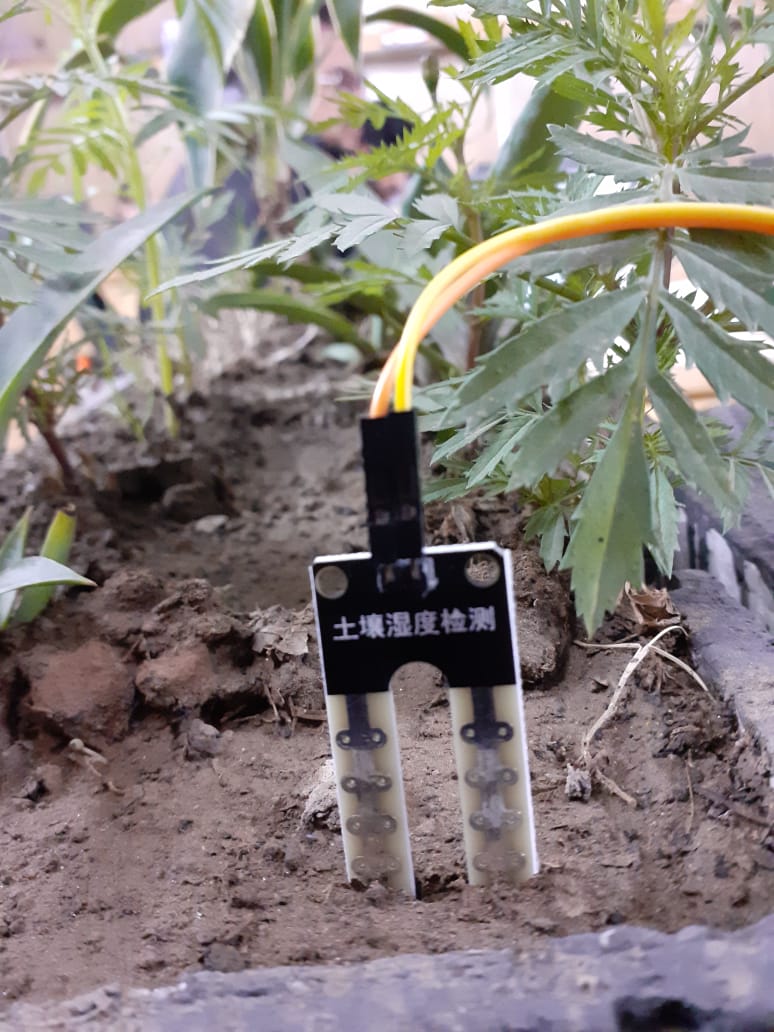
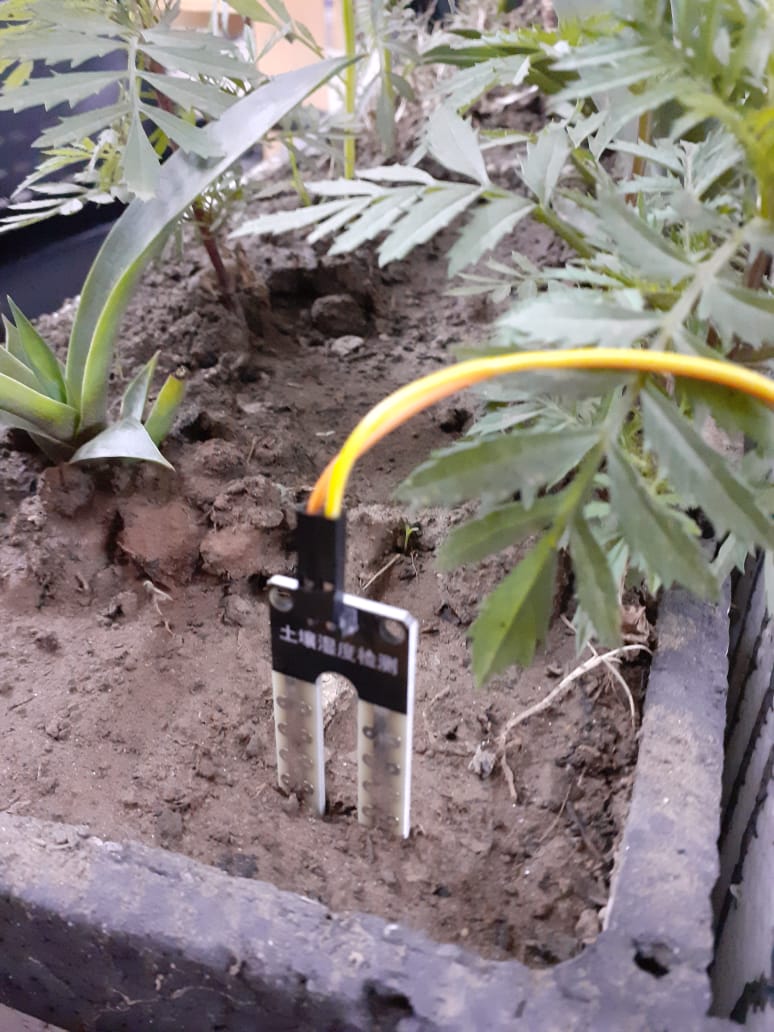
In smart farming it gives information to farmers by providing continuous monitoring of crop conditions. For example, soil moisture sensors can tell when irrigation is required to avoid crop loss due to overwatering or underwatering.
2. Smart Logistics
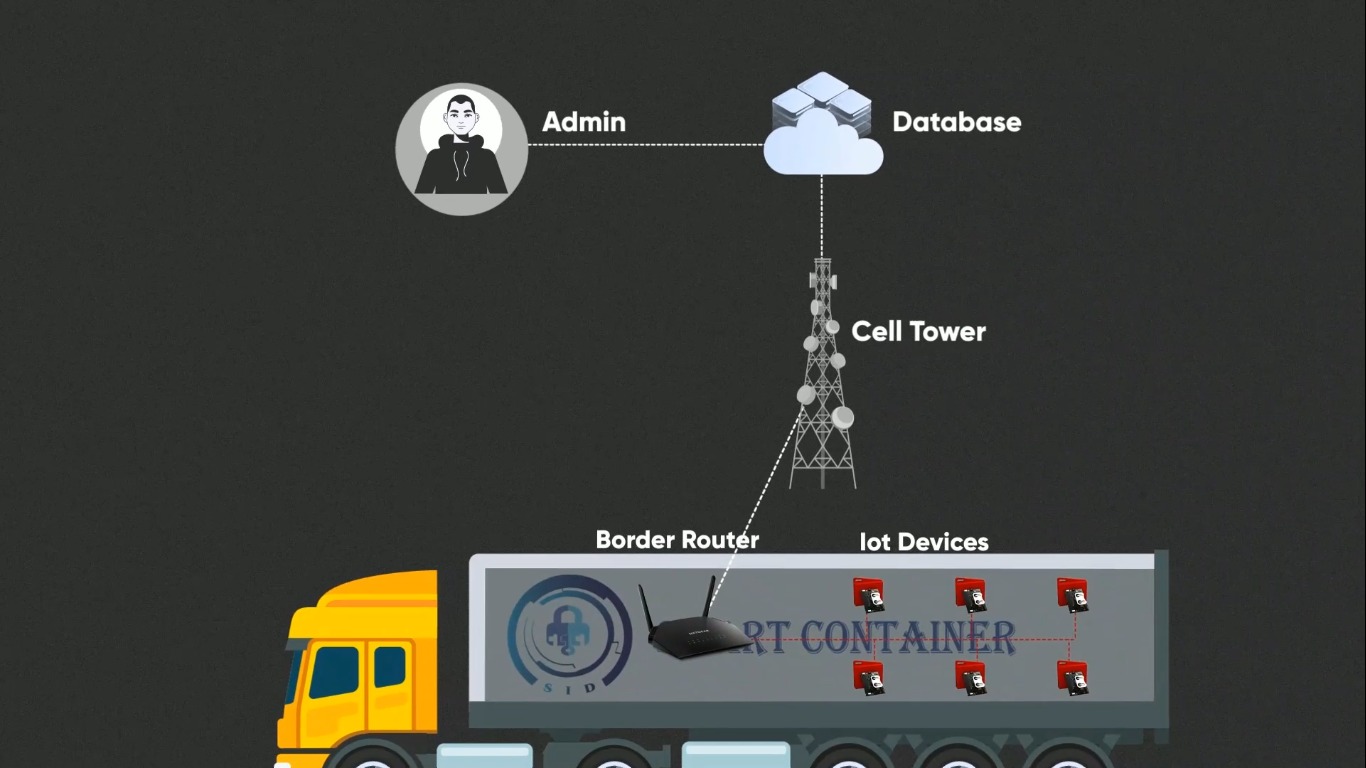
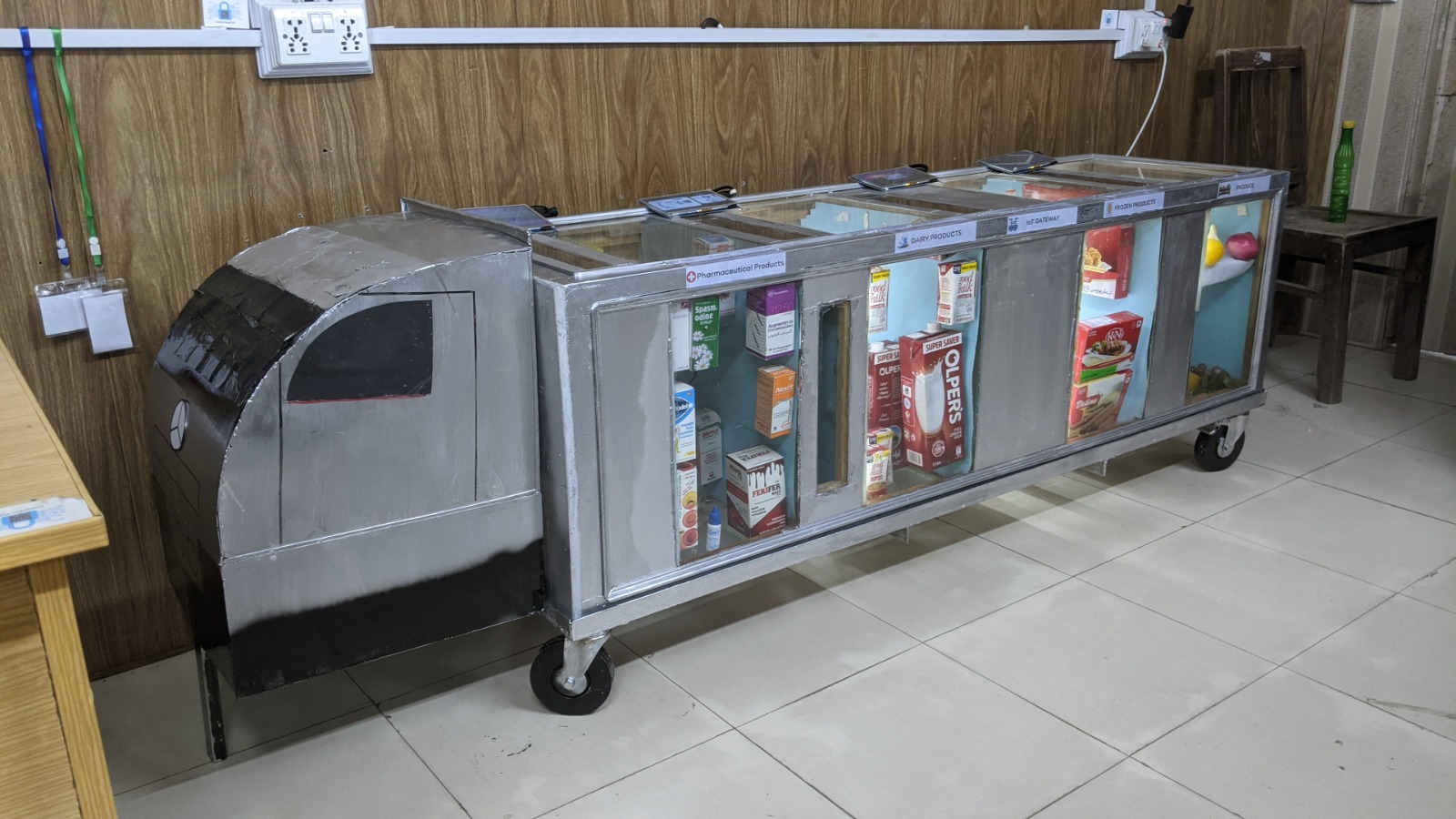
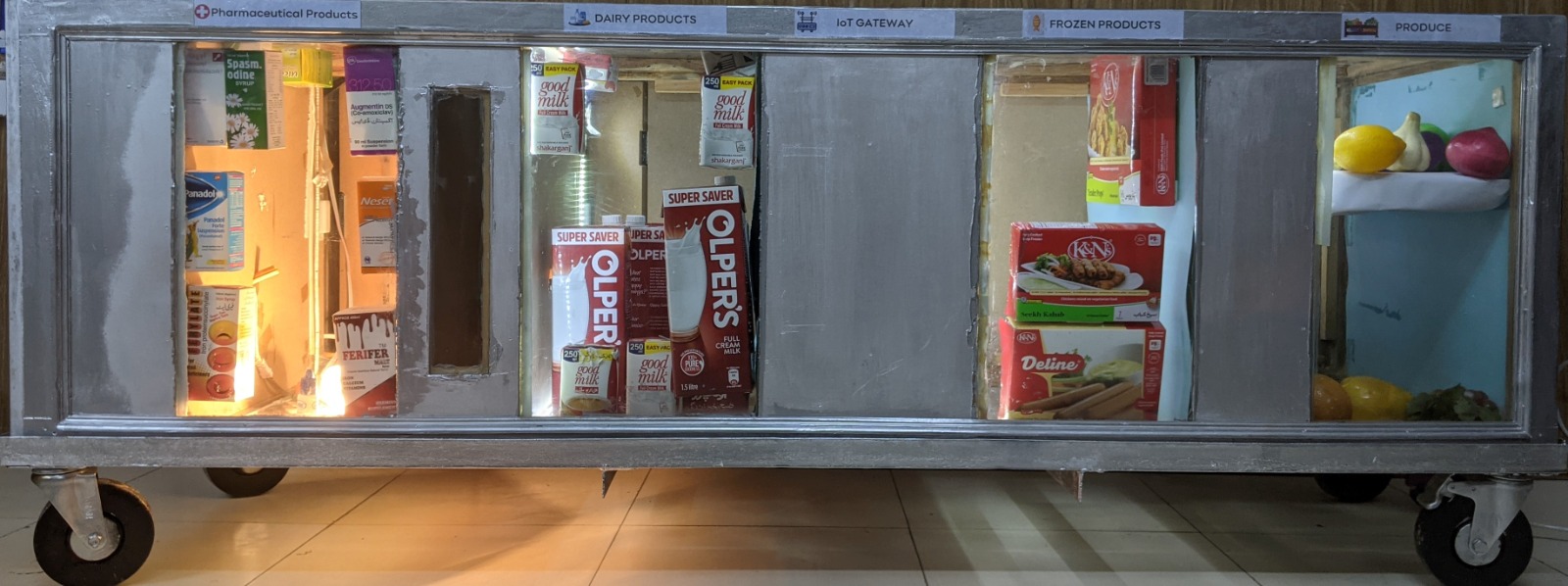
Real-time monitoring of food and maintaining optimal environmental conditions during transportation is an important component of AgriLog smart logistics. Further it makes it easier to spot inefficiencies, shortens delivery times, diagnosis problems in real-time and guarantees that perishable items are delivered on time to avoid spoiling.
How we built it
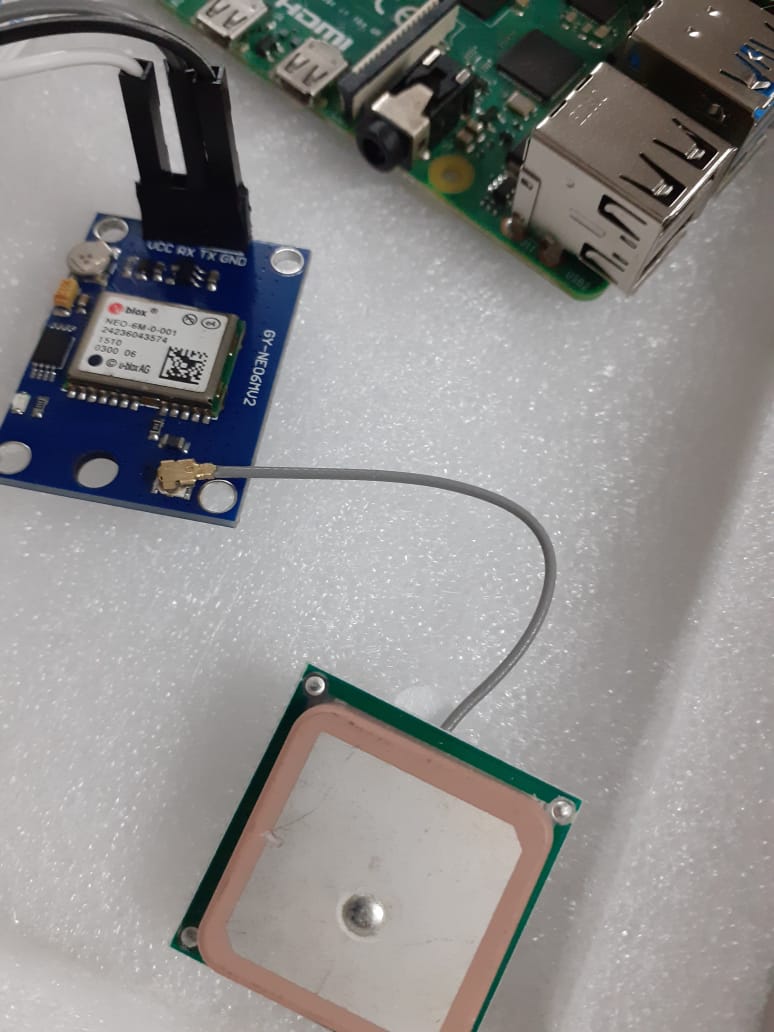
In AgriTech, the forefront of innovation lies in the seamless integration of 5G technology, marking a transformative era for both intelligent farming methodologies and the logistics intricacies within the expansive food supply chain. Central to this technological fusion is the incorporation of the Ultra-Reliable Low Latency Communication (URLLC) band, a cornerstone within the avant-garde framework of network slicing offered by 5G networks. A pivotal strength of 5G technology lies in its prowess to facilitate swift data transmission, ensuring that vital information emanating from an array of strategically positioned sensors within compartments, alongside monitoring devices integrated into transportation vehicles and storage facilities, is relayed instantaneously. This instantaneous exchange of real-time data has proven to be a linchpin in elevating the efficacy of logistics operations, culminating in expedited decision-making processes and a noteworthy reduction in potential delays.
Challenges we ran into
1. Infrastructure Deficiency: A noticeable lack of dedicated 5G infrastructure poses a significant obstacle for testing prototypes in real-world environments.
2. Interoperability Issues: In 5G networks, the intricate interplay of sensors and devices poses interoperability challenges. Seamless communication and integration are essential for the cohesive functioning of the smart farming and logistics ecosystem.
3. Sensor Selection Dilemma: Selecting optimal sensors is a critical challenge, requiring a delicate balance between meeting performance benchmarks and aligning with budget constraints for economic viability.
Accomplishments that we're proud of
1. 5G Network Slicing Integration: Presents opportunities and challenges for smart logistics and farming. Signifies a major achievement in the successful integration of diverse modules with the 5G network.
2. Impact and Recognition: Acknowledges hard work, dedication, and innovation. Expected to bring positive impacts on agriculture and logistics sectors.
3. Economic Contribution: Recognized as crucial for enhancing efficiency, productivity, and sustainability. Expected to significantly contribute to reducing food wastage and boosting Pakistan's economy.
What we learned
The use of 5G in smart farming and smart logistics has probably given rise to some insightful discussions about operational efficiencies, obstacles, and technical breakthroughs. We discovered the advantages of 5G usage and its actual application in Pakistan.
What's next for AgriLog
In order to make AgriLog commercially available to all parties involved, a number of issues must be resolved, including affordability and technological accessibility as well as making sure the solutions satisfy the various needs of various users in the agriculture sector.


Log in or sign up for Devpost to join the conversation.