-
-
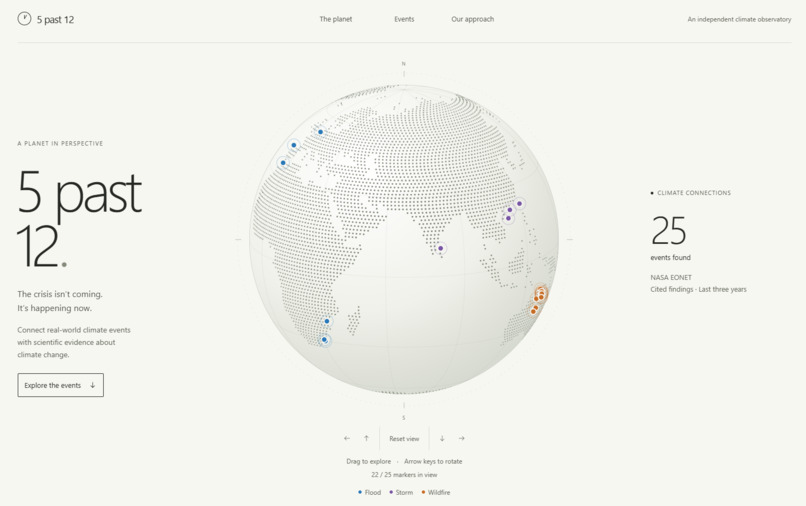
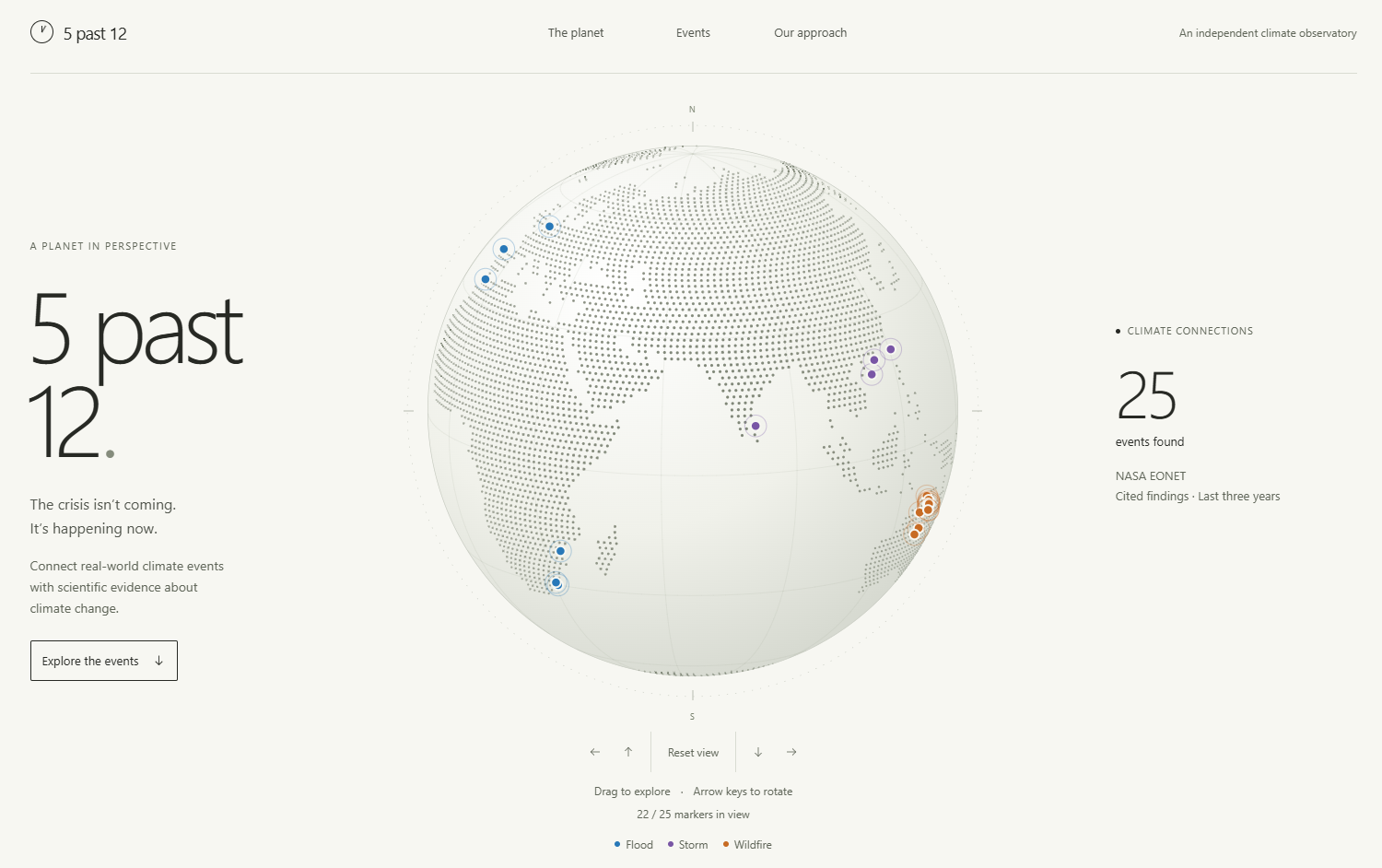
Hero Section with interactive globe
-
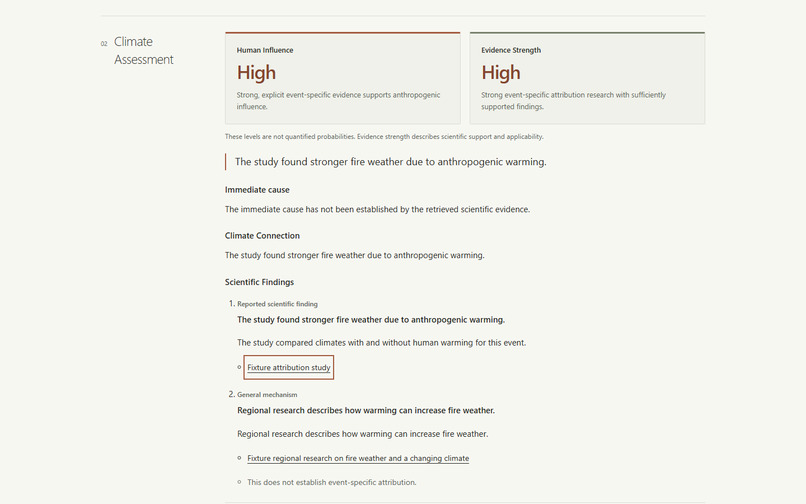
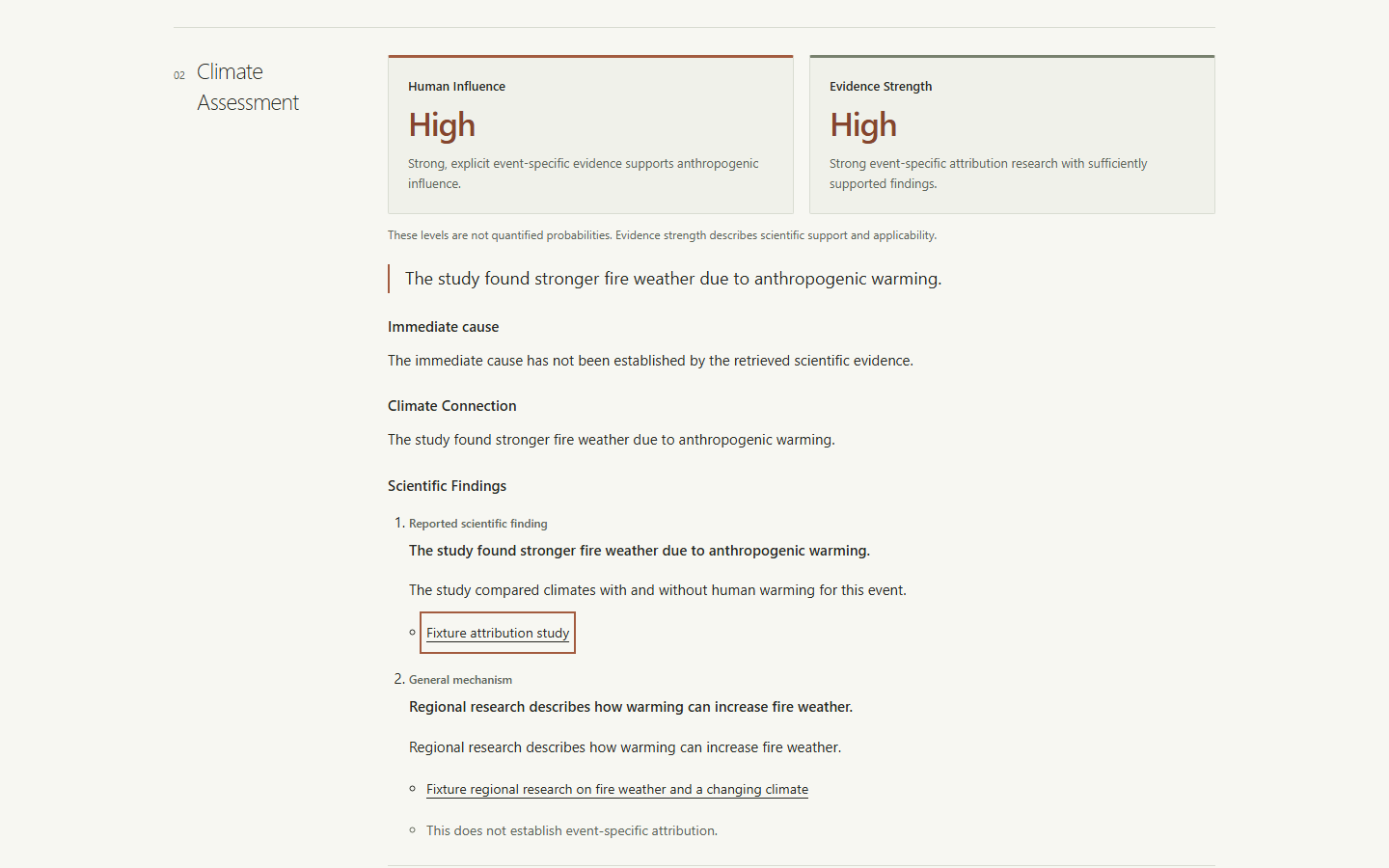
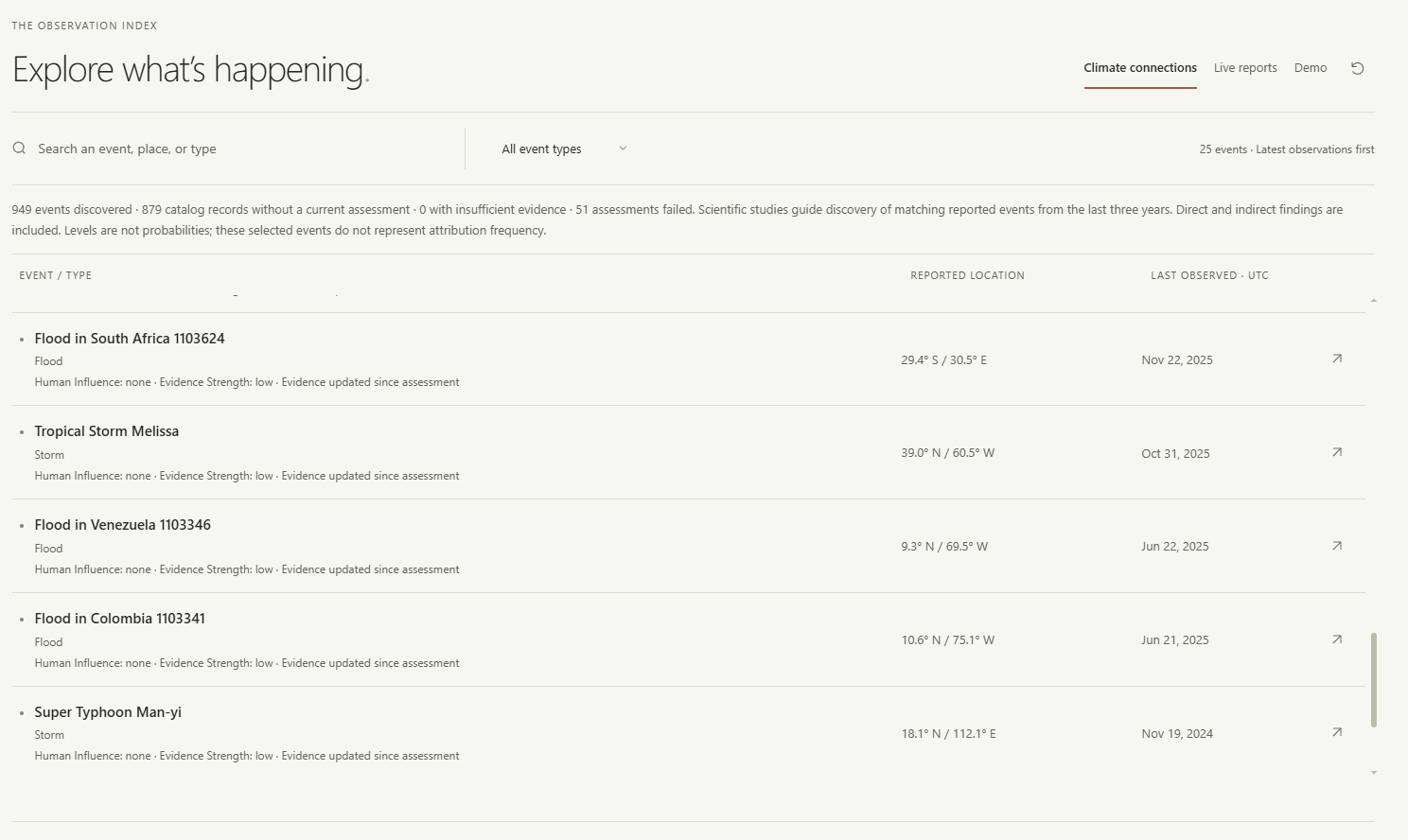
climate change connection assesement
-
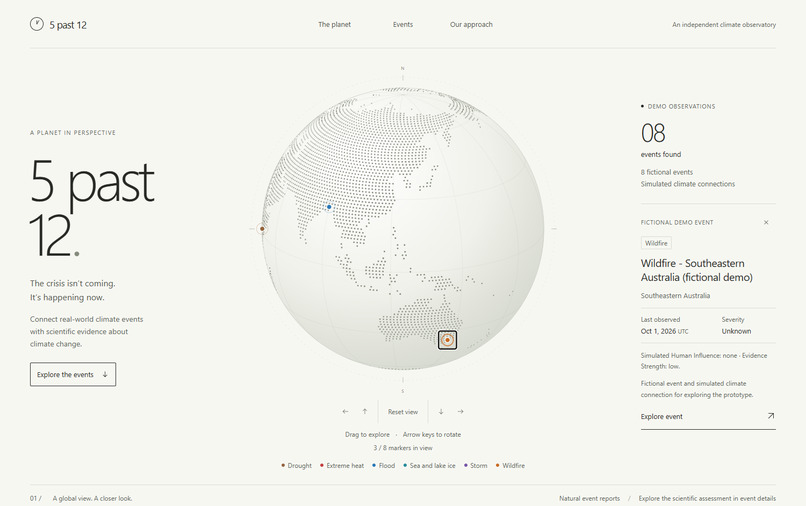
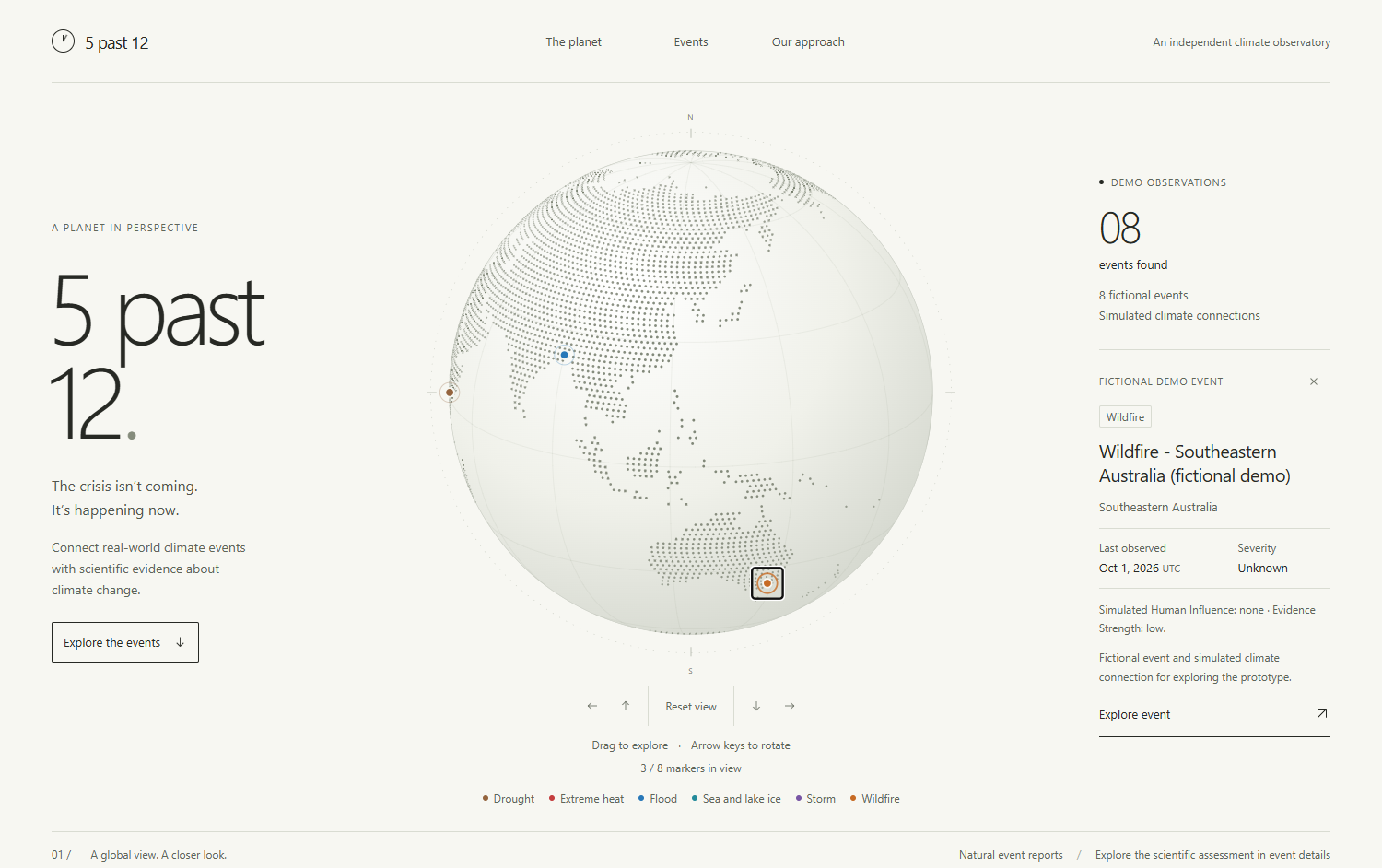
Selected event on the globe
-
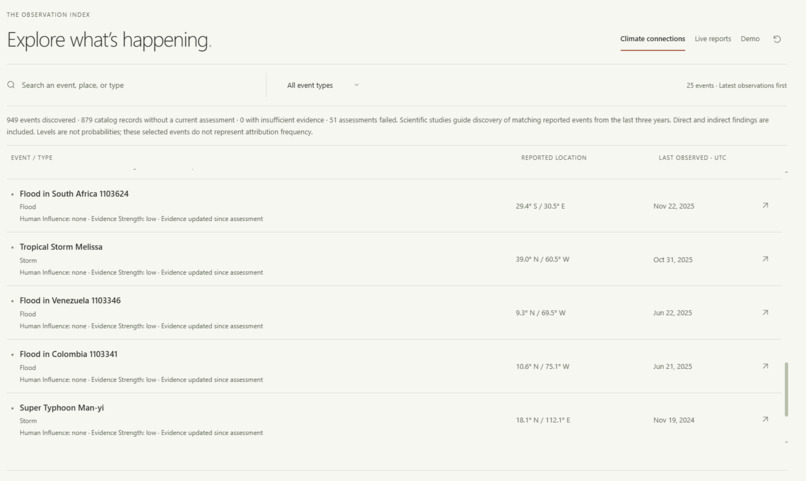
Climate Event overview
-
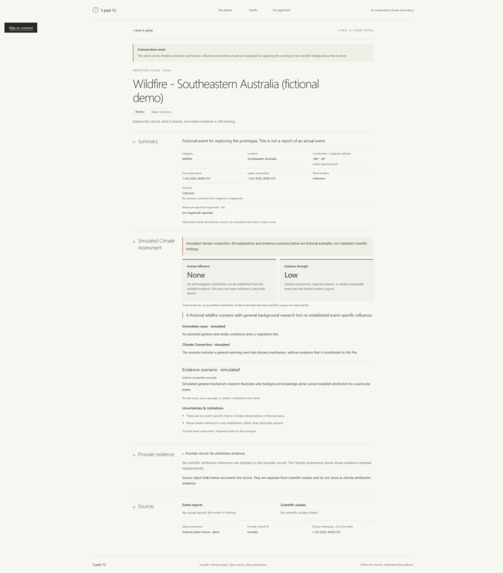
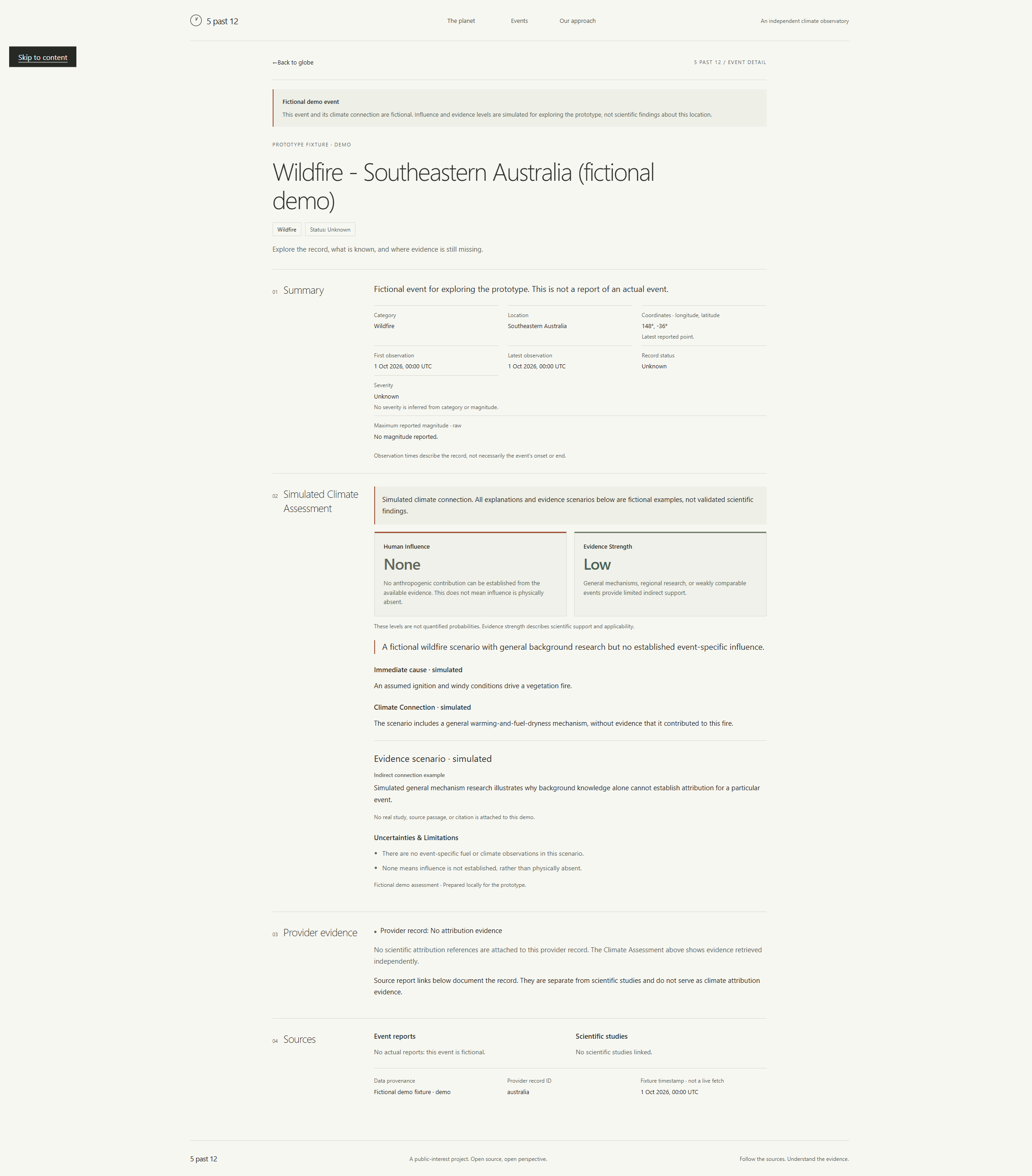
climate event details page
5 Past 12 – Making Climate Change Understandable
Inspiration
Climate change is one of the biggest challenges we face, yet I feel like many people still don't fully understand how serious the situation actually is. We hear about rising temperatures, wildfires, floods, and other extreme weather events almost every day, but it's often difficult to connect these events to the bigger picture.
One of my main inspirations was a presentation by climate researcher Mark Benecke called "TIME IS UP". It really made me think about how much scientific evidence we already have and how little of it actually reaches people in a way that makes them understand the urgency.
That's where the idea for 5 Past 12 came from.
I wanted to build something that makes climate change more tangible. Instead of just showing statistics or another collection of climate news, I wanted to connect real-world climate events with the scientific evidence behind them.
The idea is simple: Explore what's happening around the world, understand how it relates to climate change, and find out what we can do about it.
What I Built
5 Past 12 is an interactive climate awareness platform centered around a 3D globe.
Users can explore real climate-related events around the world, including wildfires, floods, droughts, and extreme temperatures. Clicking on an event opens a detailed view with information about what happened, where it happened, and how it may be connected to climate change.
The most interesting part is the AI-powered evidence attribution.
The application collects climate events and scientific evidence from external sources. AI is then used to analyze the available information and identify relevant connections between individual events and existing climate research.
The goal isn't to claim that every extreme weather event is directly caused by climate change. Instead, I want to make the scientific context accessible while being transparent about uncertainty, the strength of the evidence, and the extent of human influence.
Users can also explore the original sources and find resources from organizations that explain how communities can prepare for climate-related risks and become more resilient.
How I Built It
I built the project in roughly one week, using an agentic coding workflow for most of the development.
ChatGPT was my main tool for brainstorming, planning the architecture, defining features, and working through technical decisions.
For implementation, I primarily used OpenAI Codex together with DevSwarm, experimenting with AI agents to implement different parts of the application.
The main technologies and services were:
- Cloudflare: Hosting, Workers, and backend services.
- Supabase: Database and data management.
- Featherless AI: AI inference for connecting climate events with scientific evidence.
- External climate and research sources: Providing real-world events and scientific context.
I also built data ingestion pipelines to collect, normalize, and store information from different sources. This was important because the data isn't originally designed to work together in one application.
For the AI integration, I experimented with embeddings and semantic search to find relevant scientific evidence before asking a language model to evaluate the connections.
Challenges
By far the biggest challenge was scope management.
I had plenty of ideas for features, but only one week to turn the concept into an actual working product. And building the application was only part of the work. I also had to prepare the demo video, deployment, and everything else required for the hackathon submission.
It was difficult to decide which features were essential and which ones I had to leave out. Especially when working with coding agents, it's tempting to keep adding features because implementing them can seem relatively easy. But getting everything to work together reliably is a different story.
The most difficult technical part was the AI integration.
Getting a model to produce a response is easy. Getting it to consistently return the expected structured output, correctly interpret scientific evidence, and provide useful attribution is much harder.
One problem I encountered was that the model sometimes became overly cautious when evaluating the connection between climate events and human-caused climate change. While scientific caution is important, the results also need to be informative and reflect the actual strength of the available evidence.
Finding the right balance between scientific accuracy, uncertainty, and understandable explanations is something I'm still working on.
What I Learned
This project taught me a lot, especially about agentic coding and project planning.
I had already worked with AI coding tools before, but this was one of my first attempts to use them so extensively to build a complete application under a strict deadline.
I learned that good planning and clear requirements are extremely important when working with coding agents. AI can generate a lot of code quickly, but that doesn't automatically mean you're making progress in the right direction.
I also gained practical experience with integrating AI into a real application. There is a big difference between testing a model with a few prompts and building a reliable pipeline around it, especially when dealing with real-world data and scientific information.
Another important lesson was knowing when to stop adding features and focus on polishing what already exists.
What's Next?
There are still several things I would like to improve.
My main priority would be refining the AI attribution process to make the results more consistent, useful, and scientifically grounded. I would also like to expand the available event and evidence sources and continue improving the user experience.
Ultimately, I don't expect one application to change how people think about climate change overnight.
But if 5 Past 12 helps even a few people better understand the connection between the events we see in the news and the science behind them, then I think it's a worthwhile project.
Built With
- ai-agents
- artificial-intelligence
- climate-change
- climate-science
- climate-tech
- data-visualization
- environmental-awareness
- machine-learning
- scientific-research
- sustainability


Log in or sign up for Devpost to join the conversation.