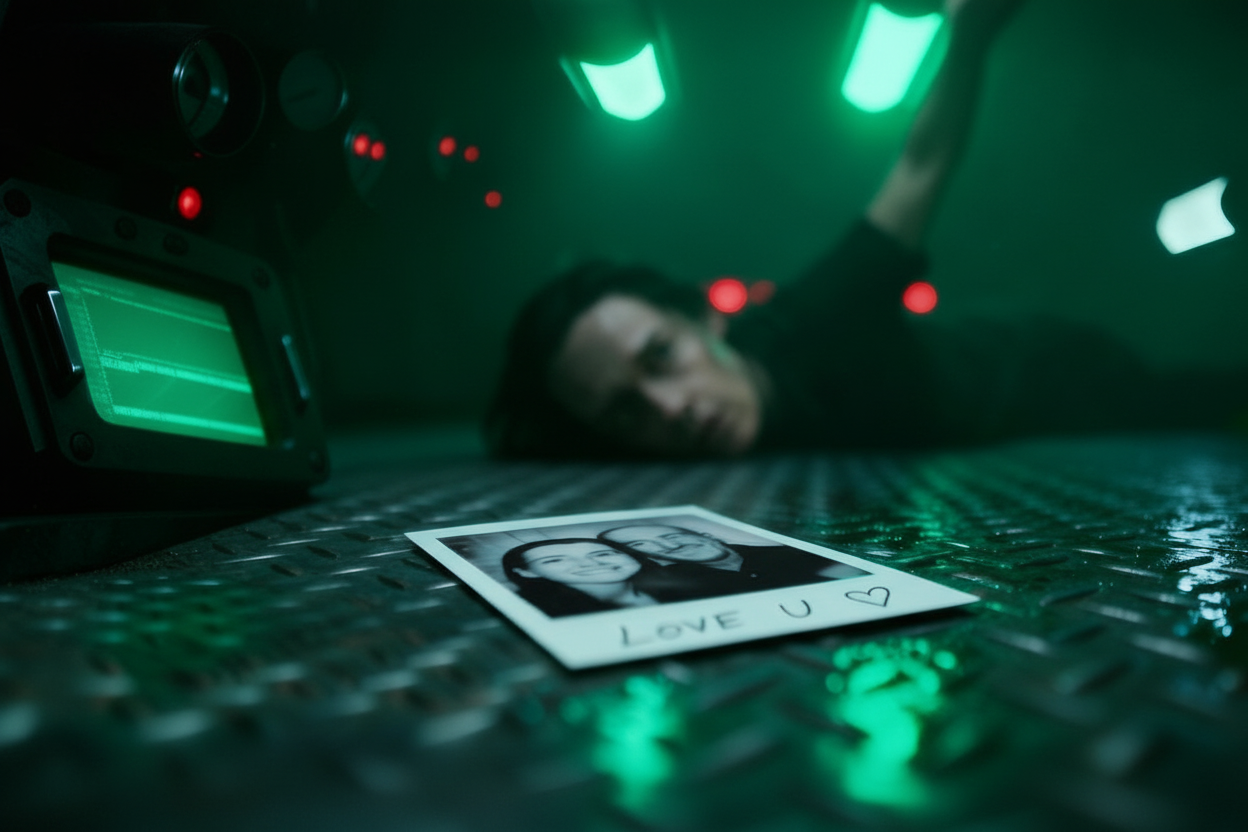
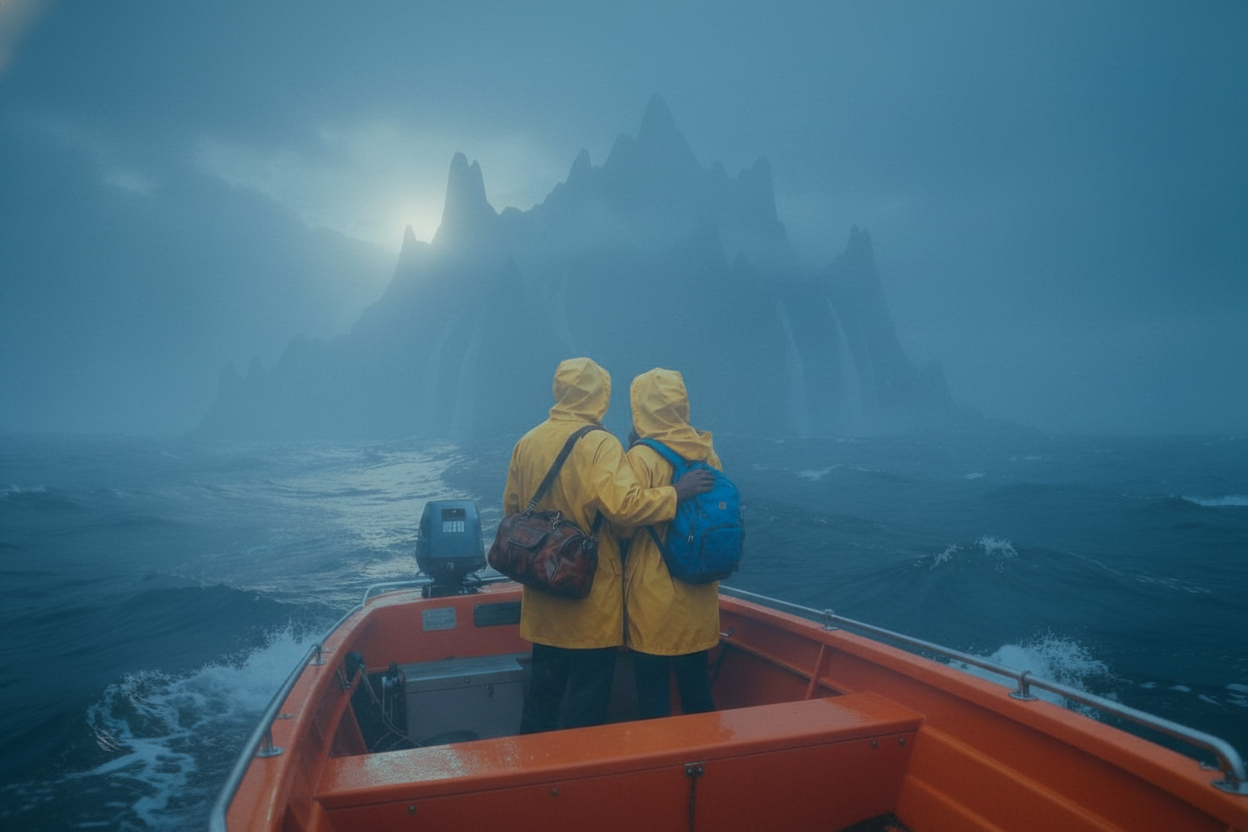
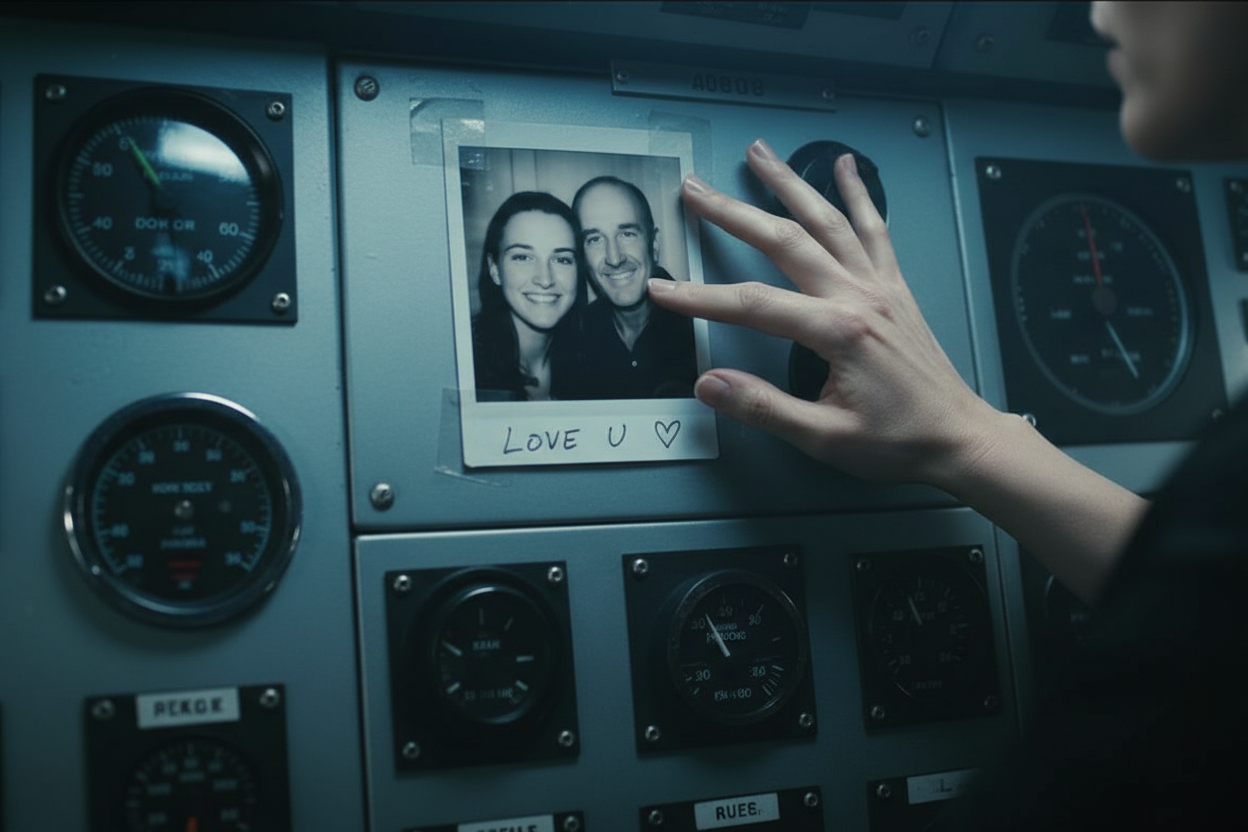
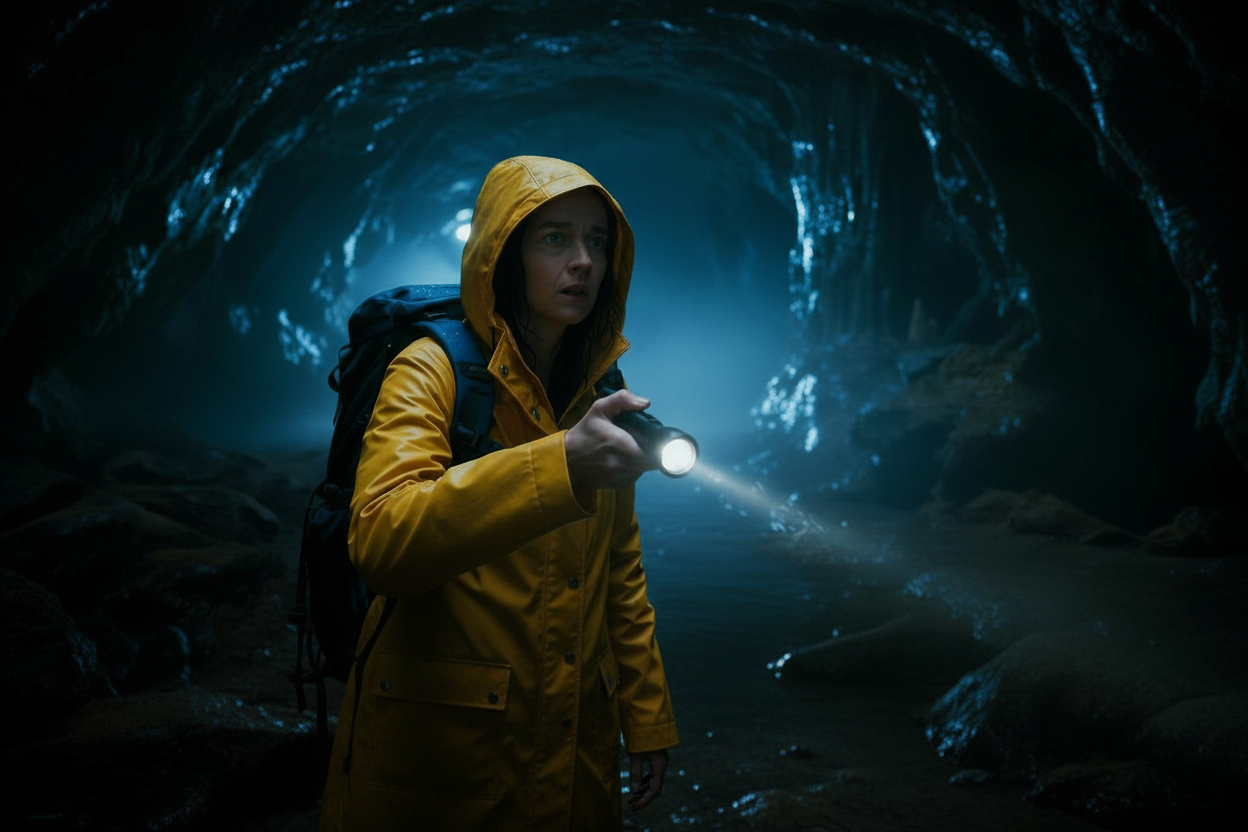
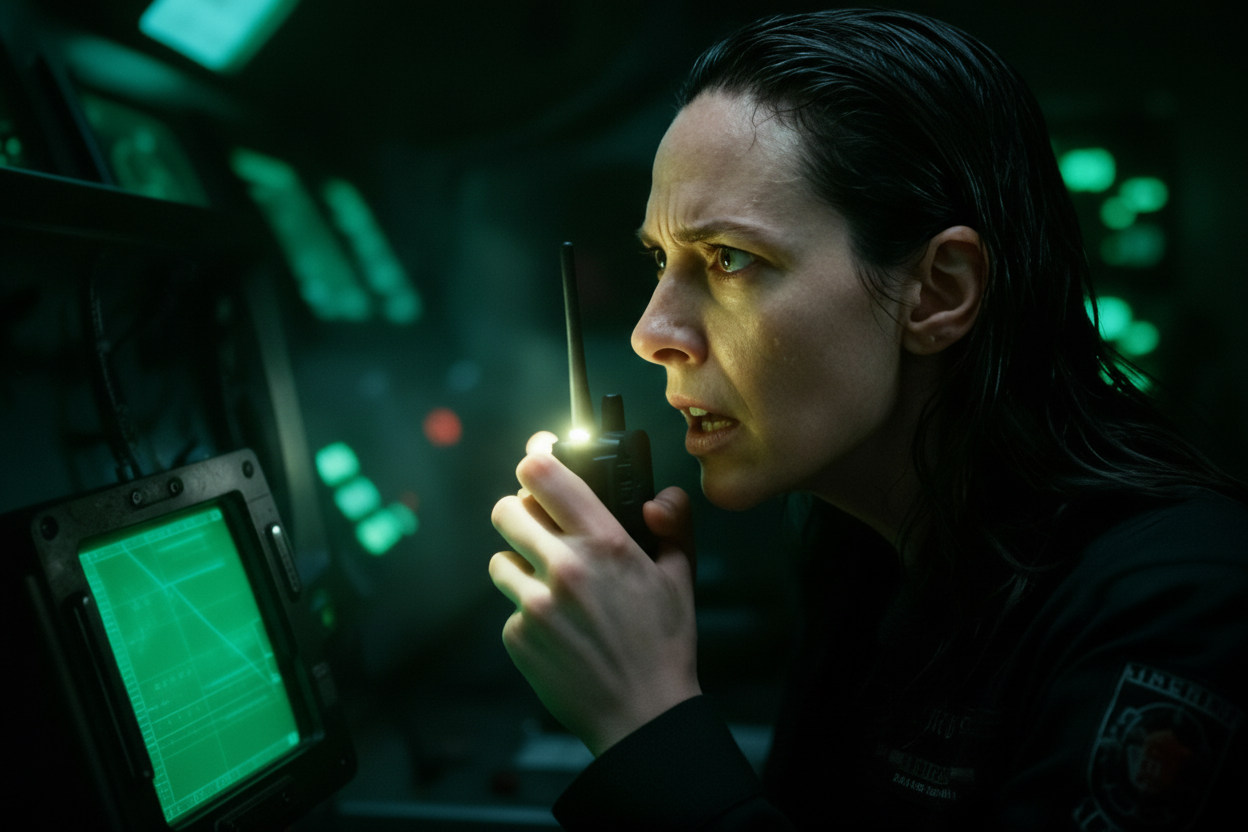
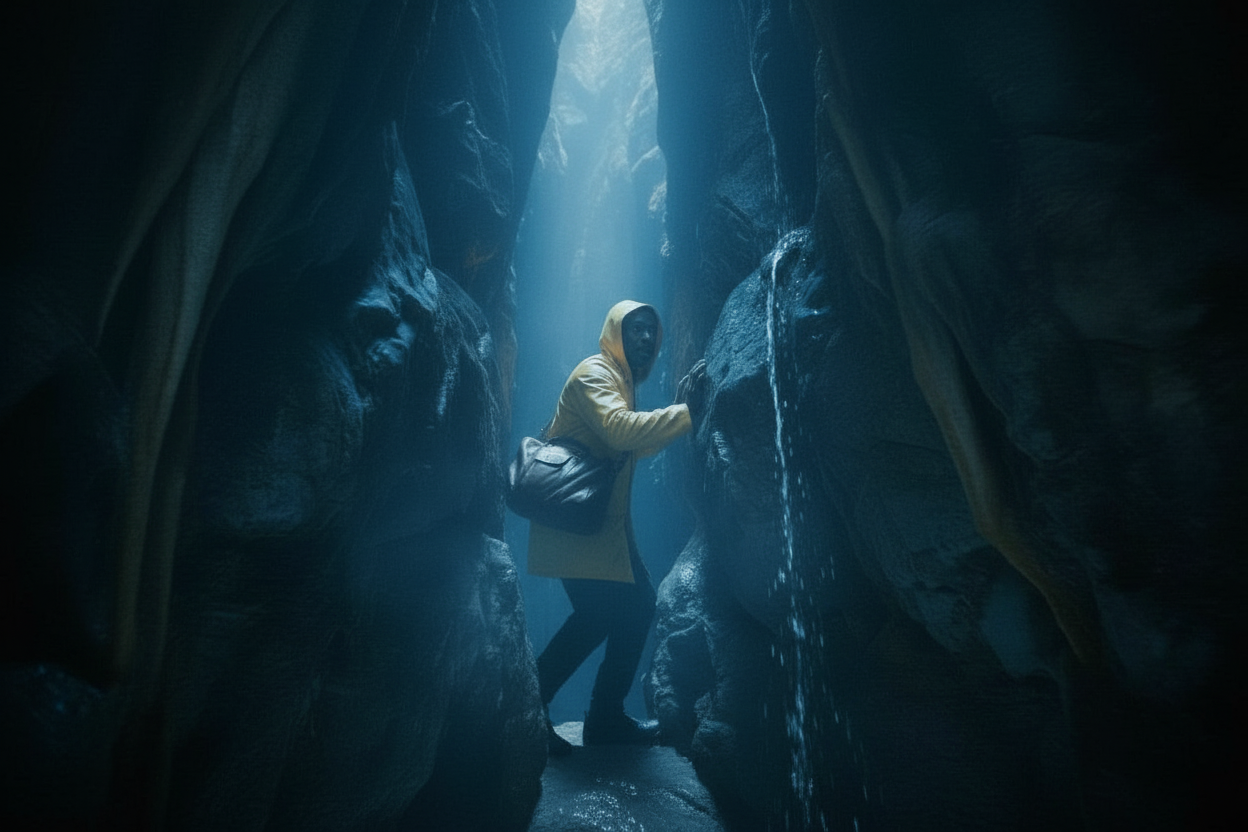
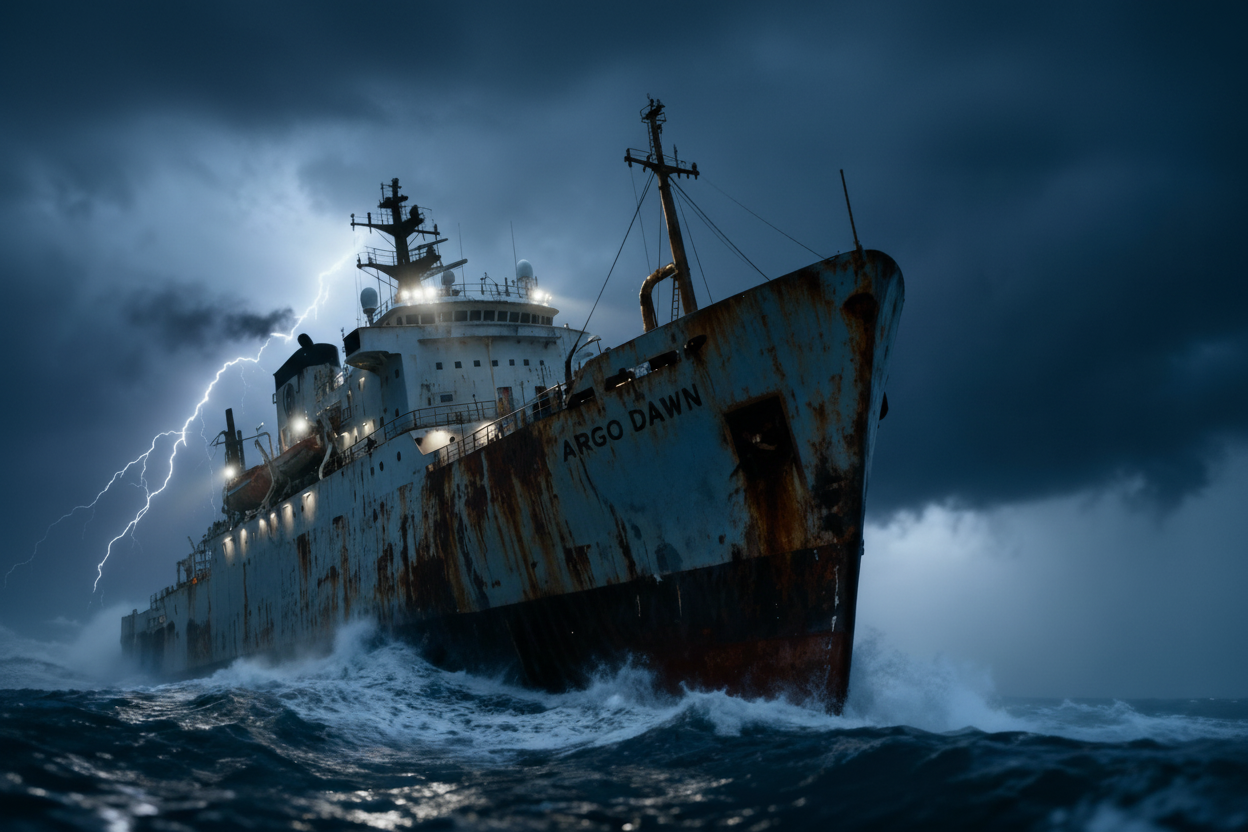
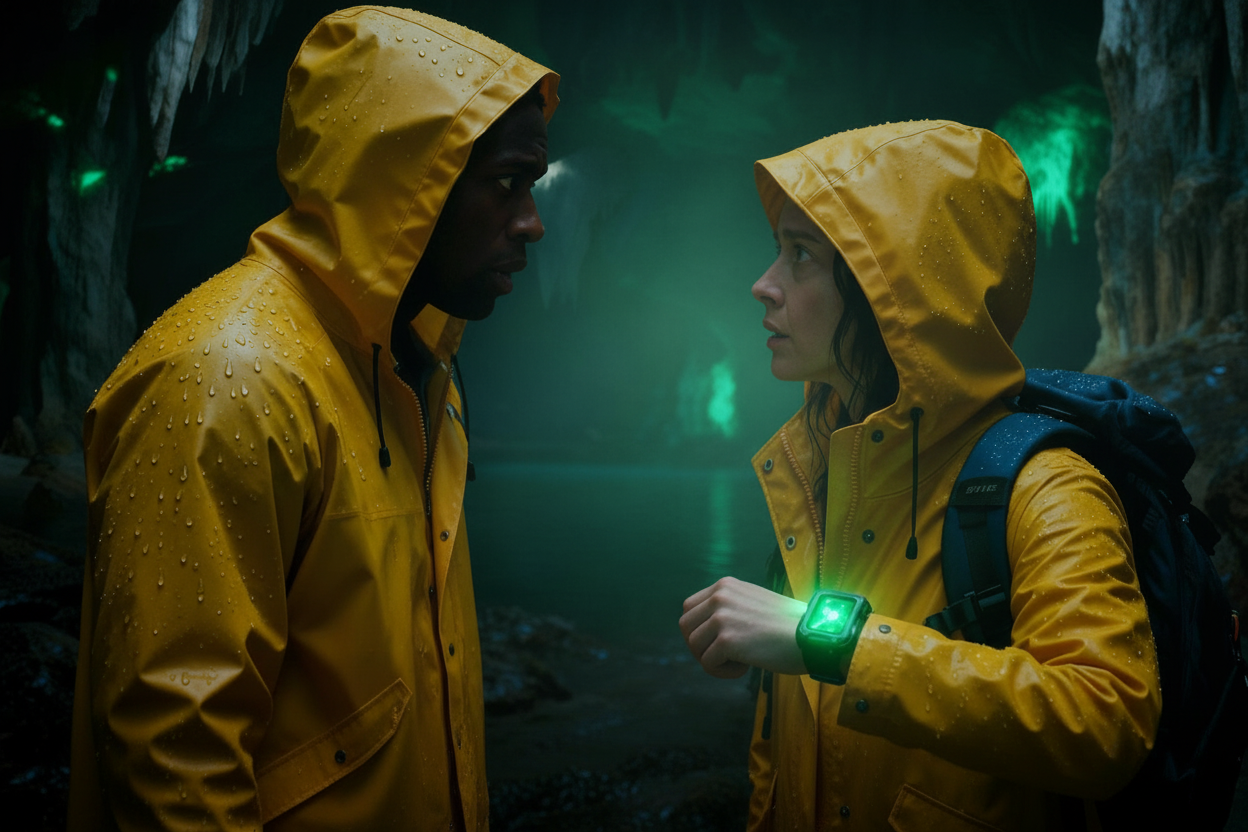
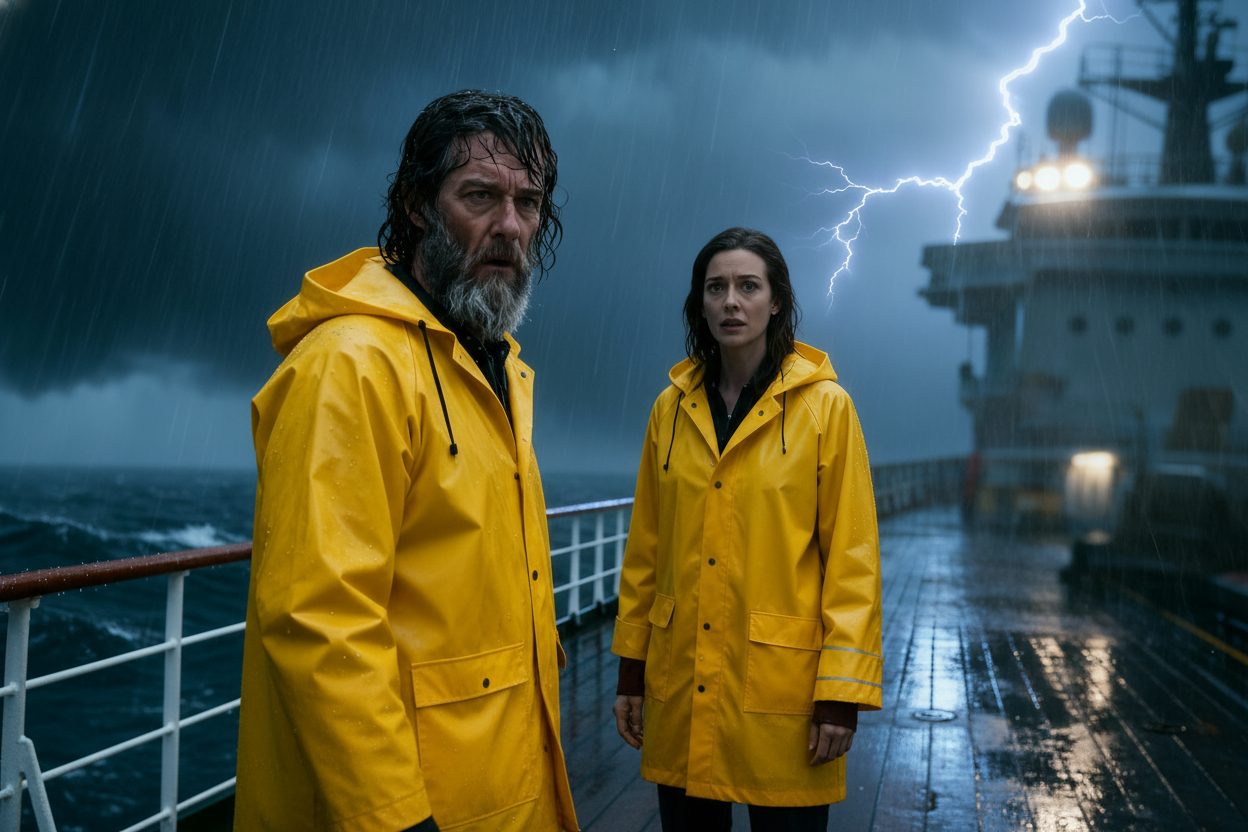
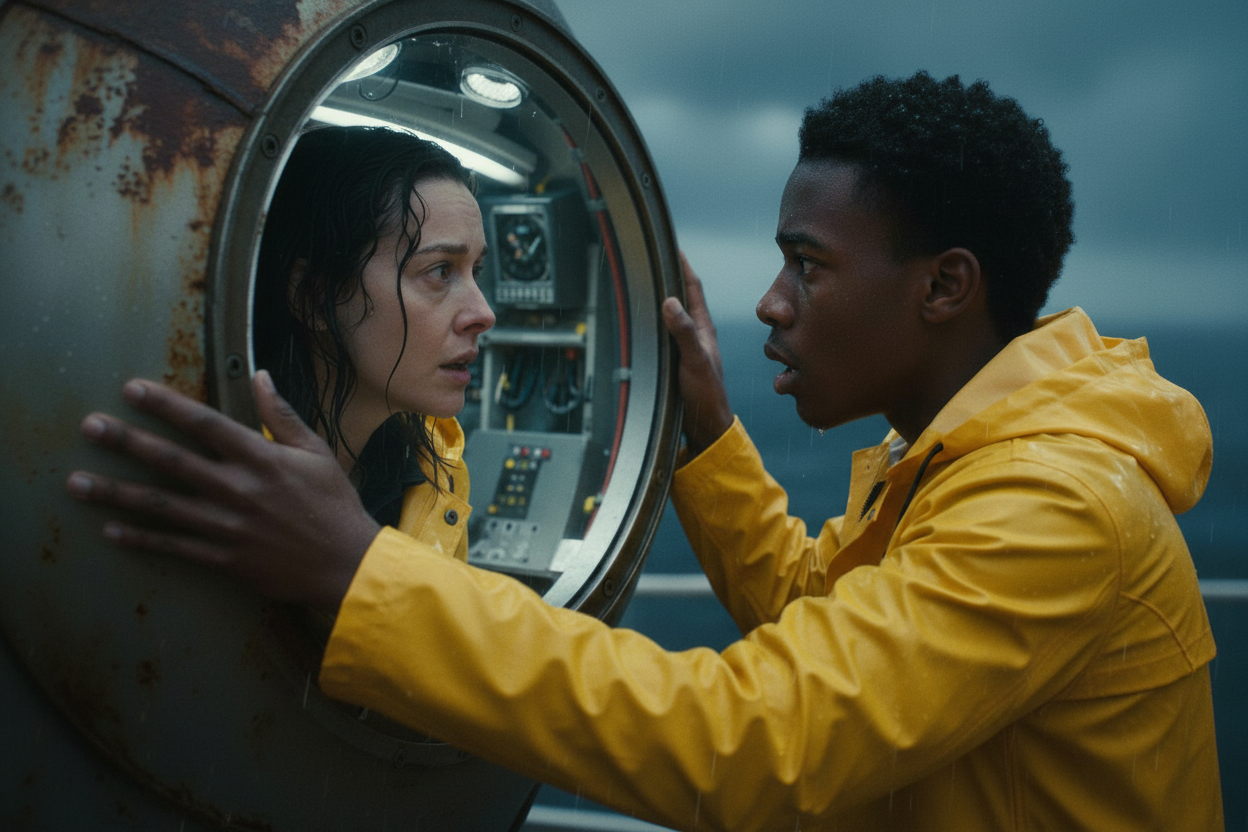
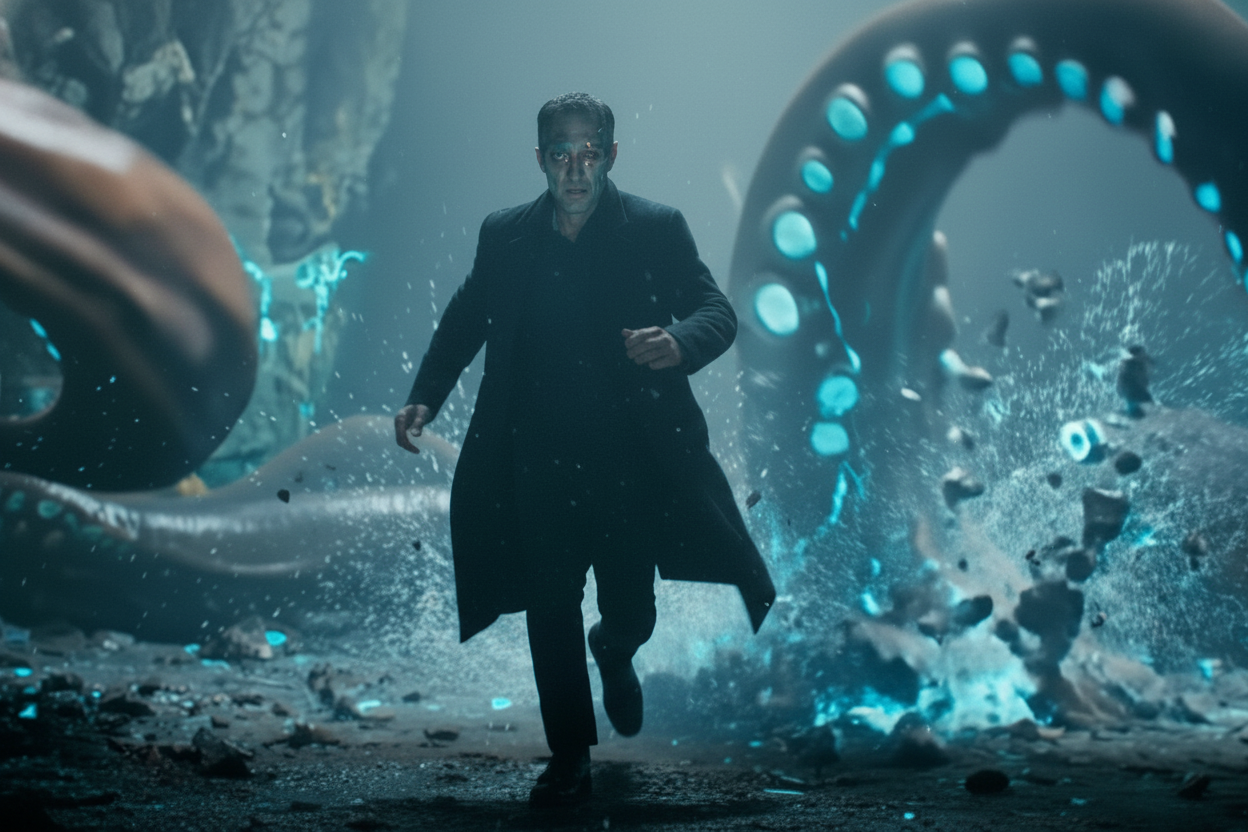
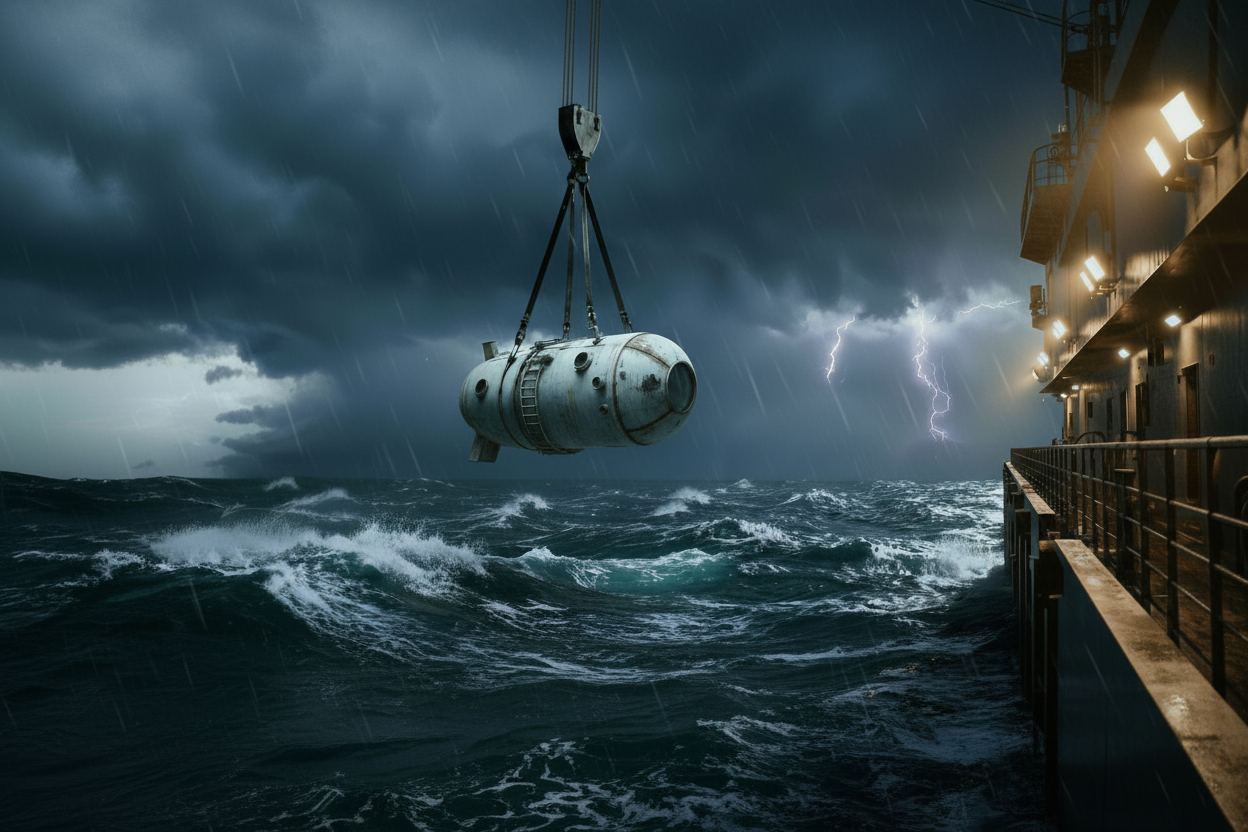
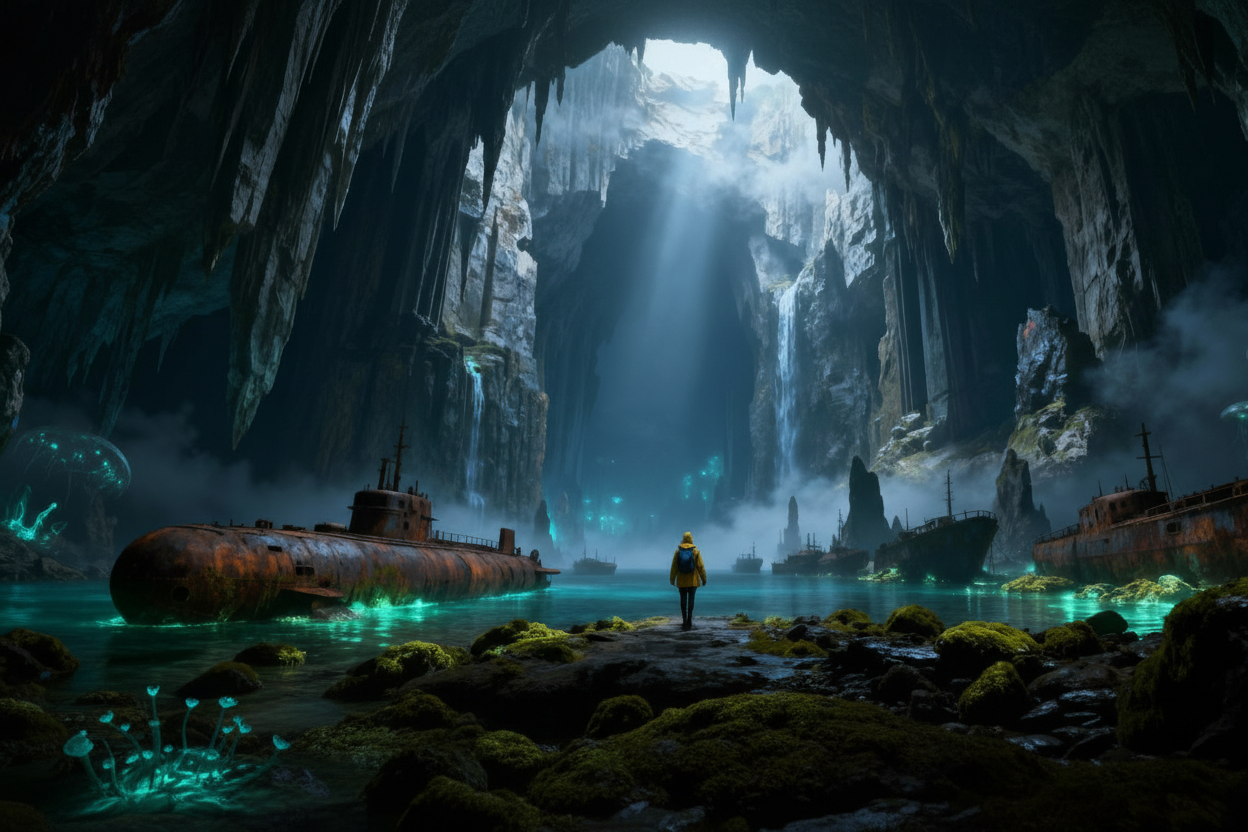
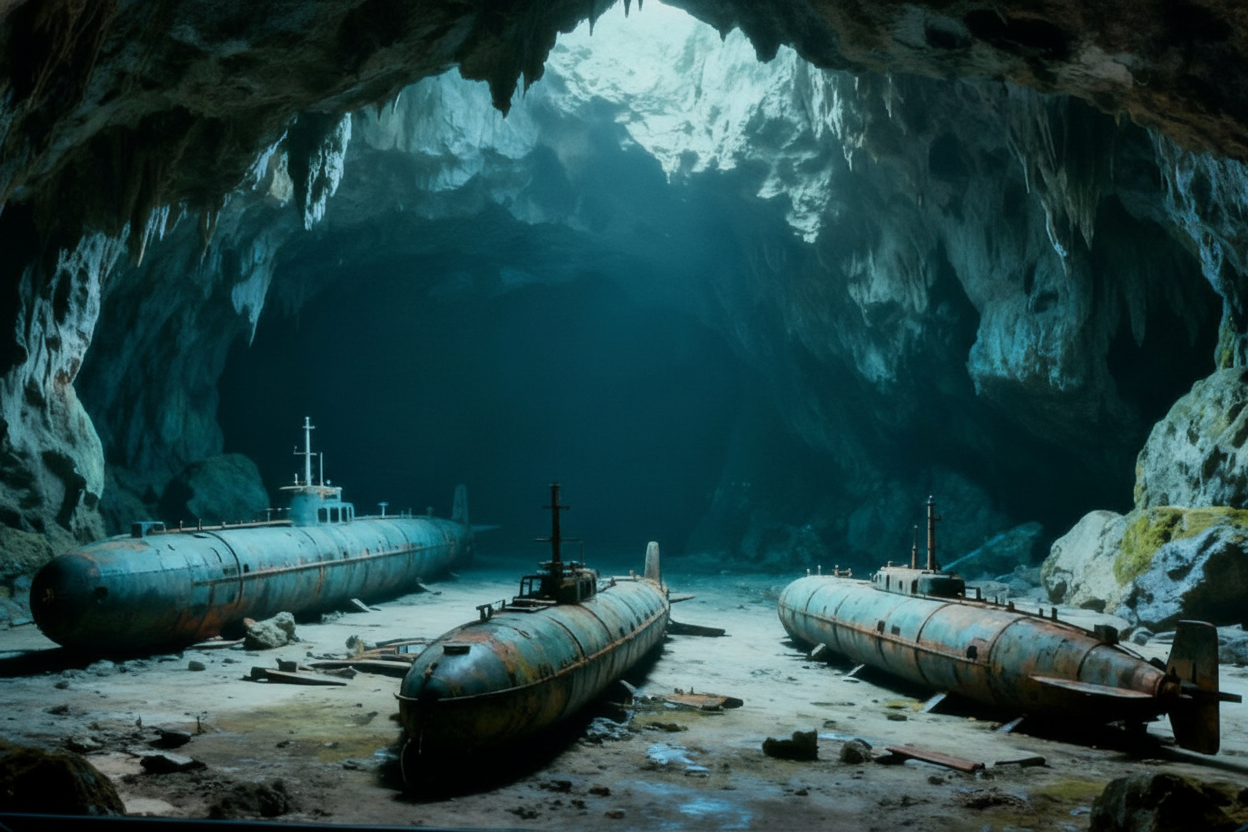
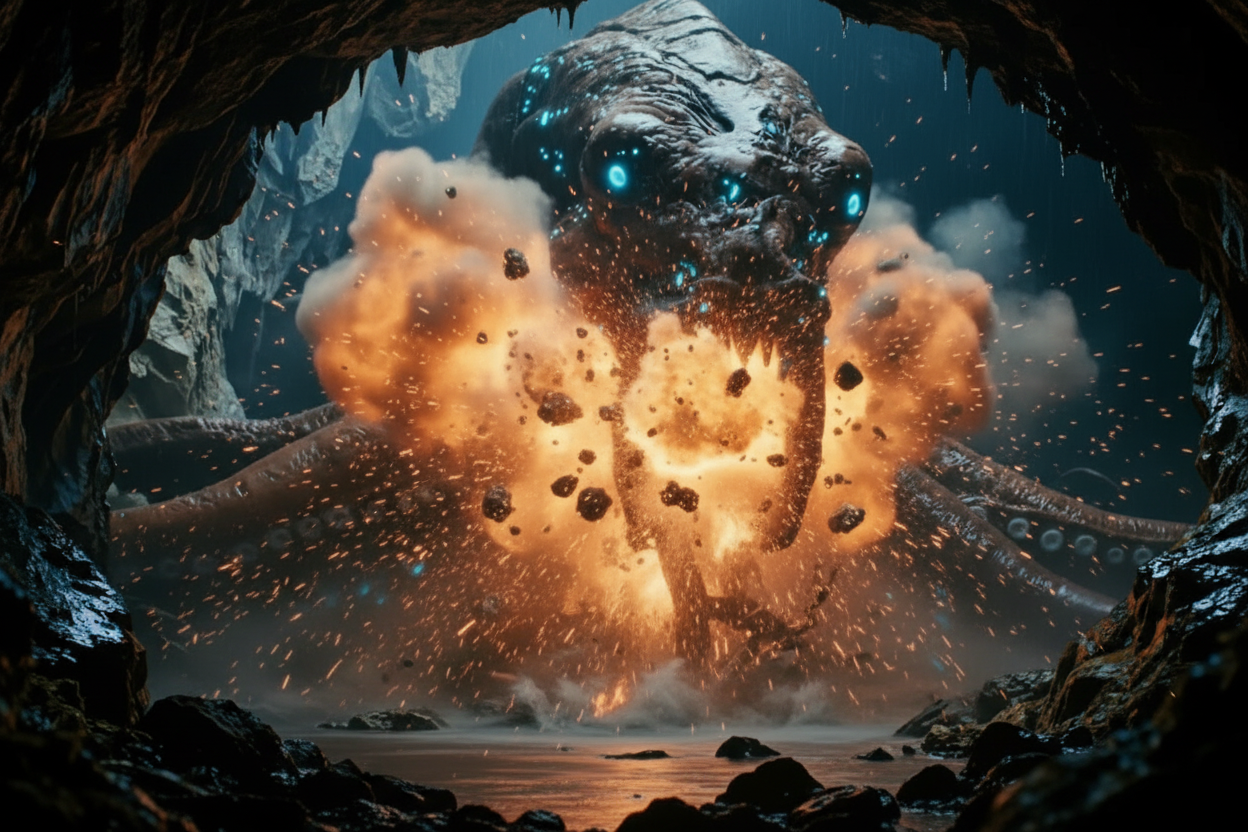
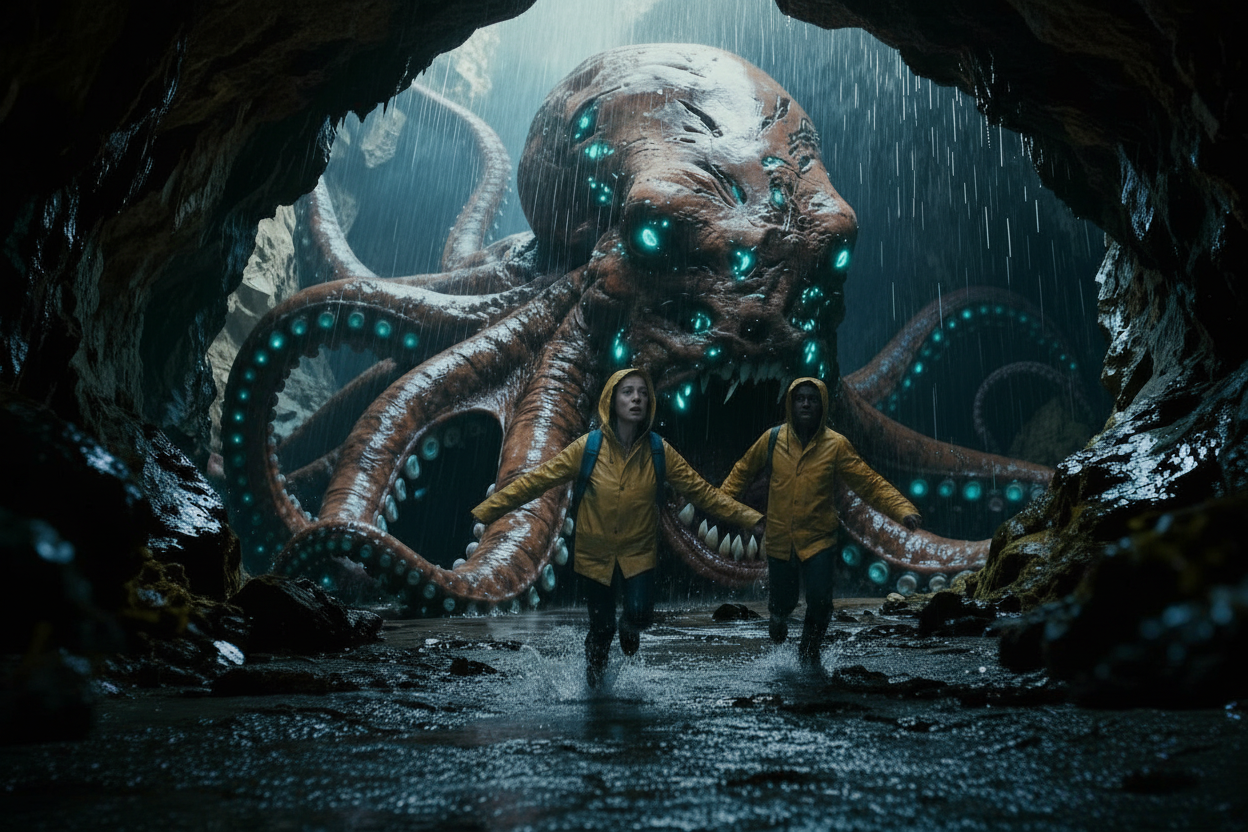
Introduction: Diving into the AI-Powered Abyss "4 Miles Under" represents a profound exploration into the capabilities of AI in cinematic storytelling, born from an iterative, collaborative process. My goal was not merely to utilize AI as a tool, but to understand its potential as a creative partner in crafting a narrative that is both visually stunning and emotionally resonant, particularly within the challenging horror genre. This project stands as a testament to the synergy between my human vision and advanced artificial intelligence, bringing to life a tale of deep-sea terror and human resilience. Inspiration: The Deep Unknown and the Power of Sound The core inspiration for "4 Miles Under" was multifaceted: The AI Film Competition Itself: The challenge of leveraging cutting-edge AI technologies to create a compelling, narrative-driven film. Deep-Sea Horror: A fascination with the primal fear of the unknown lurking beneath the ocean's surface, drawing from classics like H.P. Lovecraft's cosmic dread and modern survival horror films. The ocean's vastness, its crushing pressure, and its alien inhabitants provide a perfect canvas for existential terror. The User's Vision: The initial concept of a "Radioactive Bermuda Triangle" and a daughter's desperate search for her father provided a powerful emotional anchor and a unique premise for AI exploration. The Primacy of Sound: Recognizing that in horror, what one hears is often more terrifying than what one sees. The project was conceived with sound design as a foundational pillar, believing it could elevate AI-generated visuals to a truly immersive and visceral experience. What it does "4 Miles Under" is a 10-minute cinematic short that leverages advanced AI to tell a gripping story of deep-sea survival and family. It effectively: Explores the potential of AI as a co-creator in genre filmmaking, blending epic scale with intimate human drama. Delivers an immersive horror experience through a dynamic interplay of AI-generated visuals and a complex, multi-layered sound design. Showcases narrative development and emotional resonance within a fantastical setting, demonstrating AI's capacity for intricate storytelling. Challenges perceptions of AI's role in creative industries, highlighting its ability to contribute to complex artistic endeavors. How I built it The creation of "4 Miles Under" was a dynamic, iterative, and collaborative process, fundamentally a "digital directing" workflow executed by me: Concept & Narrative Arc Development: I started with the core premise and meticulously crafted a detailed narrative arc, encompassing the surface storm, deep-sea exploration, creature encounters, a poignant sacrifice, and a desperate escape. Every plot point, character motivation, and emotional beat was carefully designed. Visual Generation (Text-to-Image & Image-to-Video AI): Detailed Scene Prompting: For each shot, extensive text prompts were engineered to specify cinematic angles, lighting (e.g., "eerie bioluminescent glow"), mood, character expressions, actions, and intricate environmental details. Character & Environment Consistency: Significant effort was invested in maintaining character likeness (Claire, Denny, Captain, mutated Father) and their iconic yellow raincoats across varied scenes. Environmental consistency for the ship, submersibles, trench, and glowing cave was also paramount, often requiring specific seed images and iterative prompt adjustments. Iteration & Selection: Hundreds of AI-generated images and short video clips were produced, with continuous selection and refinement to align with my evolving narrative vision. Narrative Sequencing & Visual Editing: The selected AI-generated visual content was then meticulously edited and sequenced. This involved precise timing, seamless transitions, and cuts to establish the narrative rhythm and amplify emotional impact. Immersive Sound Design: This was a foundational and heavily emphasized aspect, completely overseen and produced by me: Dialogue (ElevenLabs): Prompts detailing emotional intensity, tone, and delivery style (e.g., "desperate plea," "gruff resolve," "terrified scream," "distorted, hollow warning") were used to generate each character's lines. Sound Effects (External Libraries & Generators): A vast array of SFX was sourced, including torrential storms, crashing waves, ship groans, submarine mechanics, UI clicks, deep-sea ambiences, cave drips, rock falls, ice shattering, explosions, and the wet, guttural, electrically charged vocalizations and movements of the kraken. Unique sounds like the "cockroach crunch" were strategically placed. Orchestral Music (Custom-Prompted & Sourced): A cinematic, epic orchestral score was conceptualized and sourced. Prompts specified mood shifts, key instrumentation (e.g., heavy low strings, blaring brass, driving percussion), and dynamic range, ensuring the music precisely underscored the narrative. Final Mixing & Mastering: All audio layers were meticulously mixed. This involved dynamic balancing, environmentalization (reverb for caves/ocean), impact enhancement (sub-bass), and overall clarity to create a truly immersive experience. Challenges I ran into Navigating the frontier of AI filmmaking presented several significant hurdles for me: Visual Consistency at Scale: Maintaining consistent character appearances, specific facial expressions, lighting schemes, and environmental details across numerous AI-generated shots was an extremely challenging and resource-intensive task. Precision Directing AI: Guiding AI to produce exact, nuanced actions or camera movements often required extensive trial-and-error and creative workarounds, highlighting the current limitations in precise control. Seamless Integration: The most demanding aspect was organically blending disparate AI-generated visual clips with complex, multi-layered soundscapes to create a cohesive cinematic flow, rather than a disjointed montage. Dynamic Synchronization: Achieving perfect synchronization between highly specific sound effects (like lightning, creature impacts, or explosions) and corresponding AI-generated visual events demanded painstaking frame-by-frame adjustments. Authentic Scale: Conveying the overwhelming scale of the storm and the colossal creature through AI-generated visuals without losing fidelity or impactful presence required careful artistic judgment and iterative refinement. Emotional Nuance in AI Voice: While ElevenLabs is powerful, ensuring AI-generated dialogue conveyed the precise emotional subtlety needed for dramatic scenes, especially those of grief or desperation, required specific prompt engineering and careful selection. Accomplishments that I'm proud of I am particularly proud of several key accomplishments in "4 Miles Under": Visceral Immersion: The successful creation of a truly immersive and visceral experience, where the audience is enveloped by the storm's fury, the deep's oppressive silence, and the creature's terrifying presence, largely driven by the meticulously crafted sound design. Emotional Resonance: Despite utilizing AI for many elements, the film successfully delivers powerful emotional beats, particularly Claire's unwavering determination and the poignant moments of sacrifice. Seamless AI Integration: I achieved a high level of integration between AI-generated visuals and my own human-directed editing/sound, creating a final product that feels coherent and professionally produced, transcending the typical "AI demo" feel. Complex Narrative in Short Form: Crafting a clear, escalating narrative arc with character development, multiple environments, and significant action within a 10-minute runtime is a testament to effective storytelling and pacing. Pushing Creative Boundaries: The project demonstrates a novel approach to filmmaking, showing that AI can be a powerful partner in bringing ambitious genre concepts to life. What I learned This journey has been an invaluable education for me on the frontier of creative technology: The Director's Role is Evolving, Not Erased: AI empowers visionaries with unprecedented tools for visualization and execution, but the human eye, ear, and narrative instinct remain crucial for artistic selection, coherence, and emotional depth. Sound is the Ultimate Force Multiplier for AI Visuals: A sophisticated sound design can elevate AI-generated imagery, adding realism, emotional weight, and truly selling the impossible. Prompt Engineering is a New Language of Filmmaking: Mastering the art of communicating nuanced artistic intent to AI is a vital skill. AI Accelerates Iteration: The ability to rapidly generate and refine concepts allows for unprecedented exploration of creative avenues. The Future is Hybrid: The most compelling and sophisticated creative outcomes will likely emerge from a synergistic hybrid approach, combining human artistry with AI's generative power. What's next for 4 Miles Under "What's next for 4 Miles Under" is for it to serve as a beacon for the next wave of AI-powered cinematic projects. I envision expanding this universe, delving deeper into the origins of the 'Radioactive Bermuda Triangle' and its anomalies. This initial short film is a proof-of-concept for a larger narrative, exploring further the depths of human courage, the mysteries of the deep, and the evolving relationship between humanity and technologically-tinged natural forces in a world where AI is not just a tool for creation, but a fundamental part of the fictional universe itself. I aim to continue pushing the boundaries of AI-driven filmmaking to deliver even more immersive, complex, and emotionally resonant stories.
Built With
- elevenlabs
- nanobananan
- seedream4
- veo3


Log in or sign up for Devpost to join the conversation.