-
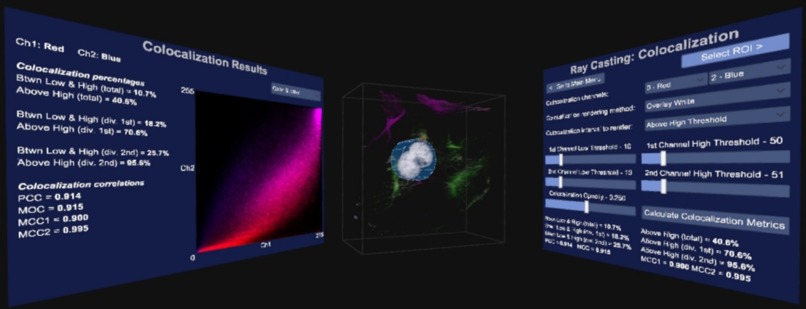
Overall Sight
-
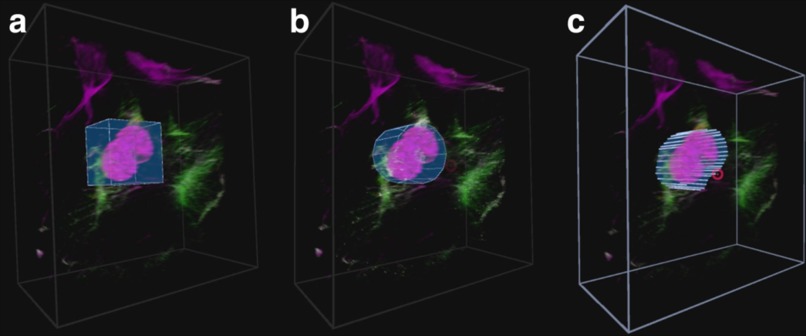
Users can choose the part they are interested in.
-
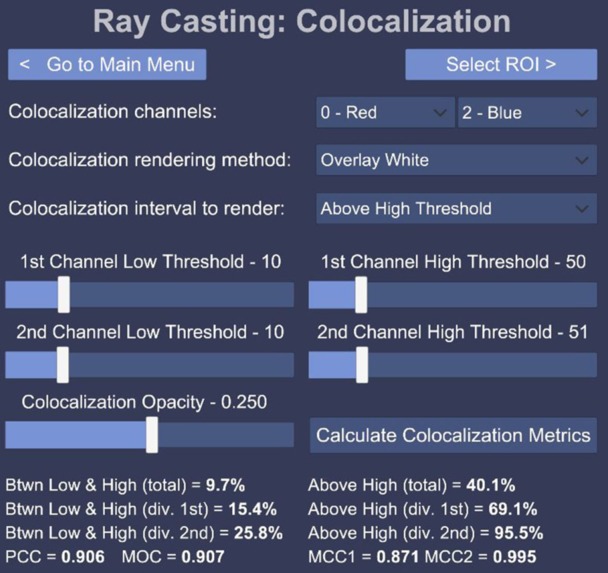
User Settings


Inspiration
The inspiration for our project came from the need to enhance the understanding of complex 3D medical data by medical researchers and healthcare professionals. Utilizing Unity and VR technology, we aimed to create an intuitive and interactive platform for visualizing these data sets in a way that was previously not possible.
What it does
Our application, 3DMedScope VR, transforms complex 3D medical data into clear, intuitive images and models. It uses Maximum Intensity Projection (MIP) and Volume Rendering techniques to provide a more detailed and accurate visualization, aiding in diagnosis and research.
How we built it
The project was built using the Unity game engine for its robust simulation capabilities. We initially developed it with the Meta Quest Pro but have since transitioned to using the Pico 4 Pro, leveraging its superior visual fidelity and user comfort. The project integrates advanced shaders for real-time rendering and a user-friendly VR interface.
Challenges we ran into
We faced challenges in processing and visualizing 3D medical data efficiently and in real-time. Ensuring user comfort in VR and adapting our application to different VR hardware were also significant challenges.
Accomplishments that we're proud of
We are proud of successfully implementing MIP and Volume Rendering techniques in VR, providing a groundbreaking tool for medical professionals. Transitioning the application to the Pico 4 Pro without compromising performance or user experience was also a notable accomplishment.
What we learned
We learned about the complexities of 3D medical data visualization, the importance of user interface design in VR, and the technicalities of adapting software to different VR hardware.
What's next for 3DMedScope VR: Advanced 3D Medical Data Visualization in VR
Moving forward, we plan to further develop the software, focusing on enhancing its capabilities and user experience. We also aim to open source the code and document its functionalities to contribute to the medical and VR communities.


Log in or sign up for Devpost to join the conversation.