-
-
Exploring Earth
-
Exploring Planets
-
Solar System Simulation
-
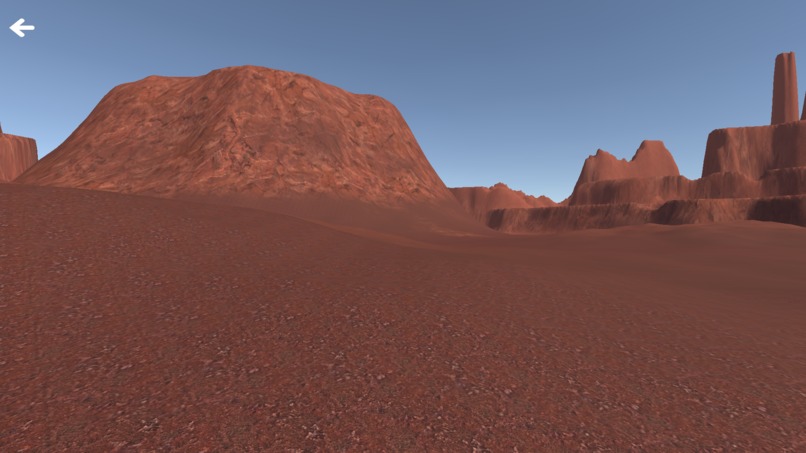
Exploring Mars

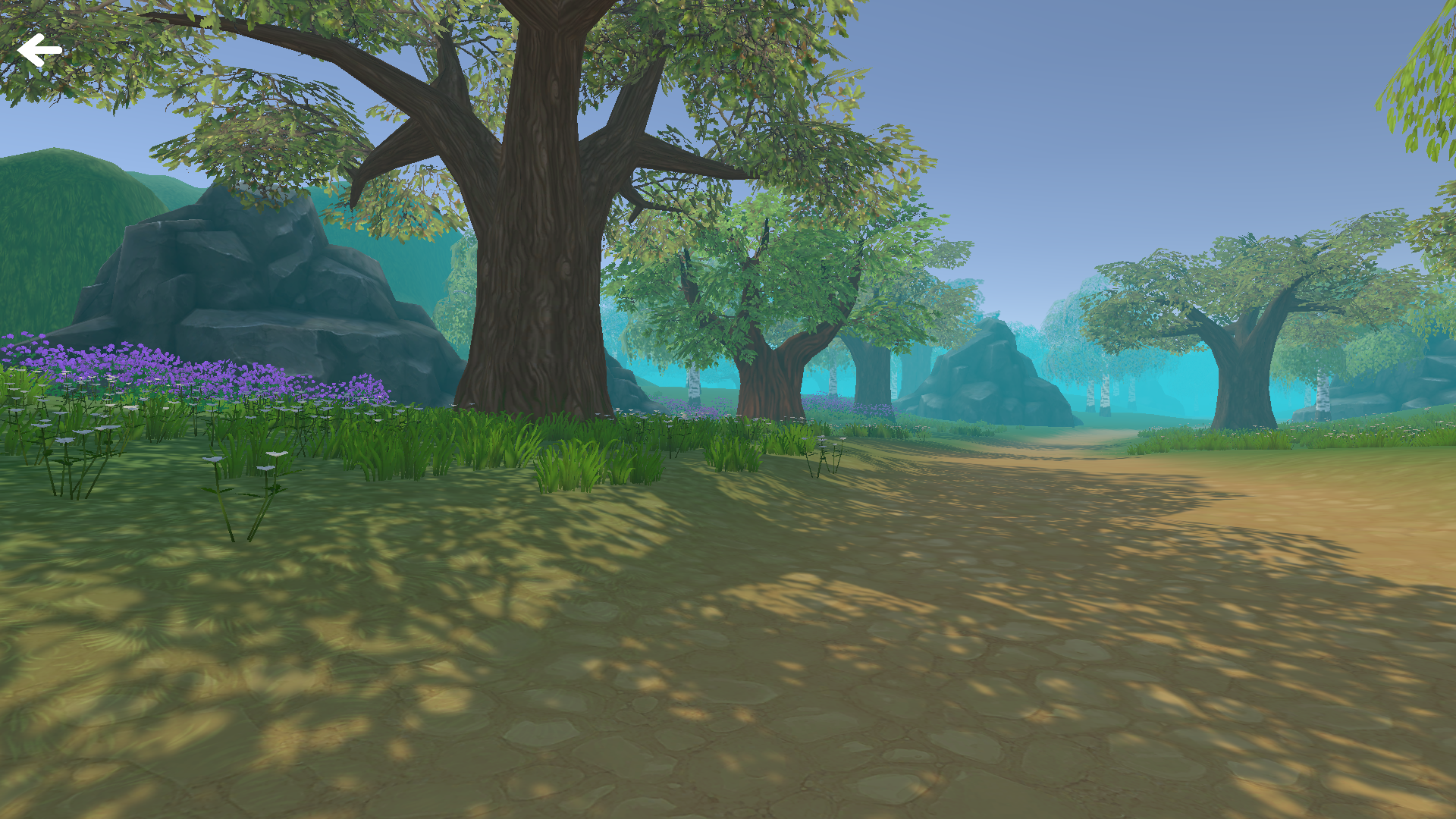


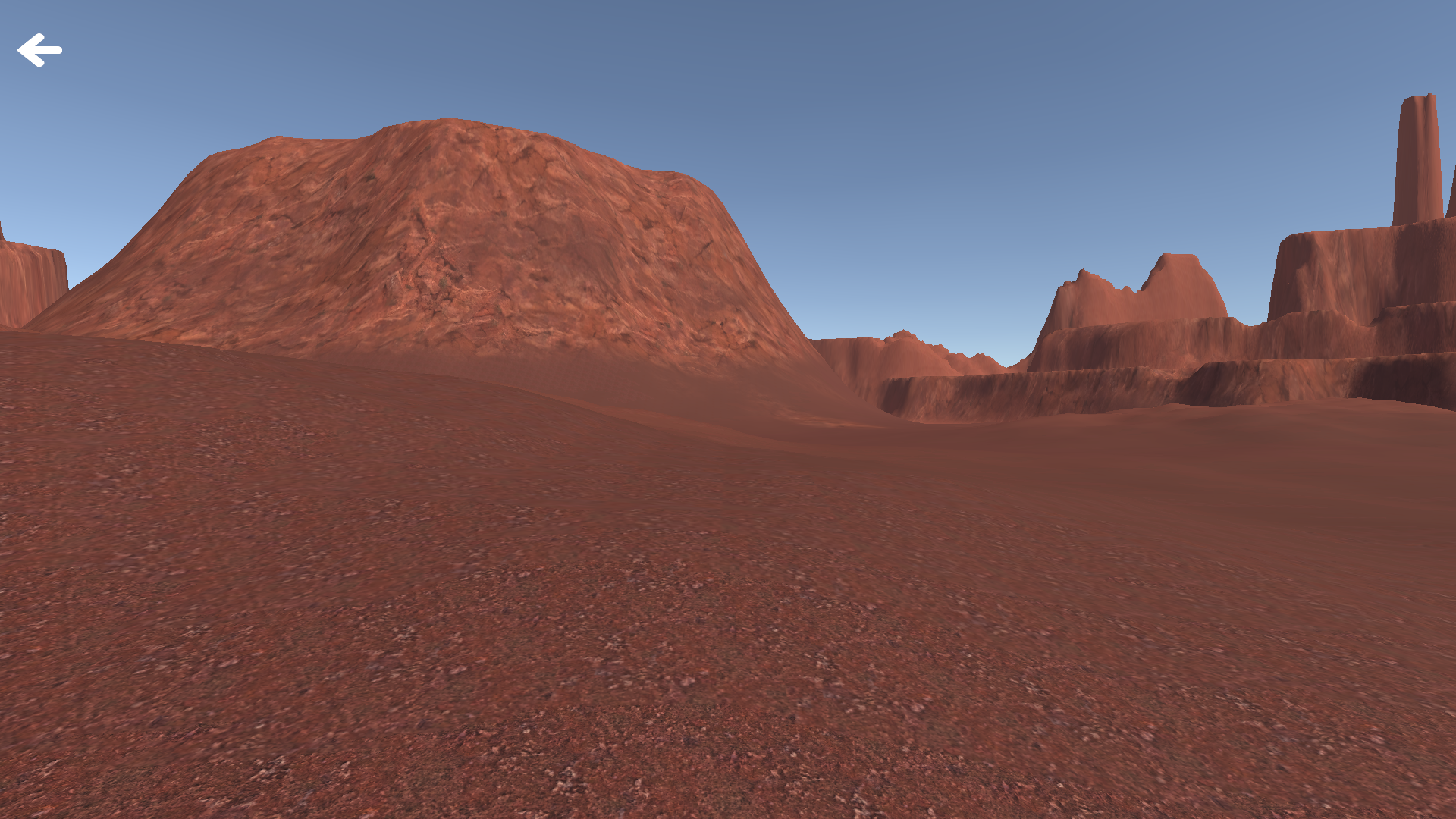
Inspiration: Our inspiration for creating "3D Planetarium Software" stemmed from a shared passion for science education and space exploration. We wanted to bridge the gap between traditional classroom learning and the captivating world of outer space. Motivated by the wonder of the cosmos and the desire to make learning more engaging, we embarked on this journey to create an educational platform that would bring the Solar System and the Moon closer to students.
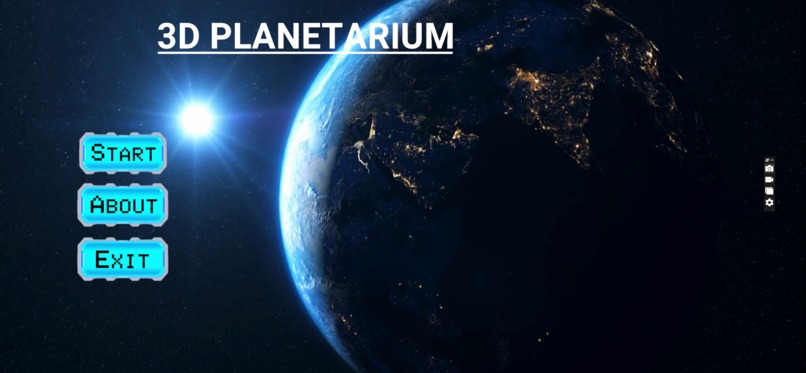
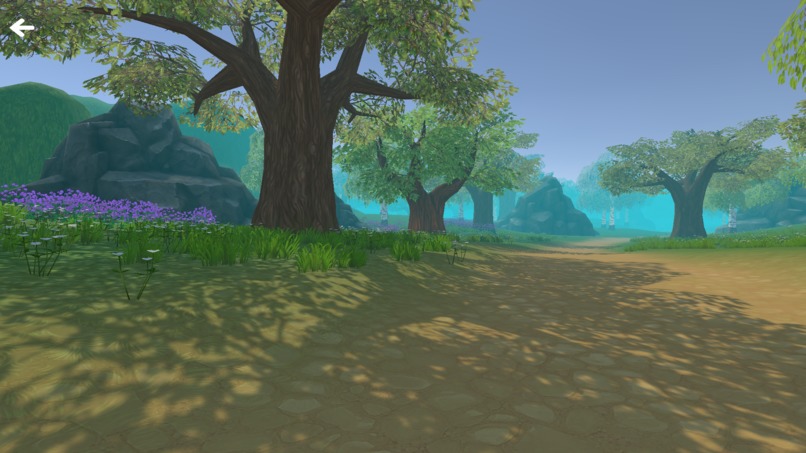
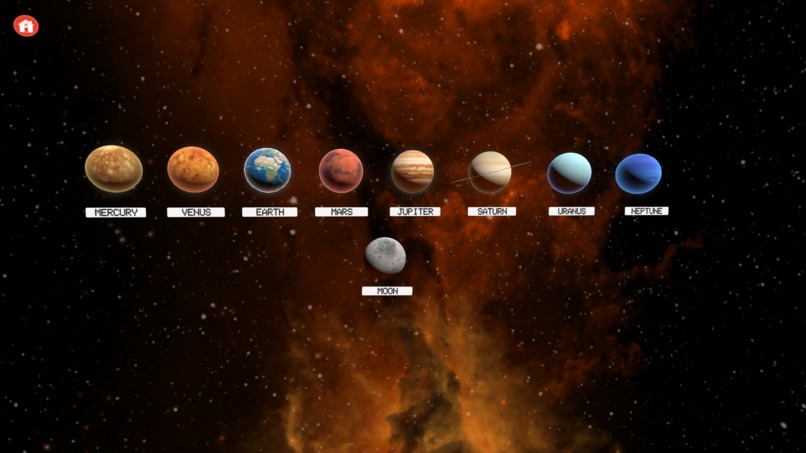
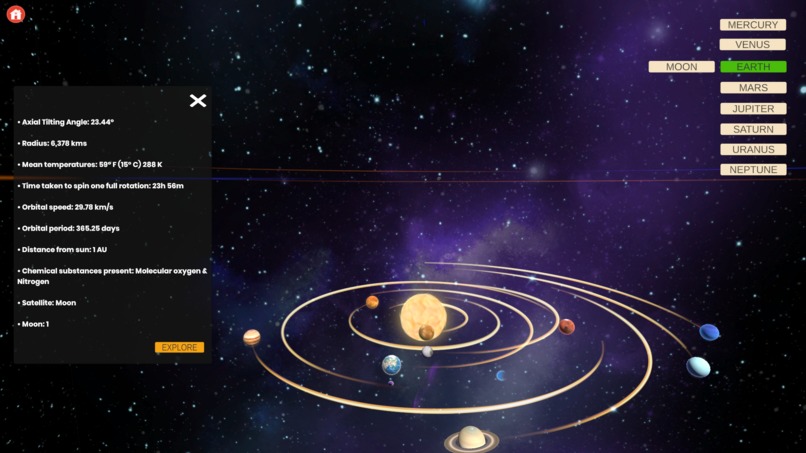
What it does: "3D Planetarium Software" is an interactive educational platform designed to take users on an extraordinary journey through our Solar System and the lunar moon. It offers an immersive experience, allowing users to explore, interact with, and learn about each celestial body in stunning 3D detail. Users can navigate through space, zoom in for detailed views, and access information about the planets and the Moon. It's a dynamic and engaging tool for students and space enthusiasts alike, designed to make learning about the cosmos a captivating experience.
How we built it: Our platform was crafted using Unity 3D, a powerful game development engine. We created accurate 3D models of the planets and the Moon using Blender, a versatile 3D modeling tool. To ensure the utmost accuracy, we meticulously researched and sourced information from reputable space agencies such as ISRO and NASA. The integration of Unity 3D, Blender, and data from these authoritative sources allowed us to bring the Solar System and the Moon to life in a visually stunning and educational way.
Challenges we ran into: During the development process, we encountered several challenges. One of the most significant challenges was ensuring that our 3D models and simulations were scientifically accurate. Achieving this required extensive research, attention to detail, and collaboration to address complex scientific concepts and data. Additionally, optimizing the platform for seamless user interaction and performance was another noteworthy challenge. Through teamwork and determination, we successfully tackled these challenges to create a reliable and informative platform.
Accomplishments that we're proud of: We are proud to have created an educational platform that brings the wonders of the Solar System and the Moon to students in an engaging and accessible manner. Our platform offers a visually striking and informative experience, and we take pride in the realism and educational value it provides. Additionally, the seamless integration of Unity 3D, Blender, and data from ISRO and NASA showcases our team's dedication and expertise in merging technology with education.
What we learned: Throughout this project, we gained valuable insights into space science, 3D modeling, and game development. We deepened our understanding of the complexities of space exploration and honed our skills in scientific research and data integration. Moreover, we learned the importance of collaboration, problem-solving, and persistence in overcoming challenges.
What's next for 3D Space Exploration for Students: The journey doesn't end here. Our vision for the future of "3D Planetarium Software" includes expanding the platform to include more celestial bodies, such as asteroids, comets, and moons of other planets. We plan to incorporate even more interactive elements, including educational challenges, quizzes, and collaborative features. Additionally, we aim to make the platform accessible on various devices, ensuring that students and space enthusiasts worldwide can embark on their own cosmic adventures. The sky is not the limit; it's just the beginning of our exploration and educational endeavors.


Log in or sign up for Devpost to join the conversation.