-
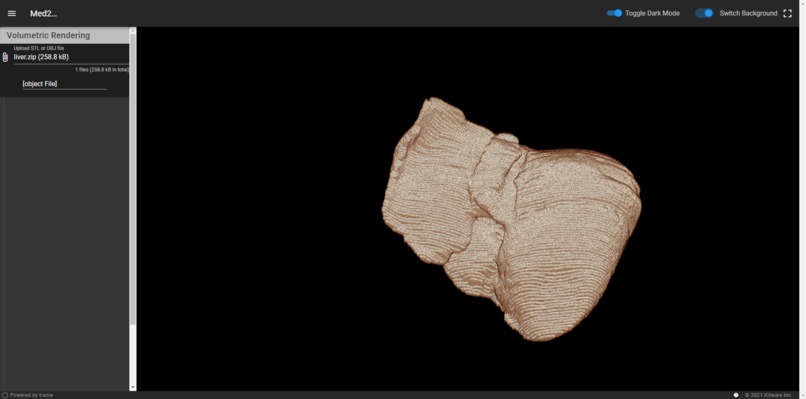
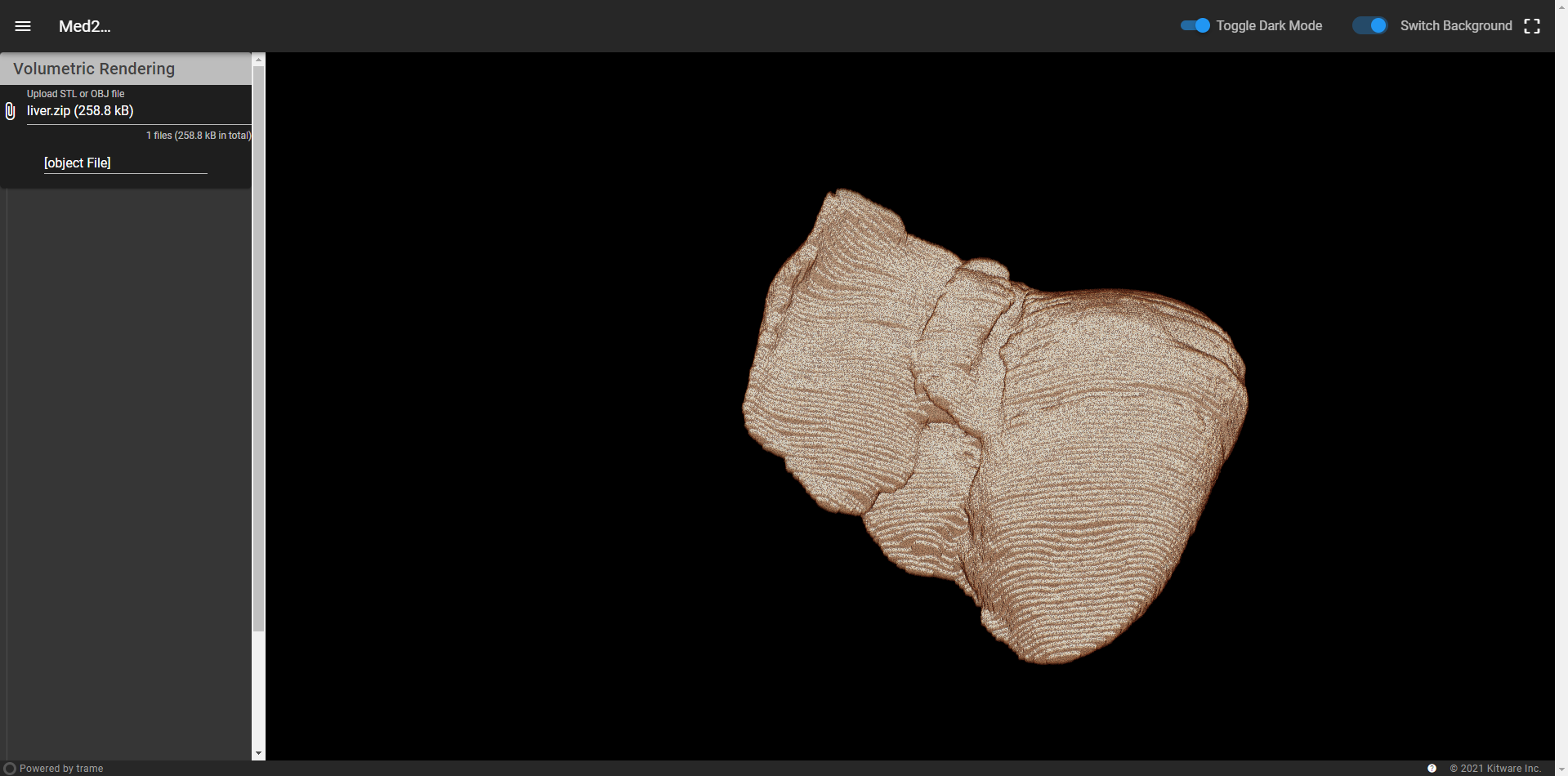
Liver extracted and 3D model Reconstructed
-
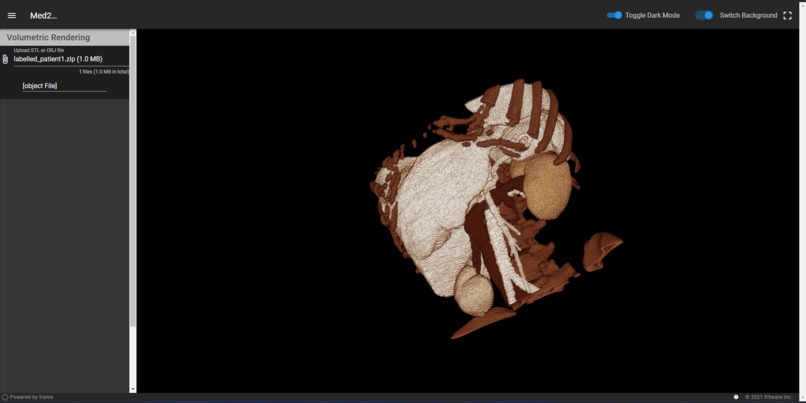
Multiple organ model generated - Dark mode
-
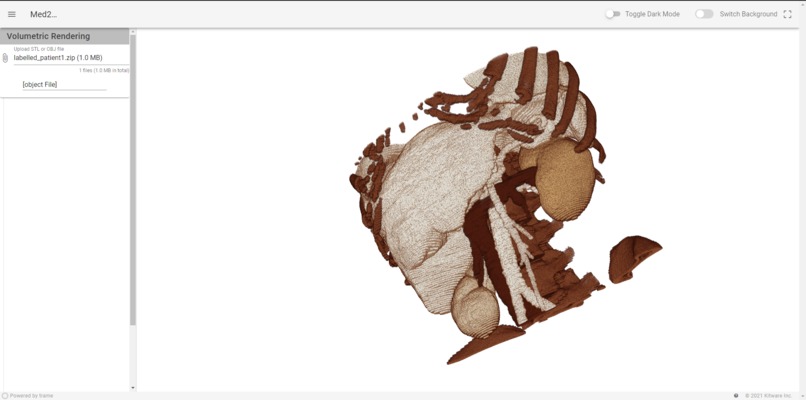
Multiple organ model generated - Light mode


Since the searches did not yield relevant information, let's use general knowledge and context to generate the required sections for a hackathon project on "3D Reconstruction of 2D Medical Scans":
Inspiration
The inspiration for our project came from the need to improve diagnostic accuracy and patient outcomes in healthcare. Traditional 2D medical scans, such as CT and MRI, often lack the depth required for comprehensive analysis. By leveraging 3D reconstruction, we can provide doctors with a more detailed and accurate view of internal structures, leading to better diagnosis and treatment planning.
What it does
Our project converts 2D medical scans into 3D models. This allows healthcare professionals to view and interact with medical images in a three-dimensional space, providing a clearer understanding of complex anatomical structures. The 3D models can be rotated, zoomed, and sliced in various planes, enhancing the diagnostic process.
How we built it
We used a combination of advanced imaging algorithms and edge computing techniques to reconstruct 3D models from 2D scans. The process involves:
- Preprocessing the 2D images to enhance quality and remove noise.
- Applying image segmentation to isolate relevant structures.
- Using reconstruction algorithms to generate 3D models.
- Implementing edge computing to handle data processing efficiently, reducing latency and improving performance.
Challenges we ran into
One of the main challenges was dealing with noisy and low-quality scans. Ensuring accurate reconstruction in such conditions required robust preprocessing and noise reduction techniques. Additionally, integrating edge computing for real-time processing posed significant technical challenges, including optimizing performance and managing data transfer between devices.
Accomplishments that we're proud of
We are proud to have developed a functional prototype that successfully reconstructs 3D models from 2D scans. Our solution demonstrates significant improvements in diagnostic accuracy and has the potential to transform medical imaging practices. Additionally, the integration of edge computing has shown promising results in enhancing processing speed and efficiency.
What we learned
Throughout the project, we learned a great deal about medical imaging, image processing techniques, and the application of edge computing in healthcare. We also gained insights into the challenges faced by healthcare professionals in interpreting 2D scans and how our solution can address these issues.
What's next for 3D Reconstruction of 2D Medical Scans
Moving forward, we plan to enhance our algorithms to handle a wider range of medical images and improve reconstruction accuracy further. We aim to conduct clinical trials to validate the effectiveness of our solution in real-world settings. Additionally, we envision integrating our technology with existing healthcare systems to streamline the workflow for medical professionals.
Built With
- python
- trame


Log in or sign up for Devpost to join the conversation.