-
-
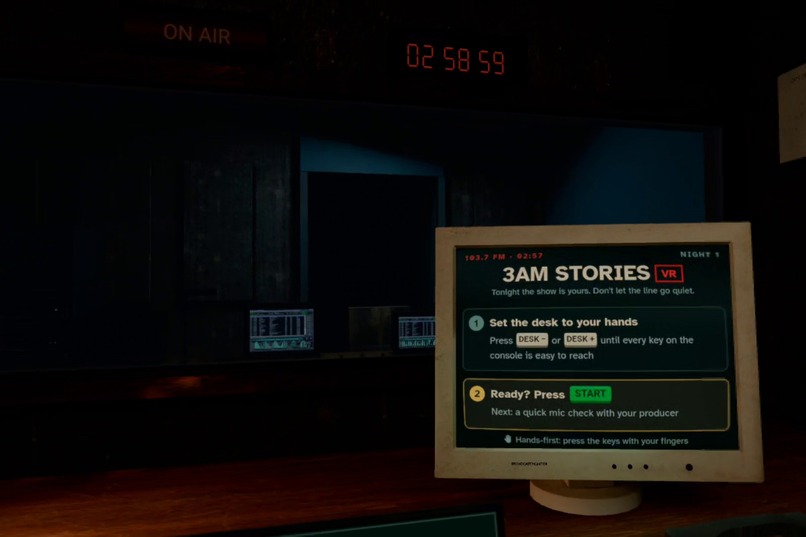
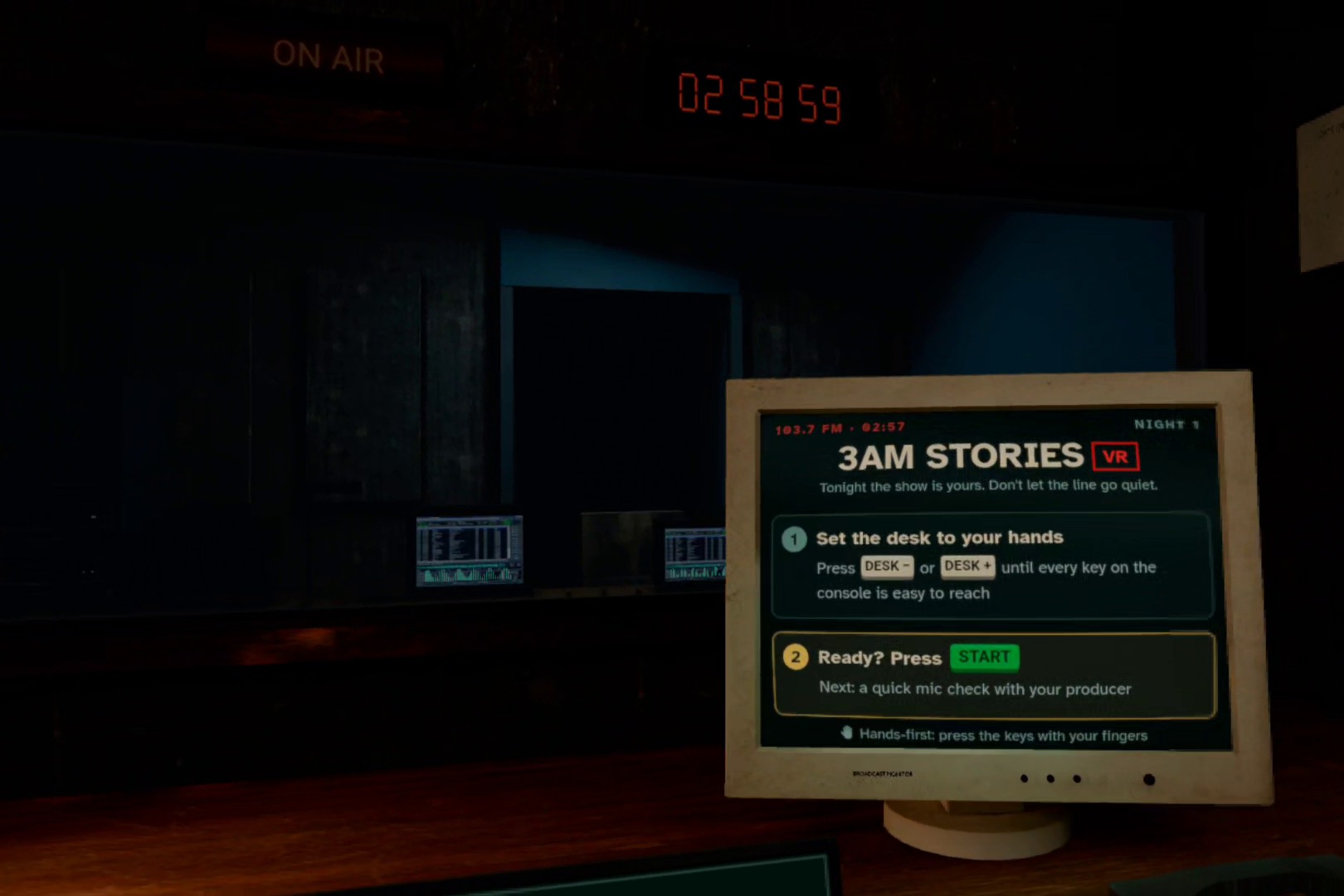
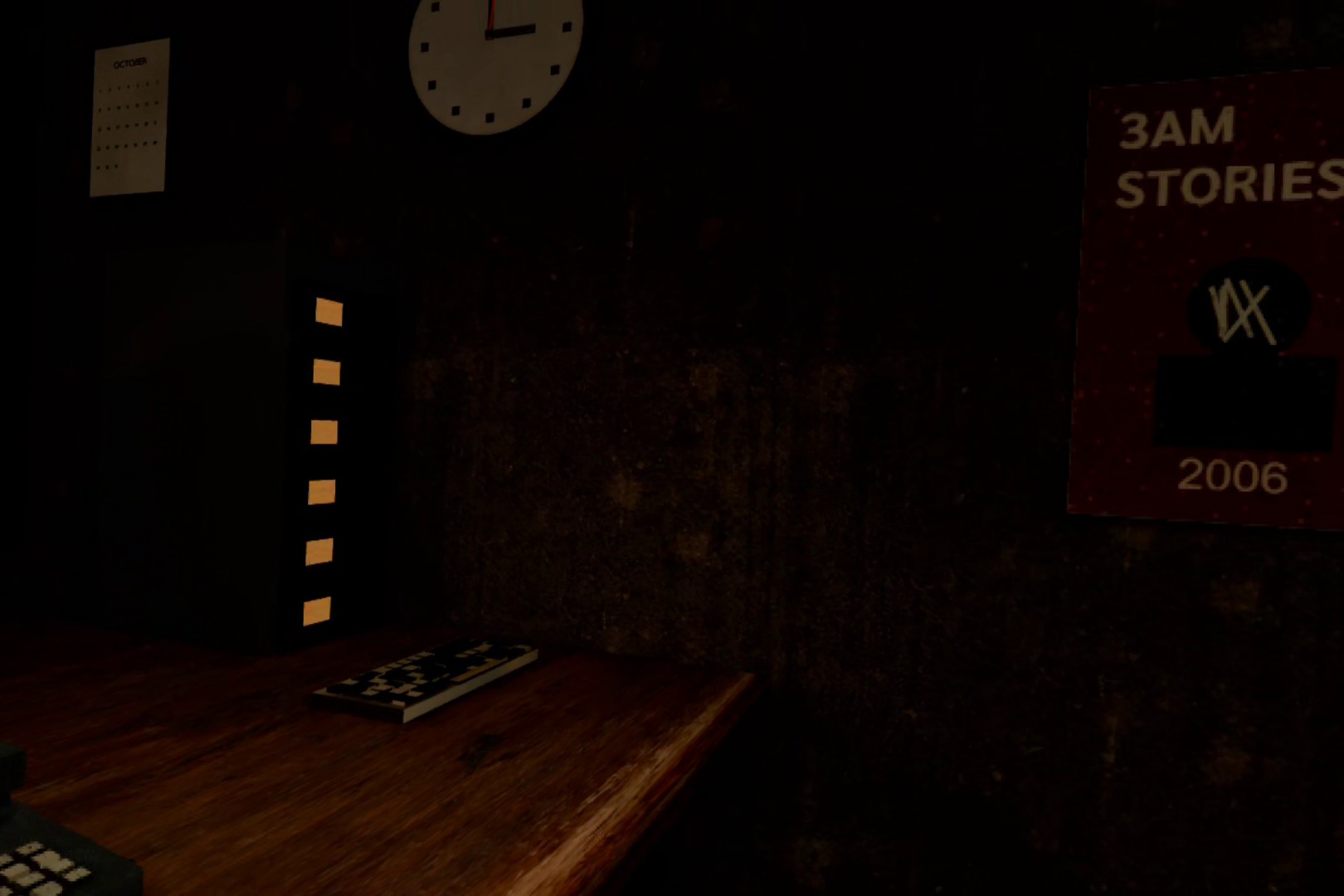
The station at 2.58 AM, a minute before the show
-
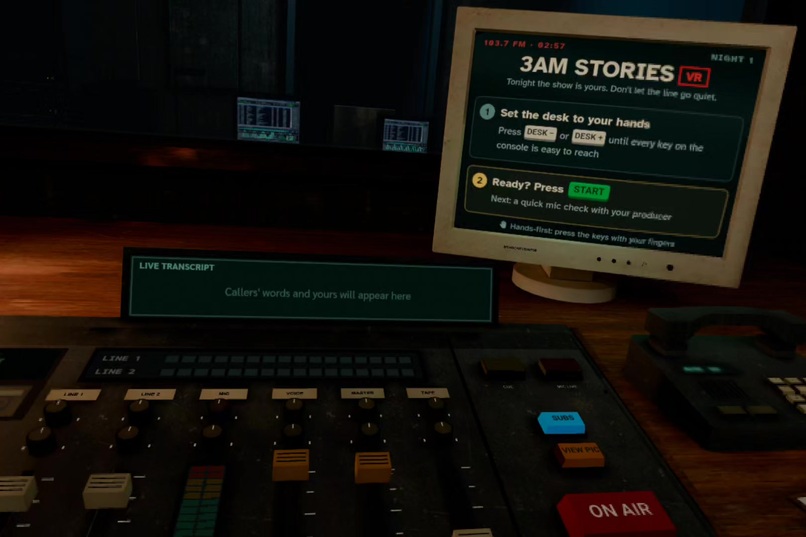
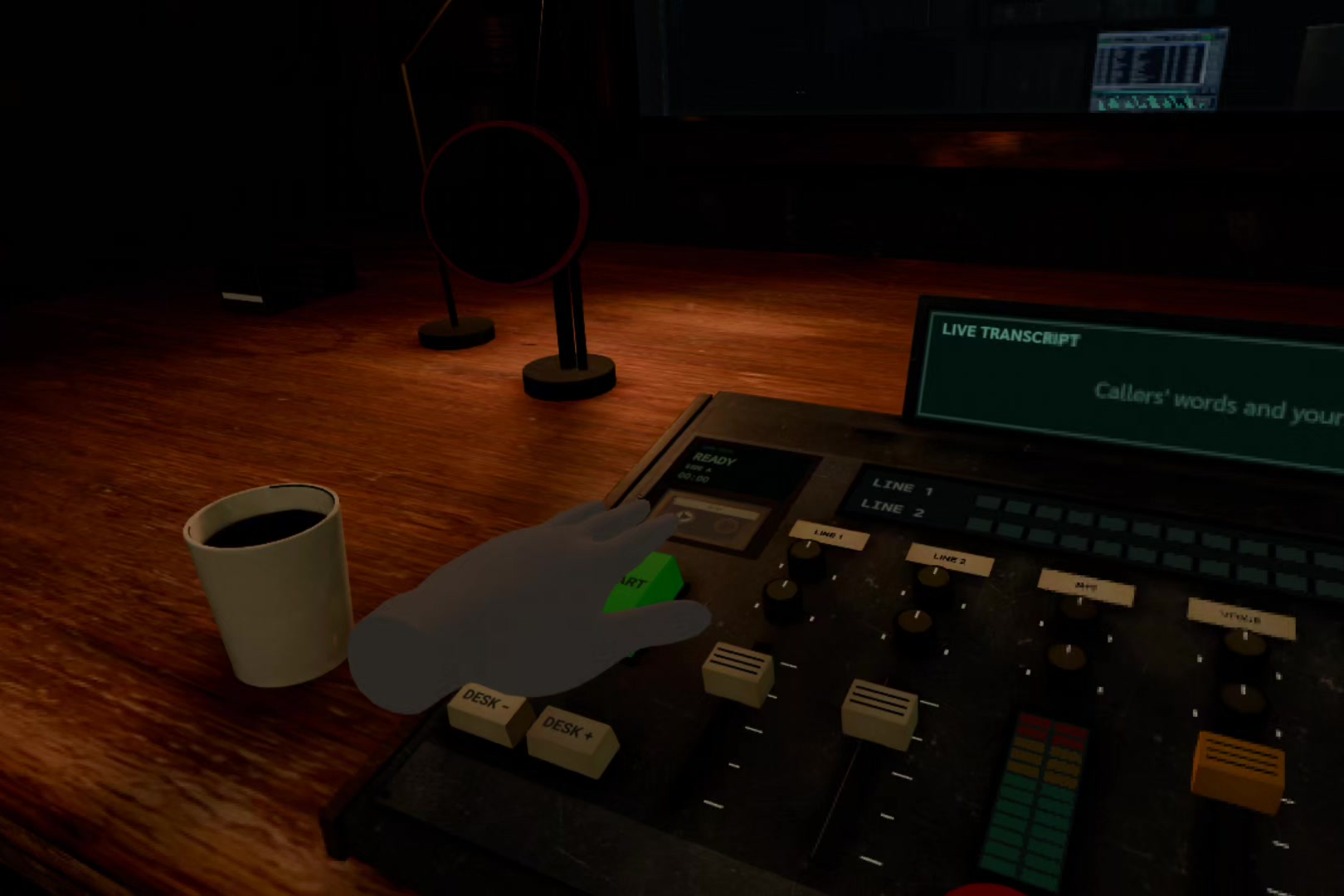
Set the desk to your hands, then press START
-
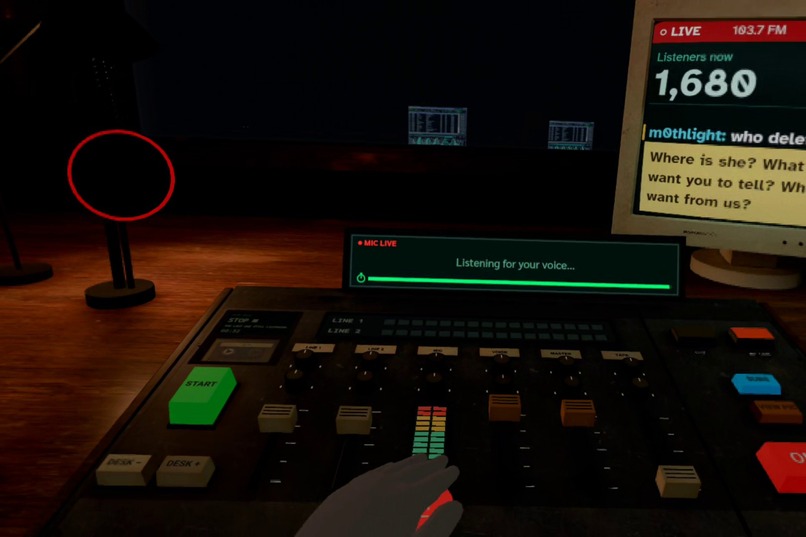
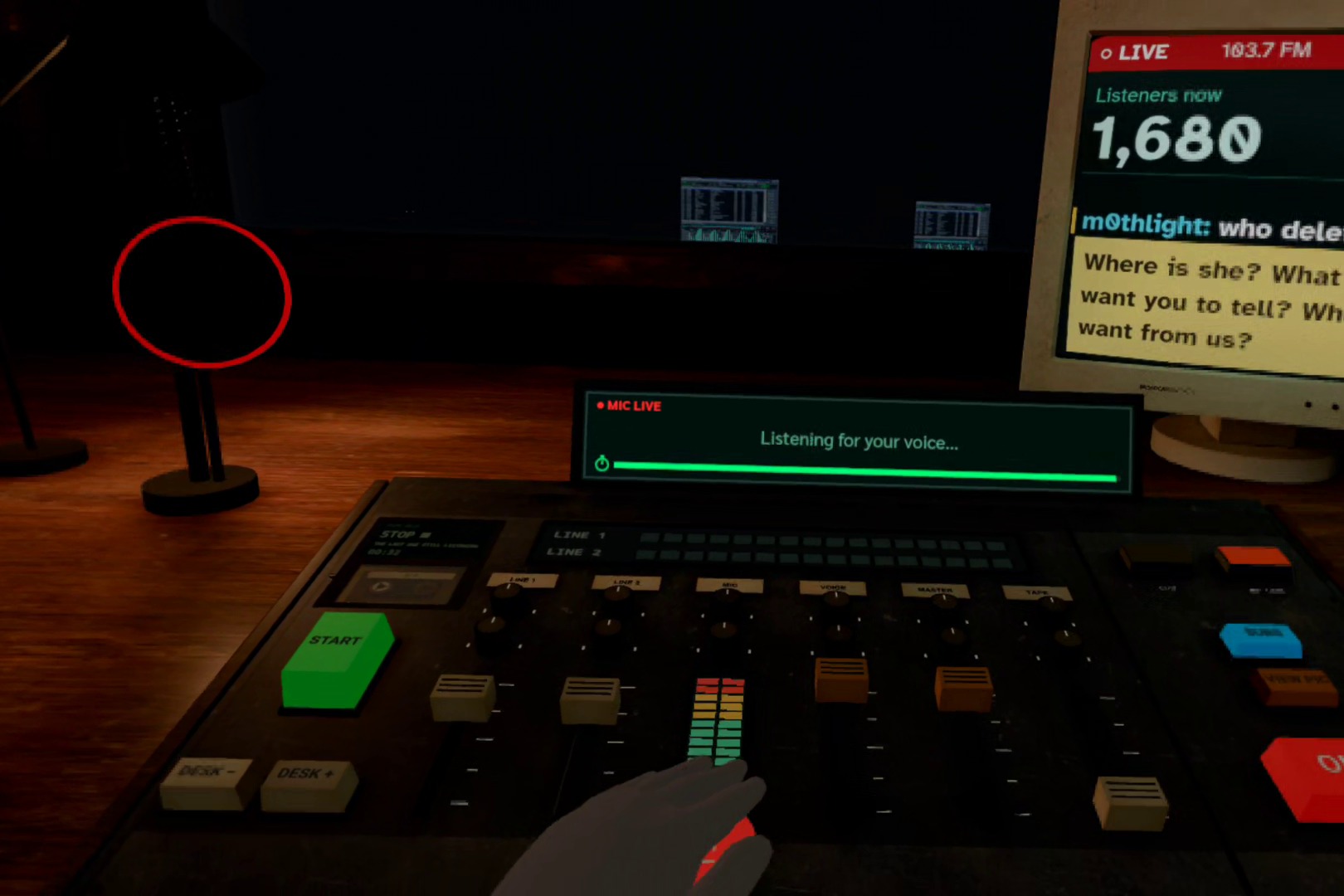
MIC LIVE - hold the key and talk, the station is listening
-
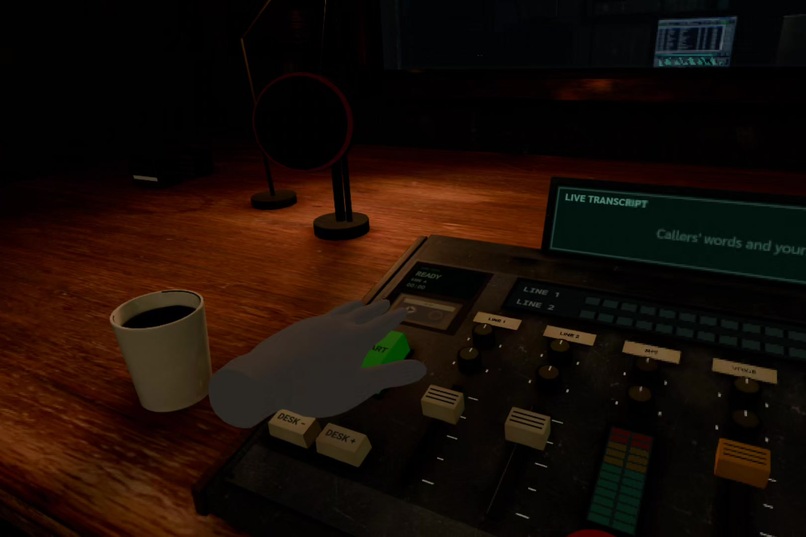
Hands-first - every key on the console is pressed with a fingertip
-
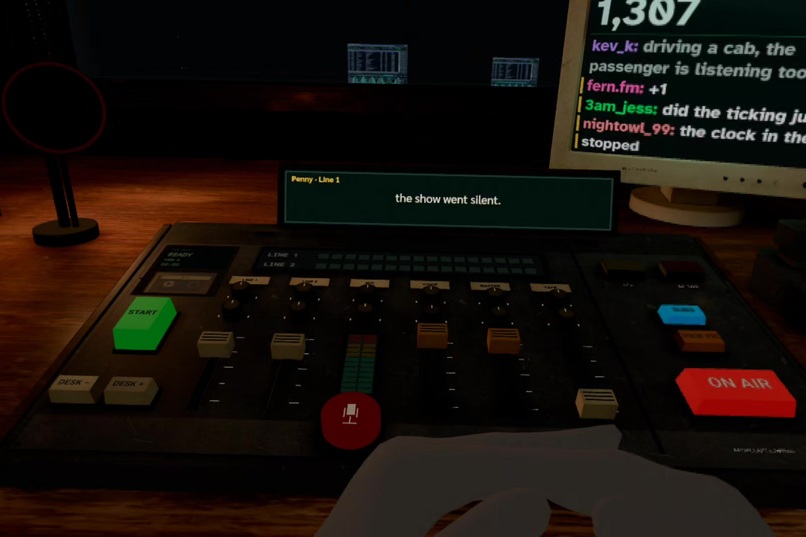
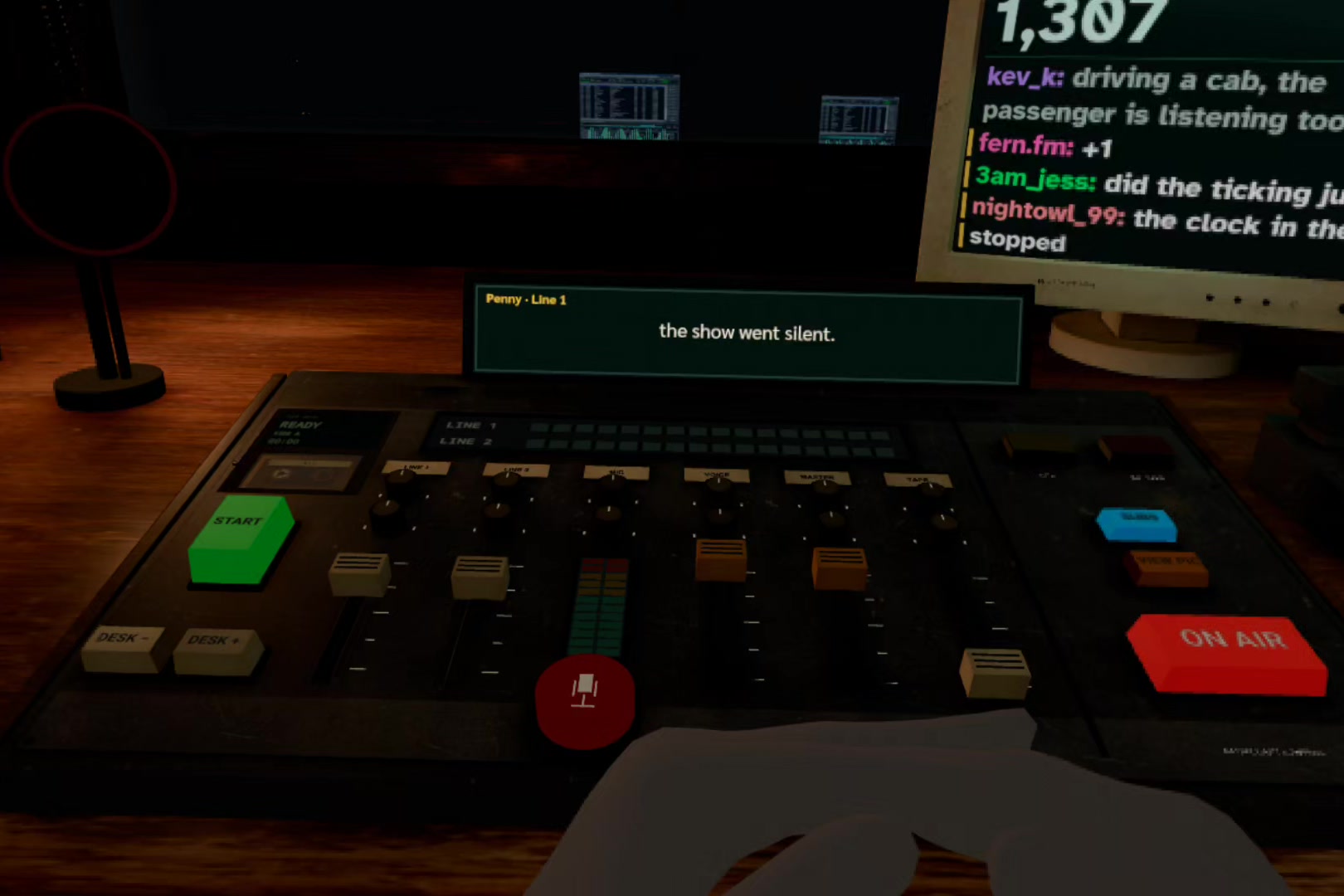
On air - the callers and the chat react to what you say
-
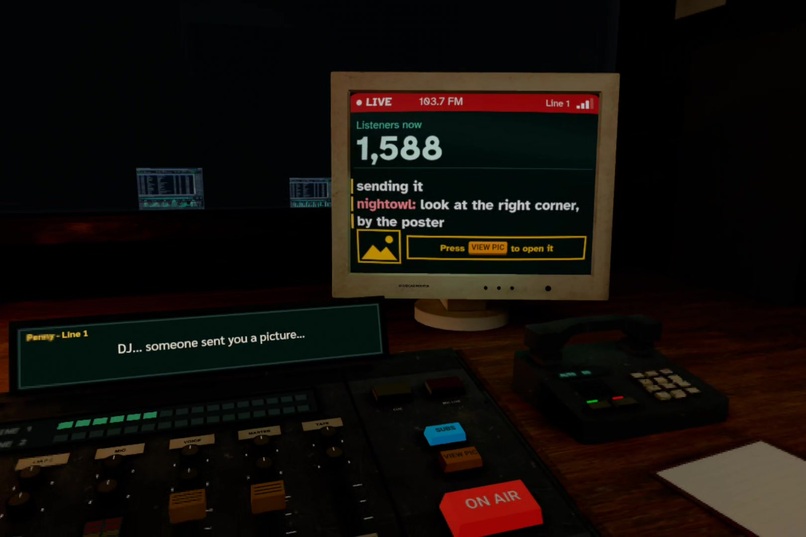
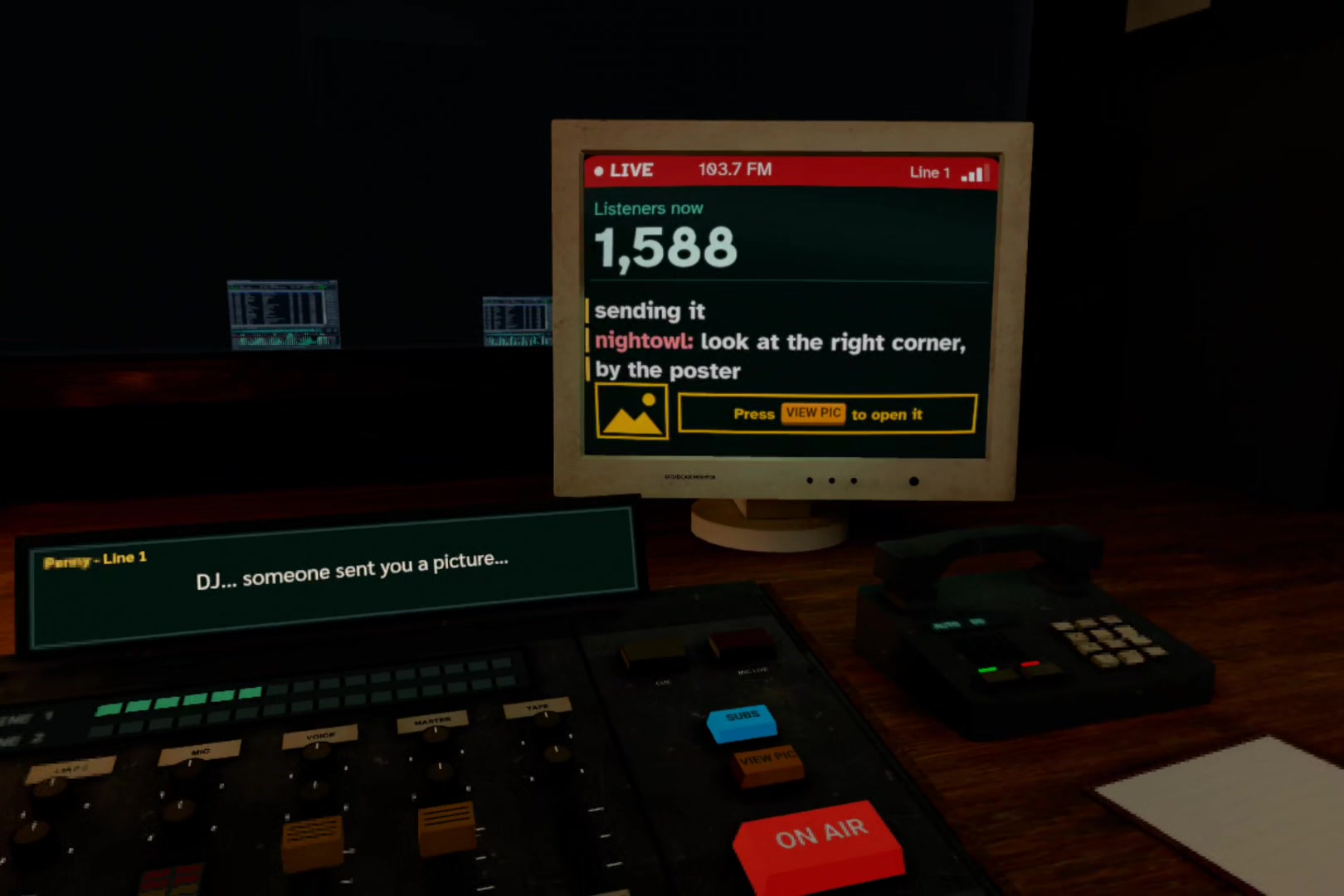
A listener sent a picture - press VIEW PIC
-
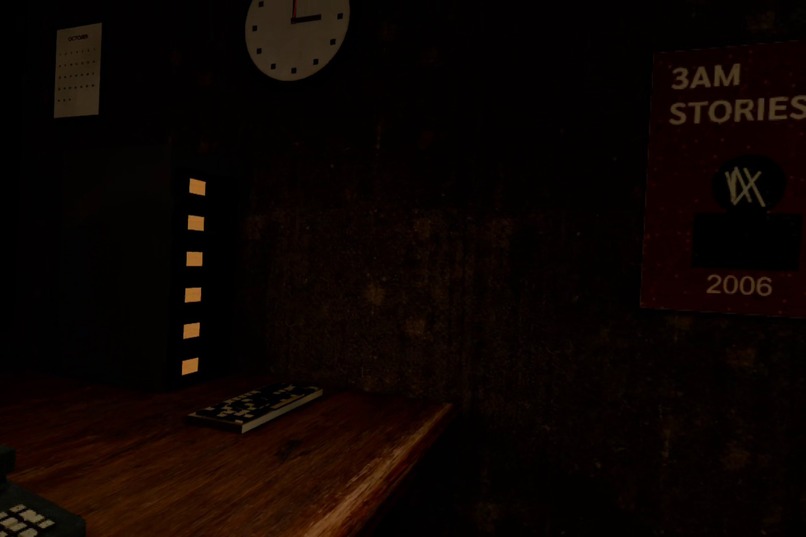
3AM Stories, on the air since 2006
-
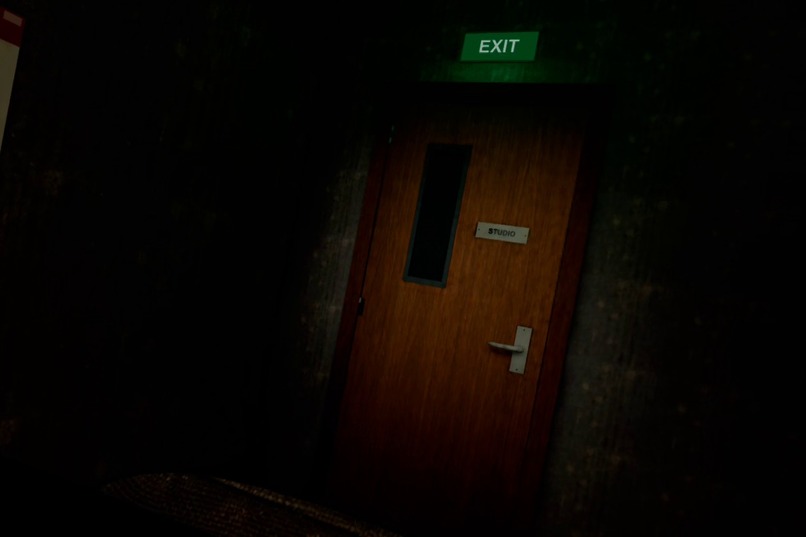
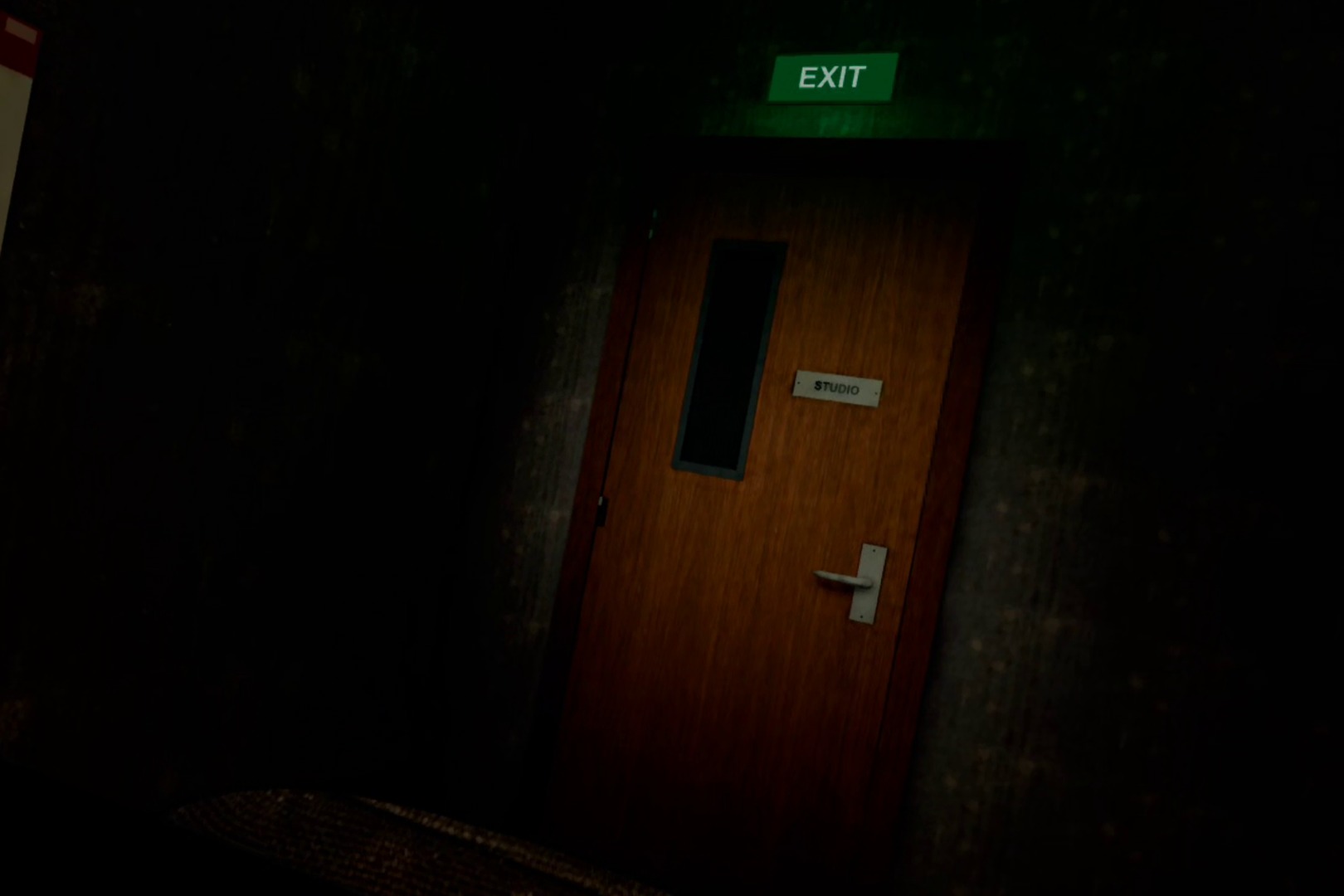
The only way out of the studio
-
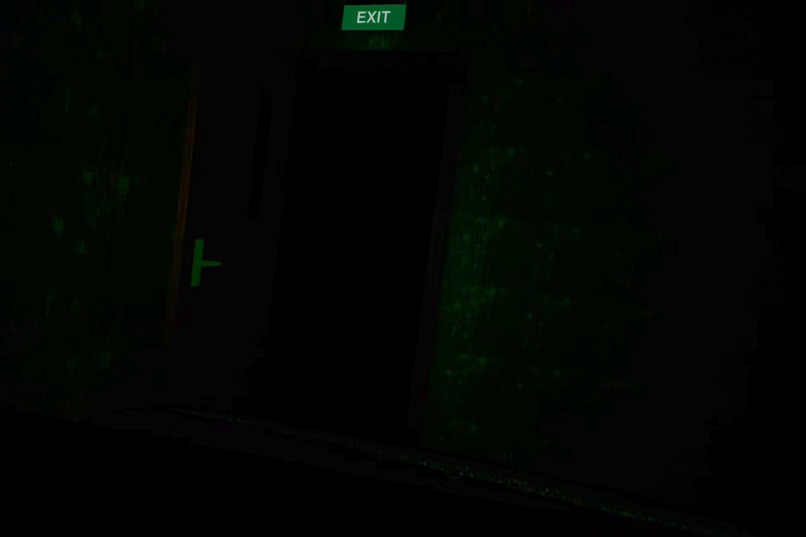
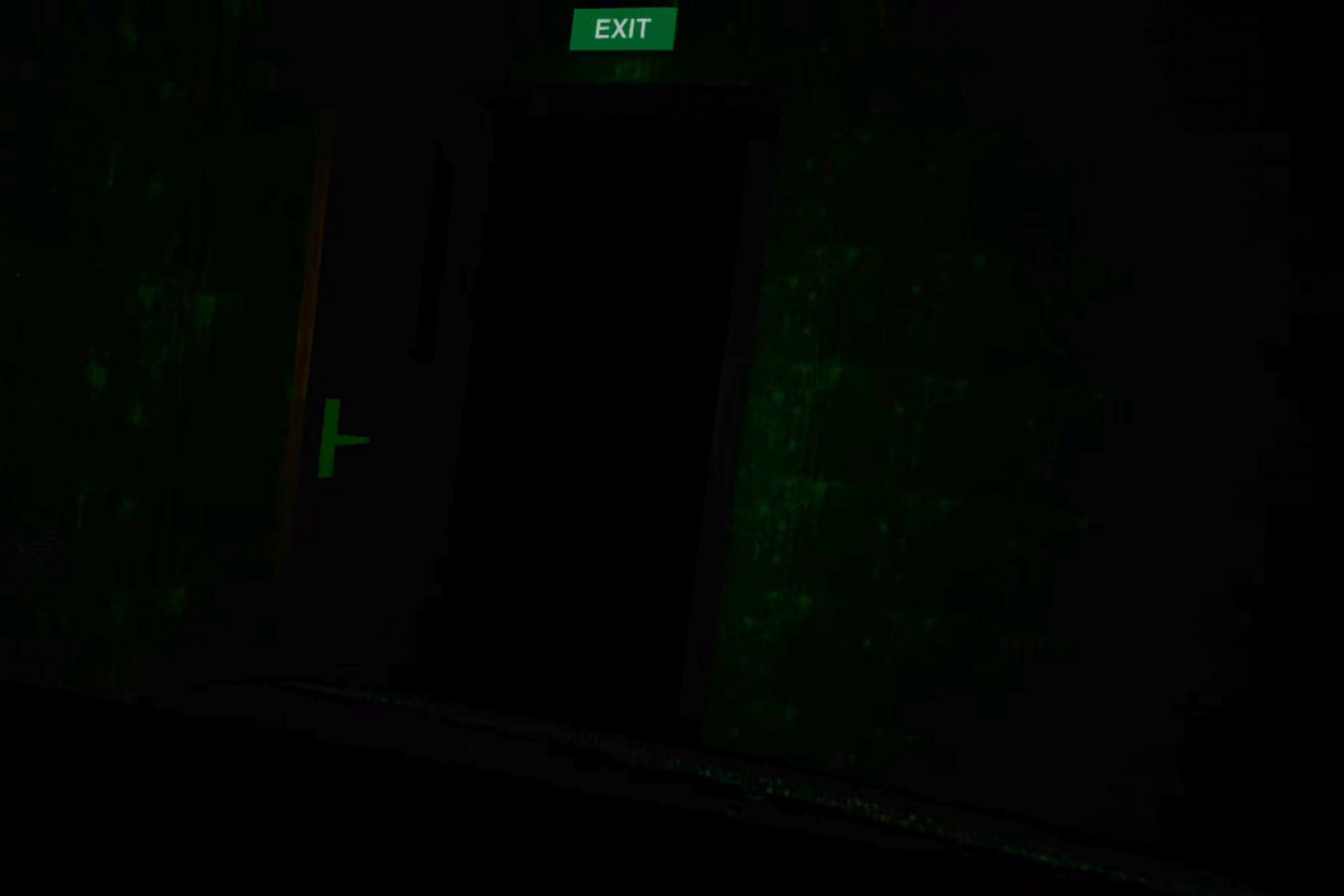
Lights out - only the EXIT sign is left
-
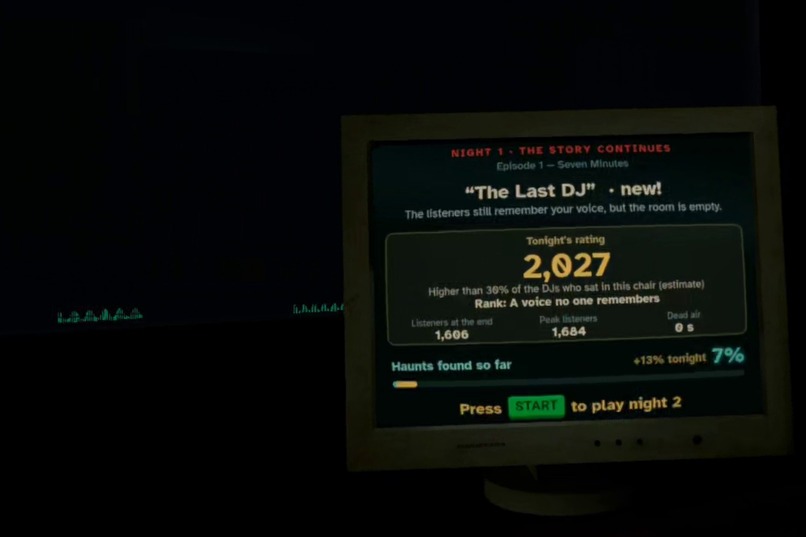
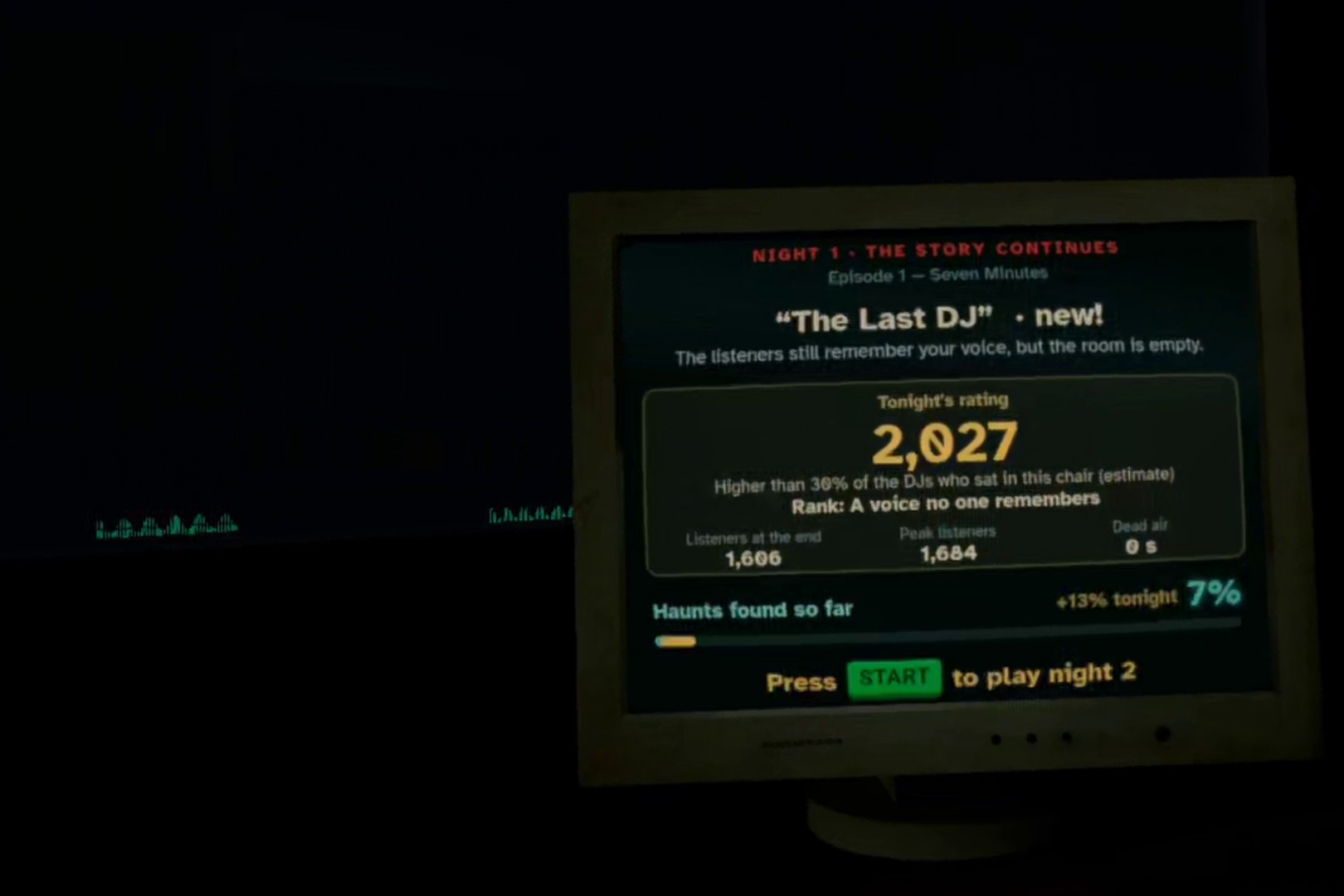
Night 1 results - come back for night 2
Inspiration
Late at night, Thai radio stations used to run call-in ghost-story shows: one tired DJ, one phone line, and strangers telling stories they swear are true. 3AM Stories puts you in that chair. It's your first night as the DJ, the producer can't make it in, and you're running the show alone from a small studio. The calls start coming in, and one caller seems to know a little too much about this room.
We wanted horror you perform, not watch: the only way through the night is to talk.
What it does
- Voice-first. There are no dialogue menus. You answer every caller out loud, in English, and what you say (and what you avoid saying) steers the call, the listener count and which ending you reach.
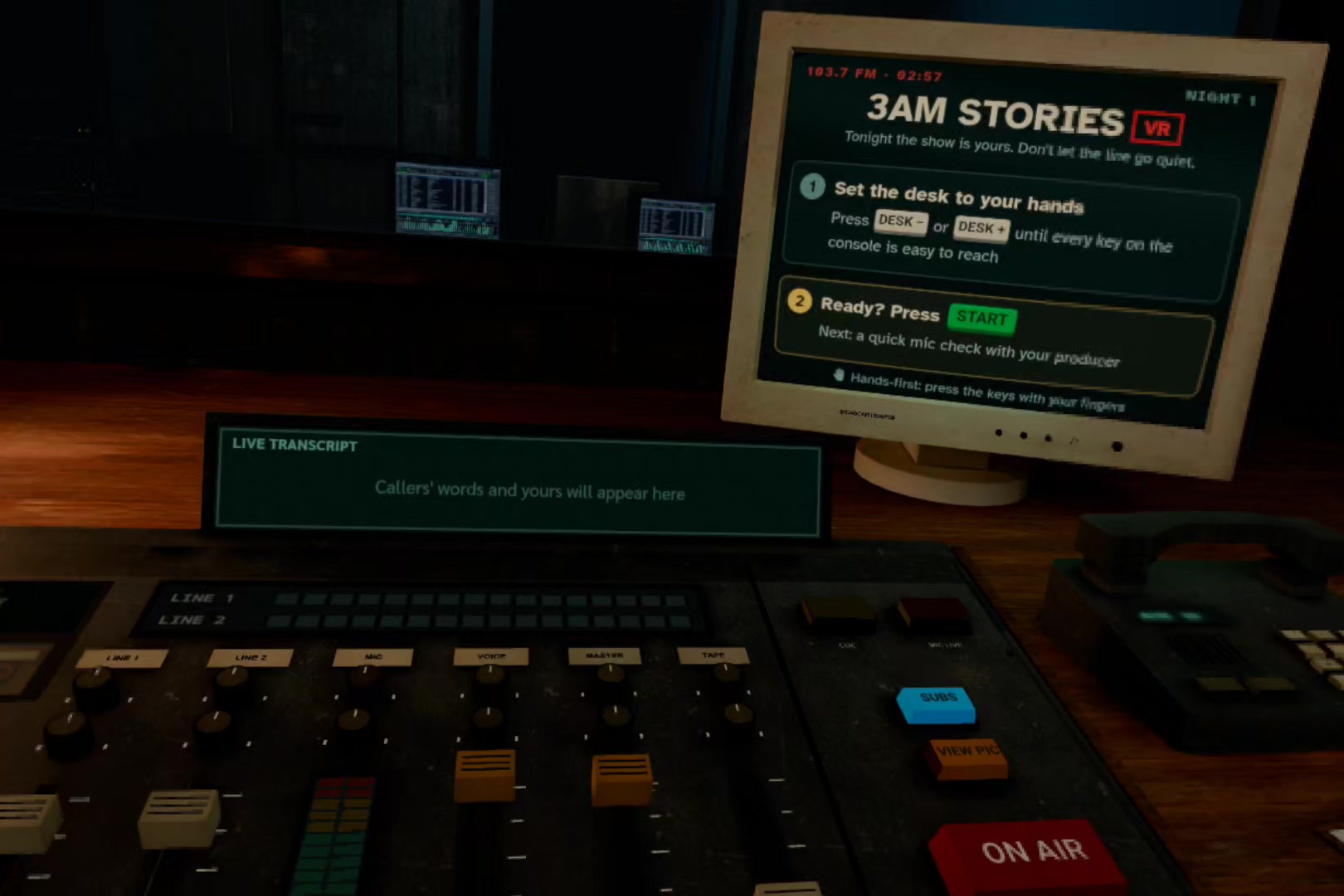
- Hands-first, seated. The whole show runs on a broadcast console within arm's reach: START, a hold-to-talk MIC key, ON AIR, VIEW PIC, SUBS, DESK height keys, and faders for the callers, the master level and a tape deck. Poke with a fingertip or pinch; a controller is never needed. Everything works from one chair.
- Don't let the line go quiet. Dead air costs you listeners, and a count on the CRT shows them coming and going.
- The room listens back. Live transcripts of both sides of the call scroll on the console's screen, with the words the story picked up highlighted.
- Nothing moves your head for you. When the story needs you to look somewhere, the station goes dark and waits until you turn yourself.
- Mixed reality, on purpose. On the first night, passthrough lets the story reach a little further than the studio. We'll leave it at that.
- Many endings, and nights that build on each other. Each night is one short session and ends one of several ways, depending on how you handled the calls. Come back and the story moves on: the callers remember, the station's past comes into focus a piece at a time, and new hauntings unlock the further you get. The results on the CRT show how many you've found.
How we built it
- Three.js + WebXR in Meta Quest Browser: hand tracking (WebXR Hand Input) for poking and pinching, an AR session with passthrough on the first night, a seated reference space with re-centering, and comfort fades if your head goes into the desk or you leave the chair.
- A photoreal studio modelled and light-baked in Blender (lightmapped, physically based materials), held at 72 Hz on Quest 3S. The ghosts are textured 3D models with their own shader work so they never quite resolve when you stare at them.
- Speech: each answer is recorded in the headset and a small serverless function sends it to Wit.ai; the text goes into our own matcher (keywords and phrases per story beat). No LLM runs during play: every line is written, so the story stays tight.
- In-world UI only: the CRT monitor, the console's transcript screen and a low hint strip sit in the room, inside a comfortable field of view; nothing is stuck to your face.
- Spatial audio in WebAudio (HRTF), so the phone, the door and the voices come from where they are.
- Built in TypeScript with Vite, hosted on Vercel, with AI coding assistance (Claude Code). Tested on Meta Quest 3S.
Challenges we ran into
- No forced camera in VR. The game's beats were written around turning the player's head. In a headset that's nauseating, so we rebuilt them around light, sound and waiting.
- The headset hears itself. Quest's speakers sit beside its mic, so game audio leaked into speech recognition. An in-headset test bench (accuracy, playback of what was sent) let us tune it on the device.
- Buttons you can trust with real hands: keys stay down while your finger does (even through a moment of lost tracking), bounces don't count twice, and keys sit where reaching for one control doesn't trigger another.
- A photoreal room at 72 Hz on a standalone headset: baked light instead of live shadows, every shader warmed up under black before the room fades in.
- Testing a dark game wears out your eyes. Tuning horror lighting meant long stretches inside the headset in dim, low-contrast light, and anything that needed you to turn your head had to be checked over wireless debugging, set up again every session. So we built an in-headset debug board that changes almost everything live (jump to any scene, lighting, sound, speech recognition, frame rate, screens), so the headset comes off as rarely as possible.
What we learned
Designing for hands and voice changed the writing itself: shorter lines, more room for silence, and the scariest moments are the ones where the game simply waits for you.
What's next
More nights and stories after the competition, more languages beyond English, a fuller version with an optional mode for players who want open-ended conversations, and a store release. The competition build is free to play until the competition ends.
Built With
- blender
- meta-quest
- three.js
- typescript
- vercel
- vite
- web-audio-api
- webxr
- wit.ai


