Project Story: Claw, Catch, Cuddle!
Inspiration
The idea for this project sprang from a blend of nostalgia and creativity. I grew up fascinated by the classic claw machine games found in arcades, where luck and skill combined for an exciting challenge. I wanted to reimagine that experience with a modern, pixel-art twist. The playful simplicity of pixel art reminded me of early video games and provided a perfect canvas to design cute stuffed animals—each with its own personality.
What I Learned
Working on this project was a journey of growth and exploration:
Game Mechanics: I deepened my understanding of game loops, state management, and user input handling. Managing different states like "waiting," "dropping," "retracting," and "releasing" helped refine the game’s responsiveness.
Pixel Art Design: Experimenting with CSS, Canvas, and JavaScript to create pixel art taught me the value of precision and simplicity in design. Every pixel mattered, and it was exciting to see how small details could bring characters to life.
Problem-Solving: I encountered various challenges along the way, from aligning visual elements correctly to ensuring the game logic was both engaging and bug-free. Each obstacle became an opportunity to learn and improve my skills.
How I Built the Project
The project was built in two major parts:
Game Logic and Mechanics:
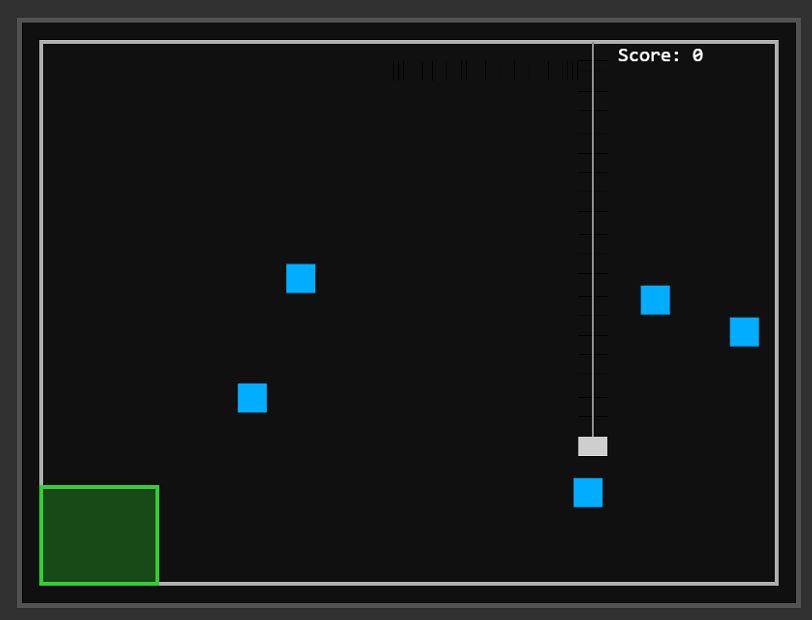
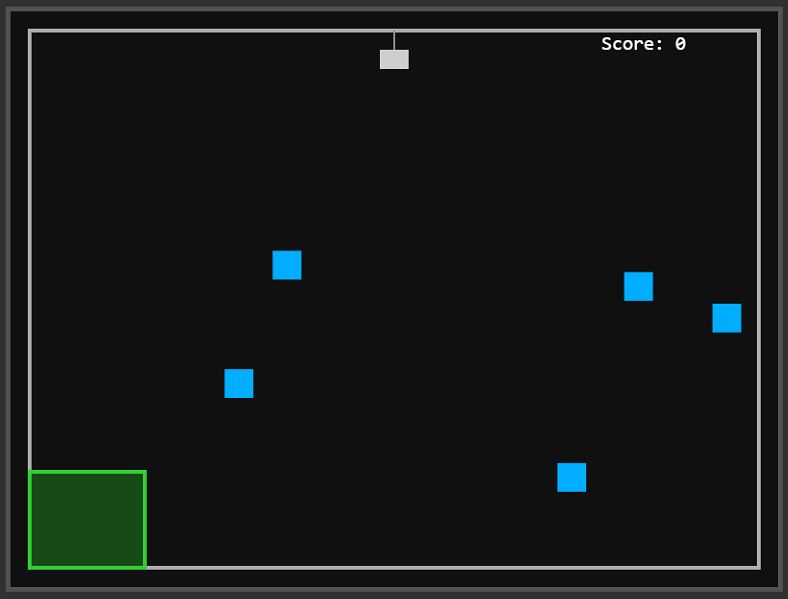
Using JavaScript and the HTML5 Canvas API, I implemented the core gameplay. The claw movement, animal collision detection, and state transitions (from dropping to retracting, and finally releasing) were central to the interactive experience.
Pixel Art Design: I created charming pixel art designs for each stuffed animal type (Bear, Rabbit, and Dog). This was done using both CSS (with the box-shadow technique) and JavaScript (via canvas drawing functions), allowing me to experiment with different rendering methods. Each animal was designed on a 6×6 grid, with every cell representing a pixel, culminating in a 30×30 final image.
Challenges Faced
Every project has its hurdles, and this one was no exception:
State Management: Coordinating the different states of the claw (waiting, dropping, retracting, moving, and releasing) required careful planning and testing to ensure smooth transitions and responsive controls.
Precision in Pixel Art: Designing pixel art meant that even a slight misalignment could affect the overall appearance. Tweaking the positioning and colors to capture the charm of each animal took multiple iterations.
Balancing Game Mechanics: Fine-tuning the speed and timing of the claw movement versus the falling stuffed animals was crucial. Too fast or too slow, and the game could either feel chaotic or unchallenging.
Through persistence, continuous testing, and a bit of creativity, these challenges were transformed into valuable learning experiences that enriched the final product.

Log in or sign up for Devpost to join the conversation.