In 10k Science you can zoom into real science, from the human body to under the ocean, all the way down to the atomic level. Funded by the National Institutes of Health and the National Science Foundation, 10k Science brings the latest research into interactive, 3D worlds that inspire and immerse you in complex science.
Inspiration
The idea for 10k Science actually came from the world of planetarium domes: There were many interactive tools for astronomy that let you zoom out to the edge of the universe, but nothing for the "micro" scale - even though the data was there and ready to use. After a long journey, I launched 10k Science which does just that: brings you down to 10 million times the level of human vision.
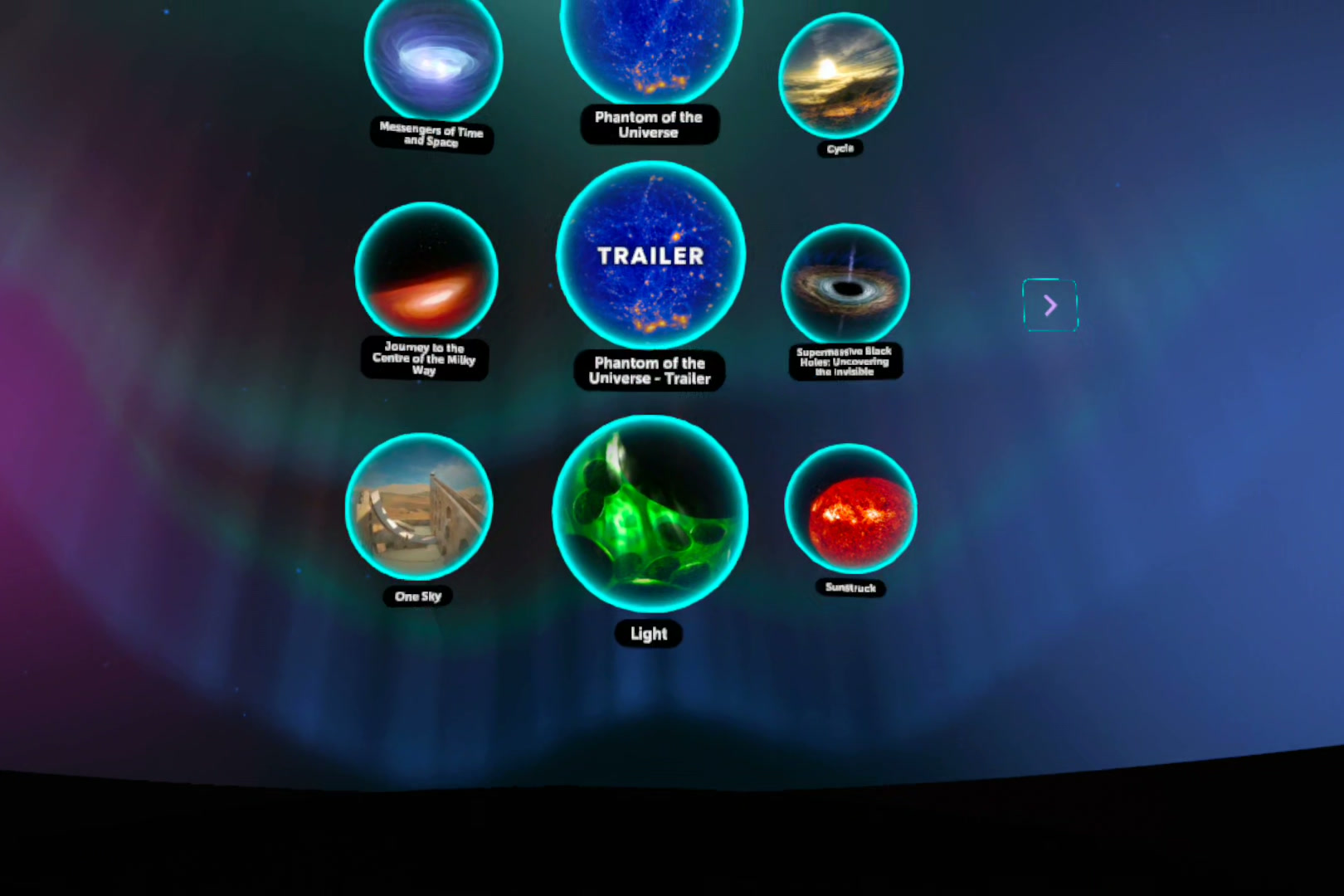
But I never forgot my origins in the planetarium world! Awhile back I had the idea to bring in a virtual dome to 10k Science, in order to show all the amazing immersive cinema experiences developed by science centers and research institutions like Lawrence Berkeley Labs, who produced Phantom of the Universe, a seriously incredible production that takes you for a ride into the weird world of dark matter.
What it does
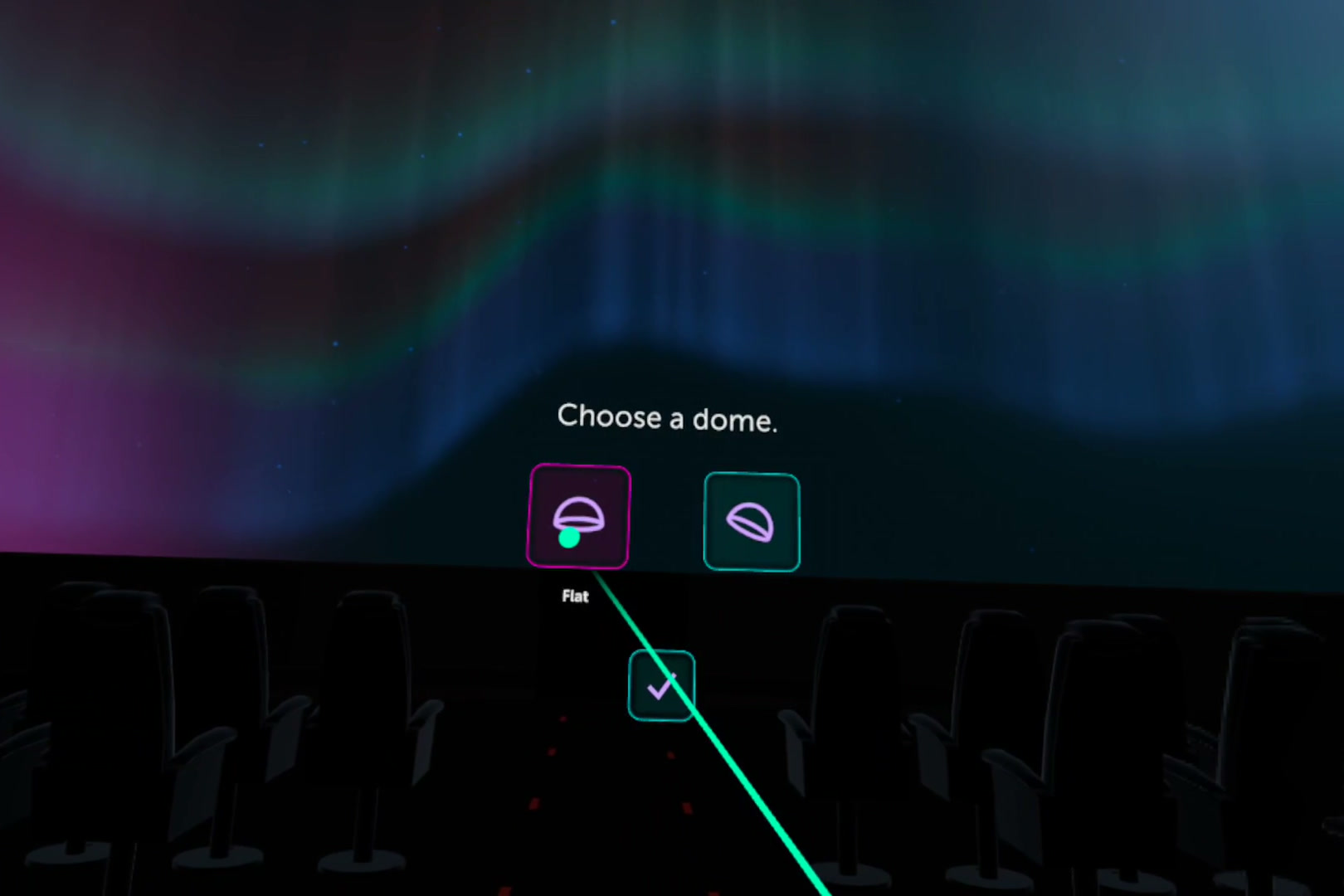
From the 10k Science main menu, you can select our new Dome Theater. Inside the dome, you can choose between a traditional planetarium dome and a tilted configuration. The tilted version works best for sitting upright in a chair, the traditional is actually really great if you want to lean way back in a recliner (or even lie down)!
You can choose a show through our library 3D carousel, sit back, and enjoy.
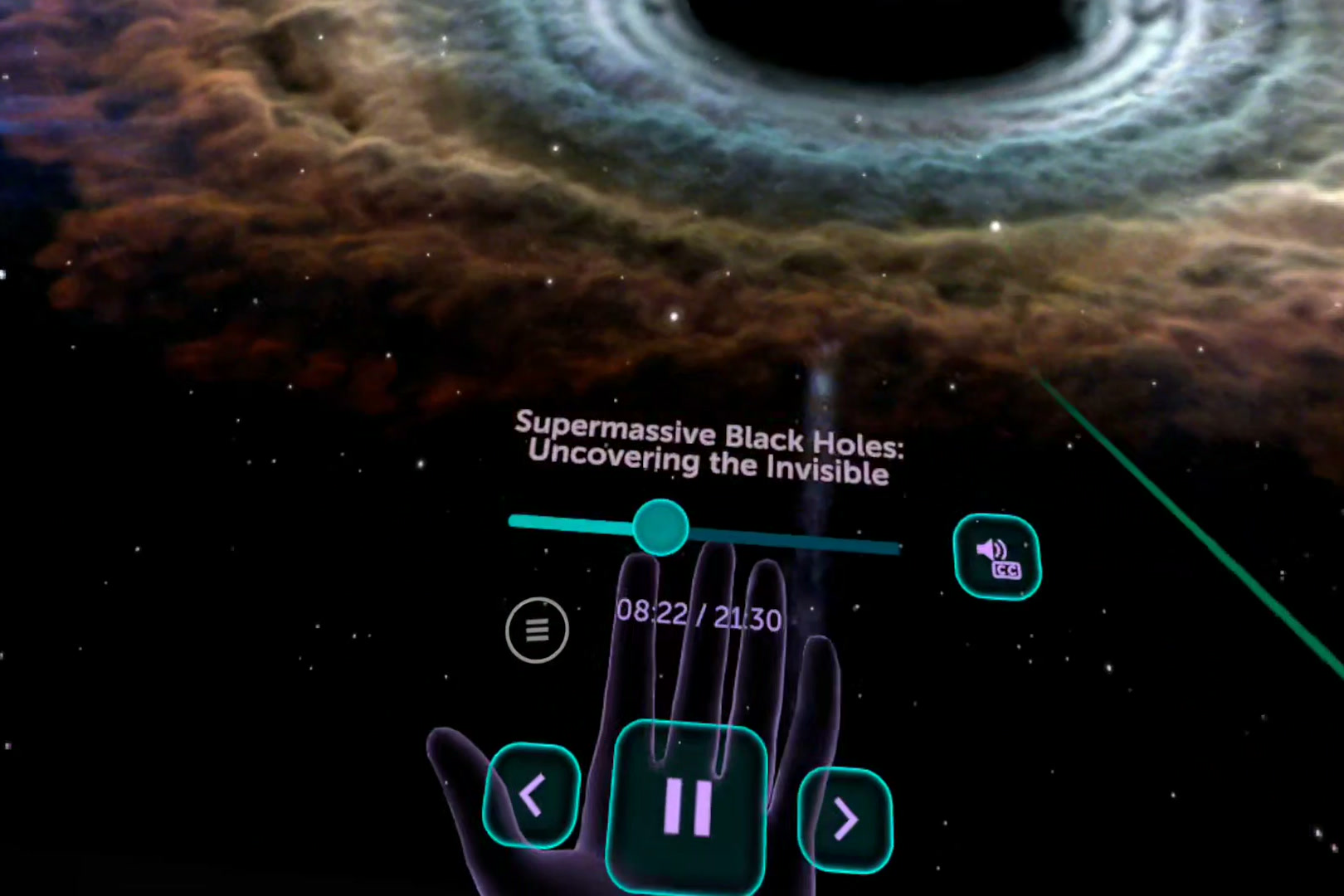
A menu on your left hand allows for playback control and choosing the language and subtitles (subtitles for 12 languages supported, and audio tracks vary depending on the show).
How we built it
I used Unity, the 10k platform, and OpenAI's Codex mostly with Astra. 4K planetarium shows are delivered via HLS streaming from our AWS backend. I used a really great dome viewer (developed by a German company called Prefrontal Cortex) as a starting point.
Challenges we ran into
The streaming and dome setup were pretty straightforward, the hardest part was the UX for the menus. As always, designing 3D menus for VR is kind of uncharted territory, so takes a lot of trial and error. Deciding which controls to keep exposed and accessible vs. buried behind other menus was a balancing act - I didn't want to overwhelm the user when they looked down, but wanted to make sure that they're able to adjust settings pretty quickly and easily.
Accomplishments that we're proud of
After having some hesitation on my part in implementing hand controls (that goes back to developing for the Hololens), I'm actually incredibly happy with the way they turned out. I'm a convert now, I've started to dislike having to pick up the controllers while testing.
What we learned
I learned that I really, really like planetarium shows even more than I thought. I've seen a fair share from back in the day when I was building dome shows, but the quality and research that goes into these productions by small teams is just mind-blowing.
What's next for 10k Science
For the Dome Theater, we're working on licensing even more shows to add to our catalog. For our main 10k Science content library, we're hard at work on an experience about atomic orbitals, and one about heart attacks! Stay tuned!


