-
-
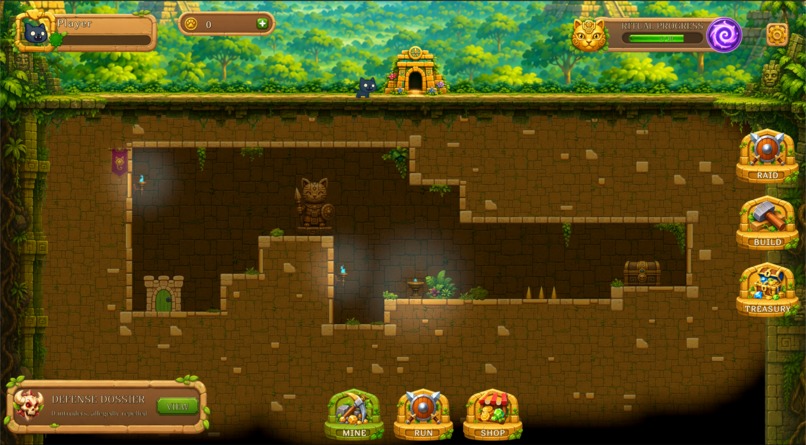
Game Lobby
-
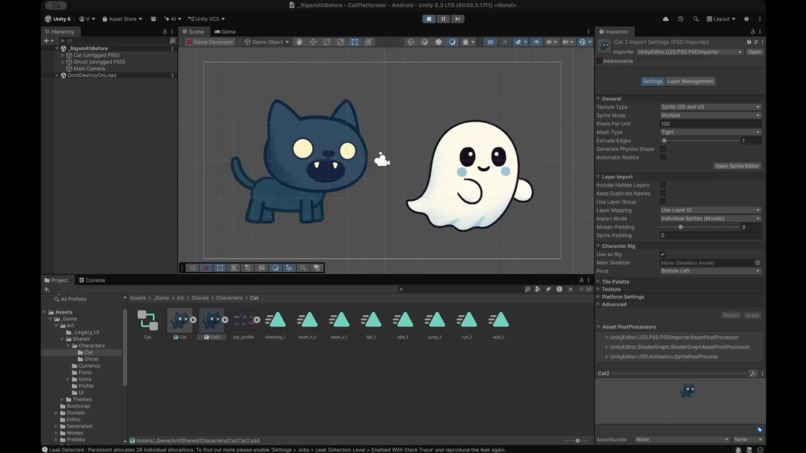
Characters
-
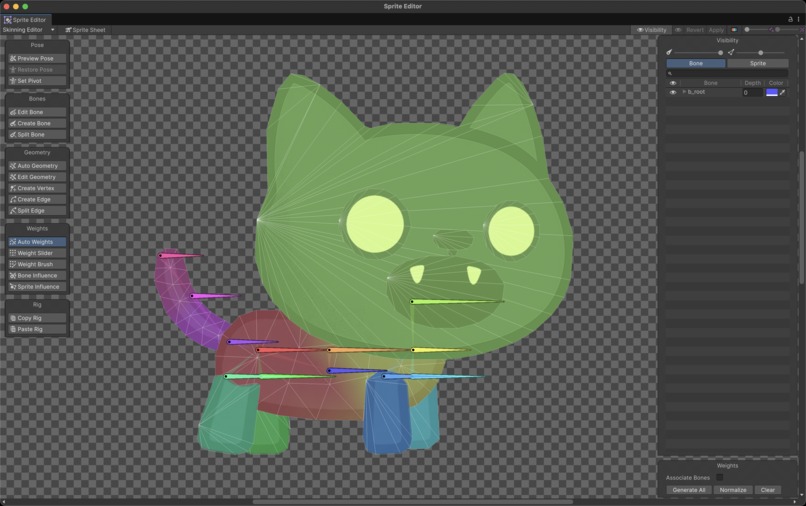
Cat Rig
-
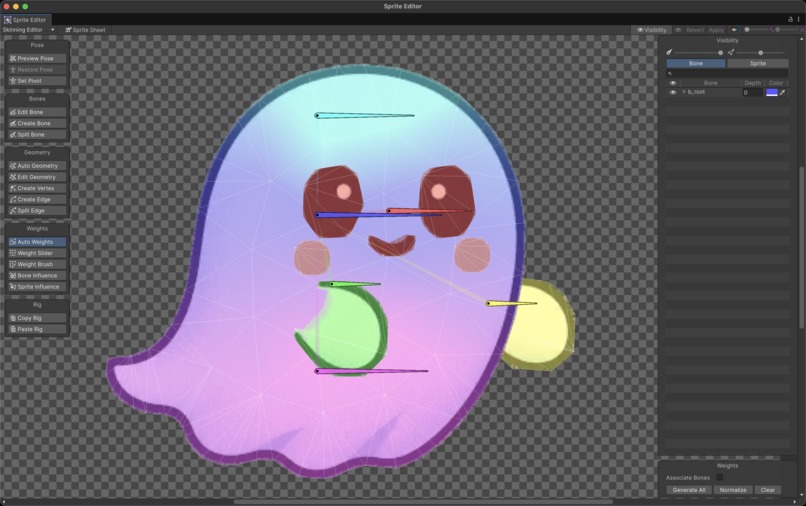
Ghost Rig
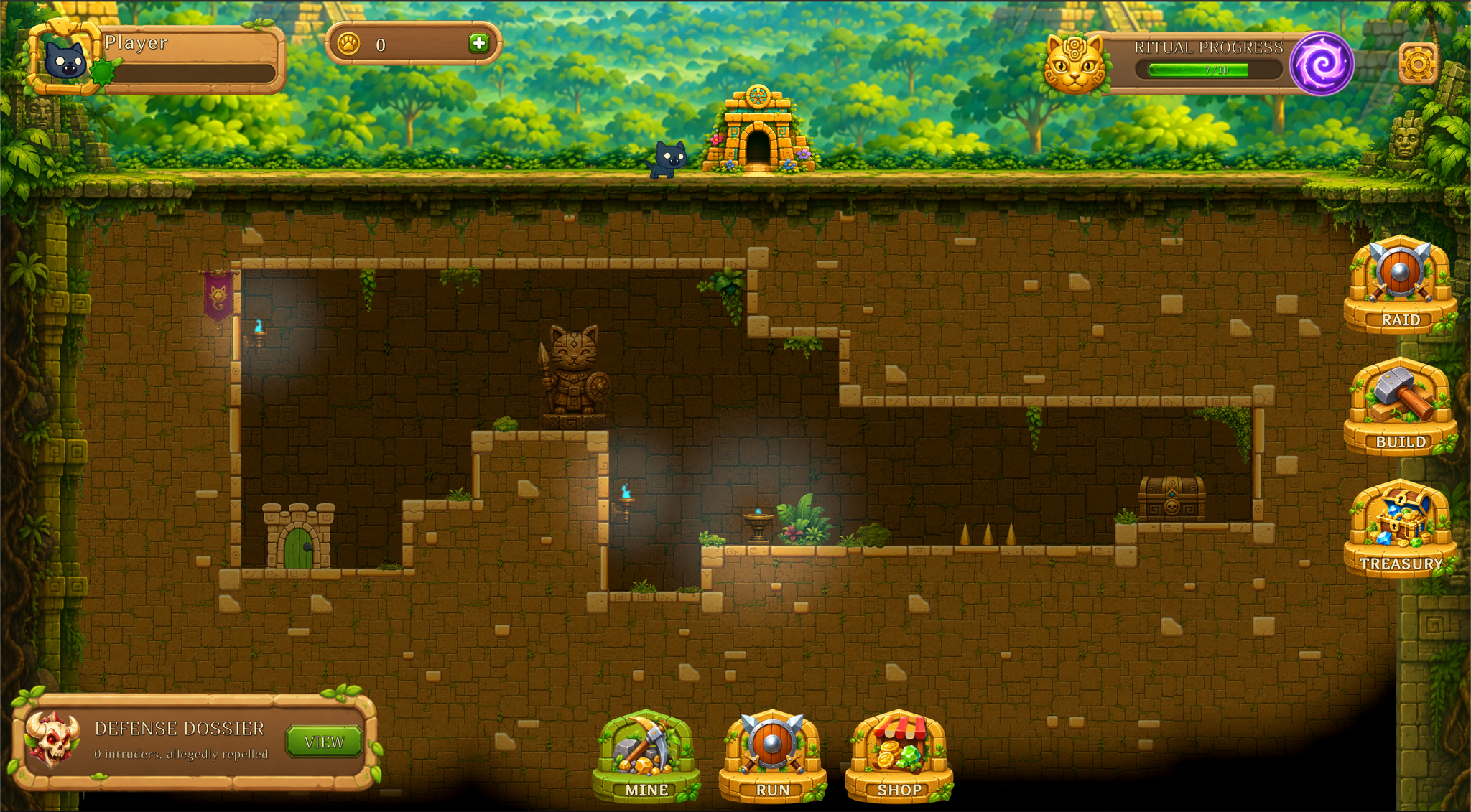
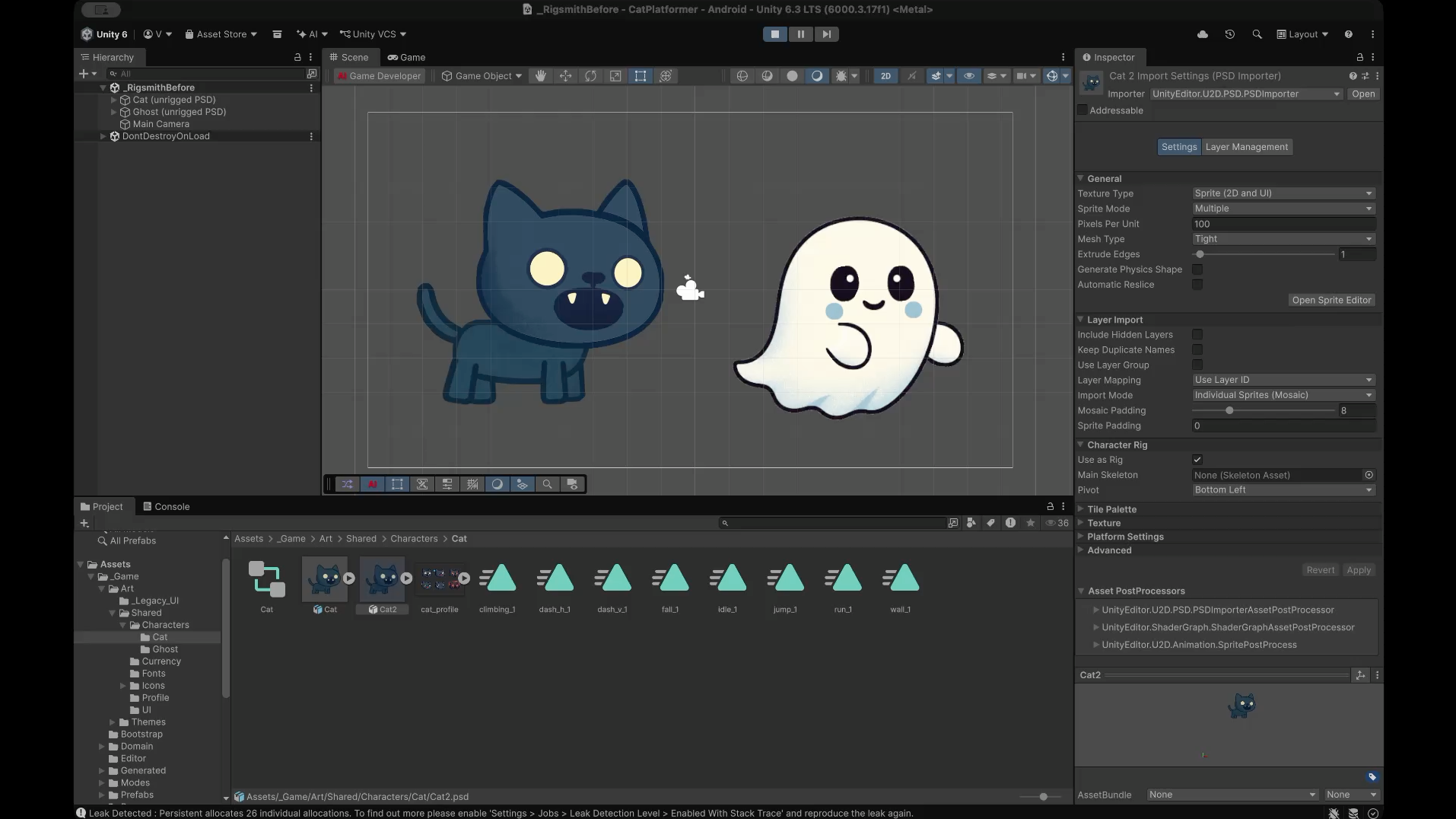
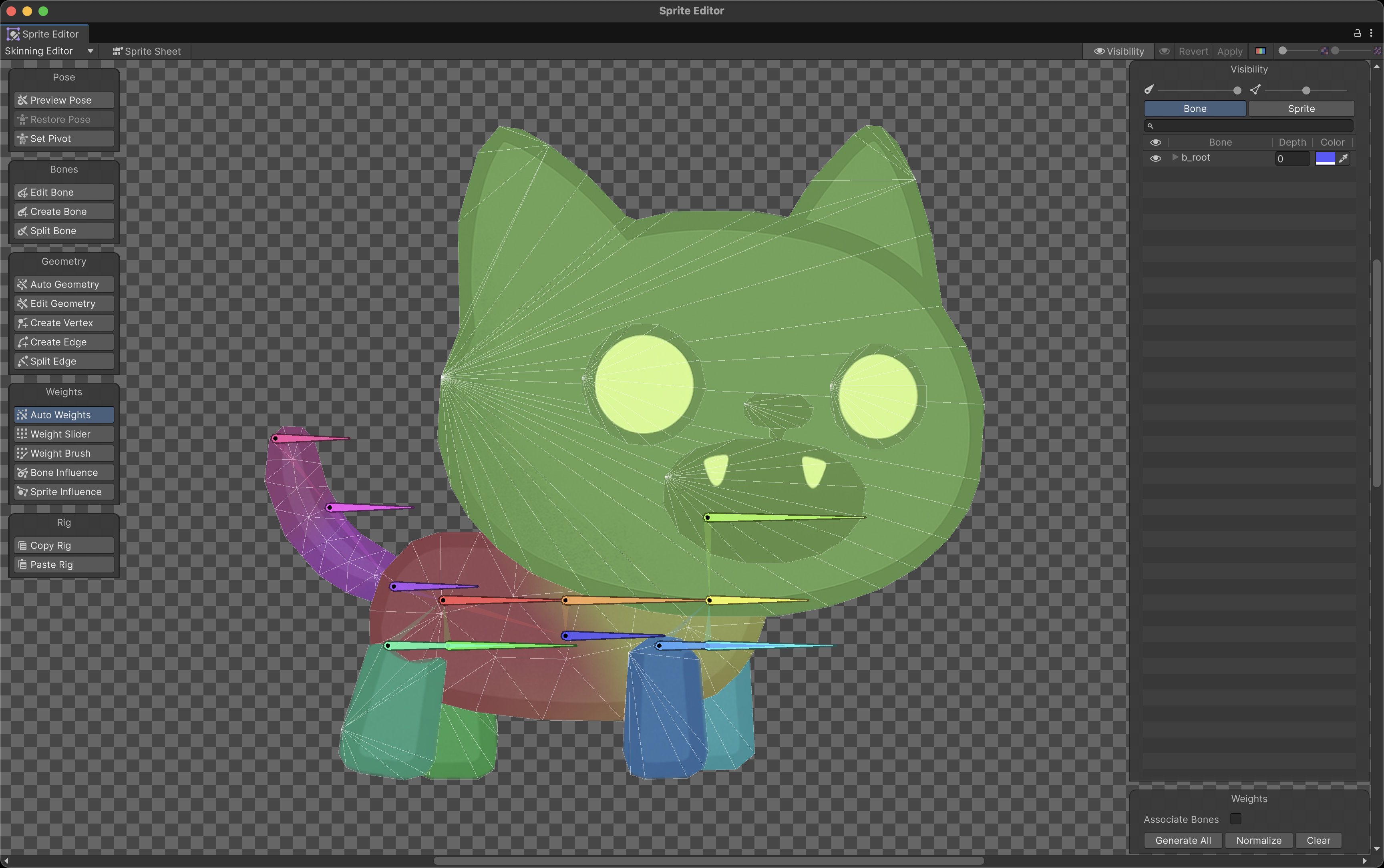
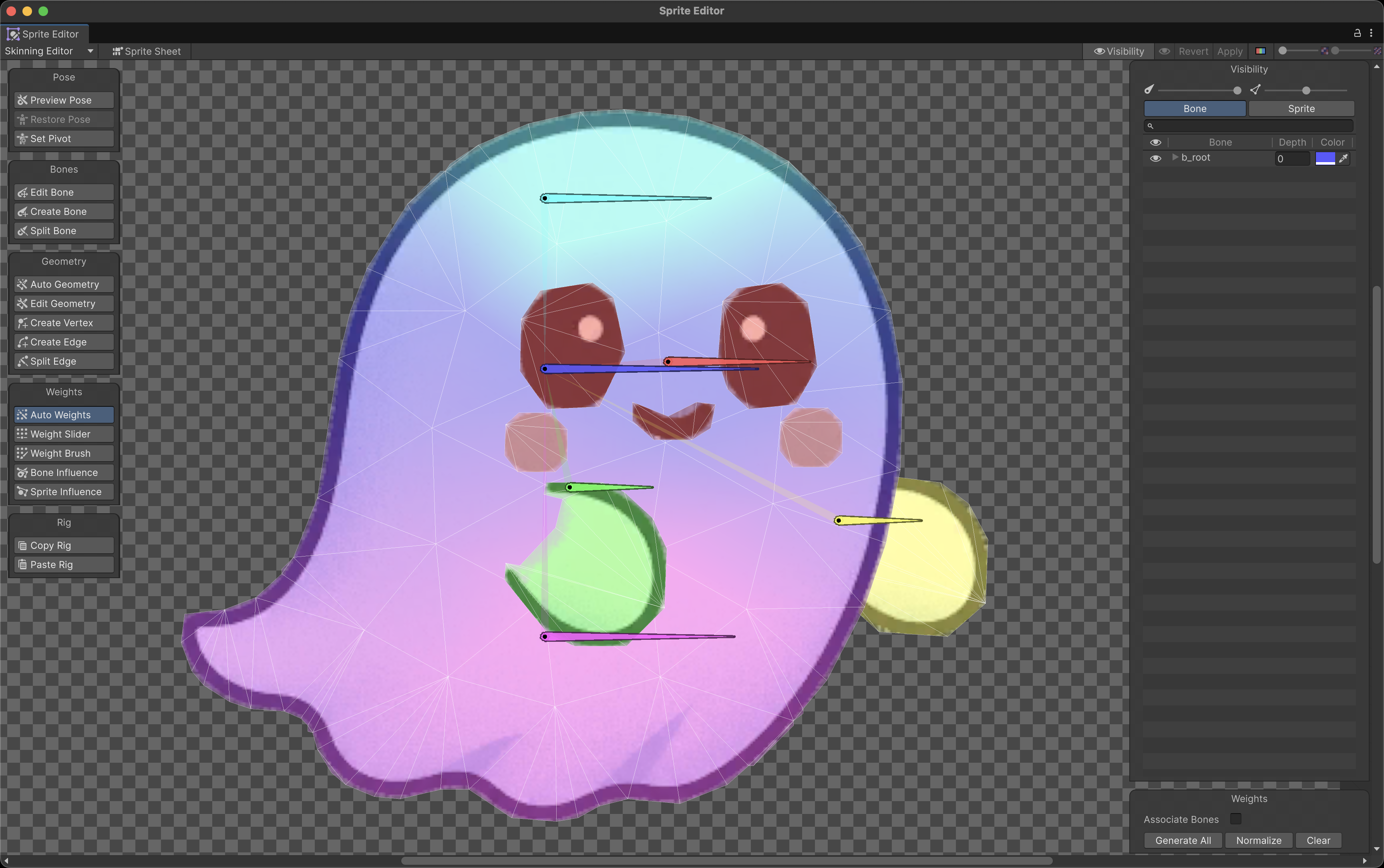
I make a small 2D mobile game called 0XF Cats. I’ve built almost this entire project using AI, including all of the assets, which were generated with ChatGPT. But for this hackathon, I decided to create something without which it would have been very difficult for me to continue developing the project-the tool I’ve needed most lately. The part that always slowed me down was animation. To make a character move in Unity you have to build a little skeleton inside the drawing, paint how much each bone pulls on the artwork, and then pose it frame by frame. I'm a programmer, not an animator, so this took me days per character and most of the time I just left them stiff.
For Build Week I wanted to find out if the AI could do that whole job on its own, starting from nothing but the drawing. So I gave it a set of Unity tools it can call, and I taught it how to use them well. Now I hand it a layered Photoshop file and it works out the skeleton, paints the weights, writes the animations, and renders the result back out so it can look at its own work and fix what came out wrong, all before I open the editor.
Getting it to actually work was the hard part, and it cost me a couple of rough days. The first attempts threw the character off the screen. Then the eyes sat still while the head turned. Then a cheek poked out through the body. The worst part was that most of the quick ways I tried to check the result quietly lied to me, so I kept fixing the wrong thing. Once I understood each trap I wrote it down as a small skill the AI loads every time, so now it avoids them from the start instead of learning them again on every character.
To make sure it wasn't a fluke I ran it on two very different characters. One is a four-legged cat with nine animations like run, jump, fall, wall-slide, climb and dashes. The other is a floating ghost with a wavy skirt. There is no shared template and no assumption that a character is a person shape. The cat is running live in the actual game right now.
I built the tools and the skill with Codex and GPT-5.6.
The thing I actually learned is that the hard part of getting an AI to animate isn't making it produce something. It's not letting it fool you while you check whether what it produced is correct. That checking habit is the real result, and it's written down now, so the next person spends an hour on this instead of several days.
Built With
- c#
- codex
- docker
- go
- gpt-5.6
- krita
- mcp
- openai
- postgresql
- psd
- unity

Log in or sign up for Devpost to join the conversation.