-
-

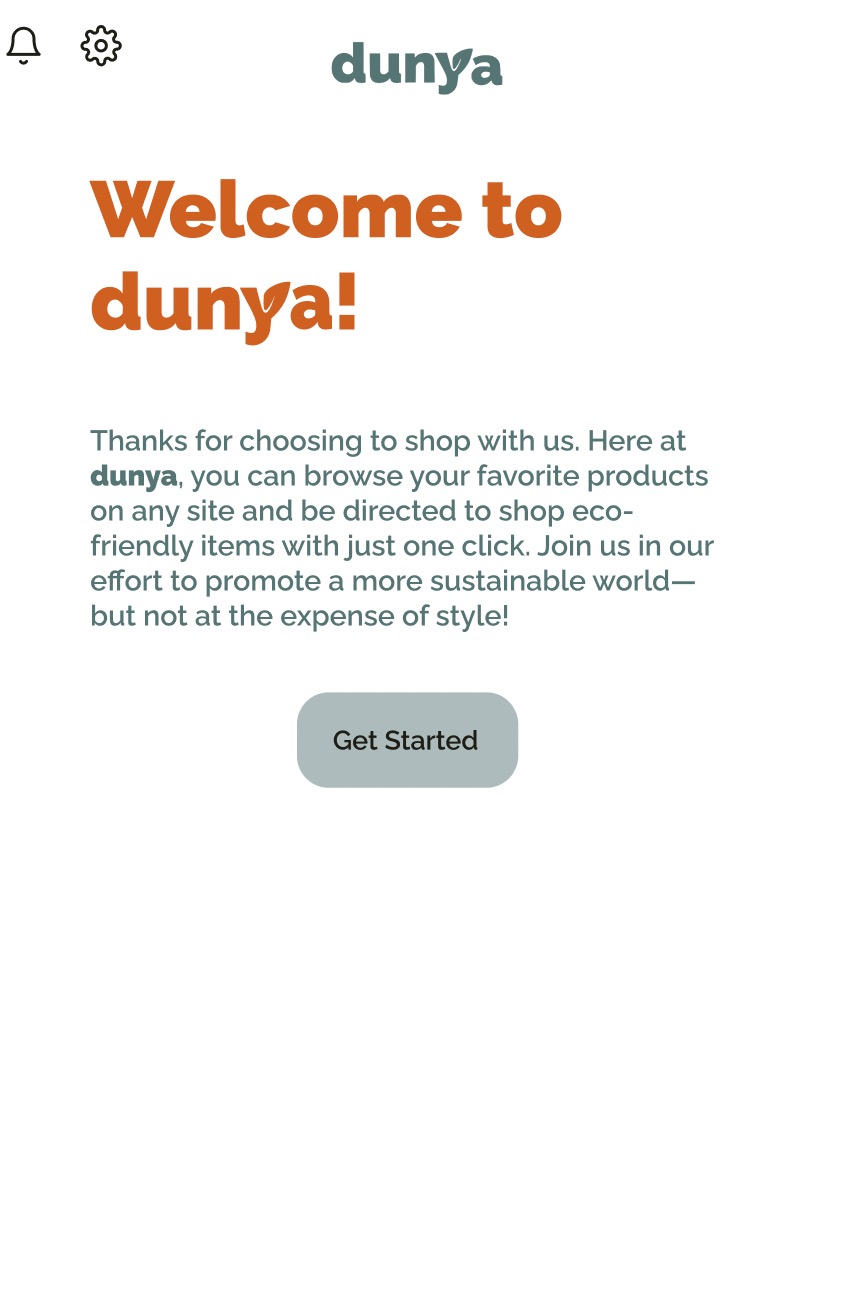
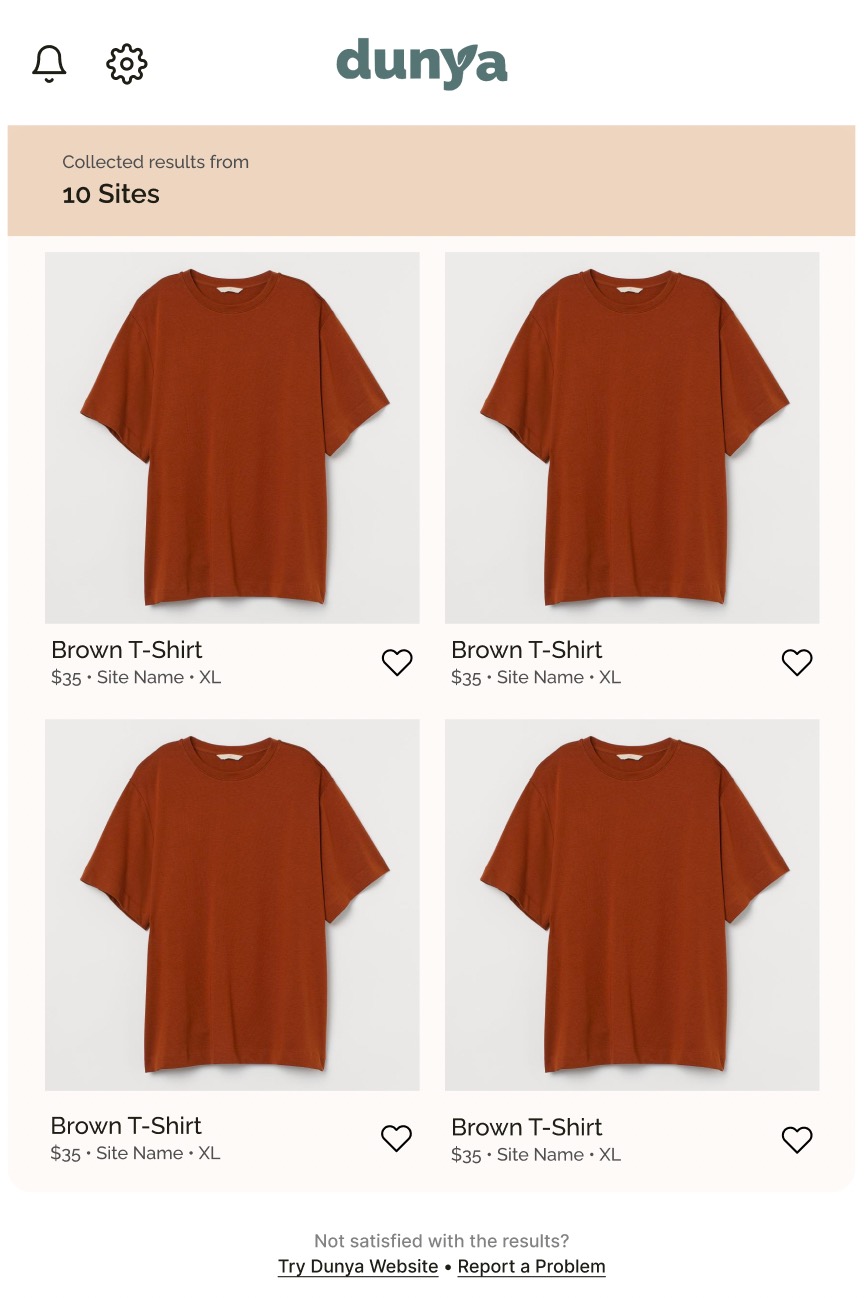
Original frontend with fledged out HTML + CSS (homepage)
-

Original frontend with fledged out HTML + CSS
Inspiration
We made this extension primarily with Gen-Z in mind. I remember coming across an astounding statistic in which it said that over 90% of people in that generation would choose to buy something sustainable at a lesser known brand rather than staying loyal to any certain brand. Simply put, as sustainability becomes more of a publicized issue, people are putting it over loyalty to brands or stylish companies. We tried to keep this mind as we built a powerful algorithm that can find competitively priced and more sustainable alternatives to fast fashion or less sustainable picks. The most important thing to keep in mind when building something is that if the group that you are building it for will use it, and that is something that we did keep in mind as the majority of online shoppers agree that they would buy the more sustainable option at similar prices ranges, but the number one issue is finding these sustainable clothing, which is what we do. By creating a subtle and convenient way to be environmentally conscious while shopping, we promote a culture of circular fashion (propounded by the UN Fashion Alliance) as we also reccomend quality resellers of clothing!
What it does
All the user needs to do is click on an extension when they found a specific type of clothing or apparel that they like, and the chrome extension will find and list more sustainable versions of what they are using.
How we built it
The way in which the chrome extension works is quite complicated. Although a simple idea, there was plenty of innovation and creativity needed. First of all, we needed to use an NLP model to be able to parse through the current URL that it is on. We used an NLP model that was able to recognize and process the description of the clothing from the URL. Using this description, we queried from brands that scored highly on respectable scoring services that scored brand on sustainability such as the Fashion Transparency Index, or the Good On You index. From there, we used computer vision on the OpenCV library to recognize which clothing was most similar to the ones that the user is looking at. We also took into account the price range, and we narrowed down the results using the computer vision and price range to the most affordable similar options that are sustainable as well. Oftentimes we would get cheaper more sustainable options. We used HTML and CSS to display the items in a manner that is easy to understand and scroll through without much issue.
Challenges we ran into
Without a doubt the most difficult part of the project was integrating the backend with the front-end. The front-end that you guys are seeing is not the one that our designer developed and instead a makeshift version as we ran into insolvable errors at the time which would have likely been able to solve had we had more time, but for now we are happy with what we have, but we know that the options could be significantly better.
Accomplishments that we're proud of
We are proud that our backend is functional for any query and any webpage, and that this is an extension that we plan on pushing to the google chrome extension website after finalizations.
What we learned
We learned a lot about HTML and chrome extension coding. All four of us had little to know coding experience in Javascript, but with the help of YouTube, we were able to code up a functional code that we are truly excited about.
What's next for Dunya
We have exciting plans for the future, with planning on pushing it to the google chrome library in the works. We have big plans of using our models and AI to expand beyond clothing and find ways that people could shop sustainably outside of clothes. With food and entertainment being the biggest examples.
BEGINNER ELIGIBILITY
Melina- She has taken one CS class previously and this is her first hackathon. She designed the front-end for us as she is product design. Shafin- He is currently taking his first CS class and worked on integrating APIs within our app. Mohammed- He has taken 2 CS classes and never was in an actual hackathon before. He worked on the JavaScript code. Rayan Ansari- He gathered all the APIs and has done one hackathon previously, but has also never taken an EECS class, so he is also a beginner.
Built With
- computer-vision
- css
- figma
- flutter
- html
- javascript
- natural-language-processing
- openai
- opencv
- python

Log in or sign up for Devpost to join the conversation.