-
-
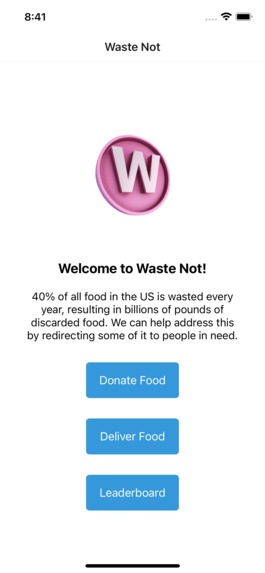
Home Page. Works natively on iOS, Android and Web!
-
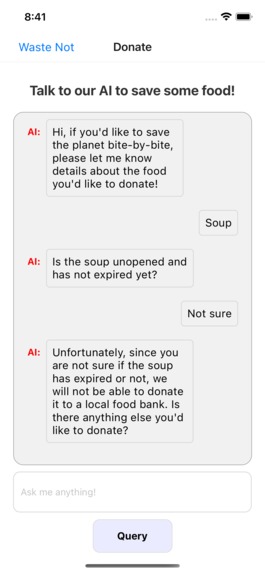
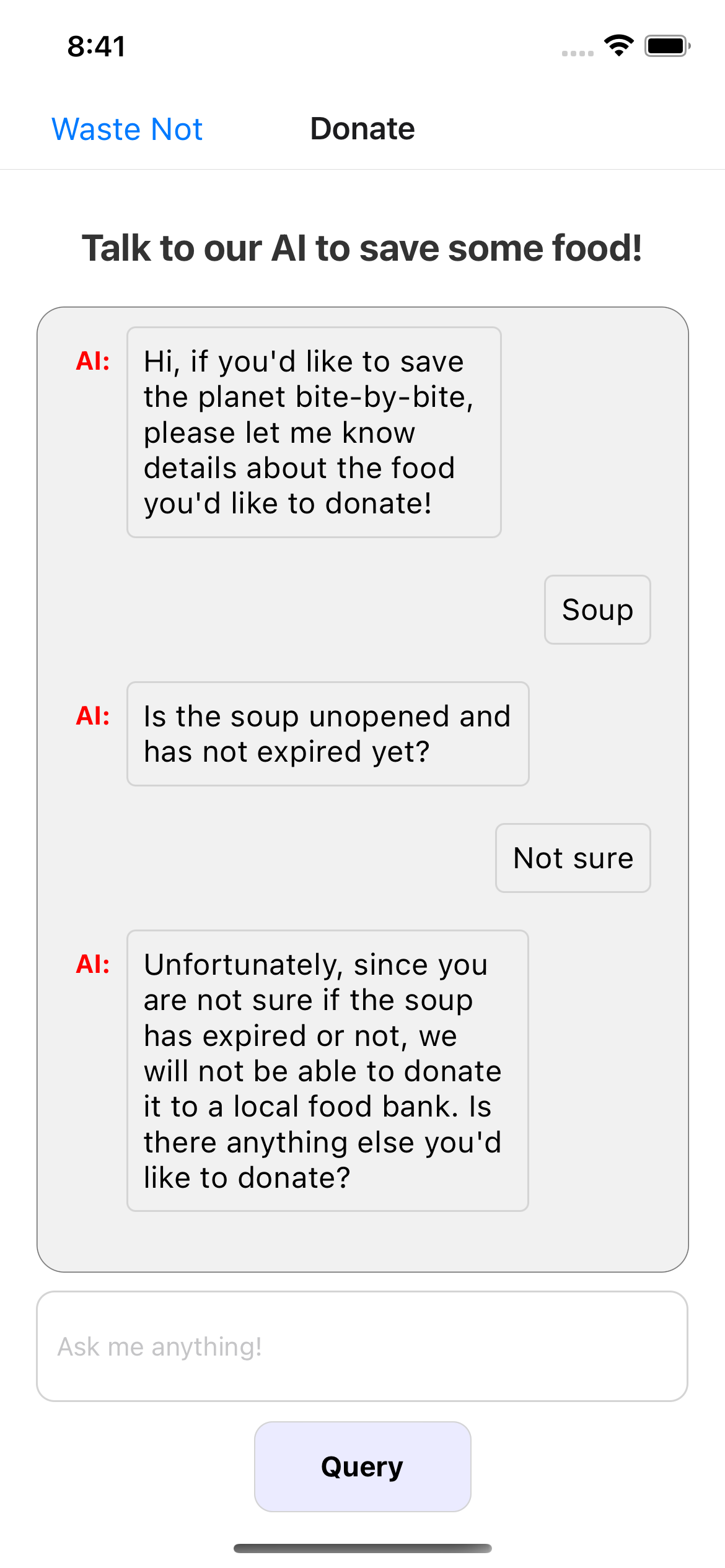
Not afraid to say no to food that isn't fit for donation
-
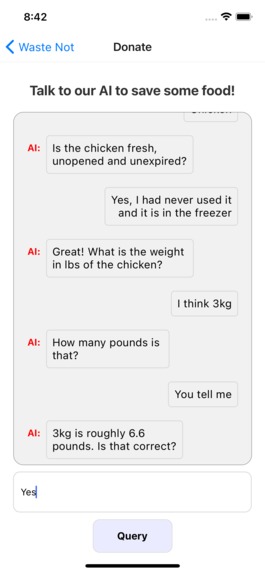
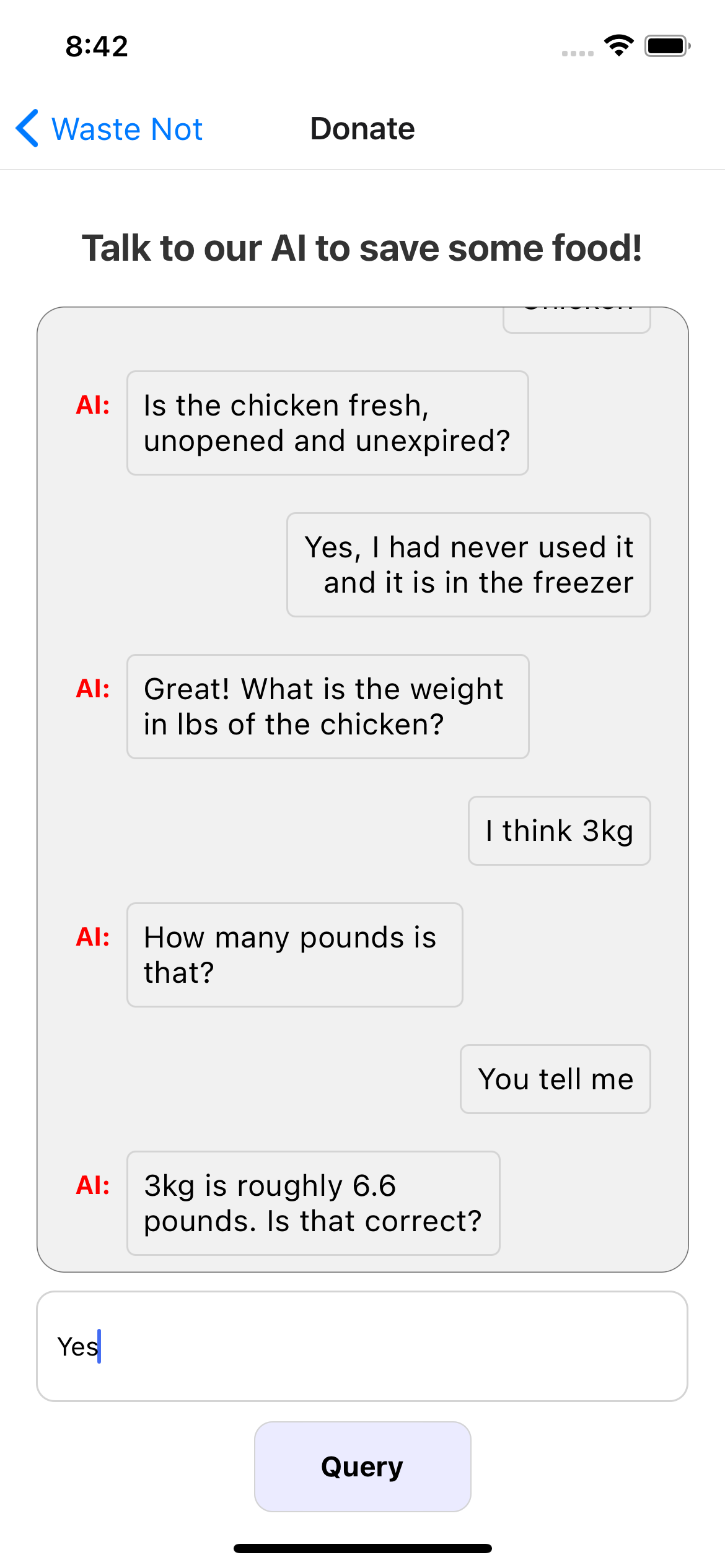
Using AI to it's full capabilities
-
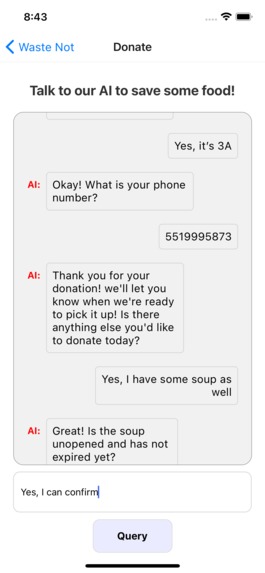
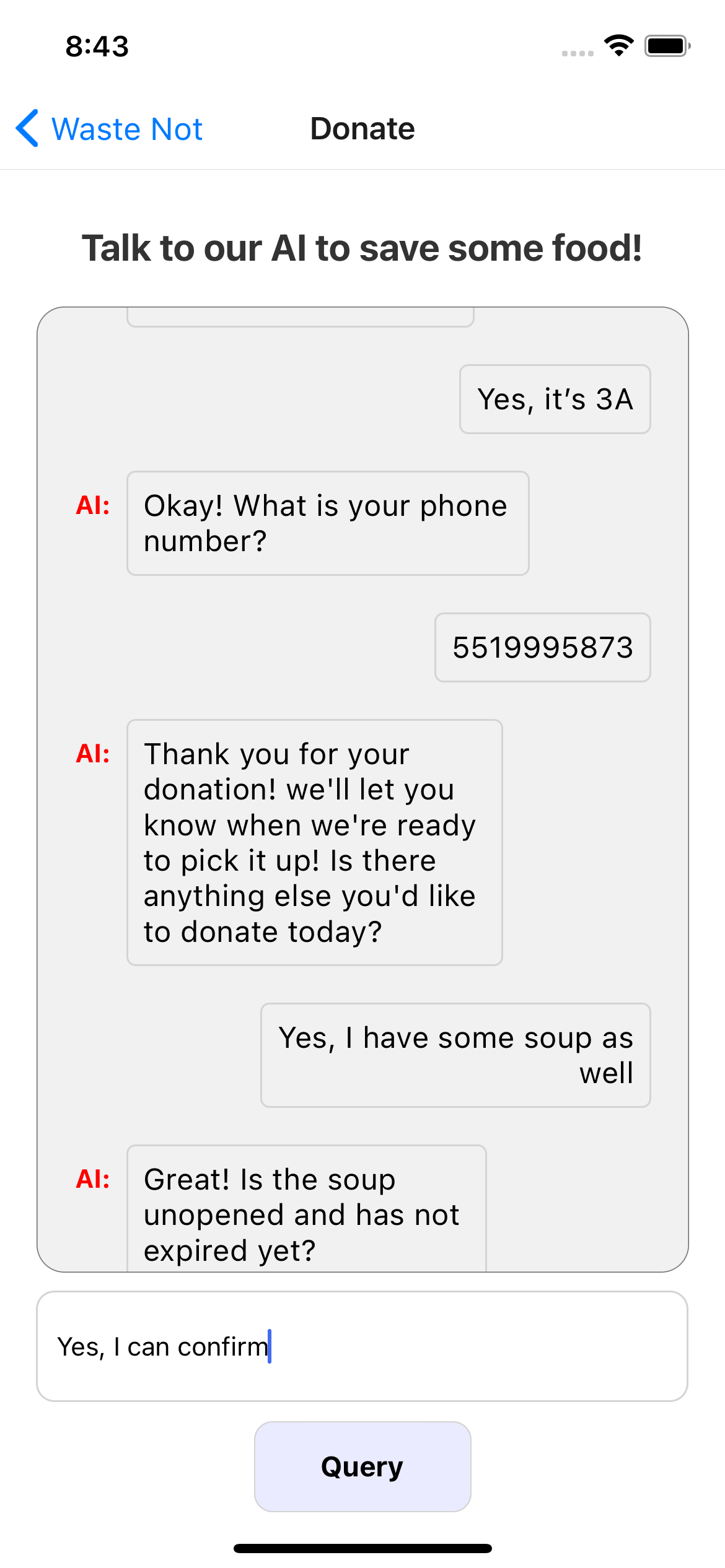
Context aware and able to continue conversations
-
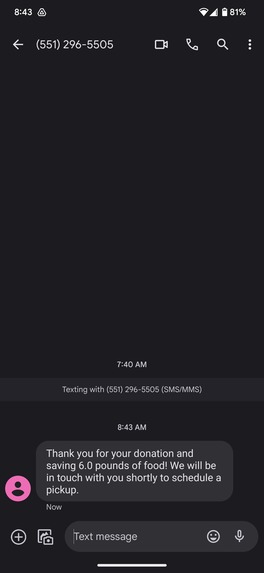
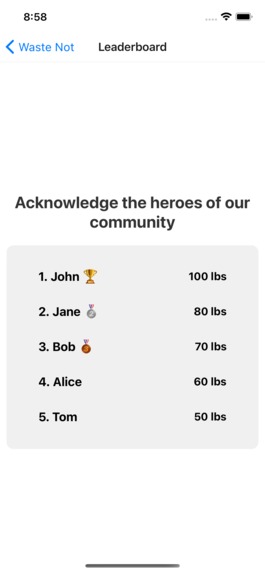
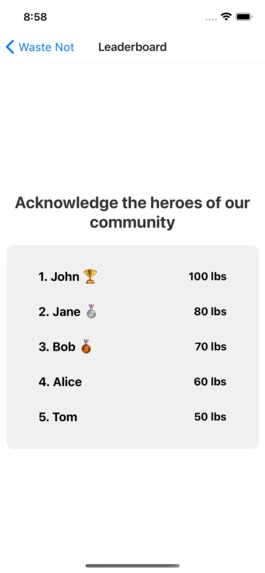
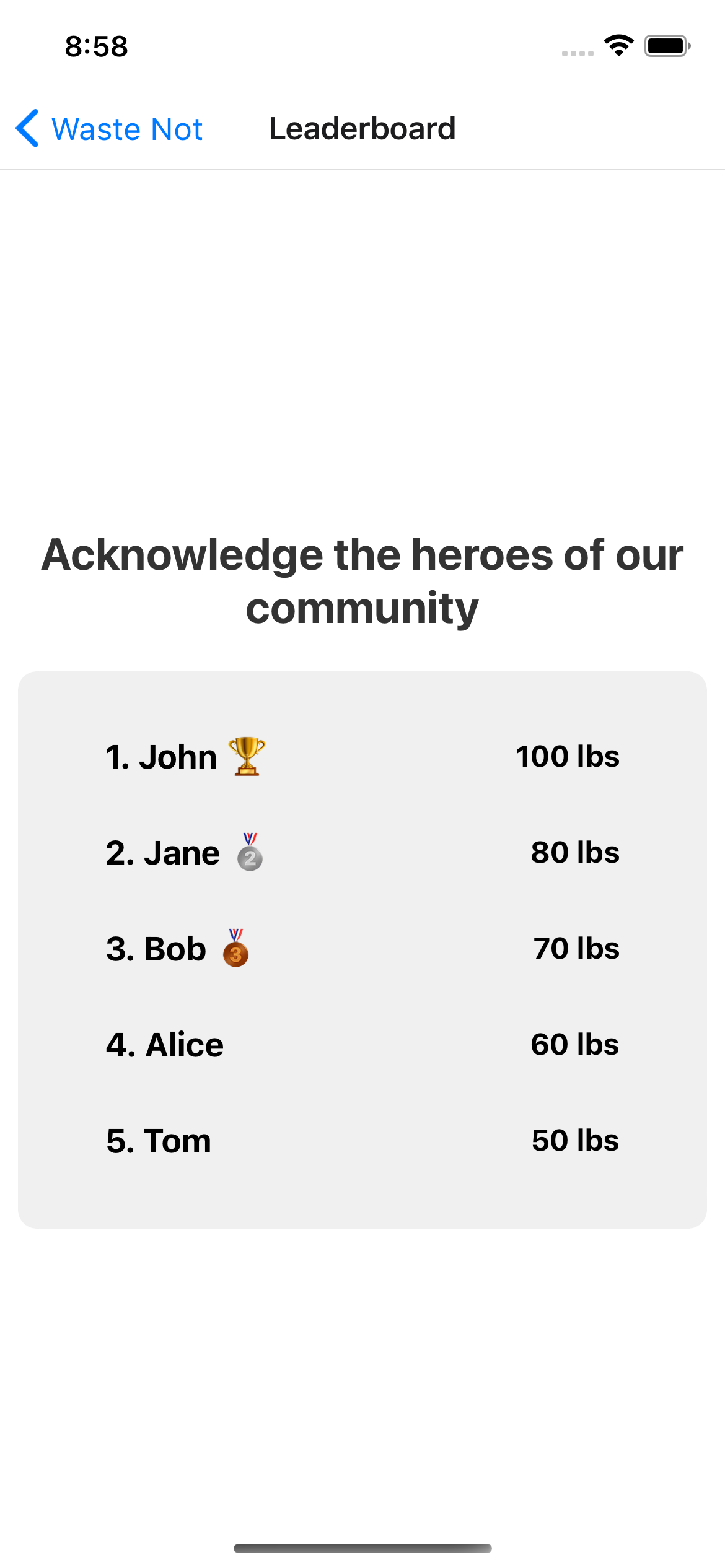
Be acknowledged for donating food
-
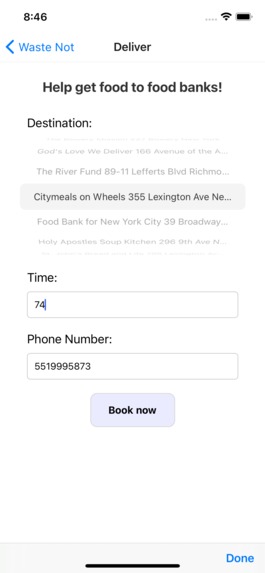
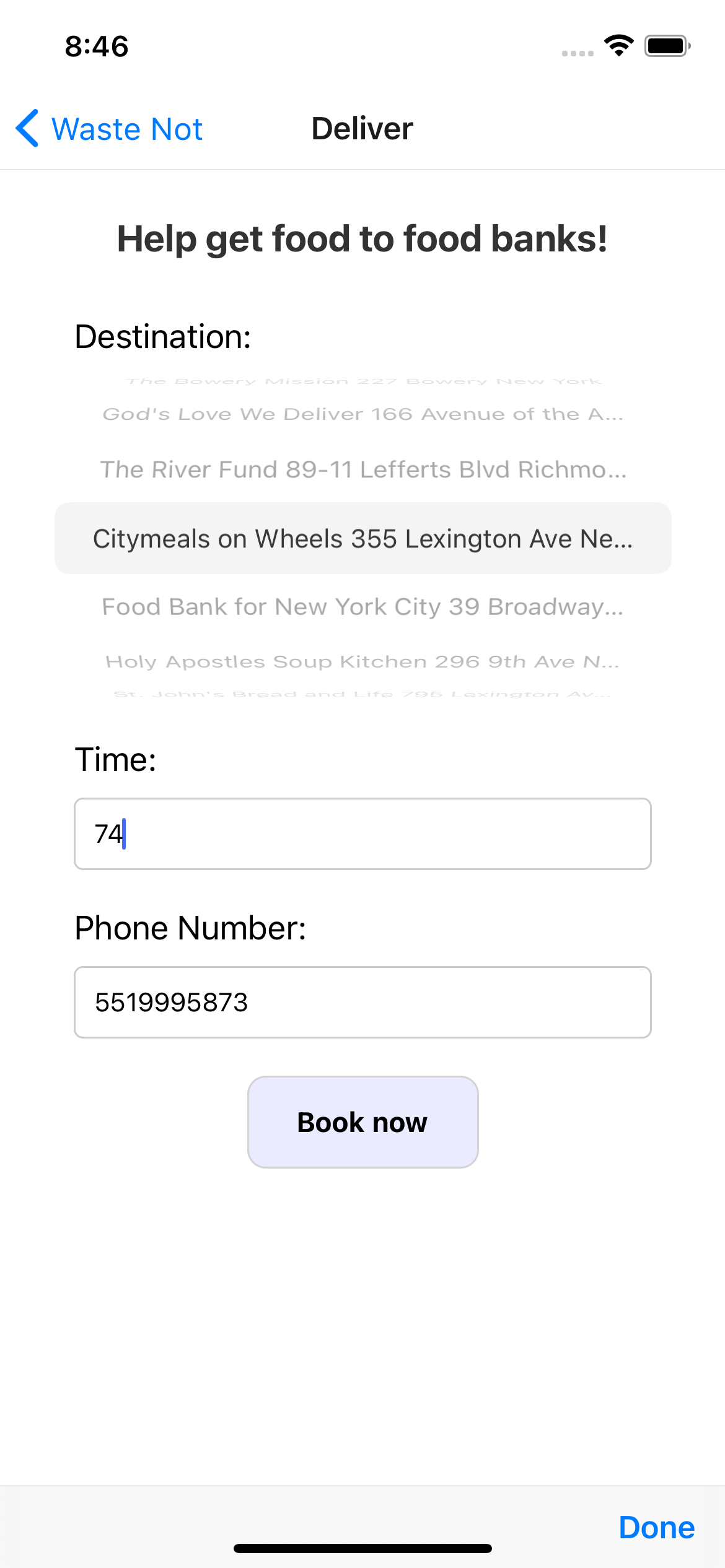
(Note the minutes that have been set)Don't want to donate? There are other ways to help! You can help deliver food to the food banks as well
-
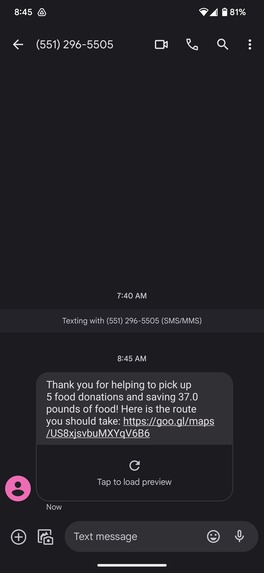
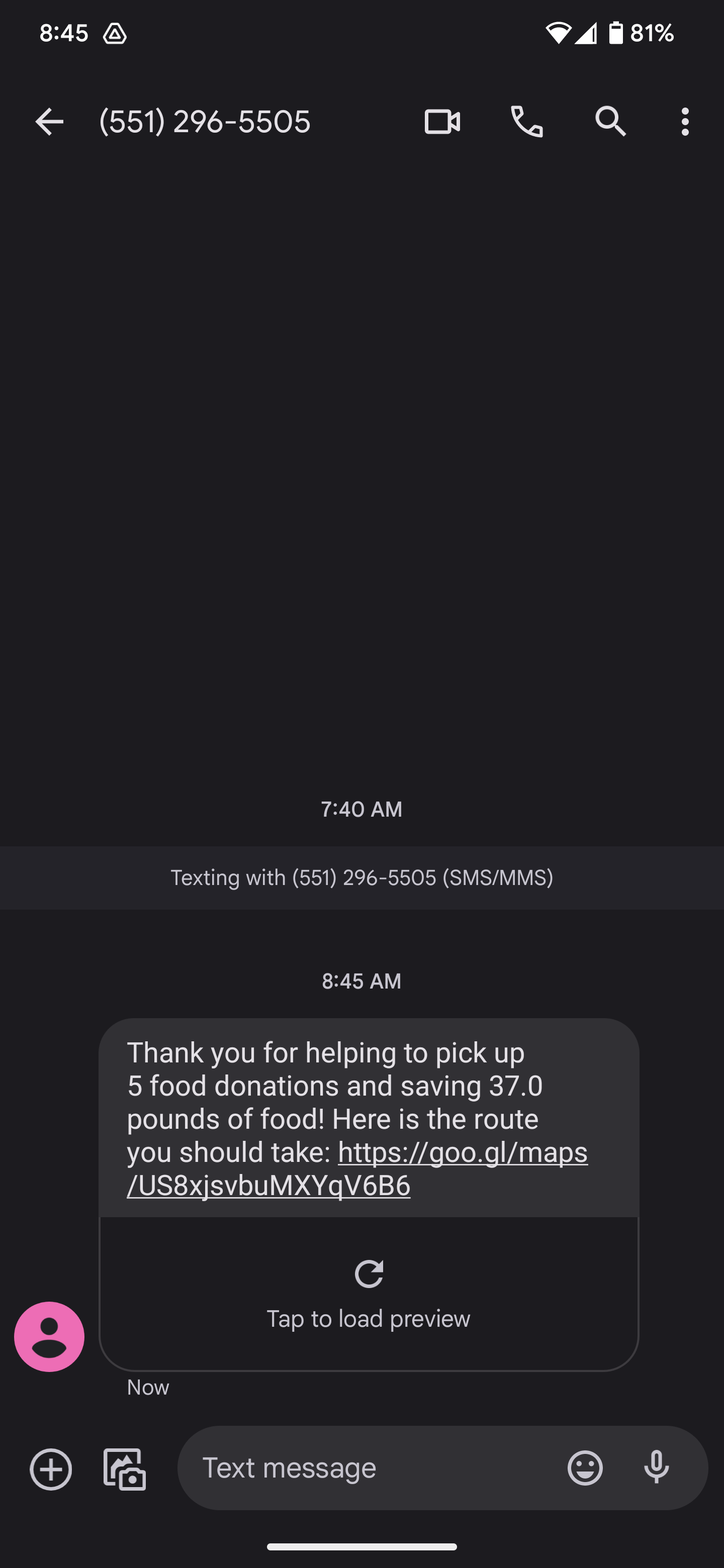
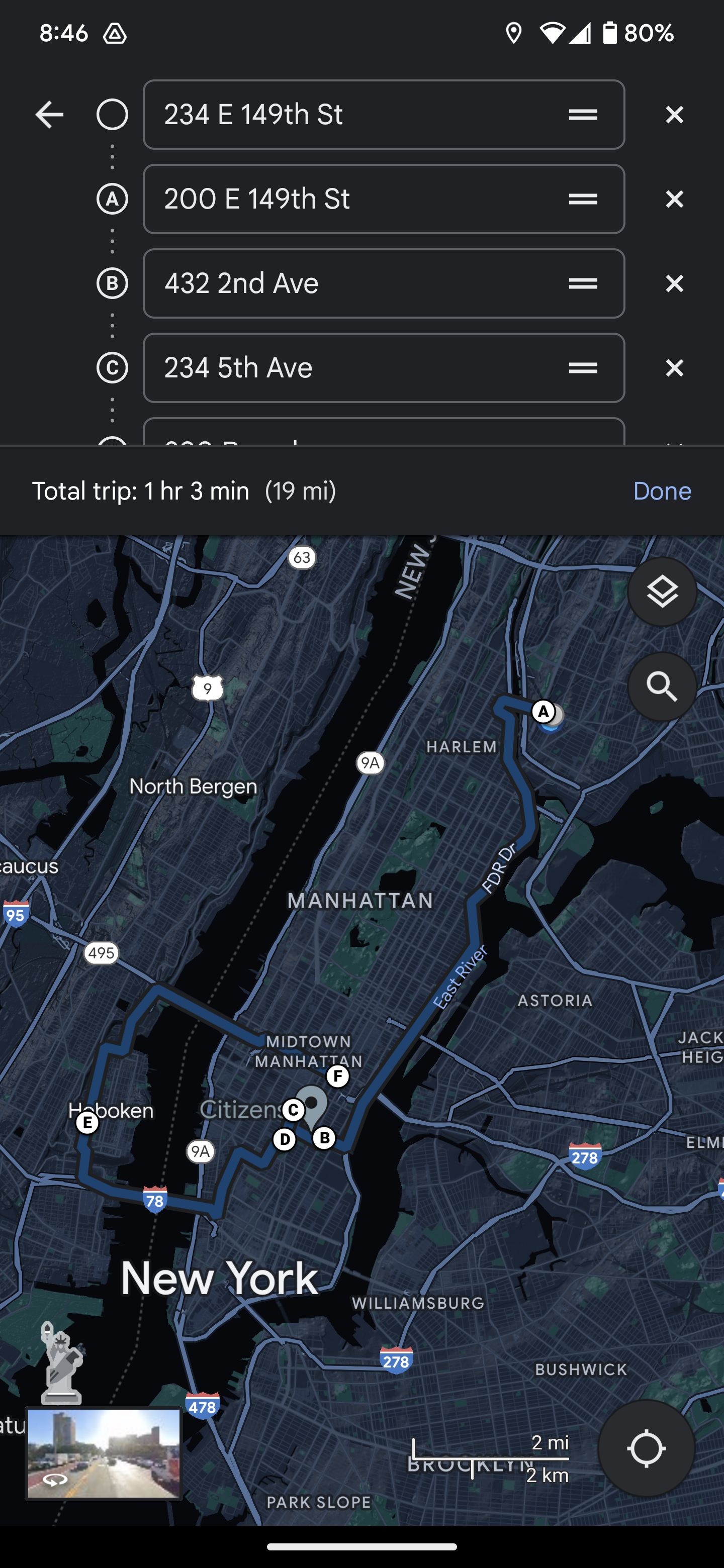
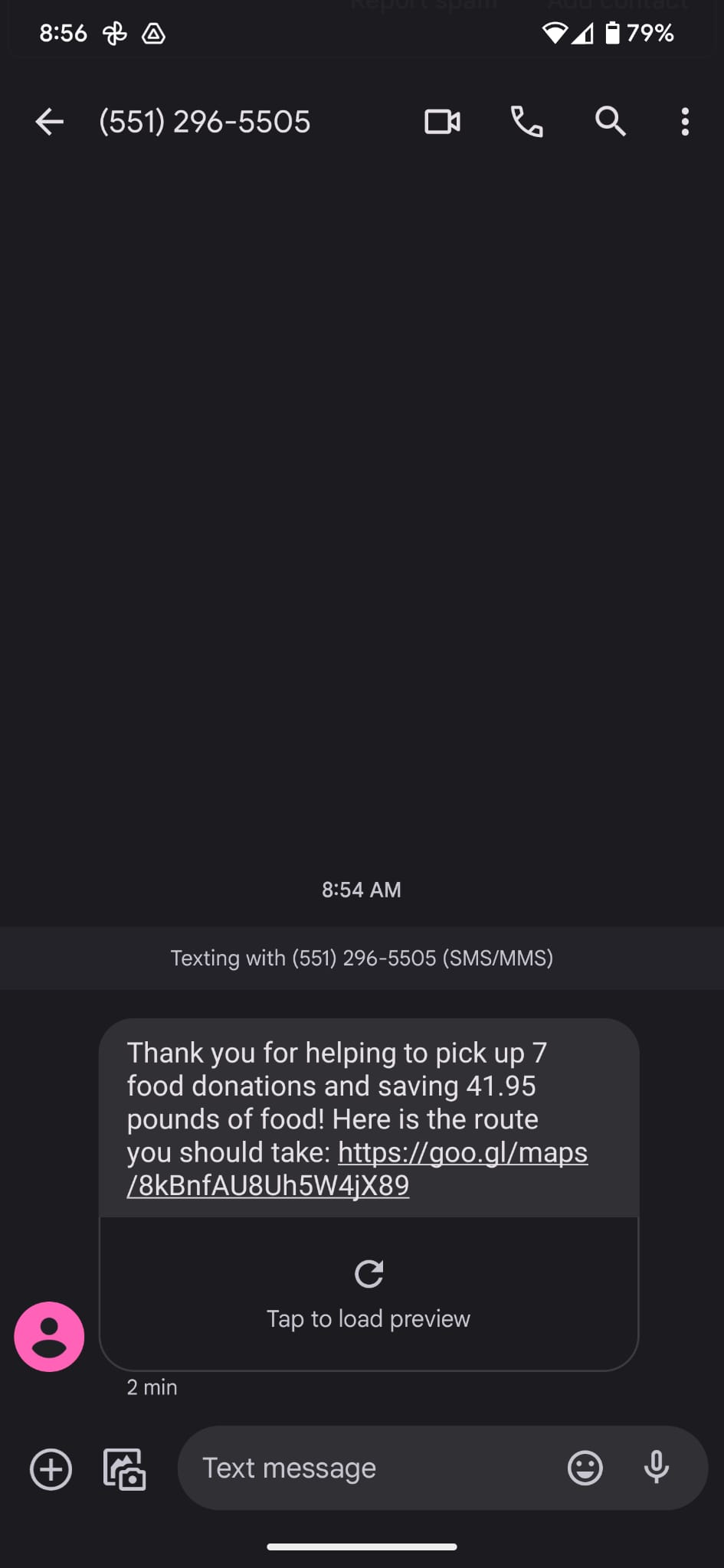
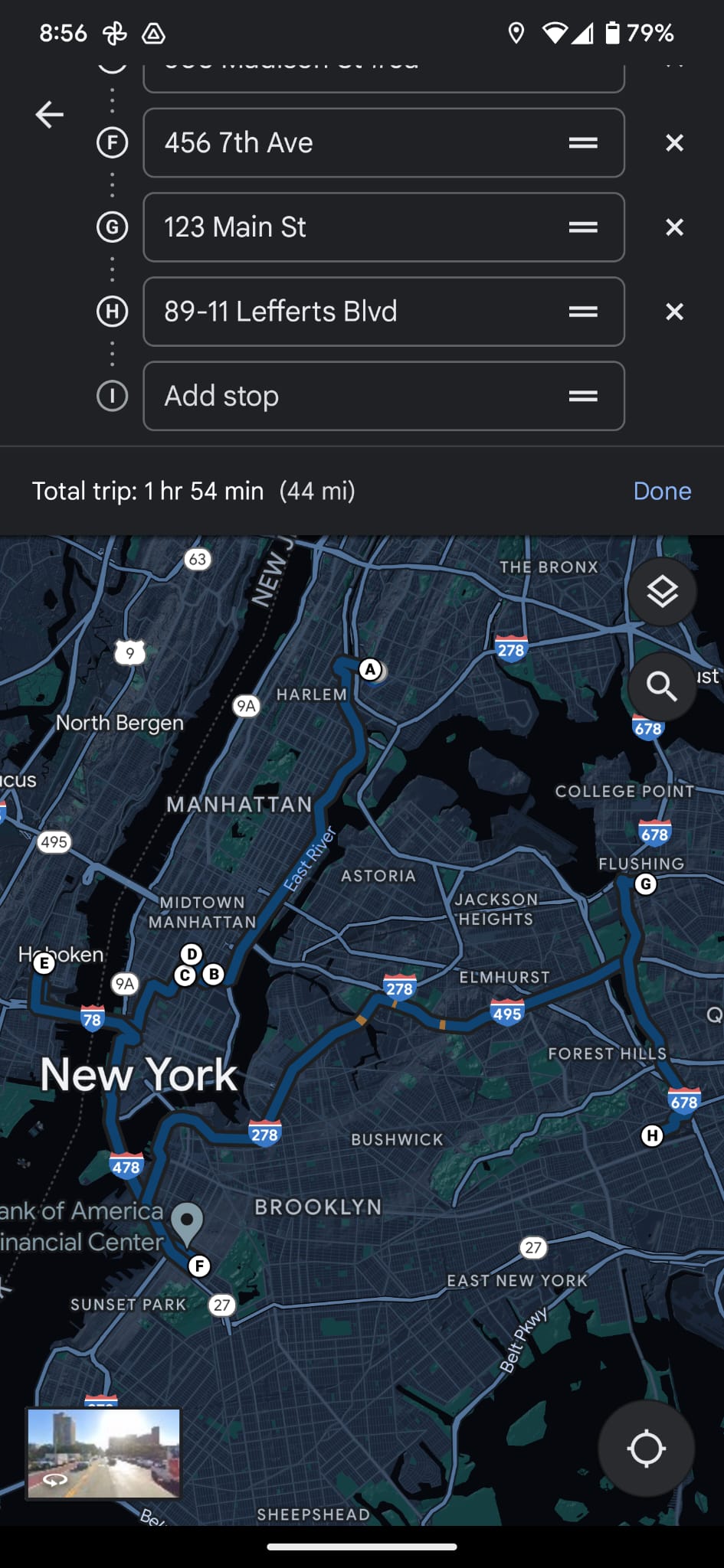
A concise Google Maps link that contains all the waypoints for the stops, and ends at the food bank you selected before
-
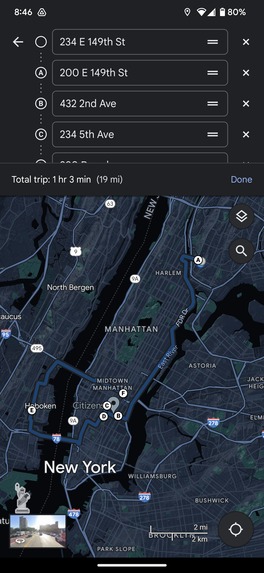
Note the total time and the stops. You offered 74 minutes, our algorithm was smart enough to get as much food as possible in that time
-
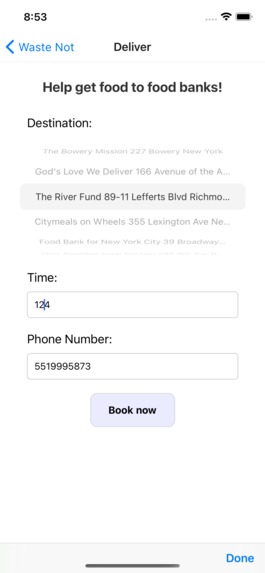
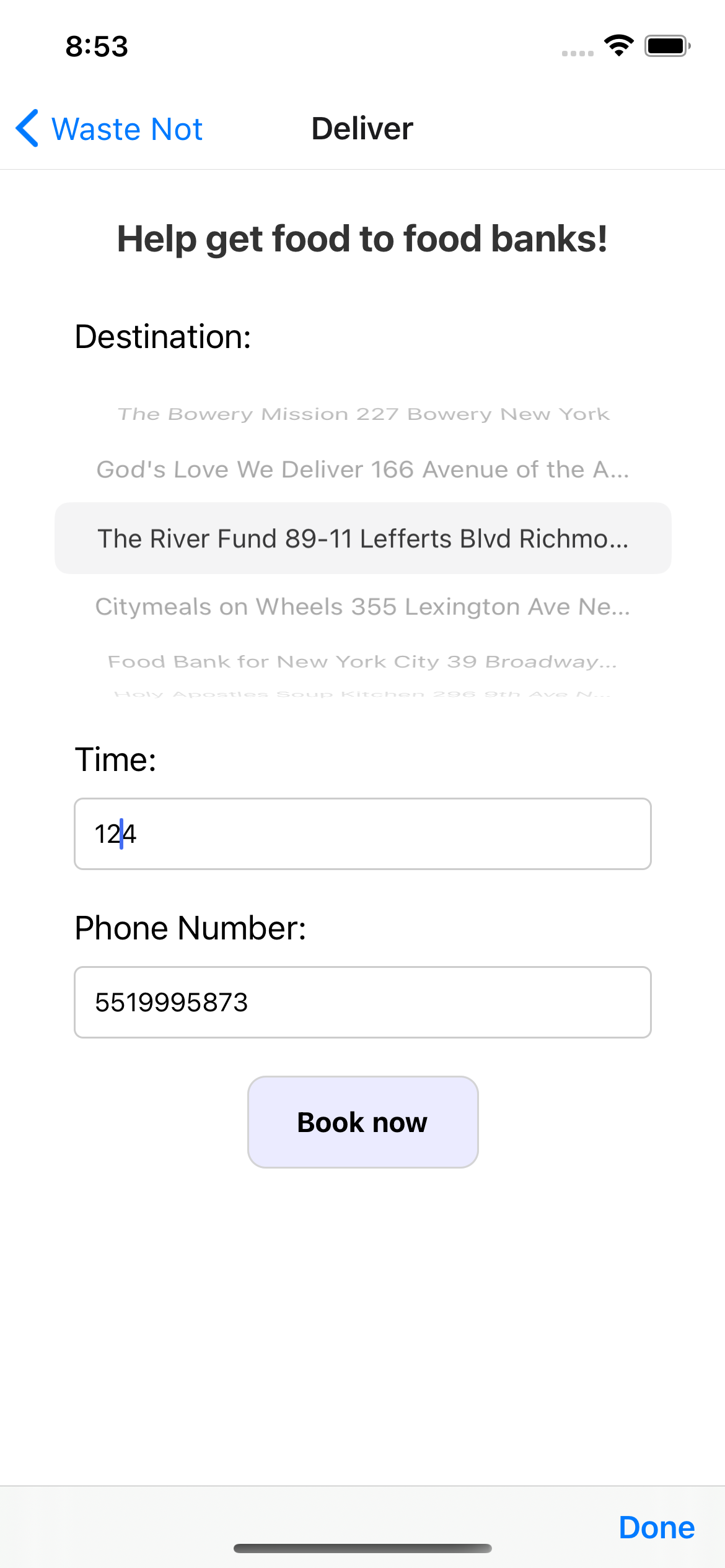
Let's now increase the time and change the food bank
-
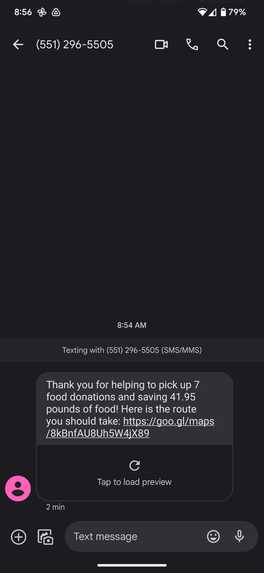
The algorithm now takes you to more donation spots and increases the amount of food saved
-
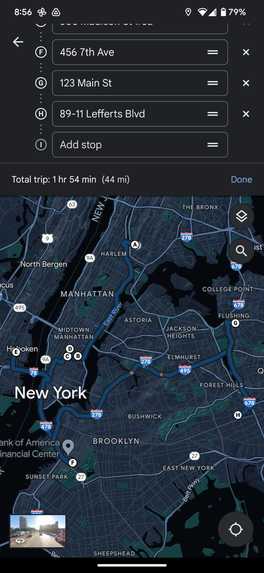
While staying strictly under the time limit you set
-
-



WasteNot
Waste not, want not. Reducing food waste one meal at a time.
Uniting people who have food to donate, people who are in need of food, and people who want to help deliver food.
Inspiration
Food waste is a global issues that costs the world billions of dollars and contributes to food insecurity and climate change.
- Over 1.3 billion tons of food is wasted each year, which is enough to feed 3 billion people.
- 40% of food is wasted in the United States.
- Third largest contributor to greenhouse gas emissions.
- One of the largest contributors to methane emissions, which is 25 times more potent than carbon dioxide.
While everyone eats food multiple times a day, many people are still going hungry. In the United States, 1 in 8 people are food insecure, which means they don't have enough food to live a healthy life. Globally, this number is much higher and is expected to increase as the world's population grows.
What it does
WasteNot primarily allows users with extra food to offer others to collect it and deliver it to food banks or to one’s in need. WasteNot relies on the community to offer and deliver food. We believe food is a fundamental right and that everyone should have equitable access to food and WasteNot works on that model to increase accessibility to healthy and sustainable sources of nutrition.
It is worthy to note that food isn’t just restricted to be donated. Anyone can find excess food nearby and offer to pick it up. This allows to systematically reduce food waste while also conventional notions.
How we built it
Python Flask backend with React-Native frontend.
Challenges we ran into
Who doesn't love a good challenge? We had a lot of fun working on this project and we learned a lot along the way.
Accomplishments that we're proud of
Finishing the project!
- We were able to get a working prototype of the app up and running in a short amount of time (~40 hours).
- We were able to develop a microservice architecture for the backend and build a mobile app asynchronously but have them work together seamlessly.
What we learned
- Teamwork and communication are key to success.
- There is always room for improvement and growth.
- It's okay to fail, as long as you learn from it.
What's next for WasteNot
- Adding more features to the app
- Reward system for people who donate food
- Map to show where food is being donated
- Resources for people to reduce food waste
- Implementing a more robust backend
- Creating a more user-friendly UI/UX

Log in or sign up for Devpost to join the conversation.