-
-
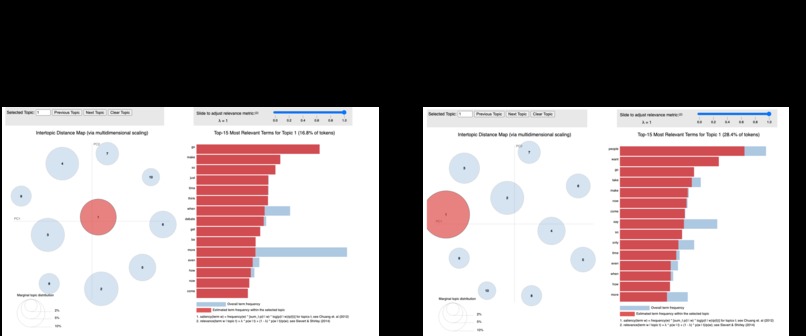
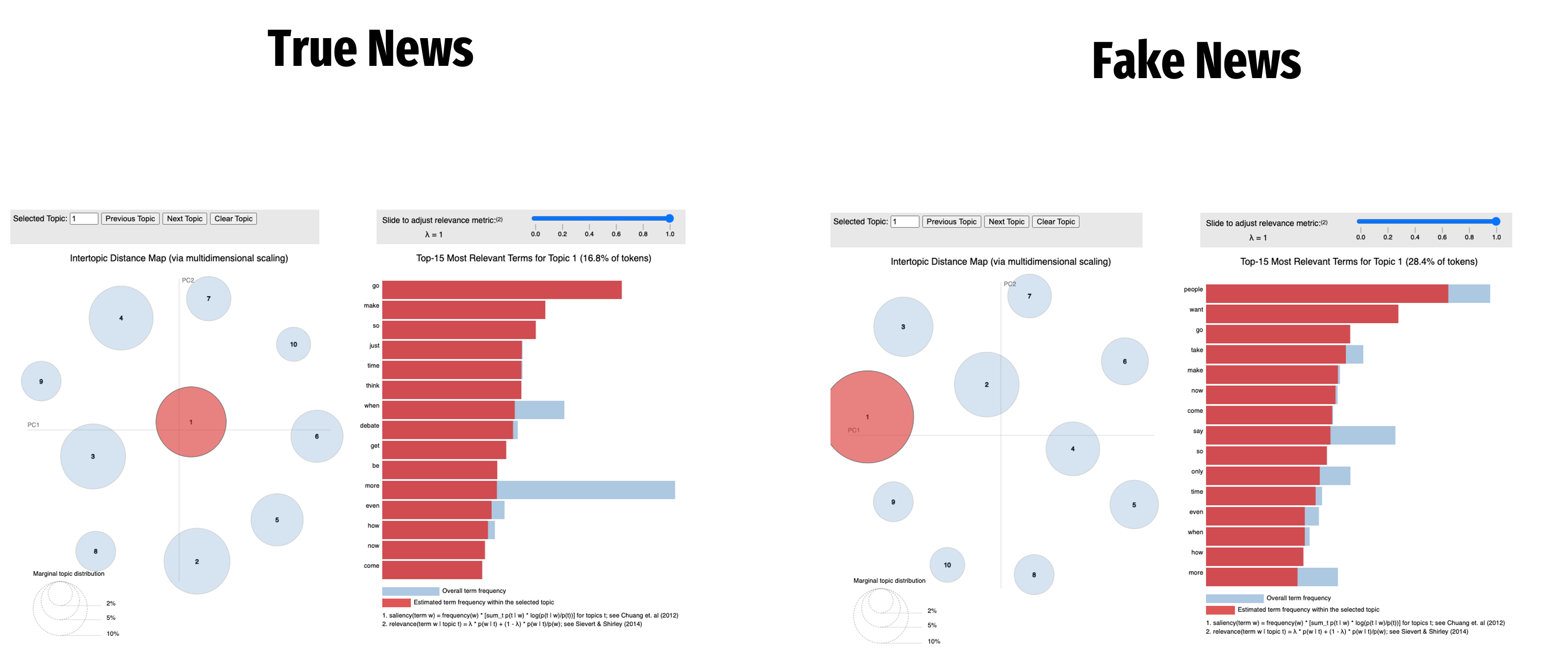
Interactive topic modeling with words that can create 10 topics for both true and fake articles
-

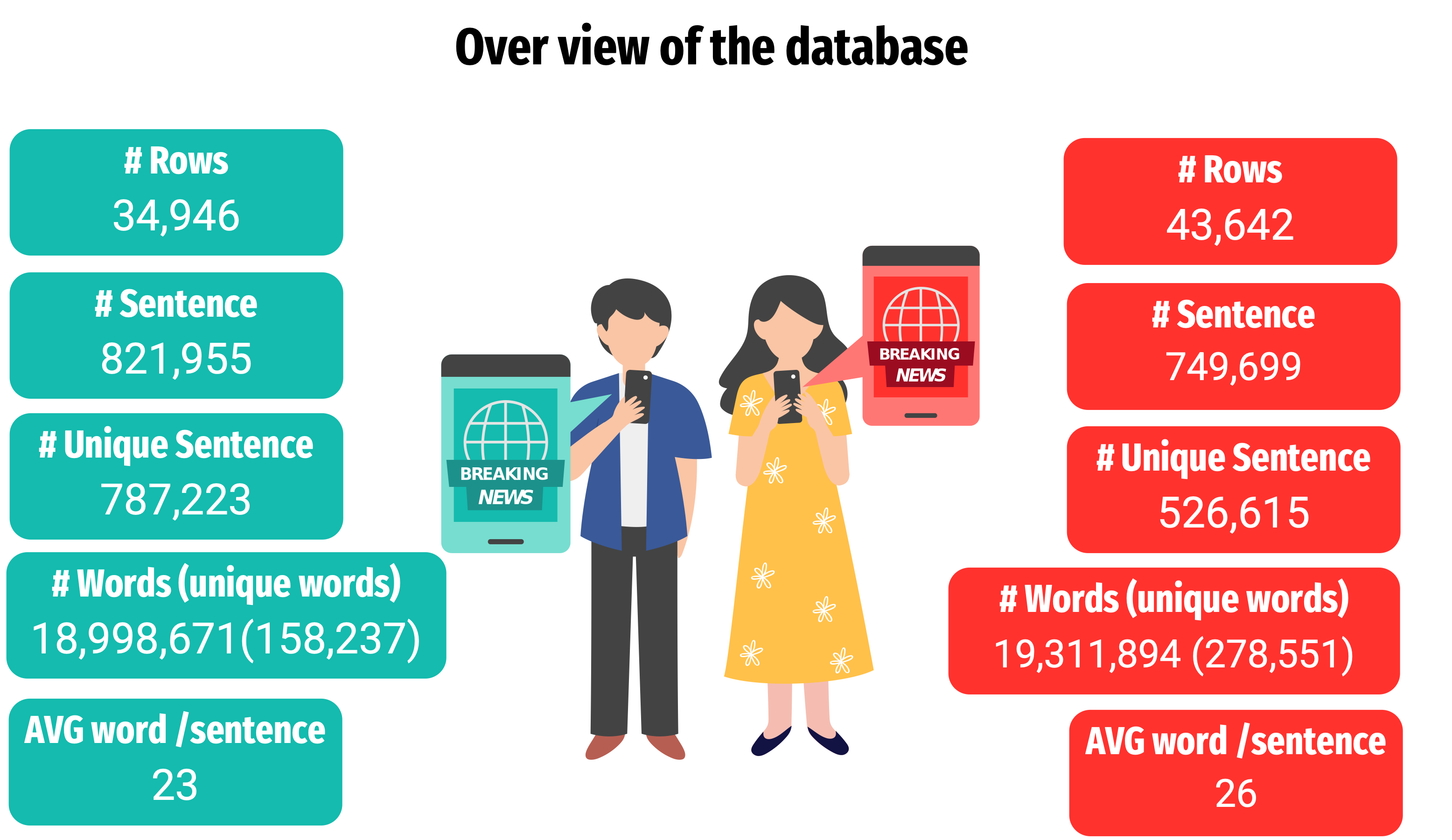
Statistical overview of the Database (red is fake and green is True news)
-
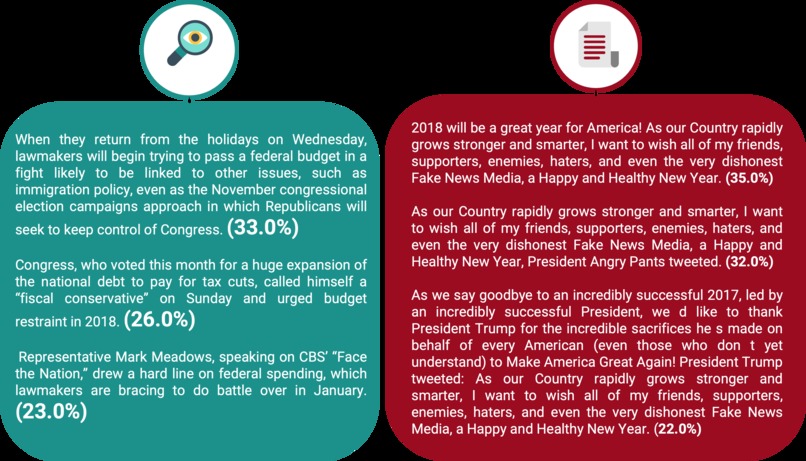
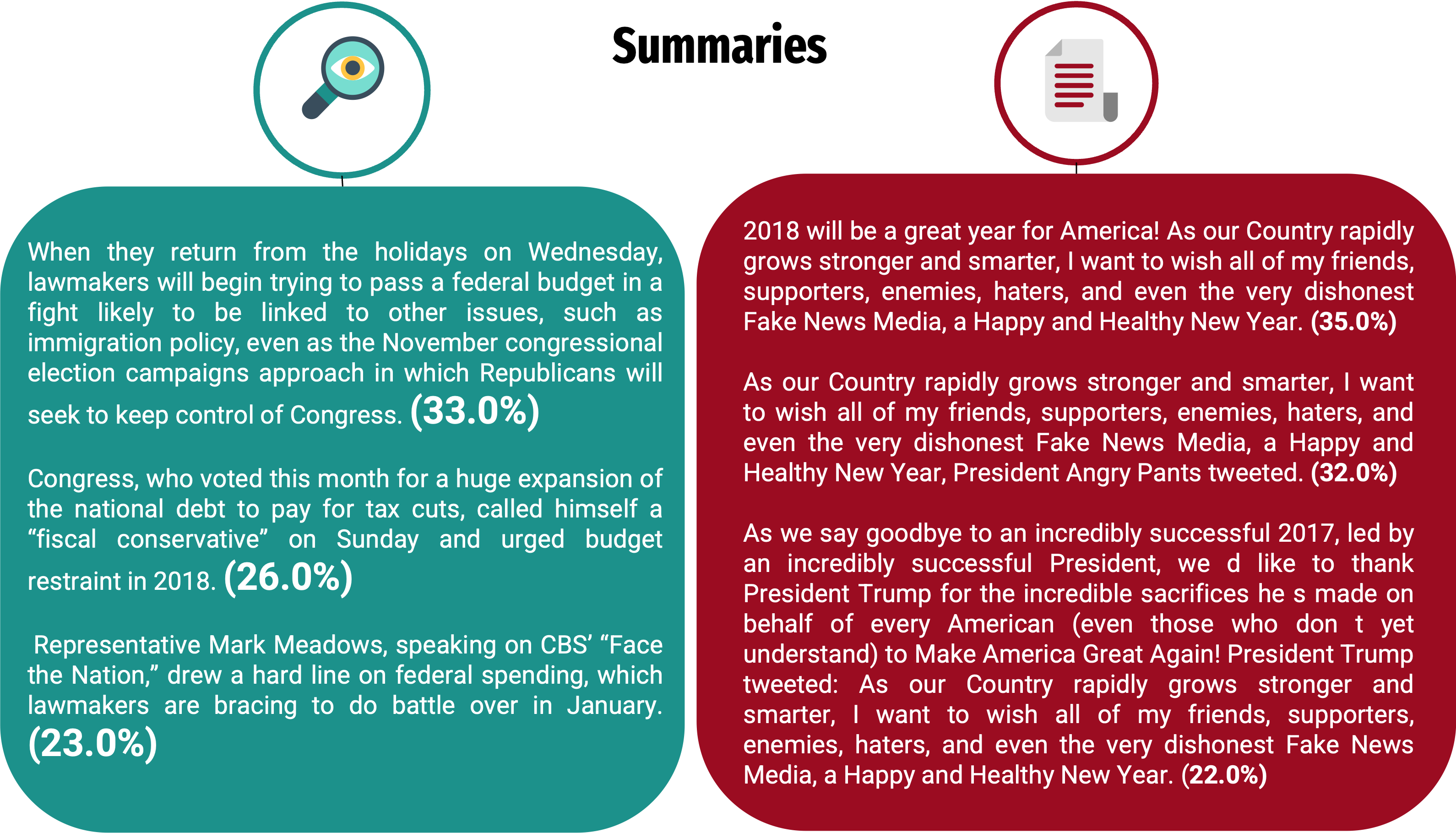
Summary of both True and Fake articles (red is fake and green is True news)
-
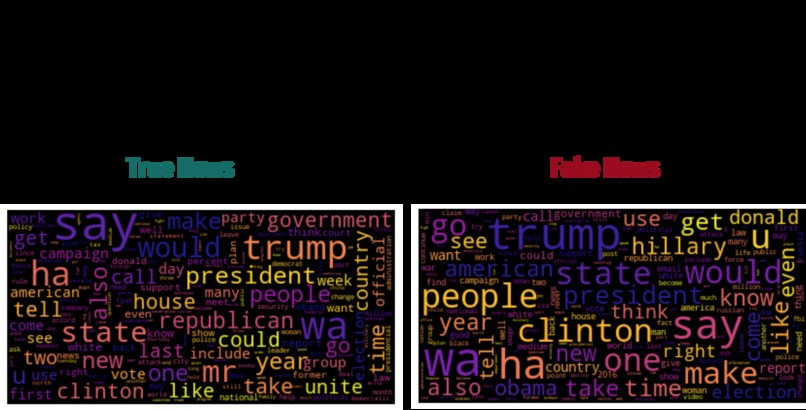
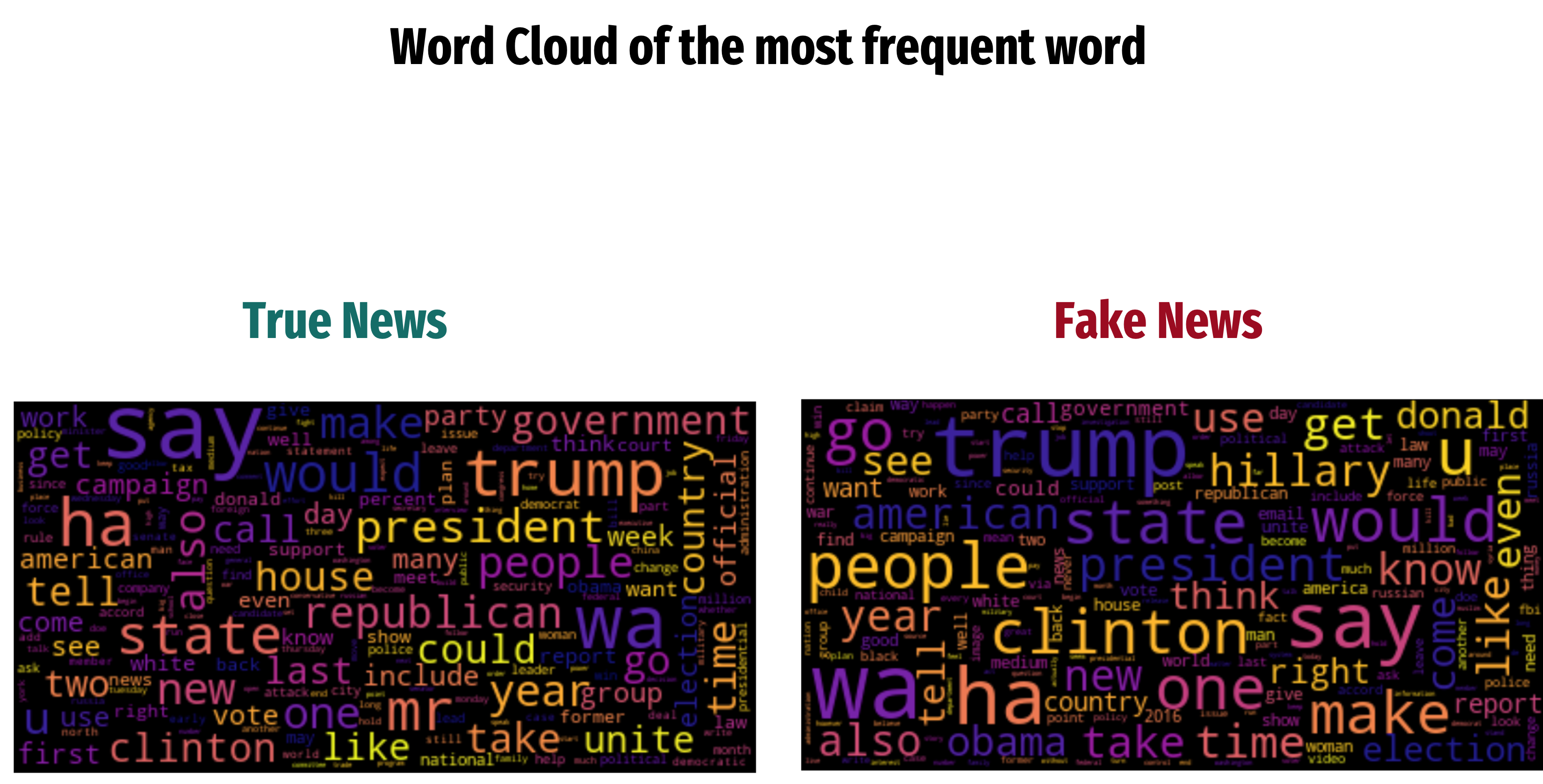
The frequency of the roots of words illustrated in the form of word cloud
-
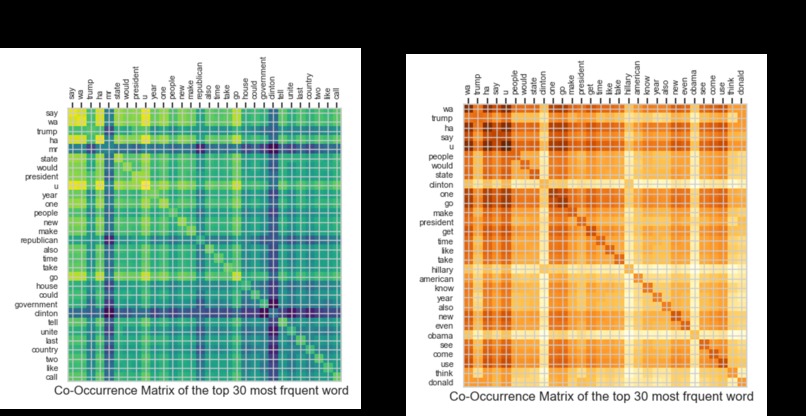
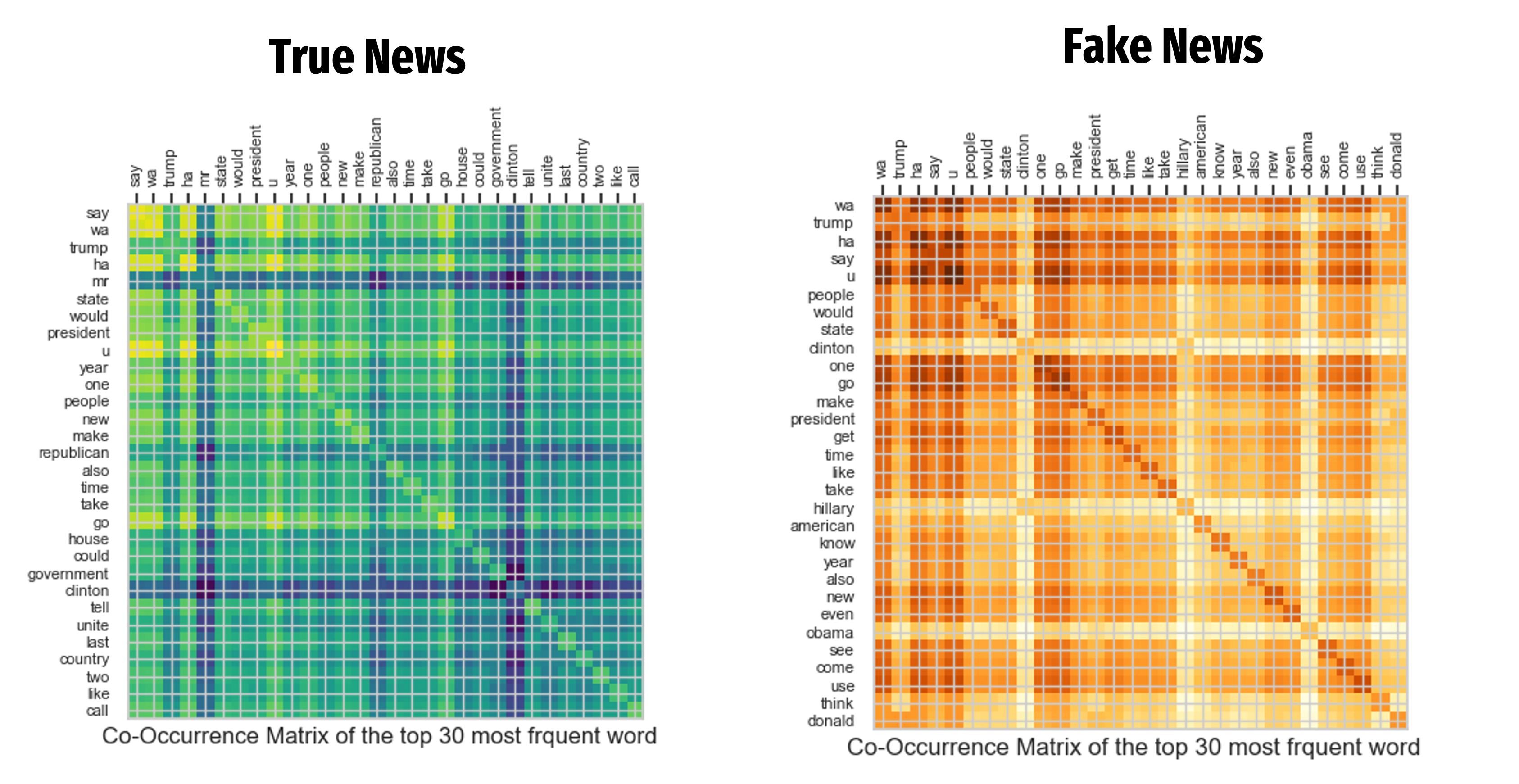
Heat-map (occurrence of the top 30 most frequent words)_comparison
-
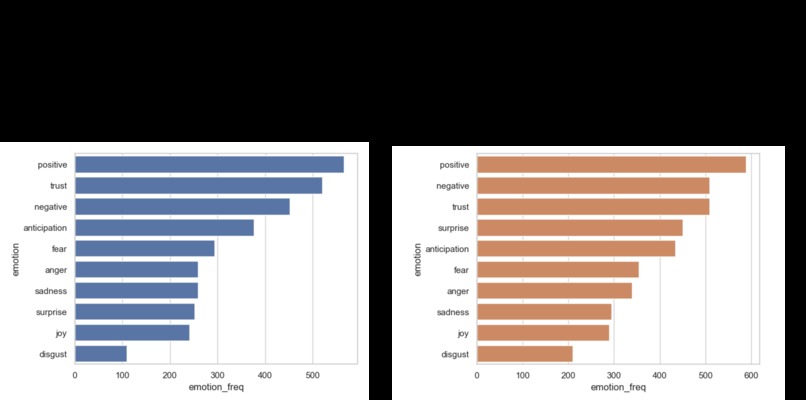
Emotion Analysis (using LeXmo liberry)

What inspired me:
The explosion of data in recent years has made it increasingly important to extract useful information and insights from large volumes of text data. As a result, natural language processing (NLP) techniques have become a crucial tool for data analysis, enabling researchers to understand patterns, trends, and relationships hidden within text data.
With this in mind, I became interested in exploring how NLP techniques could be used to preprocess text data for data visualization. I was inspired by the idea of building a system that could automatically extract useful insights from large volumes of text data, making it easier for researchers to analyze and understand complex datasets.
What I learned:
During the course of my project, I learned a great deal about NLP techniques and data visualization. I gained a deep understanding of the different types of NLP pre-processing techniques, such as tokenization, stemming, and lemmatization, and how they can be used to transform unstructured text data into a more structured form.
I also learned about various data visualization tools and techniques, such as bar charts, interactive scatterplots, word cloud, and heatmaps, and how they can be used to represent different types of data. In addition, I gained a better understanding of the challenges involved in working with large volumes of text data, such as selecting the most appropriate pre-processing techniques.
How I built my project:
To develop my data visualization project for the CANIS-Hackathon, I first obtained an unstructured text dataset from Kaggle.
To analyze the dataset, I used python language and various statistical methods, including sentence and word frequency counts, as well as the average number of words per sentence.
Additionally, I used a summarization technique to generate abstracts for both the True and Fake news data and compared them.
To preprocess the data for analysis, I removed unnecessary characters such as punctuation and URLs, and fixed contractions before lemmatizing to obtain the root form of each word.
Finally, I employed several data visualization techniques, such as word clouds, topic modeling, heatmaps to analyze the co-occurrence of the top 30 most frequent words, and bar charts for emotion analysis, to evaluate the effectiveness of the project.
The challenges I faced:
Building an NLP project for data visualization and NLP pre-processing presented a number of challenges. One of the biggest challenges was dealing with the large volumes of unstructured text data, which required careful selection and implementation of pre-processing techniques to ensure the accuracy and quality of the processed data. Another challenge was selecting the most appropriate data visualization techniques for the type of data being analyzed. I had to experiment with different visualization tools and techniques to determine which ones worked best for the specific data I was working with.
Overall, the project required a combination of NLP and data visualization skills, as well as a deep understanding of the specific domain being analyzed. However, I found the project to be extremely rewarding, as it enabled me to gain valuable insights into the power of NLP and data visualization for data analysis.


Log in or sign up for Devpost to join the conversation.